Best fishing spots in the Peace River region
Navigating the vast and often remote fishing grounds of British Columbia's Peace River region can feel like a daunting task, even for seasoned anglers. With countless lakes, rivers, and hidden streams, it's easy to feel overwhelmed by the sheer scale and wonder where to even begin your angling adventure. This guide aims to cut through that confusion, providing you with a detailed breakdown of the best fishing spots in the Peace River region, what you can expect to catch, and how to make the most of your trip.
Understanding the Unique Appeal of Peace River Fishing
The Peace River region, nestled in the northeastern corner of British Columbia, presents an incredible, wild frontier for anglers. Unlike the more populated southern regions, this area offers a rugged beauty and a sense of true wilderness that appeals to those looking to escape the crowds and challenge themselves. The fishing here isn't just about catching fish; it's about the experience of connecting with nature in its rawest form, often with towering forests, vast plains, and dramatic river valleys as your backdrop.
A Vast and Diverse Angling Landscape
The Peace River country is characterized by its expansive waterways, from the massive, fjord-like Williston Lake—one of the largest man-made lakes in North America—to the powerful Peace River itself, and numerous smaller, pristine lakes and tributaries. This diversity means a wide range of fishing environments, from deep, cold reservoirs perfect for trolling to shallow, vegetated lakes ideal for casting, and swift-flowing rivers demanding precise drift fishing techniques. Each body of water has its own personality, offering unique challenges and rewards. The sheer size of some of these areas, particularly Williston Lake, means you could spend a lifetime exploring and still discover new hot spots.
Target Species and Their Habitats
The Peace River region is a haven for several sought-after fish species, each with its preferred habitat and seasonal patterns. Understanding these can greatly increase your success rate.
- Arctic Grayling: Often considered the quintessential northern fish, these beauties are found in the colder, clear rivers and streams, especially in the upper reaches of the Peace River system and its tributaries. They're recognized by their large, sail-like dorsal fin and are a fantastic fly-fishing target. You'll find them in pools and riffles, feeding on aquatic insects.
- Bull Trout: These aggressive char thrive in the deep, cold waters of large lakes and major rivers, often migrating into smaller streams to spawn. Williston Lake is a prime example, offering excellent opportunities for trophy-sized bull trout. They are voracious predators, often found near structure or drop-offs.
- Lake Trout (Char): Another deep-water resident, lake trout are abundant in the larger, colder lakes like Williston. They are powerful fighters and can grow to impressive sizes, making them a popular target for trollers. You'll often find them suspended over deep water, particularly during warmer months.
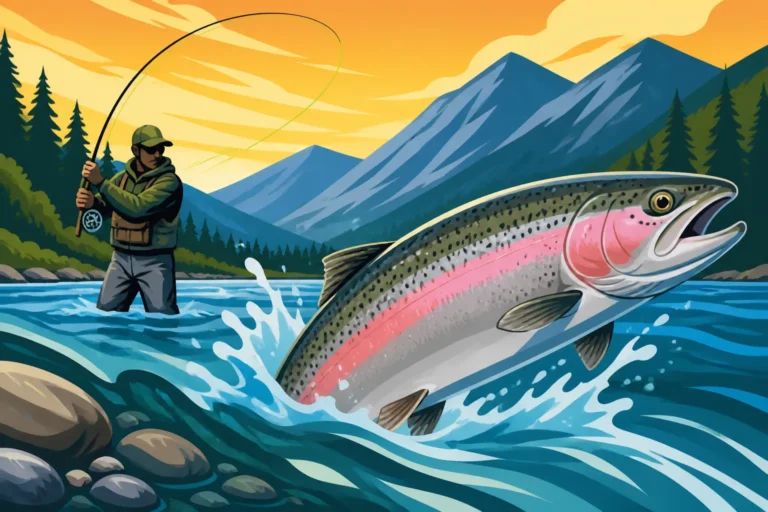
- Rainbow Trout: Found in many of the region's smaller lakes and some river systems, rainbow trout are a classic sport fish. They adapt well to different environments and can be caught using a variety of methods, from fly fishing to spinning with lures or bait. Many lakes are regularly stocked, providing consistent action. You can learn more about how to catch Rainbow Trout in BC Lakes through our dedicated guide.
- Burbot: Often called "freshwater cod," burbot are a unique species found in many of the region's lakes, especially during winter ice fishing season. They prefer cold, deep waters and are primarily nocturnal. While not the flashiest fight, their white, flaky meat makes them a delicious catch. Our guide to Burbot in Northern BC Lakes dives deeper into targeting these fascinating fish.
- Northern Pike: While less common in the Peace River system itself, Northern Pike can be found in some of the sloughs and slower-moving backwaters, particularly in the eastern parts of the region closer to Alberta. They are ambush predators, known for their aggressive strikes and sharp teeth.
- Walleye: Similar to Northern Pike, Walleye are found in limited numbers in the easternmost parts of the Peace River region, especially in lakes and rivers that connect to the Alberta system. They are prized for their excellent table fare and can be targeted with jigs and crankbaits, often found near submerged structure.
Navigating the Top Fishing Spots in Peace River
Now that we know what swims where, let's dive into some specific locations that consistently deliver incredible fishing experiences in the Peace River region. Each offers a distinct adventure, from vast reservoirs to intimate lakes and powerful rivers.
Williston Lake: A Giant for Lake Trout and More
Williston Lake is not just big; it's colossal. Formed by the W.A.C. Bennett Dam on the Peace River, this reservoir stretches over 250 kilometers in length and has more than 1,000 kilometers of shoreline. Its sheer size means it's less of a single "spot" and more of an entire inland sea to explore.
Anglers primarily come to Williston Lake for its incredible population of Lake Trout and Bull Trout. These fish thrive in the deep, cold, nutrient-rich waters. Trolling is often the most effective method, especially for covering vast expanses. Large spoons, plugs, and even downriggers are common tools here. You'll want to focus on areas around submerged structures, drop-offs, and creek mouths. While it's known for these char species, the lake also holds good numbers of Rainbow Trout and Kokanee, providing diverse angling opportunities. Access points like Mackenzie (the main hub on the southern arm), Finlay Bay, and Parsnip River access offer boat launches and services. Given its immense size and often remote access, checking local conditions and having a reliable boat equipped with good navigation and safety gear is crucial. You might find our general guide on the Best Fishing Lakes in British Columbia useful for context.
The Mighty Peace River: Arctic Grayling and Bull Trout Haven
The Peace River itself, both upstream and downstream of the Williston Lake reservoir, offers distinct fishing experiences. The river system, particularly its tributaries, is a prime location for the iconic Arctic Grayling.
Upstream of the W.A.C. Bennett Dam, in the tributaries that feed Williston Lake, you'll find clearer, colder streams and rivers where grayling flourish. Fly fishing with dry flies or small nymphs is incredibly rewarding here, especially during the summer months when insect hatches are abundant. These areas are often more remote and may require bush planes or significant backcountry travel to access. The main stem of the Peace River downstream from the dam, while powerful and silty in places, also holds Bull Trout and offers opportunities for Rainbow Trout in certain sections, particularly near tributary mouths where clearer water enters. The challenge on the Peace River is often its sheer power and fluctuating water levels, which can change rapidly depending on dam operations and rainfall. Always consult BC Fishery Notices and In-Season Closures, Explained before heading out. For a broader overview of river fishing, check out our guide on the Best Fishing Rivers in British Columbia.
Smaller, Hidden Gems: Moberly Lake and Charlie Lake
While Williston Lake and the Peace River dominate the landscape, the region also boasts numerous smaller, more accessible lakes that offer fantastic fishing, often with a more relaxed atmosphere.
- Moberly Lake: Located near Chetwynd, Moberly Lake is a beautiful, medium-sized lake known for its healthy populations of Lake Trout, Bull Trout, and Rainbow Trout. It's more manageable than Williston for smaller boats and canoes. In winter, Moberly Lake becomes a popular ice fishing destination, particularly for Burbot. Access is relatively easy, with public boat launches and accommodations nearby. The lake's varied depths and structures provide excellent habitat, making it a reliable spot for a diverse catch.
- Charlie Lake: Situated just north of Fort St. John, Charlie Lake is a shallow, productive lake. It's unique in the Peace River region for its excellent Northern Pike and Walleye fishing. These species, more common in Alberta, thrive in Charlie Lake's warmer, often weedier waters. Casting spoons, spinnerbaits, or even topwater lures for pike can provide exhilarating action, while jigging or drifting with bait is effective for walleye. Charlie Lake is very accessible, making it a popular choice for local anglers and families. It's a great spot to bring the kids, offering consistent action that can keep younger anglers engaged.
Essential Tips for a Successful Peace River Fishing Trip
Fishing in the Peace River region, while incredibly rewarding, requires careful planning and preparation. The remote nature of many spots and the variable conditions mean you need to be self-sufficient and informed.
Gear Up for Diverse Conditions
The diverse waters and species in the Peace River region call for a versatile approach to your tackle. You'll likely need a range of setups depending on your target.
For powerful fish like Lake Trout and Bull Trout in Williston Lake or the Peace River, a medium-heavy to heavy casting or spinning rod (7-9 feet) with a robust reel spooled with 20-50 lb braided line is essential. You'll need to handle heavy lures and potentially strong currents. For Arctic Grayling and smaller Rainbow Trout in streams, a light to ultra-light spinning setup (5-7 feet) with 4-8 lb monofilament or fluorocarbon, or a 3-5 weight fly rod, will be more appropriate. Don't forget a variety of lures: spoons (like Len Thompson or Gibbs Delta), crankbaits, jigs, and soft plastics for bigger fish, and small spinners, dry flies, and nymphs for trout and grayling. A good selection of terminal tackle, including swivels, snaps, and various hook sizes, is also a must.
Navigating Regulations and Access
British Columbia has specific fishing regulations that are crucial to follow. Before you even cast a line, ensure you have the correct license. For the Peace River region, you'll need a BC Freshwater Fishing License. You can find detailed information on how to buy a BC Fishing License online. Always check the current year's BC Freshwater Fishing Regulations Synopsis, as rules regarding bag limits, retention, and special restrictions (like bait bans or specific gear restrictions) can change annually or even in-season via fishery notices. Understanding the difference between a BC Freshwater vs Tidal Waters License, Explained is important, as the Peace River region is entirely freshwater.
Access to some of the more remote spots can be challenging. Many areas require 4×4 vehicles, and some truly wild locations are only accessible by float plane, ATV, or extensive hiking. If you're looking to explore these backcountry gems, consider hiring a local guide. Platforms like FishingBooker can be an excellent resource for finding experienced guides who know the Peace River system intimately and can get you to the best spots safely and legally. For those bringing boats, be aware of BC Boating Laws for Anglers, including requirements for the Pleasure Craft Operator Card and life jackets.
Safety First in the Wilderness
Fishing in the Peace River region often means being in remote wilderness, so safety should be your top priority.
- Wildlife Awareness: This is prime bear country (both black and grizzly), so carry bear spray, know how to use it, and make noise while hiking. Store food securely. Moose, elk, and other large animals are also present.
- Weather Preparedness: Weather can change rapidly, especially on large bodies of water like Williston Lake. Always check the forecast, and be prepared for rain, wind, and sudden temperature drops, even in summer. Layered clothing is your best friend.
- Navigation and Communication: GPS devices, satellite messengers (like Garmin inReach or Zoleo), or satellite phones are highly recommended, as cell service is non-existent in many areas. Let someone know your itinerary and expected return time.
- Boat Safety: If you're on the water, ensure your boat is in excellent condition and you have all required safety gear, including enough life jackets for everyone on board, a first-aid kit, and signaling devices. The vastness of Williston Lake means help can be a long way off.
- Water Levels: Rivers can experience sudden increases in flow due to rainfall or dam operations. Always be aware of current water conditions and exercise extreme caution near fast-moving water.
By respecting the wilderness, understanding the regulations, and preparing appropriately, your fishing trip to the Peace River region can be an unforgettable adventure.
| Fishing Spot | Primary Target Species | Best Fishing Methods | Key Features / Tips |
|---|---|---|---|
| Williston Lake | Lake Trout, Bull Trout, Rainbow Trout, Kokanee | Trolling (spoons, plugs), Jigging | Massive reservoir, deep/cold water, remote access in areas |
| Peace River (Tributaries) | Arctic Grayling, Bull Trout, Rainbow Trout | Fly fishing (dry flies, nymphs), Drifting | Clearer, colder streams, remote access, pristine wilderness |
| Moberly Lake | Lake Trout, Bull Trout, Rainbow Trout, Burbot | Trolling, Casting lures, Ice fishing | Accessible, good year-round, popular for winter burbot |
| Charlie Lake | Northern Pike, Walleye, Perch | Casting (spoons, spinnerbaits), Jigging | Shallow, warmer water, excellent pike/walleye, easy access |
Disclaimer
Fishing regulations and conditions in British Columbia can change. Always consult the official BC Freshwater Fishing Regulations Synopsis and local fishery notices before planning your trip to ensure compliance and safety. This guide is for informational purposes only and does not constitute legal advice.