Best time to fish before a cold front
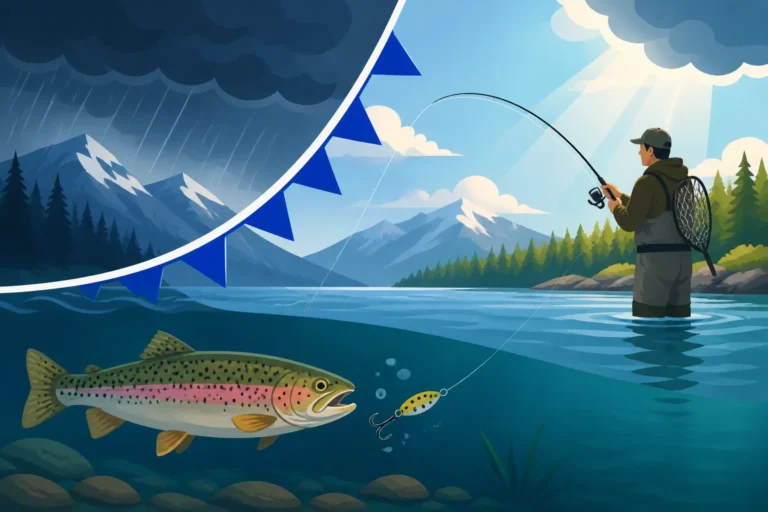
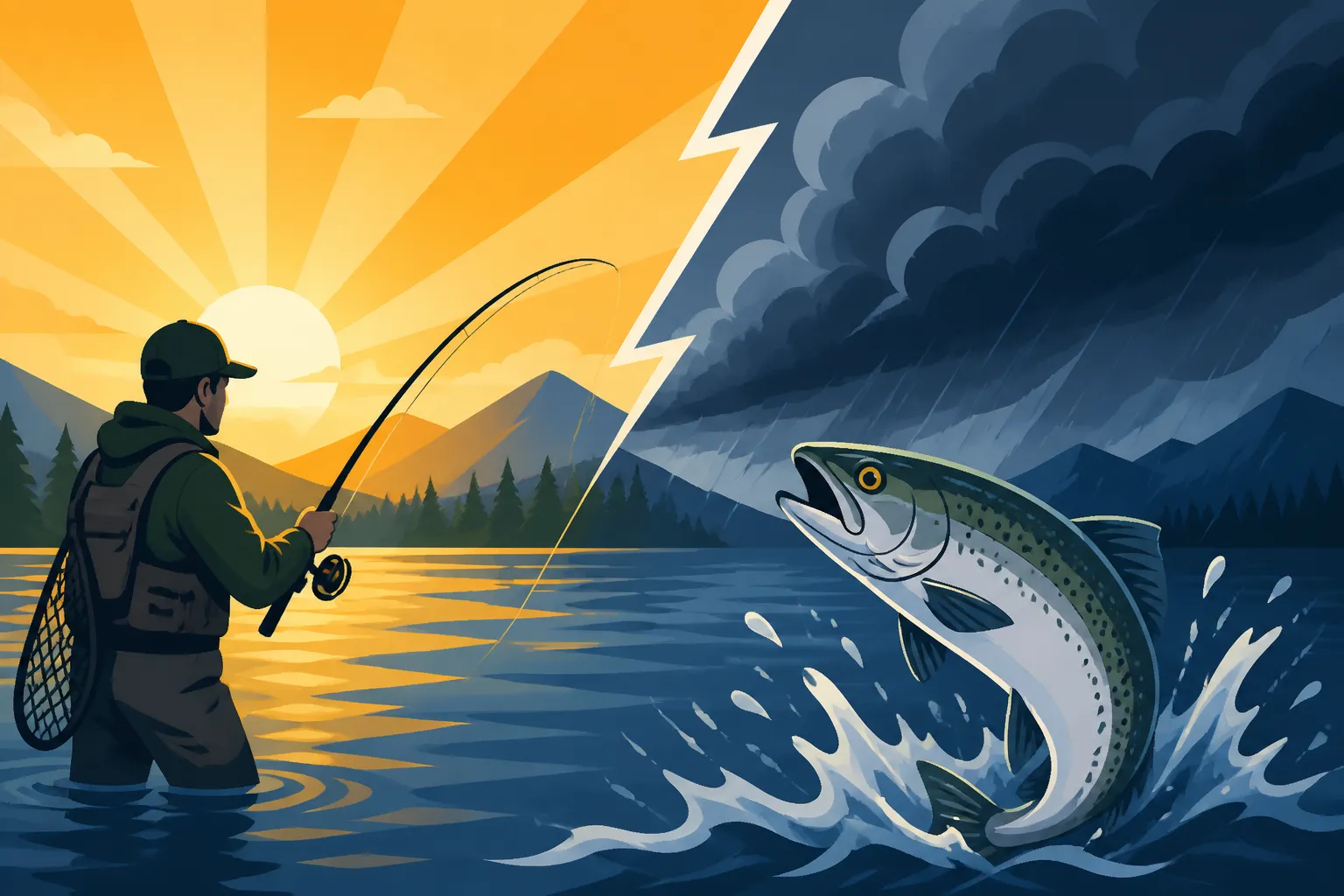
There’s nothing quite like planning a fishing trip in British Columbia, only for the weather forecast to shift and warn of an incoming cold front. Many anglers pack up their gear, assuming the fishing will be terrible, but that’s often not the case. In fact, if you time it right, the period before a cold front can offer some of the most exhilarating fishing opportunities. This guide will walk you through understanding why fish behave differently, how to read the signs, and the best strategies to capitalize on this unique window to catch more fish in BC waters.
Understanding the Science: How Cold Fronts Affect Fish Behavior
It's easy to think of a cold front as just a sudden drop in temperature, but it's much more nuanced than that, especially when it comes to how fish react. The key isn't just the temperature change itself, but the atmospheric shifts that precede it. Getting a grasp on these underlying scientific principles can genuinely transform your approach to angling in BC.
Barometric Pressure Drops and Fish Activity
This is perhaps the single most critical factor when considering fishing before a cold front. An approaching cold front is almost always accompanied by a significant drop in barometric pressure. Think of it like this: fish have an air-filled swim bladder that helps them maintain buoyancy in the water column. As the atmospheric pressure on the surface of the water decreases, the pressure on their swim bladder also lessens, causing it to expand. To compensate and remain comfortable, fish often move deeper in the water or become more active, trying to equalize the pressure.
More importantly, many species respond to this pressure drop by going on a feeding frenzy. It's almost as if they instinctively know that a period of instability and potentially colder, less comfortable conditions is coming, and they need to fuel up while the going is good. This pre-front feeding binge is your golden window. You might find normally cautious salmon, like those Chinook working their way up the Fraser or Skeena Rivers, suddenly becoming more aggressive towards your offerings. Similarly, the powerful sturgeon of the Fraser River can become incredibly active, sniffing out baits that they might ignore on a stable, high-pressure day. Even the wily Gerrard rainbow trout in Kootenay Lake will often come out of their deeper haunts to chase down a meal.
Water Temperature and Oxygen Levels
While the dramatic temperature drop arrives with or after the cold front, the precursor can still bring subtle changes. Often, before a cold front truly settles in, there might be a period of slightly warmer air or water, sometimes accompanied by increased cloud cover. This can make fish more comfortable moving into shallower areas where they might not typically venture during bright, sunny conditions.
The movement of weather systems also sometimes stirs up water, which can temporarily increase oxygen levels in certain areas. While not as impactful as the barometric pressure, a slight uptick in dissolved oxygen can contribute to increased fish activity and a general sense of "aliveness" in the water. For species like Coho salmon in coastal streams or resident trout in smaller BC lakes, even minor environmental shifts can trigger a feeding response, especially if it means easier access to food sources before conditions worsen. It’s about seizing these marginal advantages that nature provides.
Light Conditions and Forage Movements
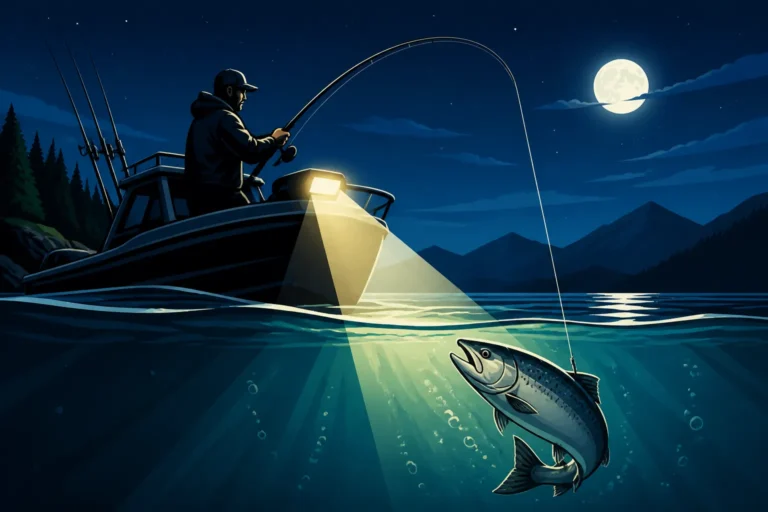
The skies often grow cloudy and dark before a cold front, a precursor to the rain or snow that frequently accompanies the actual front. This reduced light penetration can be a huge advantage for anglers. Many predatory fish, from large salmon to the elusive steelhead in rivers like the Bulkley or Thompson, prefer to hunt in lower light conditions. They feel less exposed to aerial predators and their prey becomes less visible, making an ambush easier.
This change in light can also stress or energize baitfish and insect larvae, leading to more erratic movements. When baitfish are skittish and moving more, larger predatory fish take notice. They know that a disruption in the weather could mean a temporary disruption in their food supply, so they seize the opportunity to fill their bellies. Observing schools of herring or anchovies getting agitated in coastal inlets, or seeing a flurry of insect activity near the surface of a lake, can be a tell-tale sign that the larger fish are also on the prowl. It’s a cascading effect throughout the food chain, all triggered by that approaching shift in weather.
Identifying the Signs: Predicting an Approaching Cold Front
Knowing why fish react to a cold front is only half the battle; you also need to know when it's coming. Being able to predict an approaching cold front in British Columbia gives you that crucial head start, allowing you to hit the water during the prime window. It's about blending traditional wisdom with modern tools.
Reading the Weather Forecast
The most straightforward way to predict a cold front is to keep a close eye on your local weather forecast. In BC, that might mean checking Environment Canada, local news channels, or reliable weather apps. Don't just look at the temperature; pay attention to barometric pressure trends. Look for:
- Falling Pressure: This is key. Forecasts might mention "falling barometer" or show a consistent downward trend in atmospheric pressure readings over a 12-24 hour period.
- Approaching Systems: Descriptions like "a system moving in from the Pacific," "a cold air mass descending from the north," or "frontal boundary approaching" are all indicators.
- Temperature Drop: While the immediate pre-front period might not be dramatically colder, the forecast for the day after your planned outing will show a significant dip. This confirms a cold front is on its way.
- Wind Shifts: Often, winds will shift direction and potentially increase in intensity just before a cold front. A sudden shift from a prevailing westerly wind to a northerly or easterly wind can be a strong signal.
By regularly checking these details for your specific BC fishing location—whether it's the coast around Vancouver Island, the Interior lakes near Kelowna, or the remote rivers of the North Coast—you can get a good feel for the timing. For instance, if you're planning to go BC Fishing Season Dates and Closures, knowing when a front is expected can help you pick the best day.
Observing Natural Indicators
Long before weather apps, anglers relied on keenly observing nature. These signs are still incredibly valuable and often confirm what the forecast is telling you:
- Sky and Cloud Formations: Look for low, heavy, dark clouds moving in rapidly. Lenticular clouds can sometimes precede fronts, and a "mare's tail" or high, wispy cirrus clouds can indicate an approaching system. A sudden darkening of the horizon, even if the immediate sky above you is clear, can be a sign.
- Wind Direction and Intensity: A sudden, unseasonal shift in wind direction or an unexpected increase in wind speed can be a strong indicator. For example, a calm morning turning breezy and then windy from a new direction is often a pre-front sign.
- Bird and Insect Behavior: Birds, especially waterfowl, often become very active and vocal before a cold front, sometimes flying lower or heading for sheltered areas. Insects might become frantic or disappear altogether. You might notice a flurry of biting insects just before a storm, or conversely, a sudden quietness.
- The "Feeling" in the Air: Many seasoned anglers talk about a distinct "feeling" in the air before a front – a certain heaviness, a shift in scent, or a subtle change in the light. This is often linked to the dropping barometric pressure and increased humidity. Trust your gut if you've spent enough time outdoors.
Using Technology: Barometers and Fishing Apps
While observing nature is great, modern technology offers a precise edge.
- Barometers: A good quality barometer is an angler's best friend for tracking pressure. You can find standalone analog barometers for your home or boat, or digital versions that are highly portable. Look for one that shows trends, not just current pressure. A steady or rapidly falling needle is your cue. Many outdoor enthusiasts and serious anglers invest in these, and you can often find a good selection on platforms like Amazon. Having one on your boat, especially when fishing for Halibut Fishing off Vancouver Island or large salmon in open water, can be indispensable.
- Fishing and Weather Apps: Numerous smartphone apps offer detailed weather forecasts, including real-time barometric pressure readings and trends. Some apps even integrate fishing calendars that suggest peak activity times based on moon phases and pressure changes. While not foolproof, they can be excellent supplementary tools to confirm your observations and forecast checks. Just make sure the app sources its data from reliable meteorological services relevant to BC.
By combining these methods, you'll significantly improve your ability to pinpoint that optimal fishing window just before a cold front descends upon your favourite BC waters.
Strategic Approaches: Fishing Techniques Before the Front Hits
Once you've identified that sweet spot just before a cold front is about to roll in, it's time to adjust your fishing strategy. Fish are often in a heightened state of activity, making them more receptive to certain presentations. This isn't the time for subtle, finicky approaches; it's time to be proactive and make your presence known.
Aggressive Presentations and Reaction Bites
When fish are in a pre-front feeding frenzy, they're often less cautious and more willing to chase down a meal. This is when aggressive presentations can really shine. Think about provoking a "reaction bite" – getting a fish to strike out of instinct rather than pure hunger.
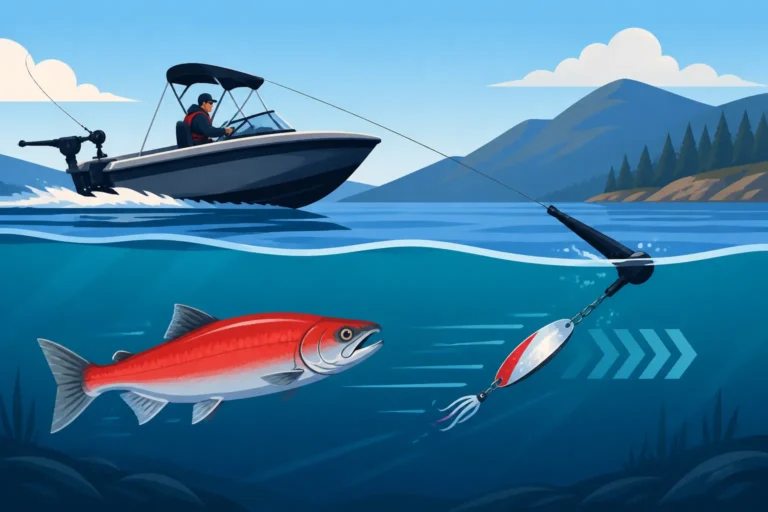
- Faster Retrieves and Erratic Actions: Instead of a slow, steady retrieve, try speeding up your lures or flies. Add pauses and sudden jerks to mimic a wounded or fleeing baitfish. For coastal salmon, faster trolling speeds with spoons or hoochies can be highly effective. If you're Salmon Fishing Techniques for BC Rivers, casting and quickly retrieving a brightly coloured spinner or spoon across current seams can often trigger a strike from an otherwise lethargic fish.
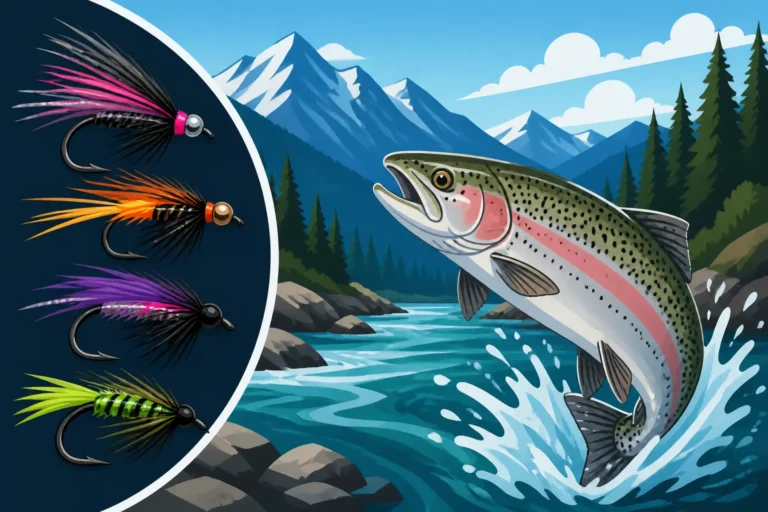
- Brighter Colors and Larger Baits: Don't be shy about using more vibrant colors that stand out in potentially murky pre-front waters or under cloudy skies. Chartreuse, hot pink, or iridescent blues can grab attention. Similarly, consider upsizing your bait or lure. A larger profile means a bigger meal, which is enticing to a fish trying to pack on calories before a lean period. For example, when targeting large rainbow trout in a BC lake, a bigger swimbait or a larger spoon might be more effective than your usual small spinner.
- Noise and Vibration: Lures with rattles, blades, or erratic movements that create significant vibration in the water can be particularly effective. These sensory cues can attract fish from a greater distance, especially if they are actively searching for food. For an aggressive species like a bull trout, a noisy crankbait or a large, vibrating spinner can be irresistible.
Targeting Specific Depths and Structure
Fish movements often shift in anticipation of a cold front, and understanding where they're likely to hold can make all the difference.
- Shallow Feeding Grounds: With lower light conditions and increased activity, many fish will move into shallower water to feed. Look for drop-offs, weed lines, submerged logs, or rocky points that offer both cover and access to food. For example, in the Okanagan Valley, bass might move into shallow bays, and even kokanee on Okanagan Lake might stage slightly shallower than usual before retreating to deeper water after the front hits.
- Edge of Structure: Fish might not be in the densest part of the structure, but rather holding on its edges, ready to ambush prey moving past. This could be the seam where a fast current meets a slower eddy for river species like steelhead, or the perimeter of a submerged reef for coastal lingcod.
- Transition Zones: Look for areas where different types of bottom meet – sand to gravel, or rock to mud. These transition zones often hold a variety of baitfish and crustaceans, making them prime feeding locations for larger predators before a major weather shift. When fishing for White Sturgeon Fishing on the Fraser River, targeting the edges of deeper channels where they transition to shallower feeding flats can be incredibly productive during these windows.
Bait Selection and Scent
During the pre-front bite, fish are often actively foraging, making natural baits and strong scents incredibly effective.
- Natural Baits: If allowed in your fishing area, natural baits can be unbeatable. Fresh roe sacs are phenomenal for salmon and steelhead, particularly in rivers where they are migrating. Worms, minnows, or even cut bait can be highly attractive to trout, char, and sturgeon.
- Scented Artificials: Even if you prefer artificial lures, enhancing them with scent can make a huge difference. Scented soft plastics, or adding scent gels and sprays to spoons, spinners, or flies, can provide that extra olfactory appeal that triggers a strike from an actively feeding fish. There are many commercially available scents, and you can find a wide variety of options and brands on platforms like Amazon to suit different species and fishing conditions.
- Size Matters: Just like with aggressive presentations, consider larger bait sizes. A larger chunk of roe or a bigger piece of cut bait can make your offering more enticing to a fish looking for a substantial meal. When you know fish are "eating heavy," giving them something hearty to bite on can be a game-changer.
By combining these aggressive and strategic techniques, you're not just fishing; you're actively hunting, maximizing your chances during the prime, pre-cold front feeding window.
Species-Specific Strategies for BC Waters
British Columbia boasts an incredible diversity of fish species, and while the general principles of pre-cold front fishing apply, tailoring your approach to specific species can yield even better results. Different fish respond to environmental cues in their own unique ways.
Salmon (Chinook, Coho, Sockeye)
Salmon, especially those actively feeding in saltwater or staging in estuaries before their final freshwater push, are often prime targets before a cold front. Their metabolic rates are generally higher, and they're always opportunistic feeders.
- Chinook Salmon: Known as "kings," Chinook are powerful and often aggressively feed. Before a front, focus on larger spoons, hootchies, or plugs trolled at slightly higher speeds in their feeding grounds in the ocean or deep channels of large rivers like the Fraser. Bright, reflective colours can be very effective. In tidal waters, consider Chinook Salmon Fishing in BC tactics that involve mooching with large herring or anchovies, as the salmon might be more willing to chase.
- Coho Salmon: Often more acrobatic and surface-oriented than Chinook, Coho will readily strike at fast-moving lures. In coastal estuaries or rivers like the Campbell River, casting smaller spoons, spinners, or twitching jigs with a quick, erratic retrieve can be deadly. Coho Salmon Fishing in BC can be fantastic just before a system moves in, as they often become very active near current seams and log jams.
- Sockeye Salmon: While traditionally not targeted with lures in the same way as Chinook or Coho, sockeye can still be affected by pressure drops. If you're fishing for Sockeye Salmon Fishing in BC during their run, they might be more concentrated in specific holding pools before a front, and a subtle sockeye fly or bare hook might provoke a reaction strike. The key is often finding where they are schooled up in anticipation of a weather change.
Trout (Rainbow, Cutthroat, Bull Trout)
BC's trout species, from the ubiquitous rainbow trout to the formidable bull trout, also exhibit distinct pre-front behaviors.
- Rainbow Trout: In BC's countless lakes, especially those in the Interior, rainbow trout can go on a serious bite before a cold front. Target them in shallower bays, along weed lines, or near inflowing creeks using aggressive retrieves with spoons, spinners, or crankbaits. If fly fishing, larger streamers fished with a quick strip can draw explosive strikes. For How to Catch Rainbow Trout in BC Lakes, consider targeting the areas where baitfish are congregating or where the sun has warmed the water slightly before the front's chill arrives.
- Cutthroat Trout: Found in both coastal rivers and high mountain lakes, cutthroat are often opportunistic and willing to feed. Before a front, focus on casting small spoons, spinners, or dry flies and nymphs in river riffles or near lake shores where insects might be active. Sea-run cutthroat in estuaries can be very responsive to minnow imitations.
- Bull Trout: These large, predatory char will often move into shallower areas to hunt aggressively before a pressure drop. Fish large streamers, spoons, or plugs near drop-offs, submerged structure, or where smaller fish are schooling. They are keen predators, and the pre-front conditions often kick their predatory instincts into overdrive.
Sturgeon
The mighty White Sturgeon of the Fraser River is a species that absolutely loves a good barometric pressure drop. This is one of the best times to target these prehistoric giants.
- Increased Activity: Just like other fish, sturgeon react to falling pressure by becoming more active, moving around more, and feeding heavily. This is often when you'll see a spike in their activity on fish finders or experience more consistent bites.
- Bait Presentation: Heavy tackle and substantial baits are a must when White Sturgeon Fishing on the Fraser River. Before a front, fresh, oily baits like lamprey, eulachon, or salmon parts are highly effective. Ensure your bait is presented on the bottom in known sturgeon holding areas, especially near the edges of deep channels or depressions.
- Location: While they move, sturgeon will still often be found in deeper holes or depressions in the riverbed. However, their increased activity means they might roam more widely from these areas to feed on adjacent flats or shallower shelves, so covering more water can be beneficial. Be prepared for a fight, as an active pre-front sturgeon can be a truly powerful adversary!
By understanding the nuances of each species and combining that knowledge with weather predictions, you can significantly enhance your success during this often-overlooked, high-potential fishing window in British Columbia.
| Species | Pre-Front Behavior | Recommended Tactics | Key Considerations |
|---|---|---|---|
| Chinook Salmon | Aggressive feeding, less cautious | Faster trolling, larger spoons/plugs, mooching with fresh bait | Target deeper channels, current seams, coastal feeding grounds |
| Coho Salmon | Active chasing, surface-oriented | Fast-retrieved spoons/spinners, twitching jigs, flies | Estuaries, river mouths, current eddies, near structure |
| Sockeye Salmon | Concentrated in holding pools, may react to flies | Subtle sockeye flies, bare hooks in staging areas | Less aggressive bite; focus on finding dense schools in rivers before front |
| Rainbow Trout | Increased feeding, moves to shallower water | Aggressive retrieves (spoons, spinners), larger streamers | Shallow bays, weed lines, drop-offs in lakes; riffles in rivers |
| Cutthroat Trout | Opportunistic feeding, responds to erratic lures | Small spoons/spinners, dry flies, minnow imitations | River riffles, lake shores, estuary mouths |
| Bull Trout | Aggressive hunting, moves shallow to ambush | Large streamers, spoons, plugs with erratic action | Near drop-offs, submerged structure, baitfish schools |
| White Sturgeon | Highly active feeding, roaming | Heavy tackle, large fresh oily baits, bottom fishing | Deep holes, channel edges, adjacent feeding flats in Fraser River |
Conclusion
The next time you see a cold front looming on the horizon, don't automatically cancel your fishing plans. Instead, see it as an opportunity. That crucial period before the front hits can unleash some of the most exciting and productive fishing you'll experience in British Columbia. By understanding the science of barometric pressure, honing your ability to read the signs, and adapting your techniques for specific species, you can turn a potentially disappointing weather event into an unforgettable angling adventure. Be prepared, fish aggressively, and embrace the challenge – the reward just might be the catch of a lifetime!
Disclaimer
This article is for general informational purposes only and does not constitute professional advice. Laws, prices and regulations vary by location and change over time. Consult a qualified professional for guidance on your specific situation.