Halibut Fishing off Vancouver Island
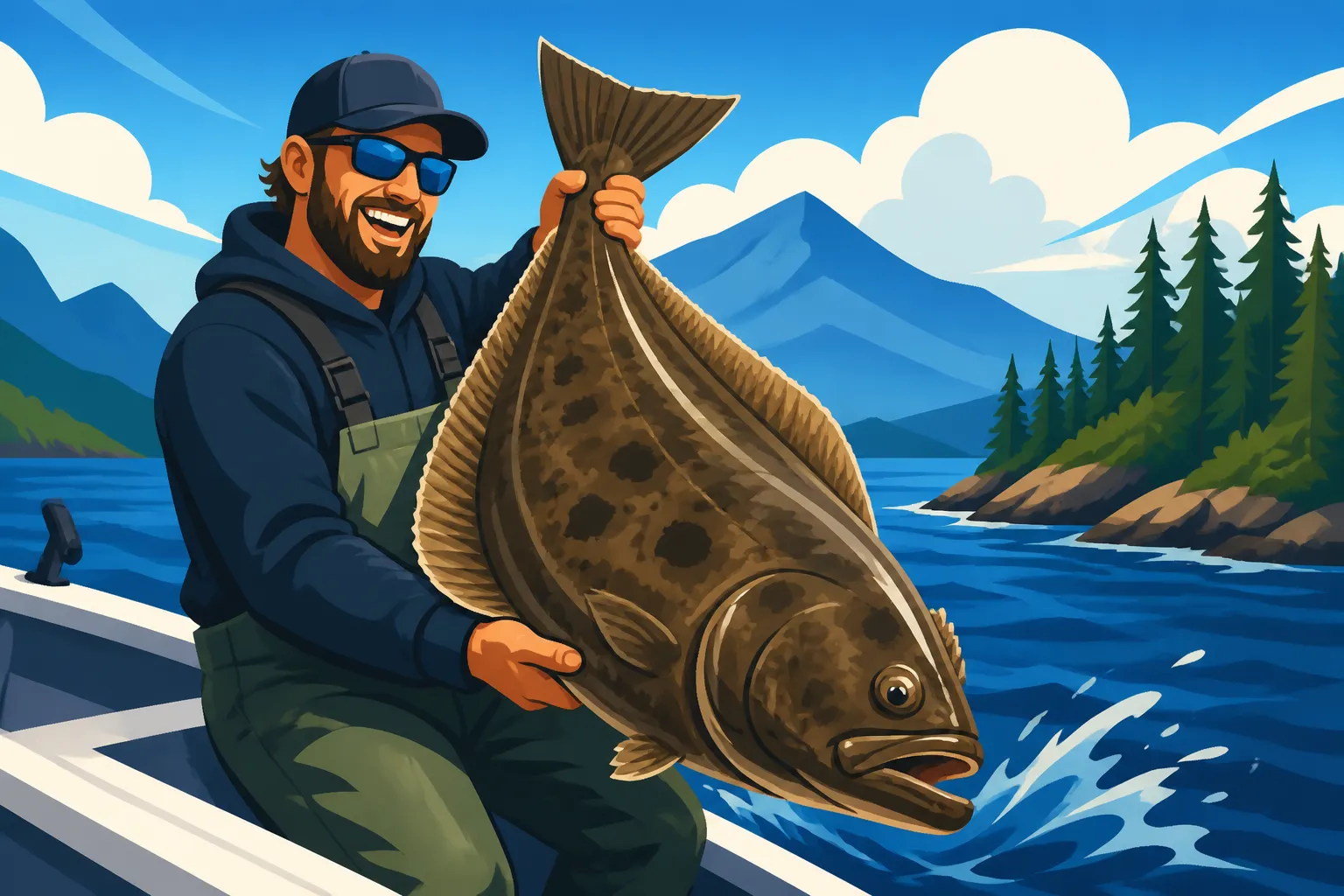
There’s nothing quite like the thrill of chasing a barn-door halibut off the stunning coast of Vancouver Island. For many anglers, it's the ultimate quest: a powerful, elusive flatfish that tests skill, patience, and sheer strength. This guide is here to walk you through everything you need to know to tackle these magnificent creatures, from understanding their deep-water habits to mastering the best techniques, and finding those secret hotspots around the island.
The Allure of Halibut Fishing off Vancouver Island
British Columbia's coast, especially around Vancouver Island, holds a special place in the hearts of anglers worldwide, and a huge part of that is due to the incredible halibut fishing opportunities. But what is it about these giant flatfish that captivates so many, turning a simple fishing trip into a full-blown expedition?
Why Halibut Are Such a Prized Catch
Let’s be honest, halibut are simply magnificent. They’re not just big; they’re incredibly powerful, often called "barn doors" for a reason. Hooking into a large halibut feels like snagging a Volkswagen at the bottom of the ocean – the initial runs are absolutely blistering, and it takes serious muscle and technique to get them off the bottom. There’s a tangible sense of accomplishment when you finally get one of these behemoths to the surface. It’s a true test of strength and endurance, and the stories you’ll tell afterward are always epic. Beyond the fight, halibut are also incredibly prized on the dinner table. Their flaky, white meat is considered a delicacy, firm enough to grill, bake, or pan-fry to perfection. Imagine pulling in a fish that could feed your family and friends for months – that’s the kind of bounty a large Vancouver Island halibut can offer.
The sheer size potential is another huge draw. While smaller halibut are common, it's the 50, 100, or even 200+ pounders that fuel the dreams. The possibility of that once-in-a-lifetime monster lurking in the depths keeps us coming back, enduring choppy seas and long waits. It's an investment of time, effort, and sometimes a bit of discomfort, but the payoff can be immense. Plus, the pristine environment where these fish thrive—the deep, cold, nutrient-rich waters surrounding Vancouver Island—adds to the mystique and adventure. It’s not just about the fish; it’s about the entire experience of being out on the vast Pacific.
Vancouver Island: A Halibut Hotspot
Vancouver Island isn't just a place to fish for halibut; it's the place for many avid anglers. The geography here is simply perfect. The island is essentially a giant barrier between the open Pacific Ocean and the more sheltered Strait of Georgia. On its west coast, the continental shelf drops away quickly into vast, deep canyons and offshore banks. These underwater structures, often teeming with baitfish like herring and sardine, create ideal feeding grounds for halibut. Think of it as a giant underwater buffet for these predatory flatfish.
Places like Tofino, Ucluelet, and Port Renfrew on the west coast, and even some northern spots like Port Hardy and Quatsino Sound, are practically legendary. The deep fjords and inlets also offer productive waters, sometimes closer to shore than you might expect. The strong tidal currents around the island also play a crucial role, sweeping nutrients and baitfish into accessible areas, concentrating halibut in specific channels and over ledges. This combination of deep water, abundant food, and strategic underwater topography makes Vancouver Island an unparalleled destination for halibut, drawing anglers from all over the world seeking that ultimate battle.
Understanding Halibut: Biology and Behavior
Before you can effectively target these impressive fish, it helps to understand a bit about their world. Halibut are truly unique creatures, perfectly adapted to their deep-water, bottom-dwelling lifestyle. Knowing their habits can give you a significant edge when planning your next trip.
Halibut Habits off the BC Coast
Pacific halibut (Hippoglossus stenolepis) are fascinating flatfish, easily recognizable by their distinctive flattened bodies and eyes on one side of their head. They spend most of their lives lying on the seafloor, perfectly camouflaged against the sandy or rocky bottom. This ambush predator strategy is key to their success. They'll often bury themselves partially, waiting for an unsuspecting meal to swim by. This means that to catch them, you generally need to present your bait or lure right where they are, often directly on the bottom or just a few feet above it.
Their diet is varied and opportunistic, consisting mainly of what's available in their deep-water environment. This includes smaller fish like herring, cod, and hake, as well as crustaceans like crabs and shrimp, and even octopus. Understanding their preferred prey helps in choosing the right bait and lures. Off the BC coast, halibut typically inhabit depths ranging from 60 to 900 feet, though most recreational fishing occurs in the shallower end of that spectrum, often between 100 and 400 feet, especially near banks, ledges, and drop-offs. These structures provide both shelter and prime hunting grounds. Learning more about Halibut Habits off the BC Coast can really improve your success rate.
Halibut Migration and Seasonal Patterns
Halibut, like many marine species, aren't static. They have general migratory patterns and seasonal movements that are largely driven by water temperature, food availability, and spawning cycles. In the deeper, colder months of winter, many halibut move into deeper offshore waters to spawn, often in depths greater than 600 feet, making them less accessible to recreational anglers. As spring approaches and water temperatures begin to rise, they start their migration back towards shallower feeding grounds.
This return to shallower waters typically begins in late spring, around April and May, and continues through the summer and early fall. This is generally considered the prime halibut fishing season off Vancouver Island. During this time, they are actively feeding to rebuild energy reserves after spawning, making them more aggressive and susceptible to various fishing techniques. The best fishing often coincides with these feeding migrations, as large numbers of fish concentrate in particular areas. Monitoring local fishery notices and consulting with experienced local guides can provide crucial insights into these seasonal patterns, as specific timing can vary from year to year based on environmental factors. The interplay of tides, currents, and bait movements also influences their day-to-day presence in specific spots, making understanding these dynamics critical for a successful outing.
Essential Gear for Vancouver Island Halibut
Tackling a BC halibut is no small feat, and you absolutely need the right tools for the job. This isn't light trout fishing; we're talking about heavy-duty setups designed to withstand immense pressure and handle powerful, deep-water fighters. Skimping on gear here is a recipe for disappointment.
Rods, Reels, and Line: Building Your Setup
When it comes to halibut fishing off Vancouver Island, your rod and reel combo needs to be robust. For rods, you're looking for something with a heavy power rating and a fast action. This means a stiff backbone to muscle a big fish off the bottom, but a sensitive tip to detect those subtle bites in deep water. A rod in the 6 to 7.5-foot range is ideal, offering enough leverage without being unwieldy. Manufacturers like Ugly Stik or Penn offer excellent value and durability for these heavy applications. If you’re looking to browse options and read reviews from fellow anglers, checking platforms like Amazon can give you a good idea of what’s popular and effective.
For reels, conventional (star drag or lever drag) reels with high line capacity are the standard. A reel capable of holding at least 400-500 yards of 80-100 lb braided line is essential. Brands like Shimano, Penn, and Daiwa are very popular for their reliability and smooth drag systems, which are crucial when a big halibut decides to make a run. Braided line is almost universally preferred for halibut. Its thin diameter for its breaking strength, minimal stretch, and excellent sensitivity allow you to feel bites and maintain control in deep water. You’ll want 80 to 100 lb test braid for your main line. As for leader material, a heavy monofilament or fluorocarbon leader, typically 80 to 150 lb test and 4-6 feet long, is used to provide abrasion resistance against the halibut's rough mouth and the rocky seafloor. Always make sure your knots are strong and well-tied; a weak knot is often the weakest link in a battle with a trophy halibut.
Rigs, Lures, and Bait: What Gets Their Attention
Getting your offering down to where the halibut live, and making it irresistible, requires specific rigs and bait. The most common setup is a spreader bar rig, which helps keep your bait or lure away from your main line and prevents tangles. These typically have a heavy lead weight (often 1-3 pounds or more, depending on depth and current) attached to one arm, and your leader with a hook or lure attached to the other. Circle hooks are highly recommended, especially when using bait, as they significantly increase the chances of a hook-up in the corner of the fish's mouth, reducing gut-hooking and improving survival rates for released fish. Look for strong, large circle hooks, typically 12/0 to 20/0 in size.
When it comes to bait, fresh is always best. Herring is a classic, effective choice, often fished whole or as a large chunk. Salmon heads, octopus (whole or cut into strips), and even large chunks of cod or other firm-fleshed fish are also highly effective. For artificials, large jigs (8-16 oz, sometimes heavier) are incredibly popular. Think heavy lead heads dressed with large plastic grub tails or paddle tails in white, chartreuse, or glow-in-the-dark patterns. Soft plastic swimbaits, sometimes up to a foot long, can also be deadly. Many anglers swear by jigs that incorporate glow features, especially in deeper, darker water. Some popular jig brands, known for their effectiveness, can be found on Amazon, making it easy to see what other anglers are using and review their successes. Scent is also a big factor; adding a smelly oil or gel to your artificials can greatly increase your appeal to a cruising halibut.
Essential Accessories for Halibut Anglers
Beyond the core fishing gear, a few essential accessories can make your halibut fishing experience safer, more efficient, and more enjoyable. First and foremost, you'll need a heavy-duty gaff or a specialized halibut harpoon to secure large fish once they are alongside the boat. Trying to net a big halibut is usually a losing battle. A reliable measuring tape is crucial to ensure your catch meets the legal size requirements, and a good pair of gloves will protect your hands from line cuts and the halibut's rough skin.
Bringing along large, insulated fish bags or a substantial cooler with plenty of ice is non-negotiable for preserving your catch. Halibut are big fish, and you want to keep that precious meat in prime condition. For safety, always have enough life jackets for everyone on board – it's not just smart, it's the law. A well-stocked first-aid kit, a marine radio (VHF), and emergency signaling devices are also critical. You might also consider a venting tool if you plan on releasing any deep-caught fish, as it helps them decompress and improves their survival odds. Remember, being prepared for all eventualities on the open ocean is part of being a responsible angler. You can learn more about Life Jacket Requirements for BC Boaters to ensure you're fully compliant.
Top Techniques for Halibut Fishing off Vancouver Island
Halibut fishing isn't just about dropping a line and waiting; it's a strategic game that requires understanding the fish, the environment, and the most effective ways to present your bait or lure. Off Vancouver Island, a few techniques consistently prove their worth.
Jigging for Halibut off Vancouver Island
Jigging is one of the most popular and effective methods for halibut, particularly in areas with good structure and current. This technique involves dropping a heavy lead or metal jig to the bottom and then rhythmically lifting and dropping it. The goal is to imitate a wounded baitfish or a foraging creature, triggering a predatory strike from a halibut lurking below. The key to successful jigging is often in the retrieve. You want to vary your lift heights, speed, and pauses. Sometimes a slow, methodical lift and drop is best, other times a more aggressive, erratic motion will draw a strike.
Maintaining contact with the bottom is crucial. You need to use enough weight to quickly get your jig down and stay vertical, especially with strong currents. This is where a good depth sounder (fishfinder) comes into its own, allowing you to identify structure, bait balls, and even individual halibut marks. Boat control is also vital; using your engine or a sea anchor to slow your drift over productive grounds helps you present your jig effectively. Many anglers prefer jigs that glow in the dark or have reflective properties, as the deep waters off Vancouver Island can be quite dim. Applying a scent to your jig can also significantly increase its appeal. Jigging can be a very active and rewarding way to fish, as you’re constantly feeling the bottom and anticipating that solid thud of a halibut strike. Want to dive deeper? Check out Jigging for Halibut off Vancouver Island.
Drifting and Bottom Fishing Strategies
Drifting and bottom fishing are classic halibut techniques, allowing you to cover more ground and present natural baits. Drifting involves letting your boat move with the current or wind, slowly dragging your baited rig along the seafloor. This allows your bait to cover a wider area, increasing your chances of crossing paths with a hungry halibut. The challenge here is managing your drift speed and direction, often requiring a sea anchor or careful use of your boat's engine to stay over promising areas. You’ll want to use enough lead weight to ensure your bait stays on or very close to the bottom.
Anchor fishing, on the other hand, involves anchoring your boat over a known productive spot, like a specific ledge, hump, or channel. This allows for a very precise presentation, keeping your bait in the strike zone for an extended period. It’s particularly effective when you've pinpointed an area where halibut are known to congregate. When bottom fishing, whether drifting or anchored, the goal is to present your bait naturally. Using a spreader bar or a sturdy ledger rig will keep your heavy sinker on the bottom while allowing your baited hook to float just above it, preventing it from getting buried in the mud or snagged on structure. Circle hooks are essential here, as they often result in the fish hooking itself as it swims away with the bait. Remember, you can learn specific tips on How to Catch Halibut on the Drift.
Trolling for Halibut: A Less Common But Effective Method
While less common than jigging or bait fishing on the bottom, trolling can be an effective technique for halibut in certain situations, especially when trying to cover large expanses of flat, featureless bottom or when fish are scattered. Trolling involves slowly moving your boat while dragging lures or baited rigs behind it, usually at a very slow speed (1-3 knots). This method can be particularly productive in shallower depths, or when targeting halibut that might be suspended slightly off the bottom.
For trolling, you typically use heavy-duty gear, similar to your bottom fishing setup. Large, heavy-duty spoons, diving plugs, or large soft plastic swimbaits rigged with heavy weights or downriggers can be employed to get your offering to the desired depth. Sometimes, anglers will troll baited spreader bars as well. The key is to ensure your lure or bait is running close to the bottom, where halibut will be looking for prey. While it might not be the first technique most people think of for halibut, a patient angler willing to experiment with trolling patterns and depths can certainly find success, especially on those days when the fish seem to be spread out and not concentrating in specific holes.
Prime Halibut Fishing Locations Around Vancouver Island
Vancouver Island is a large, diverse fishing ground, and while halibut can be found in many areas, certain regions and specific spots consistently produce excellent results. Knowing where to focus your efforts can save you valuable time and increase your chances of success.
West Coast Hotspots: Tofino, Ucluelet, Nootka Sound
The west coast of Vancouver Island is arguably the most famous halibut destination in British Columbia, and for good reason. It faces the open Pacific, where the continental shelf drops dramatically into deep ocean trenches and features numerous offshore banks and reefs. These areas are incredibly rich in marine life, serving as prime feeding grounds for halibut.
Tofino and Ucluelet: These two coastal towns are legendary hubs for halibut fishing. Just a short run offshore from both lies a series of prominent banks and seamounts such as the "Big Bank" and the "South Bank." These underwater plateaus rise from the immense depths, creating ideal habitat for baitfish, which in turn attract large halibut. The proximity to deep water means halibut can be found year-round, but the summer months are peak season. Charters out of these ports are highly sought after due to their consistent success. If you're planning a trip, be sure to look into Tofino Halibut Fishing or Ucluelet Halibut Fishing specifically. The broken-up bottom structure, rocky ledges, and strong currents make for dynamic fishing conditions and large fish.
Nootka Sound: Further north along the west coast, Nootka Sound offers another fantastic option. This complex system of inlets, islands, and offshore waters provides a variety of fishing environments. Halibut can be found both inside the sound, often near deep drop-offs and current breaks, as well as offshore on the banks. The area is known for its rugged beauty and productive fishing, often seeing fewer boats than the more popular Tofino/Ucluelet region, potentially offering a more secluded experience. Regardless of your exact starting point, the sheer volume of baitfish and the dramatic underwater topography make the west coast of Vancouver Island a truly world-class halibut fishery. For an even broader perspective, check out Best Halibut Fishing Spots in BC.
East Coast and Northern Island Opportunities
While the west coast gets most of the glory, the east coast and northern regions of Vancouver Island also offer excellent halibut fishing, often with different advantages.
Northern Vancouver Island (Port Hardy, Quatsino Sound, Winter Harbour): The northern tip of Vancouver Island and the adjacent mainland coast boast some truly incredible, often less-pressured, halibut grounds. Places like Quatsino Sound, Winter Harbour, and the waters around Port Hardy offer phenomenal opportunities. These areas are characterized by deep fjords that plunge hundreds of feet, as well as offshore banks and channels that receive strong currents from both the Pacific and the Johnstone Strait. The rugged, remote nature of this region often means a wilderness fishing experience, with plenty of big fish to be found. The deep currents funnel huge amounts of food into these areas, making them reliable producers.
East Coast (Juan de Fuca Strait, Discovery Islands): While generally shallower than the west coast, parts of the east coast can also yield good halibut catches. The Juan de Fuca Strait, for instance, between Vancouver Island and Washington State, has deep channels and strong tidal currents that attract halibut. Further north, the Discovery Islands region and the waters around Campbell River, while primarily known for salmon, can also produce halibut, especially in deeper channels and over specific rocky structures. The fishing here might require a more intimate knowledge of local spots and tides, as halibut tend to be more concentrated in specific deep holes or current-swept ledges compared to the expansive offshore banks of the west coast. However, for those looking for slightly more sheltered waters or a different kind of adventure, these areas are definitely worth exploring.
Regulations, Safety, and Conservation
Fishing for halibut in British Columbia isn't just about the thrill of the catch; it's also about understanding and respecting the rules, prioritizing safety on the often-unpredictable ocean, and contributing to the long-term health of this incredible fishery.
Understanding BC Halibut Regulations
Navigating fishing regulations can sometimes feel like solving a complex puzzle, and halibut rules are no exception. The Department of Fisheries and Oceans Canada (DFO) manages all tidal waters fishing in BC, and regulations for halibut are put in place to ensure sustainability. These rules cover everything from daily limits (how many fish you can keep in a day) and annual limits (how many you can keep over the entire season) to size restrictions, often called "slot limits." Slot limits mean you can only keep fish within a specific length range, designed to protect both juvenile fish and large, spawning adults. For example, you might be allowed to keep one halibut, provided it's over a certain minimum length but under a specific maximum length.
These regulations can change, sometimes even in-season, based on stock assessments and conservation needs. It is absolutely crucial to check the most current Pacific Region Recreational Fishery Notices before every trip. These notices provide real-time updates on openings, closures, and specific area restrictions. Always carry a valid BC tidal waters fishing license with you, and make sure you understand the rules for the specific area and time you're fishing. Penalties for non-compliance can be steep. You can delve into the specifics by reading up on BC Halibut Bag Limit Rules and getting a full overview of BC Fishing Regulations Explained. This knowledge isn't just about avoiding fines; it's about being a responsible steward of the resource.
Safety on the Water: Ocean Fishing Considerations
The Pacific Ocean off Vancouver Island is breathtakingly beautiful, but it can also be incredibly powerful and unforgiving. Safety must always be your number one priority when heading out for halibut. Weather conditions can change rapidly from calm seas to dangerous storms in a matter of hours, especially on the exposed west coast. Always check marine forecasts thoroughly before you depart, and be prepared to turn back if conditions deteriorate. Understanding the local tides and currents is also critical, as they can be very strong and create hazardous conditions, particularly near inlets and offshore banks.
Essential safety equipment on your boat should include properly fitted Personal Flotation Devices (PFDs) for everyone on board – in fact, it's a legal requirement. A reliable marine VHF radio for communication, flares, a sound-signaling device, a first-aid kit, and an emergency repair kit are also non-negotiable. It's also highly recommended to have a backup communication device, like a satellite phone or an inReach device, especially if you're venturing further offshore. If you're operating a powered vessel, remember that you’ll need a Pleasure Craft Operator Card (PCOC) in Canada. Learning more about BC Pleasure Craft Operator Card Requirement is a good idea before you head out. Always let someone know your float plan – where you're going, when you expect to return, and who is on board. Never underestimate the power of the ocean.
Responsible Angling and Conservation
Halibut are a long-lived, slow-growing species, and their populations require careful management to ensure they remain healthy for future generations. As anglers, we have a vital role to play in conservation. This starts with strictly adhering to all DFO regulations, including bag limits, size restrictions, and any closures.
For any fish that are caught outside the legal slot limit or are over your possession limit and must be released, best practices for catch and release are essential. Handle fish gently, minimize their time out of the water, and support them properly when releasing. For deep-caught fish that show signs of barotrauma (swollen stomach, bulging eyes), using a venting tool to release trapped gasses can significantly increase their survival rate. Many charters and experienced anglers carry these tools. Avoiding waste, only keeping what you will consume, and educating yourself and others about responsible fishing practices are all part of being a good conservationist. The future of halibut fishing in BC depends on all of us doing our part.
Hiring a Halibut Charter: Pros and Cons
For many, especially those visiting Vancouver Island or new to big-game ocean fishing, a guided halibut charter is the absolute best way to experience this thrilling fishery. However, it's a decision with its own set of considerations.
When to Consider a Guided Trip
A guided halibut trip is often the ideal choice for several types of anglers. If you're new to the area, or to ocean fishing in general, the local knowledge and expertise of a professional guide are invaluable. They know the current hotspots, the most effective techniques for the day, and how to navigate the complex marine environment safely. This can save you countless hours of trial and error and significantly increase your chances of success. Furthermore, many visitors simply don't have access to the heavy-duty gear required for halibut fishing; charters provide all the rods, reels, lines, and specialized rigs needed to tackle these powerful fish. This saves you a huge upfront investment in equipment you might only use once or twice.
Out-of-towners will also find guided trips incredibly convenient. Instead of worrying about boat rentals, launch ramps, or navigating unfamiliar waters, you simply show up and let the pros handle the rest. Charters typically come equipped with advanced electronics, specialized safety gear, and often even fish cleaning and processing services. For families or groups, it can be a fantastic way to enjoy the experience together without the stress of managing a large boat and heavy tackle. It's about maximizing your time on the water, learning from the best, and focusing purely on the fishing experience. To explore options, check out Best Halibut Charters out of Tofino.
What to Look for in a Vancouver Island Halibut Charter
Choosing the right halibut charter is crucial for a successful and enjoyable trip. Not all charters are created equal, so a little research goes a long way. Start by looking for charters with a strong reputation for safety, experienced captains, and well-maintained boats. Word-of-mouth recommendations, online reviews, and checking their social media presence can give you a good idea of their track record. Don’t hesitate to ask about the captain’s experience specifically with halibut fishing in the area you plan to visit.
Next, inquire about their equipment. Do they provide top-quality rods, reels, and tackle suitable for large halibut? What kind of safety equipment do they carry? It’s also wise to clarify what's included in the price: Is bait provided? Do they clean and bag your catch? Are there any hidden fees? Some charters offer package deals that include accommodations or multi-day trips. Transparency about costs and services is a good sign. Finally, consider the size of the boat and the number of anglers per trip. A smaller group often means more personalized attention and less crowded fishing. Don’t be afraid to ask questions; a good charter operator will be happy to provide all the information you need to feel comfortable and confident in your choice. You can find more tips on How to Choose a BC Fishing Charter.
| Halibut Fishing Gear Essential | Description | Why It's Crucial | Where to Find It (Example) |
|---|---|---|---|
| Heavy-Duty Rod | 6-7.5 ft, heavy power, fast action conventional rod. | Provides leverage for big fish and sensitivity for deep bites. | Local tackle shops, Amazon |
| Conventional Reel | Large capacity, smooth drag, capable of holding 400-500 yds of 80-100 lb braid. | Handles powerful runs, reliable for deep-water fighting. | Specialty fishing stores, Amazon |
| Braided Line | 80-100 lb test, no stretch. | Superior sensitivity, strength-to-diameter ratio, crucial for deep water. | Most tackle retailers, Amazon |
| Heavy Leaders | 80-150 lb mono or fluorocarbon (4-6 ft length). | Abrasion resistance against teeth/bottom, protects main line. | Tackle shops |
| Circle Hooks | Large, strong, 12/0 – 20/0 size. | Reduces gut-hooking, safer for fish and easier hooksets. | Fishing supply stores |
| Heavy Sinkers/Jigs | 1-3+ lbs for bait, 8-16 oz+ for jigs. | Gets bait/lure to the bottom quickly and keeps it there in current. | Tackle shops, online |
| Fresh Bait | Herring, salmon heads, octopus, cod chunks. | Highly effective for attracting halibut with natural scent. | Local fish markets, bait shops |
| Gaff or Harpoon | Robust, heavy-duty for securing large fish. | Essential for safely bringing big halibut into the boat. | Marine supply stores |
| Fish Bag/Cooler | Large, insulated for preserving your catch. | Keeps meat fresh and prevents spoilage. | Outdoor stores, Amazon |
| PFDs (Life Jackets) | Properly fitted for all on board. | Crucial safety equipment, legal requirement. | Marine stores, Amazon |
Disclaimer
This article is for general informational purposes only and does not constitute professional advice. Laws, prices and regulations vary by location and change over time. Consult a qualified professional for guidance on your specific situation.