What cutthroat trout runs look like on coastal streams
Many anglers dream of the big, splashy salmon runs in British Columbia, but there's a quieter, more elusive pursuit that offers just as much charm and challenge: understanding what cutthroat trout runs look like on our coastal streams. It can be tricky to spot these subtle movements, and many folks might even mistake them for juvenile salmon or resident rainbows. This guide is here to shed light on the unique characteristics of coastal cutthroat runs, helping you identify these beautiful fish and the best ways to connect with them responsibly.
Understanding Coastal Cutthroat Trout: A Unique BC Gem
Coastal cutthroat trout are truly special, often overshadowed by their larger, more famous salmonid cousins. But for those who appreciate the subtle dance of a wild fish in a pristine environment, the cutthroat holds a revered spot. They embody the wild spirit of BC's intricate coastal ecosystems.
The Elusive Nature of Coastal Cutthroat
Unlike the throngs of salmon that jam into rivers during peak migration, coastal cutthroat runs are usually far less dramatic and concentrated. They don't typically create massive splashes or jump continuously. Instead, they move with a graceful stealth, often hugging cover and utilizing subtle current breaks. This means you need to hone your observation skills and embrace a more patient, watchful approach. These fish aren't always in a hurry, and their movements are often tied closely to local conditions, like the exact amount of recent rainfall or the incoming tide in an estuary. They can appear almost like ghosts in the tannin-stained waters of many coastal streams, blending seamlessly with their surroundings. Because they often inhabit smaller creeks and the lower, tidal sections of larger rivers, their "runs" can feel more like a quiet re-distribution or opportunistic feeding migration rather than a full-on, arduous spawning journey like a chinook.
Identifying Coastal Cutthroat Trout
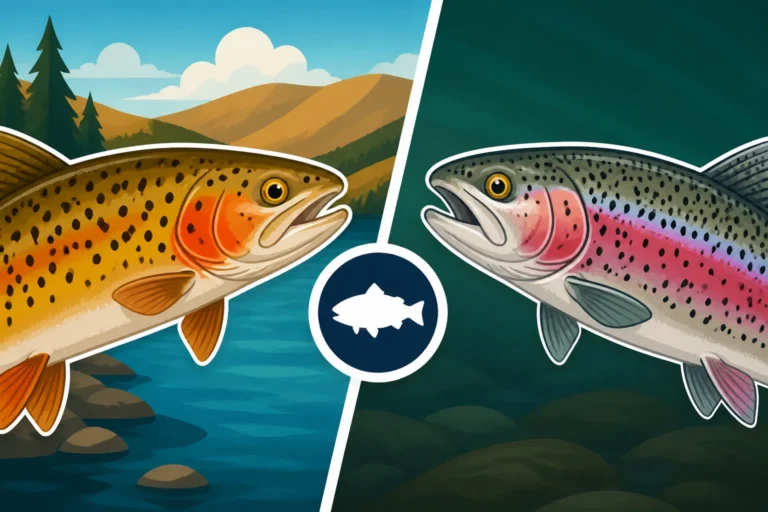
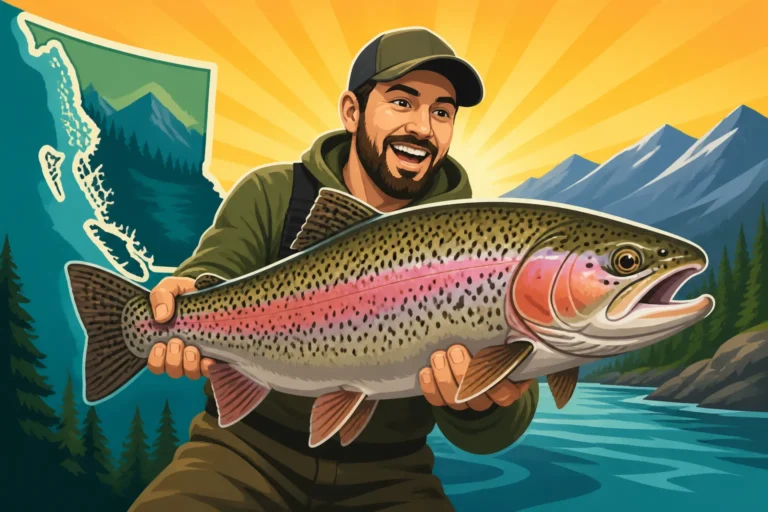
Before you can spot a "run," you need to know who you're looking for! Coastal cutthroat trout are easily recognizable once you know what to look for, but they can be confused with other juvenile salmonids. Their most distinctive feature is the vibrant red or orange slash marks found under their lower jaw – hence the name "cutthroat." Beyond that, they typically have a beautiful olive-green to bronze coloration on their backs, fading to silvery sides and a white belly. Their bodies are usually covered in numerous small, dark spots, which extend all the way to their caudal (tail) fin, often in a more scattered pattern than the uniform spots you might see on a rainbow trout.
They also have a somewhat larger mouth compared to a rainbow trout of similar size, extending back past the eye. In terms of size, most coastal cutthroat caught in streams range from 10 to 20 inches, though larger specimens over 20 inches are certainly possible, especially for sea-run varieties. They tend to be long and slender, built for navigating tight spaces and quick bursts of speed. Knowing these characteristics will significantly help you differentiate them from juvenile coho, which might share similar waters but have different spot patterns and lack that tell-tale red slash. If you're really keen on identifying the various trout species, check out a Trout Species Identification Guide for BC.
What a Coastal Cutthroat Trout Run Actually Looks Like
So, you know what they look like, but what does it mean when they're "running"? It's not a parade, but rather a strategic movement tied to food and spawning opportunities.
Timing and Conditions: When to Expect Them
Coastal cutthroat trout, particularly the anadromous (sea-run) variety, are opportunistic movers, with their "runs" often driven by rainfall and forage availability. Generally, you can expect to see increased activity from late summer through winter and into early spring. The first significant rains of fall are often a major trigger, washing food into streams and raising water levels, which allows them to move further upstream from estuaries and saltwater foraging grounds.
Many anglers find late fall and winter to be prime times, especially after a good series of downpours. They're often following the salmon runs, preying on loose eggs, decaying salmon carcasses, and the myriad of insects and invertebrates dislodged by the high water. This makes their "run" less about a single, massive migration event and more about a prolonged period of increased presence in freshwater. To get a better grasp of when different fish species are active, consulting a BC Fishing Seasons by Month guide can be really helpful. These fish are masters of adaptation, and understanding the ebb and flow of the seasons is key to predicting their movements.
Key Characteristics of a Cutthroat Run
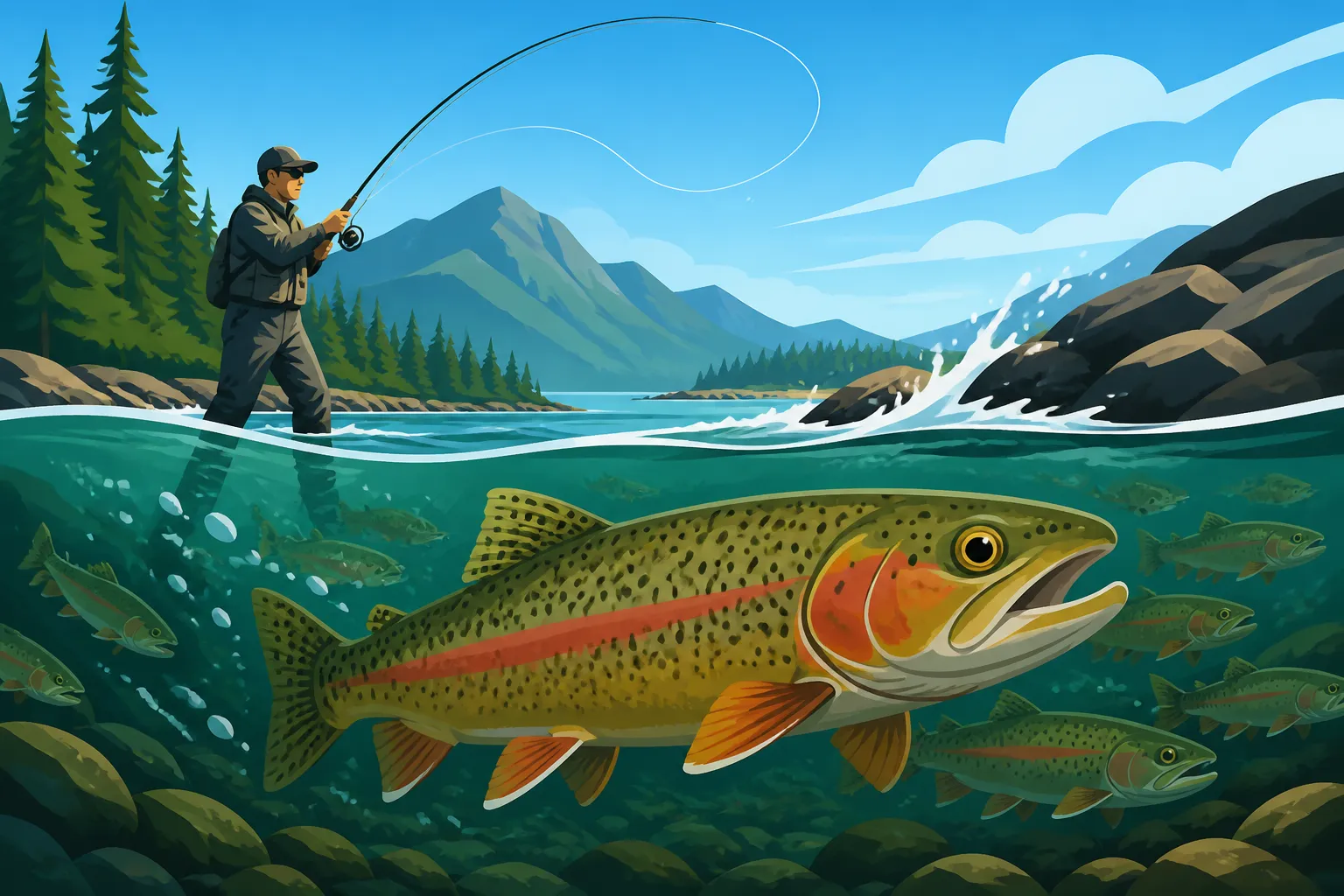
When coastal cutthroat are running, don't expect the river to be boiling with fish. Instead, look for subtle cues. You might see quick flashes of silver and bronze as they dart in and out of cover. Sometimes, particularly in slower pools or back eddies, you'll observe a gentle rise to a fly or a subtle swirl as they ambush prey. They often hug the banks, move through shallow riffles, or hold in the tail-outs of pools, constantly searching for food.
Unlike the powerful leaps of a fresh coho or the dogged head-shakes of a steelhead, a cutthroat's fight is often characterized by quick runs and acrobatic jumps in the air when hooked. During a run, you might encounter multiple fish in a single pool or section of river, but rarely in the dense schools seen with salmon. They'll utilize every piece of structure: log jams, undercut banks, boulders, and even submerged vegetation. Their presence is a testament to the health of the stream. For more specific habitat insights, exploring a resource like Cutthroat Trout in BC Coastal Streams can provide valuable context. It's truly a different experience than chasing the big salmon; it's about connecting with the nuances of a wild ecosystem.
Prime Locations on Coastal Streams
So, where do you look for these elusive beauties? Coastal cutthroat trout thrive in the diverse environments where freshwater meets saltwater. Think estuaries, tidal flats, and the lower, slower sections of coastal rivers and creeks. They particularly love areas with plenty of structure, which offers both cover from predators and ambush points for their prey. Log jams, overhanging branches, deep undercut banks, and gravel bars at the confluence of smaller tributaries are all prime real estate.
They’re often found in relatively shallow water, especially when actively feeding, so don't overlook those knee-deep sections. As the rains come and water levels rise, they'll push further upstream, sometimes for miles, exploring new feeding grounds. However, they generally don't venture as far inland as some salmon or steelhead. Focus your efforts on the tidal influence zones and the first few kilometers of freshwater upstream from the ocean. Many of the smaller, lesser-known creeks that flow directly into the ocean or major estuaries are absolute gems for cutthroat. You might find some excellent spots listed in guides like Best Fishing Rivers in British Columbia, but often the best cutthroat spots are found by exploring smaller, unnamed waterways.
Gear, Techniques, and Ethical Angling for Coastal Cutthroat
Successfully targeting coastal cutthroat trout requires a thoughtful approach, both in terms of your gear and your technique, and always with a strong emphasis on conservation.
Recommended Gear for Coastal Cutthroat
For coastal cutthroat, finesse is the name of the game. You're not battling monsters, but rather elegant, wary fish that are easily spooked.
- Fly Fishing: A 3-weight to 5-weight fly rod is ideal, paired with a matching floating or intermediate sinking line. These lighter rods make even a modest cutthroat feel like a trophy. Leaders in the 4-6 lb test range are usually sufficient, with a 9-foot length providing good presentation. For flies, think small streamers (e.g., olive woolly buggers, muddler minnows), sculpins, salmon egg patterns, small nymphs, and even dry flies if you encounter a hatch or rising fish. You can find excellent selections of specific flies and leader material on Amazon, which makes it easy to stock up before your trip.
- Spin Fishing: For spinning gear, opt for an ultralight or light action rod, typically 6-7 feet long, paired with a small spinning reel spooled with 4-8 lb test monofilament or braided line with a fluorocarbon leader. Small spinners (like a #0 or #1 Mepps or Blue Fox Vibrax), small spoons (like a tiny Koho or Dick Nite), or twitching jigs (1/8 to 1/4 ounce) are highly effective. Again, look to retailers like Amazon for a great range of ultralight spinning gear and tackle.
- Waders and Boots: Waders are almost essential for accessing good spots on many coastal streams, especially smaller ones. Studded wading boots provide crucial grip on slippery, moss-covered rocks.
Being prepared with the right gear ensures you're ready for the subtle takes of these beautiful fish. You might find some of the advice on Wading Techniques for BC Steelhead Rivers helpful for navigating slippery riverbeds, even though the target species is different.
Effective Techniques for Targeting Them
When it comes to fishing for coastal cutthroat, stealth and presentation are paramount. These fish can be incredibly wary.
- Fly Fishing Techniques:
- Streamers: Cast small streamers across and slightly upstream, allowing them to swing naturally downstream with the current. Use short, subtle strips or twitches to impart action. Focus on current seams, around structure, and the edges of pools.
- Nymphing: Indicator nymphing can be deadly, especially when fish are holding deeper or feeding on subsurface insects or eggs. Use a small indicator, appropriate weight, and drift small nymphs or egg patterns through likely holding water.
- Dry Flies: Don't rule out dry flies, especially on overcast days or during light insect hatches. Cutthroat are often eager surface feeders.
- Spin Fishing Techniques:
- Spinners & Spoons: Cast upstream or across current and retrieve slowly enough to let the lure wobble or spin, but fast enough to prevent snagging. Vary your retrieve speed.
- Twitching Jigs: This is a highly effective method. Cast a light jig (like a pink or white marabou jig) into likely holding water, let it sink briefly, then "twitch" your rod tip to make it dart and flutter. This often mimics an injured baitfish or invertebrate.
- General Tips: Always approach the water cautiously to avoid spooking fish. Keep a low profile. Focus on the "soft water" directly behind or in front of structure, where fish can rest and ambush prey. Often, the first cast into a spot is the most critical. Many of these techniques are transferable, so if you're familiar with How to Catch Rainbow Trout in BC Lakes, you'll have a head start.
Conservation and Responsible Practices
Coastal cutthroat trout are a precious resource, and responsible angling is crucial for their continued health. Most anglers targeting cutthroat in coastal streams practice catch and release, which is highly encouraged.
- Barbless Hooks: Always use barbless hooks. This minimizes harm to the fish, making release quick and easy. Many BC regulations now mandate barbless hooks in certain waters for sensitive species.
- Minimize Handling: Try to keep the fish in the water as much as possible. If you must remove it for a quick photo, wet your hands thoroughly beforehand and support the fish horizontally, never by the jaw or gills alone.
- Quick Release: Have your camera ready and remove the hook swiftly. If the fish is lethargic, hold it gently in the current until it regains its strength and swims away on its own.
- Respect the Environment: Pack out all your trash, avoid disturbing spawning beds (which can occur in the same streams), and be mindful of other anglers. Many areas in BC are designated BC Catch and Release Only Waters for sensitive species, so always check the local regulations before you go. Your actions directly impact the future of this incredible fishery.
Differentiating Coastal Cutthroat from Other Coastal Salmonids
In the rich, diverse waterways of British Columbia, you're bound to encounter more than just cutthroat trout. Being able to tell them apart from other species, especially juveniles, is a valuable skill for any angler.
Cutthroat vs. Coho Smolt/Juveniles
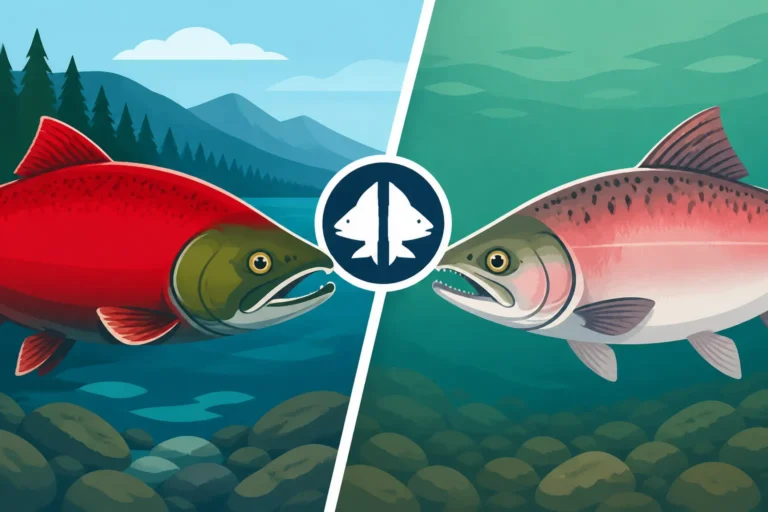
This is one of the most common identification challenges on coastal streams. Juvenile coho salmon (smolts) often share the same habitat as cutthroat trout, especially in estuaries and the lower river reaches. While both are silvery and spotted, here's how to tell them apart:
- Red Slash: The most definitive feature of the cutthroat is the red or orange slash under its lower jaw. Coho smolts do not have this.
- Spots: Cutthroat typically have smaller, more numerous spots that extend onto their tail fin. Coho smolts generally have fewer, larger spots that are primarily above the lateral line and are less prominent on the tail.
- Parr Marks: Both can have parr marks (vertical bars on their sides), but coho parr marks are usually more slender and spaced out, while cutthroat parr marks can be chunkier and sometimes less distinct.
- Anal Fin: Coho smolts often have a noticeably longer and more pointed anal fin compared to cutthroat.
- Overall Shape: Coho tend to be a bit more slender and torpedo-shaped for their size, while cutthroat can appear a bit sturdier or deeper-bodied in comparison.
Understanding these subtle differences is crucial for proper identification and adherence to regulations. For deeper dives into salmon identification, check out a Pacific Salmon Species Identification Guide and specifically, Coho Salmon Habits in Coastal Streams.
Cutthroat vs. Resident Rainbow Trout
Coastal cutthroat and rainbow trout (specifically, smaller resident rainbows that don't go to sea) can also look quite similar, especially in the interior of BC where cutthroat are less common. However, on the coast, you're mostly dealing with sea-run cutthroat and less frequently with true resident rainbows in the same exact coastal stream type.
- Red Slash: Again, the red slash under the jaw is the most reliable indicator for cutthroat. Rainbow trout do not have this.
- Spots: While both have spots, cutthroat often have spots that are more concentrated and uniformly spread over their entire body, including the tail and even the belly area in some instances. Rainbow trout spots tend to be more defined and often form distinct rows.
- Coloration: Coastal cutthroat often have a more golden or brassy hue on their sides and belly, especially in estuarine environments. Resident rainbows might display a more vibrant, iridescent pink lateral stripe, particularly males during spawning, and a generally brighter silver or green overall.
- Mouth: Cutthroat typically have a slightly larger mouth, extending past the eye, while a rainbow's mouth usually ends before or directly under the eye.
It's important to note that hybridization can occur between cutthroat and rainbow trout in some systems, making identification even trickier! However, by focusing on the primary indicators, you'll generally be able to make an educated guess. For more information on identifying trout, the general Rainbow Trout Fishing in BC article can provide more context.
Here’s a quick comparison table to help differentiate:
| Feature | Coastal Cutthroat Trout | Coho Salmon Smolt | Resident Rainbow Trout (Coastal) |
|---|---|---|---|
| Red Slash | Present (under lower jaw) | Absent | Absent |
| Spots | Numerous, small, scattered, often on tail fin | Fewer, larger, mostly above lateral line, less on tail | Distinct, often in rows, less on belly |
| Parr Marks | Often present, can be chunky | Slender, more evenly spaced | Can be present, but often fades early |
| Anal Fin | Shorter, more rounded | Longer, more pointed | Shorter, more rounded |
| Mouth Size | Extends past eye | Ends before or under eye | Ends before or under eye |
| Coloration | Olive/bronze back, silvery sides, golden hue | Silvery, darker back, iridescent | Greenish-blue back, silvery sides, pink stripe (variable) |
| Typical Habitat | Estuaries, lower coastal streams, tidal zones, small creeks | Estuaries, coastal rivers, often schooling | Lakes, larger rivers, sometimes smaller coastal streams |
Remember, observation is key! Take your time, look closely, and you'll soon become an expert at spotting these incredible BC fish.
Disclaimer
This article is for general informational purposes only and does not constitute professional advice. Laws, prices and regulations vary by location and change over time. Consult a qualified professional for guidance on your specific situation.