Trout Species Identification Guide for BC
Stepping onto the shores of a pristine British Columbia lake or river, you're immediately struck by the sheer beauty of the landscape. But beneath the surface, a vibrant world of trout awaits, often causing a delightful, yet sometimes confusing, challenge for anglers: "What kind of trout did I just catch?" It's a question many of us have pondered, especially when trying to decipher regulations or simply appreciate the unique characteristics of our catch. This comprehensive guide will unravel the mysteries of BC's diverse trout populations, helping you confidently identify the various species and understand their unique traits, habitats, and why knowing the difference truly matters.
The Rainbow Trout: BC's Iconic Gem
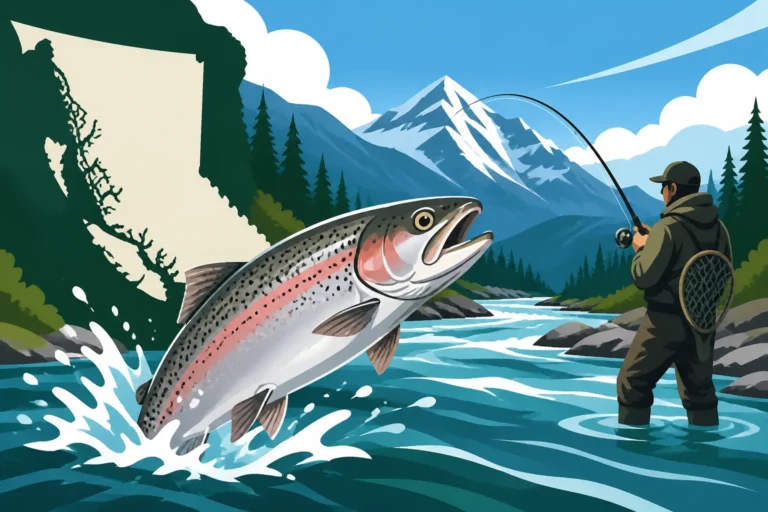
When most folks think of trout in British Columbia, the image of a spirited rainbow trout often springs to mind. These vibrant fish are truly a cornerstone of BC's freshwater fishing scene, found in countless lakes and rivers across the province. They’re known for their powerful fights and stunning colours, making them a favourite target for anglers of all skill levels.
Classic Rainbow Trout Characteristics
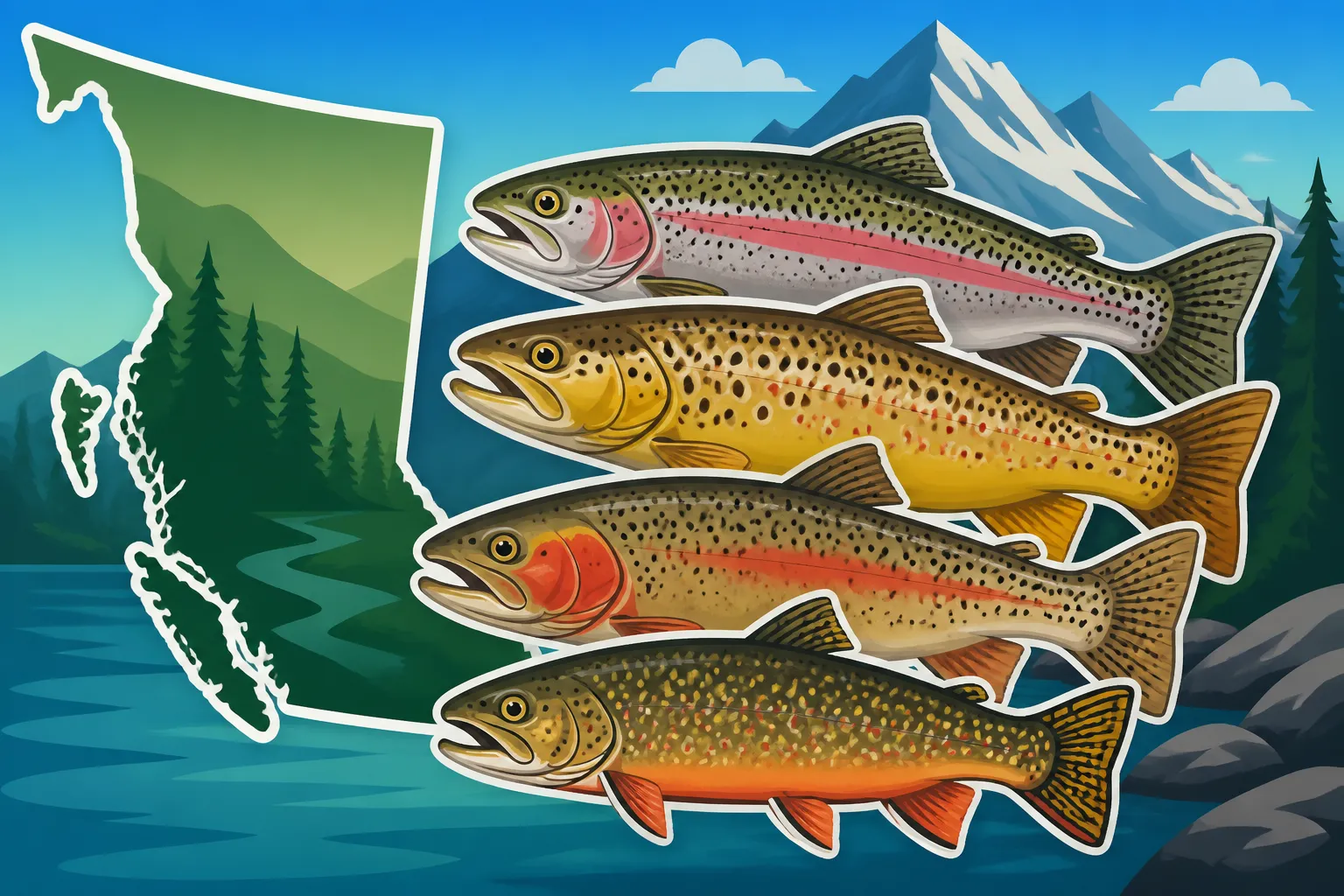
The classic rainbow trout, or Oncorhynchus mykiss, is renowned for its iridescent silver sides, speckled with numerous small, dark spots. A distinguishing feature is often the broad, reddish or pinkish stripe running horizontally along its lateral line, though the intensity of this stripe can vary significantly. In rivers, they tend to be sleeker and more streamlined, while lake-dwelling rainbows can develop a deeper body, especially if they're well-fed. Their tail is typically square or slightly forked, and you'll find spots continuing onto the caudal fin.
Many of the rainbows you encounter in BC are either wild, native fish or part of a stocking program designed to enhance fishing opportunities. Wild rainbows often exhibit more vibrant and defined markings, perfectly adapted to their natural surroundings, while stocked fish might be a bit paler initially, but quickly develop their natural colours once acclimated. When looking for gear for these beauties, a quick search on Amazon for "BC trout lures" will give you a good starting point, showing a variety of spinners and spoons that work well. Knowing how to distinguish them is key, as some regulations might even differ slightly. You can learn more about general angling for them in Rainbow Trout Fishing in BC.
Kamloops Trout: A Specific Strain of Rainbow
Within the broader rainbow trout family, some specific strains have earned legendary status, and the Kamloops trout is certainly one of them. Native to the Interior of BC, particularly the Okanagan and Kamloops regions, these fish are essentially a distinct ecotype of rainbow trout known for their remarkable size and fighting spirit. They are often brighter silver with a more vibrant pink stripe and distinct black spots, particularly above the lateral line. The "Kamloops" name itself has become synonymous with large, acrobatic trout that love to jump when hooked.
Anglers often target Kamloops trout in the larger, deep lakes of the Interior, where they grow to impressive sizes, frequently reaching several pounds. Their diet in these lakes often consists of kokanee and other smaller baitfish, contributing to their rapid growth and powerful physique. If you're heading to the Okanagan, understanding these unique fish is paramount to a successful trip. For specific details on their habitat, check out Kamloops Trout in Okanagan Lakes.
Gerrard Rainbow Trout: Kootenay Lake's Giants
If Kamloops trout are famous, then the Gerrard rainbow trout from Kootenay Lake are practically mythical. These are arguably the largest strain of rainbow trout in the world, renowned for their incredible size, with some individuals tipping the scales at over 20 pounds! They are also a specialized ecotype of rainbow trout, specifically adapted to the unique conditions of Kootenay Lake. Their primary food source is the abundant kokanee salmon, which allows them to achieve their massive proportions.
Gerrard rainbows have a silver, torpedo-like body, designed for chasing prey in open water, and typically feature fewer, larger spots compared to other rainbow strains. Their sheer power and impressive runs make them a bucket-list fish for many serious anglers. Targeting these giants requires heavy-duty tackle and specific trolling techniques, often involving large plugs or spoons to imitate their kokanee prey. You can delve deeper into their unique characteristics and habitat in Gerrard Rainbow Trout of Kootenay Lake.
Cutthroat Trout: Coastal and Interior Variations
The cutthroat trout, named for the distinctive red or orange slashes under their jaw, is another prominent trout species in British Columbia. What makes them particularly interesting is their adaptability, with distinct populations found both along the coast and in the interior, each with unique characteristics and life cycles.
Coastal Cutthroat: Sea-Run Wanderers
Coastal cutthroat trout (Oncorhynchus clarkii clarkii) are truly fascinating fish, known for their anadromous nature – meaning they can migrate between freshwater and saltwater. These sea-run cutthroat spend part of their lives in the ocean, growing larger and gaining a more silvery, almost chrome appearance, before returning to freshwater streams to spawn. When they're in salt water, their spots might be less pronounced, and the "cutthroat" marks may be paler. Once they move into freshwater, their colours deepen, and the spots become more defined.
You'll find these opportunistic feeders in coastal rivers and estuaries, particularly along Vancouver Island and the Lower Mainland. They often feed on small fish, insects, and crustaceans, making them a diverse target for fly anglers and spin fishers alike. Their migration patterns can be quite complex, influenced by tides and seasons. If you're looking for gear that handles both freshwater and saltwater conditions, searching for "multi-purpose fishing tackle" on Amazon can yield some versatile options. Explore more about their habits in Cutthroat Trout in BC Coastal Streams.
Westslope Cutthroat: Interior Stream Dwellers
In contrast to their coastal cousins, the Westslope cutthroat trout (Oncorhynchus clarkii lewisi) are found exclusively in freshwater habitats, primarily in the interior and southeastern regions of BC. These fish are typically smaller than sea-run cutthroats, exhibiting more vibrant golden-yellow and olive tones on their bodies, with distinctive black spots that are concentrated towards the tail. The red or orange slashes under their jaw are usually quite prominent.
Westslope cutthroat thrive in colder, clear mountain streams and rivers, often found in the Kootenay region, where they feed primarily on aquatic and terrestrial insects. They are a favourite among fly anglers who enjoy fishing smaller, more intimate waters. Their sensitivity to habitat changes makes them an important indicator of water quality, and they are often found in pristine environments. Protecting these native populations is crucial for BC's biodiversity.
Unique Markings and Habitat Clues
Beyond the characteristic jaw slashes, several other clues can help differentiate cutthroat trout. Their scales are generally smaller than rainbow trout, and their snout is often more pointed. The spotting pattern can also be a key identifier; cutthroats tend to have spots concentrated more towards the tail, while rainbows have a more even distribution across their body and fins.
| Feature | Rainbow Trout | Coastal Cutthroat Trout | Westslope Cutthroat Trout |
|---|---|---|---|
| Jaw Slashes | Absent | Present (often red/orange) | Present (prominent red/orange) |
| Body Colour | Silvery, iridescent, pink/red stripe | Silvery/chrome (saltwater), olive/bronze (freshwater) | Golden-yellow, olive, sometimes pinkish |
| Spotting Pattern | Numerous, small dark spots, evenly distributed | More irregular spots, often heavier towards tail | Heavier spots, especially towards tail |
| Tail Fin | Square or slightly forked, spotted | Slightly forked, often spotted | Slightly forked, spotted |
| Habitat | Widespread in lakes & rivers | Coastal rivers, estuaries, ocean | Cold, clear interior streams, rivers, some lakes |
| Life Cycle | Freshwater (some steelhead are anadromous rainbow) | Anadromous (sea-run) & freshwater resident | Freshwater resident |
| Average Size | Varies widely, from pan-size to trophy | Smaller (freshwater) to medium (sea-run) | Generally smaller, pan-size |
Habitat itself is a powerful indicator. If you're fishing a coastal river with direct access to the ocean, there's a good chance you might encounter a sea-run cutthroat. Conversely, if you're deep in the interior mountains fishing a clear, cold stream, you're more likely to find a Westslope cutthroat. Always be sure to consult the local BC Fishing Regulations Explained for any specific rules related to these distinct populations, as retention limits and gear restrictions can vary.
Bull Trout and Dolly Varden: The Char Family
While often mistaken for true trout, both bull trout and Dolly Varden belong to the Salvelinus genus, making them part of the char family. This distinction is important not just scientifically, but also for conservation and fishing regulations. These powerful, predatory fish are a true testament to the wildness of BC's waters.
Distinguishing Bull Trout from Dolly Varden
For many years, bull trout and Dolly Varden were considered the same species, but scientific research has confirmed them as distinct. The visual differences can be subtle, leading to frequent misidentification among anglers. However, there are some key characteristics to look for. Generally, bull trout (Salvelinus confluentus) tend to have a slightly larger, broader head and a more elongated body, with a more pronounced "shovel-like" snout. Dolly Varden (Salvelinus malma) usually have a smaller head relative to their body size, and a more slender build.
Perhaps the most reliable visual cue lies in their spots: bull trout typically have lighter spots (yellow, orange, or cream) on a darker body, while Dolly Varden often display smaller, more numerous pale spots. The overall colouration of both species can vary greatly depending on their habitat and diet, but the size and distribution of spots are often the most telling feature. Knowing the difference is crucial, as Bull Trout vs Dolly Varden Identification and associated regulations can be quite specific.
Bull Trout: Apex Predators of Cold Waters
Bull trout are true apex predators of the cold, pristine waters they inhabit. They require very specific environmental conditions, including exceptionally cold water, complex stream habitats, and clean gravel for spawning. This makes them an important indicator of ecosystem health. Their diet consists primarily of other fish, including smaller trout and kokanee, and they are known to grow to impressive sizes, making them a prized catch for trophy anglers.
You'll find bull trout predominantly in the large, cold rivers and lakes of BC's interior and northern regions, particularly in the Columbia and Fraser River systems. They are powerful fighters, known for their strong runs and deep dives. Catching a bull trout often requires specific techniques, such as casting large streamers or spoons that imitate baitfish. Because of their sensitive habitat requirements and predatory nature, many areas have strict catch-and-release regulations for bull trout. Further insights into targeting these powerful fish can be found in Bull Trout in BC's Interior Rivers.
Dolly Varden: Widespread and Adaptable
Dolly Varden, while sharing many similarities with bull trout, are generally more widespread and adaptable. They are found in both coastal and interior drainages across BC, often overlapping with bull trout populations but also extending into more diverse habitats, including some coastal estuaries and even saltwater environments. Like coastal cutthroat, some Dolly Varden populations are anadromous, moving between fresh and salt water.
They are opportunistic feeders, consuming insects, crustaceans, and smaller fish. While they don't typically reach the gargantuan sizes of bull trout, they are still a robust and strong-fighting fish, highly sought after by anglers. Their colouration can be quite striking, especially during spawning, when males can exhibit brilliant red and orange hues. While they may not have the same strict conservation concerns as bull trout in all areas, responsible angling practices, including careful handling and release, are always encouraged to ensure healthy populations.
Brook Trout and Lake Trout: Introduced Species
Not all the trout you'll encounter in BC are native to these waters. Some, like the brook trout and lake trout, were introduced from other regions and have established themselves in various lakes and rivers. While they offer exciting fishing opportunities, their presence also comes with ecological considerations.
Brook Trout: Beautiful but Invasive
The brook trout (Salvelinus fontinalis) is technically a char, like the bull trout and Dolly Varden, but its common name often places it squarely in the "trout" category for anglers. Native to eastern North America, these stunning fish were introduced to BC in the early 20th century and have since established self-sustaining populations in many lakes and streams, particularly in the Interior and Kootenay regions. They are unmistakable with their worm-like patterns (vermiculations) on their backs, distinctive red spots with blue halos on their sides, and white leading edges on their lower fins.
While undeniably beautiful, brook trout can sometimes outcompete native fish species for food and habitat, particularly in smaller streams and headwaters. This invasive potential means that in some areas, there are no possession limits or specific regulations designed to encourage their harvest. They are often found in cold, clear, high-elevation lakes and streams, where they can thrive. If you're looking for gear to target these feisty fish, especially for fly fishing, "small stream fly rod kits" on Amazon would be a good place to start.
Lake Trout: Deep-Water Giants
Another char species introduced to BC is the lake trout (Salvelinus namaycush), native to northern North America. These formidable fish are built for deep, cold waters and can grow to truly enormous sizes, living for many decades. They are typically dark green to grey, with distinctive pale, irregular spots on their body, dorsal fin, and caudal fin. Their tail is deeply forked, a key identifier distinguishing them from other trout and char.
Lake trout are found in several of BC's large, deep, and cold-water lakes, such as the Kootenays, Okanagan, and some northern systems. They are powerful predators, feeding on smaller fish like kokanee and whitefish, and require specialized techniques like deep-water trolling or jigging to target effectively. Their slow growth rate and longevity make them susceptible to overfishing, so management strategies often involve conservative limits. Anglers often appreciate their hard fighting ability and the challenge of locating them in vast, deep environments.
Lesser-Known and Hybrid Trout
While rainbows, cutthroats, and chars dominate the BC trout landscape, there are a few other species and interesting hybrids that occasionally make an appearance, adding to the diversity and intrigue of our waters.
Brown Trout: Elusive and Challenging
The brown trout (Salmo trutta), native to Europe, is not as widespread in BC as rainbow or brook trout, but it does exist in a few localized populations. These elusive fish are highly prized by anglers for their wariness and challenging nature. They typically have a golden-brown or olive-brown body, often with dark spots surrounded by lighter halos, and sometimes a few red or orange spots. Their tail is usually square or slightly forked, and they often have a more robust, "stocky" build than a rainbow.
Brown trout prefer cool, well-oxygenated rivers and streams with plenty of cover, such as undercut banks or submerged logs. They are primarily insectivorous but become highly piscivorous (fish-eating) as they grow larger, making them a formidable predator. If you're seeking the thrill of landing one of these cunning fish, understanding their preferred habitat and subtle feeding patterns is crucial. They're often found in specific watersheds where they were historically introduced and have managed to persist.
Splake: The Lake Trout-Brook Trout Hybrid
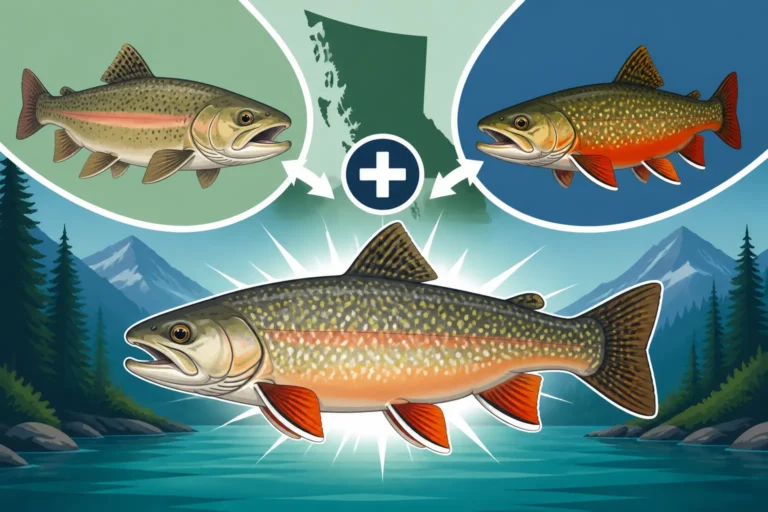
An interesting hybrid that sometimes gets stocked in BC lakes is the splake (Salvelinus namaycush x Salvelinus fontinalis). As the name suggests, it's a cross between a lake trout and a brook trout, created to combine the best traits of both: the fighting spirit and larger size potential of a lake trout with the faster growth rate of a brook trout. Splake are typically sterile, meaning they cannot reproduce, and are therefore stocked as a put-and-take fishery in specific lakes.
Visually, splake often exhibit a blend of characteristics from their parent species. They can have the worm-like markings of a brook trout on their back, but with a more forked tail similar to a lake trout. Their body colouration can vary, often a mottled mix of greens, browns, and grays, with pale spots. If you're wondering Are Splake Stocked in BC Lakes?, the answer is yes, in certain programs designed to provide unique angling opportunities, particularly in smaller, accessible lakes.
Golden Trout: Rare High-Altitude Beauties
While not native to BC, and certainly not widespread, there have been a few experimental stockings of golden trout (Oncorhynchus aguabonita) in some very specific, high-elevation alpine lakes in British Columbia. These magnificent fish are truly a sight to behold, known for their brilliant gold-yellow flanks, often with a vibrant red or orange stripe, and prominent parr marks that persist into adulthood. They are typically smaller fish, adapted to the sparse resources of their harsh, cold environments.
Encountering a golden trout in BC would be a truly rare and special event, often requiring arduous hikes into remote wilderness areas. Their stunning beauty and rarity make them a bucket-list fish for adventurous anglers. If you're planning a multi-day backcountry trip, a high-quality, lightweight fishing kit, perhaps sourced from Amazon, would be essential. These are typically catch-and-release only fish due to their fragile populations.
Why Accurate Identification Matters
Beyond the simple satisfaction of knowing what you've caught, accurate trout species identification is incredibly important for several practical and ethical reasons when fishing in British Columbia.
Regulatory Compliance and Conservation
The most immediate reason to know your trout is for regulatory compliance. British Columbia has a complex set of fishing regulations that often differ by species, waterbody, and even by specific strains within a species. For example, bag and possession limits for rainbow trout might be different from those for bull trout or cutthroat. There are also specific rules about gear restrictions, retention sizes, and even catch-and-release only waters. Unintentional misidentification could lead to unknowingly violating these rules, which can result in fines or penalties.
Conservation is at the heart of these regulations. Some species, like bull trout, are particularly sensitive to environmental changes and require strict management to protect their populations. Knowing which species you've hooked allows you to adhere to specific handling guidelines for vulnerable fish, like minimizing out-of-water time for Endangered and Protected Fish Species in BC. Always carry the current Reading the BC Freshwater Fishing Regulations Synopsis with you, either physically or digitally, and familiarize yourself with the specific rules for the waters you plan to fish. You can also find information on BC Bag and Possession Limits by Species to ensure you're compliant.
Understanding Habitat and Behavior
Each trout species and strain has adapted to specific ecological niches, which influences where they live and how they behave. Knowing what you've identified can provide invaluable clues about the surrounding ecosystem. For example, if you catch a Westslope cutthroat, you know you're likely in a cold, clean, insect-rich stream. If you land a Gerrard rainbow, you're on a large lake with a healthy kokanee population.
This understanding helps you become a more effective angler. It teaches you to "read the water" more effectively, to anticipate where certain species might be holding, and to select appropriate tackle and techniques. Furthermore, understanding their behavior, such as a sea-run cutthroat's migration patterns or a bull trout's ambush tactics, allows you to plan your fishing trips more strategically and increase your chances of success. A good waterproof field guide to BC fish species, which you can easily order from Amazon, can be an invaluable tool to keep with you on the water.
Improving Your Fishing Success
Ultimately, accurate identification translates into better fishing. If you know you're targeting a specific species, you can tailor your approach to maximize your chances. For instance, if you're after How to Catch Steelhead in BC, your gear and techniques will be vastly different than if you're trying to land a How to Catch Kokanee in BC. Different species respond to different lures, baits, and fly patterns, and they prefer distinct depths, currents, or structures.
By correctly identifying your catch and observing its characteristics, you're constantly learning and refining your fishing skills. You'll start to recognize patterns: "This type of rainbow here prefers this specific lure," or "I consistently find these cutthroat in that kind of riffle." This ongoing learning process makes fishing more engaging, more rewarding, and much more successful in the long run. Embrace the learning journey, and you'll find yourself not only catching more fish but also gaining a deeper appreciation for the incredible diversity of BC's aquatic environment.
Disclaimer
This article is for general informational purposes only and does not constitute professional advice. Laws, prices and regulations vary by location and change over time. Consult a qualified professional for guidance on your specific situation.