Best Fishing Rivers in British Columbia
Oh, the sheer overwhelming joy, and sometimes slight panic, of trying to figure out where to cast your line in British Columbia! With literally thousands of rivers, streams, and tributaries carving their way through this incredible province, picking just one can feel like searching for a specific pebble on a mile-long beach. It’s a fantastic problem to have, of course, but it still leaves many anglers wondering: "Where do I even start to find the best fishing rivers in British Columbia?" This comprehensive guide is here to cut through the confusion and highlight the absolute gems, giving you the detailed lowdown on what makes these waterways legendary and how you can experience their magic.
The Majestic Fraser River: A Sturgeon and Salmon Powerhouse
When you talk about fishing rivers in British Columbia, the conversation simply has to start with the Fraser. It’s not just the longest river within BC, stretching over 1,375 kilometers; it’s an ecological titan, a cultural cornerstone, and without a doubt, one of the most prolific and diverse fishing destinations on the planet. Flowing from its headwaters in the Rocky Mountains all the way to the Pacific Ocean, the Fraser River offers an almost unparalleled array of angling experiences, from battling ancient giants to intercepting massive salmon migrations.
White Sturgeon: Giants of the Fraser
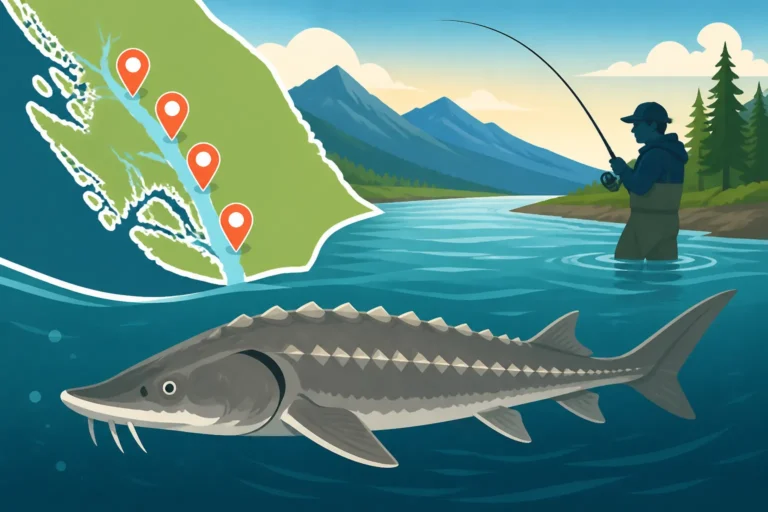
Let's just get this out of the way: the Fraser River is home to some of the largest freshwater fish in North America, the majestic White Sturgeon. These aren't just big fish; they're prehistoric, incredibly powerful creatures that can stretch over 12 feet long and weigh hundreds of pounds. Imagine hooking into something that feels like a Volkswagen at the end of your line, leaping clear of the water, and taking off on blistering runs. It’s a truly humbling and exhilarating experience that every angler should aspire to.
Fishing for White Sturgeon on the Fraser River is strictly catch-and-release, a critical conservation measure that has allowed this incredible species to rebound and thrive. Anglers use heavy-duty tackle, often baiting with salmon roe, eulachon, or other fish scraps, and anchoring in deeper runs or channels where sturgeon tend to congregate. The best seasons for targeting these giants typically run from early spring through late fall, with summer being particularly popular due to stable weather and strong fish activity. You'll find prime stretches for sturgeon fishing throughout the Lower Fraser, from areas around Chilliwack and Mission all the way down to the estuary near Richmond. For more in-depth knowledge on how to approach these incredible fish, you'll want to dive into our guide on White Sturgeon Fishing on the Fraser River.
The thrill isn't just in the size, but in the fight itself. These fish are known for their spectacular aerial displays, sometimes jumping completely out of the water, and their incredible endurance. A fight with a truly large sturgeon can last well over an hour, testing both angler and gear to their limits. It’s a full-body workout that leaves you with aching muscles and an unforgettable memory. When you finally get one alongside the boat, a quick photo, careful handling, and a respectful release ensure these magnificent creatures continue to thrive for future generations.
Salmon Runs: A Spectacle of Nature
Beyond the sturgeon, the Fraser River is perhaps most famous for its incredible salmon runs. All five species of Pacific Salmon – Chinook (King), Sockeye (Red), Coho (Silver), Pink (Humpback), and Chum (Dog) – migrate up the Fraser and its tributaries to spawn. This means that throughout much of the year, there's a salmon species making its way through the system, offering a diverse range of angling opportunities and a truly spectacular natural phenomenon to witness.
Chinook salmon, often referred to as "kings," are prized for their immense size and powerful fights, with some specimens exceeding 50 pounds. They typically start entering the river in spring and continue through summer and fall. Sockeye salmon return in staggering numbers, creating vibrant red rivers during their peak migrations, though fishing opportunities are highly regulated due to conservation concerns. Coho salmon are renowned for their acrobatic jumps and aggressive strikes, providing thrilling light-tackle action, especially in the fall. Pink and Chum salmon also offer exciting sport, especially on odd-numbered years for Pink salmon when their runs can be absolutely massive. To get the full scope of what this river offers, check out our comprehensive Fraser River Fishing Guide. Understanding the various salmon species, their migration timing, and the specific regulations for each is absolutely crucial for a successful trip, and our dedicated guide on Sockeye Salmon Fishing in BC can help you navigate the nuances of targeting this iconic species.
Angling techniques for salmon on the Fraser vary widely depending on the species and conditions. Bar fishing from shore, float fishing with roe or jigs, and casting spoons or spinners are all popular methods. For Chinook, many anglers swear by roe bags fished in deep runs. For Coho, spinners and twitching jigs can be incredibly effective. The sheer volume of fish during peak runs creates an atmosphere unlike any other, with anglers lining the banks and boats dotting the river, all hoping for that tell-tale tug on the line. It's not just about catching fish; it's about being part of this incredible natural cycle.
Access and Guiding on the Fraser
Despite its size and immense popularity, accessing the Fraser River for fishing is surprisingly manageable. There are numerous public access points, boat launches, and parks along its length, particularly in the Lower Mainland region. Towns like Chilliwack, Mission, and Harrison Hot Springs serve as popular hubs for anglers looking to hit the water. However, given the river's vastness, powerful currents, and the specialized knowledge required for certain species, particularly sturgeon, hiring an experienced local guide is often the best route to success.
A good Fraser River guide knows the intricacies of the shifting channels, the best spots based on current water levels and fish migrations, and, most importantly, how to safely handle and release large sturgeon. They’ll provide all the necessary heavy-duty gear and bait, ensuring you have the best chance at a trophy fish while adhering to all regulations. If you're looking to book a guided trip, resources like FishingBooker can connect you with reputable guides who specialize in Fraser River sturgeon and salmon fishing, offering peace of mind and an enhanced experience. They list numerous experienced operators, detailing their specialties and availability, making it easy to find someone who fits your needs, whether you're after a monster sturgeon or a limit of salmon.
While shore fishing is popular, especially during salmon runs, a boat offers unparalleled flexibility to explore different runs, holes, and eddies. Jet boats are commonly used by guides due to their ability to navigate shallow waters and strong currents, opening up sections of the river that are otherwise inaccessible. Before you head out on your own, it's vital to research specific regulations for the section you plan to fish, as rules can change seasonally and vary by zone.
The Skeena River System: Steelhead Nirvana
Moving north, we encounter a river system that holds almost mythical status among anglers worldwide: the Skeena River. Often referred to as "The River of Kings" or "Steelhead Heaven," the Skeena, along with its extensive network of tributaries, drains a massive portion of northwestern British Columbia before emptying into the Pacific Ocean near Prince Rupert. This remote, wild system is legendary for its truly exceptional runs of all five Pacific salmon species, but it is perhaps most revered for its magnificent, wild steelhead.
Legendary Steelhead Runs
For many dedicated anglers, the Skeena River and its renowned tributaries – the Bulkley, Kispiox, Morice, and Babine rivers, among others – represent the pinnacle of steelhead fishing. These aren't your average rainbow trout; Skeena steelhead are an anadromous form of rainbow trout, meaning they spend years growing large and powerful in the ocean before returning to their natal rivers to spawn. They are characterized by their incredible size, strength, and acrobatic fighting style, making them one of the most sought-after game fish in the world.
The allure of the Skeena's steelhead is their wild nature and often formidable size. Anglers travel from across the globe, often enduring remote travel and challenging conditions, for the chance to hook into one of these magnificent fish. Unlike hatchery-raised steelhead, Skeena system fish are entirely wild, a testament to the pristine environment and robust ecosystems of this region. The experience of wading a classic Skeena river, surrounded by untouched wilderness, with the possibility of hooking into a chrome-bright, ocean-fresh steelhead, is truly a spiritual one for many. Our in-depth look at Steelhead Fishing in BC will give you a broader understanding of what makes these fish so special throughout the province.
The runs can be prolific, especially in the fall when the "summer-run" steelhead, which have been in the river since earlier in the year, are joined by fresh "fall-run" fish. These powerful fish offer an incredible challenge to even the most experienced fly anglers, who often employ Spey casting techniques to cover wide swaths of water with large flies. The sheer beauty of the surroundings, combined with the anticipation of a hook-up, creates an unforgettable angling adventure.
Seasonal Variations and Techniques
The Skeena system experiences distinct steelhead seasons, each offering unique challenges and rewards. The "summer-run" steelhead begin entering the rivers in late summer (July/August) and can be targeted through the fall, often into late October. These fish are typically aggressive and respond well to swung flies, drift fishing with roe or artificials, and float fishing. As temperatures drop and winter sets in, the "winter-run" steelhead make their appearance, offering a different kind of challenge. These fish are often larger and even more elusive, requiring dedicated cold-weather gear and often a more subtle approach. Our guide on Best Techniques for Winter Steelhead delves into the specific strategies for success during this challenging but rewarding time.
Fly fishing, particularly Spey casting, is a hallmark of Skeena steelhead fishing. The ability to cast a long line with two-handed rods allows anglers to cover vast stretches of river, presenting flies to holding lies and runs. Traditional patterns like the Skagit and Intruder flies are popular choices, designed to be highly visible and enticing in the often-turbulent river currents. For those who prefer gear fishing, drift fishing with bait (roe, worms) or artificial presentations (pink worms, jigs, small spoons) is also highly effective. Float fishing, where a weighted presentation drifts naturally under a float, is another popular method, especially for covering specific seams and pockets.
Understanding the water conditions is paramount. The Skeena and its tributaries can be powerful, and water levels fluctuate significantly with rain and snowmelt. A skilled angler knows how to read the water, identify prime holding lies, and adjust their presentation accordingly. The remote nature of many Skeena system waters also means being prepared for all conditions, carrying appropriate safety gear, and being self-sufficient.
Remote Access and Fly-in Lodges
The grandeur of the Skeena system comes hand-in-hand with its remote character. While some sections of the mainstem Skeena and lower Bulkley are accessible by road, many of the most pristine and productive tributaries require more effort to reach. This often involves flying into remote lodges, utilizing jet boats, or even helicopter access to reach untouched stretches of river. This remoteness is precisely what preserves the wilderness experience and contributes to the quality of the fishing.
Many world-class fishing lodges operate within the Skeena watershed, offering all-inclusive packages that cover accommodation, gourmet meals, expert guiding, and transportation. These lodges provide comfortable bases from which to explore the vast network of rivers, often employing fleets of jet boats to access prime fishing grounds. For an angler seeking the ultimate wilderness fishing adventure, a fly-in lodge experience on the Skeena is unparalleled. These specialized trips are often sought after, and using a booking platform like FishingBooker can simplify the process of finding and securing a spot at one of these prestigious lodges. They can help navigate the options, ensuring you find a trip that matches your fishing goals and budget for this once-in-a-lifetime experience.
When planning a trip to the Skeena, it's crucial to book well in advance, especially for peak fall steelhead season, as prime dates fill up quickly. Many guides and lodges operate on a permit system, further limiting the number of anglers on the river at any given time, which helps maintain the quality of the fishery and the wilderness experience. Being prepared for variable weather conditions, from crisp autumn days to sudden cold snaps, is also essential for an enjoyable and successful trip.
Vancouver Island's Premier Salmon and Steelhead Rivers
Vancouver Island, a jewel off the coast of mainland British Columbia, is crisscrossed by countless rivers and streams that offer incredible fishing opportunities, primarily for Pacific salmon and steelhead. Its proximity to rich Pacific feeding grounds ensures strong returns of anadromous fish, making it a perennial favorite for both local and visiting anglers. The island's diverse geography, from rugged coastline to dense old-growth forests, provides a stunning backdrop to some of BC's most iconic fisheries.
Campbell River: The Salmon Capital
When you think of salmon fishing on Vancouver Island, the Campbell River immediately springs to mind. Known globally as "The Salmon Capital of the World," this relatively short river, flowing from Buttle Lake into Discovery Passage, has earned its reputation through generations of consistent, world-class salmon returns. It's particularly famous for its incredible Chinook and Coho salmon runs, which draw anglers from every corner of the globe.
The Campbell River offers year-round fishing opportunities, but its peak seasons for salmon are truly spectacular. Spring brings the first wave of migratory Chinook, often referred to as "spring salmon," followed by a strong summer and fall run of larger Chinooks and abundant Coho. The river's accessible nature, with numerous public access points and boat launches, makes it a popular destination for anglers of all skill levels. Fly fishing, gear fishing, and even bank fishing are all productive methods depending on the time of year and specific regulations. Our dedicated Campbell River Fishing Guide can provide you with all the details you need to plan a successful trip to this legendary waterway.
The river's structure, with its clear, cool waters, deep pools, and productive runs, provides ideal habitat for salmon on their journey upstream. Beyond salmon, the Campbell River also supports resident populations of rainbow trout and cutthroat trout, offering additional angling diversity. The town of Campbell River itself is a hub of angling activity, with numerous tackle shops, charter operators, and guides ready to assist. It's a place where fishing history runs deep, and the passion for salmon is palpable.
Nootka Sound and Rivers Inlet Tributaries
While the Campbell River is iconic, Vancouver Island boasts a multitude of other phenomenal fishing rivers, especially those feeding into the rich marine waters of the west coast. Places like Nootka Sound, Rivers Inlet, and Barkley Sound are renowned for their incredible saltwater salmon and halibut fisheries, but they also have numerous smaller, pristine rivers that experience strong returns of salmon and steelhead. These rivers, often shorter and more tumultuous, offer a wilder, more remote angling experience.
The rivers flowing into Nootka Sound, for instance, are known for their strong Coho and Chinook runs in the fall, providing fantastic opportunities for those willing to venture further afield. These coastal streams, often surrounded by temperate rainforest, can be incredibly productive, especially after a good rain when fresh fish are pushing in from the ocean. Fishing here often involves shorter casts, navigating dense bush to find access, and using lighter tackle to combat the feisty Coho.
Rivers Inlet, while more famous for its ocean fishing, is fed by several rivers like the Wannock, which supports incredibly strong runs of sockeye and other salmon species. While access to these specific tributaries can be challenging and often requires a guided trip or staying at a remote lodge, the rewards are immense. The sheer wildness of these areas, combined with the abundance of fish, makes for an unforgettable adventure. These rivers, less pressured than some of the more accessible ones, offer a true taste of BC's pristine wilderness fishing.
Cowichan River: A Fly-Fishing Gem
On the southern end of Vancouver Island lies the Cowichan River, a designated Canadian Heritage River and a true fly-fishing gem. Flowing from Cowichan Lake to Cowichan Bay, this river is celebrated for its thriving populations of resident rainbow and brown trout, as well as its impressive runs of winter steelhead and fall salmon. The Cowichan's clear waters and diverse insect life make it an ideal environment for fly anglers.
What sets the Cowichan apart for many fly fishermen is its extensive "fly-fishing only" sections, which provide a tranquil and challenging angling experience. These sections are carefully managed to protect the wild trout populations, and anglers often use dry flies, nymphs, and streamers to entice a strike. The resident trout, particularly the brown trout, can grow to impressive sizes, offering a powerful fight on light tackle.
In the late fall and winter, the Cowichan transforms into a prime steelhead river. These sea-run rainbows, strong and resilient, push into the river, providing an exciting challenge during the colder months. Anglers use traditional steelhead fly patterns or drift fishing techniques to target these elusive fish. The river's consistent flow, thanks to the weir at the lake outlet, helps maintain stable conditions throughout the year, making it a reliable destination for various fishing seasons. The combination of beautiful scenery, diverse fishing opportunities, and a strong conservation ethic makes the Cowichan River a must-visit for any angler on Vancouver Island.
The Thompson River: Interior Steelhead Challenge
Tucked away in the semi-arid interior of British Columbia, the Thompson River holds a special, almost sacred, place in the hearts of steelhead anglers. Known for its notoriously challenging yet incredibly rewarding fishing, the Thompson is home to a unique and highly prized strain of wild steelhead. This river offers an experience that is as much about the pursuit and appreciation of these magnificent fish as it is about the catch.
The Elusive Thompson Steelhead
The steelhead of the Thompson River are legendary for several reasons: their size, their incredible strength, and their extreme elusiveness. These are some of the largest and most powerful wild steelhead in British Columbia, having made an arduous journey from the Pacific Ocean, up the Fraser River, and then into the Thompson. Their protracted migration makes them incredibly fit and formidable opponents on the end of a line. They are often described as "hot" fish, capable of explosive runs and aerial acrobatics that can test the mettle of even the most seasoned angler.
Catching a Thompson River steelhead is considered a true pinnacle for many fly fishermen, particularly those who specialize in Spey casting and swinging flies. The river itself is broad, powerful, and often characterized by large, sweeping runs and deep pockets. The fish are notoriously finicky, influenced by subtle changes in water temperature, clarity, and pressure. Success on the Thompson often requires immense patience, persistence, and a deep understanding of steelhead behavior. Our detailed guide on Thompson River Steelhead Fishing is an excellent resource for those planning to tackle this iconic river.
The sheer beauty of the Thompson Canyon, with its rugged cliffs and clear, turquoise waters, adds another layer to the experience. It's a place where the landscape feels ancient and the fishing feels like a profound connection to the wild. While numbers of fish can be lower than in some other systems, the quality of each encounter is exceptionally high, making every hook-up a truly memorable event.
Regulations and Conservation Efforts
Due to declining populations in recent decades, the Thompson River steelhead fishery is under extremely strict regulations, reflecting intense conservation efforts. The fishery is almost exclusively catch-and-release, often with specific gear restrictions (e.g., single barbless hooks, specific fly-fishing-only sections) and season closures designed to protect these vulnerable fish during critical periods. Anglers must check current BC Fishery Notices religiously before planning a trip, as rules can change frequently based on run forecasts and in-season assessments.
The focus on the Thompson River is very much on ethical angling and minimizing impact on the fish. Proper catch-and-release techniques are not just recommended but are often legally mandated. This includes minimizing fight time, keeping the fish in the water as much as possible, avoiding direct contact with dry hands, and ensuring a strong, vigorous release. The goal is to provide these precious wild steelhead with the best possible chance of survival to spawn and contribute to future generations. These strict rules are a testament to the community's dedication to preserving this unique and cherished fishery.
Conservation groups, First Nations, and government agencies work collaboratively to monitor and manage the Thompson steelhead. Their efforts include habitat restoration, monitoring programs, and public education campaigns. When you fish the Thompson, you're not just casting a line; you're participating in a legacy of conservation and acknowledging the fragility of these incredible wild resources.
Guided Experiences on the Thompson
Given the challenging nature of the Thompson River and the highly specialized techniques required to consistently find and hook its steelhead, hiring a local, experienced guide is almost a prerequisite for a successful trip, especially for first-time visitors. Thompson River guides are intimately familiar with the river's ever-changing dynamics, the subtle holding lies, and the precise presentations that can entice a strike from these wary fish.
A guide will not only put you in the best spots but will also provide expert instruction on casting techniques, fly selection, and reading the water – skills that are invaluable on such a demanding river. They also ensure adherence to the complex and evolving regulations, which is critical for both conservation and avoiding penalties. Beyond the fishing, a good guide can offer insights into the river's history, ecology, and the broader conservation story of the Thompson steelhead.
For many, a guided trip on the Thompson is an educational experience as much as it is a fishing trip. You learn about the river, about steelhead, and often about yourself through the patience and perseverance required. These guides are often passionate conservationists themselves, deeply invested in the future of the fishery they call home. They provide specialized gear, from Spey rods to custom-tied flies, optimized for the Thompson's unique conditions.
Kootenay Region Rivers: Trout and More
Heading into the southeastern corner of British Columbia, the Kootenay region offers a spectacular array of rivers renowned for their pristine waters and prolific trout fishing. This mountainous region, characterized by dramatic landscapes, clear-flowing rivers, and deep, cold lakes, is a haven for anglers seeking native trout species, particularly cutthroat, rainbow, and bull trout. The Kootenays provide a different kind of BC fishing experience, one that often emphasizes walk-and-wade fly fishing in breathtaking alpine settings.
Elk River: A Dry Fly Paradise
The Elk River, flowing through the dramatic landscapes of the Kootenay Rockies, is celebrated as one of North America's premier dry fly rivers. Its gin-clear waters, abundant insect hatches, and thriving population of native Westslope Cutthroat Trout make it a dream destination for fly fishermen. These beautiful trout are eager to rise to a well-presented dry fly, offering thrilling surface action throughout the summer and early fall.
The river's character varies along its length, from broad, meandering sections to faster, boulder-strewn runs. This diverse habitat supports not only cutthroat but also rainbow trout and bull trout. The Elk is particularly famous for its prolific Caddis and Stonefly hatches, which can bring large numbers of fish to the surface, creating an exciting and visually stunning fishing experience. Anglers often spend days wading its accessible stretches, casting to visible rising fish in an idyllic mountain setting.
Conservation on the Elk River is paramount, with strict catch-and-release regulations for many species to protect its wild populations. The focus here is on sustainable angling, ensuring that this precious resource remains vibrant for generations to come. The scenic beauty, combined with the active fish, makes the Elk River a highly sought-after destination for fly fishing enthusiasts.
Columbia River Tributaries
While the mighty Columbia River flows largely through impoundments in BC, its numerous free-flowing tributaries within the Kootenay region offer fantastic angling opportunities. These smaller, often more intimate rivers and creeks are crucial spawning and rearing grounds for various trout species and provide diverse fishing experiences away from the mainstem. They are often less pressured and can offer solitude amidst stunning natural beauty.
Rivers like the St. Mary, Kootenay, and Lardeau, along with countless smaller streams, are home to strong populations of rainbow trout, bull trout, and cutthroat trout. These rivers offer a mix of fly fishing and spin fishing opportunities, depending on the specific water and regulations. Anglers can explore deep pools, riffles, and undercut banks, using a variety of techniques from nymphing to streamer fishing. The diverse aquatic insect life and healthy forage base contribute to the robust size and fighting prowess of these trout. You can find more information about these waters and more in our guide to Columbia River Fishing Spots.
Many of these tributaries require a bit more effort to access, involving gravel roads and sometimes a short hike, but the reward is often a truly wild fishing experience. The pristine water quality and untouched surroundings add immensely to the enjoyment of fishing in these less-traveled areas. Each tributary has its own unique character and fishery, making exploration a key part of the Kootenay angling adventure.
Bull Trout and Dolly Varden Opportunities
The Kootenay region is also a stronghold for two of BC's most intriguing predatory trout species: bull trout and their close relatives, Dolly Varden. While visually similar and often confused, these char species are apex predators in their ecosystems, growing to impressive sizes and offering a powerful fight. They are characterized by their striking patterns, often with light spots on a darker background, and their aggressive feeding habits. Our guide on Bull Trout in BC's Interior Rivers provides extensive detail on these magnificent fish.
Targeting bull trout and Dolly Varden often involves using larger flies or lures that imitate baitfish. Streamers, large spoons, and plugs are all effective. These fish tend to inhabit colder, deeper waters, often congregating in pools and runs, especially near the mouths of tributary streams. They are highly migratory, moving between lakes and rivers, following their food sources such, as kokanee and whitefish. The hunt for a trophy bull trout in the Kootenays can be an exciting challenge, requiring strategic presentation and patience.
Anglers seeking these species should be aware of specific regulations, as bull trout and Dolly Varden are highly valued and often managed with catch-and-release or restricted harvest limits. Their predatory nature makes them a vital part of the aquatic food chain, and their conservation is a priority. The opportunity to hook into one of these powerful, beautifully marked char amidst the stunning Kootenay mountains is a truly memorable experience.
Northern BC: Wilderness and Pristine Waters
For those seeking the ultimate wilderness fishing adventure, far from the madding crowds, Northern British Columbia beckons. This vast, sparsely populated region is a realm of untamed rivers, ancient forests, and towering mountains, where the fishing is as wild as the landscape itself. While access can be challenging, the rewards are immense: pristine waters teeming with large, chrome-bright salmon and steelhead, as well as unique northern species like Arctic grayling and whitefish.
Nass River and its Tributaries
North of the Skeena lies another colossal river system, the Nass River. Often overshadowed by its more famous neighbor, the Nass offers equally incredible, if not more remote, opportunities for salmon and steelhead. Flowing through the heart of Nisga'a Nation traditional territory, the Nass is known for its incredibly strong runs of all five Pacific salmon species, particularly Chinook and Sockeye, and its powerful, wild steelhead.
Fishing on the Nass and its tributaries (like the Meziadin, Cranberry, and Bell-Irving) offers a truly remote experience. Access often involves float planes, jet boats, or staying at specialized lodges. The sheer wildness of the area means fewer anglers and an unparalleled sense of solitude. The fish here are strong and vibrant, having made a long journey to their spawning grounds. For many, the Nass represents the last frontier of BC salmon and steelhead fishing, a place where the wilderness truly dictates the experience.
Angling techniques mirror those used on the Skeena, with Spey casting, drift fishing, and float fishing being popular. The vastness of the system allows for diverse angling approaches, from targeting specific holding lies to covering broad runs. The Nass fishery is deeply intertwined with First Nations culture and traditions, and respectful angling practices are paramount. This region is not just about catching fish; it's about immersing oneself in a rich cultural and natural landscape.
Stikine River: True Wilderness Fishing
Further north still, near the Alaskan border, lies the Stikine River, a monumental waterway that offers perhaps the most authentic wilderness fishing experience in British Columbia. Often referred to as "The Grand Canyon of the North," the Stikine carves its way through a vast, uninhabited wilderness, accessible primarily by air or by multi-day river expeditions. This is not a destination for the faint of heart, but for those who make the journey, the rewards are legendary.
The Stikine is home to massive runs of Chinook salmon, some of the largest in BC, along with strong returns of Sockeye, Coho, Pink, and Chum. It also boasts impressive runs of wild steelhead. Fishing on the Stikine is a true expedition, often involving staying at remote tent camps or on fully outfitted riverboats. The pristine nature of the environment means the fish are incredibly vibrant and powerful, offering epic battles in an untouched setting.
Anglers venturing to the Stikine must be fully self-sufficient or go with highly experienced outfitters. The logistics are complex, and weather conditions can be unpredictable. However, for those seeking to truly unplug and connect with nature while pursuing some of the finest anadromous fish on the planet, the Stikine offers an experience that is unmatched. It's an adventure into the heart of BC's wildest country, a journey that promises not just fish, but an unforgettable communion with nature.
Arctic Grayling and Lake Whitefish Streams
While salmon and steelhead dominate the narrative for much of Northern BC, the region also offers unique opportunities for other fascinating fish species in its headwater streams and remote lakes. High up in the northern reaches, anglers can target beautiful Arctic Grayling, often referred to as the "Sailfish of the North" due to their prominent dorsal fin. These elegant fish inhabit clear, cold streams and small rivers, offering excellent light-tackle fly fishing in stunning high-country environments.
Arctic Grayling are highly prized for their beauty, their willingness to rise to a dry fly, and the pristine environments they inhabit. They typically don't grow as large as salmon or steelhead, but their delicate fights and the challenge of stalking them in crystal-clear waters make for a thoroughly enjoyable experience. Fishing for grayling often involves exploring remote, unnamed streams and smaller rivers, accessed by hiking or bush planes. Our guide to Arctic Grayling in Northern BC Rivers will give you a deeper understanding of these unique fish and where to find them.
Additionally, many northern rivers and their associated lakes are home to healthy populations of Lake Whitefish. While often overlooked by anglers focused on more glamorous species, whitefish can provide excellent sport on light tackle, especially on small jigs or flies. They are also known for their delicious, firm white meat, making them a popular target for subsistence and recreational anglers alike. These species offer a different dimension to Northern BC fishing, allowing for a broader exploration of its diverse aquatic ecosystems.
Essential Considerations for River Fishing in BC
No matter which incredible British Columbia river calls to you, there are some fundamental considerations that apply across the board. These aren't just suggestions; they are crucial for a safe, legal, and truly responsible angling experience in this magnificent province. Ignoring them can lead to disappointment, fines, or even dangerous situations.
Understanding BC Fishing Regulations
This cannot be stressed enough: always, always, always check the current BC fishing regulations before you head out, and continue to check for in-season updates. British Columbia's fishing regulations are complex, dynamic, and highly specific. They vary not only by region and river system but also by specific species, time of year, method of fishing, and even by specific sections of a single river. What's legal on one stretch might be prohibited just a few kilometers downstream.
Regulations cover everything from daily bag and possession limits to acceptable gear (e.g., single barbless hooks, bait restrictions), season dates, and catch-and-release requirements for specific species. Many rivers also have "Special Regulation Waters" or "Classified Waters" that have unique rules to protect sensitive populations. Salmon fishing, in particular, is subject to frequent in-season closures or changes based on run sizes and conservation concerns. The BC Freshwater Fishing Regulations Synopsis and the Fisheries and Oceans Canada (DFO) Pacific Region Fishery Notices are your primary sources of truth. Ignorance of the law is not an excuse, and penalties for violations can be severe, including hefty fines and loss of fishing privileges. For a deeper dive into the regulatory landscape, our comprehensive guide on BC Fishing Regulations Explained is an indispensable resource. Additionally, ensure you understand the requirements for obtaining your British Columbia Fishing License Guide for 2026, as this is your foundational step to legal angling.
Safety First on BC Rivers
British Columbia's rivers are wild, powerful, and beautiful, but they demand respect. River fishing, whether from shore or boat, comes with inherent risks, and prioritizing safety is paramount. Currents can be incredibly strong and deceptive, especially during periods of high water. Wading in swift water requires caution, proper footwear (felt or studded soles are often recommended), and sometimes a wading staff for stability. Never wade alone in unfamiliar or fast-moving water.
Beyond the water itself, the wilderness environment presents its own set of safety concerns. Wildlife encounters, especially with bears, cougars, and moose, are possible in many remote areas. Carry bear spray, know how to use it, and be "bear aware" by making noise and carrying food in bear-proof containers. Weather in BC can change rapidly, particularly in mountainous regions, so dress in layers and carry rain gear. Hypothermia is a real risk even in summer if you get wet and the temperature drops.
If fishing from a boat, ensure all required safety equipment is on board and in good working order, including PFDs (personal flotation devices) for everyone. Know how to operate your boat safely and be aware of river hazards like submerged logs, rocks, and rapids. Carrying a satellite communication device (SPOT, InReach) can be a lifesaver in areas without cell service. Inform someone of your float plan, including where you're going and when you expect to return. Being prepared and aware can make the difference between a memorable trip and a dangerous situation.
Conservation and Responsible Angling
The incredible fishing opportunities in British Columbia are a gift, and it's every angler's responsibility to protect them for future generations. Practicing strong conservation ethics and responsible angling techniques is not just a nice idea; it's a necessity. This starts with understanding and adhering to regulations, but it goes much deeper.
Catch and Release: For many sensitive species like wild steelhead, bull trout, and Fraser River sturgeon, catch and release is mandatory or highly encouraged. When practicing catch and release, minimize fight time, keep the fish in the water as much as possible, avoid handling the fish by the gills or jaw, and use a de-hooking tool to quickly remove hooks. Avoid prolonged photography, especially in warm water, and ensure the fish is fully revived before release.
Leave No Trace: Pack out everything you pack in. This includes all trash, fishing line, and any other litter. Do not discard fish guts or carcasses where they can attract wildlife to sensitive areas or public access points. Respect private property and First Nations traditional territories, which are abundant throughout BC.
Respect the Resource: Understand that the fish populations are a finite resource. Consider limits and take only what you need, especially for species that can be retained. Report poaching or any suspicious activity to the Report All Poachers and Polluters (RAPP) line. By being a responsible steward of the environment, you contribute to the health and longevity of British Columbia's world-class fisheries, ensuring that the magic of these rivers endures.
A Quick Comparison of BC's Top Fishing Rivers
To give you a clearer picture of some of the best rivers we’ve discussed, here's a handy comparison table. Remember, each river offers a multitude of experiences, and this is just a snapshot!
| River System | Primary Species | Best Season(s) | Common Techniques | Key Feature |
|---|---|---|---|---|
| Fraser River | White Sturgeon, Chinook, Sockeye, Coho | Spring-Fall | Bait Fishing, Float Fishing, Bar Fishing | Gigantic Sturgeon; all 5 Salmon species |
| Skeena River System | Steelhead, Chinook, Coho, Pink | Summer-Fall (Steelhead), Fall (Salmon) | Fly Fishing (Spey), Drift Fishing, Float Fishing | World-renowned Wild Steelhead |
| Campbell River | Chinook, Coho, Rainbow Trout | Spring-Fall (Salmon), Year-Round (Trout) | Trolling, Fly Fishing, Gear Casting | "Salmon Capital of the World"; accessible |
| Thompson River | Wild Steelhead | Late Fall-Winter | Fly Fishing (Spey), Drift Fishing | Challenging, Large Steelhead; strict C&R |
| Elk River | Westslope Cutthroat, Bull Trout | Spring-Fall | Fly Fishing (Dry Fly), Streamer Fishing | Premier Dry Fly River |
| Nass River | Chinook, Sockeye, Steelhead | Summer-Fall | Fly Fishing, Drift Fishing | Remote Wilderness Experience; strong runs |
| Stikine River | Chinook, Sockeye, Steelhead | Summer-Fall | Fly Fishing, Gear Fishing | Ultimate Wilderness Expedition |
| Cowichan River | Rainbow Trout, Brown Trout, Steelhead, Salmon | Year-Round (Trout), Fall-Winter (Steelhead/Salmon) | Fly Fishing (Dry, Nymph, Streamer), Drift Fishing | Fly-Fishing Only Sections; Resident Trout |
Disclaimer
Fishing conditions and regulations in British Columbia can change frequently due to environmental factors, conservation efforts, and governmental decisions. While this guide provides comprehensive and up-to-date information at the time of publication, it is essential for all anglers to consult the latest official BC Freshwater Fishing Synopsis and Fisheries and Oceans Canada (DFO) Pacific Region Fishery Notices before planning any fishing trip. The author and publisher are not responsible for any changes in regulations, closures, or conditions. Always prioritize safety, practice responsible angling, and respect the natural environment.