Are Carp Good to Eat from BC Waters?
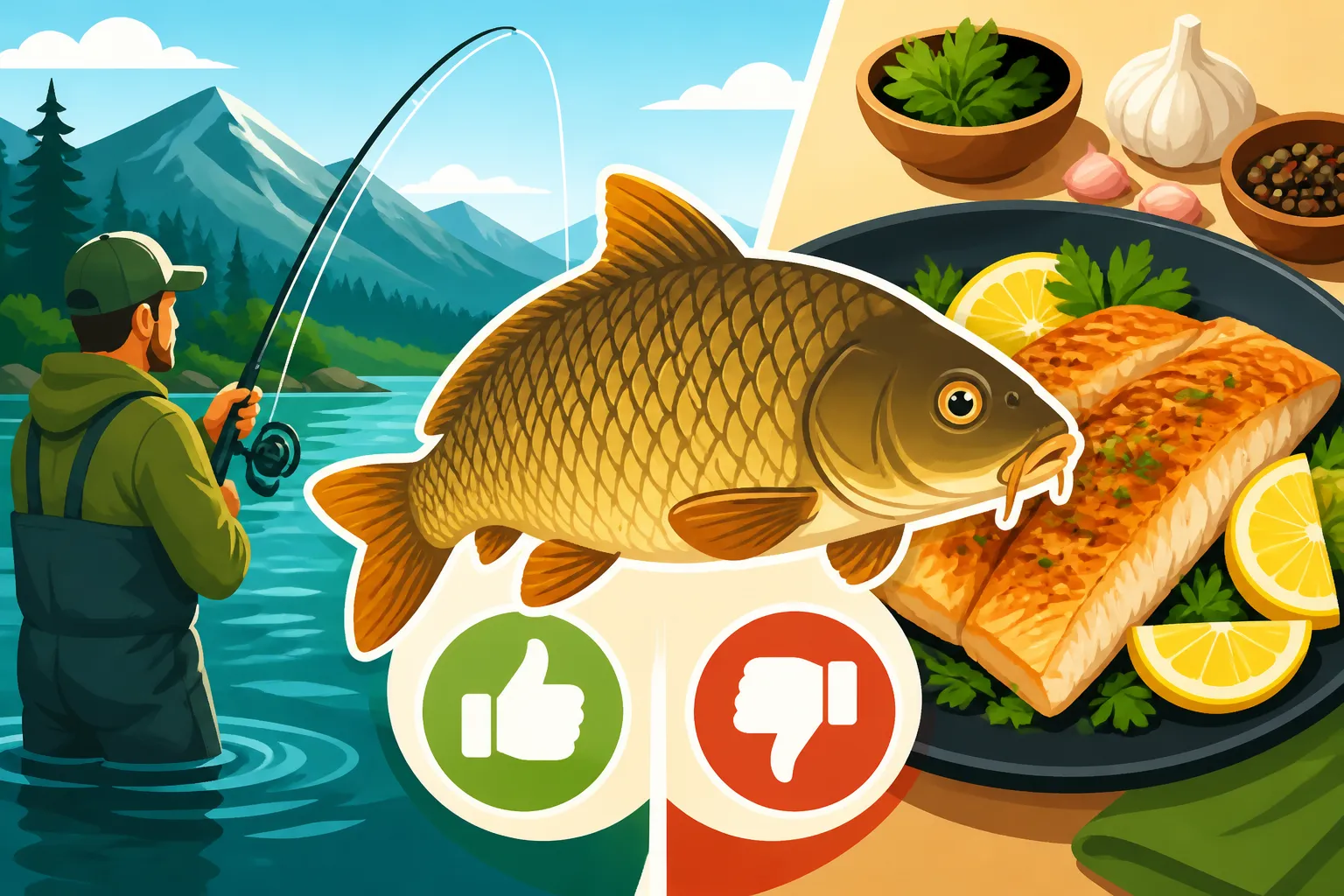
The idea of eating carp from British Columbia waters often raises an eyebrow, doesn't it? For many anglers, carp are relegated to the "trash fish" category, seen more as a nuisance than a potential meal. But what if I told you that this perception might be missing out on a surprisingly versatile and sustainable food source, especially when sourced and prepared correctly? This guide is going to dive deep into whether carp from BC are good to eat, covering everything from their reputation to the best ways to prepare them, so you can decide if they deserve a spot on your dinner plate.
The Reputation of Carp: Why the Hesitation?
Let's be honest, carp don't exactly have the same culinary prestige as, say, a wild BC salmon or a fresh halibut. This isn't just a local sentiment; it's a deeply ingrained perception across much of North America. But why is there such a strong hesitation when it comes to carp? Understanding this historical context is key to re-evaluating their potential.
Historical Perceptions and Misconceptions
For generations, common carp, which were introduced to North American waters, have carried the stigma of being bottom-feeders that muddy the water. They're often associated with stagnant, less-than-pristine environments, and their prolific breeding can lead to overpopulation, impacting native fish species. This has fostered a general disdain among many anglers and certainly contributed to their "trash fish" moniker. People often think of them as bony, muddy-tasting, and simply not worth the effort.
However, it's a completely different story in many other parts of the world. In Europe, especially in countries like Germany, Poland, and the Czech Republic, carp is a celebrated dish, often served as the centerpiece of Christmas Eve dinners. In various Asian cuisines, carp is considered a delicacy, prized for its rich flavor and texture. These cultures have developed sophisticated methods of preparation that highlight the fish's best qualities and mitigate its less desirable traits. The stark contrast in perception is fascinating, and it makes you wonder if we're missing something here in BC.
The "Muddy" Taste Myth and Reality
One of the biggest deterrents for people considering eating carp is the dreaded "muddy" taste. It's a valid concern, and indeed, carp can taste muddy, but it's not a universal truth. The flavor of a carp is heavily influenced by its environment and diet.
The "muddy" taste is often attributed to geosmin, a natural organic compound produced by certain bacteria in the water and absorbed by the fish. This compound is more prevalent in warm, stagnant, and silty waters where these bacteria thrive. A carp caught from a shallow, warm pond with a lot of decaying organic matter is far more likely to have that earthy, off-putting flavor than one caught from a cold, clean, flowing river. In British Columbia, where we have an abundance of clean, cold rivers and deeper lakes, carp might actually present a much different culinary experience than their counterparts in, say, a prairie slough. We're talking about conditions that naturally mitigate the geosmin issue. So, while the "muddy" taste is a real phenomenon, it's not an inherent characteristic of all carp, and certainly not necessarily of those from many of BC's pristine environments.
Factors Influencing Carp Flavor and Texture in BC
If you're going to consider carp for the table, understanding what makes a good-tasting carp is crucial. It's not just about what species you catch, but where and when you catch it. British Columbia's diverse waterways mean you'll find carp in a variety of habitats, and these environments play a huge role in the fish's culinary quality.
Water Quality and Habitat
This is perhaps the single most important factor. Imagine a carp pulled from the slow, silty backwaters of a warm pond versus one caught from the cool, current-swept depths of a major BC river. The difference in taste will likely be profound. Carp are highly adaptable and can survive in a wide range of water conditions, but they thrive in warmer, slower-moving waters. However, it's in these less-than-ideal environments, often with higher organic decomposition, that they are more likely to develop that undesirable "muddy" flavor.
On the other hand, carp found in cleaner, cooler, and more oxygenated waters – think certain stretches of the Fraser River or deeper, colder lakes – tend to have a much milder, cleaner flavor. These environments offer less opportunity for the fish to absorb the compounds that cause the muddy taste. In these conditions, their flesh can be quite firm and white. Always aim to catch carp from waters you know to be clean and well-oxygenated if you intend to eat them. This is true for all fish, of course, but particularly for a species like carp that has such a varied reputation.
Diet and Seasonality
Just like with any other animal, "you are what you eat" applies to fish, too. Carp are omnivores, meaning they'll pretty much eat anything, from aquatic insects and crustaceans to plant matter and detritus. Their diet directly impacts their flesh flavor. A carp that has been feasting on a rich buffet of natural food sources in a healthy ecosystem will generally taste better than one from an environment where food is scarce or of poor quality.
Seasonality also plays a significant role. Fish caught during colder months, such as late fall, winter, or early spring, generally have firmer, cleaner-ttasting flesh. During these cooler periods, carp are less active, their metabolism slows down, and their fat content can be different, often resulting in a more palatable flavor. Conversely, carp caught in the heat of summer from warm, shallow waters are most likely to exhibit that "muddy" taste and softer texture. If you're targeting carp for consumption, timing your trip to cooler parts of the year can make a big difference in the outcome. This is a general rule for many fish, but especially pertinent for carp. To get a better idea of what else is biting, you might want to consult a Best Time of Year to Fish in BC guide.
Species of Carp in BC Waters
When we talk about "carp" in British Columbia, we are almost exclusively referring to the Common Carp (Cyprinus carpio). This is the species that has been introduced to many of our freshwater systems and is the one you'll encounter if you're targeting them. These fish can grow to impressive sizes, offering a substantial amount of meat.
While there are other species of carp worldwide, such as Grass Carp or Silver Carp, they are either not present in BC or not nearly as widespread or targetable by anglers for consumption as the Common Carp. Understanding the Common carp size and habits in BC lakes can give you a better idea of what to expect when you encounter these robust fish. Knowing their habits can also help you target them in areas where water quality is higher, further improving their culinary potential.
Preparing Carp for the Table: Overcoming the Challenges
So, you've caught a beautiful carp from a clean, cool BC river, and now you're wondering how to turn it into a delicious meal. This is where many anglers get stumped, primarily due to the carp's notorious "Y-bones" and its sometimes strong flavor. But with the right techniques, you can transform carp into something truly special.
Bleeding, Cleaning, and Filleting
The first and most critical step for any fish you intend to eat, especially carp, is proper handling immediately after the catch.
- Bleeding: Bleeding the fish immediately after landing dramatically improves the flavor and shelf life of the meat. A quick, humane cut to the gills will allow the blood to drain, preventing it from tainting the flesh. This is a common practice for many game fish and is essential for carp.
- Cleaning: Once bled, clean the fish thoroughly. Remove all guts and any dark bloodline along the backbone. Rinse the cavity with cold, clean water.
- Filleting and the Y-Bones: Ah, the Y-bones. This is the carp's culinary Achilles' heel for many. These small, forked bones run along the lateral line and are notoriously difficult to remove from raw fillets. However, there are a few excellent strategies:
- The V-Cut: This is a popular method. Instead of trying to pull them out, you make two parallel cuts along either side of the Y-bone line, creating a "V" shape, and remove the strip of flesh containing the bones. You'll lose a little meat, but you'll gain boneless fillets. There are plenty of tutorials online demonstrating this technique.
- Grinding: For those who don't mind a less traditional approach, grinding the fillets (bones and all!) through a sturdy meat grinder is a fantastic solution. The grinder pulverizes the Y-bones into unnoticeable fragments, making the meat perfect for patties, fish cakes, or even sausages. You can find excellent, durable meat grinders on Amazon that make this process a breeze.
- Scoring: For smaller carp, you can make very thin, close-together cuts perpendicular to the Y-bones, almost down to the skin. When cooked, especially deep-fried, the heat can soften and dissolve these small bone segments.
Here’s a quick overview of different preparation methods:
| Preparation Method | Description | Best For | Notes |
|---|---|---|---|
| Filleting (V-Cut) | Removing boneless strips of meat by cutting around the Y-bones. | Pan-frying, baking, grilling | Requires careful filleting technique; yields boneless portions. |
| Grinding | Running whole fillets through a meat grinder to pulverize bones. | Fish cakes, patties, croquettes, sausage | Eliminates bone issues entirely; great for families. |
| Scoring & Frying | Making many small cuts across the fillet, then deep-frying until crisp. | Smaller carp, deep-fried dishes | Bones become soft and edible; creates a crispy texture. |
| Smoking | Slow-cooking with wood smoke to impart flavor and preserve. | Any size carp, especially larger ones | Imparts a rich, unique flavor; excellent for firming up the flesh. |
| Slow Cooking/Stew | Braising or simmering in liquid for extended periods. | Larger, tougher carp | Softens bones and meat, infuses flavors; great for stews and curries. |
Marinating and Cooking Techniques
Once you've dealt with the bones, it's time to enhance the flavor. Carp has a denser, firmer flesh than many white fish, and it benefits greatly from proper seasoning and cooking methods.
- Brining and Marinating: This is a crucial step if you want to ensure a clean taste. Soaking carp fillets in milk for a few hours (or even overnight) is an old trick to draw out any residual "fishy" or muddy flavors. Acidic marinades containing lemon juice, vinegar, or even buttermilk can also work wonders, tenderizing the flesh and imparting brighter flavors. Spices like dill, paprika, garlic, and cayenne pepper complement carp wonderfully.
- Cooking Methods:
- Smoking: This is hands-down one of the best ways to prepare carp. The slow, low heat and infusion of wood smoke transform the fish into a culinary delight. Smoked carp can be flaked into salads, used in dips, or simply enjoyed on crackers. If you're looking for gear, you can find various smokers and wood chips on Amazon.
- Deep Frying: For scored fillets or carp nuggets made from ground carp, deep frying creates a delicious crispy exterior and tender interior. The high heat can also help to soften those smaller bones if you've opted for the scoring method.
- Grilling/Baking: Fillets can be grilled or baked, often wrapped in foil with plenty of herbs, lemon, and butter to keep them moist and flavorful.
- Patties and Fish Cakes: This is where ground carp truly shines. Mixed with breadcrumbs, egg, and your favorite seasonings, carp patties can be pan-fried or baked for a delicious, boneless meal that even picky eaters might enjoy.
- Slow Cooking/Stewing: In many cultures, carp is slow-cooked in stews or braised dishes. This method breaks down the bones and connective tissues, resulting in fall-apart tender meat infused with the flavors of the broth and vegetables.
Think outside the box! With the right approach, carp can be a delicious addition to your culinary repertoire. Just remember, a good, sharp filleting knife is your best friend here, and you can always browse for highly-rated options on Amazon.
"Purging" and Water Conditioning
For the truly dedicated angler looking to maximize flavor, there's a technique known as "purging" or water conditioning. This involves keeping live carp in a tank or large cooler with clean, fresh, circulating water for a few days before processing.
The idea is that by holding the fish in a pristine environment, any lingering muddy flavors from their previous habitat will be purged from their system. The clean water flushes out undesirable compounds, leading to a much cleaner-tasting fillet. This method is common in aquaculture and among carp enthusiasts in cultures where carp is highly valued. Of course, this isn't practical for everyone, as it requires a suitable setup, but it's an option if you're serious about elevating your carp game. It’s definitely more involved than simply checking How to check BC fishery notices before a trip for regulations, but it could be worth the effort for a truly gourmet experience.
Ethical Considerations and Conservation
Beyond the culinary aspects, there are important ethical and conservation considerations when it comes to fishing for carp in British Columbia. Unlike many native species, carp present a unique scenario in our ecosystems.
Carp as an Invasive Species
Common Carp are not native to British Columbia. They were introduced many years ago and have since established themselves in various freshwater systems, particularly in the lower mainland and parts of the Interior. As an introduced species, they can sometimes have negative impacts on native fish populations and aquatic habitats. Their bottom-feeding habits can stir up sediment, increasing water turbidity, which can affect aquatic vegetation and the feeding of sight-hunting predators like trout. They can also compete with native species for food resources.
Because of their status as an introduced species, there are generally no retention limits on Common Carp in BC, and anglers are often encouraged to remove them from the ecosystem. This makes them a highly sustainable food source, as harvesting them for consumption can actually contribute to local conservation efforts by reducing their population pressure on native species. So, in many ways, eating carp is not just about expanding your culinary horizons, but also about being a responsible angler contributing to the health of BC's aquatic environments. This differs significantly from how we approach species like BC Fraser River Sturgeon Catch and Release Requirement, which are protected. Similarly, the discussion around carp as an invasive species mirrors some concerns around Are Smallmouth Bass Invasive in BC?.
Health and Safety for Consumption
While carp can be a sustainable and tasty option, it's essential to exercise caution and prioritize health and safety, just as you would with any wild-caught fish.
- Source Matters: Always take carp from clean, healthy, and preferably flowing waters. Avoid carp from stagnant, polluted, or heavily urbanized ponds, as these environments are more likely to harbor contaminants. As mentioned before, cleaner water equals better taste and safer consumption.
- Check Advisories: It's always wise to check for any local fish consumption advisories issued by health authorities. These advisories often pertain to specific water bodies and can warn about elevated levels of mercury or other contaminants in certain fish species. While carp generally aren't high on the mercury concern list compared to long-lived predators, it's still a good habit to check. You can usually find information on Which BC waters have fish consumption advisories through the provincial government's websites.
- Proper Storage and Cooking: As with any raw protein, proper chilling, storage, and cooking temperatures are vital to prevent foodborne illness. Get your catch on ice quickly, process it promptly, and cook the meat thoroughly.
By being mindful of where you fish and how you prepare your catch, you can enjoy carp from BC waters knowing you've made a responsible and delicious choice. And who knows, you might even discover a new favourite fish for the dinner table!
Disclaimer
This article is for general informational purposes only and does not constitute professional advice. Laws, prices and regulations vary by location and change over time. Consult a qualified professional for guidance on your specific situation.