Cutthroat Trout in BC Coastal Streams
Oh, the coastal cutthroat trout! What a gem of a fish, truly. Many anglers, myself included at times, get so caught up in the pursuit of BC's legendary salmon and steelhead that we sometimes forget about these feisty, beautifully spotted residents of our smaller coastal streams. It's a shame, because if you've ever tangled with a wild cutthroat in a pristine, moss-draped stream, you know there's a unique magic to it. If you've felt frustrated trying to pinpoint where these elusive fish hide or what tempts them to bite, you're in the right place. This guide is all about diving deep into the world of cutthroat trout in British Columbia's coastal streams, helping you unlock the secrets to finding, fooling, and appreciating these incredible fish.
Understanding BC's Coastal Cutthroat Trout
Before we even think about casting a line, let's take a moment to truly appreciate what makes the coastal cutthroat trout so special. They are an intrinsic part of the Pacific Northwest ecosystem, a wild and tenacious species that perfectly embodies the spirit of our coastal wilderness. They might not grow to the gargantuan sizes of a Fraser River sturgeon, but what they lack in sheer bulk, they more than make up for in spirit and stunning beauty.
A Unique BC Resident
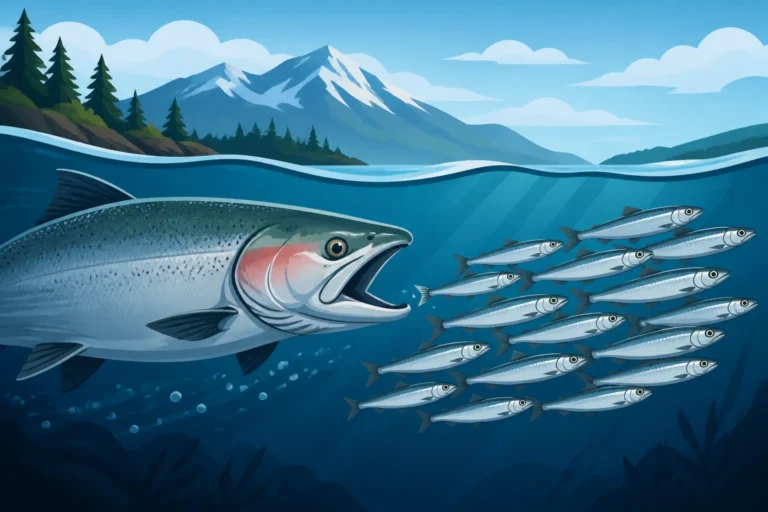
Coastal cutthroat trout (Oncorhynchus clarkii clarkii) are true originals. They are one of the most widely distributed native trout species on the Pacific Coast, found in an incredible array of habitats, from small, rain-fed creeks trickling directly into the ocean to larger river systems that feel the push and pull of the tide. What makes them particularly fascinating is their adaptability. Many are "sea-run," meaning they migrate from freshwater streams to the saltwater estuaries and nearshore ocean environments to feed and grow, much like salmon and steelhead. Others are "resident," living their entire lives within a single freshwater system. This unique life history strategy allows them to exploit different food sources and environments, making them incredibly resilient.
Their lives are a testament to survival in a dynamic landscape. Imagine a small fry hatching in a gravel bed in a tiny tributary up a remote inlet, then dropping down into the estuary, fattening up on marine invertebrates and baitfish, and eventually returning to that same stream to spawn. It's an incredible journey for a fish that might only be a foot or two long. While they often get overshadowed by their larger, more famous cousins, the salmon and steelhead, the cutthroat's tenacity and willingness to strike a well-presented fly or lure make them a fantastic target for dedicated anglers seeking a different kind of challenge.
Identifying a Coastal Cutthroat
Correct identification is key to responsible angling, and knowing what you're looking for will help you distinguish a coastal cutthroat from other trout species you might encounter in BC. The most defining feature, and the one that gives them their name, is the distinctive red or orange "slash" mark visible in the fold of skin under each side of their lower jaw. Sometimes these slashes are bright and prominent, other times they might be duller, but they are almost always present.
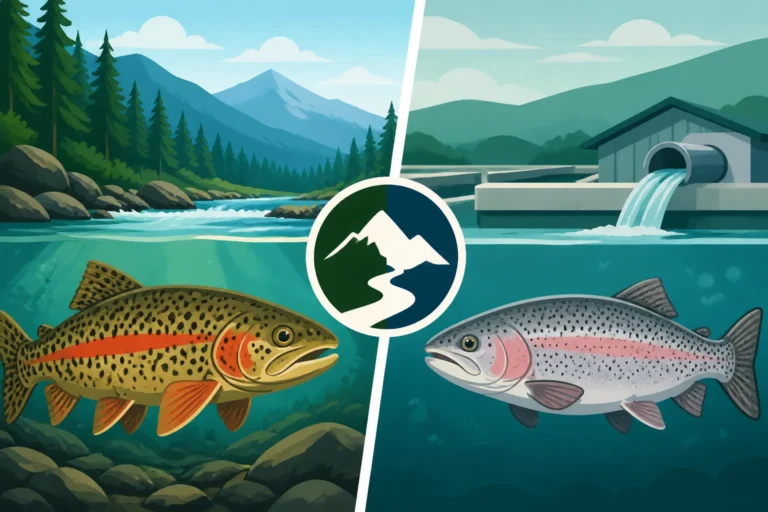
Beyond the slashes, look for their unique spot pattern. Coastal cutthroat typically have numerous small, dark spots scattered over their body, often extending onto their dorsal, caudal (tail), and adipose fins. The spots tend to be more concentrated towards the tail. Their coloration can vary widely depending on their habitat and diet. Freshwater residents tend to be olive-green to brownish on their backs, fading to silvery sides and a white belly. Sea-run cutthroat, especially when they first return from saltwater, can be quite silvery and iridescent, often with a hint of purple or blue along their flanks, before they regain their freshwater coloration. This can be a stark contrast to a Kamloops Trout in Okanagan Lakes which tend to have larger, more distinct spots and a more uniform green-gold hue.
It’s crucial to be able to tell them apart from species like bull trout or Dolly Varden, which might share some of the same waters, especially in larger systems. For instance, Bull Trout vs Dolly Varden Identification notes that these char species typically lack the jaw slashes and have lighter spots on a darker body, often with different fin patterns. Getting it right is important not just for your own curiosity, but for adhering to specific regulations, as bag limits and size restrictions can vary for different species in certain waters. Always double-check the BC Fishing Regulations Explained for the specific area you're fishing.
Where to Find Cutthroat Trout in Coastal Streams
Finding coastal cutthroat isn't always about vast, open waters. Often, it's about intimate knowledge of smaller systems and understanding their preferred hideouts. These fish are masters of ambush and cover, and knowing their habits will dramatically increase your chances of success.
Prime Coastal Stream Habitats
When you're searching for cutthroat, think small to medium-sized rivers and creeks that hug the coastline. Many of these are often overlooked by anglers targeting bigger fish, which is precisely why they can hold thriving populations of cutthroat. Look for streams with a healthy mix of riffles, runs, and pools, particularly those with plenty of instream cover. Logjams, fallen trees, undercut banks, and large boulders provide excellent ambush points and shelter from predators and strong currents. These are places where cutthroat can dart out to intercept drifting insects or small baitfish.
Estuaries are absolute goldmines for sea-run cutthroat. These brackish water zones, where freshwater rivers meet the ocean, are critical feeding grounds. The transition zone, where the tide pushes in and pulls out, creates a rich buffet of marine invertebrates, juvenile baitfish, and even salmon fry. Fishing the fringes of eelgrass beds, around oyster shells, or near the mouths of small feeder creeks in an estuary can be incredibly productive. These fish will move in and out with the tides, so understanding the local tidal charts is just as important as reading the river currents. Think about Best Shore Fishing Spots in BC that might have direct access to these tidal zones, allowing you to intercept fish as they move.
Seasonal Movements and Patterns
Understanding the seasonal movements of cutthroat trout is paramount to consistent success. These fish are highly attuned to environmental changes, particularly water temperature and food availability.
In spring, as water temperatures begin to rise and runoff subsides, you'll find sea-run cutthroat moving upstream from the estuaries into freshwater to spawn. After spawning, these "kelts" will often linger in freshwater, recovering and feeding aggressively before dropping back down to saltwater. Resident cutthroat will also become much more active, feeding heavily on emerging insects and anything else that might come their way. This is a fantastic time to target them in the lower and middle sections of coastal streams as they regain their strength.
Summer sees resident cutthroat moving into cooler, often higher elevation sections of streams or into deeper, oxygenated pools as water temperatures climb. Sea-run cutthroat, meanwhile, will continue to move in and out of the estuaries and lower river sections, taking advantage of the abundance of food. Early mornings and late evenings are often the most productive times during the warmer months, as the fish become more active in cooler conditions. Think about searching for areas with shaded banks or spring-fed tributaries providing cool relief.
Fall is arguably one of the best times to target coastal cutthroat. With cooler temperatures and increased flows from autumn rains, sea-run cutthroat begin their pre-spawn migrations, moving deeper into the river systems. They are often incredibly aggressive as they fatten up for the coming spawn, keying in on salmon eggs, dying salmon flesh, and juvenile baitfish. Resident cutthroat also go on a feeding binge, taking advantage of the increased food availability. This is when you can encounter some of the largest and most vibrant cutthroat.
Winter fishing for cutthroat can be challenging but rewarding. Fish become less active and typically hold in deeper, slower pools, often near large structure like logjams or undercut banks, where they can conserve energy. Their metabolism slows down, so presentations need to be slower and more deliberate. While it might not be a time for high numbers, catching a beautiful, resilient coastal cutthroat on a cold winter day feels like a true accomplishment.
Essential Gear for Coastal Cutthroat
Equipping yourself properly for coastal cutthroat fishing is crucial. These are often smaller, more cautious fish found in varied environments, so a refined approach with appropriate tackle will definitely pay off. You don't need heavy gear; in fact, finesse is often the name of the game.
Rods, Reels, and Lines
For spin fishing, an ultralight to light action rod, typically 6 to 7.5 feet in length, is ideal. This rod will provide the sensitivity needed to feel subtle takes and the backbone to handle surprisingly strong runs from a feisty cutthroat, even if they aren't massive fish. Pair it with a small spinning reel, size 1000 or 2000, spooled with 4-6 pound test monofilament or fluorocarbon line. Braided line can also be used, but I'd suggest a fluorocarbon leader (4-6 lb test) of about 4-6 feet to reduce visibility in clear water. For specific, high-quality ultralight setups, many anglers find great deals on reputable brands on platforms like Amazon, offering a wide selection of rods and reels designed for trout.
If fly fishing is your passion, a 3- to 5-weight fly rod, 7.5 to 9 feet long, is perfect. A 4-weight is a versatile choice for most coastal stream scenarios, offering a good balance of delicate presentation and fish-fighting power. Match this with a lightweight fly reel that balances your rod, spooled with a floating weight-forward fly line. For subsurface presentations, a sink-tip line or even a full sinking line can be effective in deeper pools or estuaries. A fluorocarbon leader tapering down to 3x-5x (around 4-6 lb test) will provide the necessary stealth. Many fantastic fly rods, reels, and lines for this type of trout fishing can be sourced through a quick browse on Amazon. Having a balanced setup is key; it makes casting effortless and fighting fish more enjoyable, allowing you to focus on the presentation.
Lures, Flies, and Bait
Your choice of presentation will depend on the conditions, season, and what the fish are keying in on. Variety is always good!
For spin anglers, small inline spinners (like Panther Martin or Mepps in sizes 0-2), small casting spoons (e.g., Little Cleo, Krocodile in 1/8 to 1/4 oz), and tiny soft plastic grubs or worms rigged on a light jig head (1/32 to 1/8 oz) are consistent producers. Natural colors like olive, brown, and white often work well, but don't shy away from brighter colors on overcast days or in stained water. Think about what small baitfish, insects, or crustaceans might be present in the stream, and try to "match the hatch" with your artificials. Keeping a compact tackle box stocked with these essentials is always a good idea, and you can easily find a fantastic assortment of these lures and plastics on Amazon, often in multi-packs that save you money.
Fly fishers have a vast arsenal. For subsurface fishing, small weighted nymphs (like Prince Nymphs, Hare's Ears, or Copper Johns in sizes 10-16) and small streamers (e.g., Woolly Buggers, Sculpzillas, or sparse minnow patterns in sizes 6-10) are incredibly effective. During insect hatches, dry flies (such as Elk Hair Caddis, Adams, or Parachute Adams in sizes 12-16) can lead to explosive surface strikes, particularly on resident cutthroat in calmer waters. Don't forget egg patterns (sizes 8-12) during salmon spawning season, as cutthroat will gorge on loose eggs. A selection of common patterns suitable for BC's varied trout can often cross over between species; Fly Patterns for BC Steelhead Rivers can sometimes offer inspiration, as a smaller version of a steelhead pattern might entice a hungry cutthroat.
If bait fishing is allowed in your chosen stream (always check regulations!), offerings like a single salmon egg, a small piece of roe, or a garden worm can be irresistible. Use just enough weight to get your bait down, allowing it to drift naturally. Remember, less is often more when it comes to bait and tackle for these discerning fish.
Waders, Footwear, and Accessories
Comfort and safety on the stream are paramount. Most coastal cutthroat streams involve wading, sometimes through slippery conditions. A good pair of breathable chest waders is a wise investment, allowing you to stay dry and comfortable even in varying temperatures. Paired with felt-soled or rubber-soled wading boots with studs, you'll have secure footing on slick rocks and uneven riverbeds. Remember, Wading Techniques for BC Steelhead Rivers emphasizes proper footwear for safety, and this holds true for any stream fishing.
Beyond your waders and boots, a few key accessories will make your trip more enjoyable and efficient. A small landing net with a rubberized mesh is highly recommended for safely landing and releasing fish, minimizing stress and harm. Hemostats or needle-nose pliers are essential for easily removing hooks. A small backpack or sling pack to carry extra tackle, a water bottle, snacks, and a first-aid kit is also important. Sunglasses are crucial for eye protection and to help you spot fish or structure in the water. Many of these essential items, from quality breathable waders to landing nets and tackle organizers, are readily available on Amazon with reviews from fellow anglers.
Effective Techniques for Coastal Cutthroat
Successfully targeting coastal cutthroat trout involves a blend of subtle presentation, keen observation, and an understanding of their often-wary nature. These fish are usually not in a hurry to bite just anything that floats by; they require a thoughtful approach.
Fly Fishing Strategies
Fly fishing for coastal cutthroat is a truly rewarding experience, offering an intimate connection with the fish and their environment. Upstream nymphing is often highly effective, especially when fish are feeding sub-surface. Cast your weighted nymph or nymph rig upstream, allowing it to drift naturally downstream through likely holding water (riffle-to-pool transitions, current seams, around structure). Use an indicator if needed, but watch your line for any subtle hesitations or movements that signal a take. A good dead drift is critical.
When insects are hatching, dry fly presentation can be incredibly exciting. Look for rising fish and try to "match the hatch" with a fly that mimics the size, shape, and color of the natural insects. A delicate, accurate cast is key, ensuring your fly lands softly without spooking the fish. Allow it to drift naturally with the current, mending your line to avoid drag. For larger, more aggressive cutthroat, particularly in estuaries or larger river sections, stripping streamers can provoke a powerful strike. Cast your streamer across or slightly downstream, then retrieve it in short, erratic strips, imitating a wounded baitfish or sculpin. Vary your retrieve speed until you find what triggers a response.
Reading the water is a skill that develops over time, but for cutthroat, focus on finding areas where food might accumulate or where they can find shelter. Current seams, the edges of eddies, behind large rocks, under logjams, and undercut banks are all prime lies. Observing insect activity, even if fish aren't rising, can give you clues about what they might be eating subsurface.
Spin Fishing Tactics
Spin fishing offers a different, but equally effective, approach for coastal cutthroat. Casting accuracy is paramount, especially in smaller, brushy streams. Being able to drop a small spinner or spoon into a tight pocket next to a log or under an overhanging branch can be the difference between a strike and an empty retrieve. Practise pitching and roll casting to hit those precise spots without disturbing the water too much.
When retrieving, varying your speed and action is key. Sometimes, a slow, steady retrieve is all it takes to entice a bite, especially with a spinner whose blade is just barely turning. Other times, a more erratic retrieve with short jerks or pauses, mimicking a wounded baitfish, will trigger a strike. For soft plastics on a jig head, try hopping or dragging them along the bottom in deeper pools. Always be prepared for a strike as your lure enters the water or just as you begin your retrieve; many fish hit immediately after the splash.
In pools and eddies, let your lure sink for a few seconds before retrieving, working different depths. For riffles and runs, keep your lure higher in the water column to avoid snags. Remember that cutthroat often hold in the slower water adjacent to faster currents, waiting for food to be swept to them. This makes transition zones excellent places to focus your efforts.
Stealth and Approach
Coastal cutthroat are incredibly wary fish. Many of the streams they inhabit are clear and relatively shallow, making them highly susceptible to being spooked. This means stealth and a careful approach are perhaps the most critical techniques of all. Think like a hunter, not a stomping elephant.
Always try to approach the water from downstream, working your way upstream. This keeps you behind the fish, as their primary line of sight is generally forward and slightly to the sides. Stay low, crouch down, and use any available cover like bushes or bankside vegetation to break up your silhouette. Avoid casting long shadows over the water, especially on sunny days. Your goal is to be as invisible and silent as possible.
When casting, aim for shorter, more accurate presentations rather than long, splashy casts. A softly landed fly or lure is much less likely to alarm fish. If you're wading, move slowly and deliberately, disturbing the bottom as little as possible. The vibrations and cloud of sediment from careless wading can send fish scattering. Take your time, observe the water, and plan your casts. Often, the first cast into a prime lie is your best chance, so make it count. A patient, subtle approach will consistently outfish a rushed, noisy one when chasing these beautiful, sensitive trout.
Conservation and Regulations for Cutthroat
As responsible anglers, it's not just about catching fish; it's about protecting the resource for future generations. Coastal cutthroat trout populations, while generally healthy in many areas, face ongoing pressures from habitat loss and environmental changes. Adhering to regulations and practicing ethical angling are crucial.
Understanding Local Regulations
British Columbia has a complex and often highly localized system of fishing regulations, and it's absolutely vital to understand them before you head out. Don't assume that what applies to one river applies to another, even if they're relatively close. The BC Fishing Regulations Explained guide is your friend here, but specifically, you'll want to consult the annual Freshwater Fishing Regulations Synopsis or the online version for the specific region and stream you plan to fish.
These synopses will detail everything from bag and possession limits for cutthroat (which can vary by stream or lake, and sometimes seasonally) to specific gear restrictions. For example, some streams might be "fly fishing only," prohibit bait, or require single barbless hooks. You might also encounter "catch and release only" waters for certain species or during specific times of the year, particularly for wild trout populations. It's not uncommon to find Special Regulation Waters in BC designated specifically to protect sensitive fish stocks, and these will have their own unique rules. Always check for in-season fishery notices too, as these can announce emergency closures or changes based on real-time fish returns or environmental conditions.
Ignorance of the rules is not an excuse. Conservation officers are out there, and penalties for infractions can range from significant fines to equipment seizure, and even loss of fishing privileges. Make it a habit to thoroughly Reading the BC Freshwater Fishing Regulations Synopsis for your target area every single time you plan a trip.
Practicing Catch and Release
For wild, native fish like coastal cutthroat, practicing catch and release is not just a suggestion – it's often essential for maintaining healthy populations. These fish are a precious resource, and minimizing stress and harm is key to their survival after they swim away.
Here are some best practices for catch and release that will dramatically increase survival rates:
- Barbless Hooks: Crimp down the barbs on all your hooks, whether you're using flies or lures. Barbless hooks greatly reduce tissue damage and allow for quicker, easier release, often without even touching the fish.
- Minimize Handling: The less you handle a fish, the better. Try to keep the fish in the water as much as possible. If you must lift it for a quick photo, do so gently, supporting its belly, and get it back into the water within seconds.
- Wet Hands: Always wet your hands before touching a fish. Dry hands can remove the protective slime coat, leaving the fish vulnerable to infection and disease.
- Use a Proper Net: A rubberized mesh net is ideal as it's gentler on fins and scales than knotty nylon nets. It also prevents hooks from tangling, allowing for a faster release.
- Quick Release: Work quickly to remove the hook. If the hook is deeply embedded and you can't remove it easily, clip the line as close to the hook as possible. The hook will often rust out or dislodge naturally.
- Revive the Fish: If the fish seems stressed or lethargic, hold it gently in the current, facing upstream, allowing water to flow over its gills. Don't push it back and forth; this can actually harm it. Once it revives and can swim strongly on its own, let it go. These tips, much like Sturgeon catch and release survival tips, are about respect and minimizing impact.
By adopting these practices, you ensure that the beautiful cutthroat you caught today can survive to fight another day, contributing to the health and vitality of BC's coastal stream ecosystems.
Coastal Cutthroat Fishing Experiences
Beyond the techniques and the gear, fishing for coastal cutthroat trout offers a truly immersive and deeply satisfying experience that goes far beyond the simple act of catching a fish. It's about connecting with nature, embracing a challenge, and finding moments of quiet beauty.
The Joy of the Hunt
There's a unique thrill in stalking coastal cutthroat in their intimate stream environments. These aren't always easy fish to find or fool. They require patience, keen observation, and often, a willingness to explore smaller, sometimes overgrown, waterways. This "hunt" aspect, the deciphering of where they might be holding and what they might be eating, is incredibly rewarding. When a vividly spotted cutthroat rises aggressively to your dry fly or slams a carefully retrieved spinner, it's a testament to your skill and persistence.
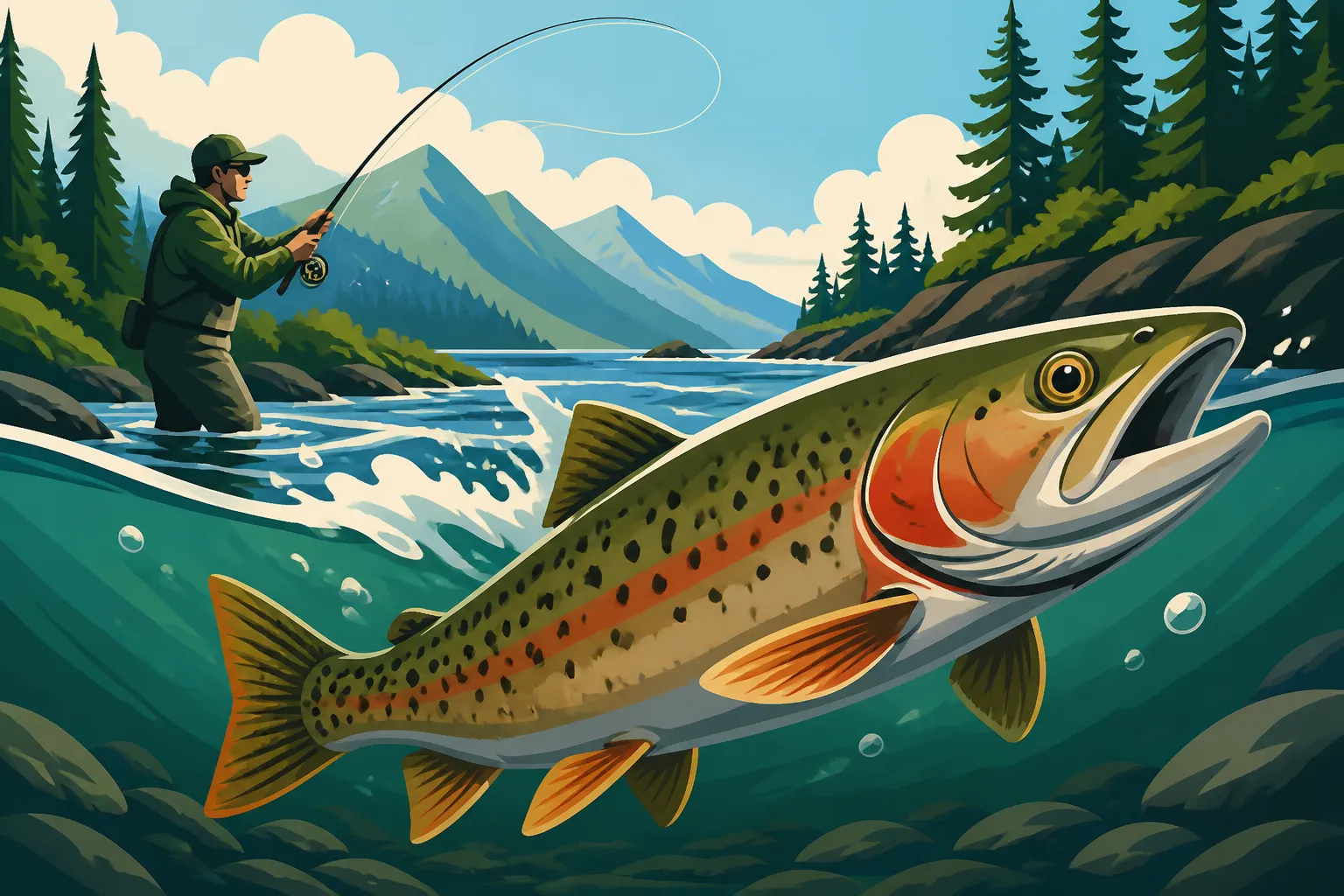
The fight of a coastal cutthroat, even a modest-sized one, is spirited. They often leap, dart, and pull with surprising power for their size, especially when hooked in the lively currents of a riffle. This feistiness makes them a blast on light tackle, transforming each encounter into an exhilarating tug-of-war. For many anglers, myself included, the pursuit of these wild, beautiful fish in the stunning backdrop of BC's coastal forests and mountains is a truly unique angling experience, offering a different kind of satisfaction than chasing a massive salmon or sturgeon. It's a reminder that some of the greatest pleasures in fishing come in smaller, wilder packages.
Beyond the Catch: Connecting with Nature
Perhaps the greatest gift of fishing for coastal cutthroat is the opportunity it provides to truly immerse yourself in the natural world. These streams often wind through ancient forests, past towering cedars and firs, with the sound of rushing water and birdsong as your soundtrack. You're likely to encounter incredible wildlife – perhaps a soaring eagle, a curious otter, or even a bear foraging along the banks. It's a chance to unplug, to slow down, and to truly observe the intricate ecosystems that these fish call home.
There's a meditative quality to wading a small stream, casting rhythmically, and feeling the subtle currents against your legs. The solitude, the focus required, and the sheer beauty of the surroundings combine to create a deeply calming and rejuvenating experience. It’s an opportunity for exploration and discovery, whether you're finding a hidden pool, observing a new insect hatch, or simply enjoying the crisp, clean air. Whether you're targeting Best Fishing Rivers in British Columbia or a small, unnamed creek, the principle remains: fishing is about so much more than just the fish. It’s about the journey, the peace, and the connection to the wild heart of British Columbia.
| Aspect | Fly Fishing | Spin Fishing |
|---|---|---|
| Rod Weight | 3-5 weight, 7.5-9 ft | Ultralight-Light action, 6-7.5 ft |
| Line Strength | 3x-5x (4-6 lb test) leader | 4-6 lb test mono/fluorocarbon |
| Lure/Fly Type | Nymphs, Dry Flies, Small Streamers, Egg Patterns | Small Spinners, Spoons, Soft Plastics (jigs) |
| Presentation Style | Dead drift, delicate casts, erratic strips | Accurate casts, varying retrieve speeds, jigs |
| Best Conditions | Clear water, varied flows, active insect hatches | All conditions, especially murky or faster water |
| Stealth Requirement | High | High |
| Primary Advantage | Delicate presentation, matching micro-hatches | Versatility, covering water quickly, casting into tight spots |
Disclaimer
This article is for general informational purposes only and does not constitute professional advice. Laws, prices and regulations vary by location and change over time. Consult a qualified professional for guidance on your specific situation.