Differences between BC’s coastal and interior fish populations
One of the biggest head-scratchers for anglers new to British Columbia, or even those who've only explored one part of it, is just how dramatically the fishing changes from one region to the next. You might be dreaming of pulling in a massive Chinook off the coast, only to realize that the interior lakes offer an entirely different, yet equally thrilling, experience with powerful trout. This guide is here to untangle the fascinating differences between BC's coastal and interior fish populations, helping you understand what makes each region unique and preparing you for the incredible angling adventures that await.
The Great Divide: Understanding BC's Diverse Fishing Regions
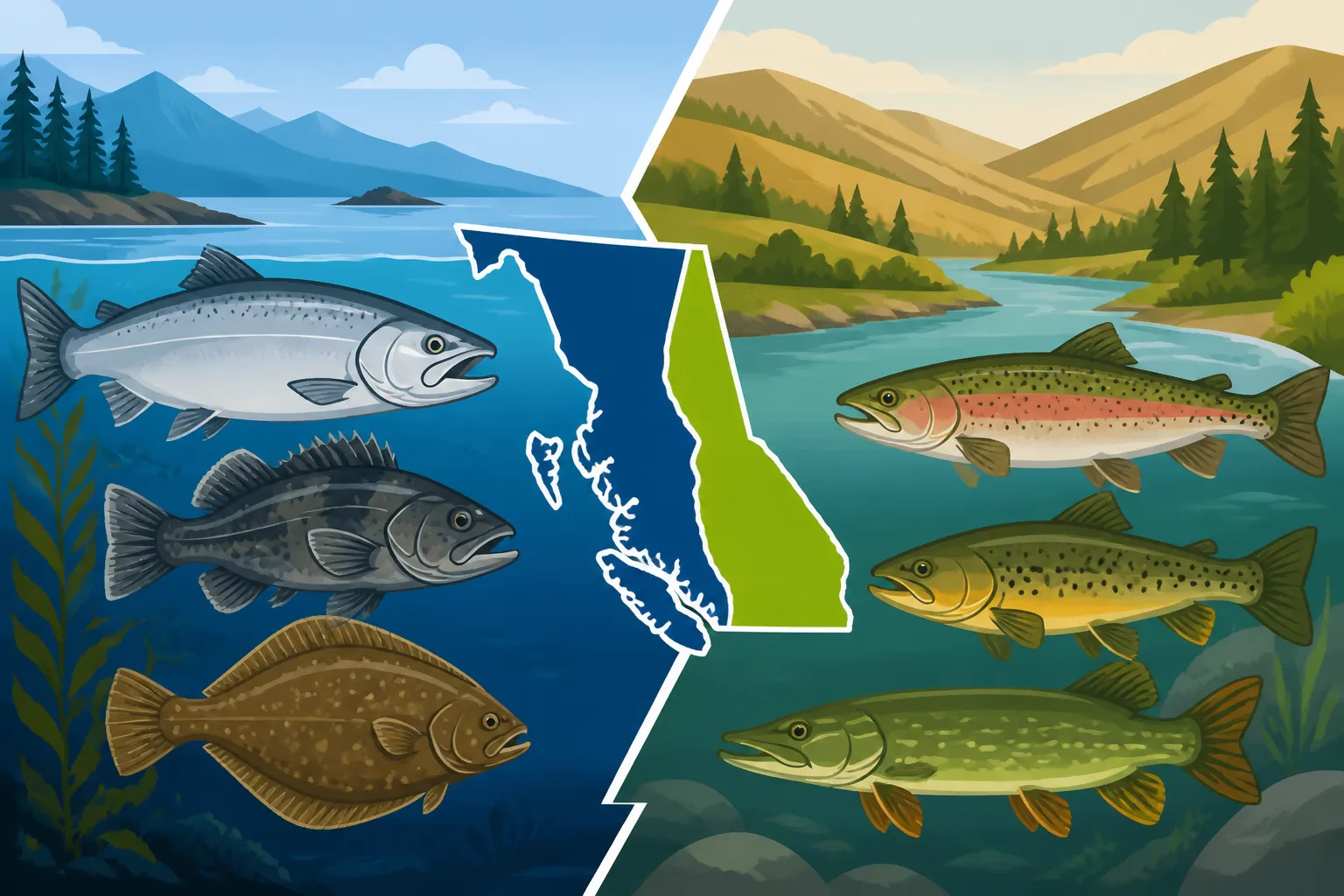
British Columbia is a truly vast and varied province, and its geography plays a monumental role in shaping its aquatic ecosystems. We're talking about everything from the deep, salty fjords and exposed coastlines of the Pacific Ocean to the sprawling, often ice-covered lakes and fast-flowing rivers nestled deep within mountain ranges like the Coast Mountains and the Rockies. This natural separation creates two distinct aquatic worlds: the dynamic coastal environment, heavily influenced by the Pacific, and the more contained, often colder, freshwater systems of the interior. It’s not just a matter of saltwater versus freshwater; it's about vastly different food webs, migration patterns, and the very species that thrive in these contrasting conditions.
Geographical Influences on Fish Life
Imagine a massive invisible line running roughly north to south through the province, separating the salty tang of the ocean air from the crisp, pine-scented mountain air. To the west, you have a temperate rainforest climate, with high rainfall, mild winters, and countless rivers that flow directly into the Pacific. This is the domain of anadromous fish – species that spend most of their lives in the ocean but return to freshwater to spawn. The proximity to the open ocean means a rich marine food supply and diverse migratory pathways.
Move inland, beyond the coastal mountain ranges, and you enter a different world. Here, the climate becomes more continental, with hotter summers and much colder, snowier winters. Lakes can be incredibly deep, vast, and ancient, while rivers often carve through rugged canyons or meander across broad plateaus. These interior waters are primarily landlocked freshwater systems, and the fish that inhabit them have adapted to these more isolated and often harsher conditions. The food sources shift from marine invertebrates and smaller baitfish to insects, freshwater crustaceans, and smaller forage fish found within the lakes and rivers themselves. It’s a completely different culinary landscape for our finned friends!
Anadromous vs. Resident Species
At the heart of the difference between BC's coastal and interior fish populations lies the concept of anadromy. Coastal rivers and estuaries are famous for their anadromous species, particularly the five species of Pacific Salmon: Chinook, Coho, Sockeye, Pink, and Chum. These incredible fish embark on epic migrations, spending years fattening up in the nutrient-rich ocean before making their arduous journey back to their natal streams to reproduce. This also includes the mighty Steelhead, which is essentially a sea-run rainbow trout, offering one of the most revered freshwater fishing challenges. The ocean's bounty fuels their massive growth, making them powerful, often silver-bright adversaries for anglers.
In contrast, the interior is predominantly home to resident freshwater species. While some river systems might see limited anadromous returns (like the Fraser River which is technically interior for much of its length, but still connected to the ocean for its famous salmon runs), the vast majority of interior lakes and rivers hold fish that live their entire lives in freshwater. Think about the vibrant, often brightly coloured Rainbow Trout, the elusive Bull Trout, or the schooling Kokanee. These fish have evolved to thrive in specific freshwater environments, their diets and behaviors intimately tied to the local aquatic insect hatches, forage fish populations, and water temperatures of their inland homes. Understanding these life cycles is key to successful fishing in either region.
Coastal Waters: A Realm of Anadromous Giants
When most people picture fishing in British Columbia, their minds often drift to the wild, rugged coastlines, and for good reason. This is where the ocean's immense power meets the land, creating a dynamic environment that nurtures some of the most sought-after sport fish in the world. From the protected inlets of Vancouver Island to the vastness of the Queen Charlotte Islands (Haida Gwaii), the coastal waters are a playground for anglers pursuing powerful, ocean-fed species.
Pacific Salmon: The Kings and Queens of the Coast
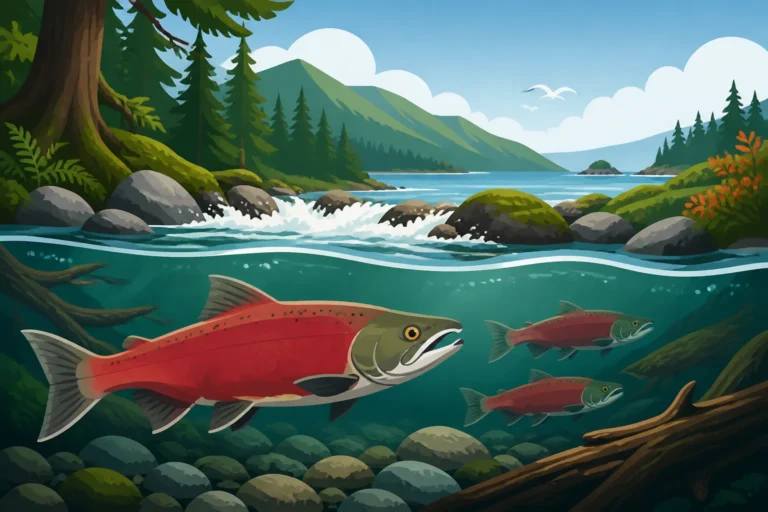
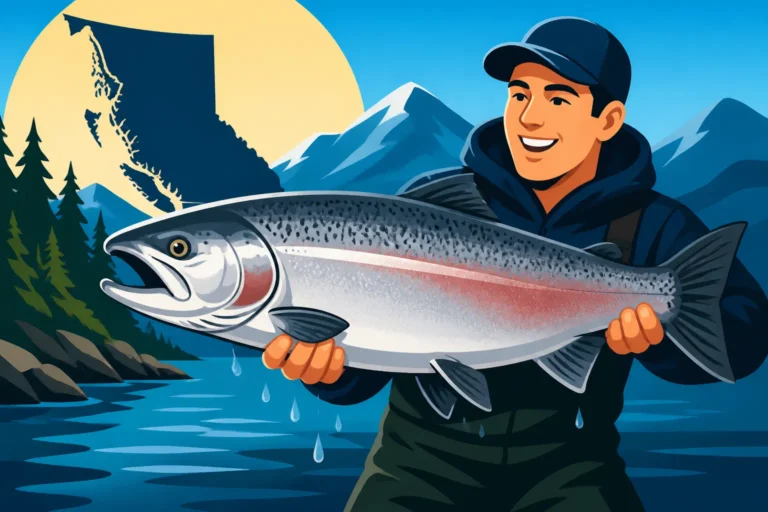
Oh, the salmon! There’s nothing quite like the thrill of hooking into a powerful Pacific Salmon, fresh from the ocean, fighting with every ounce of its strength. The coastal waters of BC are synonymous with these iconic fish. You'll find incredible numbers of Chinook, often called "Kings" for their immense size and fighting prowess, alongside acrobatic Coho (Silvers), abundant Pink (Humpies), strong Chum (Dogs), and the highly prized Sockeye, known for their rich, red flesh. Each species has its own unique run timing and preferred habitats, but they all share the common trait of spending years in the Pacific Ocean before returning to coastal rivers like the Fraser, Skeena, or Campbell to spawn.
Imagine trolling off the coast of Ucluelet or Tofino, watching your rod tip for that unmistakable strike, or casting a spoon into a tidal estuary on the Sunshine Coast as a school of Coho moves through. The size and sheer power of these ocean-fattened fish are a direct result of the incredibly rich feeding grounds they access in the Pacific. They're often caught on a variety of methods, from traditional trolling with downriggers and baitfish like herring to jigging and even fly fishing in the estuaries. A key factor in finding these fish is understanding What water temperature salmon prefer, as they'll often aggregate in specific temperature bands. If you're looking to learn more about these incredible fish, a good starting point is the Pacific Salmon Species Identification Guide.
Halibut, Lingcod, and Rockfish: Deepwater Delights
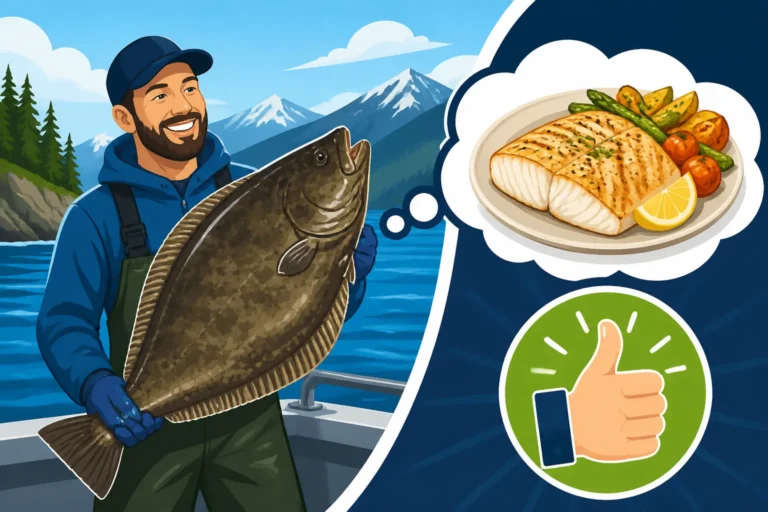
Beyond the salmon, the BC coast offers a treasure trove of bottom-dwelling and predatory fish that provide intense battles and delicious table fare. Halibut, the colossal flatfish, are a prime target in deeper coastal waters. Imagine the sheer strength required to haul a barn-door-sized halibut from hundreds of feet down – it’s an arm-burning, back-straining, but incredibly rewarding experience. These giants can be found along submarine banks and rocky ledges.
Then there’s the formidable Lingcod, a prehistoric-looking predator with a mouth full of sharp teeth and an aggressive nature. They love to ambush prey from rocky reefs and kelp beds, offering a challenging fight on heavy gear. And don't forget the array of colourful Rockfish species that inhabit the same rocky structures. While many rockfish species are protected or have strict retention limits due to conservation concerns, they are still a vibrant part of the coastal ecosystem and can offer thrilling catch-and-release opportunities. For those keen on targeting these deepwater species, knowing the Halibut Fishing Techniques for BC's Coast is essential, and you'll find plenty of specialized gear, from heavy jigs to robust rods, available on platforms like Amazon.
Interior Lakes and Rivers: A Freshwater Paradise
Leaving the salty air behind and venturing inland, British Columbia transforms into a mosaic of pristine lakes, winding rivers, and countless small streams. This is the heart of freshwater fishing in the province, a region where different species and different challenges await the patient angler. The interior offers a calmer, often more serene fishing experience, but by no means less exciting, with a focus on trout, char, and even some unique salmonid populations.
Rainbow Trout and Their Cousins: Jewels of the Interior
The interior of BC is famously a rainbow trout haven. These vibrant, hard-fighting fish are found in almost every lake and river system, from small, high-alpine tarns to vast, deep bodies of water like Okanagan Lake or Kootenay Lake. The province is renowned for its specific strains, such as the powerful Kamloops trout, known for their acrobatic jumps, and the giant Gerrard rainbow trout of Kootenay Lake, which are world-renowned for their size. Rainbow Trout Fishing in BC is a celebrated tradition, with anglers employing everything from fly fishing to trolling and bait fishing.
Beyond the rainbows, you'll also encounter other fascinating trout and char species. Bull Trout are apex predators in many interior rivers and lakes, identifiable by their paler spots and often massive size. They are challenging to catch and are typically found in colder, clearer waters. You might also find Cutthroat Trout, particularly in the eastern parts of the province or in specific river systems, known for their distinctive red slashes under the jaw. Each of these species offers a unique angling experience, often requiring different techniques and a deep understanding of their preferred habitats and feeding behaviours. A reliable waterproof fishing vest with plenty of pockets for flies and lures, often available through retailers like Amazon, can make a huge difference when you're wading these interior streams.
Kokanee, Whitefish, and Bass: Diverse Freshwater Targets
While trout and char might dominate the interior fishing scene, there are other exciting species to pursue. Kokanee, for instance, are landlocked Sockeye Salmon. They don't migrate to the ocean but spend their entire lives in freshwater lakes, offering fantastic trolling opportunities. They are delicious and put up a surprisingly strong fight for their size, especially during their spawning runs. If you're looking for an exhilarating fight on lighter tackle, Kokanee Fishing in BC is a fantastic choice, particularly in lakes like Okanagan Lake.
Additionally, many interior lakes and rivers hold populations of Lake Whitefish and Mountain Whitefish, which, while not as flashy as trout, can provide steady action and are excellent table fare. And let’s not forget the growing popularity of warmwater species like Largemouth Bass and Smallmouth Bass, especially in the warmer lakes of the Okanagan Valley. These aggressive fish provide explosive strikes and strong fights, adding another layer of diversity to BC’s interior fishing landscape. The shift to targeting bass often means a change in tackle, perhaps picking up some new crankbaits or soft plastics from Amazon for your tackle box.
Key Differences in Fish Species and Their Habitats
The contrast between coastal and interior fish populations isn't just about species lists; it's about the entire ecological tapestry that supports them. The habitats, the food sources, the migration patterns—they all diverge significantly, leading to distinct fishing strategies and experiences.
Water Temperature and Food Sources
Coastal waters, especially the Pacific Ocean and lower reaches of coastal rivers, generally maintain more stable and temperate water temperatures throughout the year compared to the interior. This moderation is crucial for the survival and migration of anadromous species. The ocean provides an almost limitless buffet of baitfish (like herring and anchovies), squid, and crustaceans, which allows salmon and steelhead to grow quickly to impressive sizes.
Inland, water temperatures can fluctuate wildly. Lakes can warm considerably in summer, supporting insect hatches and warmer water species, then freeze solid in winter. Rivers can experience extreme cold in winter and powerful glacial melt in spring. Food sources in the interior are dominated by freshwater insects (caddis, mayflies, stoneflies, chironomids), minnows, sculpins, leeches, and even smaller crustaceans like shrimp. This shift in diet influences not only the size and growth rate of the fish but also the specific flies, lures, and baits that are most effective. For instance, understanding What water temperature steelhead prefer can be just as critical in an interior river as it is in a coastal one, dictating where and when you'll find them.
Migration Patterns and Fishing Seasons
The life cycles of coastal anadromous fish are defined by their incredible migrations. Salmon and steelhead spend years at sea, then return in distinct "runs" to their natal rivers. These runs create specific BC Fishing Seasons by Month for different species and rivers. Anglers target these fish as they move from the ocean into freshwater, often focusing on river mouths, estuaries, and specific holding pools upstream. The timing of these migrations is critical, and fishery notices are constantly updated to reflect conservation measures and open seasons.
Interior fish, being resident, don't undertake such epic journeys. Their movements are typically localized, driven by factors like spawning activity within a lake or river, changing water temperatures, or the availability of food. Trout in lakes might move to deeper, cooler water in summer and shallower areas during spring and fall hatches. River trout might migrate short distances between spawning grounds and feeding lies. While there are still specific "seasons" for different techniques or species (like ice fishing for kokanee or targeting bull trout in spring), they are tied more closely to local environmental conditions rather than vast oceanic migrations.
Fishing Experiences: What to Expect in Each Region
Whether you're planning a trip to the coast or the interior, knowing what kind of fishing experience awaits you can help you pack the right gear and set your expectations accordingly. Both regions offer fantastic opportunities, but they are distinctly different in character.
Coastal Adventure: Big Water, Big Fish, Big Gear
Fishing on the BC coast often means large bodies of water, whether it's the open Pacific or vast, interconnected sounds and inlets. This typically calls for robust gear – sturdy rods, powerful reels, and heavy lines capable of handling strong currents and equally strong fish. Boat fishing, often with a dedicated guide or charter, is very common for pursuing salmon, halibut, and lingcod. These trips can range from half-day excursions to multi-day lodge experiences. Expect potentially rougher waters, stunning coastal scenery, and the chance to hook into truly trophy-sized fish that have spent years growing in the ocean.
Tackle on the coast is varied, from heavy-duty trolling rods for Chinook and Sockeye to stout jigging setups for Halibut. If you're venturing out on a charter, they'll usually provide all the gear, but if you're bringing your own, make sure it's up to the task. Being prepared for diverse weather is also key; rain gear is a must-have item, and comfortable, waterproof boots are essential. You might even want to check out some specific salmon fishing lures on Amazon before your trip to get a feel for what’s popular.
| Feature | Coastal Fishing | Interior Fishing |
|---|---|---|
| Dominant Species | Pacific Salmon (Chinook, Coho, Sockeye, Pink, Chum), Halibut, Lingcod, Rockfish, Steelhead | Rainbow Trout, Bull Trout, Kokanee, Whitefish, Bass, Arctic Grayling |
| Primary Habitat | Pacific Ocean, estuaries, tidal rivers, fjords | Freshwater lakes (small to very large), rivers, streams |
| Water Type | Saltwater & Brackish | Freshwater |
| Typical Gear | Heavy trolling rods, offshore reels, downriggers, heavy jigs, baitcasting setups, fly rods for estuaries | Lighter spinning gear, fly rods, light trolling gear, ice fishing gear |
| Transportation | Ocean charters, larger boats, kayak fishing | Smaller boats, pontoons, canoes, wading, shore fishing, ice fishing |
| Food Source | Baitfish (herring, anchovies), squid, crustaceans | Aquatic insects, minnows, leeches, freshwater shrimp |
| Fish Size | Often larger due to ocean feeding grounds | Varies greatly, from pan-sized to trophy lake/river trout |
| Seasons | Strong runs in spring, summer, fall | Year-round opportunities, with seasonal peaks (e.g., hatches, ice fishing) |
| Challenges | Ocean conditions, large fish, complex regulations, navigating large areas | Reading subtle water, matching hatches, diverse conditions from rivers to lakes |
Interior Serenity: Wading, Drifting, and Matching the Hatch
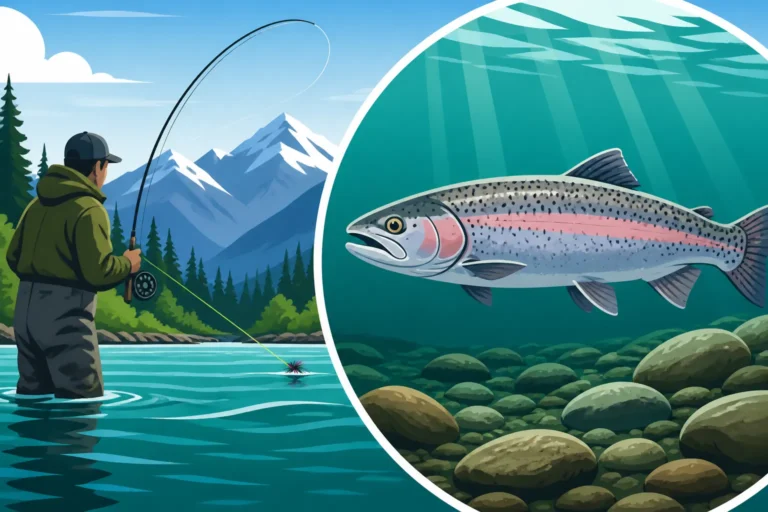
Interior fishing often offers a more intimate connection with nature. Picture yourself wading a pristine river, casting flies to rising trout, or slowly drifting a quiet lake in a canoe. While there are certainly opportunities for larger boat fishing on the bigger lakes, many interior experiences revolve around smaller craft, wading, or shore fishing. The gear tends to be lighter – delicate fly rods for precise casts, light spinning gear for trout, or specialized ice fishing setups. This doesn’t mean the fights are less exciting; a 20-inch rainbow trout on a 5-weight fly rod is a truly exhilarating experience.
The focus in the interior often shifts to understanding insect hatches for fly fishing, or mimicking baitfish and invertebrate movements for spin fishing. It’s about being observant, patient, and adapting to the specific conditions of a particular lake or river. Best Fishing Lakes in British Columbia and Best Fishing Rivers in British Columbia will provide ample spots for these kinds of adventures. Whether you're chasing Bull Trout in BC's Interior Rivers or casting for bass, the interior fishing experience is characterized by its tranquility, the beauty of the surrounding wilderness, and the satisfaction of outsmarting intelligent freshwater fish. Don't forget a good quality fishing net, perhaps one you scouted on Amazon for its portability and fish-friendly mesh!
Preparing for Your BC Fishing Adventure
Regardless of whether you choose the coastal or interior waters of British Columbia, preparation is absolutely essential. The province's diverse regulations, conservation efforts, and varied ecosystems demand that anglers be informed and responsible.
Navigating Regulations and Conservation
British Columbia has extensive and often complex fishing regulations, designed to protect its precious fish stocks. This is true for both coastal and interior waters, but the specifics can vary wildly. For example, coastal salmon fisheries often have very specific bag and possession limits, size restrictions, and non-retention periods that can change even mid-season based on stock assessments. Similarly, interior lakes might have special regulations for certain trout species or specific closures to protect spawning areas.
Before you head out, always consult the most current Freshwater Fishing Regulations Synopsis for interior waters and the Pacific Region Salmon Regulations for tidal waters. These documents, usually available online from the provincial and federal governments, are your absolute bible. Pay close attention to specifics like BC Bag and Possession Limits by Species, BC Salmon Conservation Stamp Rules, and any special regulation waters or catch-and-release only zones. Ignorance of the law is never an excuse, and penalties for infractions can be significant, as detailed in Fishing Without a License in BC: Penalties.
Essential Gear and Local Knowledge
No matter your destination, having the right gear is paramount. For coastal trips, this might mean specialized saltwater tackle, proper navigation equipment, and robust foul-weather gear. For interior adventures, it could involve specific fly patterns for local hatches, lightweight hiking boots for accessing remote streams, or an ice auger for winter fishing. Always consider the weather, the terrain, and the specific species you're targeting.
Beyond gear, local knowledge is invaluable. Talk to local tackle shop owners, guides, and other anglers. They can offer insights into current conditions, recent successful techniques, and hidden gems. Many of the best fishing experiences come from connecting with the local angling community. A good map or a GPS device with pre-loaded fishing spots can also be a game-changer, helping you navigate these vast and beautiful regions.
The incredible range of fishing opportunities in British Columbia truly sets it apart. By understanding the fundamental differences between its coastal and interior fish populations, you’re not just preparing for a fishing trip; you're preparing for an immersive experience into the unique natural heritage of this magnificent province.
Disclaimer
This article is for general informational purposes only and does not constitute professional advice. Laws, prices and regulations vary by location and change over time. Consult a qualified professional for guidance on your specific situation.