What a holdover steelhead is
It's a common scenario for many anglers in British Columbia to head out to their favourite steelhead rivers, full of anticipation, only to wonder if the fish they're seeing are fresh from the ocean or something a little different. Understanding the nuances of steelhead life cycles, especially what a "holdover steelhead" is, can drastically change your approach and success on the water. This comprehensive guide will unravel the mystery of holdover steelhead, helping you identify them, understand their behaviour, and ethically target them in BC's incredible rivers.
Understanding the Steelhead Life Cycle in British Columbia
Steelhead are truly magnificent fish, revered by anglers across British Columbia and beyond. Their incredible journeys and unique adaptations make them a fascinating species, but also one that can sometimes puzzle even seasoned fishermen. To truly grasp what a holdover steelhead is, we first need to appreciate the typical life cycle of these anadromous rainbow trout.
The Anadromous Journey: Spawning and Smoltification
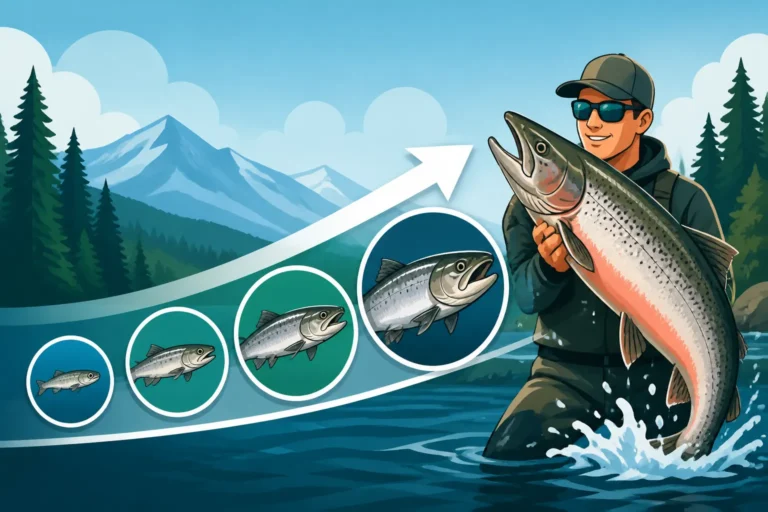
Most of the steelhead we pursue in BC begin their lives as eggs buried in the gravel beds of freshwater rivers, typically in late winter or early spring. After hatching, they spend anywhere from one to seven years as juvenile trout, or "parr," in their natal streams. These young fish feed on insects and small aquatic organisms, growing stronger until they undergo a remarkable transformation known as smoltification. During this process, their bodies change to adapt to saltwater, their coloration shifts to a silvery sheen, and their instincts compel them to migrate downstream to the ocean.
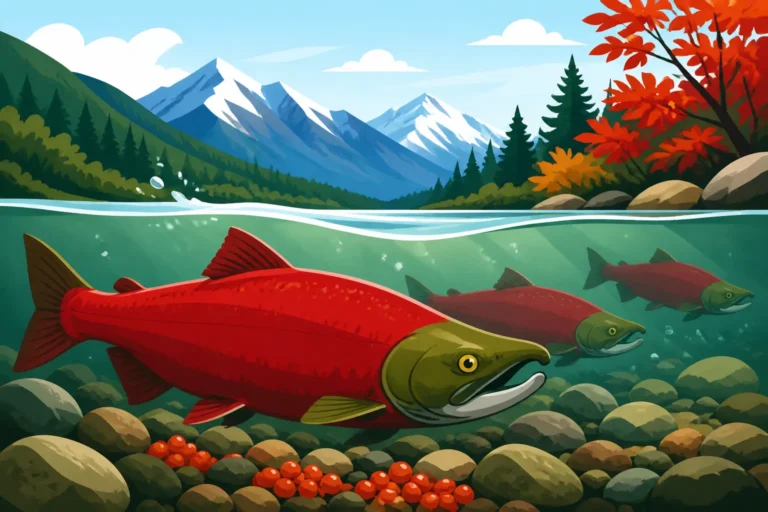
Once in the vast Pacific, these smolts grow rapidly, feeding voraciously on smaller fish and crustaceans for one to four years. This ocean phase is crucial for them to build up the size and strength necessary for their return journey. When the time is right, driven by an innate biological clock and environmental cues, they migrate back to their home rivers to spawn. This return migration can be a strenuous journey, often against strong currents and over significant distances, leading them back to the very gravel beds where they were born to continue the cycle. These are the "fresh run" fish we dream of hooking – strong, chrome-bright, and full of fight. You can learn more about their incredible resilience in Steelhead Fishing in BC and Do Steelhead Reproduce Naturally in BC Rivers?.
Why Some Fish "Hold Over" Instead of Spawning
Now, here's where the concept of a "holdover" comes into play. Not all steelhead that enter a river to spawn will do so immediately, or even in the same year they enter. A holdover steelhead is essentially a sexually mature steelhead that has entered a river system, usually in the fall or winter, but for one reason or another, delays its spawning until a later season, or perhaps doesn't spawn at all in that particular cycle. Instead of heading directly to the spawning grounds and completing their reproductive duties with the main run of fish, they "hold over" in deeper pools, slower runs, or specific sections of the river.
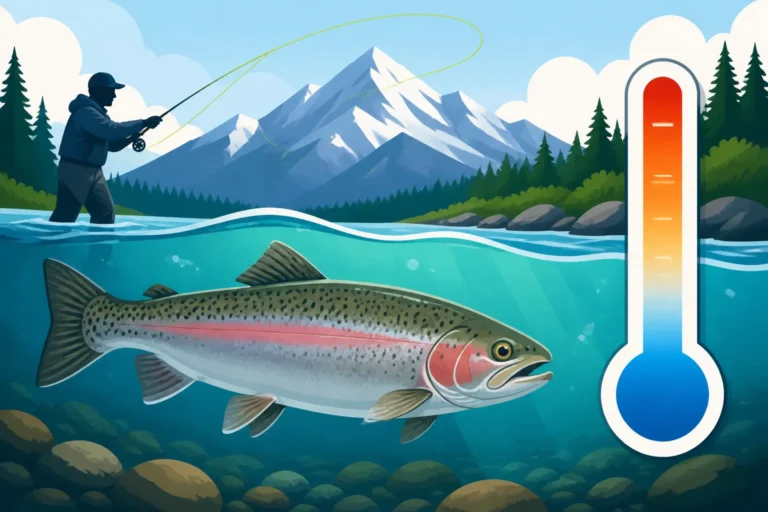
There are several theories as to why a steelhead might choose to hold over. Environmental factors play a huge role: unusually cold water temperatures, low water levels making upstream migration difficult, or even high, turbid water making it hard for them to find suitable spawning partners or areas. Sometimes, a fish might arrive in the river system too early or too late for the peak spawning period. Additionally, physiological readiness might be a factor; some fish simply aren't quite ready to spawn when the main run is, perhaps due to less than optimal ocean feeding or slower development. These fish will conserve their energy, waiting for more favourable conditions or a later opportunity, becoming, by definition, holdovers.
Identifying a Holdover Steelhead on the River
Distinguishing a holdover steelhead from a fresh-run fish or even a spawned-out "kelper" is key to understanding their behaviour and applying appropriate fishing techniques. It also speaks to a deeper respect for the fish and the resource. They often look and act differently, and knowing what to look for can be incredibly rewarding.
Physical Characteristics: What to Look For
When you hook a steelhead, the first thing many anglers notice is its colour and condition. A fresh-run steelhead, newly arrived from the ocean, is typically chrome-bright, often with a vibrant silver sheen, clean fins, and a solid, powerful build. They're bursting with energy and ocean vitality.
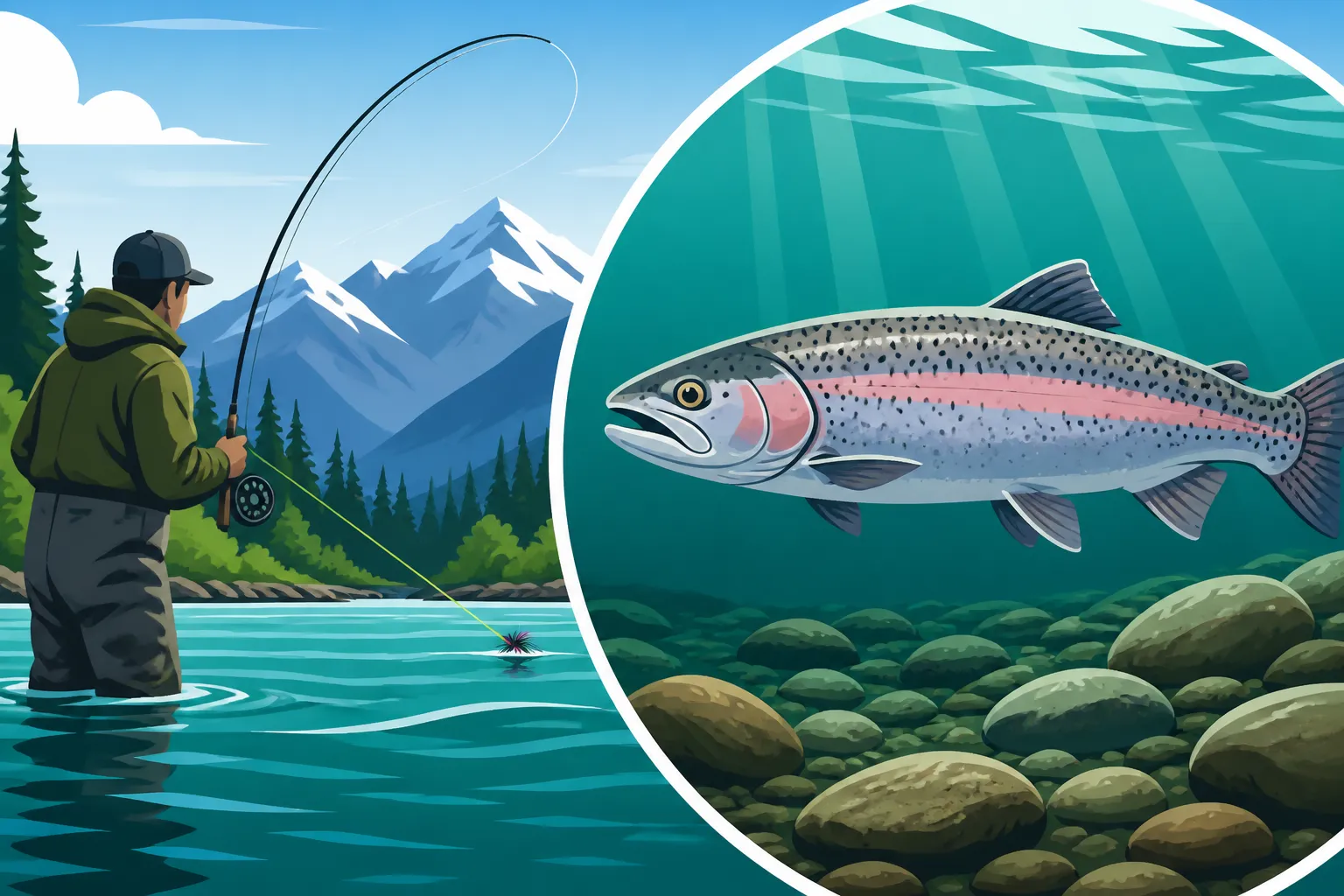
Holdover steelhead, on the other hand, will often show signs of having been in freshwater for an extended period. Their silver colour might have dulled, taking on a more mottled, darker, or even golden-brown hue, especially on their backs and flanks. You might notice more pronounced spots, and sometimes a reddish or pinkish band along their lateral line, reminiscent of resident rainbow trout. Their fins might appear slightly frayed or worn, and their overall body condition might not be as robust as a fresh fish, as they've been burning stored energy without feeding consistently. They might also have battle scars from navigating the river or previous encounters. They won't look like a "kelper" (a spawned-out fish returning to the ocean), which can look very gaunt and even sickly, but they certainly won't have that "just-out-of-the-ocean" chrome.
| Feature | Fresh-Run Steelhead | Holdover Steelhead | Spawned-Out "Kelper" |
|---|---|---|---|
| Colour | Bright silver, chrome | Duller silver, mottled, brownish, may have pink band | Dark, bruised, very dull |
| Fins | Clean, sharp, intact | Slightly worn or frayed | Often very tattered, ragged |
| Body Condition | Robust, thick, powerful | Good, but less plump than fresh run | Gaunt, emaciated, very thin |
| Vibrancy/Energy | Extremely active, powerful runs | Still strong, but less explosive | Weak, slow, easily subdued |
| Spots | Subtle, less pronounced | More visible, often darker | Dark and prominent |
| Time in Freshwater | Short (days to weeks) | Extended (weeks to months) | Post-spawn, heading back to ocean |
Behavioural Cues: Where and When to Find Them
Identifying a holdover isn't just about how they look; it's also about where and when you encounter them. Fresh-run steelhead are often pushing hard upstream, looking for cooler, oxygenated water and eventually their spawning grounds. They tend to hold in faster runs, tail-outs, and riffles, conserving energy but ready to move. You can find out more about where these powerful fish hang out in Steelhead Runs on BC's North Coast Rivers.
Holdovers, having been in the river for a longer time, often settle into more established holding lies. They might be found in deeper, slower pools, underneath cut banks, behind large boulders, or in sections of the river with overhead cover. They're not necessarily in a hurry to move, having already completed much of their migration or chosen to delay spawning. They tend to be more sensitive to light and pressure, often becoming active during low-light conditions or in less disturbed areas. Finding them often involves a more patient approach, carefully working slower water and known holding spots where a fish might be biding its time. Their activity might be less frantic than a fresh fish, but when hooked, they can still put up a respectable fight, sometimes with deeper, more bulldog-like pulls rather than aerial acrobatics.
Fishing for Holdover Steelhead: Techniques and Ethics
Fishing for holdover steelhead requires a slight shift in mindset and technique compared to targeting their fresh-run counterparts. While they might not be as acrobatic as a "chromer," they are still a worthy challenge, and their presence highlights the incredible resilience of this species.
Adapting Your Approach for These Unique Fish
Since holdovers have been in freshwater longer, their metabolism might have slowed, and they may be less aggressive feeders. They've also seen a lot of flies and lures, potentially making them warier. This means you often need a more subtle and refined approach.
- Leader and Tippet: Consider using lighter leaders and finer tippets, especially in clear water conditions. A fluorocarbon leader can offer invisibility and abrasion resistance. You might find a good selection of specialized leaders on Amazon that are perfectly suited for these more discerning fish.
- Smaller, More Natural Presentations: While fresh steelhead might smash a large, bright fly or spoon, holdovers often respond better to smaller, more natural offerings. Think delicate nymphs, small egg patterns, or even subtle marabou jigs in natural colours like olive, black, or brown. If you're float fishing, a precise, drag-free drift is absolutely paramount. Drifting techniques are thoroughly covered in Drift Fishing for Steelhead in BC Rivers.
- Target Slower Water: As mentioned, holdovers tend to occupy slower, deeper water. Spend more time thoroughly working these pools, seams, and eddies. Multiple casts to the same spot, allowing your presentation to sink deeper and hang longer, can often entice a hesitant bite. Remember, they're not always actively feeding; sometimes it's an instinctual strike or territorial defence.
- Time of Day and Conditions: Often, holdovers are more active during periods of low light – dawn, dusk, or on overcast days. If the water is clear and bright, consider waiting for these optimal times. Understanding What water temperature steelhead prefer can also guide your timing.
- Patience is Key: Fishing for holdovers can test your patience. These fish aren't always easy to find or to convince. Work through a run meticulously, making sure to cover all potential holding lies.
Conservation Considerations for Holdovers
The ethical treatment of all steelhead is paramount, but it becomes even more critical when dealing with holdover fish. These are often fish that have already expended significant energy in their migration and are preserving themselves for spawning.
- Catch and Release: The vast majority of steelhead fishing in BC is catch and release, and this is especially important for holdovers. Releasing these fish unharmed ensures they have the best chance to successfully spawn and contribute to future generations.
- Minimize Fight Time: Use appropriate tackle that allows you to land the fish as quickly as possible without over-stressing it. A medium-heavy rod with a good reel and strong main line is ideal. You can find quality gear for this purpose on Amazon.
- Gentle Handling: Once landed, keep the fish in the water as much as possible. Avoid dragging it onto rocks or dry banks. Use a rubber mesh net to protect its delicate slime coat and fins. If you need to take a photo, do it quickly with the fish mostly submerged, supporting its belly.
- Revival: Before releasing, hold the fish gently in the current, facing upstream, until it can swim away strongly on its own. Don't just toss it back; ensure it's revived and ready to continue its journey. This respectful approach helps maintain the health of our precious steelhead populations.
The Role of Holdovers in BC's Steelhead Populations
Holdover steelhead are more than just a unique angling opportunity; they play a vital, though often understated, role in the broader ecology and genetic health of British Columbia's steelhead populations.
Ecological Importance and Genetic Diversity
While the fresh-run, chrome-bright steelhead often gets all the glory, holdovers contribute significantly to the resilience and adaptability of a steelhead run. By delaying their spawning, they effectively diversify the timing of reproduction. Imagine a scenario where a sudden, severe weather event or environmental change (like a prolonged drought or an unusual flood) negatively impacts the primary spawning window. If all steelhead spawned at the same exact time, the entire year's reproductive effort could be wiped out.
Holdovers act as a natural insurance policy. Their delayed spawning means that eggs are being laid at different times, often extending the overall spawning season. This staggered approach increases the chances that at least some eggs and fry will encounter favourable conditions for survival, even if the primary window is compromised. This contributes to the genetic diversity of the population, ensuring that genes for different spawning timings and adaptations are passed on, making the overall stock more robust and capable of withstanding environmental fluctuations. It's a testament to nature's clever design.
Regional Variations and Specific Regulations
British Columbia is a vast province with an incredible diversity of rivers, and just like other aspects of BC Fishing Regulations Explained, the occurrence and significance of holdover steelhead can vary regionally. In some rivers, particularly those with longer migrations or more unpredictable weather patterns, holdovers might be a more common occurrence. In others, they might be relatively rare. These differences can sometimes influence local angling experiences and regulations.
For instance, certain river systems might have specific "Special Regulation Waters in BC" or unique BC Freshwater Salmon Retention Rules that impact how and when you can fish for steelhead, including potential holdovers. It’s absolutely critical to always consult the current BC Freshwater Fishing Regulations Synopsis for the specific region and river you plan to fish. These regulations are designed to protect the resource, and understanding them helps you fish legally and ethically. Whether it's a specific closure window, gear restrictions, or catch limits, knowing the local rules is part of being a responsible angler. You might even find specific gear designed to help you follow these regulations on Amazon, such as barbless hooks or specific weight sinkers.
In some cases, specific conservation initiatives might focus on protecting fish that are close to or already on their spawning grounds, which could include holdovers. Always assume the fish you are targeting has an important role to play in the ecosystem, and treat it with the utmost care.
Ultimately, holdover steelhead represent the tenacity and adaptability of a truly remarkable species. Recognizing them, understanding their role, and treating them with respect enhances our appreciation for BC's incredible fishing heritage.
Disclaimer
This article is for general informational purposes only and does not constitute professional advice. Laws, prices and regulations vary by location and change over time. Consult a qualified professional for guidance on your specific situation.