Bull Trout in BC’s Interior Rivers
Few things are as frustrating for a keen angler as hearing whispers of legendary fish in remote waters, only to realize you know next to nothing about how to find them, let alone catch them. British Columbia's interior rivers hold one such legend: the magnificent Bull Trout. These powerful, elusive predators are a true prize, but they demand respect, knowledge, and the right approach. This comprehensive guide will unravel the mysteries of Bull Trout, helping you understand their unique habits, identify them correctly, and equip you with the techniques to successfully pursue them in their stunning natural habitats.
Understanding Bull Trout: The Interior's Elusive Predator
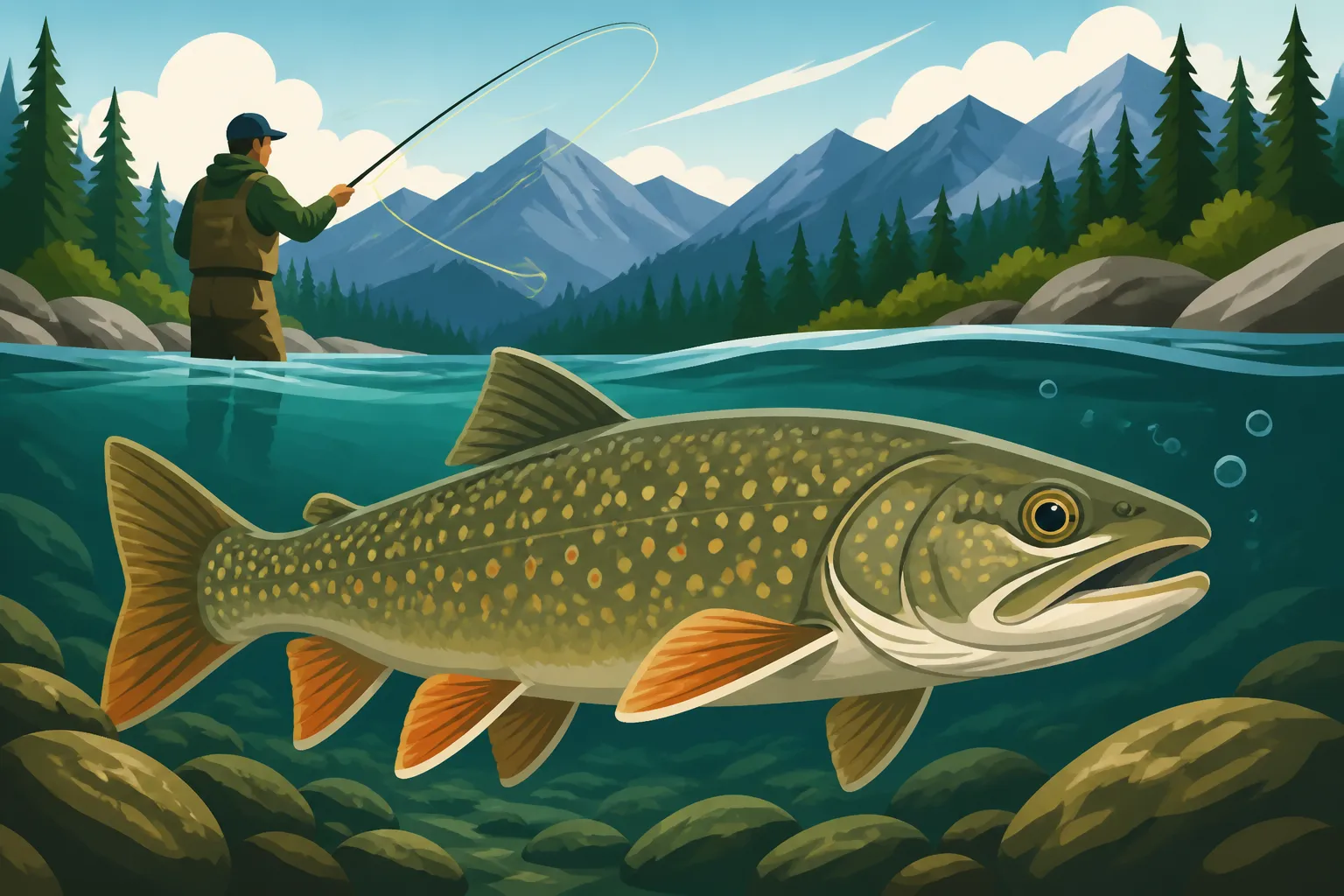
Ah, the bull trout! Just the name conjures images of wild, untamed rivers and powerful, aggressive fish. For many anglers, catching a bull trout is a true highlight of their BC fishing adventures. These aren't your typical stocked rainbow trout; bull trout are native, top-tier predators that play a vital role in the intricate ecosystems of British Columbia's interior rivers. They are fish of wild places, often thriving in cold, clear waters that many other species find too harsh. Their very presence is often a strong indicator of a healthy, pristine river system.
The Unique Biology and Life Cycle of Bull Trout
Bull trout, scientifically known as Salvelinus confluentus, belong to the char family, distinguishing them from true trout like rainbows or cutthroat. This means they're actually more closely related to Dolly Varden and lake trout. What sets them apart is their incredible adaptability and their predatory nature. They have a fascinating life cycle, often involving significant migrations. Many bull trout are "fluvial," meaning they live their entire lives in rivers, moving between spawning, rearing, and feeding grounds. Others are "adfluvial," migrating from large lakes into tributary rivers to spawn, and then returning to the lake to grow. Some are even "anadromous," venturing into saltwater before returning to freshwater, though this is less common for the interior populations we're focusing on.
Their spawning habits are particularly intriguing. Unlike salmon that spawn in fall, many bull trout populations also spawn in the fall and early winter, often in areas of cold, clean groundwater upwellings. The females dig redds (nests) in gravel beds, depositing their eggs, which are then fertilized by males. These eggs incubate over the long winter, protected by the gravel, and hatch in early spring. The young fry spend several years in small tributary streams, growing and developing before moving into larger rivers or lakes as they mature. This dependence on pristine headwater streams for spawning and rearing makes them particularly vulnerable to habitat degradation, which is why conservation efforts are so critical.
Why Bull Trout are Apex Predators in Their Ecosystem
When you talk about the food chain in many of BC's interior rivers, bull trout are often at the top. These fish are opportunistic and highly efficient predators. Their diet shifts as they grow, starting with aquatic insects as juveniles, but quickly transitioning to other fish species as they mature. Smaller trout, sculpins, whitefish, and even juvenile salmon are all on the menu for a hungry bull trout. This diet makes them incredibly strong, aggressive fighters, and explains why they grow to impressive sizes, sometimes exceeding 20 pounds in certain systems.
Their predatory nature also means they are often solitary hunters, or found in small groups, rather than large schools. They'll lurk in deep pools, behind large boulders, or in cut banks, waiting to ambush unsuspecting prey. This stealthy, ambush style of hunting makes them a challenging but immensely rewarding target for anglers. Understanding their role as apex predators informs the types of tackle and techniques that are most effective, as you're essentially trying to imitate the prey they're actively hunting. What white sturgeon eat in the Fraser River also illustrates how top predators adapt their diets to their environment.
Historical Decline and Recovery Efforts
Sadly, bull trout populations have faced significant challenges over the past century. Habitat destruction, primarily from logging, mining, and road building, has degraded their crucial spawning and rearing grounds. Overfishing, especially before modern conservation measures were in place, also took its toll. Their preference for cold water makes them particularly sensitive to climate change and rising water temperatures, which can reduce their habitat range and impact their survival.
However, there's good news too. Dedicated conservation efforts, including habitat restoration projects, improved fishing regulations, and public awareness campaigns, have seen some bull trout populations begin to stabilize or even recover in certain areas. Groups like the Freshwater Fisheries Society of BC, along with local angling and conservation organizations, work tirelessly to protect and restore these incredible fish. These efforts often focus on protecting riparian zones, restoring stream connectivity, and ensuring responsible angling practices are followed. When you catch a bull trout, you're not just landing a fish; you're connecting with a symbol of wild, healthy ecosystems, and it's our collective responsibility to ensure their future.
Identifying Bull Trout vs. Dolly Varden: A Crucial Distinction
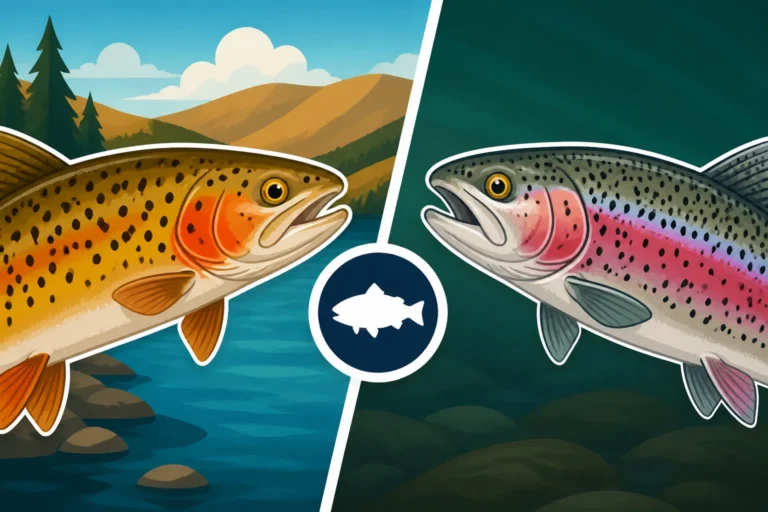
For many anglers, especially those new to fishing British Columbia's interior, distinguishing between a bull trout and a Dolly Varden can be a real head-scratcher. They look remarkably similar at first glance, both sporting those tell-tale pale spots on a darker body. However, knowing the difference isn't just about showing off your fish identification skills; it's often critical for adhering to regulations. In some waters, regulations for bull trout are very specific and may differ from those for Dolly Varden, so getting it right on the spot is super important. Bull Trout vs Dolly Varden Identification offers a fantastic deep dive into this subject.
Key Physical Characteristics to Look For
While both are char, there are subtle but important differences that become clearer with practice. Let's break down what to look for:
- Size: Generally speaking, bull trout tend to grow much larger than Dolly Varden in BC's interior, especially in the major river systems. While Dollies can reach respectable sizes, trophy bull trout are often significantly bigger.
- Head Shape: This is one of the most reliable indicators. Bull trout typically have a broader, flatter, and more pronounced head. Their jaws extend further back, often past the eye, giving them a more "bull-like" appearance (hence the name!). Dolly Varden usually have a more rounded, streamlined head that doesn't look quite as powerful.
- Spotting: Both have light spots on a darker background, but the color and size can vary. Bull trout often have smaller, yellowish or orange-red spots on their back and sides, sometimes extending onto their dorsal fin. Dolly Varden tend to have more pronounced, often larger, pink or red spots, which are more widely distributed. While not always definitive, the overall pattern can be a helpful clue.
- Body Shape: Bull trout often have a more robust, cylindrical body shape, reflecting their predatory lifestyle. Dolly Varden can be a bit more slender.
- Anal Fin Rays: This is a more technical distinction, but bull trout typically have 9 or fewer rays in their anal fin, while Dolly Varden usually have 10 or more. You're unlikely to count these on the riverbank, but it's a key biological difference.
Here's a quick comparison table to help you out:
| Feature | Bull Trout | Dolly Varden |
|---|---|---|
| Head Shape | Broader, flatter, larger, often past the eye | More rounded, streamlined, jaws usually not past eye |
| Spot Color | Yellowish, orange-red spots | Pink or red spots |
| Spot Size | Generally smaller, more numerous | Often larger, more distinct |
| Body Size | Can grow much larger (especially in interior rivers) | Typically smaller overall |
| Geographic Range | Interior rivers, some coastal populations | More common in coastal rivers and streams |
Geographic Distribution: Where Each Species Resides
Understanding the typical geographic distribution of these two char species in British Columbia can significantly aid in identification. While there are areas of overlap, especially in coastal systems, interior BC is predominantly bull trout territory. If you're fishing a river deep in the BC interior, far from the coast, chances are very high that the char you've hooked is a bull trout. Famous interior rivers like the Elk, Bull, and Flathead are renowned for their bull trout populations.
Dolly Varden, on the other hand, are more commonly found in coastal streams and rivers, often sharing habitat with anadromous salmon and steelhead. They can also be found in some of the larger coastal lakes. So, if you're fishing a river on Vancouver Island or the mainland coast, your odds of catching a Dolly Varden increase. However, always remember there can be exceptions, and certain systems may host both, making accurate physical identification even more critical. Consulting local regulations and fishery notices for your specific fishing area will give you the most accurate information on which species you're likely to encounter.
Why Correct Identification Matters for Regulations
It cannot be stressed enough: correct identification is not just an academic exercise; it has real consequences on the water. Fisheries regulations for bull trout in British Columbia are often quite strict due to their conservation status and slower growth rates. Many interior river systems operate under mandatory catch-and-release rules for bull trout, while Dolly Varden might have different regulations, including retention limits in certain areas. Reading the BC Freshwater Fishing Regulations Synopsis is your absolute bible for this.
Imagine the scenario: you've just landed a beautiful char, and you're thrilled. But if you misidentify it as a Dolly Varden and keep it, when it was in fact a protected bull trout, you could face hefty fines and lose your fishing privileges. It's a mistake no angler wants to make. Always err on the side of caution. If you're unsure, treat it as a bull trout and release it carefully. This responsible approach ensures you stay within the law and contribute to the conservation of these magnificent fish. Always check the most current BC Freshwater Fishing Regulations Synopsis for the specific region and waterbody you're fishing before you even wet a line.
Prime Bull Trout Habitats in BC's Interior Rivers
Bull trout are true indicators of wild, healthy river systems. They thrive in cold, clean water, often preferring complex habitats with deep pools, abundant cover, and strong currents. You won't typically find bull trout in warm, sluggish rivers or heavily impacted areas. Their presence is a testament to a river's ecological integrity. Understanding their preferred environments and knowing where to look for them within those systems is paramount to your success as a bull trout angler.
Understanding Their Preferred River Environments
Bull trout have a fairly specific set of environmental preferences that dictate where you'll find them. First and foremost is cold water. Bull trout are highly sensitive to water temperature, preferring water that is consistently below 15-18°C (around 59-64°F). This is why you often find them in higher elevation streams, rivers fed by glaciers or snowmelt, or rivers with significant cold groundwater inputs. In warmer summer months, they'll retreat to thermal refugia – deeper pools, spring-fed side channels, or areas with dense overhead cover.
Beyond temperature, they crave complex habitat. This means rivers with a diverse structure:
- Deep Pools: These offer refuge from strong currents, provide thermal stability, and are prime ambush points for prey.
- Large Woody Debris (LWD): Log jams, fallen trees, and root wads create critical holding lies, current breaks, and escape cover.
- Boulders and Rock Gardens: Similar to LWD, these create current breaks, structure, and places for bull trout to hide and wait for food.
- Cut Banks: Undercut banks provide excellent overhead cover and deep water close to shore, making them ideal ambush spots.
- Clean Gravel: Crucial for spawning. While you won't be fishing spawning fish, the presence of good spawning habitat upstream indicates a healthy population.
Rivers that flow through forested landscapes, particularly old-growth or mature forests, often provide the best bull trout habitat because these forests help maintain cool water temperatures and contribute to complex instream structure.
Top BC Interior Rivers Known for Bull Trout
When you're looking for prime bull trout fishing, British Columbia's interior is a vast and varied landscape, but certain rivers consistently stand out. These aren't just good rivers; they're legendary among those who pursue these magnificent char. While specific access and conditions can vary, these waterways offer some of the best opportunities. Best Fishing Rivers in British Columbia can give you a broader overview of BC's incredible angling destinations.
- The Elk River (Southeast BC): This river, flowing through the East Kootenays, is arguably one of BC's most famous bull trout destinations. Known for its clear, cold waters and abundant invertebrate and baitfish populations, it produces numerous large bull trout annually. It’s a spectacular river to fly fish, particularly with large streamers.
- The Flathead River (Southeast BC): Sharing a border with Glacier National Park in Montana, the Flathead River system is a truly wild and remote fishery. Its pristine waters and abundant cutthroat trout (a primary food source for bull trout) make it a fantastic, though sometimes challenging, destination for trophy bull trout.
- The Kootenay River System (Kootenay Region): This vast system, including various tributaries flowing into Kootenay Lake, holds significant bull trout populations. The lake itself is home to large, adfluvial bull trout that migrate into rivers to spawn.
- The Fraser River and its Tributaries (Central/Northern BC): While often known for salmon and sturgeon, certain upper reaches and tributaries of the Fraser River system, particularly those with cold, clear water, can hold good numbers of bull trout. It’s a huge system, so local knowledge or a good guide can be invaluable here.
- The Columbia River System (Southeast BC): Similar to the Kootenay, the Columbia and its associated lakes and tributaries in Canada (e.g., Arrow Lakes, Kinbasket Lake) support populations of large adfluvial bull trout.
Remember that these are just a few highlights. Many smaller, lesser-known interior rivers and streams also hold healthy bull trout populations. Doing your homework, consulting local angling shops, and studying maps for cold, high-elevation river systems are all part of the adventure.
Reading the Water: Locating Bull Trout Hotspots
Once you're on a promising bull trout river, the next challenge is actually finding the fish. Bull trout are not randomly distributed; they hold in specific types of water that offer them food, cover, and favorable temperatures. Learning to "read the water" for bull trout involves looking for areas that combine these elements.
- Deep Pools: As mentioned, these are classic bull trout haunts. Look for pools that are at least 4-6 feet deep, especially those with current seams, submerged structure (logs, boulders), or undercut banks. The head of a pool, where the current first slows, and the tailout, where the water begins to speed up again, are often prime lies.
- Confluence Areas: Where a smaller, colder tributary stream flows into a larger river, it creates a plume of cooler water and often washes in food. These areas can be magnets for bull trout, especially during warmer periods.
- Behind Large Structure: Any significant current break – a large boulder, a log jam, a bridge abutment – can create a protected zone where bull trout can rest and ambush prey. Fish the slack water immediately downstream and the current lines that peel off these structures.
- Riffle-to-Pool Transitions: The deeper water just below a fast-moving riffle is an excellent place. The riffle above oxygenates the water and funnels food downstream, and the bull trout will position themselves in the deeper, slightly slower water to pick off passing morsels.
- Dark Water: Often, the darkest patches of water indicate deeper sections. Bull trout prefer depth for both comfort and concealment.
- Eddies and Back Channels: In larger river systems, side channels and slower eddies can be important feeding and resting areas, especially if they offer good cover.
Think like a predator: where would you hide to ambush prey in this river? Where would you find the coldest, most comfortable water? That's often where you'll find the bull trout. Don't be afraid to cover water, but when you find a promising spot, spend some time working it thoroughly.
Effective Techniques for Targeting Bull Trout
So you've found a promising bull trout river and identified some key holding water. Now comes the exciting part: actually getting a strike! Bull trout are aggressive fish, but they're also discerning, especially the larger, more experienced individuals. You need techniques that tap into their predatory instincts, often mimicking their natural prey. Whether you're a fly fishing purist or prefer the simplicity of spin gear, there are highly effective ways to entice these formidable char.
Streamer Fishing: Aggressive Takes and Big Flies
For many dedicated bull trout anglers, particularly fly fishers, streamer fishing is the pinnacle. There's nothing quite like the jarring strike of a bull trout charging a large, flashy streamer. This technique is all about imitating baitfish – those smaller trout, sculpins, and whitefish that form the bulk of a bull trout's diet.
- The Setup: You'll want a stout fly rod, typically a 7 to 9-weight, capable of casting large, often weighted, flies. A sinking-tip or full sinking line is often essential to get your streamer down to where the fish are holding in deep pools and runs. Your leader should be relatively short and strong, often 0X to 2X (15-20lb test equivalent), as bull trout aren't leader shy.
- Fly Selection: Think big and flashy! Marabou streamers, articulated patterns, Zonkers, Sex Dungeons, Sculpzillas, and large Woolly Buggers in natural colours like olive, black, white, and brown are all effective. Adding some flash material to your flies can also be a game-changer, especially on cloudy days or in off-colour water. Don't be afraid to throw flies 4-6 inches long – big fish eat big meals! You can find a fantastic selection of Best streamer patterns for BC bull trout on a site like Amazon, ready to be delivered to your door before your next trip.
- Presentation: Cast your streamer across and slightly upstream, allowing it to sink. Then, retrieve it with an erratic strip-strip-pause motion, mimicking a wounded baitfish. Vary your retrieve speed and depth until you find what triggers a strike. In deep pools, you might need to mend your line upstream to allow for a deeper sink before beginning your retrieve. Often, the takes are violent and immediate.
Drifting and Casting Spinners or Spoons
Spin fishing can be incredibly effective for bull trout, especially for covering water and reaching fish in tricky spots. The flash and vibration of spinners and spoons perfectly imitate wounded baitfish or even smaller, fleeing fish, appealing directly to the bull trout's predatory nature.
- The Setup: A medium-heavy spinning rod (7-8 feet in length) with a fast action is ideal, paired with a reliable spinning reel spooled with 10-20 lb braided line, tied to a fluorocarbon leader of similar strength. Braided line offers superior casting distance and sensitivity, allowing you to feel even subtle takes.
- Lure Selection: Classic in-line spinners like Mepps Aglias or Blue Fox Vibrax in sizes #3 to #5 are excellent choices, particularly in silver, gold, or copper blades. Spoons like the Little Cleo, Krocodile, or Gibbs Minnows, ranging from 1/4 to 3/4 ounce, are also highly effective. Experiment with various colours, but natural silver, gold, blue/silver, and chartreuse often perform well. Remember, you're trying to imitate something substantial, so don't go too small.
- Presentation: For spinners, cast slightly upstream and across, letting the lure sink briefly, then retrieve at a steady pace, just fast enough to get the blade spinning. Allow the lure to swing through deeper pockets and across current seams. For spoons, cast out and retrieve with a stop-and-go action, allowing the spoon to flutter and fall on the pause, mimicking a dying fish. You can also jig spoons vertically in deeper pools or from a boat. Always be prepared for a strike on the fall!
Back-Trolling and Pushing Plugs in Deeper Water
While wading and casting are fantastic, sometimes bull trout hold in deeper, more inaccessible water that's best fished from a boat. Back-trolling or "pushing" plugs are highly effective boat-based techniques, particularly useful in larger interior rivers or deeper lake sections that connect to bull trout streams.
- The Technique: Back-trolling involves using a boat (often a drift boat or jet boat) to slowly move downstream, controlling your speed with oars or a motor, while dragging lures upstream against the current. This allows your plugs to dive and "work" in a very enticing manner, right in the faces of holding fish. "Pushing" plugs is a similar concept, often used with larger, deeper-diving lures in slower currents.
- Lure Selection: Deep-diving crankbaits or plugs are key here. Brands like Flatfish, Kwikfish, or Rapala Shad Raps are popular choices. Choose lures that can dive to the depth where you expect the fish to be. Colors often vary by water clarity and light conditions, but bright oranges, reds, chartreuse, and natural patterns are good starting points. The wobbling action of these plugs is irresistible to predatory bull trout.
- Presentation: Drop your chosen plug a good distance behind the boat (50-100 feet), allowing it to dive and start working. Maintain a speed that allows the plug to wiggle vigorously but doesn't cause it to blow out of the water. Your rod tip should be rhythmically pulsing, indicating the plug is working correctly. Watch your rod tips closely for any deviation from this rhythm – that often signals a strike. This method allows you to systematically cover long stretches of prime water, presenting your lure directly into potential bull trout lies.
Best Tackle and Gear for Bull Trout Anglers
Having the right gear makes all the difference when pursuing bull trout. These are powerful fish, often found in challenging environments, so your equipment needs to be up to the task. Investing in quality tackle not only increases your chances of success but also ensures you can safely and effectively land and release these prized fish.
Rod, Reel, and Line Setups for Fly and Spin Fishing
Let's break down the ideal setups for both fly and spin anglers:
Fly Fishing Setup:
- Rods: For most river applications, a 7 to 9-weight fly rod, 9 to 10 feet in length, is your workhorse. The heavier weight is necessary to cast large, sometimes weighted, streamers and to handle powerful fish in strong currents. For smaller streams or targeting smaller bull trout, a 6-weight can be fun, but lean towards heavier for trophy potential. A fast-action rod will help with casting those bigger flies.
- Reels: A sturdy fly reel with a reliable drag system is essential. It doesn't need to be massive, but it should hold plenty of backing (at least 150 yards of 20 lb Dacron) in case you hook a true monster. The reel's primary job is to hold line and apply smooth, consistent drag during a fight.
- Lines: This is critical. A sinking-tip line (like a Scientific Anglers Sonar Titan or Rio Outbound Short) is a great all-around choice, as it helps get your streamer down quickly in deeper runs. For very deep water, a full sinking line (various sink rates, like Type III or Type IV) can be advantageous. On Amazon, you can find a wide range of these specialized fly lines.
- Leaders and Tippet: A strong, abrasion-resistant leader is key. Pre-tapered leaders designed for streamers (often 0X-2X) or a hand-tied leader with a stout butt section (20-30 lb monofilament) tapering to 10-15 lb fluorocarbon tippet is ideal. Fluorocarbon is less visible underwater and more abrasion-resistant, a definite plus when fishing around rocky structure.
Spin Fishing Setup:
- Rods: A medium-heavy spinning rod, typically 7 to 8.5 feet long, with a fast action. This length provides good casting distance and leverage for fighting fish. The fast action means the tip is sensitive for detecting bites, while the backbone provides power for hook sets and control.
- Reels: A high-quality spinning reel in the 3000-4000 size range is suitable. Look for a smooth drag system, good line capacity, and solid construction. Brands like Shimano, Daiwa, or Penn offer excellent options.
- Line: Braided line is highly recommended for its strength-to-diameter ratio, sensitivity, and casting performance. Spool up with 15-20 lb braided line.
- Leaders: Always use a fluorocarbon leader (10-20 lb test, depending on water clarity and fish size) tied to your braid with a strong knot like an FG knot or a Double Uni. This provides invisibility and abrasion resistance. The leader length can vary from 2 to 6 feet.
Essential Lures and Baits for Bull Trout
Your tackle box for bull trout should focus on mimicking their primary food sources: baitfish.
- Streamers (Fly Fishing): Think big and flashy! Marabou patterns, articulated streamers (e.g., Dolly Llama, Sex Dungeon), Zonkers, Sculpzillas, and large Woolly Buggers. Colors like olive, black, white, brown, and sometimes chartreuse or pink are effective. Add some flash. Sizes often range from 2 to 6 inches.
- Spinners (Spin Fishing): In-line spinners with brass, silver, or copper blades (Mepps Aglia, Blue Fox Vibrax) in sizes #3 to #5 are reliable. The vibration and flash are irresistible.
- Spoons (Spin Fishing): Casting spoons like Little Cleo, Krocodile, Gibbs Minnows, or even Williams Wabler. Weights from 1/4 oz to 3/4 oz. Silver, gold, blue/silver, firetiger patterns.
- Plugs/Crankbaits (Spin/Trolling): Deep-diving plugs for back-trolling or casting into deep pools. Flatfish, Kwikfish, Rapala Shad Raps. Sizes appropriate for baitfish. Again, bright colors for murky water, natural for clear.
While bull trout are primarily piscivorous (fish-eating), in some situations, particularly for smaller fish, they might take larger nymphs or even mouse patterns on a fly rod. However, baitfish imitations are your bread and butter.
Wading Gear and Safety Considerations
Fishing BC's interior rivers for bull trout often means wading in cold, swift water, traversing uneven terrain, and sometimes dealing with remote locations. Safety and comfort are paramount.
- Waders: Breathable chest waders are essential for staying dry and comfortable. Choose a durable pair, as you'll likely be scrambling over rocks and through brush.
- Wading Boots: Felt soles or rubber soles with studs provide crucial traction on slippery river bottoms. Don't skimp here; a fall in a swift river can be dangerous.
- Wading Belt: Always wear a wading belt, cinched snugly. This helps prevent your waders from filling completely with water if you take an unexpected plunge, which can be life-saving.
- Layered Clothing: Dress in layers appropriate for the weather. Even on warm days, the water is cold. A good rain jacket and warm underlayers are essential.
- Sun Protection: Hat, sunglasses, and sunscreen are a must.
- First Aid Kit: A basic first aid kit should always be with you, especially in remote areas.
- Bear Spray: BC is bear country. Carry bear spray, know how to use it, and keep it easily accessible. A bear spray holster from Amazon can ensure it's always within reach.
- Communication: A fully charged cell phone (though service can be spotty in remote areas) or a satellite communication device (like a Garmin InReach) can be vital for emergencies.
- Hydration and Snacks: Always carry enough water and snacks, even for what seems like a short trip.
- Wading Staff: A collapsible wading staff provides extra balance and helps you probe unknown depths, especially in fast or murky water.
Being prepared not only makes your trip more enjoyable but, more importantly, keeps you safe in BC's wild environments.
Conservation and Regulations for Bull Trout Fishing
Fishing for bull trout in British Columbia is an incredible privilege, but it comes with a significant responsibility: to protect these magnificent native fish for future generations. Bull trout populations have faced challenges, and their survival depends on informed and ethical angling practices. Understanding and adhering to the specific regulations is not just about avoiding fines; it's about being a steward of these vital ecosystems.
Understanding Catch and Release Practices
For bull trout, catch-and-release fishing is not just a suggestion; it's often a mandatory requirement, and for good reason. Bull trout are long-lived, slow-growing, and highly vulnerable to overfishing. Their importance as an apex predator also makes their conservation critical for the overall health of the river. Mastering proper catch-and-release techniques is essential to maximize the survival rate of fish after they are returned to the water. BC Catch and Release Only Waters highlights areas where this practice is especially important.
Here are the key principles of responsible catch and release:
- Minimize Fight Time: Use tackle that is appropriate for the size of fish you expect to encounter. Overly light gear can prolong the fight, exhausting the fish and reducing its chances of survival.
- Wet Hands: Always wet your hands before touching a fish. Dry hands can remove the fish's protective slime layer, making it susceptible to disease.
- Keep Fish in Water: Keep the fish in the water as much as possible. If you must remove it for a quick photo, do so quickly, supporting its body horizontally. Never hold a fish vertically by the jaw or tail, as this can damage internal organs.
- Barbless Hooks: Mandatory in many BC waters, barbless hooks make removal much easier and cause less damage to the fish. You can pinch down the barbs on your existing hooks with pliers.
- Quick Release: Remove the hook gently and quickly. If the fish is deeply hooked, cut the line as close to the hook as possible rather than trying to remove it, especially if it's bleeding.
- Revive Gently: Hold the fish gently in the current, facing upstream, until it regains its strength and can swim away on its own. Never "throw" a fish back into the water. Look for strong tail movements as a sign it's ready.
Specific Regulations for Bull Trout in BC
The regulations for bull trout in British Columbia can be complex and vary significantly depending on the specific river system, region, and even time of year. This isn't a one-size-fits-all situation. It is absolutely critical that you consult the most current BC Freshwater Fishing Regulations Synopsis before every trip. You can find this online through the provincial government website.
Key regulatory aspects to watch for concerning bull trout:
- Daily Quota: Most bull trout fisheries in BC's interior are catch-and-release only. This means a quota of "0" for retention. Even if a particular waterbody allows retention for other species, always double-check for bull trout.
- Gear Restrictions: Many specific waters will have gear restrictions, such as "single barbless hook" or "fly fishing only." These are designed to minimize harm to fish.
- Season Dates: While bull trout can be fished year-round in some areas, there may be closures during spawning periods or other sensitive times.
- Specific Waters: Some waters are designated as "Special Regulation Waters" with unique rules that supersede general regulations. Always look for these.
- Identification: As discussed, knowing the difference between a bull trout and a Dolly Varden is vital, as regulations may differ.
Ignorance of the regulations is never an excuse. Always, always check the synopsis for the specific water body you plan to fish. You can even print out relevant pages or save a digital copy on your phone.
The Importance of Protecting This Native Species
The bull trout is more than just a challenging sport fish; it's a foundational species in many of BC's freshwater ecosystems. As an apex predator, it plays a critical role in maintaining the balance of fish populations. A healthy bull trout population indicates a healthy ecosystem overall, with good water quality, abundant prey, and intact habitat. Native trout species found in BC include these magnificent char, highlighting their indigenous status.
Protecting bull trout means protecting the entire web of life in their river systems. This includes:
- Habitat Preservation: Advocating for responsible land use practices, protecting riparian zones, and supporting habitat restoration projects.
- Responsible Angling: Adhering to catch-and-release ethics and all regulations ensures that anglers are not adding pressure to already vulnerable populations.
- Citizen Science: Participating in angler surveys, reporting observations, and contributing to data collection efforts that help fisheries managers make informed decisions.
- Educating Others: Sharing your knowledge about bull trout conservation with fellow anglers and the broader community helps foster a culture of stewardship.
By understanding the regulations and embracing responsible angling practices, we all contribute to the long-term health and vitality of British Columbia's bull trout populations, ensuring that future generations can experience the thrill of encountering these magnificent fish.
Seasonal Considerations for Bull Trout Success
Just like any other wild creature, bull trout behavior is heavily influenced by the changing seasons. Water temperature, food availability, and spawning instincts all play a huge role in where these fish will be and how aggressively they'll feed. Understanding these seasonal shifts is key to consistently finding and catching bull trout in BC's interior rivers. There’s no single "best" time, as each season offers unique opportunities and challenges. BC Fishing Seasons by Month can provide a general overview of fishing opportunities throughout the year.
Spring: Post-Spawn Opportunities and Active Fish
Spring in BC's interior often sees rivers transitioning from winter dormancy to vibrant activity. Snowmelt begins, bringing fresh, cold water into the systems, and water levels can rise. For bull trout, spring offers some fantastic opportunities, particularly after they've finished their arduous fall/winter spawning cycle.
- Post-Spawn Recovery: After spawning, bull trout are often lean and hungry, looking to put weight back on. This means they're actively feeding. As water temperatures slowly begin to rise, their metabolism increases, making them more aggressive.
- Timing the Melt: The key in spring is often timing. Early spring, before the peak snowmelt, can be excellent. The water is often clear and cold, and fish are concentrated in specific holding areas. As the heavy spring melt begins, rivers can become high and turbid, making fishing challenging. Look for windows of clearer water, perhaps during a cold snap that slows the melt, or on smaller tributaries that clear faster.
- Food Sources: As aquatic insects begin to hatch and other fish species become active, bull trout will key into these new food sources. Larger baitfish patterns are still king, but don't discount the potential for bull trout to grab a large stonefly nymph or even an emerging caddis if they're particularly opportunistic.
- Where to Find Them: In early spring, look for bull trout in slightly slower, deeper pools, current seams, and areas with good cover, especially those that provide a bit of a break from the increased current. As temperatures rise, they might start moving into shallower riffles to feed.
Summer: Targeting Bull Trout in High Country
Summer brings warmer weather, and for bull trout, this often means seeking refuge in colder waters. While mainstem rivers can sometimes become too warm during the hottest parts of summer, particularly in the lower elevations, the high country streams and tributaries truly shine.
- Thermal Refugia: As main river temperatures climb, bull trout will migrate upstream into colder headwater streams, or seek out thermal refugia in larger rivers – deep, shaded pools, areas with cold groundwater upwellings, or the mouths of cold feeder creeks. This movement can concentrate fish, making them easier to locate if you know where to look.
- High Country Adventures: This is the season for hiking into pristine mountain lakes and streams. Many high-elevation lakes in BC's interior have resident bull trout populations that are incredibly active in summer. Pack a small backpack, your wading boots, and a lightweight fly or spin rod for an unforgettable adventure.
- Terrestrial Insects & Baitfish: While baitfish are still a primary food source, summer sees an abundance of terrestrial insects (grasshoppers, ants, beetles) falling into the water. Larger bull trout are opportunistic and will sometimes key in on these, offering a chance to fish large dry flies or terrestrial imitations. Small trout and sculpins are, of course, always on the menu.
- Fishing Techniques: Fly fishing with streamers is still highly effective, particularly in the colder stretches. Spin anglers will do well with small spoons and spinners. In high mountain lakes, trolling or casting larger spoons can be productive. Early mornings and late evenings are often the most productive times during hot summer days.
Fall: Pre-Spawn Aggression and Trophy Opportunities
For many serious bull trout anglers, fall is the undisputed prime season. As water temperatures begin to cool, bull trout become incredibly active, driven by a strong pre-spawn feeding frenzy. This is often when you have the best chance at a true trophy-sized bull trout.
- Pre-Spawn Feast: As fall approaches, bull trout begin to stage for their upcoming spawning run (which typically occurs in late fall to early winter). They need to pack on calories to fuel this energy-intensive process, making them exceptionally aggressive feeders. Their metabolisms are still high from summer, but the water temperatures are now ideal.
- Migration and Concentration: Bull trout will start to migrate from their summer feeding grounds (often larger rivers or lakes) into their spawning tributaries. This migration can concentrate large numbers of fish in specific river sections, especially around the mouths of these tributaries.
- Trophy Potential: The combination of aggressive feeding and concentrated fish populations means fall offers the best chance to encounter and hook truly large bull trout. They are at their heaviest and most vibrant.
- Food Abundance: As other fish species (like kokanee or whitefish) also begin their own spawning migrations, bull trout will actively prey on them, or even on their eggs. This makes imitations of these spawning fish, or egg patterns, incredibly effective.
- Fishing Techniques: Large streamers are absolutely deadly in the fall. Focus on patterns that imitate salmon smolts, kokanee, or other resident fish. Spin anglers will find great success with larger spoons, plugs, and even soft plastic swimbaits that mimic baitfish. Target the deep pools, current seams, and transition zones where fish are resting and feeding during their migration. Remember, always be mindful of spawning fish; avoid disturbing redds (nests) and do not target fish that are actively on their redds.
The Thrill of Catching and Releasing Bull Trout
There's a reason why anglers travel far and wide to pursue bull trout. It's not just about the size of the fish, though they can certainly grow to impressive dimensions. It's about the entire experience: the wild rivers, the challenge of finding such an elusive predator, and the unforgettable fight they put up. Landing a bull trout is a moment of pure angling triumph, but the journey doesn't end there. Responsible handling and release are the final, crucial steps in celebrating this magnificent species.
The Unforgettable Fight of a Bull Trout
Hooking a bull trout is an experience etched into an angler's memory. These fish are known for their raw power and aggressive nature. Unlike some fish that might make long, blistering runs, a bull trout's fight is often characterized by heavy, stubborn head shakes, powerful surges into structure, and deep, strong pulls that test your tackle and your resolve. You'll feel every ounce of their muscle as they try to twist and turn their way off the hook.
Imagine casting a large streamer into a deep, emerald green pool of the Elk River. You strip, strip, pause, and then BAM! Your line goes tight, and your rod bends over violently. The fish might immediately dive for a log jam, or peel off line with surprising speed as it attempts to find deeper water. Keeping constant pressure, guiding it away from snags, and slowly tiring it out are key. It's a true tug-of-war, a testament to the bull trout's strength and predatory prowess. The exhilaration of finally bringing such a magnificent, wild fish to hand, often in a stunning natural setting, is truly second to none.
Best Practices for Handling and Releasing Bull Trout
Given the often catch-and-release nature of bull trout fishing, mastering proper handling techniques is vital for the fish's survival. Remember, the goal is to get that fish back into the water quickly and safely, minimizing stress and injury.
- Keep it Wet: This is the golden rule. Avoid taking the fish out of the water unless absolutely necessary for a quick photo. If you must, support its full body weight horizontally with both wet hands. Never dangle a bull trout vertically by the jaw or tail.
- Wet Your Hands: Always, always wet your hands before touching the fish. This protects its delicate slime coat, which is its first line of defense against disease.
- Use Barbless Hooks: Barbless hooks are easier and quicker to remove, causing less trauma. If your hooks aren't barbless, pinch the barb down with pliers before you start fishing.
- Remove Hooks Quickly: Have your pliers or hemostats ready. If the hook is visible and easy to access, remove it gently and quickly.
- Cut the Line if Deeply Hooked: If a hook is deeply embedded in the gills or throat, trying to remove it can cause more damage than good. It's better to simply cut the line as close to the hook as possible. The hook will often rust out, or the fish's enzymes can break it down.
- Revive Gently: Once the hook is out, hold the fish upright in the current, supporting it gently but firmly, allowing water to flow over its gills. Don't let go until it actively tries to swim away and shows strong tail movements. Sometimes this takes a few minutes. Avoid any rough handling.
By following these practices, you ensure that the bull trout you catch has the best possible chance of surviving to spawn and grow even larger.
Documenting Your Catch Responsibly
Who doesn't want a photo to remember that incredible bull trout? It's perfectly fine to document your catch, but doing so responsibly ensures the fish's well-being. The key is speed and minimizing time out of the water.
- Plan Your Shot: Before you even land the fish, think about where you'll take the photo. Have your camera ready and pre-set. Identify a clear, shallow area where the fish can be briefly brought for a shot.
- Keep it Quick: The less time the fish spends out of the water, the better. Aim for just a few seconds – literally 5-10 seconds for a quick snap, if possible.
- Support the Fish Properly: When lifting the fish for a photo, always use two wet hands to support its entire body horizontally. One hand under the belly, the other supporting the tail base. Keep it low over the water.
- Consider In-Water Shots: The best photos are often taken with the fish still partly submerged. This is less stressful for the fish and can create a beautiful, natural image. A Go Pro or a phone in a waterproof case can capture amazing in-water footage.
- Avoid the "Hero Shot" at All Costs: Holding a heavy fish vertically by the jaw or tail, or away from your body for a forced perspective, is highly damaging to its internal organs and spinal column. This practice significantly reduces survival rates. Don't do it.
- One Picture is Enough: You don't need a dozen photos. Get one good, respectful shot, and then get the fish back in the water for revival.
The memories and photos of a magnificent bull trout are treasures, but their survival is paramount. By combining excellent angling skills with unwavering commitment to conservation and responsible handling, we can all contribute to the thriving future of bull trout in British Columbia's interior rivers.
Disclaimer
This article is for general informational purposes only and does not constitute professional advice. Laws, prices and regulations vary by location and change over time. Consult a qualified professional for guidance on your specific situation.