BC record coho salmon weight
There's nothing quite like the electrifying pull of a powerful coho salmon on the end of your line. Many of us dream of landing that monster fish, the one that makes your arms ache and your heart pound, leading us to wonder: what's the biggest coho ever caught in British Columbia? This guide dives deep into that legendary question, exploring the history, the fish, and the sheer thrill of chasing a record-breaking coho in our magnificent waters.
Chasing the Ghost: The Official BC Coho Salmon Record
When you talk about breaking records, especially in fishing, you're not just discussing a number on a scale; you're delving into history, incredible angling skill, and often, a touch of pure luck. The quest for the largest coho salmon ever caught in British Columbia is one that has captivated anglers for generations. We've all heard the whispers of massive fish, tales spun around campfires, but what does the official record book truly say?
The Elusive Official Weight
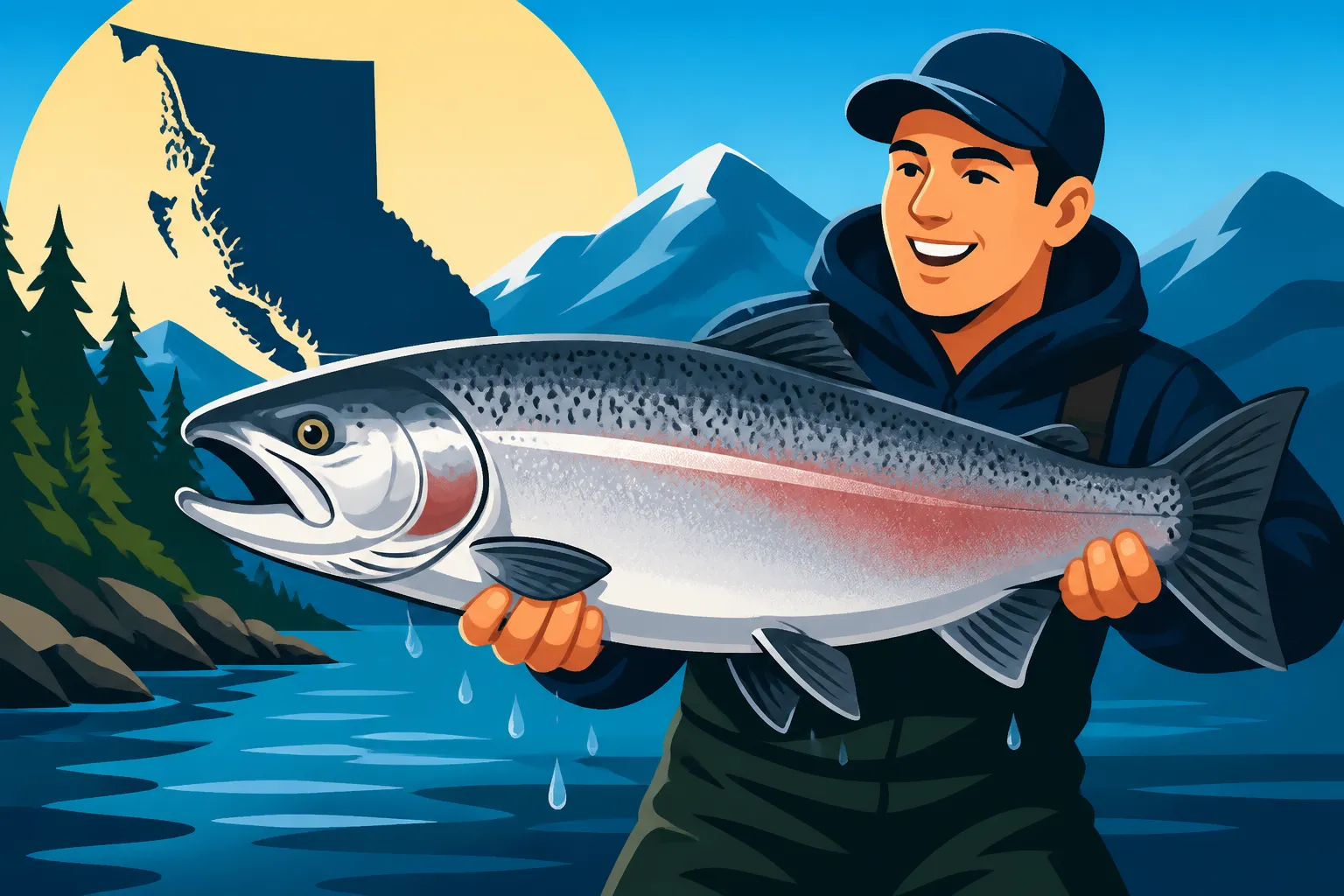
Pinpointing an exact, universally recognized "BC record coho salmon weight" can be a bit trickier than you might expect. Unlike some jurisdictions with highly centralized and easily accessible databases for every species, historical records in British Columbia can sometimes be scattered or informally kept. Often, the records recognized by various angling associations or publications might differ slightly, or there's an older, "unconfirmed" leviathan that sparks debate. However, the general consensus and most frequently cited record for a coho salmon caught in British Columbia tends to hover around the 25-pound mark, give or take a few ounces.
Imagine reeling in a fish of that magnitude! It's an absolute beast, pulling like a freight train and testing every fibre of your gear and your resolve. For context, most coho salmon caught in BC range from 5 to 12 pounds, with a "nice" fish often being in the 15-18 pound range. So, a 25-pound coho is truly a fish of a lifetime, an anomaly that stands out in the annals of BC fishing. Such a capture usually involves perfect timing, a robust fish in peak condition, and an angler who knows precisely how to play such a magnificent creature without losing it.
Verifying Historical Catches
The challenge with older records is often the verification process. In the days before widespread digital photography and certified scales in every marina, proving a record catch often relied on sworn statements, newspaper clippings, and the reputation of the angler and the weigh-in station. This isn't to say these records are false, but rather that the methodology was less standardized than it is today. Today, if you were fortunate enough to land a potential record-breaker, you'd be looking at a very specific set of requirements: a certified scale, photographic evidence (ideally with a tape measure), witnesses, and a detailed application process through an organization like the International Game Fish Association (IGFA) or local angling clubs.
Think about the sheer excitement of such a moment. You've battled this fish, it's on the boat, and suddenly everyone realizes this isn't just a big fish – this could be the fish. The scramble for a scale, the nervous glances, the collective awe. It’s a moment etched in memory forever, whether it officially breaks a record or not. The lore and the stories behind these catches are almost as valuable as the fish itself, inspiring new generations of anglers to dream bigger. If you're looking to dive into the detailed guidelines for submitting a record, researching organizations like the IGFA is a great starting point.
The Life of a Trophy Coho: What Makes Them Grow So Large?
Coho salmon, known for their aggressive strikes and acrobatic fights, are a favourite among BC anglers. While a good number of them provide exhilarating sport, only a rare few grow to the gargantuan proportions of a record-breaker. Understanding the factors that contribute to a coho's immense size helps us appreciate the true rarity of these legendary fish.
Ideal Growing Conditions
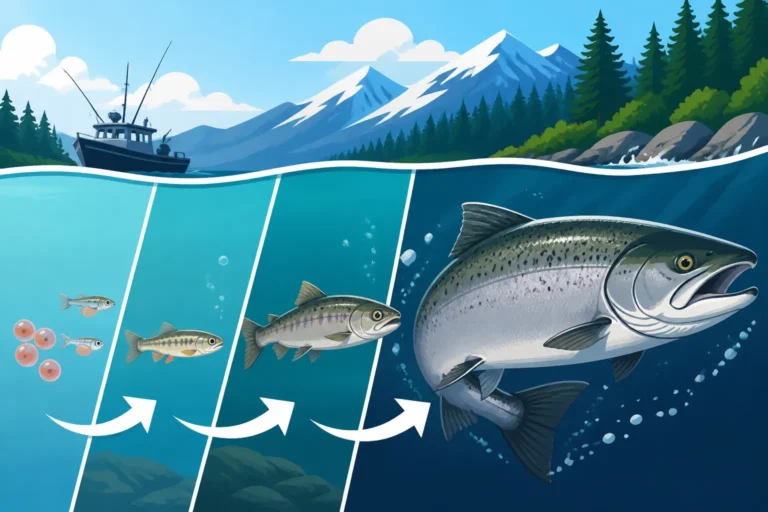
For a coho to reach trophy size, it needs a perfect storm of environmental factors throughout its life cycle. It starts with a healthy freshwater spawning and rearing habitat. Clean, cold, oxygen-rich rivers and streams with abundant insect life for fry and parr are crucial. The initial growth phase in freshwater sets the foundation.
Once they migrate to the ocean, usually after a year or two in freshwater, the real growth spurt begins. Ocean conditions are paramount. They need access to rich feeding grounds with an ample supply of forage fish like herring, anchovies, and squid. Areas with upwellings that bring nutrient-rich waters to the surface often concentrate these baitfish, providing a veritable buffet for growing salmon. A consistent food supply, coupled with favourable ocean temperatures and minimal predation pressure, allows coho to pack on pounds rapidly. Coho salmon migration patterns in BC are fascinating, showing how these fish move to capitalize on prime feeding zones. A coho that spends more time in these rich ocean pastures, or encounters particularly dense baitfish schools, has a much higher chance of becoming a true heavyweight.
Genetic Predisposition and Age
While environment plays a huge role, genetics are also undeniably a factor. Just like in any species, some individual coho are simply predisposed to grow larger and faster than their peers. These "super fish" might have genes that allow for more efficient food conversion or a longer lifespan, giving them extra time to bulk up. Typically, coho spend 18 months in the ocean before returning to spawn, usually at three years of age. However, some individuals, often males, might mature earlier as "jacks," returning at two years old and being considerably smaller. The trophy coho are almost always those that complete their full ocean feeding cycle, maximizing their growth before their final, fateful return journey.
It's a delicate balance. A coho needs to avoid predators, diseases, and fishing pressure for an extended period, all while finding enough food to fuel its incredible growth. The older and bigger they get, the more vulnerable they can become, making their survival to record size even more remarkable. The largest specimens are often a testament to their resilience and the richness of their ecosystem. Anglers often debate if larger rivers produce larger fish; for instance, understanding Salmon Growth Rate to Trophy Size can shed light on this.
Where to Find Your Dream Coho: Prime BC Locations for Large Fish
If you're dreaming of a trophy coho, knowing where these magnificent fish tend to congregate and grow large is your first step. British Columbia is vast, with countless rivers and coastal waters, but certain areas have a reputation for producing bigger, healthier coho salmon.
Coastal Hotspots and River Systems
When it comes to big coho, the BC coast is truly where they thrive. The nutrient-rich waters of the Pacific Ocean provide the ideal feeding grounds. Areas along Vancouver Island, particularly the west coast and around the Discovery Islands, are legendary. Places like Campbell River and Ucluelet are prime examples of communities built around the incredible salmon fishing opportunities, including large coho. These areas benefit from strong currents and proximity to oceanic feeding lanes, drawing in vast schools of baitfish that coho feast upon. Charters operating out of these hubs often target specific offshore banks and reefs where bigger fish are known to hold.
While the ocean is their primary growth zone, coho return to freshwater to spawn. Therefore, rivers connected to these prolific coastal areas can see some incredibly large coho pushes. The Fraser River system, while more famous for its sockeye and chinook, also sees impressive coho runs, especially its lower tributaries. Coastal rivers on Vancouver Island and the mainland, such as the Cowichan River, Squamish River, and systems feeding into the Strait of Georgia, can also provide opportunities for powerful, chrome-bright coho pushing towards their spawning grounds. Understanding Coho Salmon Habits in Coastal Streams is key for river anglers.
Seasonal Opportunities for Giants
Timing is everything when pursuing a trophy coho. The peak season for coho salmon in BC generally runs from late summer through fall. As these fish near maturity and begin their migration back to their natal rivers, they are at their largest and most powerful. In the ocean, this might mean late August and September are prime, while in the rivers, September and October often see the biggest pushes. During these months, their bodies are packed with energy reserves for the strenuous upstream journey, making them incredibly strong fighters.
| Area / Type of Water | Prime Months | Average Coho Size (lbs) | Potential Trophy Size (lbs) |
|---|---|---|---|
| Offshore Pacific Coast | Aug – Sep | 8 – 15 | 18 – 25+ |
| Strait of Georgia | Jul – Sep | 6 – 12 | 15 – 20 |
| Large Coastal Rivers | Sep – Oct | 7 – 14 | 16 – 22 |
| Lower Fraser River | Sep – Oct | 6 – 12 | 14 – 18 |
It's crucial to check BC Fishing Season Dates and Closures and BC Fishery Notices and In-Season Closures, Explained as regulations can change, especially for sensitive salmon stocks. Local knowledge from charter captains or tackle shops is invaluable for pinpointing the exact "hot spots" and timing in any given year. Sometimes, certain systems have specific windows where larger fish are more concentrated, making careful research paramount to your success.
Gearing Up and Strategy: How to Hook a Potential Record Coho
Dreaming of a record coho is one thing, but actually putting the odds in your favour requires specific gear, honed techniques, and a healthy dose of patience. These aren't your average trout; they demand respect and a strategic approach.
Essential Gear for Large Coho
Targeting coho, especially trophy-sized ones, means you need tackle that can handle their explosive runs and aerial acrobatics.
- Rods: A medium-heavy to heavy action rod, typically 9 to 10.5 feet long for river fishing (drift or float fishing) or a sturdy 8-foot trolling rod for boat fishing. Look for rods with a good backbone but enough tip sensitivity to detect subtle bites.
- Reels: For river fishing, a reliable single-action or large-arbor fly reel (for spey or large switch rods) with a strong drag, or a baitcasting reel with at least 150 yards of 15-20 lb test line. For ocean trolling, a level-wind or star drag reel capable of holding 250-300 yards of 20-30 lb mainline. You can find some fantastic options on platforms like Amazon, offering a wide range of brands and prices to suit your budget.
- Line: Braided mainline (20-30 lb for rivers, 30-50 lb for ocean) is popular for its sensitivity and strength, often paired with a fluorocarbon or monofilament leader (15-25 lb for rivers, 20-40 lb for ocean). The leader material is critical for stealth and abrasion resistance.
- Terminal Tackle: A variety of lures and baits can work. Spoons (like Gibbs Delta or Kitimat), hoochies, plastic flies, and plugs are all effective in salt water. For rivers, roe bags, jigs, and small spin-n-glos can be deadly. Always have a good selection, as what works one day might not the next. Having a quality landing net with a rubberized mesh is non-negotiable – you don't want to lose a fish of a lifetime at the boat!
Techniques for Enticing a Trophy
Coho are aggressive, but they can also be finicky. Varying your presentation and understanding their behaviour will greatly increase your chances.
- Ocean Trolling: This is a popular method for targeting ocean coho. Use downriggers to get your gear to the desired depth, often 30-80 feet. Experiment with different speeds (2-4 mph) and lure colours. Keep an eye on your fish finder for bait balls and actively feeding salmon. A common setup involves a flasher or dodger followed by a hoochie or spoon. Trolling Techniques for BC Lake Trout shares some principles that apply to ocean salmon too.
- River Fishing (Float/Drift): For river coho, presentation is key. Float fishing with a weighted leader and bait (such as roe) or a jig can be incredibly effective. The idea is to present your offering naturally, drifting it through known holding water like seams, pools, and undercut banks. Drift fishing with a bottom-bouncing rig or a small spoon also works well. Learning How to Fish a River for Chinook Salmon can provide transferable skills for coho.
- Fly Fishing: For the purists, fly fishing for coho in rivers can be immensely rewarding. Use a heavier fly rod (8-10 wt) with a sinking tip line. Large streamers in chartreuse, pink, or black, retrieved with varying speeds, can trigger powerful strikes. The thrill of a coho smashing a fly is truly something special. Ensuring your knots are strong and your hooks are sharp is paramount, especially when targeting larger, more powerful fish.
It's also essential to be prepared for the fight. A trophy coho will test your drag, your knots, and your patience. Let the fish run when it wants to, and only reel when it's taking line easily. Keep your rod tip up to maintain pressure and absorb shocks. Landing a big coho often requires teamwork if you're fishing with others – a well-timed net job can make all the difference between a story of triumph and one of "the one that got away." For those serious about improving their chances, picking up a specialized book on BC salmon fishing techniques from Amazon can be a great investment.
Catch and Release Considerations for Big Fish
While the goal might be a record, many anglers choose to release these magnificent fish, especially the larger, potentially genetically superior ones, to ensure future generations of strong salmon. If you're going to keep a fish, ensure it complies with BC Bag and Possession Limits by Species and all other regulations. If you decide to release a trophy coho, handle it with extreme care. Keep it in the water as much as possible, use wet hands if you need to touch it, and revive it gently, facing it into the current until it swims away under its own power. A healthy release ensures these incredible fish can continue their journey and contribute to the salmon population.
Disclaimer
This article is for general informational purposes only and does not constitute professional advice. Laws, prices and regulations vary by location and change over time. Consult a qualified professional for guidance on your specific situation.