Fish species unique to BC’s interior lakes
If you've ever cast a line into one of British Columbia's many interior lakes, you know there's a certain magic to it. But what you might not realize is that beneath those sparkling surfaces lies a truly fascinating aquatic world, home to species that are not just abundant, but, in some cases, genuinely unique or exceptionally distinct to these specific environments. This guide is all about diving deep into those special fish species that truly define BC's incredible interior lake fisheries, giving you a better understanding of what makes them so extraordinary and why they're worth protecting.
What Makes BC's Interior Lakes So Special for Fish?
British Columbia's interior is a vast and varied landscape, from the dry, rolling hills of the Okanagan to the dense forests and rugged peaks of the Kootenays and Cariboo. This incredible diversity is mirrored in its lakes, which are not just bodies of water, but complex ecosystems forged by millennia of geological activity. Understanding this backdrop is key to appreciating the unique fish species that call these lakes home.
Glacial Legacy and Nutrient Richness
Many of BC's interior lakes are direct legacies of the last ice age. Imagine massive glaciers carving out deep valleys and basins, then melting and filling them with pristine, cold water. This glacial history contributes to several factors that make these lakes ideal for certain fish. Firstly, many are incredibly deep, offering vast expanses of cold, oxygen-rich water that some species absolutely thrive in, even during warmer summer months. Secondly, the geological composition of the surrounding land, often rich in minerals, leaches into these lakes, creating incredibly fertile environments. This nutrient richness supports a robust food web, from microscopic plankton to a variety of insect larvae and smaller baitfish, providing ample sustenance for larger predators.
For example, lakes like Kootenay Lake, Shuswap Lake, and Okanagan Lake are renowned not just for their size but for their incredible productivity. The deep waters act as thermal refuges, while the constant influx of nutrients from surrounding rivers and tributaries fuels an explosion of life. It’s this combination of depth, cold water, and rich food sources that allows certain fish species to grow to impressive sizes and develop distinct characteristics.
Isolation and Evolutionary Paths
One of the most profound reasons for the uniqueness of fish in BC's interior lakes is isolation. Over geological timescales, many lake systems became cut off from larger river networks or the ocean. This isolation acted as a natural evolutionary laboratory. Fish populations, once connected, diverged, adapting to the specific conditions of their new, enclosed environments. Without gene flow from outside populations, these isolated groups developed their own unique traits, leading to distinct strains or even subspecies.
Consider a hypothetical scenario: a population of trout might have been trapped in a newly formed lake after a landslide, cutting off its river access. Over hundreds or thousands of generations, these trout would adapt to the lake's specific food sources, temperature cycles, and predatory pressures. They might grow larger to dominate the local food chain, or they might develop specific foraging behaviors. This process has played out countless times across BC, leading to specialized fish like the famed Gerrard rainbow trout, which has developed a unique life history perfectly suited to its Kootenay Lake home. This kind of evolutionary path creates true natural treasures, a testament to the power of adaptation within specific habitats.
The Climate Factor: Hot Summers, Cold Winters
The interior of British Columbia experiences a much more continental climate than its coastal regions. This means hot, often dry summers and cold, sometimes very long, snowy winters. These dramatic seasonal shifts heavily influence the fish populations. Fish in these lakes must be resilient, able to withstand significant temperature fluctuations and changes in food availability.
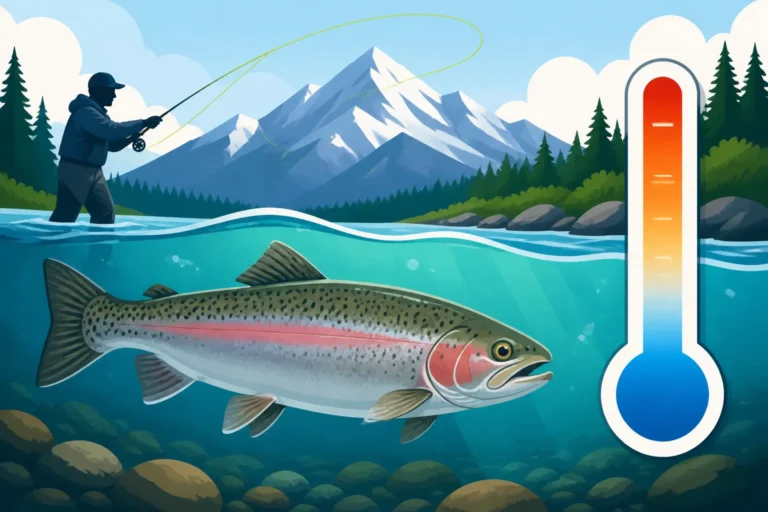
During the summer, surface waters can warm considerably, pushing many cold-water species into deeper, cooler zones. This often means anglers need to employ different techniques, such as deep-water trolling, to reach them. Come winter, many of these lakes freeze over, offering incredible opportunities for ice fishing. The fish adapt their feeding habits, sometimes becoming more sluggish, or actively seeking out different forage under the ice. These pronounced seasonal cycles shape the behavior, growth rates, and even the body condition of the fish. For an angler, it means that the "best time of year to fish" for a particular species can vary significantly across the diverse interior lake systems.
Gerrard Rainbow Trout: A True Interior Icon
When we talk about unique fish species in BC's interior lakes, the Gerrard rainbow trout almost always takes center stage. This isn't just a regular rainbow trout; it's a legendary, landlocked strain that epitomizes the grandeur of Kootenay Lake and the power of natural selection.
The Gerrard Phenomenon: Giants of Kootenay Lake
The Gerrard rainbow trout (Oncorhynchus mykiss gairdneri) is arguably the most famous and awe-inspiring fish to emerge from BC's interior waters. Named after the spawning grounds in the Lardeau River near the community of Gerrard on the north end of Kootenay Lake, these fish are a distinct, predatory strain of rainbow trout that can grow to truly enormous sizes, often exceeding 20 pounds and occasionally pushing past 30 pounds. They are landlocked, meaning they complete their entire life cycle within the freshwater system of Kootenay Lake and its tributaries, never migrating to the ocean like their anadromous steelhead cousins.
What makes them unique is their specialized diet and growth rate. They are primarily piscivorous, meaning they eat other fish, specifically preying on the abundant kokanee salmon populations in Kootenay Lake. This rich, oily food source allows them to grow incredibly fast and attain their massive size. Imagine a freshwater predator perfectly adapted to hunt in the deep, cold, clear waters of one of BC's largest lakes. Their streamlined bodies, powerful tails, and keen eyesight make them incredibly efficient hunters. They are magnificent, chrome-sided fish when caught, embodying the wild spirit of the region. Kootenay Lake Gerrard Rainbow Trout Fishing is an experience like no other, drawing anglers from around the globe.
Fishing for These Giants
Targeting Gerrard rainbow trout is a specialized endeavor that often requires dedication and the right gear. Most anglers pursue them by trolling with downriggers in the deep waters of Kootenay Lake, particularly in the spring and fall when the fish are most active. Heavy tackle is often necessary, as these fish hit hard and fight with incredible power, testing both angler and equipment to their limits. Specialized lures, often imitating their kokanee prey, are a must. A good depth sounder is invaluable for locating the schools of kokanee the Gerrards are feeding on, and many anglers swear by specific types of line and leaders you might find stocked by reputable fishing suppliers, or easily sourced on Amazon if you're looking for particular brands or specifications.
Catching a Gerrard is often a bucket-list item for many freshwater anglers, not just in BC but across North America. The thrill of hooking into one of these magnificent fish, feeling the powerful runs and head shakes, is an experience that stays with you long after the battle is over. Due to their unique status and the desire to maintain a healthy population, conservation is paramount. Always be aware of BC Bag and Possession Limits by Species and practice careful catch and release, especially for the larger broodstock fish, to ensure future generations can also experience the wonder of the Gerrard.
Other Distinctive Interior Lake Species
While the Gerrard rainbow trout holds a special place, BC's interior lakes are teeming with other fascinating fish species that, while not always exclusive to these waters, display unique characteristics or play particularly important roles within these specific ecosystems.
Interior Whitefish: The Unsung Heroes
Often overlooked by anglers focused on trout and salmon, interior whitefish species like the Mountain Whitefish and Lake Whitefish are vital components of these freshwater ecosystems. While not 'unique' in the sense of being found nowhere else, their prevalence and ecological role in BC's interior lakes are profoundly distinctive. These bottom-feeding fish often inhabit the deeper, cooler parts of lakes, sifting through the substrate for insects, larvae, and small crustaceans. Whitefish in BC's Interior Lakes are known for their delicate, flaky white meat, making them excellent table fare, though they don't typically garner the same angling attention as their predatory cousins.
Mountain Whitefish, characterized by their small mouths and soft, delicate fins, are particularly common in the colder rivers and larger lakes of the interior. Lake Whitefish, found in some of the larger, deeper systems, can grow to impressive sizes and are an important food source for larger predatory fish. Fishing for whitefish often involves light tackle, small jigs, or bait presented near the bottom. They offer a unique angling challenge, with their subtle bites and spirited fights on light gear. A specialized rod and reel setup, perhaps one you've researched and ordered from an online marketplace like Amazon, can make all the difference in detecting their soft takes.
Kokanee: The Landlocked Sockeye
Kokanee (Oncorhynchus nerka) are perhaps one of the most significant and distinctive fish in BC's interior lakes, even though they aren't 'unique' in the strictest sense of being found only here. What makes them so special in BC is their sheer abundance and their critical role as the primary forage fish for many of the larger predators, most notably the Gerrard rainbow trout. Kokanee are essentially landlocked sockeye salmon, meaning they complete their entire life cycle in freshwater, never migrating to the ocean.
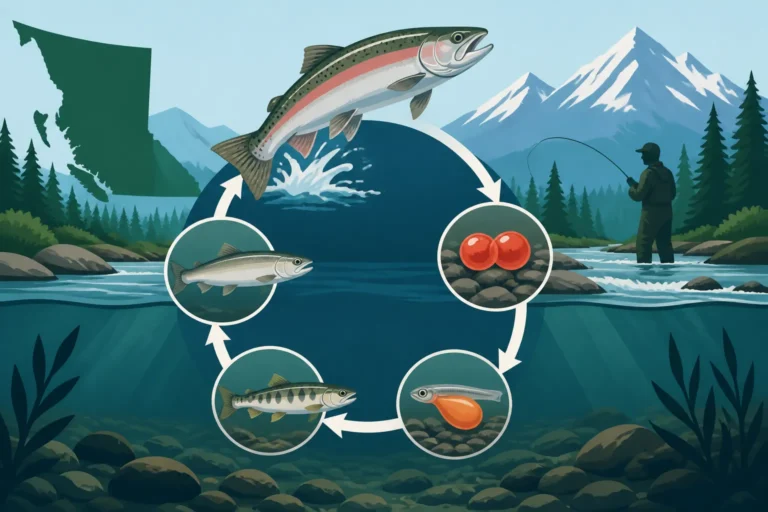
Their life cycle is fascinating: born in tributary streams, they spend 2-4 years growing in the lake, typically feeding on plankton, then return to those same streams (or sometimes lake shorelines) to spawn and die. This lifecycle provides a continuous supply of food for other species. Their annual spawning runs, especially in the fall, are a sight to behold, as their bodies turn brilliant red, signaling the end of their lives and the beginning of a new generation. Kokanee Spawning Season in BC is a vibrant display of nature's cycle. Kokanee Fishing in BC is a popular pastime, often involving specialized trolling techniques with small flashers and lures designed to mimic plankton or small insects. Many avid kokanee anglers spend hours perfecting their Trolling Techniques for BC Lake Trout specifically for these smaller salmon, often finding a wide array of specialized gear, from downrigger clips to scent attractants, readily available on Amazon.
Burbot: The Freshwater Cod
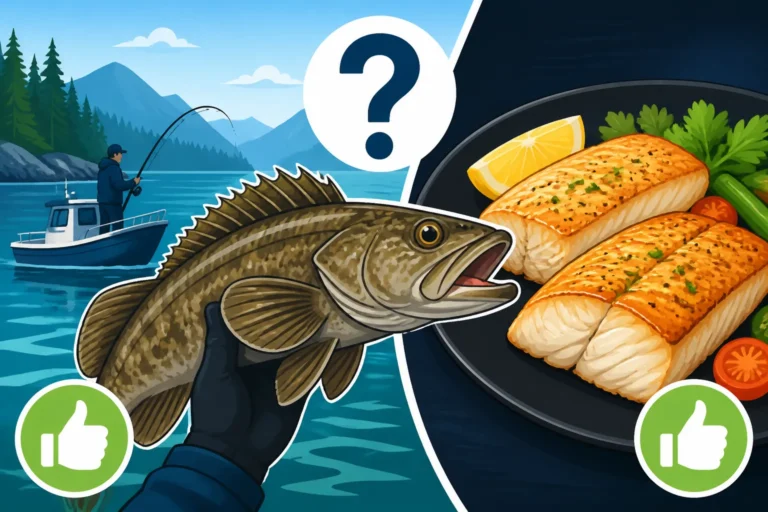
For something truly different, look no further than the Burbot (Lota lota). This remarkable fish is the only freshwater member of the cod family, and it has a truly unique appearance with an elongated, eel-like body, mottled skin, and a single barbel on its chin. While found in cold-water lakes and rivers across the northern hemisphere, their presence and healthy populations in many of BC's northern and interior lakes make them a distinctive catch for local anglers. Burbot in Northern BC Lakes thrive in cold, deep water, often preferring habitats with plenty of structure where they can hide.
Burbot are primarily nocturnal hunters, preying on smaller fish, crustaceans, and insects. This makes night fishing, especially ice fishing, a popular and effective method for targeting them. They are known for their delicious white, flaky meat, often compared to lobster when prepared correctly. Catching a burbot can be a surprise, as they have a peculiar fight, often feeling heavy and sluggish rather than acrobatic. Specialized glow-in-the-dark jigs tipped with bait are often favored by burbot anglers, and finding the right gear can sometimes be a fun hunt, with many options available from online retailers like Amazon. They are a testament to the diverse and often unexpected aquatic life hidden in BC's vast interior.
Conservation and Sustainable Angling for Interior Lake Species
The unique fish species of British Columbia's interior lakes are a precious natural resource, offering incredible angling opportunities and playing vital roles in their ecosystems. However, like all natural resources, they face challenges, and their future depends heavily on responsible management and angler participation in conservation efforts.
Protecting Unique Strains and Habitats
The existence of unique strains like the Gerrard rainbow trout, and healthy populations of kokanee, whitefish, and burbot, is a direct result of specific environmental conditions and the careful management of these fisheries. Protecting these unique strains involves several key strategies. Firstly, habitat preservation is paramount. Healthy riparian zones, clean water, and unimpeded access to spawning grounds are essential for fish populations to thrive. Secondly, responsible angling practices, including adherence to BC Bag and Possession Limits by Species and selective harvest, help ensure sustainable populations. For trophy fish like the Gerrard, careful catch and release is often encouraged, especially for the largest broodstock individuals, allowing them to contribute to future generations.
It's crucial to understand that even seemingly common species like kokanee are vital. Their health directly impacts the larger predators. Any decline in kokanee populations can have cascading effects throughout the entire lake ecosystem, potentially threatening the existence of specialized predators like the Gerrard. Therefore, conservation efforts often focus on the entire food web, not just the "trophy" species.
Threats to Interior Lake Ecosystems
Unfortunately, BC's interior lake ecosystems, and their unique fish species, face several threats. One of the most insidious is the introduction of invasive species. Non-native fish, plants, or invertebrates can outcompete native species for food and habitat, introduce diseases, or directly prey on vulnerable populations. For example, the illegal introduction of smallmouth bass into some interior lakes has raised concerns about their potential impact on native trout and kokanee populations. Learning about Invasive Fish Species in BC Waters is a critical step for any angler to prevent their spread.
Climate change also poses a long-term threat. Changes in water temperature, precipitation patterns, and lake levels can disrupt spawning cycles, alter food webs, and stress fish populations. Habitat degradation from industrial development, agricultural runoff, and pollution can further compound these issues. Organizations dedicated to freshwater conservation work tirelessly to monitor these threats, conduct research, and implement restoration projects. As anglers, we have a crucial role to play by being informed, practicing ethical fishing, and supporting these conservation initiatives to ensure that the unique aquatic treasures of BC's interior lakes continue to thrive for generations to come.
Understanding the specific biological makeup and environmental factors influencing these diverse aquatic communities is not just academic; it directly informs how we fish, where we fish, and how we can best contribute to the health of these irreplaceable ecosystems. A good Fish Species Identification Guide for BC can be an invaluable companion on your next trip.
Here's a quick look at some characteristics of these distinctive interior lake fish:
| Fish Species | Primary Habitat | Diet Focus | Key Unique Trait in BC Interior Lakes | Conservation Status (General) |
|---|---|---|---|---|
| Gerrard Rainbow Trout | Deep, cold waters of Kootenay Lake | Kokanee, other fish | Giant, landlocked, piscivorous strain | Managed for trophy fish |
| Mountain Whitefish | Cool, clear lakes and rivers, near bottom | Insects, larvae | Abundant bottom-feeder, delicate meat | Generally healthy |
| Lake Whitefish | Deep, cold lakes | Insects, crustaceans | Important forage fish, commercially viable | Generally healthy |
| Kokanee Salmon | Open water of interior lakes | Plankton, small insects | Landlocked Sockeye, crucial forage | Managed for sport fishing/forage |
| Burbot | Deep, cold lakes with structure | Smaller fish, crustaceans | Only freshwater cod, nocturnal hunter | Generally healthy |
Disclaimer
This article is for general informational purposes only and does not constitute professional advice. Laws, prices and regulations vary by location and change over time. Consult a qualified professional for guidance on your specific situation.