What fish species thrive in cold tailwaters
There's nothing quite like the crisp air and constant hum of a river below a large dam, especially here in British Columbia. Many anglers, myself included, have stood on the banks of these "tailwaters," feeling that chill in the air even on a warm day, and wondered: what fish could possibly thrive in these perpetually cold, sometimes turbulent, waters? It’s a common frustration when you're used to warmer lake or stream fishing, realizing the rules change here. This guide is all about shedding light on the fascinating fish species that not only survive but truly flourish in BC's cold tailwater environments, and how you can target them effectively.
Understanding British Columbia's Cold Tailwater Environments
When we talk about "cold tailwaters" in British Columbia, we're typically referring to rivers or significant stream sections located immediately downstream from a large dam. These aren't just any river stretches; they have a very distinct set of characteristics that are directly influenced by the dam upstream. The water released from the bottom of a large reservoir is often much colder and more consistent in temperature than what you'd find in a free-flowing river. This isn't necessarily a bad thing for fish – in fact, for certain species, it creates an almost ideal habitat.
Imagine a deep lake, a reservoir formed behind a massive concrete structure. The sunlight struggles to penetrate the depths, keeping the water down there icy cold. When this deep water is released through the dam's outflow, it maintains that consistent, frigid temperature, often staying cold even through the height of summer. This constant cold-water influx means less drastic temperature swings, which can be stressful for many fish species. Instead, it offers a stable, oxygen-rich environment that acts like a natural air conditioner for the river below. The consistent flow also tends to scour the riverbed, creating prime habitat with diverse structure and abundant food sources like aquatic insects and invertebrates. These are unique ecosystems, and understanding them is the first step to unlocking their fishing potential.
What Makes Tailwaters Unique?
The unique qualities of a tailwater fishery stem primarily from the dam's operation. Unlike a natural river that fluctuates with rainfall, snowmelt, and seasonal temperatures, a tailwater's flow and temperature are often regulated. This means they often boast steady, predictable flows that benefit fish, providing consistent habitat and feeding lanes.
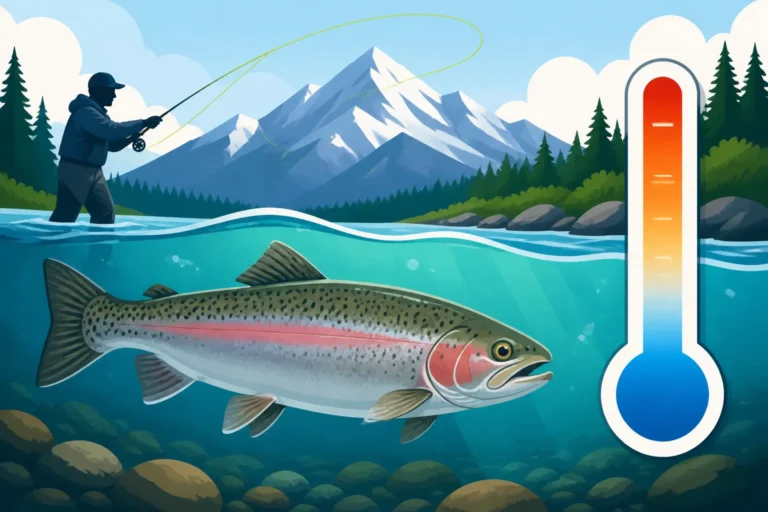
The "cold" aspect is crucial. Water released from the bottom of a deep reservoir is often around 4-10 degrees Celsius (40-50 degrees Fahrenheit) year-round, regardless of surface air temperature. This constant, cool environment is packed with dissolved oxygen, a vital ingredient for healthy fish. It also suppresses the growth of many warm-water species, creating a niche for cold-water specialists. Furthermore, these constant flows often bring a steady supply of nutrients and dislodged food items from the reservoir, fueling a vibrant aquatic insect and invertebrate population. This stable, nutrient-rich, and oxygenated environment is a true boon for certain fish, leading to strong, healthy populations and often, larger-than-average specimens. Anglers planning to visit these unique spots should always check BC Fishery Notices and In-Season Closures, Explained to be aware of any specific regulations or changes to water levels that might affect their trip.
Key Fish Species That Flourish in BC's Cold Tailwaters
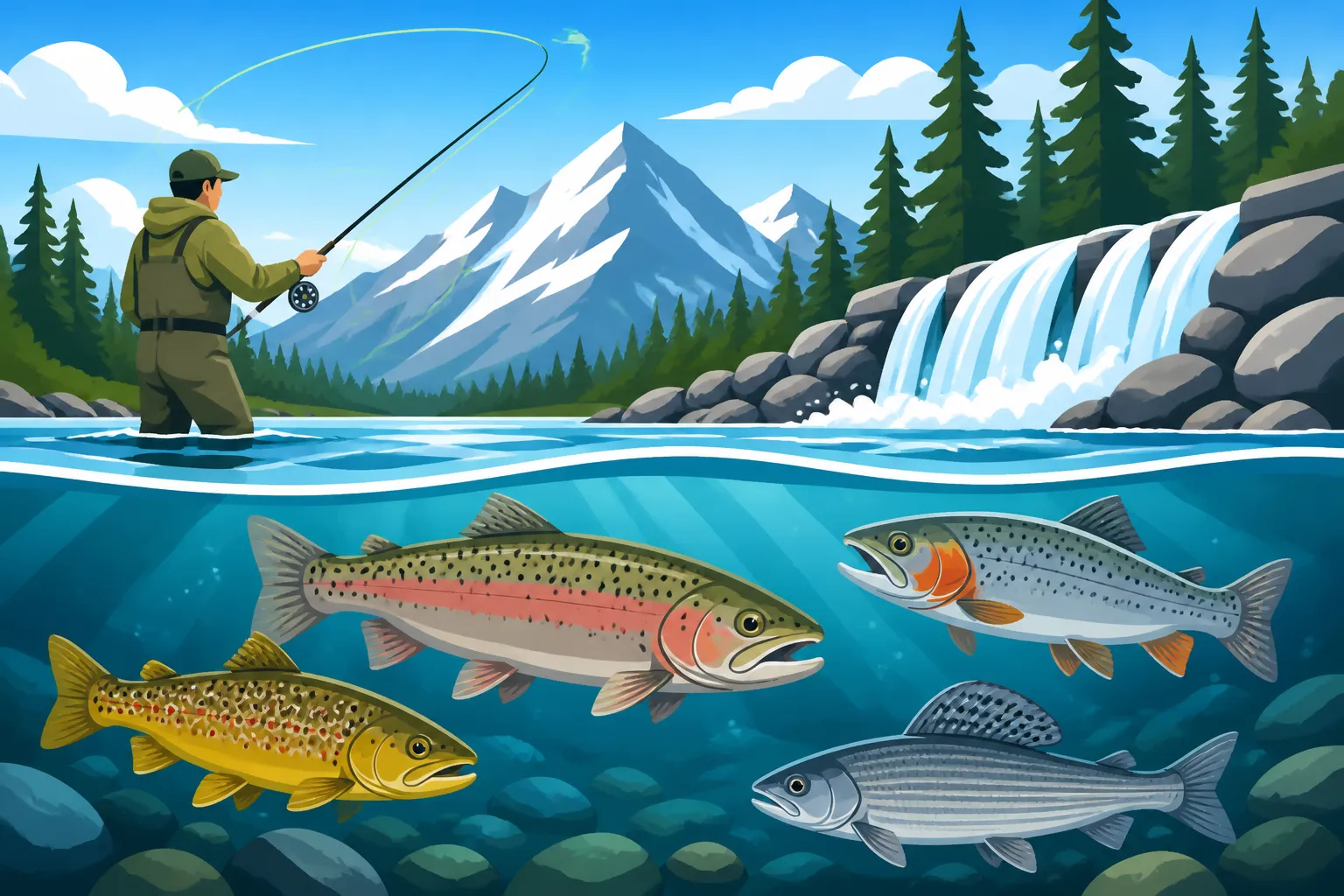
British Columbia is blessed with incredible angling opportunities, and its cold tailwaters are no exception. These specialized environments are prime habitat for some of our most sought-after game fish, particularly various species of trout and char. Their adaptations to cold, clear, and oxygen-rich water make them perfectly suited to thrive where other fish might struggle.
Robust Rainbow Trout
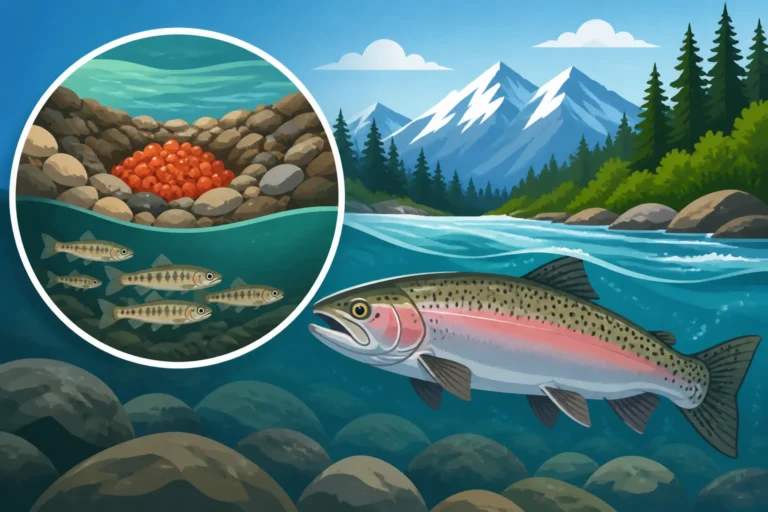
Rainbow Trout are arguably the most iconic species found in BC's cold tailwaters. These fish absolutely adore consistent, cool temperatures and highly oxygenated water. In a tailwater, they often find an abundance of aquatic insects like caddisflies, mayflies, and stoneflies, along with scuds and other invertebrates, providing a rich and stable food supply. This steady diet, combined with the ideal living conditions, often leads to exceptional growth rates. It's not uncommon for tailwater rainbows to reach impressive sizes, making them a fantastic target for fly anglers and spin fishermen alike.
Many tailwater rainbow populations are resident fish, meaning they spend their entire lives within the river system, benefiting from the stable conditions. You'll find them holding in seams, riffles, and deeper pools, actively feeding. Their vibrant colours and acrobatic fights make them a favourite among anglers. Understanding their feeding patterns and preferred lies in these consistent flows is key to success. For more general tips on targeting these beauties, check out Rainbow Trout Fishing in BC.
Powerful Bull Trout
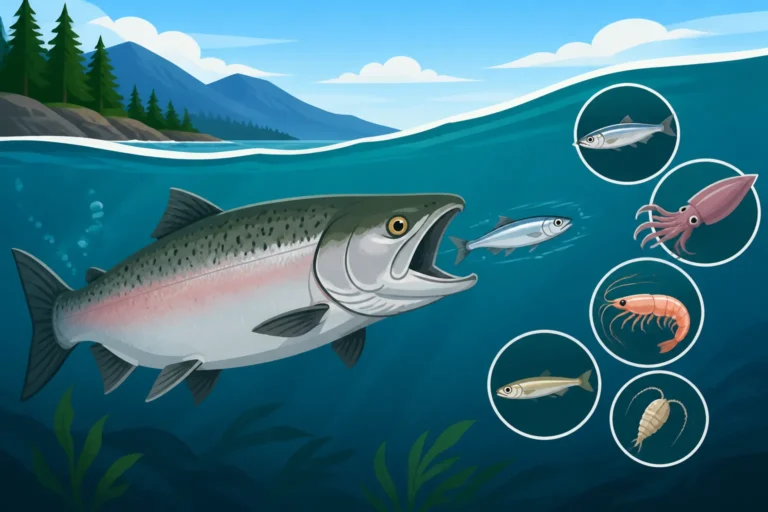
Another formidable resident of BC's cold tailwaters is the Bull Trout, a species of char known for its predatory nature and stunning beauty. Bull Trout are apex predators in many of their native systems, and cold tailwaters provide the perfect conditions for them to hunt. They require extremely cold, clean water and are often found in the deeper, colder sections of a tailwater. While they will eat aquatic insects, their diet often consists of smaller fish, making them a thrilling target for anglers using streamers or larger lures.
These fish are truly magnificent, identifiable by their olive-green to brown bodies with pale yellow or pink spots, and white leading edges on their fins. They are a protected species in many areas, and understanding specific regulations for their catch and release is paramount. In some tailwaters, particularly those flowing into larger river systems like the Fraser or Columbia, Bull Trout can grow to substantial sizes, providing an incredible challenge for anglers. They are an indicator of a very healthy cold-water ecosystem, a true testament to the quality of BC's tailwater fisheries. You can learn more about these incredible fish in Bull Trout in BC's Interior Rivers.
Other Cold-Water Inhabitants
While rainbow and bull trout are the stars, other species can also thrive in BC's cold tailwaters, depending on the specific location and connectivity to other water bodies. Whitefish, such as Mountain Whitefish, are often found in these areas. They are bottom feeders, primarily consuming aquatic insects and larvae, and are well-adapted to the consistent cold flows. Though not typically targeted with the same enthusiasm as trout, they provide an interesting angling opportunity and are an important part of the tailwater ecosystem.
In some tailwaters that have direct connections to lakes, you might even encounter Kokanee (landlocked Sockeye Salmon) or even lake trout species, especially if the reservoir above is managed for them. However, it's the stable cold, high-oxygen environment that truly champions the trout and char species, allowing them to dominate these unique river sections. Always remember to consult Reading the BC Freshwater Fishing Regulations Synopsis to confirm which species are present and what the specific rules are for the particular tailwater you plan to visit, as regulations can vary significantly.
Characteristics That Help Fish Thrive in Tailwaters
What exactly is it about cold tailwaters that makes them such a fantastic home for species like Rainbow and Bull Trout? It's more than just the temperature; it's a combination of ecological factors that create a highly stable and productive environment. Understanding these characteristics helps us appreciate the resilience of these fish and, importantly, aids us in knowing where and how to find them.
Stable Temperatures and High Oxygen Levels
The most defining characteristic of a cold tailwater is its remarkably stable water temperature. Unlike natural rivers that can swing wildly from icy cold in winter to bathwater warm in summer, water released from the bottom of a deep reservoir acts as a thermal buffer. This constant, cool temperature year-round means fish don't experience the physiological stress associated with rapid or extreme temperature changes. They can maintain a steady metabolic rate, leading to consistent feeding and growth throughout the year.
Hand-in-hand with stable cold temperatures are consistently high levels of dissolved oxygen. Colder water holds more oxygen, and the turbulent nature of river flows below a dam further aerates the water. This abundance of oxygen is crucial for active, healthy fish. It allows them to be more energetic, recover faster from fights, and generally support a larger biomass of fish. For anglers, this translates to feisty fish that put up a good fight! Knowing that What water temperature steelhead prefer can give you an idea of how comfortable these trout relatives are in such conditions.
Abundant Food Sources and Consistent Flows
The stable environment of a tailwater often leads to incredibly prolific aquatic insect hatches and abundant invertebrate populations. Scuds, sowbugs, caddisflies, midges, and various stonefly nymphs can thrive in the consistent flows and clean substrate. This provides a year-round buffet for trout and char, ensuring a continuous food supply that supports large, healthy fish. The consistent current also acts as a conveyor belt, delivering food directly to the fish's feeding lanes.
Moreover, the controlled flows from the dam mean less extreme flooding or drought conditions that can disrupt a natural river's ecosystem. This allows aquatic insect populations to establish stable breeding grounds and develop into predictable hatches, which astute anglers learn to anticipate. The availability of consistent food, from tiny nymphs to larger baitfish (which Bull Trout especially target), is a key factor in the superior growth and condition of tailwater fish. If you're looking for gear to carry your various fly boxes or lure selections, Amazon offers a wide range of fishing vests and tackle bags to keep everything organized on the riverbank.
Fishing Strategies for British Columbia's Cold Tailwaters
Fishing cold tailwaters in British Columbia requires a slightly different approach than your average lake or free-flowing stream. The consistent conditions, the specific species that thrive there, and the often-powerful currents all dictate specialized tactics. It's a rewarding challenge, and with the right knowledge and gear, you can experience some truly exceptional fishing.
Nymphing and Streamer Fishing on the Fly
For fly anglers, nymphing is often the most productive technique in cold tailwaters. The abundant aquatic insect life, particularly nymphs, provides a constant food source that fish are accustomed to feeding on below the surface. A well-presented nymph rig, often involving strike indicators and split shot to get your flies down to the fish's feeding zone, can be incredibly effective. Popular patterns include various caddis nymphs, stonefly imitations, scud patterns, and even midge larvae. Understanding the specific hatches occurring (or what the fish are keying on at the moment) is crucial. Don't be afraid to experiment with different depths and drift speeds.
For the predatory Bull Trout and larger Rainbows, streamer fishing can be deadly. These flies imitate baitfish, which are a significant part of the diet for bigger fish. Casting and stripping streamers across current seams, into deeper pools, or near structure can provoke aggressive strikes. Larger, heavier fly rods are often necessary to cast these flies and manage the powerful currents. For specific patterns that perform well, you might find some crossover insights from Fly Patterns for BC Steelhead Rivers, as steelhead are essentially large, sea-run rainbow trout that inhabit similar river environments.
Spin Fishing Techniques for Current
Spin fishermen can also have tremendous success in BC's cold tailwaters. Small, heavy spoons and spinners are excellent choices, as their weight helps them cut through the current and reach the fish's depth. Retrieve speeds should often be varied to mimic injured baitfish or fleeing prey. Look for areas with slightly slower current, such as eddy lines, current seams, or behind large rocks and logs, where fish can rest and ambush prey.
Jigs, especially those tipped with bait or soft plastics that imitate scuds or worms, can also be very effective when fished along the bottom. The key is to present your lure naturally, allowing it to tumble or drift with the current while maintaining contact. Using fluorocarbon leader is often beneficial due to its invisibility and abrasion resistance. When you're ready to upgrade your tackle or find specific lures, searching on Amazon for "tailwater fishing lures" can yield many options. Remember to always use barbless hooks and practice responsible catch and release, especially for sensitive species or in BC Catch and Release Only Waters.
Essential Gear and Safety Considerations
Fishing in cold tailwaters often means dealing with cold water, even if the air is warm. Waders are almost always a necessity, and good quality breathable waders can make a huge difference in comfort. Layering clothing is also important to adapt to changing conditions. A sturdy pair of wading boots with good grip is crucial for navigating slippery river bottoms and strong currents. You can find highly-rated wading boots and other essential gear by searching on Amazon.
Safety should always be a top priority. Strong currents can be dangerous, and river levels can sometimes change due to dam operations. Always be aware of your surroundings, understand the river's flow, and consider wearing a wading belt or even a personal flotation device (PFD) if you're venturing into deeper, faster water. A reliable fishing net is essential for landing and safely releasing fish. Before heading out, make sure your BC Fishing License Age Requirements are met, and you understand all the local rules.
| Fish Species | Preferred Water Temperature Range | Typical Tailwater Diet | Key Fishing Techniques | Conservation Status Considerations |
|---|---|---|---|---|
| Rainbow Trout | 4-18°C (40-65°F) | Aquatic insects (nymphs, dries), small baitfish, crustaceans | Nymphing, Dry Fly, Streamers, Spinners | Often abundant, follow local limits |
| Bull Trout | 0-15°C (32-59°F) | Smaller fish, sculpins, large insects, crustaceans | Streamers, Large Spinners/Spoons, Baitfish Imitations | Often sensitive, C&R, check specific regulations |
| Mountain Whitefish | 0-18°C (32-65°F) | Bottom-dwelling insects, larvae, small crustaceans | Nymphing, Small Jigs, Worms | Generally abundant, follow local limits |
Navigating the unique challenges and incredible rewards of BC's cold tailwaters is an experience every angler should have. By understanding the environment, knowing the species that thrive there, and employing the right strategies, you're set for a fantastic day on the water, chasing some of the strongest and most beautiful fish British Columbia has to offer.
Disclaimer
This article is for general informational purposes only and does not constitute professional advice. Laws, prices and regulations vary by location and change over time. Consult a qualified professional for guidance on your specific situation.