BC Provincial Fish Records by Species
There’s a unique thrill that comes with reeling in a truly monumental fish, a moment where the fight turns into a memory that will last a lifetime. But beyond the personal satisfaction, many anglers in British Columbia dream of landing a fish so spectacular it earns a spot in the provincial record books. The challenge often isn't just catching that fish, but knowing what the current records are, how to identify a potential record-breaker, and what steps you need to take to ensure it counts. This comprehensive guide will walk you through the fascinating world of BC's provincial fish records, covering both freshwater and tidal species, and offer insights into chasing your own piece of angling history.
Why Chasing Provincial Records Matters
For many, fishing is a peaceful escape, a chance to connect with nature and enjoy the tranquility of the water. But for a passionate subset of anglers, there’s an undeniable allure in the pursuit of a true trophy—a fish that doesn’t just fill the cooler, but also carves its name into the annals of local angling lore. The provincial record books aren’t just a list of big fish; they’re a testament to exceptional angling skill, deep knowledge of local waters, and sometimes, a little bit of pure luck.
The Bragging Rights and Legacy
Let’s be honest, part of the appeal is definitely the bragging rights. Imagine telling the story of the day you hauled in a 70-pound Chinook salmon, knowing it surpassed every other Chinook ever officially recorded in the province. That story becomes instantly legendary among your fishing buddies, a tale passed down for generations. It’s more than just a personal best; it’s a public recognition of an extraordinary catch in a province renowned for its world-class fishing. It signifies that, on that particular day, everything aligned perfectly.
Beyond the immediate satisfaction, setting a provincial record leaves a legacy. Your name, the species, the weight, and often the location and date become part of BC's angling history. It inspires others to dream bigger and push their own limits, knowing that such giants truly exist in our waters. Think of the anglers who have held those records before you; their names are still whispered in fishing camps and tackle shops, their catches legendary. It’s about becoming a part of that rich tradition.
Contributing to Conservation and Knowledge
While the focus is often on the individual achievement, the formal process of record-keeping often contributes valuable data to fisheries management. Documenting unusually large fish, their locations, and the conditions under which they were caught can provide insights into fish health, population dynamics, and habitat quality. While the primary goal of the angler is the record itself, the data gathered by the provincial authorities through such submissions can sometimes help paint a clearer picture of our aquatic ecosystems.
Of course, the emphasis on large, often older fish also brings a heightened sense of responsibility. Many record-seeking anglers are also staunch conservationists, understanding that the health of the fishery depends on careful management. This often means practicing catch-and-release, especially for iconic species like white sturgeon or wild steelhead, ensuring that these genetic giants can continue to spawn and contribute to the population for future generations. The pursuit of a record can, paradoxically, reinforce the importance of sustainable fishing practices.
Navigating British Columbia's Freshwater Fishing Records
British Columbia is a freshwater angler’s paradise, boasting an incredible array of lakes and rivers teeming with various species. From the massive rainbow trout of Kootenay Lake to the elusive bull trout in interior streams, there’s a trophy lurking for every angler. Understanding what constitutes a record for these diverse species is the first step in your quest.
Trout Records: Rainbow, Bull, Cutthroat, and Lake Trout
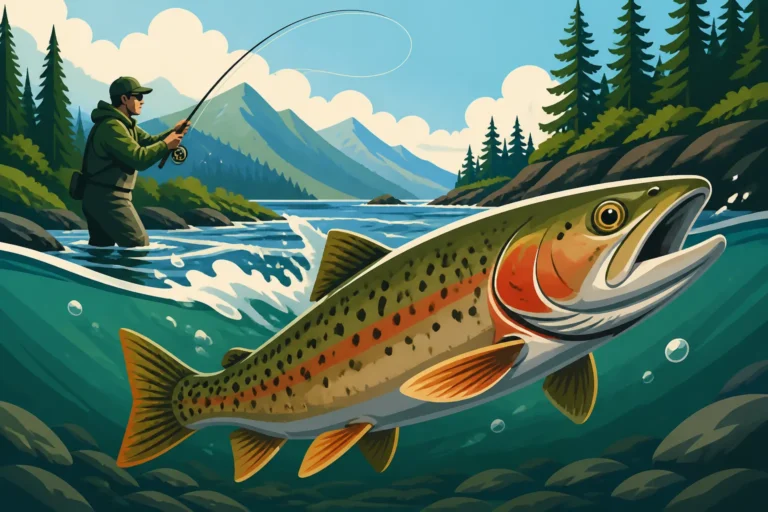
When we talk about freshwater trout records in BC, we're really talking about a few distinct champions. The most famous is arguably the Rainbow Trout, with the legendary Gerrard strain from Kootenay Lake often producing world-class giants. Imagine hooking into a Gerrard rainbow that rivals a small salmon in size and power; it’s an experience that defines angling for many. Other large strains like the Kamloops trout from the Okanagan region also contribute significantly to the provincial records. The records typically hover in the range of many tens of pounds, a testament to the rich forage bases in these deep, clear lakes. Rainbow Trout Fishing in BC can tell you more about how to find these beauties.
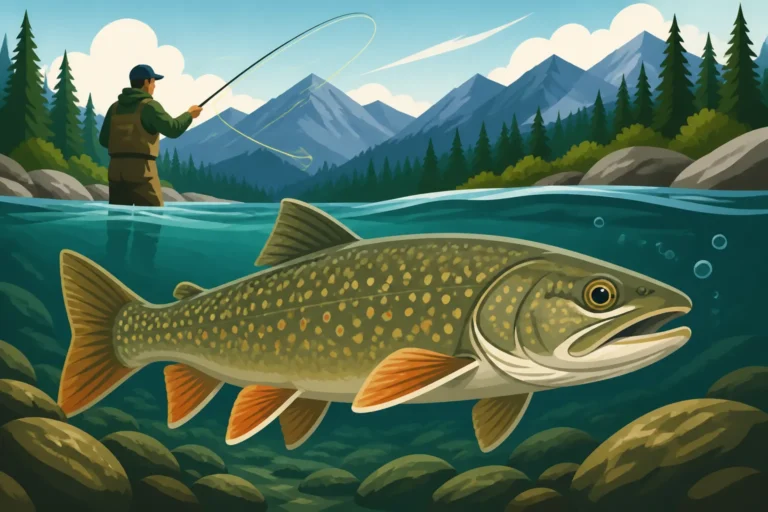
Then there’s the Bull Trout, a fierce predator found in colder, pristine waters, often confused with Dolly Varden. While their average size might be smaller than the largest rainbows, a record-class bull trout is still a formidable catch, exhibiting incredible power and beauty. The provincial records for bull trout tend to be in the high teens or low twenties of pounds. Similarly, Cutthroat Trout, particularly the sea-run coastal cutthroat, offer a different kind of challenge, with records typically in the mid-teens. Finally, Lake Trout, found in deeper, colder mountain lakes, can also reach impressive sizes, with records often pushing into the high dozens of pounds, reflecting their slow growth and long lifespans in their cold, deep habitats.
Salmon and Char Records: Kokanee, Dolly Varden, and Arctic Grayling
While Pacific salmon are more commonly associated with tidal waters, some species, or their landlocked cousins, make their mark in freshwater records. The Kokanee is a prime example. These landlocked sockeye salmon might not reach the immense sizes of their ocean-going relatives, but record-breaking kokanee are still substantial, often weighing several pounds, with exceptional specimens pushing toward the double digits. They are vibrant, feisty fighters, especially on light tackle, and a record kokanee is a prize many anglers specifically target. How to Catch Kokanee in BC explores the best techniques for these fish.
Dolly Varden, often mistaken for bull trout, also have their own distinct record category. These beautifully marked char thrive in many of BC's coastal and interior rivers and lakes, with records typically in the low to mid-teens of pounds. Catching a record Dolly Varden usually means targeting prime, clear water habitats with careful presentation. In the far northern reaches of British Columbia, the Arctic Grayling adds another unique freshwater record. Known for their distinctive sail-like dorsal fin and iridescent colours, record grayling are usually measured by length more than sheer weight, as they are a smaller, delicate species. However, a truly large grayling is a rare and revered catch, typically measured in multiple pounds. Their remote habitats make them a truly special pursuit for dedicated northern anglers.
Other Freshwater Game Fish Records: Sturgeon, Bass, and More
Beyond the trout and salmon family, BC's freshwater records hold categories for some truly unique and impressive species. The most iconic of these is undoubtedly the White Sturgeon of the Fraser River. These prehistoric giants are the largest freshwater fish in North America, and BC proudly holds several world records for this species. When we talk about record sturgeon, we’re talking about fish that can weigh hundreds of pounds and stretch over 10 feet long. The sheer size and power of these magnificent creatures make them a bucket-list fish for many, though all sturgeon fishing is strictly catch-and-release, with careful handling paramount to their survival. White Sturgeon Fishing on the Fraser River is a great resource for understanding this unique fishery.
The Okanagan Valley, with its warmer lakes, offers a different challenge with Largemouth and Smallmouth Bass. While not native, these species have established thriving populations, and record-breaking bass catches are keenly pursued by local anglers. Records typically fall into the 8-10 pound range for largemouth and a bit smaller for smallmouth, but a big bass can put up an incredible fight. Best Largemouth Bass Lakes in the Okanagan will point you in the right direction. Additionally, species like Burbot (the freshwater cod), Pike, and various Whitefish species also have provincial record categories, each offering their own unique angling experience and pursuit of a truly outstanding specimen. The diversity ensures that no matter your preferred style of fishing or target species, there’s a record out there waiting to be broken.
Unpacking British Columbia's Tidal Water Fish Records
British Columbia's coastline is legendary for its rich marine life and world-class saltwater fishing. The tidal waters of the Pacific Ocean host an incredible array of fish, many of which grow to truly impressive sizes, making for thrilling pursuits of provincial records. From the acrobatic salmon to the colossal halibut, these records represent some of the most sought-after achievements in BC angling.
Pacific Salmon Records: Chinook, Coho, Sockeye, Pink, and Chum
The five species of Pacific Salmon are the kings of BC's tidal waters, and each has its own coveted provincial record. The Chinook Salmon, also known as King salmon or Spring salmon, is the undisputed heavyweight. These powerful fish can grow to immense proportions, with provincial records often exceeding 70, and sometimes even 80, pounds. Imagine the fight of a fish that size, pulling hard against the line in the open ocean! Chinook Salmon Fishing in BC delves into the techniques required for these titans.
Next up is the Coho Salmon, or Silver salmon, known for its incredible acrobatics and fighting spirit. While not as heavy as Chinooks, a record Coho, often in the high teens or low twenties of pounds, will put on an aerial display that few other fish can match. Sockeye, Pink, and Chum Salmon also have their own provincial records, typically in the double-digit range. While not as widely pursued for their trophy size as Chinook or Coho, landing an exceptionally large individual of any salmon species is a truly special event. Each record tells a story of a magnificent fish and a memorable battle on the vast Pacific.
Groundfish and Halibut Records: Lingcod, Rockfish, and Flounder
Beyond the salmon, BC’s coastal waters are home to a fascinating array of groundfish that offer incredible angling opportunities and impressive record potential. The Halibut is a true bottom-dwelling giant, flat as a pancake but thick with muscle. Provincial halibut records can easily exceed 200 pounds, making them one of the heaviest fish an angler can target in BC. The sheer strength required to haul a barn-door halibut from the depths is a challenge unto itself, often demanding specialized gear and plenty of grit. Halibut Fishing Techniques for BC's Coast provides essential tips for tackling these monsters.
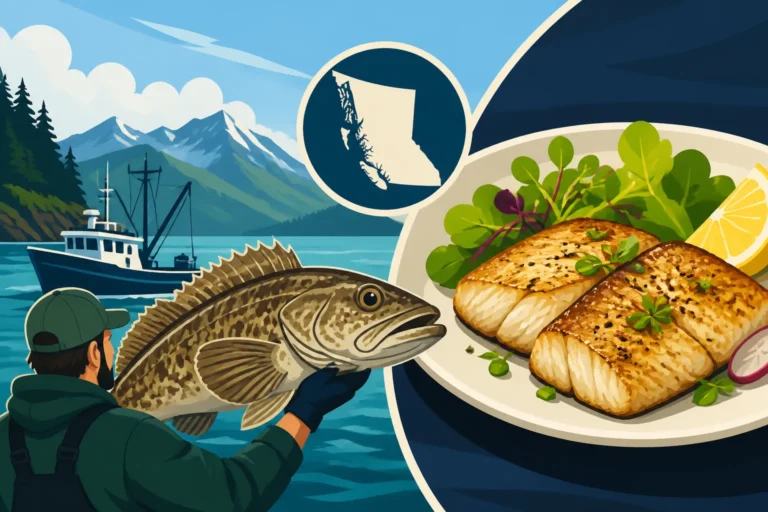
Then there's the fierce Lingcod, a predatory groundfish known for its toothy grin and aggressive strikes. Record Lingcod can push into the 50-70 pound range, and they are powerful, head-shaking fighters that make for excellent table fare. Various species of Rockfish also have their own distinct record categories. While not typically reaching the same colossal weights as halibut or lingcod, a record-class rockfish can still be a substantial catch, often exceeding 20 pounds. Other bottom dwellers like various species of Flounder and Sole also have records, typically for fish pushing into the single or low double-digit pound range, showcasing the incredible biodiversity of BC's marine ecosystems. Targeting these species often involves deep-water jigging or bait fishing, and requires sturdy tackle that can handle the often considerable depths.
Shellfish and Other Marine Records: Crab, Prawn, and Unique Catches
While often overlooked in the context of "fishing records," several shellfish species also hold provincial records, reflecting the rich bounty of BC's coastal waters. The pursuit of a record-breaking Dungeness Crab or an exceptionally large Spot Prawn involves a different kind of angling, focusing on trap placement and careful measuring. These records are usually based on size (carapace width for crab, length for prawn) rather than weight, but they are keenly contested among dedicated enthusiasts. Securing a record-sized crab or prawn often means knowing the optimal depths, tides, and baiting strategies, a true art in itself.
Beyond the traditional fish and shellfish, there are sometimes record categories for unique or less commonly targeted marine species that contribute to the overall diversity of BC's angling achievements. These might include various species of Skate, Shark (such as Sixgill or Salmon Shark, often catch-and-release), or other unusual deep-sea dwellers. These categories highlight the incredible variety of life beneath the waves in British Columbia and the diverse interests of its angling community. While less publicized, these records are just as valid and often require specialized knowledge and gear to target, demonstrating the expansive potential for discovery in BC's vast ocean playground.
Submitting Your Potential Record Fish: The Official Process
You’ve done it! You’ve landed what you believe might be a provincial record-breaking fish. The adrenaline is pumping, the excitement is palpable, but now comes the crucial part: ensuring your catch can actually be recognized. This isn't just about taking a quick photo; there's a specific, often rigorous, process to follow to get your name in the record books. Missing a single step can mean your trophy is just a great memory, not an official record.
Required Documentation and Verification
To submit a potential record, you’ll typically need a significant amount of documentation. This almost always includes clear, high-resolution photographs of the fish, often with a measuring device for length and girth. Crucially, you'll need a witness, usually another angler or someone present at the catch, who can verify the details. Their contact information and signature are often mandatory. The type of gear used – rod, reel, line class – is also usually required, as some records are split by line test (e.g., world records).
The most critical piece of documentation for weight-based records is often a certified scale. This isn't your average kitchen scale. You'll need access to a scale that has been recently calibrated and certified as accurate by a recognized authority. Often, local fishing lodges, tackle shops, or even post offices might have such scales. Using an uncertified scale is a common reason for record submissions to be rejected. It's always a good idea to research the exact requirements for the species you're targeting beforehand, so you're prepared. You can often find certified scales and measuring devices on Amazon that are suitable for serious anglers looking to document their catches meticulously.
Weighing and Measuring: Accuracy is Key
Precision is absolutely paramount when it comes to official records. For weight records, the fish must be weighed immediately, on land, and on a certified scale. Any delay can lead to weight loss due to dehydration. For length records, the fish should be laid flat, with the mouth closed and tail pinched, to get the most accurate measurement. Girth measurements are also often required, taken at the widest point of the fish. These measurements help verify the fish's size and condition.
It's not just about the numbers themselves, but how they are obtained. For example, if you’re submitting a catch-and-release record (which is becoming more common, especially for vulnerable species like sturgeon or steelhead), the measurements must be taken quickly and without harming the fish. This often involves specialized measuring mats that allow for rapid and safe documentation. The photos you submit need to clearly show these measurements being taken, and the witness can attest to the accuracy. Remember, the authorities reviewing your claim are looking for indisputable evidence, so leave no room for doubt.
Where to Submit Your Claim
The primary authority for provincial fish records in British Columbia is often overseen by provincial fisheries departments or recognized angling associations. For freshwater records, this might fall under the purview of organizations dedicated to freshwater fisheries or the provincial government's wildlife branch. For tidal records, Fisheries and Oceans Canada (DFO) or a provincial body may have oversight or acknowledge records maintained by sportfishing associations.
It’s crucial to identify the correct body for your specific record attempt. Often, these organizations will have a specific application form you need to fill out, detailing all the information mentioned above. These forms will guide you through the required fields, from the exact species and location to the method of capture and witness information. A quick online search for "BC provincial fish records submission" or checking with a reputable local tackle shop or charter operator (like those found in Best Fishing Charters in British Columbia) can typically point you in the right direction. Always double-check their official websites for the most current submission guidelines and forms.
Ethical Angling and Record Keeping: A Balanced Approach
The pursuit of a record-breaking fish is exciting, but it comes with a significant responsibility. As anglers, we are stewards of the resource, and maintaining the health of fish populations, especially those capable of reaching record sizes, should always be our top priority. Ethical angling practices are not just good sportsmanship; they are essential for the future of fishing.
Catch and Release for Giants: Sturgeon, Steelhead, and Trophy Trout
For many of British Columbia’s most iconic and largest species, particularly those that are long-lived or have vulnerable populations, strict catch-and-release practices are not just encouraged, but often legally mandated. This is especially true for White Sturgeon on the Fraser River, where the species is protected and retention is strictly prohibited. If you hook into a monster sturgeon, the focus immediately shifts to a quick fight, careful handling, rapid measurement and photography, and a healthy release. Prolonged fights, dragging the fish onto rough surfaces, or holding it improperly can cause severe stress or even death. BC Fraser River Sturgeon Catch and Release Requirement offers crucial details on this.
Similarly, Steelhead and many Trophy Trout species are often targeted as catch-and-release only, particularly in designated conservation waters. These fish are incredibly valuable for their genetics and their ability to reproduce, contributing to robust future populations. The thrill of catching a record-class steelhead is immense, but the true victory lies in watching it swim away strongly. This often means using barbless hooks, minimizing air exposure, and handling the fish gently in the water. For anglers pursuing records, this adds another layer of skill: how to quickly and accurately document a fish without causing it undue stress.
Minimizing Stress and Maximizing Survival
Every angler who pursues a record, especially one involving catch-and-release, should be well-versed in best practices for minimizing fish stress. This includes using appropriate tackle that can land the fish relatively quickly, reducing the duration of the fight. Once landed, keep the fish in the water as much as possible. If it must be removed for a quick photo, wet your hands thoroughly to protect its slime coat, support its body horizontally to prevent internal organ damage, and avoid squeezing.
For species with sharp teeth, like lingcod or some types of rockfish, consider using a net or specialized lip-gripping tools (while still supporting the fish's weight) to reduce handling time and potential injury to both you and the fish. Having your measuring tape, camera, and witness ready before the fish is landed will cut down on critical time out of the water. The goal is always to get the fish back into its environment quickly and in the best possible condition, ensuring that future generations can also pursue their own record-breaking dreams. Tools for quick measuring and photography can be found on Amazon.
Conservation Stamps and Regulations
Beyond personal ethics, adherence to all provincial and federal fishing regulations is non-negotiable, especially when pursuing trophy fish. This includes possessing the correct fishing license for the waters you're in (freshwater or tidal, resident or non-resident), and ensuring you have any necessary conservation stamps. For example, the BC Freshwater Salmon Retention Rules often require a separate Salmon Conservation Stamp if you intend to keep certain salmon species from freshwater.
Failing to have the correct stamps or licenses, or violating bag limits or closed seasons, can result in hefty fines and the loss of your catch, making any record attempt immediately invalid. BC Fishing Regulations Explained is an essential read for every angler in the province. Record hunting should always occur within the framework of responsible, legal, and ethical angling, reinforcing our commitment to the sustainability of BC's incredible fisheries.
Where to Find Official Record Information (and why it's tricky)
So, you're ready to start your journey towards a provincial record, or at least you want to know what the current benchmarks are. This is where it can get a little tricky, as there isn't always one single, perfectly centralized database for all BC provincial records across every species and every category.
Government Agencies vs. Angling Associations
Official record keeping is often a shared responsibility, or sometimes a decentralized effort. For general regulations and some information, the provincial government (often through its Ministry of Forests, Lands, Natural Resource Operations and Rural Development, or a similar department) and the federal Department of Fisheries and Oceans (DFO) are key sources. However, these government bodies primarily focus on management and regulations, not necessarily on maintaining a publicly accessible, comprehensive list of sportfishing records.
Often, the most up-to-date and organized lists of provincial records are maintained by specific angling organizations or sportfishing associations within British Columbia. These groups are often passionate about promoting angling and recognizing significant catches. They compile, verify, and publish their own record books. You might find lists maintained by provincial sportfishing federations or by local clubs specializing in certain species (like a sturgeon fishing association or a salmon fishing club). Each might have slightly different categories or historical data.
Challenges in Finding Centralized Data
The biggest frustration for aspiring record-holders is the lack of a single, easy-to-access, always-updated online portal for all provincial records. You might find outdated lists, or records that are only current up to a certain year. Sometimes, records for freshwater species are held by one organization, while tidal species records are held by another. This fragmentation means you often have to do a bit of detective work.
Think of it like piecing together a puzzle. You might check a general BC fishing website, then dig into specific species-focused forums or club pages. Some long-standing tackle shops often have unofficial lists or local knowledge of records, which can be a good starting point. This dispersed nature of information can be disheartening when you’re just trying to get a clear picture of what you’re up against, but it's part of the authentic, grassroots nature of angling history in the province.
Tips for Researching Current Records
Your best bet for finding the most current and recognized provincial records is to start with the largest, most reputable sportfishing organizations in British Columbia. Look for provincial-level federations or associations dedicated to sportfishing. These groups often have official websites that, while not always perfectly comprehensive, will at least list the major species and the current record holders.
Another excellent resource is to consult with experienced charter operators or guides who specialize in specific species. They are often intimately familiar with the record books and can tell you what the current benchmarks are for species like White Sturgeon Fishing on the Fraser River or Best Halibut Fishing Spots in BC. Local tackle shops in prime fishing regions are also goldmines of information, with staff who live and breathe fishing and often know the local records by heart. Don't be afraid to ask around – the BC angling community is often very helpful and willing to share knowledge with those who are genuinely passionate about the sport.
| Species Category | Example Species | Typical Record Weight/Size (approx.) | Primary Water Type | Key Considerations |
|---|---|---|---|---|
| Freshwater Trout | Rainbow Trout (Gerrard) | 30-40+ lbs | Deep Lakes | Legendary strain, large forage base |
| Bull Trout | 15-25 lbs | Cold Rivers/Lakes | Often catch-and-release, pristine habitat indicator | |
| Freshwater Salmon/Char | Kokanee | 5-10+ lbs | Interior Lakes | Landlocked Sockeye, strong fighters |
| Dolly Varden | 10-15+ lbs | Rivers/Lakes | Distinct from Bull Trout, often in clear waters | |
| Freshwater Giants | White Sturgeon | 500-1000+ lbs (length-based too) | Fraser River | Strictly catch-and-release, protected species |
| Tidal Salmon | Chinook Salmon | 70-80+ lbs | Ocean | Top predator, powerful fight |
| Coho Salmon | 20-30+ lbs | Ocean | Acrobatic, highly sought-after | |
| Tidal Groundfish | Pacific Halibut | 200-350+ lbs | Ocean (Deep) | Colossal size, immense strength needed |
| Lingcod | 50-70+ lbs | Ocean (Structure) | Aggressive, excellent eating |
Gear Up for the Challenge: Tools for Record Hunters
Chasing a provincial record isn't just about luck; it's about preparation. Having the right gear can make all the difference between landing that fish of a lifetime and watching it swim away with your broken line. For anglers serious about documenting potential record catches, a few specialized items are absolutely essential.
Reliable Scales and Measuring Devices
First and foremost, you need a way to accurately measure your catch. For weight-based records, a high-quality, certified scale is non-negotiable. While you might not carry a certified scale on your boat or in your tackle box, having a highly accurate digital scale that you know is reliable for field measurements is a huge advantage. Many anglers opt for a robust, waterproof digital scale that can handle large weights and is resistant to the elements. These are excellent for getting an immediate, trustworthy reading before heading to a certified scale on shore. You can find a wide range of reliable digital scales and strong fish grips, which help weigh heavy fish safely, on Amazon.
For length and girth, a good quality, non-stretch measuring tape or a specialized fish measuring mat is critical. These mats are especially useful for catch-and-release records, allowing you to lay the fish gently on a wet, soft surface for quick, accurate measurements without harming its slime coat. Ensure your measuring device is clearly marked and easy to read, as blurry photos of measurements are often rejected during the submission process. Having these tools ready to go means you can document your catch efficiently and accurately.
Specialized Rods, Reels, and Line
When you're targeting fish capable of breaking provincial records, your standard fishing setup might not cut it. You need tackle that can handle extreme stress and prolonged fights. For giant sturgeon, this means heavy-duty rods with massive backbone, paired with stout conventional reels spooled with hundreds of yards of incredibly strong braided line. These setups are designed to absorb powerful runs and lift hundreds of pounds of fish from heavy current. Best rod setup for Fraser River sturgeon is a must-read if you’re heading to the Fraser.
For powerful Chinook salmon or halibut in tidal waters, you’ll want sturdy trolling rods or robust jigging rods, matched with high-capacity reels capable of handling the deep dives and relentless pulling power of these species. The choice of line is equally important; many record anglers opt for high-visibility braided lines with fluorocarbon leaders for maximum strength and abrasion resistance. Remember, a record-sized fish will test your gear to its absolute limits, so investing in quality, appropriately rated equipment is crucial. Don't skimp on line, knots, or terminal tackle; one weak link can spell disaster.
Photography Equipment for Documentation
Clear, compelling photographs are a crucial part of any record submission. These photos serve as visual evidence, corroborating your measurements and the overall condition of the fish. You don't need professional photography equipment, but a good quality smartphone camera or a waterproof digital camera is highly recommended. Make sure your camera has enough battery life and storage space for multiple shots.
When taking photos, focus on clarity and detail. Capture the fish from multiple angles, showing its full length, the measurement being taken, and any distinguishing features. Include a photo with your witness. If it’s a catch-and-release record, ensure the photos show the fish being handled respectfully and, ideally, in the water. Remember, these images are your primary evidence; the clearer and more detailed they are, the stronger your record claim will be. Practice taking quick, clear photos of your catches even before you hook a record, so you're ready when that truly monumental fish comes along.
Conclusion: The Thrill of the Chase
The pursuit of a British Columbia provincial fish record is more than just about catching the biggest fish; it’s about a deep appreciation for the incredible natural resources we have, a commitment to ethical angling, and the thrill of pushing your own limits. Whether you’re dreaming of a monstrous Fraser River sturgeon, a legendary Kootenay Lake rainbow, or a barn-door halibut from the Pacific, the journey is filled with anticipation, challenge, and unforgettable moments.
Understanding the records, preparing your gear, and knowing the submission process are all vital steps. But perhaps most importantly, remember that every cast, every retrieve, and every fish landed contributes to your own angling story. May your lines be tight, your spirits high, and your next catch be one for the record books!
Disclaimer
This article is for general informational purposes only and does not constitute professional advice. Laws, prices and regulations vary by location and change over time. Consult a qualified professional for guidance on your specific situation.