How long white sturgeon live
It's a common question, and often a surprising one: just how long can a white sturgeon live? These ancient giants of British Columbia's waters are truly incredible, and their lifespan is a testament to their resilience, assuming they survive the challenges modern life throws their way. Many anglers are simply astounded when they learn about the potential longevity of these magnificent fish, often picturing a much shorter existence for any freshwater inhabitant. This guide is dedicated to unraveling the mystery behind the white sturgeon's remarkable lifespan, exploring the factors that contribute to it, and highlighting why their continued existence is so vital to our ecosystems.
The Astonishing Longevity of BC's White Sturgeon
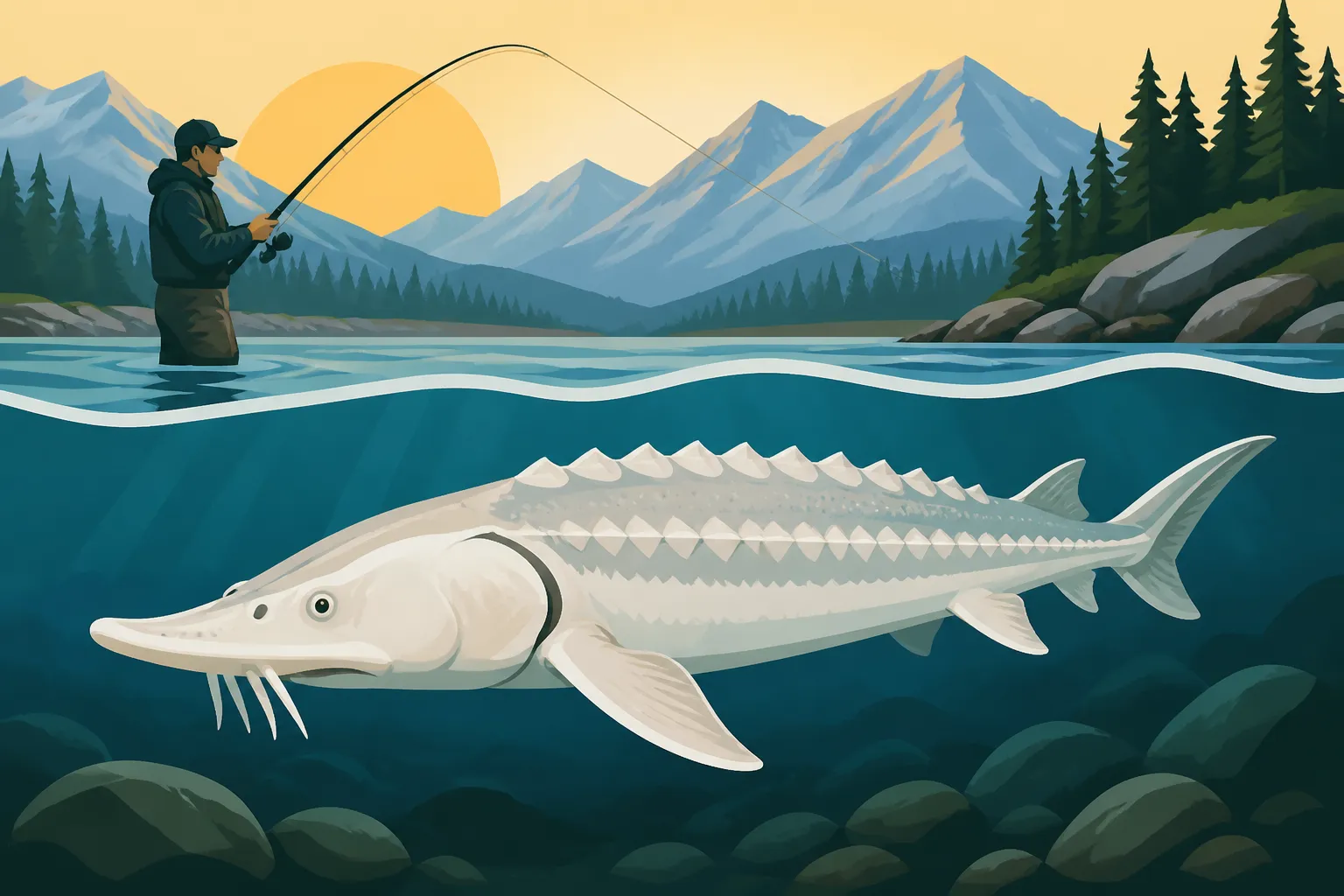
When you think about freshwater fish, you might imagine species that live for a few years, maybe a decade or two if they're lucky. But white sturgeon? They shatter those expectations entirely. These magnificent creatures are often referred to as living fossils, and for good reason – their lineage dates back millions of years. This ancient heritage is reflected not just in their primordial appearance, but also in their incredibly long lifespans, which can span well over a century.
Imagine a fish that was swimming in the Fraser River before your grandparents were born, perhaps even before your great-grandparents! That's the kind of timeline we're talking about with some of the larger, older white sturgeon in British Columbia. It's a truly humbling thought to consider the history these fish have witnessed, silently moving through the same rivers and lakes for generations. This extended lifespan is a critical biological trait that sets them apart from most other fish species you'll encounter in BC. It means they grow slowly, mature late, and continue to grow throughout their lives, making every large sturgeon a truly venerable individual. When you're out on the water, whether you're trying your hand at White Sturgeon Fishing on the Fraser River or just observing, there's a profound sense of connection to history.
One of the most remarkable aspects of their longevity is how long it takes for them to reach sexual maturity. Unlike many fish that reproduce within their first few years, male white sturgeon typically don't mature until they're around 10-15 years old, and females often take even longer, sometimes not spawning until they're 18-20 years old or even older. This delayed maturity means that each spawning event is incredibly precious, as it represents a significant investment of time and energy from a long-lived individual. The idea of a fish living past 100 years isn't just a fun fact; it fundamentally shapes how we must approach their conservation and management.
Key Factors Shaping a Sturgeon's Life Journey
A white sturgeon's life, while potentially very long, is certainly not without its challenges. Just like any living creature, their longevity is deeply influenced by a combination of environmental conditions, food availability, and human interaction. Understanding these factors helps us appreciate the delicate balance that allows these giants to thrive for so many decades.
Habitat Quality and Food Availability
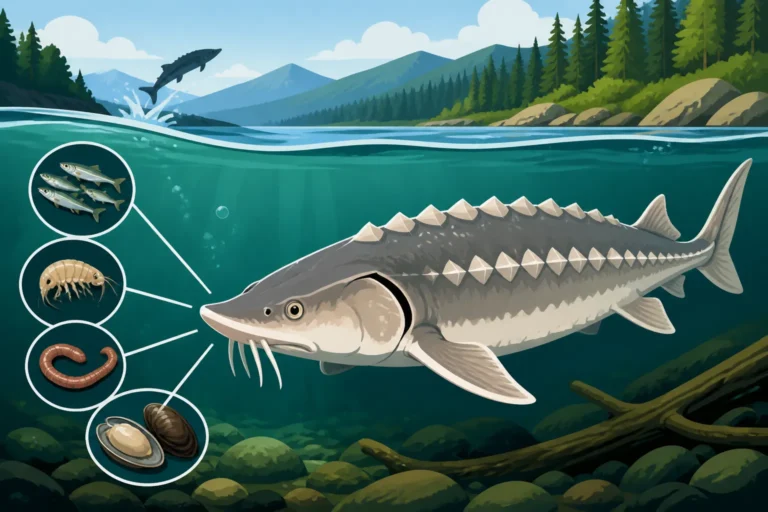
Think about where these fish live: the vast, powerful rivers like the Fraser, or large, deep lakes. The health of these ecosystems is paramount. Clean water, with appropriate flow and temperature, is essential. Pollution, even in trace amounts over decades, can take a toll. A healthy river system supports a robust food web, which in turn provides the necessary sustenance for sturgeon. Young sturgeon feed on insects, crustaceans, and smaller fish, while adults are opportunistic bottom-feeders, consuming whatever is available, including salmon carcasses, eulachon, and lamprey. Abundant food sources, especially those rich in protein and fat, contribute to strong growth and overall health, which are crucial for a long life. If food is scarce, sturgeon might grow slower, mature later, and be more susceptible to disease, potentially shortening their lifespan. Knowing What white sturgeon eat in the Fraser River helps us understand their place in the ecosystem.
For instance, consider the mighty Fraser River. Its sheer size and the annual salmon runs it supports are critical. When salmon return in vast numbers, their carcasses provide a huge food boost for sturgeon, especially in the fall. These periods of abundance allow sturgeon to build up fat reserves, essential for surviving leaner times and supporting their incredibly slow but steady growth. Conversely, disruptions to salmon runs or overall river health can have ripple effects throughout the ecosystem, impacting the sturgeon's ability to forage effectively and maintain peak condition. Finding Best sturgeon spots on the Lower Fraser River often correlates with areas of good food supply and suitable habitat structure.
Predation and Natural Threats
While juvenile sturgeon can fall prey to larger fish, birds, or even otters, adult white sturgeon have very few natural predators due to their immense size and tough, bony plates (scutes). Once a sturgeon reaches a significant size, say over six feet, it effectively becomes an apex predator in its freshwater environment. This lack of significant natural predation in adulthood is a major contributor to their potential for extreme longevity. Their main threat, really, comes from environmental changes or, unfortunately, human impact.
However, even without direct predators, other natural events can be a threat. Extreme weather events, such as prolonged droughts that lower water levels, or severe floods that drastically alter river channels, can stress sturgeon populations. Disease outbreaks, while rare in healthy populations, can also impact vulnerable individuals. Generally, though, if a sturgeon can navigate the perils of its early life, its chances of a long existence improve dramatically, assuming its habitat remains stable and healthy.
Human Interaction and Conservation Efforts
This is where we, as anglers and stewards of the environment, play a monumental role. Historically, white sturgeon populations faced severe declines due to overfishing for their meat and roe (caviar). Thankfully, strict conservation measures are now in place in British Columbia, making white sturgeon a protected species. They are almost exclusively managed as a catch-and-release fishery. This means that if you hook one, you must release it carefully and quickly, minimizing stress. Is It Legal to Release a Sturgeon You Catch in BC? Absolutely, and it's mandatory! These regulations are crucial for allowing these fish to live out their natural lifespans and contribute to future generations.
The quality of catch-and-release practices directly impacts their survival post-release. Using appropriate gear, minimizing fight time, and handling the fish with care (especially keeping them in the water as much as possible) are vital. Guides on the Fraser River, like those you might find listed under Best Sturgeon Guides on the Fraser River, are often experts in these techniques, ensuring the sturgeon has the best chance of survival. Improper handling or prolonged stress can lead to delayed mortality, even if the fish swims away initially. This is why resources like Sturgeon catch and release survival tips are so important for every angler to review. Without these dedicated efforts, the incredible longevity of white sturgeon would be a relic of the past rather than a present reality.
The Science of Sturgeon Aging: How Do We Know Their Age?
It's one thing to say sturgeon live a long time; it's another to prove it. Since they don't exactly carry birth certificates, scientists have developed ingenious methods to estimate their age. This isn't a simple task, and it often involves a combination of techniques, careful observation, and long-term studies.
Reading the Rings: Fin Ray Analysis
One of the primary methods for aging white sturgeon is by analyzing cross-sections of their fin rays, specifically the pectoral fin ray. Similar to tree rings, sturgeon lay down annual growth rings (annuli) in these bony structures. When a fin ray is removed (a safe and non-lethal procedure performed by trained professionals), cut into thin sections, and examined under a microscope, these rings become visible. Each ring typically represents a year of growth.
The process sounds straightforward, but it requires expertise. The rings can be challenging to distinguish, especially in older, slower-growing fish, or if there have been periods of stress. Scientists compare multiple sections and use specialized equipment to get the most accurate estimate. This method has allowed researchers to confirm the remarkable ages of many sturgeon, with some individuals showing well over 100 annuli. Imagine the stories those rings could tell if they could speak! It's through this kind of diligent scientific work that we've come to understand that Life span of a white sturgeon in the wild extends far beyond what we might expect from most fish.
Tagging and Recapture Programs
Another vital component in understanding sturgeon longevity, growth rates, and movement patterns is long-term tagging and recapture programs. Scientists and conservation groups like the Fraser River Sturgeon Conservation Society implant small, individually coded tags (often passive integrated transponder, or PIT tags) into sturgeon. When a tagged fish is recaptured, its size, weight, and tag number are recorded. Over decades, this data provides a continuous growth record for individual fish.
By knowing when a fish was first tagged and its size at that time, and then tracking its subsequent recaptures over many years, researchers can precisely calculate growth rates and, for fish tagged as juveniles, their minimum age. These programs also help estimate population sizes and movement patterns, offering critical insights into the overall health and dynamics of the sturgeon population. A combination of fin ray analysis and long-term tagging gives scientists the most robust data for understanding these incredible fish. These programs are essential in determining just How big white sturgeon get in the Fraser River and how long it takes them to reach those impressive sizes.
The Life Stages of a White Sturgeon
Understanding the lifespan of a white sturgeon also means appreciating its different life stages and how they contribute to its overall journey. From a tiny egg to a massive, ancient fish, each phase presents unique challenges and growth opportunities.
Early Life: Eggs and Juveniles
The life of a white sturgeon begins as a small, adhesive egg, typically laid in fast-moving water over gravel bottoms. Spawning usually occurs in the spring or early summer, and the eggs hatch into larvae within a week or two. These tiny larvae drift downstream, seeking calmer waters where they can begin to feed and grow. This is arguably the most vulnerable stage of a sturgeon's life, with high mortality rates due to predation, habitat disturbance, and environmental factors.
Juvenile sturgeon, ranging from a few inches to a few feet, spend their early years in river systems, gradually moving into larger mainstem areas as they grow. During this time, they're constantly foraging, trying to pack on size to reduce their vulnerability. Their growth is relatively slow compared to many other fish. A juvenile sturgeon might take 5-7 years to reach a length of 3-4 feet. This slow start to life means that every year counts, and a healthy, stable environment is crucial for them to survive into adulthood.
Adulthood: Growth and Reproduction
Once white sturgeon reach sexual maturity (typically around 10-15 years for males and 18-20+ years for females), they begin to participate in the annual spawning cycle. Interestingly, sturgeon don't spawn every year. Females, especially, might spawn only every 3-5 years, or even less frequently for very large, old individuals. This intermittent spawning is another adaptation linked to their long lifespan and the high energy demands of reproduction.
Throughout their adult lives, white sturgeon continue to grow, albeit at a decreasing rate. A 30-year-old sturgeon will be significantly larger than a 15-year-old, but the growth increment between 80 and 90 years might be much smaller. This continuous growth, combined with their longevity, is how some individuals achieve truly colossal sizes, weighing hundreds of pounds and stretching over ten feet long. The largest on record can be absolutely enormous, a real trophy fish. These are the fish that contribute to the impressive data on BC record white sturgeon weight and length.
| Age Category | Estimated Lifespan Range | Key Characteristics | Conservation Significance |
|---|---|---|---|
| Juvenile | 0-10 years | Fast growth for survival, highly vulnerable to predation and habitat changes. Not yet sexually mature. | Need protected nursery habitats and clean water for recruitment. |
| Adolescent | 10-20 years | Reaching sexual maturity, continued steady growth. Males mature earlier than females. | Critical phase for ensuring future spawning populations. |
| Adult | 20-50 years | Regular, but intermittent, spawning. Consistent growth. Less vulnerable to predation due to size. | Active breeders, contributing significantly to population numbers. |
| Mature/Old | 50-100+ years | Very large individuals, slow growth rate, potentially less frequent spawning. Often show signs of age (e.g., worn scutes). | Valued for genetic diversity and their role as "trophy" fish, inspiring conservation efforts. |
Protecting Tomorrow's Giants: Conservation and Lifespan
The remarkable longevity of white sturgeon means that conservation efforts have an incredibly long-term horizon. We're not just protecting fish for next year's season; we're safeguarding a species that can live for generations, a true legacy for future anglers and wildlife enthusiasts.
The Importance of Catch and Release
Because of their slow growth, late maturity, and long lifespans, every individual white sturgeon is incredibly valuable to the population. Removing even a few large, mature breeding fish could have significant long-term impacts on the species' ability to reproduce and thrive. This is why the mandatory catch-and-release policy in British Columbia is so critical. It allows anglers to experience the thrill of catching these magnificent fish without compromising the population's future.
When you're out there, remember that handling a sturgeon properly isn't just a guideline; it's a vital act of conservation. Using barbless hooks, minimizing air exposure, and supporting the fish's body properly during a quick photo are all essential steps. If you're unsure about the best practices, consider booking a trip with an experienced guide or doing some research on Sturgeon catch and release survival tips. They can demonstrate how to minimize stress on the fish, ensuring it swims away healthy and ready to continue its long life journey. Many reputable guides even carry nets, scales, and measurement boards that can be easily purchased on platforms like Amazon, designed for minimal fish contact.
Habitat Preservation and Restoration
Beyond catch and release, protecting and restoring the sturgeon's habitat is fundamental to ensuring their long lives. This includes maintaining water quality, managing river flows, and preventing habitat degradation caused by development, pollution, or poor land use practices. Organizations work tirelessly to monitor water quality, protect critical spawning grounds, and restore riparian zones that support the entire aquatic ecosystem.
Consider the cumulative impact of various factors: a small increase in river temperature, a slight reduction in water flow, or minor changes in the riverbed. Over a century, these seemingly small issues can significantly impact a sturgeon's ability to forage, find suitable spawning areas, or simply survive. Protecting these environments means not just saving the sturgeon but preserving a vital part of BC's natural heritage. Many anglers invest in waterproof gear or portable cameras, easily found on Amazon, to document their trips and advocate for these pristine environments.
Research and Monitoring
Ongoing research and monitoring programs, like those utilizing fin ray analysis and tagging programs mentioned earlier, are the backbone of effective sturgeon conservation. These programs provide scientists and wildlife managers with the data needed to understand population trends, growth rates, health indicators, and the effectiveness of current regulations. Without this scientific foundation, conservation efforts would largely be guesswork.
By continually studying white sturgeon, researchers can identify emerging threats, adapt management strategies, and gain deeper insights into the complex lives of these ancient fish. This commitment to long-term study mirrors the long-term commitment required to protect a species that can outlive us all. Whether you're a seasoned angler or a curious newcomer, understanding White Sturgeon Habits on the Fraser River is a great first step towards appreciating these incredible creatures and supporting their continued existence. Even simple tools like a good pair of binoculars or a waterproof field guide, available on Amazon, can help you observe and understand the natural world around you on the river.
In conclusion, the white sturgeon's longevity is a marvel of the natural world, a testament to its resilience and the health of the ecosystems it inhabits. By respecting these ancient fish and actively participating in their conservation, we ensure that they will continue to swim in British Columbia's waters for many more centuries to come.
Disclaimer
This article is for general informational purposes only and does not constitute professional advice. Laws, prices and regulations vary by location and change over time. Consult a qualified professional for guidance on your specific situation.