Common carp size and habits in BC lakes
If you've spent any time fishing in British Columbia, especially in some of our larger, warmer interior lakes or slower river systems, you've probably heard hushed conversations or even outright groans about common carp. Often seen as a nuisance, an invasive species, or simply a "trash fish," carp in BC often get a raw deal. But for those willing to look past the stereotypes, these powerful, intelligent fish offer a unique and challenging angling experience. This guide aims to shed light on the common carp in BC lakes, diving into their characteristics, habits, and why they might just deserve a second look from the discerning angler.
Understanding Common Carp in BC Lakes
For many years, common carp have been viewed with disdain by a segment of the angling community. They're not the majestic salmon or the acrobatic steelhead, nor are they the prized trout of our clear mountain lakes. This perception often leads to a lack of understanding about these fascinating fish, and sometimes, even active discouragement of targeting them. Let's peel back the layers and understand why these perceptions exist and what the reality truly is.
Dispelling Misconceptions: Why Carp Get a Bad Rap
The common carp (Cyprinus carpio) originated in Asia and Eastern Europe and was introduced to North America centuries ago, often for aquaculture or as a sport fish. The problem is, they are incredibly adaptable, prolific breeders, and can thrive in a wide range of water conditions, including those that might be less hospitable to native species. This adaptability, combined with their bottom-feeding habits, led to the misconception that they "muddy" waters or destroy aquatic vegetation, impacting habitats for other fish. While they can indeed stir up sediment when rooting for food, this impact is often exaggerated, especially in larger, diverse ecosystems.
Another common complaint is that carp compete with native species for food resources. While competition for food is a natural part of any ecosystem, the diets of carp often overlap with native species only minimally, as carp are primarily omnivorous scavengers. They’ll eat insects, crustaceans, plant matter, and detritus that many sport fish aren't interested in. The truth is, many of the challenges facing native fish populations in BC are far more complex, stemming from habitat loss, pollution, and other invasive species, rather than solely the presence of carp. Dismissing carp as "trash fish" overlooks their unique angling qualities and their role in the ecosystem.
Identifying the Common Carp: What to Look For
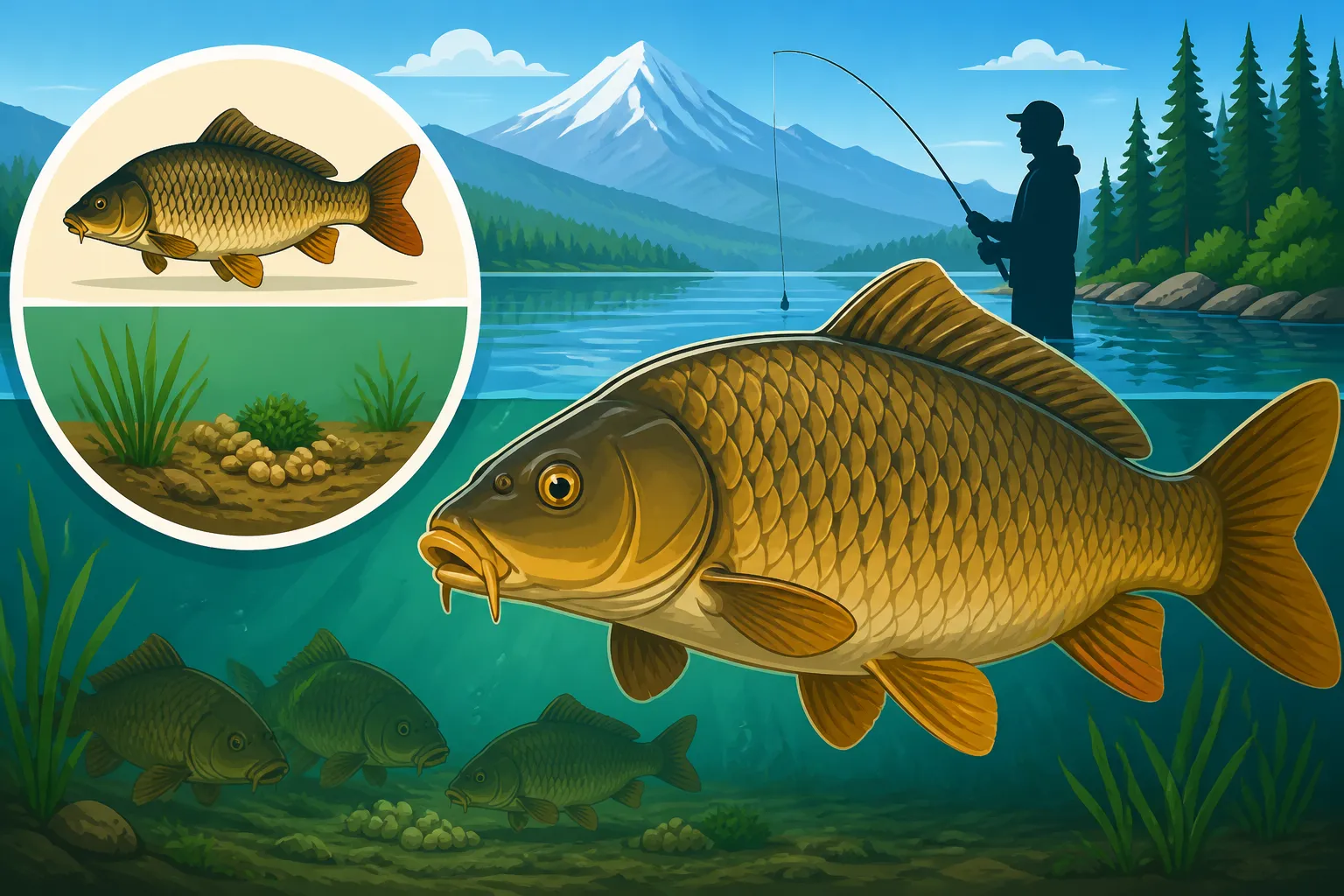
So, what does a common carp actually look like? They are a robust, large-bodied fish with a distinctive appearance. Their bodies are typically deep and laterally compressed, meaning they are tall but relatively thin from side to side. The most recognizable feature is often their mouth: it's protrusible and has two pairs of barbels, which are whisker-like sensory organs used for foraging along the bottom. You won't see these barbels on a trout or a salmon, making identification quite straightforward.
Their coloration can vary quite a bit depending on their habitat and diet, but generally, they range from olive green or brownish on the back, fading to golden bronze or yellowish on the sides, and a paler white or cream on the belly. Their scales are large and prominent, often giving them a "armored" appearance. While most anglers encounter what's known as the "scaled carp" which has full body scales, you might also occasionally hear of "mirror carp" (with very large, irregular scales) or "leather carp" (which are virtually scaleless). These variations are less common in BC but do exist within populations that have been introduced. Trout Species Identification Guide for BC can help you differentiate them from other common freshwater species.
Where Do Common Carp Live and How Big Do They Get?
Carp are not found in every lake in British Columbia, but where they do establish themselves, they tend to thrive. Understanding their preferred habitats and growth potential is key to finding and appreciating these freshwater giants. They are, in many ways, an unheralded heavyweight of BC's aquatic environments, offering surprising opportunities for those willing to venture out.
Preferred Habitats in British Columbia
In British Columbia, common carp tend to favour warmer, slower-moving waters. You'll primarily find them in the larger, shallower lakes of the interior, particularly those in the Okanagan and Fraser Valley regions. Lakes like Osoyoos Lake, for example, are well-known carp strongholds. They also do incredibly well in the lower reaches of major river systems, especially the Fraser River and its associated sloughs and backwaters, where currents are gentler and the water often holds more nutrients and detritus. Lower Fraser River Sturgeon Fishing is an area where carp also often reside, though they share the waters with a much larger, more famous resident.
Their ideal habitat typically includes abundant aquatic vegetation, which provides both cover and a source of food, and soft, muddy bottoms where they can root for insects, worms, and plant matter. They tolerate a wide range of water quality conditions, including lower oxygen levels and higher turbidity, which can sometimes give them an advantage over more sensitive native fish. This adaptability is precisely why they're so successful and why once they've established a population, they are incredibly difficult to remove. Don't expect to find them in pristine, cold, high-elevation alpine lakes; they are much more at home in the warmer, nutrient-rich environments.
The Impressive Size and Growth of BC Carp
One of the most appealing aspects of common carp for dedicated anglers is their potential for impressive size and fighting power. These fish can grow surprisingly large in BC's nutrient-rich waters. While average catches might be in the 5 to 15-pound range, it's not uncommon to hook carp weighing 20, 30, or even 40 pounds in some of our larger systems. Trophy carp over 50 pounds are certainly possible, and there are tales of even larger specimens, though catching one takes skill, patience, and often a bit of luck.
Their growth rate depends heavily on factors like food availability, water temperature, and genetic strain. In favourable conditions, they can grow quite quickly. This robust growth means that even in waters where they are plentiful, you're always in with a chance of hooking a truly massive fish. The British Columbia fishing scene has many giants, and the carp definitely hold their own in that category, offering a unique challenge for those seeking a true tug-of-war. BC Provincial Fish Records by Species might surprise you with some of the documented sizes of these powerful fish.
Here's a quick overview of common carp characteristics:
| Feature | Description |
|---|---|
| Average Size | 5-15 lbs |
| Trophy Potential | 30-50+ lbs |
| Lifespan | 15-20 years (can exceed 40 in optimal conditions) |
| Diet | Omnivorous: insects, crustaceans, plant matter, detritus |
| Habitat | Warm, slow, shallow waters; muddy bottoms; abundant vegetation |
| Distinguishing Marks | Large scales, two pairs of barbels around the mouth, protrusible mouth |
The Habits of Common Carp: What Makes Them Tick
Understanding the habits of common carp is crucial for successful angling. They aren't simply random swimmers; their movements and feeding patterns are dictated by seasons, water conditions, and their biological needs. By learning about their diet, spawning, and seasonal behaviour, you can significantly improve your chances of finding and catching these often-underestimated fish.
Diet and Foraging Behaviour
Common carp are opportunistic omnivores with a highly varied diet. This adaptability in their eating habits is one of the reasons they can thrive in so many different environments. Their protrusible, toothless mouth is perfectly designed for sucking up food items from the bottom or sifting through mud and detritus. They don't typically chase down fast-moving prey like a trout or a salmon might; instead, they slowly cruise along, "hoovering" up whatever edible morsels they discover.
Their diet primarily consists of aquatic insects and their larvae (like chironomids, caddisflies, and mayflies), small crustaceans (such as scuds and water fleas), worms, snails, and various plant materials. They will also readily consume seeds, berries, and other organic matter that falls into the water. This broad menu makes them a fantastic target for bait fishing, as they aren't overly picky if the offering presents itself naturally. Anglers often find success using corn, bread, dough balls, and even specialized carp baits available on Amazon.
Spawning Habits and Reproduction
Carp are incredibly prolific, which is another reason their populations can explode in suitable habitats. Spawning typically occurs in late spring to early summer when water temperatures consistently reach the 18-20°C (64-68°F) range. This usually happens from May through July in most of BC's carp-holding waters. They prefer shallow, heavily vegetated areas for spawning, often in flooded fields, marshy areas, or dense weed beds along the shoreline.
During spawning, multiple males will chase a female, often creating quite a commotion in the shallows. The female releases tens of thousands, sometimes even millions, of small, adhesive eggs that stick to aquatic vegetation and submerged debris. The males then fertilize these eggs. There's no parental care after spawning, but the sheer number of eggs laid, combined with the hardiness of the fry, ensures a high survival rate. This rapid reproductive cycle means that carp can quickly repopulate an area or expand their range, making them a force to be reckoned with in any ecosystem they inhabit.
Seasonal Movements and Activity
Carp activity is heavily influenced by water temperature and food availability. In the warmer months, from late spring through early fall, carp are generally most active. They'll be found foraging in shallower areas, cruising weed lines, and exploring flats where food is abundant. This is often the best time to target them, as they are actively feeding and more visible. You might even see their backs or tails breaking the surface as they root around in the mud.
As water temperatures cool in the late fall and winter, carp become much less active. They'll typically move to deeper water, often congregating in large schools in thermal refuges or deep pockets of lakes and rivers. Their metabolism slows down, and their feeding becomes much more sporadic. While it's still possible to catch them in winter, it requires a much more patient approach and often more specialized techniques for targeting deep-holding, less active fish. Understanding these seasonal shifts in Best Time of Year to Fish in BC is crucial for effective carp angling.
Fishing for Common Carp in BC: A Unique Challenge
If you've never tried targeting carp, you might be surprised by the intensity of the fight they offer. They are powerful, stubborn fish that will test your gear and your angling skills. Beyond the fight, there's a certain satisfaction in outsmarting a fish that many overlook. Fishing for carp is an art form, demanding patience, stealth, and an understanding of their unique behaviours.
Why Target Carp? The Angler's Perspective
For many, carp fishing in BC offers a fantastic alternative to the more traditional salmon or trout pursuits. First and foremost, the fight is incredible. Pound for pound, a large carp can pull harder and longer than many other freshwater species. They are strong, determined fighters that often make long, powerful runs, testing the drag on your reel and the strength of your rod. If you're looking for a serious battle, a big carp will deliver.
Secondly, they are often readily accessible. While specific spots might require some searching, carp are present in many of BC's public lakes and rivers where other species might be more elusive or heavily pressured. This accessibility makes them a great target for bank anglers or those without boats. Finally, it's a unique challenge. Successful carp fishing requires observation, subtle bait presentation, and a keen understanding of their feeding patterns. It's a chance to refine your skills and connect with a fish that demands respect. You don't need a boat or fancy electronics to get started; often, a comfortable chair, a good rod, and some patience are all you need.
Essential Gear and Techniques
Carp fishing doesn't require ultra-specialized gear, but a few considerations will definitely increase your success and enjoyment. You'll want a medium-heavy to heavy action spinning or baitcasting rod, typically 7 to 10 feet long, paired with a reliable reel spooled with 10-20 pound monofilament or braided line. The longer rod helps with casting distance and absorbing the shock of powerful runs. Amazon is a great place to find affordable yet durable setups perfect for carp.
When it comes to techniques, bottom fishing is almost always the way to go. A simple paternoster rig or hair rig, with a lead weight to hold your bait on the bottom, is highly effective. Baits like sweet corn (canned or frozen), bread balls, dough baits, or even specialized boilies are proven carp attractants. Look for areas with soft bottoms, weed lines, or subtle drop-offs in warmer, shallower water. Cast your bait out, let it settle, and then wait patiently. Carp bites can range from subtle taps to aggressive rod-bending runs. When you do get a bite, be ready for a fight – they're not called "river pigs" for nothing! How to Catch Rainbow Trout in BC Lakes techniques might differ significantly, showing the versatility of angling in BC.
Responsible Carp Handling and Conservation
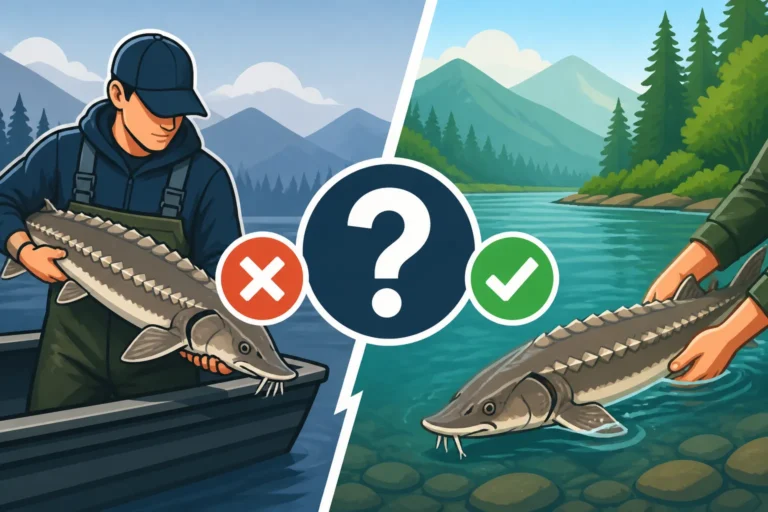
While common carp are often not a native species and are plentiful, responsible angling practices are still important. If you plan to release the fish (which is common, as many anglers don't keep carp for consumption), ensure you handle them with care. Use a large, soft landing net to avoid injury, and try to keep the fish in the water as much as possible, especially if you plan on taking a quick photo. Minimize their time out of the water, and support their body properly when lifting them.
If you're fishing in a designated catch-and-release area or if the fish is too large to safely handle or transport, ensure it's released quickly and gently. Some areas might even encourage the removal of carp due to perceived ecological impacts, but always check local regulations and advisories before deciding to keep or dispatch any fish. In many cases, the greatest conservation effort for carp is simply to enjoy the fight and then return them to the water, unharmed, to continue challenging other anglers.
Disclaimer
This article is for general informational purposes only and does not constitute professional advice. Laws, prices and regulations vary by location and change over time. Consult a qualified professional for guidance on your specific situation.