How big white sturgeon get in the Fraser River
One of the most thrilling and humbling experiences an angler can have in British Columbia is encountering a white sturgeon on the Fraser River. These ancient leviathans can truly defy belief with their sheer size, leading many to wonder just how big these magnificent fish actually get. It's a valid question, because while you might have heard stories, seeing one up close is an entirely different matter. This guide will dive deep into the incredible growth potential of the Fraser River white sturgeon, exploring what contributes to their monumental size and what anglers can realistically expect to encounter.
The Awe-Inspiring Growth of Fraser River White Sturgeon
When you talk about white sturgeon in the Fraser River, you're not just talking about big fish; you're talking about living dinosaurs. These creatures can grow to sizes that most freshwater fish simply can't compete with, making them a true marvel of the natural world. It's easy to get caught up in the legends, but let's break down the reality of their incredible growth and what contributes to their monumental stature.
Record-Breaking Giants and Legendary Catches
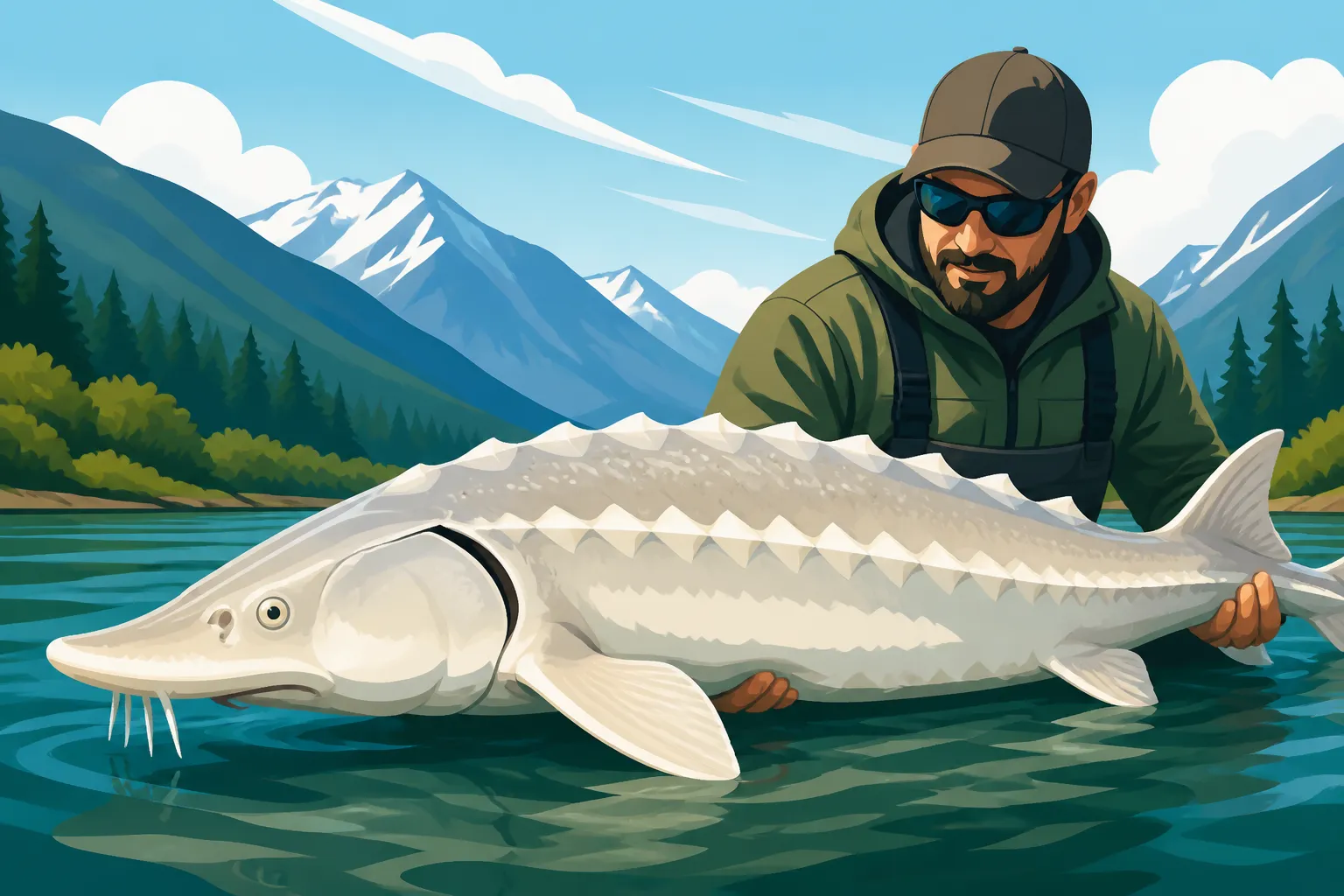
The Fraser River is renowned for producing some of the largest white sturgeon ever recorded, and the stories from guides and anglers are the stuff of legend. While official records can be tricky with a species that is primarily catch-and-release, there are well-documented instances of sturgeon stretching over 12 feet in length and weighing well over 1,000 pounds. Imagine reeling in something that could easily outweigh a grizzly bear – it's an experience that leaves an indelible mark. These truly colossal fish are often many decades, if not a century, old, having survived countless floods, lean years, and changing river conditions. They are the elders of the river, living testament to the resilience of nature and the success of dedicated conservation efforts. When one of these giants is hooked, it's not just a fishing trip; it's a profound connection to history and the wild. Many anglers specifically seek out these monsters, understanding that it's a once-in-a-lifetime opportunity. You can read more about some of these incredible catches in BC record white sturgeon weight and length.
What Anglers Can Realistically Expect to Encounter
While the thought of a 12-foot sturgeon is exciting, it's important to set realistic expectations for your fishing trip. The vast majority of white sturgeon you'll encounter on the Fraser River will be smaller, though "smaller" in sturgeon terms still means a very impressive fish! Most anglers will regularly hook sturgeon ranging from 3 to 7 feet in length. These are often referred to as "shakers" or "jumpers" by experienced guides because of their spirited fights and acrobatic displays. Even a 5-foot sturgeon can be over 100 pounds, providing an incredible battle that tests your strength and tackle.
Larger fish, in the 8 to 10-foot range, are caught with less frequency but are certainly present and actively targeted. These are the true "trophy" fish for many, requiring significant effort, skill, and sometimes, a little bit of luck. Remember, these fish are long-lived and grow slowly, so even a 6-foot sturgeon could be 20-30 years old. The experience of reeling in a 60-pound fish that jumps multiple times is still phenomenal, and those are the kinds of fish you'll likely encounter more often, especially in popular stretches like those detailed in Best sturgeon spots on the Lower Fraser River.
Factors Influencing Sturgeon Size
Several factors contribute to why white sturgeon in the Fraser River can reach such astounding sizes. It's a delicate balance of environment, genetics, and time.
First and foremost is the incredible abundance of food. The Fraser River is one of the most productive salmon rivers in the world, hosting massive runs of sockeye, chinook, coho, pink, and chum salmon. These salmon, especially after they spawn and die, provide a protein-rich feast for sturgeon. Beyond salmon, the river is also rich in eulachon (a small, oily fish that spawns in huge numbers), lamprey, and a variety of coarse fish and invertebrates. This consistent and plentiful food supply allows sturgeon to grow steadily throughout their long lives. A healthy diet is crucial for supporting such massive bodies.
Secondly, the sheer size and health of the Fraser River ecosystem itself play a critical role. The river provides vast stretches of diverse habitat, from deep, slow-moving pools to faster currents and gravel bars, offering ideal conditions for sturgeon at all life stages. The long, relatively undisturbed stretches of the river allow these fish to mature without excessive human pressure, which is vital for slow-growing, long-lived species. You can find out more about what they feed on in What white sturgeon eat in the Fraser River.
Finally, robust conservation efforts have been instrumental. After facing severe declines in the late 19th and early 20th centuries due to overfishing for their meat and roe, strict catch-and-release regulations and monitoring programs have allowed the population to rebound significantly. This means more sturgeon are surviving to old age and reaching their full growth potential. Without these measures, the giants we see today might be a thing of the past.
The Fraser River's Ecosystem: A Sturgeon's Paradise
The Fraser River isn't just a river; it's a lifeblood, a complex and thriving ecosystem that provides the perfect environment for white sturgeon to grow to incredible sizes. It's like a five-star resort for these ancient fish, offering everything they need to flourish.
A Rich and Abundant Food Web
The diversity and quantity of food sources in the Fraser River are simply astounding, making it a veritable buffet for white sturgeon. Unlike many other large freshwater fish that might have boom-and-bust cycles with their food supply, the Fraser offers a continuous and varied diet.
The annual salmon runs are, without a doubt, the cornerstone of this abundance. Imagine millions of salmon, from the mighty Chinook to the abundant Sockeye, making their epic journey upriver. Once these salmon spawn and die, their carcasses become an invaluable energy source, drifting downstream and settling in the deep pools and eddies where sturgeon often lie. This is a massive pulse of nutrients that sustains the sturgeon through much of the year. Beyond salmon, tiny, silvery eulachon, also known as "candlefish," migrate into the Fraser in vast numbers during the spring. These small, oily fish are incredibly rich in fat and protein, providing another critical food source. Sturgeon also feed on other native fish species, such as suckers and various coarse fish, as well as crayfish and other benthic invertebrates. This varied diet, available almost year-round, allows sturgeon to pack on the pounds and grow consistently over their exceptionally long lives. This natural bounty is truly what sets the Fraser apart as a world-class sturgeon fishery.
The Importance of Conservation and Habitat
The health of the Fraser River's sturgeon population today is a direct result of decades of tireless conservation work. It wasn't always this way. In the late 1800s and early 1900s, commercial fishing for sturgeon, primarily for their valuable roe (caviar) and meat, decimated populations. Thankfully, early conservationists recognized the perilous decline, and measures were put in place.
Today, white sturgeon fishing on the Fraser River is strictly catch-and-release. This means every sturgeon caught must be carefully handled, measured, and released back into the water unharmed. Anglers are typically required to use specific gear, like single, barbless hooks, to minimize harm. Guides are also highly trained in proper sturgeon handling techniques, ensuring these powerful fish are supported correctly during photography and revived before release. Many dedicated organizations, working in partnership with the government, actively monitor sturgeon populations, conduct tagging programs, and advocate for habitat protection. This continuous effort to safeguard their spawning grounds, migratory routes, and feeding areas is absolutely critical. Without these ongoing initiatives, and the diligent practice of catch-and-release, the opportunity to encounter a giant Fraser River sturgeon would likely cease to exist. You can learn more about these rules in Is It Legal to Release a Sturgeon You Catch in BC?.
Understanding Sturgeon Age and Lifespan
The sheer size of Fraser River white sturgeon isn't just about fast growth; it's deeply tied to their incredible longevity. These are truly ancient fish, and their impressive dimensions are a testament to many decades, sometimes even a century or more, of life in the river.
Slow Growth and Exceptionally Long Lives
Unlike many fish species that grow quickly and have relatively short lifespans, white sturgeon are the marathon runners of the aquatic world. They grow slowly but steadily over many, many years. A sturgeon might only grow a few inches in a year, especially once it reaches a substantial size. What allows them to become so massive is simply that they live for an incredibly long time. It's not uncommon for Fraser River white sturgeon to live for 60 to 80 years, and some individuals are estimated to be over 100 years old. Imagine a fish that was swimming in the Fraser before your grandparents were born! This extended lifespan provides ample time for them to accumulate biomass and reach those truly jaw-dropping dimensions.
Their slow growth also means they mature late, often not spawning until they are 15-20 years old, or even older for females. This further emphasizes the importance of protecting every fish, as each one represents a significant investment of time and resources by the ecosystem. When you're grappling with a large sturgeon, you're not just fighting a fish; you're connecting with a creature that has been a part of the river's history for generations. To understand more about their longevity, check out How long white sturgeon live.
Estimating Age by Size: A General Correlation
While you can't precisely tell a sturgeon's age just by looking at its length and girth, there is a general correlation. Smaller sturgeon, say those under 4 feet, are typically younger fish, perhaps 5-15 years old. As they grow into the 5-7 foot range, they are often in their late teens to 30s. The truly massive sturgeon, those exceeding 8 or 9 feet, are almost certainly venerable elders, likely 40 years old or more, with the largest specimens potentially pushing past the century mark.
Researchers don't just guess their age; they have more precise methods, such as analyzing the bony fin rays, similar to how one might count tree rings. This non-lethal method allows scientists to understand population demographics without harming the fish. For anglers, knowing the approximate age range can add another layer of appreciation for the fish they catch. When you land an 8-foot sturgeon, you're not just holding a big fish; you're holding a living piece of history that has navigated the powerful Fraser River for half a century or more. Taking a quick measurement before release with a reliable tape measure (many excellent, durable options can be found on Amazon) helps contribute to a greater understanding of the population, especially if the fish has a tag.
Respecting These Giants: Catch-and-Release Practices
Catching a white sturgeon on the Fraser River is an incredible privilege, and it comes with a significant responsibility: ensuring the fish's survival and well-being after release. These are powerful, ancient creatures, and handling them correctly is paramount for their continued health and for the future of this amazing fishery.
Essential Gear and Safe Handling Techniques
Successfully landing and releasing a large sturgeon requires more than just a strong rod; it demands the right gear and, more importantly, the right technique. You need heavy-duty tackle designed to withstand their immense power and long, strong runs. This means sturdy rods, like those described in Best rod setup for Fraser River sturgeon, paired with reels capable of holding hundreds of yards of heavy braided line. Using appropriate bait and a single, barbless hook is mandatory to minimize injury. You'll want to ensure you have a large, deep landing net or a heavy-duty cradle (which you can often find suitable options for on Amazon) to help support the fish once it's brought alongside the boat or to the shore.
When handling the fish, keep it in the water as much as possible. If it needs to be brought onto a boat or shore for measuring or a quick photo, ensure it is fully supported along its entire length. Never lift a sturgeon by its tail or gills, as this can cause severe internal damage. Many guides use specialized sturgeon mats (often available on Amazon) to cushion the fish. Always keep your hands wet when touching the fish to protect its slime coat, which is vital for its health.
The fight itself should be as efficient as possible. While sturgeon are strong, protracted fights can exhaust them, making their survival post-release more challenging. Once caught, remove the hook quickly and gently. If the fish is tagged, note the tag number. Measure its length and girth, take a quick photo (if desired), and then gently guide it back into the current, supporting it until it swims off strongly. Patience and a gentle touch are key. Read more about protecting them in Sturgeon catch and release survival tips.
The Future of Fraser River Sturgeon
The continued existence of these magnificent Fraser River white sturgeon, and their ability to reach such incredible sizes, depends entirely on ongoing conservation and responsible angling practices. We are incredibly fortunate to have such a healthy population of these prehistoric fish thriving in our backyard, a testament to the river's ecological integrity and the efforts of many dedicated individuals and organizations.
Every time an angler responsibly participates in a catch-and-release sturgeon fishery, they contribute to its future. It's a privilege to interact with these living legends, and treating them with the respect they deserve ensures that future generations will also have the opportunity to marvel at their power and scale. The educational aspect of guided sturgeon trips also plays a huge role, with guides often providing insights into the sturgeon's biology, behaviour, and the importance of the Fraser River ecosystem. By continuing to support these practices, anglers ensure that the Fraser River remains a sanctuary where white sturgeon can grow to truly awe-inspiring sizes for centuries to come. For those looking to experience this firsthand, a guided trip can be an invaluable experience, and you can explore options in Best guide services for the Fraser River's sturgeon reach.
| Characteristic | Typical Encounter (3-7 feet) | Trophy Size (8+ feet) | Record-Breaking (12+ feet) |
|---|---|---|---|
| Length | 3 – 7 feet | 8 – 11 feet | 12+ feet |
| Weight | 20 – 250 pounds | 300 – 800 pounds | 1000+ pounds |
| Estimated Age | 5 – 35 years | 40 – 80 years | 80 – 150+ years |
| Fight Duration | 15 – 45 minutes | 45 minutes – 2+ hours | 2+ hours (often epic) |
| Rarity | Common | Occasional | Extremely Rare |
Disclaimer
This article is for general informational purposes only and does not constitute professional advice. Laws, prices and regulations vary by location and change over time. Consult a qualified professional for guidance on your specific situation.