Best time to fish a stocked lake
Have you ever arrived at a beautiful, serene lake, full of anticipation, only to spend hours casting without a single bite? It's a common frustration, especially when you know the lake is regularly stocked with eager trout. The truth is, fishing a stocked lake isn't just about showing up; it's about understanding the subtle rhythms and crucial timing that can make or break your day. This guide will dive deep into the best times to fish a stocked lake in British Columbia, ensuring your next outing is packed with more action and fewer head-scratching moments.
Understanding Stocked Lakes and Why Timing Matters
Fishing in British Columbia offers incredible diversity, from wild steelhead rivers to vast coastal waters. But for many, especially families or those looking for a more accessible fishing experience, stocked lakes are a fantastic option. These lakes are regularly replenished with hatchery-raised fish, primarily rainbow trout, sometimes brook trout, or even kokanee, to boost angling opportunities. However, these fish behave differently than their wild counterparts, and their recent transition from hatchery pens to open water creates specific windows of opportunity that are vital for success.
The Fresh Stocking Advantage
Imagine being cooped up in a small space, fed on a schedule, and then suddenly released into a huge, new world. That's essentially what happens to a freshly stocked trout. These fish are often disoriented, a little stressed, and, crucially, very hungry. They're used to an easy meal, and the natural instincts of foraging might not have fully kicked in yet. This disorientation period means they are less wary of predators (including anglers) and more willing to strike at a variety of baits and lures. This immediate post-stocking window is, hands down, the absolute best time to fish a stocked lake. The fish are concentrated, active, and surprisingly un-picky, often providing fast-paced action that can be incredibly rewarding for anglers of all skill levels. You might find this similar to the excitement of How to Catch Trout Right After Stocking in BC.
The Post-Stocking Lull
Of course, this initial period of frenzied activity doesn't last forever. After a few days, or sometimes even just a few hours, the stocked fish start to acclimate to their new environment. They spread out, find cover, and begin to exhibit more natural feeding behaviors. They become warier, learning to distinguish between natural food sources and a hook-laden offering. This is when many anglers experience the "post-stocking lull." The fish are still there, but they're no longer the easy targets they were right after their release. You might need to adjust your tactics significantly, focusing on subtlety and presentation, and thinking more like you would when targeting How to Catch Rainbow Trout in BC Lakes. It’s a transition period where patience and observation become just as important as the bait you’re using.
Environmental Factors that Influence Success
Beyond the immediate impact of stocking, several environmental factors play a huge role in fish activity and, therefore, your success. Water temperature is paramount; trout are cold-water species and become lethargic in warm water. Optimal temperatures for rainbow trout typically fall between 10-18 degrees Celsius (50-65 degrees Fahrenheit). If the water gets too warm, they'll seek deeper, cooler spots and feed less actively. Oxygen levels are also critical, often linked to temperature. Cooler water holds more oxygen, which means more active fish. Strong winds can stir up the water, distributing food and making fish more active, but can also make fishing challenging for the angler. Understanding these elements can help you decide if it's even worth heading out, regardless of when the lake was stocked.
Prime Times to Hit a Stocked Lake
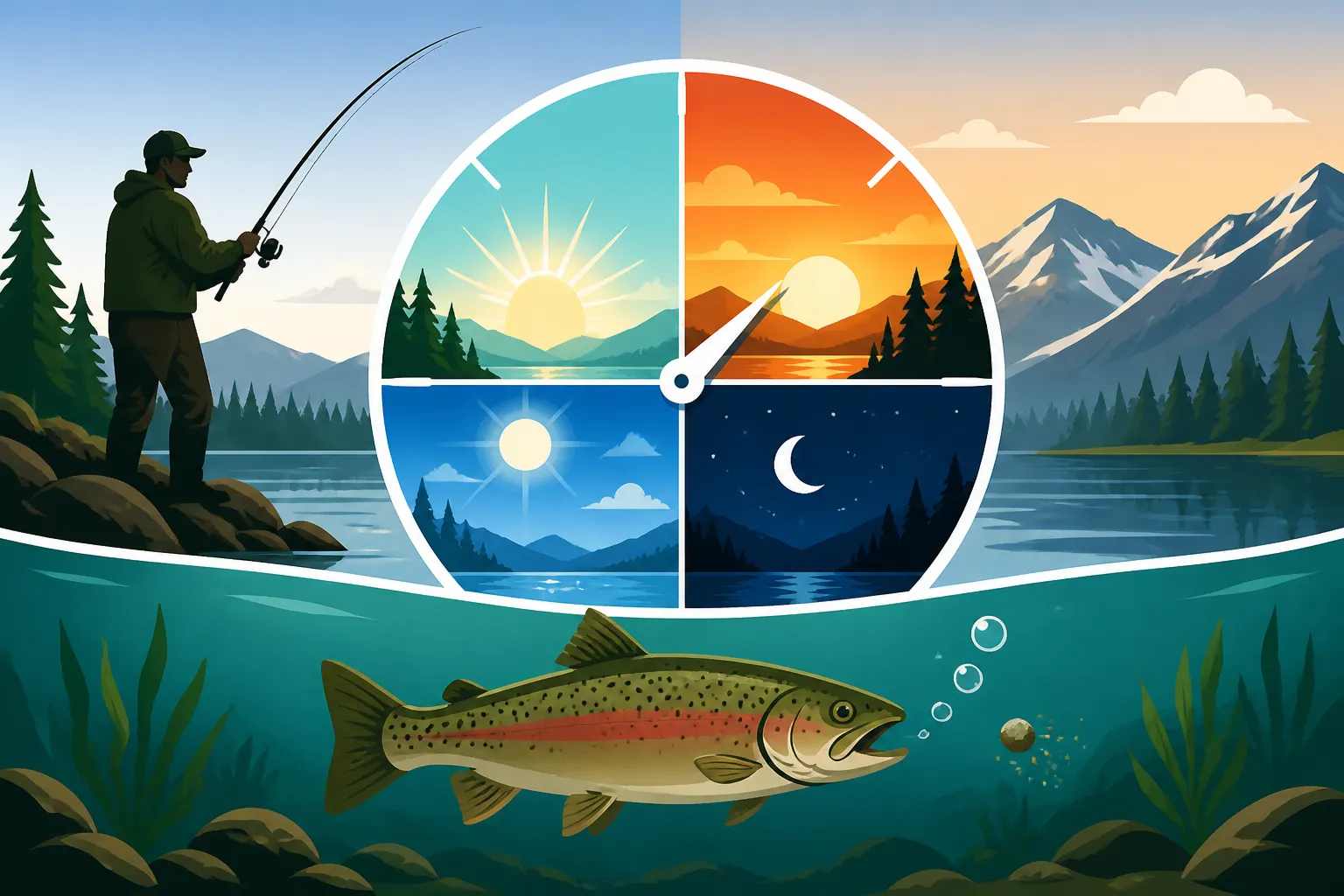
While the immediate post-stocking period is king, it's not the only time you can have a banner day on a stocked lake. There are daily, seasonal, and weather-related windows that can greatly improve your chances, even if you missed the initial stocking truck.
Immediately After Stocking
This is the golden window. If you can time your trip to coincide with a fresh stocking, you're in for a treat. Stocking schedules are often published by the Freshwater Fisheries Society of BC (GoFishBC), either online or through local angling clubs. Keep an eye on these announcements, as they're your best bet for hot action. Sometimes, a lake might be stocked on a Friday afternoon, making for an epic weekend opener. These fish are essentially "feed trained" and haven't yet learned caution. They'll often hit almost anything you throw at them, from PowerBait to small spoons. The key here is readiness: having your gear prepped, your license in hand (you can always check BC Fishing License Age Requirements and BC Freshwater vs Tidal Waters License, Explained beforehand), and being one of the first anglers there can make all the difference.
Picture this: you've checked the GoFishBC website, and your favorite local pond, like one you might find on a List of BC stocked trout lakes, was stocked yesterday afternoon. You arrive at dawn, just as the mist is lifting from the water. Within minutes, your bobber dips, and you're reeling in a feisty rainbow. That's the fresh stocking advantage in action. You'll find that these fish are still somewhat in "hatchery mode," often congregating near where they were released. This makes for fantastic fishing, especially for kids or beginners who want consistent action.
Early Morning and Late Evening
Even if you miss the initial stocking frenzy, the classic advice of "early bird gets the worm" holds true for stocked lakes. Early mornings and late evenings offer several advantages. First, the water temperature is typically cooler during these times, making the trout more active and comfortable. They'll often move from deeper, cooler water into shallower areas to feed. Secondly, the lower light conditions provide a sense of security for the fish, making them less wary of shadows or movements on the bank. Thirdly, these are generally less crowded times, meaning less fishing pressure and more undisturbed water for you to explore.
Consider a hot summer day in the Okanagan. Midday, the sun beats down, heating the shallow waters, and the trout retreat to the depths. But as the sun begins to dip below the western hills, cooling breezes ripple the surface. Suddenly, you see rises on the water as trout become active again, sipping at insects or chasing smaller baitfish. This is the prime evening bite. Similarly, just as the sun peeks over the eastern mountains, sending shafts of light across the lake, the cool morning air often triggers another burst of activity. These are magical times to be on the water, offering peace and solitude along with great fishing.
Overcast Days and During Light Rain
Weather can be your best friend when fishing a stocked lake. Overcast days, with their diffused light, often mean active fish throughout the day, not just at dawn and dusk. The low light makes trout feel safer and encourages them to feed more aggressively in shallower water. A gentle, steady rain can also be fantastic. It breaks up the surface tension, dislodges insects from bankside vegetation, and can actually increase oxygen levels in the water. This combination often leads to a feeding frenzy.
However, a word of caution: heavy downpours can muddy the water, spook fish, and make conditions unpleasant and unproductive. The ideal scenario is a soft, continuous drizzle or steady cloud cover. Always check BC Fishing Regulations Explained for any weather-related closures or advisories, though these are rare for stocked lakes. Being prepared with good rain gear (which you can easily find on Amazon) can turn what others see as a miserable day into a memorable fishing adventure. The fish are already wet, after all!
Factors Beyond the Clock: What Else Influences Success?
Timing is crucial, but it's not the only piece of the puzzle. Understanding other variables can help you refine your approach and adapt to different conditions, ensuring you're not just fishing at the "best time," but fishing effectively.
Water Temperature and Oxygen Levels
As mentioned, trout are highly sensitive to water temperature. In BC's interior lakes, summer heat can push surface temperatures well above the comfort zone for trout. When this happens, fish will seek thermal refuge in deeper, cooler parts of the lake. Using a thermometer to check surface temps can give you a clue, but knowing the typical depth of the thermocline (the layer where water temperature changes rapidly) is even better. If surface waters are warm, you'll need to fish deeper, using weighted lines, downriggers, or jigs.
Conversely, in colder months, like early spring or late fall, trout may be more distributed throughout the water column as temperatures are more uniform. Oxygen levels also play a role. Stagnant, warm water holds less oxygen, making fish sluggish. Look for areas with fresh inflows, like stream mouths or springs, where oxygen levels tend to be higher. In some cases, fish might congregate near these areas, providing a more consistent bite.
Pressure from Other Anglers
Stocked lakes, especially those listed as popular family destinations or those near urban centers, can experience significant angling pressure. Even if the fish are recently stocked and active, constant casting, boat traffic, and noise can quickly put them off. This is another reason why early mornings, late evenings, or even mid-week trips can be advantageous. Fewer anglers mean less competition for prime spots and less disturbance to the fish.
If you find yourself on a crowded lake, consider tactics that allow you to reach less-pressured fish. Perhaps casting further, or targeting quieter coves or points that others overlook. Sometimes, a slight change in presentation or bait can make your offering stand out in a sea of similar presentations. Think about how a subtle presentation might be key if you're trying How to Catch Holdover Rainbow Trout in BC who have seen it all. Don't be afraid to walk a little further down the bank or paddle to a different part of the lake if you're fishing from a kayak or small boat.
Bait and Lure Selection
What works immediately after stocking might not be as effective a week later. Freshly stocked trout, accustomed to pellets, are often very eager to strike at brightly colored PowerBait, scented worms, or small, flashy spinners. They're opportunistic and less discerning. However, as they acclimate, they start to feed more naturally on insects, crustaceans, and small minnows. At this point, you might need to switch to more subtle presentations.
For example, a week after stocking, small inline spinners, spoons that imitate baitfish, or even fly patterns that mimic local insect hatches (like chironomids or leeches) can become much more effective. Live baits like worms or maggots are almost always a good bet, as they appeal to the trout's natural instincts. Having a variety of options in your tackle box is key, and you can stock up on versatile lures and baits from retailers like Amazon. Experimentation is crucial; if one thing isn't working, don't be afraid to switch it up! This flexibility is essential for success, as fish preferences can change throughout the day and week.
Best Gear and Tactics for Stocked Lake Success
Having the right gear and knowing a few key tactics can significantly boost your success, especially when targeting stocked fish. You don't need a massive arsenal, but a few versatile items will serve you well.
Essential Gear for Stocked Trout
For stocked trout, you generally want light to ultra-light fishing gear. This allows for sensitive bites and makes even smaller trout feel like a respectable fight. A 6 to 7-foot light-action spinning rod paired with a small spinning reel spooled with 4-6 pound monofilament or fluorocarbon line is ideal. This setup provides excellent casting distance for light lures and offers the necessary sensitivity to detect subtle takes. A good pair of polarized sunglasses is also invaluable for spotting fish cruising the shallows or detecting subtle changes in water structure.
Don't forget the basics: a small tackle box with hooks (size 8-12), split shots, bobbers, and swivels. A small net can prevent lost fish at the bank, and a pair of pliers or forceps for hook removal is essential for safe catch and release, especially if you're targeting What a triploid rainbow trout is that can grow quite large. Investing in good quality line is often overlooked, but it makes a significant difference in casting, feel, and fighting fish. You'll find many suitable options from brands available on Amazon that offer durability and low visibility.
Go-To Baits and Lures
Stocked trout have been raised on pellets, so anything that looks, smells, or tastes similar can be a winner. Here are some reliable choices:
- PowerBait/Trout Dough: This hatchery-scented, moldable bait is a staple. It floats, keeping your hook suspended off the bottom where trout often feed. Comes in various colors; try bright colors like chartreuse, orange, or rainbow glitter right after stocking, and more natural colors later on.
- Worms/Maggots: Nothing beats live bait for natural appeal. A small piece of worm on a tiny hook is incredibly effective.
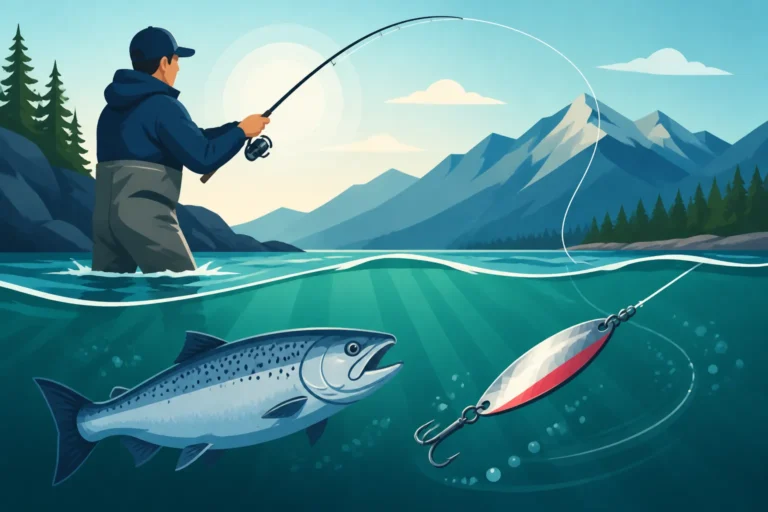
- Small Spinners: Brands like Mepps, Panther Martin, or Rooster Tail are deadly. The flash and vibration mimic small baitfish or insects. Sizes 0-2 are usually best.
- Small Spoons: Little Cleo or Kastmaster spoons in silver, gold, or brass can attract aggressive strikes. Their wobbling action is irresistible to hungry trout.
- Flies (for fly fishing): If you're a fly angler, bead-head nymphs (like Prince Nymphs or Hare's Ears), Woolly Buggers, or chironomid patterns can be very effective, especially once the fish have acclimated.
Many of these popular baits and lures can be easily purchased from outdoor retailers or online platforms like Amazon, making it convenient to stock up before your trip. Having a variety allows you to adapt to what the fish are keying on that particular day.
Tactics for Different Scenarios
The best tactic often depends on the lake's depth, structure, and how long ago it was stocked.
- Still Fishing with PowerBait/Worms: This is a classic and very effective method, especially for beginners or when fishing from the bank. Use a small hook, a bit of PowerBait molded around it (or a worm), and a small split shot weight about 12-18 inches above the hook. Cast it out and let it sit on the bottom. The floating bait will suspend just above any weeds or debris. This is a common and successful approach for Best technique for bank fishing a stocked lake.
- Casting and Retrieving Spinners/Spoons: This is more active. Cast your lure out and retrieve it at a steady pace, varying your speed and adding small twitches to entice strikes. Focus on areas where fish might hold, like drop-offs, weed lines, or submerged structures.
- Float Fishing (using a bobber): Great for fishing a specific depth. Set your bobber so your bait (a worm, maggot, or even a small jig) is suspended a few feet off the bottom, or at the depth where you've seen fish activity. The bobber acts as a strike indicator. This method is especially popular in Best family-friendly fishing spots in BC where kids can easily see when a fish bites.
- Trolling (from a boat/kayak): If you have access to a boat or kayak, slow trolling with small spinners, spoons, or even weighted flies can cover more water and help you locate scattered fish. Speed is key – go slow enough to allow your lure to have good action. If you're using a kayak, consider the Best kayak launch points on Okanagan Lake for productive trolling areas.
| Time/Condition | Fish Behavior | Recommended Tactics | Notes |
|---|---|---|---|
| Immediately After Stocking | Disoriented, highly active, hungry, less wary. Often schooling. | Bright PowerBait, scented worms, small flashy spinners. | Absolute best time. Check stocking schedules from GoFishBC. Fish are concentrated and aggressive. Focus on areas where fish were released. Great for kids. Best Bait for Opening Day Trout in BC is often hatchery pellets, so similar scents/flavors work well. |
| Early Morning / Late Evening | Seeking cooler water, feeding in low light, less pressured. | Natural-colored PowerBait, worms, small spinners/spoons, flies. | Consistent bite. Fish move shallow. Less crowded. Can be very peaceful. Look for rising fish. |
| Overcast Days / Light Rain | More active throughout the day, feeling secure, feeding on dislodged insects. | Same as early/late, but fish may be spread out more evenly. | Good all-day action. Fish are less spooky. Be prepared with rain gear. Avoid heavy downpours. |
| Warm Mid-Day (Summer) | Lethargic, seeking deeper, cooler water. | Fish deep with weighted lures, jigs, or PowerBait on the bottom. | Challenging. Focus on shade, inflows, or deeper holes. May require patience. |
| Cold Mid-Day (Spring/Fall) | Active as water warms, may move into shallower sun-warmed areas. | Spinners, spoons, worms, small jigs. Fish the sunny banks. | Productive as water temps rise slightly. Fish are often looking for an easy meal as metabolism picks up. |
| High Angler Pressure | Spooky, seeking cover, less likely to bite obvious offerings. | Subtle presentations, longer casts, quieter spots. Stealth is key. | Try different baits/lures than everyone else. Fish unpopular spots. Focus on small details and finesse. Consider How to fish a spoon for big lake trout but with smaller versions for pressured trout. |
Remember, every lake is unique, and fish behavior can vary. The most successful anglers are those who are willing to observe, adapt, and try new things. Whether you're chasing that instant gratification of a fresh stocking or patiently working a pattern on an acclimated lake, understanding these timing and tactical nuances will significantly improve your British Columbia fishing adventures. And always remember to check the current BC Fishing Season Dates and Closures before heading out!
Disclaimer
This article is for general informational purposes only and does not constitute professional advice. Laws, prices and regulations vary by location and change over time. Consult a qualified professional for guidance on your specific situation.