Smallmouth Bass in BC Lakes
You've heard the whispers, haven't you? That thrilling, yet sometimes controversial, news about smallmouth bass making a real splash in some of British Columbia's most beloved lakes. It’s a bit of a mixed bag for many of us long-time anglers – excitement at a new sportfish, but also a healthy dose of concern about what these tenacious fighters mean for our native species. If you're wondering where these feisty fish are, how to identify them, and most importantly, how to get in on some fantastic smallmouth action, you're in the right place. This guide is all about giving you the full scoop on smallmouth bass in BC, from their haunts to the best ways to hook into them.
The Arrival and Impact of Smallmouth Bass in British Columbia
It's no secret that British Columbia is a paradise for trout and salmon anglers, but a new player has been steadily, and controversially, establishing itself in our freshwater systems: the smallmouth bass. For years, these bronze battlers were mostly found south of the border, but they've found a way into our lakes, mainly through introductions that were not sanctioned. Their presence creates a fascinating dynamic, offering a thrilling new target for sport fishers while simultaneously raising important ecological questions.
Where Smallmouth Have Established Footholds
Smallmouth bass are incredibly adaptable, a trait that has served them well in colonizing new waters. They prefer clear, cool waters with rocky bottoms, thriving in environments that offer plenty of structure like submerged logs, rock piles, and weed beds. In British Columbia, the Okanagan Valley has become a prime area for smallmouth populations. Lakes like Osoyoos Lake, Vaseux Lake, and even parts of Okanagan Lake itself are now home to healthy, self-sustaining populations. It's not just the Okanagan, though. Reports and confirmed sightings are becoming more common in other southern Interior lakes and even some waters closer to the Lower Mainland. They're often found in areas that were once primarily known for trout or kokanee, which is where some of the angler apprehension comes from. You might be out targeting a BC Rainbow Trout Conservation Surcharge Stamp and suddenly find yourself fighting a powerful smallmouth.
These fish don't just appear out of nowhere; they're generally introduced by human activity, whether intentional or accidental. Once established, they can spread through connecting waterways or further unauthorized introductions. Their ability to reproduce quickly and aggressively compete for food and habitat means that once they're in, they're typically there to stay. This rapid establishment is why they're often discussed with a degree of caution among fishery managers.
The Environmental Concerns and Angler Perceptions
The arrival of smallmouth bass in BC is a classic double-edged sword. On one hand, they are undeniably a superb sport fish. They fight hard, jump frequently, and offer an exciting challenge on light tackle. For many anglers, particularly those new to fishing or looking for consistent action, smallmouth can provide memorable days on the water. They're also quite tasty, making them a popular table fare in many regions where they are native. The sheer fun of catching them is a huge draw, and some anglers are thrilled to have them as a new option alongside our traditional species.
However, the ecological implications are significant, which is why smallmouth bass are officially listed as an "invasive species" in British Columbia. They are voracious predators that can compete directly with native fish species like trout, kokanee, and even juvenile salmon for food resources such as insect larvae, crayfish, and smaller baitfish. In some cases, they can also prey on the eggs and fry of native fish, potentially impacting populations that are already under pressure. This is a real concern for the long-term health of our aquatic ecosystems and the species that have called these waters home for millennia. Understanding Invasive Fish Species in BC Waters is crucial for responsible angling. Many dedicated trout and salmon anglers view their presence with trepidation, fearing a decline in their beloved native fisheries. This tension between the thrill of a new sport fish and the responsibility of environmental stewardship is a dialogue that continues to evolve within the BC angling community.
Identifying Smallmouth Bass in BC Waters
Before you can effectively target smallmouth bass, you need to be absolutely sure you know what you've caught. There's a subtle art to identifying fish, and in BC, where we have a diverse range of freshwater species, it's particularly important. Not only does it help you adhere to regulations, but it also deepens your understanding of the ecosystem you're fishing.
Key Characteristics to Look For
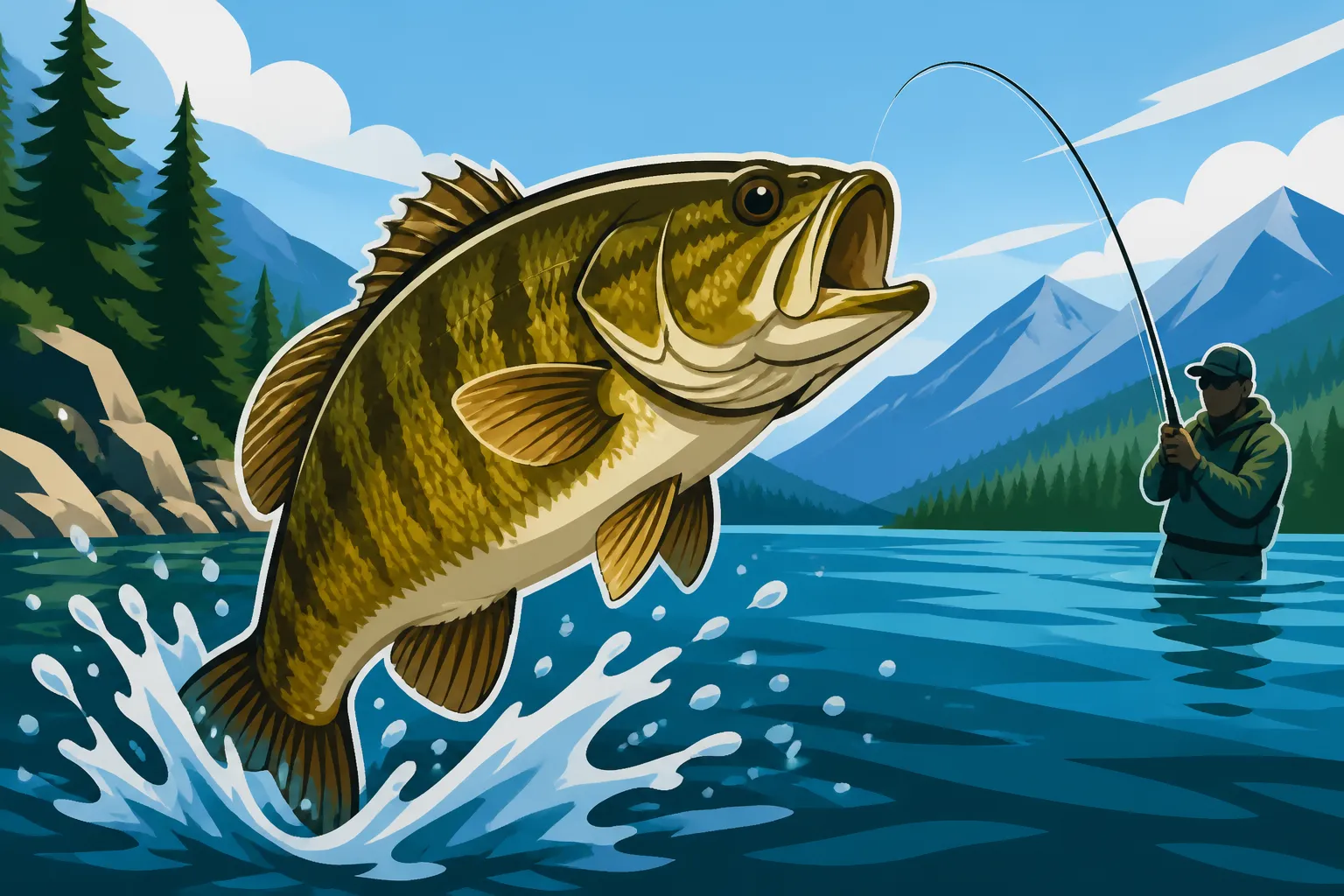
Smallmouth bass are often admired for their distinctive bronze-green coloration, which can vary depending on the clarity and type of water they inhabit. They typically have dark, vertical bands or blotches along their sides, which sometimes break up into more mottled patterns. One of the most defining features that gives them their name is their mouth size: when closed, the upper jaw (maxilla) extends back only to about the middle of the eye, not beyond it. This is a critical identifier when distinguishing them from their larger cousins.
Their body shape is generally more streamlined and torpedo-like compared to the deeper, more slab-sided largemouth bass. They have a continuous dorsal fin, though it appears deeply notched. Their eyes are often reddish, giving them a fierce, alert appearance. When you hook into one, their fighting style is unmistakable – they are known for powerful runs and spectacular aerial acrobatics, often leaping clear out of the water multiple times in an attempt to shake the hook. This spirited fight is precisely why they're such a cherished sport fish in many parts of North America.
Distinguishing Smallmouth from Largemouth Bass
While both smallmouth and largemouth bass belong to the same family (Centrarchidae), they are distinct species with different preferences and characteristics. Unfortunately, both have found their way into some BC lakes, making accurate identification even more vital. The most reliable way to tell them apart is by looking at the mouth and the dorsal fin.
| Feature | Smallmouth Bass | Largemouth Bass |
|---|---|---|
| Upper Jaw (Maxilla) | Extends to the middle of the eye, not beyond it. | Extends well beyond the back of the eye. |
| Dorsal Fin | Appears continuous, but with a deep notch. | Clearly separated into two distinct fins. |
| Coloration | Bronze to golden-green with vertical bars/blotches. | Dark green to olive with a prominent, horizontal dark stripe. |
| Body Shape | More streamlined, somewhat football-shaped. | Deeper, more elongated body. |
| Preferred Habitat | Clear, cool, rocky waters. | Warm, vegetated, often murkier waters. |
Beyond the physical attributes, their preferred habitats also differ. Smallmouth bass, as we discussed, like clearer, cooler, rocky areas, often found around deeper structure. Largemouth bass, on the other hand, gravitate towards warmer, weedy, shallower waters with plenty of cover like lily pads, submerged timber, and thick aquatic vegetation. This habitat preference means that while they might exist in the same large lake, you'll often find them in different zones. If you're fishing for Best Largemouth Bass Lakes in the Okanagan, you'll likely be targeting different types of cover than for smallmouth. Knowing these differences helps not only with identification but also with where and how to focus your fishing efforts.
Top BC Lakes for Smallmouth Bass Fishing
Once you've wrapped your head around their presence and how to identify them, the next logical step is to figure out where to go. While smallmouth are considered an invasive species in BC, responsible angling means knowing where to find them and how to manage your catch according to regulations, which often encourage retention.
Okanagan Valley Hotspots
The Okanagan Valley, with its warm climate and numerous lakes, has become the undisputed epicenter for smallmouth bass fishing in British Columbia. This region offers some of the most consistent and exciting bass action you can find in the province.
- Osoyoos Lake: This beautiful lake, straddling the US border, is arguably the crown jewel for BC smallmouth. It's warm, relatively shallow in many areas, and has abundant rocky points, submerged timber, and weed lines that smallmouth absolutely adore. Anglers here regularly pull out chunky smallmouth, with some fish pushing impressive sizes. Early morning and late evening are prime times, especially during the warmer months. Look for them around the many docks, retaining walls, and rocky outcrops. You can fish from shore in many places, or better yet, explore the lake by boat.
- Vaseux Lake: Located just north of Osoyoos, Vaseux Lake is another fantastic smallmouth fishery. It's smaller and often shallower than Osoyoos, making it excellent for exploring with a kayak or a smaller boat. The lake is known for its extensive weed beds and lily pad fields, which provide perfect ambush points for bass. While often overshadowed by its larger neighbour, Vaseux can produce incredible numbers of smallmouth, and some truly memorable specimens. Fishing topwater lures around the edges of the lily pads at dawn can be absolutely exhilarating.
- Kalamalka Lake: Known for its stunning jade-green waters, Kalamalka Lake also hosts a healthy population of smallmouth bass. While it's a deep, clear lake, the smallmouth tend to congregate in shallower bays and around rocky structures, particularly near the southern end. This lake can be a bit more challenging to unlock compared to Osoyoos or Vaseux, but the rewards are there for those willing to put in the time. Focus on areas with transition zones from deep to shallow, and look for submerged features.
- Wood Lake: Similar to Kalamalka, Wood Lake is a picturesque lake that holds smallmouth. It's a popular spot for recreational activities, so early mornings or weekdays can be ideal to avoid heavy boat traffic. Target the rocky shorelines, drop-offs, and any visible structure. These Okanagan lakes generally offer a longer fishing season for smallmouth, with action starting strong in the spring and lasting well into the fall. Many anglers combine a bass trip with targeting the abundant kokanee and rainbow trout in these waters.
Other Productive Lakes Across BC
While the Okanagan might be the hotspot, smallmouth bass aren't exclusively confined to that valley. Their adaptability has allowed them to establish themselves in various other lakes throughout the Interior and even closer to the coast, though often in more localized populations.
- Skaha Lake: Immediately south of Penticton, Skaha Lake offers excellent smallmouth fishing. It's often warmer than Okanagan Lake and has plenty of rocky structure, particularly along its shores and around the numerous public access points. Anglers here often find consistent action, especially targeting the areas where feeder creeks enter the lake or around bridge pilings.
- Nicola Lake: Further north in the Nicola Valley, this large lake has a strong reputation for producing good numbers of smallmouth. It's a beautiful setting, and the bass thrive in its clear waters and varied bottom structure. Focus on rocky points, submerged humps, and areas with gradual slopes that offer a mix of depths.
- Stave Lake (near Mission): Closer to the Lower Mainland, Stave Lake has a notable smallmouth bass population. This reservoir environment offers different fishing challenges but can be very rewarding. Look for bass relating to old timber, drowned stumps, and rocky shorelines, especially near the river inflow and outflow points. Being able to combine shore fishing with kayak or boat access gives you more options here.
- Kootenay Lake (Southern Arm): While Kootenay Lake is famous for its Gerrard rainbow trout, the southern arm, particularly towards the US border, has seen smallmouth bass establish themselves. This is a fascinating area to fish, where you might be targeting world-class trout and stumble upon a feisty bass. Focus on the warmer, shallower bays and rocky points in the lower reaches of the lake. Knowing Kootenay Lake Gerrard Rainbow Trout Fishing might prepare you for an unexpected smallmouth encounter!
When exploring these other lakes, remember that populations might not be as widespread or as dense as in the core Okanagan region, but the chance to discover a new, productive bass fishery is part of the adventure. Always check local regulations, as bag limits and retention rules for smallmouth bass can differ from those for native species.
Essential Techniques for Catching BC Smallmouth
Smallmouth bass are known for their aggressive nature and spirited fights, making them an absolute blast to catch. But like any species, they have their preferences, and understanding the right techniques, lures, and seasonal approaches will significantly increase your success on BC lakes.
Lures and Baits That Work Best
Smallmouth bass are opportunistic predators, and they'll hit a wide variety of presentations. The key is often matching the hatch – or at least, matching the common forage in the lake you're fishing.
- Soft Plastics: These are arguably the most versatile and effective lures for smallmouth.
- Tubes: Tube jigs, fished on a lead head, mimic crayfish, which are a primary food source for smallmouth. Hopping them along rocky bottoms is deadly. You can find a huge variety of colors and sizes on sites like Amazon, making it easy to stock up.
- Grubs/Swimbaits: Rigged on a jig head, these are fantastic for swimming through weed beds or along drop-offs. The tail action is irresistible.
- Dropshot Rigs: A finesse technique, dropshotting tiny worms or minnow imitations can be incredibly effective when bass are finicky or in deeper water. This presentation keeps your bait suspended right in the strike zone.
- Ned Rigs: Another excellent finesse option, a Ned rig is a small, buoyant worm rigged on a mushroom-shaped jig head. It stands straight up on the bottom, mimicking a feeding minnow or crawdad.
- Crankbaits: Both shallow-diving and deep-diving crankbaits are excellent for covering water and triggering reaction strikes. Choose colors that imitate local baitfish or crayfish. Medium-diving crankbaits are fantastic for working rocky points and transition areas.
- Spinnerbaits & Chatterbaits: These are great for fishing through weeds and around submerged wood. The flash and vibration can draw strikes from aggressive bass, especially in stained water or on overcast days.
- Topwater Lures: When conditions are right – calm water, low light (dawn/dusk), and active fish – topwater lures like poppers, walk-the-dog baits, and prop baits can provide heart-stopping strikes. There's nothing quite like seeing a smallmouth explode on a surface lure. If you're looking for Best topwater lure for dawn bass fishing, a classic Jitterbug or Zara Spook can't be beat.
- Live Bait: While artificials are preferred by many, live bait can be incredibly effective. Minnows, shiners, or even crayfish, if legal and available, are natural magnets for smallmouth. Just ensure you're following BC Fishing Regulations Explained regarding bait use in specific waters.
Effective Fishing Strategies for Different Depths
Smallmouth bass move throughout the water column depending on the time of day, season, and available forage. Adapting your strategy to their depth preferences is crucial.
- Shallow Water (Spring/Fall, Low Light): In spring, as water temperatures rise, smallmouth move shallow to spawn. They'll also patrol the shallows during low light conditions or in the fall as they feed heavily before winter.
- Strategy: Cast crankbaits, spinnerbaits, or topwater lures close to shorelines, docks, and submerged cover. Fan-casting to cover wide areas is effective. For really shallow, clear water, stealth is key – long casts and quiet approaches.
- Example: Imagine a bright spring morning on Osoyoos Lake. You're casting a shallow-diving crankbait parallel to a rocky bank, reeling it just fast enough to bump the rocks, and a bronze flash streaks out from under a submerged log to smash your lure. This is textbook shallow water smallmouth fishing.
- Mid-Depth (Summer, Overcast Days): As summer progresses and water temperatures increase, smallmouth often retreat to slightly deeper water during the heat of the day, congregating around points, humps, and weed lines in the 8-20 foot range.
- Strategy: Use medium-diving crankbaits, jig-and-grub combinations, or dropshot rigs. Focus on structural elements that offer transition zones from shallow to deep. Pay attention to your sonar if you have it, looking for baitfish schools or submerged contours.
- Example: On a partly cloudy afternoon on Vaseux Lake, you've located a submerged humpt that tops out at 15 feet. You're casting a football jig with a plastic craw trailer, slowly dragging it over the rocks. The sudden thud of a strike as a smallmouth grabs it signals success.
- Deep Water (Mid-Summer, Winter): In the hottest parts of summer or during the colder winter months, smallmouth can descend to considerable depths, often 20-40 feet or more, seeking cooler, more stable temperatures.
- Strategy: Vertical jigging with heavy spoons or blade baits can be effective. Dropshotting heavier weights is also a go-to. Live bait on a bottom rig can work wonders. Understanding how to use your electronics to locate schools of baitfish and prominent structure is paramount here.
- Example: It's mid-August on Okanagan Lake, and the surface water is warm. You've identified a deep rocky point using your fish finder, showing some scattered fish at 30 feet. You're sending down a heavy metal spoon, vertically jigging it with sharp lifts and drops, and suddenly, your rod doubles over with the powerful tug of a deep-water smallmouth.
Seasonal Considerations for Smallmouth Success
Smallmouth bass behaviour is heavily influenced by water temperature and the changing seasons. Tailoring your approach to the time of year is essential for consistent success.
- Spring (Pre-spawn to Spawn): This is often considered one of the best times to target smallmouth. As ice recedes and water temperatures climb into the 45-55°F (7-13°C) range, bass move from their wintering areas to shallower feeding grounds, preparing to spawn.
- Focus: Look for them staging on rocky points and flats adjacent to deeper water. They'll be hungry and aggressive. Spinnerbaits, jerkbaits, and crankbaits are excellent for covering water, while jigs and soft plastics work well for targeting specific structure. Once water hits 55-65°F (13-18°C), they'll be on beds, making sight fishing possible, though it's important to practice responsible catch-and-release during this sensitive period.
- Summer (Post-spawn to Mid-summer): After the spawn, bass disperse and enter a post-spawn recovery phase, then transition into their summer patterns. As water warms up, they become more active but might move deeper during the heat of the day.
- Focus: Early mornings and late evenings can be fantastic for topwater action in the shallows. During the day, target deeper structure like rock piles, humps, and weed lines using soft plastics, deep crankbaits, and dropshot rigs. Remember that Best Time of Day to Catch Salmon also applies to bass; low light is often key.
- Fall (Pre-winter Feed): As air and water temperatures begin to drop in late summer and fall, smallmouth enter a "fall feed" phase, gorging themselves to build up reserves for winter. This can be another exceptionally productive time.
- Focus: Bass will move shallower again, often congregating in schools. Crankbaits, spinnerbaits, and lipless crankbaits are great for covering water and finding these active schools. Jigs and tubes remain effective for more precise presentations. This is a time when numbers and size can both be impressive.
- Winter (Ice Fishing – where applicable): In lakes where ice fishing is possible and smallmouth are present (often in the Okanagan or Nicola regions), they can still be caught through the ice.
- Focus: Smallmouth become lethargic in cold water and hold tight to deep structure. Small spoons, jigging Rapalas, and even tiny soft plastics on light jig heads can entice strikes. Focus on vertical presentations right over suspended fish or structure. Ice fishing for kokanee might just land you a surprise smallmouth if they share the same habitat!
Gear Recommendations for BC Smallmouth Anglers
Having the right tools for the job can make a huge difference in your smallmouth bass fishing success. While you don't need to break the bank, investing in a few key pieces of gear tailored for bass will enhance your experience and help you land those feisty fighters.
Rods, Reels, and Line Setups
Matching your rod and reel to the type of fishing you'll be doing and the lures you'll be throwing is fundamental. Smallmouth fishing typically falls into two categories: baitcasting for heavier lures and spinning for lighter, more finesse presentations.
- Spinning Rod & Reel (Finesse & Light Lures):
- Rod: A 6'6" to 7' medium-light to medium power spinning rod with a fast action is a great all-around choice. This setup is perfect for throwing lightweight jigs, dropshots, Ned rigs, small crankbaits, and even some topwater lures. The sensitivity of a fast action rod helps detect subtle bites, and the lighter power allows for easier casting of small baits. Many anglers swear by graphite rods for their sensitivity.
- Reel: Pair it with a 2000 or 2500 series spinning reel. These sizes offer a good balance of line capacity, smooth drag, and comfortable retrieve without being too heavy. Look for a reel with a smooth drag system, as smallmouth can make powerful runs.
- Line: 6-10 lb fluorocarbon or monofilament is ideal for finesse techniques. Fluorocarbon is nearly invisible underwater and has excellent sensitivity, making it a favourite for dropshotting. Monofilament offers good castability and a bit more stretch, which can be forgiving. Alternatively, a braided main line (10-15 lb) with a 6-10 lb fluorocarbon leader provides excellent casting distance, sensitivity, and abrasion resistance. You can find quality options for all these on Amazon.
- Baitcasting Rod & Reel (Heavier Lures & Power Fishing):
- Rod: A 6'8" to 7'4" medium-heavy power baitcasting rod with a fast to extra-fast action is excellent for throwing larger crankbaits, spinnerbaits, chatterbaits, and heavier jigs. The increased power helps with casting heavier lures, setting the hook with thicker wire hooks, and muscling bigger fish out of cover.
- Reel: A baitcasting reel with a gear ratio around 6.4:1 to 7.1:1 is a versatile choice. A higher gear ratio is great for quickly retrieving line and working fast-moving lures, while a slightly lower one provides more torque for larger lures or battling bigger fish. Look for reels known for smooth casting and a reliable drag.
- Line: 12-17 lb fluorocarbon or braided line is typical for baitcasting setups. Fluorocarbon is again a popular choice due to its low visibility and abrasion resistance around rocky structure. Braided line in the 20-30 lb range offers incredible strength, sensitivity, and no stretch, often paired with a fluorocarbon leader for stealth.
Must-Have Tackle Box Essentials
Beyond rods and reels, a well-stocked tackle box will ensure you're ready for whatever the smallmouth are biting on. This isn't about having every single lure ever made, but having a versatile selection of proven fish catchers.
- Hooks: A variety of jig heads (1/8 oz to 1/2 oz) for tubes, grubs, and Ned rigs. Offset worm hooks (sizes 1/0 to 3/0) for Texas rigging soft plastics. Dropshot hooks (sizes 2 to 1) are also essential.
- Weights: Split shot, bullet weights (for Texas rigs), and dropshot weights (1/8 oz to 1/2 oz).
- Soft Plastics: As mentioned earlier, tubes, grubs, stick baits (Senko-style worms), crawfish imitations, and minnow-shaped soft plastics are all vital. Have them in natural colours (green pumpkin, watermelon, brown) and some brighter options (chartreuse, white).
- Hard Baits: A selection of shallow, medium, and deep-diving crankbaits in various colors. A few topwater lures (popper, walk-the-dog). Jerkbaits are also very effective.
- Bladed Baits: Spinnerbaits (1/4 oz to 3/8 oz) and Chatterbaits (3/8 oz to 1/2 oz) are excellent for fishing around cover.
- Terminal Tackle: Swivels, snaps (if you like to change lures quickly), and extra leaders (if using braid).
- Tools: Pliers (for hook removal), line clippers, and a small fishing scale and measuring tape if you want to record your catches.
- Sun Protection: Sunscreen, hat, and polarized sunglasses are non-negotiable on BC's bright lakes. Polarized lenses are incredibly helpful for spotting structure and even fish in clear water.
- Storage: A sturdy tackle box or bag to keep everything organized. Many anglers prefer soft-sided bags with multiple utility boxes for easy access and customization. Brands like Plano and Bass Pro Shops offer excellent storage solutions that are widely available, including on Amazon.
Remember, the goal is not to fill your tackle box to the brim with unnecessary items, but to have a well-thought-out selection that covers the most common techniques and conditions you'll encounter while fishing for smallmouth bass in BC.
Conservation and Responsible Angling Practices for Smallmouth
As a species considered invasive in British Columbia, smallmouth bass present a unique set of considerations for anglers. While they offer exciting sport, it's crucial to understand their status and practice responsible angling to minimize any potential negative impacts on native ecosystems.
Understanding Their Invasive Status
In British Columbia, smallmouth bass are classified as an invasive species. This designation isn't a reflection of their fighting qualities or how much fun they are to catch; rather, it's based on their potential to outcompete and prey upon native fish species. Our pristine lakes and rivers are home to delicate ecosystems evolved over millennia, supporting species like various trout, kokanee, and juvenile salmon. Smallmouth, being aggressive and adaptable predators, can disrupt these natural balances.
Because of this invasive status, the provincial regulations often differ for smallmouth bass compared to native species. For instance, while many native fish species have strict catch-and-release rules or limited possession, smallmouth bass regulations typically encourage or even mandate their retention, and prohibit their live transport or release into any waters other than where they were caught. This is a critical point: if you catch a smallmouth bass in a lake where they are established, the general guideline is to keep it, rather than releasing it back to proliferate further. Check the current BC Fishing Regulations Explained and BC Bag and Possession Limits by Species for the specific waters you are fishing, as rules can vary. The intent behind these regulations is to manage and, if possible, control the spread and population size of these non-native fish to protect the indigenous aquatic life. Are Smallmouth Bass Invasive in BC? further details these concerns.
Best Practices for Catch and Retention
When targeting smallmouth bass in BC, your approach to catch and retention should be guided by their invasive status and the applicable regulations.
- Know the Regulations: Before you even cast a line, ensure you understand the specific rules for smallmouth bass in the lake or river you're fishing. These regulations are designed to protect BC's native fish and can include specific bag limits (often liberal), possession limits, and most importantly, rules around retention and release. Fishing without being aware of these rules can lead to fines and harm to the environment.
- Prioritize Retention (Where Encouraged): If the regulations encourage or require retention, plan to keep the smallmouth you catch. This means bringing a cooler with ice to the lake. Smallmouth bass are delicious, with firm, white, flaky meat, making them an excellent choice for a fresh fish dinner. By removing them from the system, you're directly contributing to the efforts to manage their populations.
- Avoid Live Release or Transport: Never, under any circumstances, live-release a smallmouth bass into a different water body, or even a different part of the same water body if regulations prohibit it. Transporting live fish is illegal and extremely detrimental to native fish populations, contributing to the very problem that fishery managers are trying to mitigate. This includes using them as live bait elsewhere. If you're unsure if you've caught a smallmouth or a native species, it's always best to err on the side of caution and release the fish gently if a specific regulation for a non-native species isn't clear or you're unable to retain it.
- Proper Handling: Even if you plan to retain a fish, respectful and proper handling is important. Use appropriate tools like pliers for hook removal to minimize stress to the fish and prevent injury to yourself. If you're taking photos, do so quickly and ensure the fish is supported horizontally, not by just its jaw, to prevent jaw damage.
- Educate Other Anglers: Part of being a responsible angler is helping others understand these nuances. If you see someone confused about smallmouth bass regulations or handling them improperly, gently share your knowledge. The more anglers are aware and compliant, the better our chances of protecting BC's unique aquatic ecosystems.
- Report New Sightings: If you encounter smallmouth bass in a water body where they are not known to exist, or where regulations do not yet address them, consider reporting your sighting to the provincial fisheries authorities. This information is vital for monitoring their spread and developing appropriate management strategies.
Fishing for smallmouth bass in British Columbia offers an exciting opportunity for sport and table fare, but it comes with the responsibility of adhering to conservation principles. By understanding their invasive nature and following best practices for catch and retention, we can all contribute to protecting BC's incredible native fish populations while still enjoying the thrill of the chase.
Disclaimer
This article is for general informational purposes only and does not constitute professional advice. Laws, prices and regulations vary by location and change over time. Consult a qualified professional for guidance on your specific situation.