What is the provincial fish of British Columbia
It’s easy to feel a bit lost when you first start looking into the official symbols of British Columbia, especially when it comes to something as beloved as a provincial fish. Many places have a clearly designated animal, bird, or flower, but sometimes the waters get a little murky when you try to pin down an aquatic representative. This guide is here to clear up any confusion and dive deep into the fascinating world of the fish that truly embodies the spirit and angling heritage of our beautiful province.
The Icon of Our Waters: Unveiling British Columbia's Provincial Fish
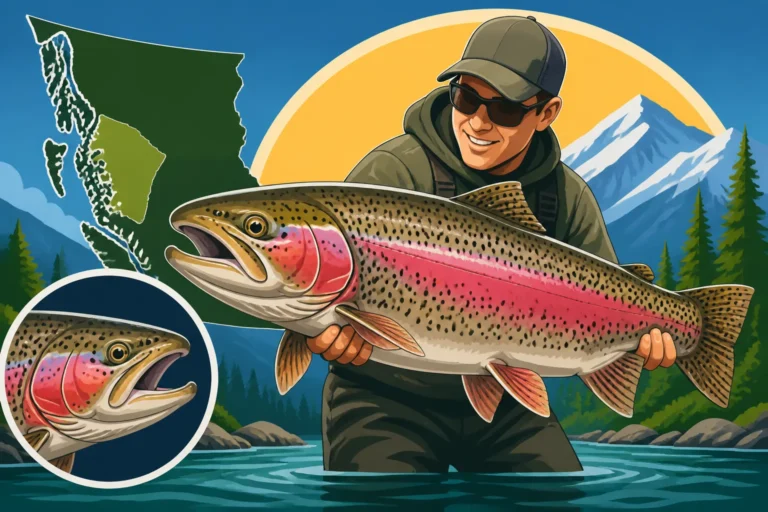
For anyone who has spent a moment by a pristine lake in the Okanagan or cast a line into a rushing Cariboo river, the answer to "What is the provincial fish of British Columbia?" might seem self-evident. And indeed, for good reason, the Rainbow Trout holds this esteemed, official title. It's not just a fish; it's an emblem of our wild spaces, a testament to our rich biodiversity, and a cornerstone of our angling culture. Its presence is felt from the smallest alpine streams to the vast, deep lakes, and even out to our coastal waters in its sea-run form, the steelhead.
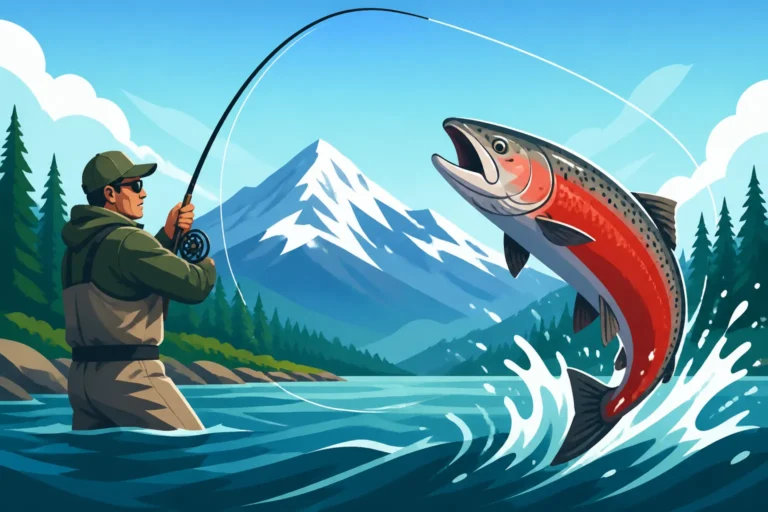
The Rainbow Trout represents everything we love about fishing in BC: the vibrant colours, the spirited fight, and the sheer abundance that makes our province a world-class fishing destination. When you think of a classic BC fishing experience, chances are a leaping rainbow trout is the image that springs to mind. It's a species that truly captures the imagination of both seasoned anglers and those just starting their journey with a rod and reel. This official recognition solidifies its place not just in our waters, but in our collective identity as a province.
Why the Rainbow Trout? A Symbol of BC's Natural Splendor
So, why the Rainbow Trout specifically? It wasn't an arbitrary choice. This particular species ticks all the boxes, embodying the natural beauty, ecological health, and recreational opportunities that British Columbia offers. Its striking appearance, with that distinctive iridescent band along its side, is instantly recognizable and visually stunning, mirroring the vibrant landscapes of our province.
Beyond its looks, the Rainbow Trout is incredibly adaptable. You'll find different strains thriving in a remarkable array of habitats, from the smallest mountain streams to the largest interior lakes. This adaptability means it's accessible to anglers across the province, not confined to one specific region. It's a fish that has truly made BC its home, deeply intertwined with the health of our aquatic ecosystems. Its robust populations, in many areas, also speak to the successful management and conservation efforts that ensure future generations can also experience the thrill of catching one. This widespread distribution and health make it a perfect ambassador for our provincial waters, celebrated by locals and visitors alike.
A Deeper Dive into the Rainbow Trout: Habitat, Habits, and Variations
The Rainbow Trout (Oncorhynchus mykiss) is far from a one-size-fits-all species. Here in British Columbia, its genetic diversity and adaptation to varied environments have led to several distinct forms, each with its own unique characteristics and challenges for anglers. Understanding these variations not only enhances your fishing experience but also deepens your appreciation for this incredible provincial fish. Whether you're targeting a feisty stream trout or a monstrous lake dweller, knowing what makes each unique is key.
The Many Faces of the Rainbow: Resident, Anadromous, and Unique Strains
In BC, we primarily encounter two main life histories for the Rainbow Trout: resident and anadromous. Resident rainbow trout spend their entire lives in freshwater lakes, rivers, and streams. These are the fish most people picture when they think of trout fishing in the interior of the province. They can range from small, colourful stream fish to huge, deep-water lake dwellers. Then there's the anadromous form, which we lovingly call Steelhead. These incredible fish hatch in freshwater, migrate to the ocean to feed and grow for several years, and then return to their natal rivers to spawn. They are renowned for their incredible strength and fighting spirit, often sought after in our coastal rivers.
Beyond these life histories, BC is home to some truly legendary strains:
- Kamloops Trout: Famous in the Okanagan and Shuswap regions, these are typically robust, hard-fighting lake dwellers known for their acrobatic jumps. They are often targeted with trolling techniques or fly fishing near shoals. Kamloops Trout in Okanagan Lakes is a great resource if you want to learn more about these specific fish.
- Gerrard Rainbow Trout: Found predominantly in Kootenay Lake, these are truly giant rainbows, often reaching incredible sizes. They are piscivorous, meaning they eat other fish like kokanee, allowing them to grow exceptionally large. Chasing a Gerrard is a bucket-list item for many serious anglers. For more on these giants, check out Gerrard Rainbow Trout of Kootenay Lake.
- Coastal Cutthroat-Rainbow Hybrids: In some coastal drainages, where their ranges overlap, you might even encounter hybrids, showcasing the fascinating genetic flexibility of these species. They often exhibit traits of both, adding another layer of intrigue.
These variations mean that fishing for rainbow trout can be an entirely different experience depending on where you are in the province and which strain you're targeting. From delicate dry fly fishing on a small stream to deep trolling a massive lake, the Rainbow Trout offers endless opportunities for exploration and challenge.
Where They Thrive: Preferred Habitats and Aquatic Health Indicators
Rainbow Trout are masters of adaptation, but they generally prefer cool, clear, well-oxygenated water. This is why you'll find them in such abundance across BC, a province blessed with countless pristine lakes and rivers. In rivers and streams, they often favour areas with good cover like submerged logs, undercut banks, and overhanging vegetation, which provide shelter from predators and strong currents. Riffles and runs, where food is carried past, are also prime feeding grounds.
In lakes, their habitat can vary significantly with the seasons. In spring and fall, they might be found closer to the surface or near shorelines, feeding on insects or smaller baitfish. During the warmer summer months, they often retreat to deeper, cooler waters where oxygen levels remain high. The presence of healthy rainbow trout populations is often a strong indicator of overall aquatic ecosystem health. They are sensitive to pollution and changes in water temperature or quality, making them a crucial barometer for environmental well-being. Keeping an eye on local BC Fishing Regulations Explained and BC Fishery Notices and In-Season Closures, Explained will also help you understand how different areas are managed to maintain these healthy habitats.
Understanding these habitat preferences is key to successful angling. If you're looking to gear up, a quick search on Amazon for "BC trout fishing maps" or "trout habitat guides" can often yield some valuable resources to help you pinpoint promising spots.
| Rainbow Trout Type | Typical Habitat | Average Size (Illustrative) | Key Characteristics | Angling Focus |
|---|---|---|---|---|
| Resident River | Small to medium rivers/streams | 6-18 inches | Often vibrant colours, strong current fighters | Fly fishing, light spinning gear |
| Resident Lake | Small to large interior lakes | 1-5 lbs (can be much larger) | Varied diet, often found near structure | Trolling, still fishing, fly fishing (shoals) |
| Steelhead | Coastal rivers, migratory | 5-20+ lbs | Anadromous, incredibly powerful, elusive | Spey casting, drift fishing, float fishing |
| Kamloops Strain | Okanagan, Shuswap, Thompson lakes | 2-10+ lbs | Known for leaping, hard fights | Trolling, fly fishing (specific hatches) |
| Gerrard Strain | Kootenay Lake (primarily) | 10-30+ lbs | Large, predatory, silver-sided | Deep trolling with large baits/lures |
The Rainbow's Enduring Legacy: Conservation, Culture, and Community
The Rainbow Trout isn't just a fish you catch; it's deeply woven into the fabric of British Columbia's outdoor culture and economy. Its presence supports countless communities, provides livelihood for many, and serves as a constant reminder of the incredible natural resources we are fortunate to have. Protecting this species and its habitats is paramount, not just for the fish itself, but for everything it represents.
The Economic and Cultural Impact of Rainbow Trout Fishing
Recreational fishing for rainbow trout is a massive draw for both residents and tourists in British Columbia. Imagine a family vacation to a cabin on a Cariboo lake, where the highlight is teaching the kids how to cast for trout from the dock, or a group of friends spending a week fly-fishing a remote stream. These experiences translate into significant economic activity, supporting local lodges, tackle shops, guides, and other businesses. From Squamish to Prince George, communities benefit from the dollars spent on everything from gas and groceries to specialized fishing gear (which you can often find a wide selection of on Amazon for convenience).
Culturally, the rainbow trout holds a special place. It's often the first "big" fish many young anglers catch, sparking a lifelong passion for the outdoors. It features prominently in local folklore, art, and the identity of many fishing towns. The annual stocking programs across the province, often highlighted in resources like List of BC stocked trout lakes, ensure that even urban-adjacent areas provide opportunities for families and beginners to connect with this iconic species, fostering a love for fishing that spans generations.
Conservation Efforts for a Sustainable Future
Given its importance, the conservation of Rainbow Trout and its diverse strains is a top priority for various organizations and government bodies in BC. Efforts include habitat protection and restoration, particularly in critical spawning and rearing areas. This might involve stream bank stabilization, improving water quality, or ensuring adequate water flows. Regulations like those outlined in BC Bag and Possession Limits by Species are crucial for managing harvest levels and protecting vulnerable populations. Specific measures, such as BC Catch and Release Only Waters, are also implemented in certain areas to safeguard sensitive stocks or promote trophy fisheries.
Research plays a vital role in understanding population dynamics, genetic health, and the impacts of environmental changes. Anglers themselves are key partners in conservation, through responsible fishing practices, adherence to regulations, and reporting any concerns. Education initiatives further help spread awareness about the importance of sustainable angling. All these efforts combine to ensure that the vibrant legacy of the Rainbow Trout continues for many years to come, offering future generations the same thrilling experiences we cherish today. Reading through the Reading the BC Freshwater Fishing Regulations Synopsis annually is a critical step for every angler to contribute to these conservation goals.
Connecting with the Rainbow: Gear and Techniques for BC Anglers
Ready to go after BC's provincial fish? Whether you're a seasoned pro or just starting out, there's a world of opportunity to connect with Rainbow Trout across the province. Getting the right gear and understanding the basic techniques will significantly improve your chances of success and make your time on the water more enjoyable. After all, there's nothing quite like the feel of a strong rainbow on the end of your line.
Essential Gear for Rainbow Trout Fishing in BC
When it comes to tackle for rainbow trout, versatility is your friend, especially given the range of habitats they occupy. For most lake and river fishing, a light to medium-light spinning rod (6-7 feet) paired with a reel spooled with 6-8 pound monofilament or fluorocarbon line is a great all-around choice. This setup is sensitive enough for smaller stream fish but has enough backbone for larger lake-dwelling rainbows. For lures, consider a selection of small spinners, spoons, and soft plastics. Popular choices include Mepps, Blue Fox, and Gibbs-Delta brands, many of which are readily available on Amazon.
Fly fishing, of course, is an incredibly popular and effective method for rainbow trout, particularly in rivers and streams. A 4-6 weight fly rod with a matching reel and floating line is a versatile setup. A selection of dry flies, nymphs, and streamers will cover most situations. Don't forget essential accessories like forceps, a net, and a comfortable vest or pack. And if you're venturing into BC's unpredictable weather, good rain gear is a must; you can find a wide variety of options on Amazon to suit your budget and needs.
Top Techniques for Catching BC Rainbow Trout
Catching rainbow trout in British Columbia can involve a wide array of techniques, depending on the specific water you're fishing and the time of year. Here are a few popular and effective methods:
- Trolling (Lakes): This is a favourite for targeting larger lake rainbows, especially the Kamloops and Gerrard strains. Using a boat, you'll slowly move through the water, dragging lures or baited rigs behind you at varying depths. Popular choices include small plugs, spoons, or even wedding bands tipped with a worm. Experiment with speed and depth until you find what works. For more specific insights, check out Trolling Techniques for BC Lake Trout.
- Drift Fishing (Rivers): Ideal for river trout, this involves allowing a natural bait (like roe, worms, or even a single bead) or a small lure to drift naturally downstream with the current, mimicking free-floating food. Weighted setups, often with a float, help present the bait at the correct depth. This is a highly effective method for targeting fish holding in runs and pools.
- Fly Fishing (Rivers and Lakes): Whether you're casting dry flies to rising fish during an insect hatch on a calm lake or nymphing a river for submerged trout, fly fishing offers an immersive and rewarding experience. Matching the hatch (using a fly that imitates the insects currently active) is often key. You can find detailed guides on fly patterns and techniques on many fishing blogs and even books on Amazon. If you're looking to enhance your fly fishing skills, consider reading How to Catch Rainbow Trout in BC Lakes for more tips.
- Still Fishing (Lakes): Often the easiest and most accessible method, still fishing involves casting out a bait (like a worm, power bait, or salmon eggs) with a weight and letting it sit on the bottom or suspended under a bobber. This is excellent for beginners and kids, especially in stocked lakes and ponds. This low-key approach is perfect for enjoying the scenery while waiting for a bite.
No matter your chosen technique, remember to always consult the current BC Fishing Regulations Explained for the specific body of water you're fishing. Rules on bait, gear, and limits can vary significantly. Being prepared and respectful of the regulations ensures a fun and responsible fishing trip.
Disclaimer
This article is for general informational purposes only and does not constitute professional advice. Laws, prices and regulations vary by location and change over time. Consult a qualified professional for guidance on your specific situation.