Best public boat launches on the Fraser River
Oh, the quest for the perfect boat launch on the mighty Fraser River! It’s a struggle many of us seasoned anglers know all too well. You’ve got your gear prepped, the boat is hitched, and your heart is thumping with the anticipation of a great day on the water, only to pull up to a packed launch with a massive lineup, or worse, find one that’s barely functional. Finding reliable public access can be a real headache, especially when you're dealing with the sheer size and dynamic nature of BC's most iconic river. This comprehensive guide is here to cut through the confusion, helping you identify the best public boat launches on the Fraser River, so you can spend less time fumbling and more time fishing.
Navigating the Challenges of Fraser River Boat Launches
The Fraser River isn't just any river; it's a massive, ever-changing waterway that presents unique challenges and opportunities for anglers. From its powerful currents to its fluctuating water levels, and the sheer volume of boat traffic, launching your vessel here requires a bit more forethought than your average lake. It’s easy to feel overwhelmed, especially if you’re new to the area or trying a new section of the river for the first time.
Understanding the River's Dynamic Nature
One of the biggest factors influencing your boat launch experience on the Fraser is the river itself. This isn't a stagnant pond; it's a living, breathing artery of British Columbia, constantly shaped by snowmelt, rainfall, and tidal forces closer to the coast. The currents can be incredibly strong, especially during peak runoff in late spring and early summer, making launching and retrieving a small boat a white-knuckle experience if you're not prepared. You might think you've found the perfect spot, only to arrive and discover the water level has dropped significantly, leaving a tricky approach to the ramp, or conversely, risen so high that parts of the launch are submerged.
Then there's the tide, which comes into play on the lower stretches of the Fraser. Forget everything you know about freshwater fishing; here, the ocean’s rhythm dictates the river's flow. A low tide can turn a perfectly good launch into a muddy, shallow mess, making it difficult or even impossible to get your boat off the trailer without getting stuck. Conversely, an extreme high tide can submerge the ramp completely, blending it seamlessly with the river and creating a blind spot. Always, and I mean always, check the predicted tides for the specific section of the Fraser you plan to fish, along with current river conditions and any official BC Fishery Notices and In-Season Closures, Explained before you head out. These conditions dramatically impact not only your ability to launch but also the safety of your journey up or down river.
Parking, Crowds, and Access Woes
Beyond the river's natural forces, the human element often adds another layer of complexity. The Fraser River is incredibly popular, drawing anglers, recreational boaters, and commercial vessels alike. This popularity, while a testament to its incredible fishing, means that public boat launches can become incredibly congested, especially on weekends, holidays, or during prime fishing seasons like the fall salmon runs. You might find yourself circling for ages, trying to snag one of the limited parking spots for your truck and trailer, or stuck in a long queue of frustrated boaters all vying for ramp access.
The frustration is real when you’ve driven an hour or more, only to be met with a "full" sign or a line that stretches back onto the main road. Not all public launches are created equal in terms of amenities, either. Some offer ample, well-maintained parking and multiple lanes, while others might be little more than a gravel ramp with a few roadside pull-offs. The quality of the ramp itself can vary, with some showing signs of wear and tear, or accumulating debris that makes launching hazardous. It pays to do your homework and know what to expect, especially if you're traveling a long distance. Platforms like FishingBooker often list detailed information about specific locations when booking a guide, which sometimes includes insights into local access points. This preparation can save you a lot of headache and ensure your day on the water starts off right, not with a parking lot battle.
Key Public Boat Launches Along the Fraser River
Let's dive into some of the most reliable and popular public boat launches available along various stretches of the Fraser River. Each offers unique advantages and challenges, catering to different types of fishing and boating experiences. Whether you're chasing monster sturgeon, targeting migrating salmon, or simply enjoying a day on the water, knowing your launch options is paramount.
Upriver Access: Island 22 Regional Park (Chilliwack)
Nestled near Chilliwack, Island 22 Regional Park is hands down one of the most popular public boat launches on the upper Fraser River, and for good reason. It offers fantastic access to some of the most productive fishing grounds, particularly during the salmon and sturgeon seasons. This launch is a gateway to the freshwater marvel that is the Fraser, before significant tidal influence kicks in, making it ideal for those who prefer pure river fishing.
The facilities at Island 22 are generally well-maintained, featuring multiple concrete ramps that can handle several boats launching simultaneously. You'll find plenty of paved parking for trucks and trailers, although it does come with a fee. This fee helps maintain the park and its amenities, which include restrooms and picnic areas – small comforts that can make a big difference on a long day. Expect this launch to be incredibly busy during peak times, especially on weekends from late summer through fall when the Fraser River Fishing Guide action is at its best. If you're planning a trip during these periods, arriving early is not just a suggestion, it's a necessity. This location is prime for anglers heading out for Chinook salmon, Coho, and especially the massive white sturgeon that call the Fraser home.
Mid-River Gateway: Derby Reach Regional Park (Langley)
Moving downriver into Langley, Derby Reach Regional Park offers another excellent public launch point. This location is often a preferred choice for those looking to fish the middle to lower sections of the Fraser, providing a balance between strong river currents and the initial whispers of tidal influence. Derby Reach is particularly famous among anglers targeting sturgeon, given its proximity to some of the river's deepest holes and prime feeding grounds.
The launch here is typically a concrete ramp, often featuring a dock that makes loading and unloading passengers and gear much easier, especially during busy periods. Parking is available and generally quite spacious, though like Island 22, it can fill up quickly on busy days. There are no fees to launch here, which is a definite bonus for many. The currents at Derby Reach can still be formidable, so a confident hand at the helm and a reliable boat are important. This area is a hotspot for Lower Fraser River Sturgeon Fishing, so don't be surprised to see many dedicated sturgeon anglers out on the water. Beyond the fishing, the park itself is a beautiful spot for a picnic or a stroll, making it a good destination even if fishing isn't your sole purpose. For those considering a guided trip, many local guides who advertise on platforms like FishingBooker often utilize launches like Derby Reach due to their accessibility and proximity to productive waters.
Tidal Water Entry: Garry Point Park (Richmond) and Steveston Boat Launch
As we venture further downriver, closer to the Pacific Ocean, the Fraser River transitions into its tidal reaches. For anglers looking to access not only the lower Fraser but also the nearby Strait of Georgia for saltwater species, launches like Garry Point Park in Richmond or the Steveston Boat Launch are essential. These spots offer a completely different experience, with tidal currents being the primary factor to consider.
Garry Point Park provides a public boat launch that's widely used by both recreational boaters and commercial fishermen. The launch is well-maintained, usually with good docking facilities. The main consideration here is timing your launch and retrieval with the tides. A negative tide can leave the ramp high and dry, making it impossible to launch anything but the smallest craft. Conversely, a king tide can submerge the entire ramp, making it difficult to judge your trailer's position. This launch provides excellent access to the estuary and the rich salmon fishing grounds just outside the river mouth. Similarly, the Steveston Boat Launch, also in Richmond, offers robust facilities for accessing the tidal Fraser and the ocean. It’s a very active launch, often bustling with activity, reflecting its importance as a gateway to both freshwater and saltwater adventures. If you’re heading out here, be mindful of the large commercial vessel traffic, which is common in this industrial section of the river. For detailed tidal information, marine weather forecasts are your best friend, and always remember to check the BC Freshwater vs Tidal Waters License, Explained requirements depending on where you plan to fish.
| Launch Location | River Section | Fees (approx.) | Parking Availability | Dock Present? | Primary Species Access | Key Consideration |
|---|---|---|---|---|---|---|
| Island 22 Regional Park | Upper Fraser | ~$10-15/day | Excellent (paid) | Yes | Salmon, Sturgeon | Peak Season Crowds, Fees |
| Derby Reach Regional Park | Mid-Fraser | Free | Good (can fill) | Yes | Sturgeon, Salmon | Strong Currents (high water) |
| Garry Point Park | Lower/Tidal Fraser | Free | Good (can fill) | Yes | Salmon (river & ocean), Crab | Tidal Dependent, Ocean Access |
| Steveston Public Boat Launch | Lower/Tidal Fraser | ~Often Paid | Good (can fill) | Yes | Salmon (river & ocean), Crab | Tidal Dependent, Commercial Traffic |
Essential Considerations for a Smooth Launch Experience
Getting your boat in and out of the water on the Fraser River doesn't just involve knowing where to go; it's also about how you prepare and conduct yourself. A smooth launch experience can set the tone for your entire day of fishing, and a rough one can ruin it before you even cast a line. From basic planning to on-ramp etiquette and critical safety measures, there are a few key things to keep in mind.
Pre-Trip Planning and Preparation
Before you even hitch up your trailer, a solid pre-trip plan is non-negotiable. This river is big, powerful, and unforgiving if you're caught off guard. First, check the weather forecast, paying close attention to wind, rain, and any special marine advisories for the lower reaches. Next, and this is crucial, consult the river conditions. Websites from BC Hydro or the provincial government often provide real-time updates on water levels and flow rates, which are vital for understanding current strength and whether a launch might be partially submerged or too shallow. For the tidal sections, a detailed tide chart is your Bible; knowing high and low tide times can make or break your trip. You wouldn't want to try launching an hour before dead low tide, trust me.
Beyond river conditions, ensure all your personal documentation is in order. Do you have your British Columbia Fishing License Guide for 2026? What about your BC Boating Laws for Anglers? A valid BC Pleasure Craft Operator Card Requirement is mandatory if your boat has a motor, and don't forget your BC Boat Registration and Licensing Rules are up to date. Having all your safety gear onboard and easily accessible, including your life jackets (always check the Life Jacket Requirements for BC Boaters!), flares, bailer, and whistle, is not just good practice – it's the law. Taking these few extra minutes at home can save you hours of trouble or even a hefty fine out on the water.
Launching and Retrieval Etiquette
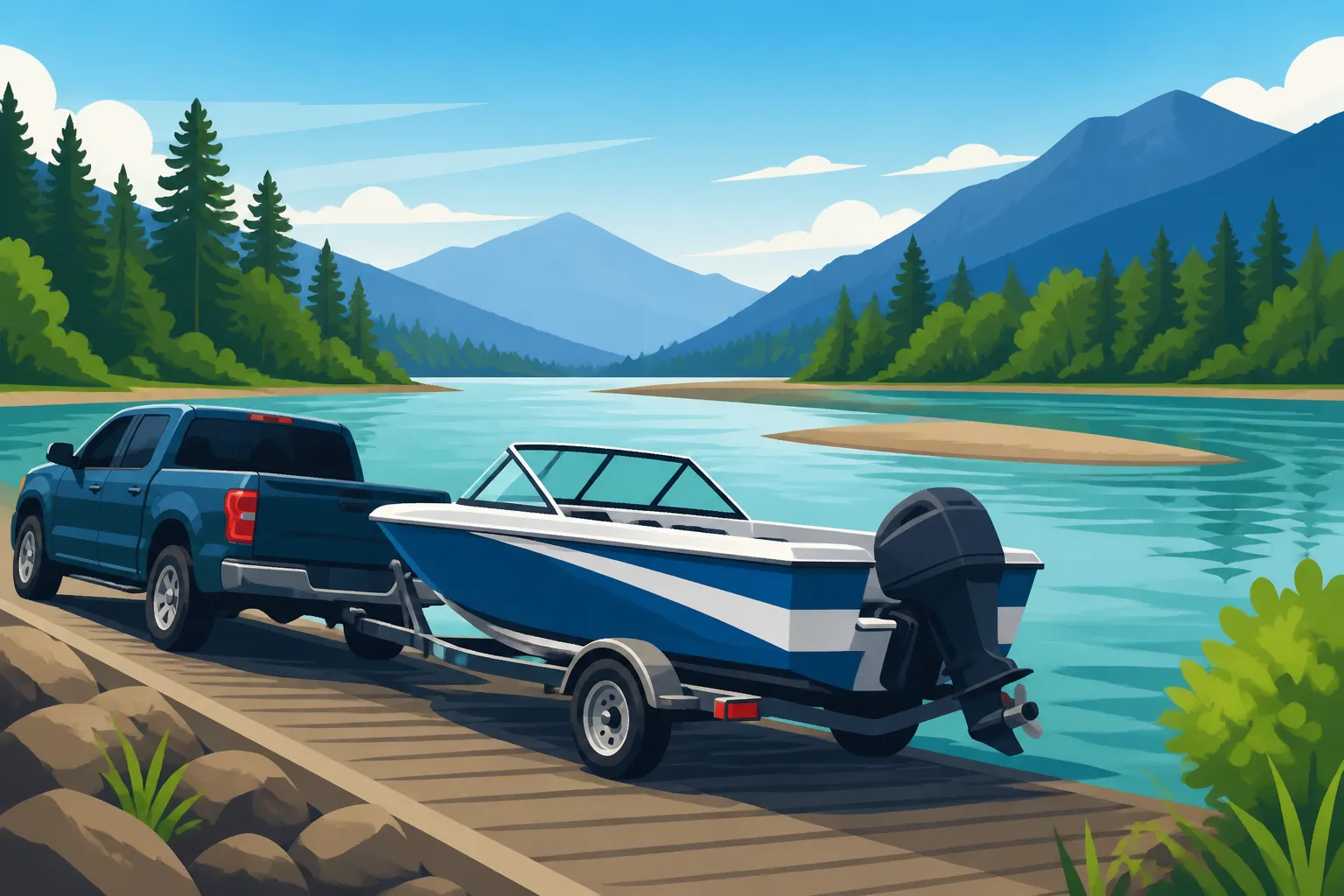
Once you arrive at the launch, remember that it's often a shared space, and good etiquette goes a long way. The golden rule is efficiency. Do as much prep work as possible before you back down the ramp. This means unstrapping your boat, removing the transom saver, inserting the drain plug, loading all your gear (coolers, rods, tackle boxes), and checking your motor. Have your lines ready to quickly tie off to the dock. When it's your turn, don't dawdle. Back down confidently, launch your boat, and move it quickly to the courtesy dock to make way for the next boater. If you're using a guide service found on platforms like FishingBooker, they are usually masters of this efficiency.
Retrieval follows the same principles. Don't pull your trailer onto the ramp until your boat is already at the courtesy dock and ready to be loaded. It's frustrating for everyone when a boat is floating in the way while the operator slowly backs down an empty ramp. Once the boat is on the trailer, pull forward immediately to a designated prep area to secure your straps, remove the drain plug, and do any other post-retrieval tasks. Be mindful of others, offer assistance if you see someone struggling (especially new boaters), and avoid blocking ramps or thoroughfares. A little courtesy goes a long way in ensuring everyone has a pleasant and stress-free experience.
Safety First: Navigating Fraser River Waters
Safety on the Fraser River extends far beyond just launching. The river is immense and powerful, capable of turning a beautiful day into a dangerous situation quickly. Always ensure you have enough fuel for your trip, plus a reserve. The river can be deceptive, and currents consume fuel faster than you might expect. Strong currents also mean that if your motor fails, you can drift a long way in a short time, potentially into hazards. Always inform someone on shore of your float plan – where you're going, your expected return time, and who is with you.
Navigation can be challenging, particularly during periods of high water when usual landmarks might be submerged, or during low water when new hazards like sandbars and snags become visible. Pay close attention to channel markers if they are present, and be aware of other boat traffic, especially large commercial vessels which have the right of way and cannot maneuver quickly. If you plan to explore unknown areas, having up-to-date charts and a GPS is highly recommended. Always be aware of your surroundings, scan for hazards, and keep a lookout for changing weather. Remember that even on seemingly calm days, the Fraser can kick up waves, particularly in open stretches or when opposing wind and current create choppy conditions. Staying safe on this incredible river means being prepared, being aware, and respecting its power.
Disclaimer
Please note that fishing regulations, license costs, and boat launch conditions can change. Always consult the official Fisheries and Oceans Canada (DFO) and BC provincial government websites for the most current regulations, licensing information, and real-time river conditions before heading out on the water. This guide is for informational purposes only and does not constitute legal advice. Adhering to all local laws and safety guidelines is the sole responsibility of the angler.