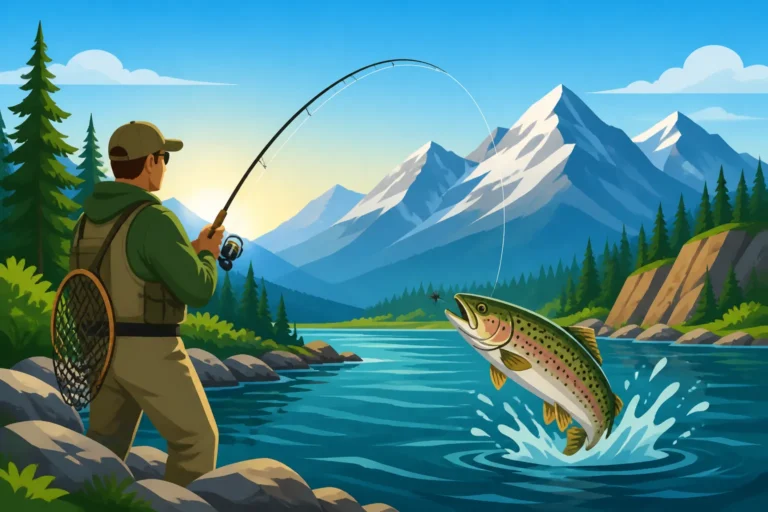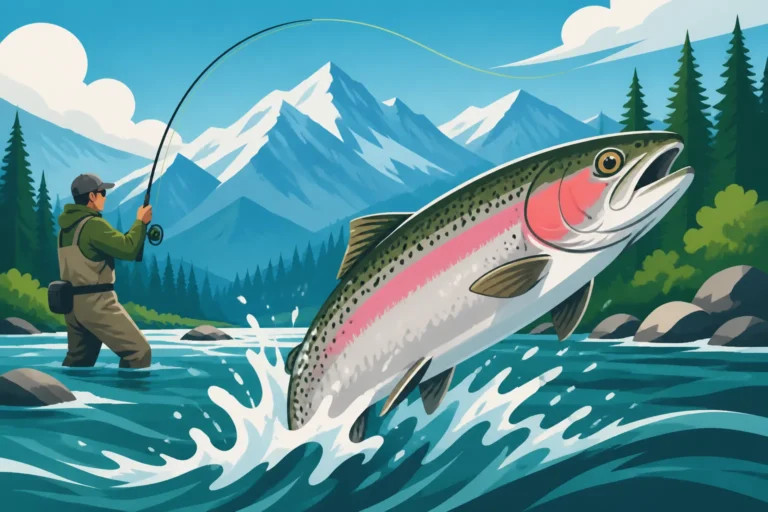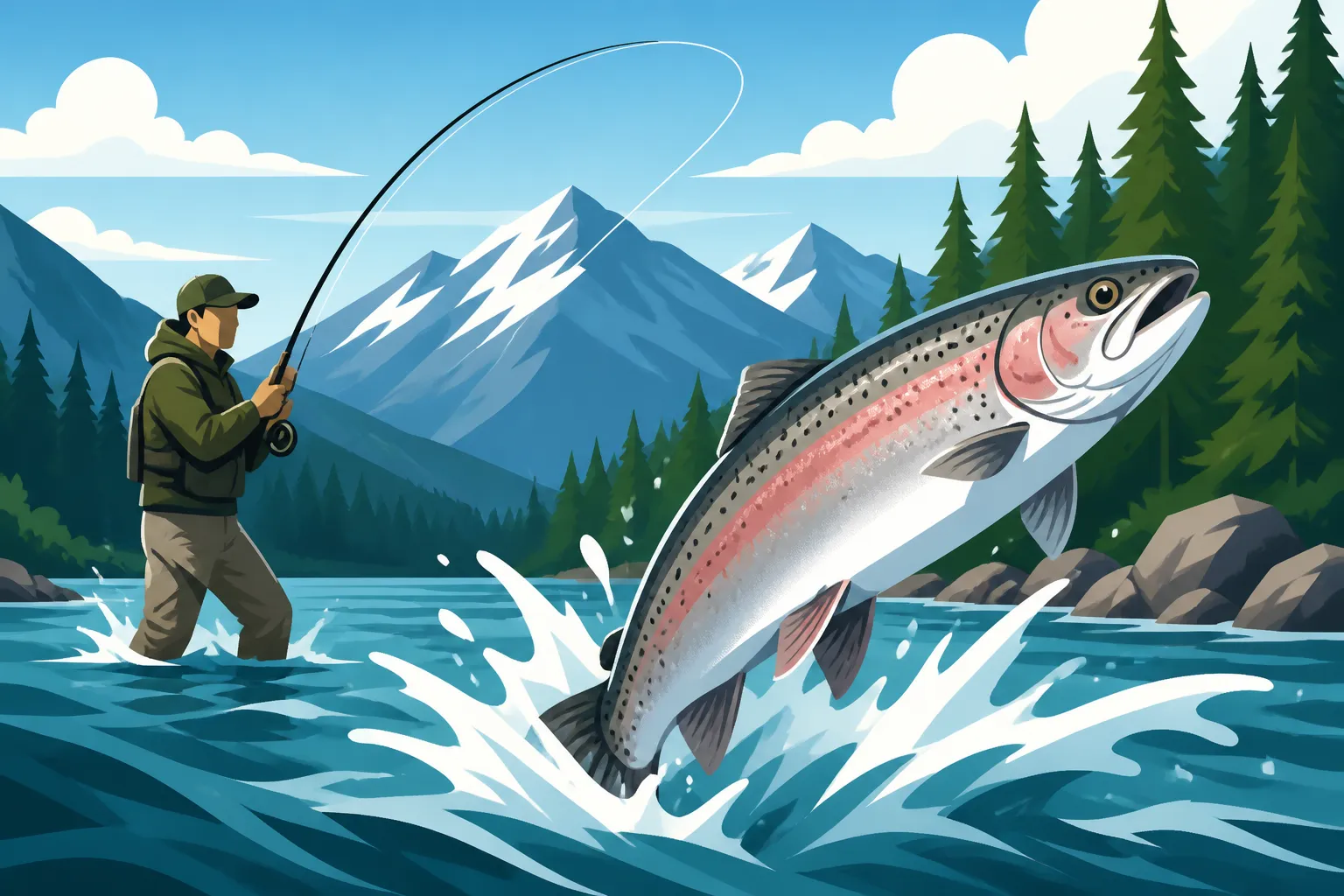
Skeena River Steelhead Fishing
The Skeena River in British Columbia isn't just another fishing destination; for many, it's the ultimate pilgrimage for steelhead. The sheer scale of the river, combined with its remote location and the notoriously challenging nature of steelhead, can make planning a trip feel incredibly daunting. Anglers often struggle with understanding the intricate runs, knowing what gear to bring, or even where to begin navigating the vast network of tributaries. This comprehensive guide is here to demystify the legendary Skeena, providing you with all the essential knowledge to plan a successful and unforgettable steelhead fishing adventure.
Understanding the Skeena River's Unique Steelhead Dynamics
The Skeena River system is legendary for good reason: it hosts some of the largest, wildest, and most abundant steelhead runs on the planet. This isn't your average trout stream; it's a massive, powerful river system that drains a significant portion of northern British Columbia, offering an incredible diversity of angling experiences. But what makes its steelhead so special, and how do their movements dictate your fishing strategy?
Skeena River's Unique Steelhead Biology and Migrations
What sets Skeena steelhead apart isn't just their size, which can be truly monumental, but also their unique life history. These are wild, anadromous rainbow trout, meaning they are born in freshwater, migrate to the ocean to feed and grow, and then return to their natal streams to spawn. Unlike Pacific salmon, steelhead are iteroparous, meaning they can survive spawning and return to the ocean to spawn again in subsequent years. This incredible resilience contributes to the robust nature of the Skeena's runs.
The Skeena system itself is enormous, with countless tributaries feeding into it, each with its own distinct steelhead population and timing. These fish travel hundreds of kilometers from the Pacific Ocean, pushing deep into the interior to reach their spawning grounds. This epic journey means they are strong, fresh, and often incredibly aggressive. Understanding these migrations is key; you're not just fishing the Skeena, you're fishing a specific part of the Skeena system at a specific time to intercept different runs. It’s a complex puzzle, but incredibly rewarding when you start to put the pieces together.
Prime Seasons for Different Steelhead Runs
Steelhead fishing on the Skeena is essentially a year-round affair, with different runs peaking at various times. Generally, anglers refer to spring steelhead and fall steelhead, but even within those broad categories, there's significant variation.
- Spring Steelhead (March to May): This is often considered the peak season by many dedicated anglers. These are typically "winter-run" steelhead that have overwintered in the lower river or estuary and begin their upstream migration as water temperatures rise. They are often incredibly strong and aggressive, having rested and prepared for their journey. Tributaries like the Copper River and Kalum River see strong runs during this period. The weather can be variable, from crisp, sunny days to late-season snow, so come prepared for anything.
- Summer/Fall Steelhead (August to November): This period sees a fresh wave of "summer-run" steelhead entering the system. These fish are renowned for their incredible acrobatics and willingness to chase a fly or lure. As the fall progresses and water temperatures drop, these fish become more numerous and settle into holding lies. Late September and October are prime for these powerful fish, particularly in famous rivers like the Bulkley, Kispiox, and the mainstem Skeena itself. This is often the most popular time, and for good reason, with crisp autumn air and vibrant fall foliage adding to the experience. For a deeper dive into seasonal patterns, you might find our guide on BC Fishing Seasons by Month helpful in planning your trip.
It’s crucial to remember that river conditions, water levels, and even daily temperatures play a huge role in when and where these runs are accessible. Always check the latest fishery notices and local conditions before heading out, as these can impact the success and safety of your trip.
Navigating the Skeena River System and Its Tributaries
The Skeena River is not a single body of water but a vast network. The mainstem Skeena is a huge river, often best fished from a jet boat, but its numerous tributaries are where many anglers find their true passion. Understanding which tributaries are open, what regulations apply, and how to access them is paramount.
Famous tributaries include:
- Bulkley River: A fly fishing Mecca, particularly for large fall steelhead. It's known for its wadeable sections and iconic "fish run" during peak season.
- Kispiox River: Often considered the jewel of the Skeena system, famous for its incredible beauty and truly enormous steelhead. Access can be challenging, and many sections are only accessible by drift boat or with guides.
- Morice River: Another stunning clearwater river, known for its pristine wilderness and robust steelhead populations.
- Copper River (Zymoetz River): Popular in spring, offering earlier opportunities for aggressive spring steelhead closer to the coast.
- Kalum River: A shorter river near Terrace, offering accessible options and strong runs.
- Babine River: A significant tributary, particularly known for its sockeye and chinook runs, which also attract steelhead.
Each of these rivers has its own character, access points, and specific regulations. Some are primarily wade-fishing rivers, while others are best explored by drift boat. Due to the sensitive nature of these wild fisheries, many sections are managed with strict quotas, classified as Classified Waters, or have specific restrictions on gear or timing. You’ll want to consult the BC Freshwater Fishing Regulations Synopsis for the latest information on specific river sections before heading out. Given the complexity, many first-timers find that hiring a local guide is invaluable for navigating both the physical terrain and the regulatory landscape.
Essential Gear for Skeena River Steelhead
Fishing for Skeena steelhead is not for the faint of heart, or for the ill-equipped. These are powerful, ocean-run fish in a demanding environment. Having the right gear isn't just about comfort; it's about effectively presenting your offering, battling strong fish, and staying safe in diverse conditions. Trying to cut corners here will only lead to frustration.
Rods, Reels, and Lines for Big Steelhead
When it comes to tackle for Skeena steelhead, you need equipment that can handle both the size of the fish and the power of the river. This isn't delicate trout fishing.
- Rods: For fly fishing, two-handed spey rods are king. A 13-14 foot 7 or 8-weight spey rod is a common choice, offering the power to cast heavy lines and flies long distances and the leverage to fight large fish. If you prefer single-handed rods, a 10-foot 8 or 9-weight is typically recommended for nymphing or short-range swinging. For conventional gear, a medium-heavy spinning or baitcasting rod, typically 9-11 feet in length, is ideal for float fishing or drift fishing. The extra length helps with line control and absorbing the powerful runs of a steelhead.
- Reels: Your reel needs a strong drag system and ample backing capacity (at least 200 yards of 30-pound Dacron or Gel Spun). Disc drag systems are preferred for their smooth, consistent pressure. A large arbor reel helps with line retrieval and reduces line memory. Whether it's a fly reel or a conventional reel, it should be built tough to withstand the elements and the strain of powerful fish.
- Lines: Fly lines vary depending on the technique. For spey casting, you'll want integrated shooting heads or skagit/scandi heads with interchangeable tips (T-11, T-14, T-17) to get your flies down to the fish in varying water depths and currents. For single-handed nymphing, a weight-forward floating line with a strong front taper is common. Conventional lines should be robust; 15-20 pound monofilament or fluorocarbon main line is standard for float or drift fishing, often paired with a lighter leader. Choosing the right line for the conditions is crucial for presenting your offering effectively.
Remember, the Skeena is remote, and gear shops might not be readily available in all areas. Bring backups for critical items like lines and leader material.
Tackle and Flies: What to Pack
The specific tackle you'll need depends heavily on your chosen technique and the time of year. However, a well-rounded selection is always a good idea.
- Flies for Fly Fishing: For swinging flies, think classic steelhead patterns like Intruder patterns, tube flies, spey flies, and classic hairwings in various sizes and colors (black, blue, chartreuse, pink, purple). For nymphing, stonefly nymphs, large pheasant tails, egg patterns, and San Juan worms are reliable choices. Don't forget some leeches and Sculpins for variety. Different weights of flies (from unweighted to heavily weighted) will be essential for getting to the correct depth. A good starting point for patterns can be found in our guide on Fly Patterns for BC Steelhead Rivers.
- Conventional Tackle: If you're float fishing or drift fishing, you'll need a selection of weighted jigs (marabou, rabbit strip, or yarn) in various colors (pink, chartreuse, black, purple), often weighing 1/4 to 1/2 ounce. Drift fishing often involves roe bags, gooey bobs, or weighted worms, so bring a variety of lead weights (pencil lead, slinkies), swivels, and beads. A good selection of strong, sharp hooks (sizes 1/0 to 3/0) is a must. Spinners and spoons can also be effective, especially for prospecting new water or covering broad stretches. Brands like Gibbs Delta and Pautzke are popular for their effectiveness in these conditions.
Leader material is also critical. For fly fishing, fluorocarbon leaders in 10-15 pound test are common. For conventional fishing, you'll want spools of both fluorocarbon and monofilament in various strengths (8-20 pound test) to match the conditions and water clarity.
Waders, Boots, and Essential River Safety Gear
Comfort and safety are paramount on the Skeena. The water is cold, the footing can be treacherous, and the weather is unpredictable.
- Waders: High-quality breathable chest waders are non-negotiable. Look for durable, multi-layer GORE-TEX or similar material that can withstand bushwhacking and abrasive river conditions. Ensure they fit well, allowing for layering underneath. Many anglers prefer stockingfoot waders paired with separate wading boots.
- Wading Boots: Sturdy wading boots with felt or sticky rubber soles are essential for navigating the slippery, rocky river bottom. Felt soles offer excellent grip on wet rocks but are banned in some areas due to invasive species concerns (always check local regulations). Many anglers opt for sticky rubber soles with studs for added traction. Ankle support is crucial for uneven terrain.
- Layering and Outerwear: You'll need warm layers for under your waders – fleece pants, thermal tops, and a good down or synthetic puffy jacket. A waterproof and windproof wading jacket is absolutely essential to stay dry and comfortable in the inevitable rain or sleet. Don't forget warm gloves or mitts, a warm hat, and polarized sunglasses to cut glare and spot fish.
- Safety Gear: The Skeena is a powerful river, and safety is not something to compromise on. Always wear a wading belt to prevent your waders from filling with water in case of a fall. A wading staff is invaluable for stability and testing depth, especially in murky water or fast currents. A personal flotation device (PFD) is highly recommended, especially when crossing deep channels or fishing from a boat. A first-aid kit, bear spray (and knowing how to use it), a whistle, and communication devices (satellite phone or inReach) are vital, given the remote nature of many fishing spots. Understanding Wading Techniques for BC Steelhead Rivers can also greatly enhance your safety.
Always fish with a buddy if possible, and let someone know your float plan or where you intend to fish for the day, especially if venturing into remote areas.
Proven Techniques for Skeena Steelhead Fishing
Steelhead, particularly the wild giants of the Skeena, are notoriously challenging. They are often less interested in feeding once they enter freshwater and can be incredibly selective. Success here often comes down to perseverance, understanding fish behavior, and mastering various presentation techniques.
Drift Fishing and Float Fishing Strategies
These conventional methods are highly effective, especially in higher or off-color water conditions, or when targeting fish holding in deeper runs.
- Drift Fishing: This technique involves presenting a weighted bait (like roe, a prawn, or a yarn-covered lead) along the bottom, allowing it to tumble naturally with the current. The key is to use just enough weight to keep your offering near the bottom without constantly snagging. Anglers typically cast slightly upstream and across, mending their line to ensure a drag-free drift. The "feel" of the take is often subtle – a slight hesitation or bump – requiring quick reflexes to set the hook. This method is fantastic for covering a lot of water and probing deeper holding lies where steelhead might be resting. It’s particularly effective in areas with distinct seams and current breaks.
- Float Fishing (or "Bait-Casting with a Float"): This technique uses a buoyant float (often a large "sundown" or "Drennan" float) to suspend your bait or jig at a specific depth, allowing it to drift naturally with the current. It's incredibly effective for fishing precise depths in seams, eddies, or alongside structure. The float acts as your strike indicator, dipping or disappearing when a fish takes the bait. Long rods (10-13 feet) are common for line control and managing long drifts. Like drift fishing, a drag-free presentation is crucial. You're trying to make your offering look like a natural piece of food effortlessly drifting downstream. This method is often preferred when the water is a bit clearer, and fish are holding in distinct pockets. Learning Drift Fishing for Steelhead in BC Rivers can significantly up your game.
Both techniques require careful line management to avoid unnatural drag. Pay close attention to the currents and adjust your weight or float depth to match the river's flow and the steelhead's likely holding depth.
Fly Fishing: Swinging Flies and Nymphing
Fly fishing for Skeena steelhead is an art form, demanding precision, patience, and a deep understanding of river dynamics.
- Swinging Flies: This is perhaps the most iconic and romantic method of fly fishing for steelhead. It involves casting a large, often weighted, fly (like an Intruder or Spey fly) across and slightly downstream, then allowing the current to swing it in an arc through potential holding lies. The idea is to trigger a territorial or aggressive strike from a fish, rather than simulating a feeding response. The retrieve is often subtle, with a slow swing and minimal manipulation. Different sink tips (from floating to fast-sinking) are used to present the fly at various depths. This method requires covering a lot of water, making many casts, and maintaining constant contact with the fly as it swings. The take, when it comes, is often a sudden, powerful grab that will send your heart racing.
- Nymphing (Indicator and Euro Nymphing): While swinging is popular, nymphing can be incredibly effective, especially for fish holding deeper or in faster runs. Indicator nymphing uses a floating indicator (like a Thingamabobber) to suspend weighted nymphs at a specific depth, allowing them to drift naturally. Euro nymphing, a more specialized technique, uses a long, sensitive rod and a specialized leader without an indicator, relying on visual cues from the line and direct feel to detect strikes. Both methods aim for a drag-free drift, presenting small, natural-looking flies that mimic insects or eggs. Nymphing is particularly useful when fish are less aggressive or when fishing challenging water where a swung fly might not get deep enough. It allows for a more direct presentation and often results in more hook-ups, especially during slower periods.
No matter the fly fishing technique, presentation is king. A natural, drag-free drift or swing is what ultimately convinces a wary steelhead to strike.
Reading the Water and Locating Steelhead Lies
Successfully fishing the Skeena or its tributaries means learning to "read the water" – understanding where steelhead are likely to hold, rest, or move through. It’s an acquired skill that comes with observation and experience.
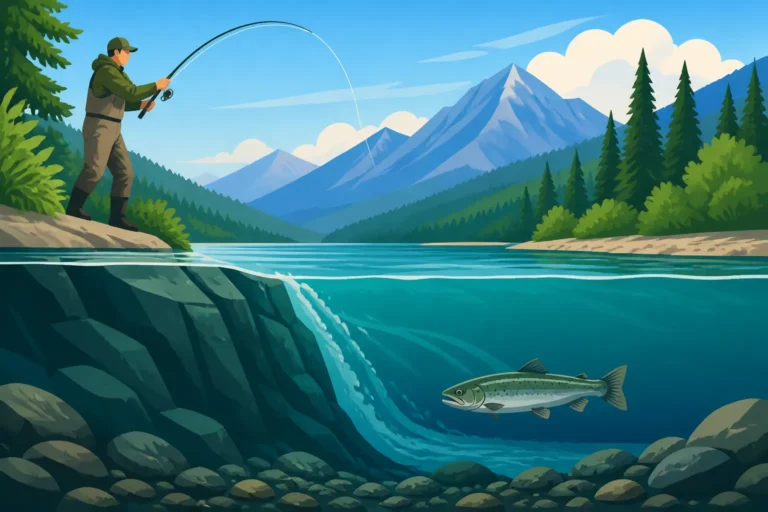
- Identifying Holding Water: Steelhead, especially during their migration, look for places to rest, conserve energy, and feel secure. Look for areas with a comfortable current speed, usually slower than the main flow but still oxygenated. This often means the soft edges of seams, behind large boulders, in the deeper pools, or in the tail-outs of runs. Current breaks, where faster water meets slower water, are prime ambush points. In clear water, you might even spot dark shadows or shapes resting on the bottom.
- Transition Zones: Steelhead are constantly moving, and transition zones are key. These are areas where the river changes character – from a fast riffle to a deep pool, or a wide, shallow section into a narrow, deeper run. The head of a pool, where fresh water enters, or the tail-out, where water begins to speed up again, are often productive. They often use these areas as staging points before pushing further upstream.
- Structure and Cover: Any natural structure that breaks the current or provides cover can be a steelhead lie. This includes submerged logs, large rocks, ledges, undercut banks, and even changes in bottom contour. These spots offer refuge from the current and potential predators. However, they also pose snagging risks, so careful casting and presentation are necessary. Always approach these areas quietly and thoughtfully, as steelhead can be incredibly spooky.
Local knowledge here is golden. If you're new to the Skeena, consider hiring a guide for at least a day or two. They can teach you the subtle nuances of specific runs and help you understand how to approach this complex fishery. FishingBooker is a great resource for finding reputable guides and charters in the region, connecting you with experts who know the river intimately.
Planning Your Skeena River Steelhead Adventure
A trip to the Skeena is often a significant undertaking, involving travel to remote regions and considerable planning. From deciding on a guided experience to understanding the regulations, every detail counts towards a successful and enjoyable trip.
Choosing a Guided vs. DIY Trip
This is often the first big decision for anglers eyeing the Skeena, and there are pros and cons to both approaches.
- Guided Trips: For many, especially first-timers or those with limited time, a guided trip is the best option. Guides offer invaluable local knowledge, knowing precisely where the fish are, what techniques are working, and how to navigate the complex regulations of the specific waters. They provide necessary gear, transport (often jet boats or rafts to access remote stretches), and lodging packages. This allows you to focus purely on fishing and learning from an expert. The main downside is the cost, which can be substantial, but for the experience and increased chances of success, many find it worthwhile. A good guide will also prioritize conservation and proper fish handling. If you're looking for guidance, researching Best Guided Steelhead Trips on the Skeena can help you find the right fit.
- Do-It-Yourself (DIY) Trips: For experienced steelhead anglers with a sense of adventure and a willingness to put in the legwork, a DIY trip can be incredibly rewarding and more budget-friendly. This approach gives you maximum flexibility to explore and learn the river at your own pace. However, it requires extensive research, a solid understanding of the regulations, your own reliable transport (a capable 4×4 is often a must), appropriate gear, and strong backcountry safety skills. Access can be a major challenge, with many prime spots requiring specific knowledge or property permissions. You'll also need to manage all your own logistics, from food and lodging to navigation and safety. It’s a steep learning curve, but the satisfaction of finding and catching a Skeena steelhead on your own terms is unmatched.
Ultimately, the choice depends on your budget, experience level, and desired trip style. Many anglers start with a guided trip and then, after gaining some familiarity, transition to DIY adventures.
Navigating Licenses, Regulations, and Conservation
British Columbia's fishing regulations can be complex, and nowhere is this more true than on the Skeena, given the sensitivity of its wild steelhead populations and the presence of First Nations territories. Ignorance of the rules is never an excuse for non-compliance.
- Fishing Licenses: Before you even think about casting a line, you need the correct fishing licenses. This will typically include a basic BC freshwater fishing license. For resident vs. non-resident costs, you can find specifics in our Resident vs Non-Resident Fishing License Costs in BC guide. Additionally, if you plan to retain any salmon (which is generally highly restricted on the Skeena for wild steelhead conservation), you'll need a BC Salmon Conservation Stamp. Always purchase your license before heading out. The government’s website and licensed vendors are the only legitimate places to purchase these.
- Skeena Classified Waters: Many of the Skeena's prime tributaries (like the Bulkley, Kispiox, Morice, and Copper) are designated as "Classified Waters." This means they have special, often more restrictive, regulations, including daily quotas for anglers (sometimes requiring an additional booking or lottery system), specific gear restrictions (e.g., single barbless hooks only, no bait), and strict catch-and-release rules. Failing to adhere to these rules can result in significant fines and loss of fishing privileges. Always consult the official BC Fishing Regulations Explained and specific area synopses for the most up-to-date information.
- First Nations Rights and Territories: The Skeena River system flows through the traditional territories of numerous First Nations. Respecting their rights, traditions, and fisheries management practices is paramount. Be aware of any special closures or access restrictions that might be in place to protect sensitive areas or traditional harvesting. Always be courteous and mindful of local communities.
- Conservation is Key: The Skeena's wild steelhead are a precious resource. Most steelhead fishing in the region is strictly catch-and-release. Learn proper fish handling techniques to ensure the highest survival rates for released fish. This means minimizing air exposure, handling fish gently with wet hands, and reviving them fully before release. Your actions directly impact the future of this incredible fishery.
Accommodation and Logistics for Remote Fishing
Getting to and staying in the Skeena region requires careful planning, as many of the best fishing spots are in remote areas.
- Getting There: The main gateway to the Skeena region is the city of Terrace, British Columbia. Terrace has a regional airport (YXT) with flights from Vancouver. From Terrace, you'll likely need to rent a 4×4 vehicle to access various fishing spots and tributaries, as roads can be rough and unpaved. Alternatively, if you're on a guided trip, your outfitter will handle transportation from the airport.
- Accommodation: Options range from luxurious fishing lodges that offer all-inclusive packages (often booked years in advance) to more budget-friendly motels, cabins, and campgrounds in towns like Terrace, Smithers, or Hazelton. If you're doing a DIY trip, securing accommodation well in advance is critical, especially during peak seasons, as options can be limited. Some anglers also opt for RVs or tent camping for greater flexibility, but be prepared for variable weather conditions and wildlife.
- Supplies and Services: Towns like Terrace and Smithers offer basic amenities, including grocery stores, gas stations, and some tackle shops. However, once you venture further out into the tributaries, services become scarce. Stock up on food, water, fuel, and any specialized gear you might need. Always carry extra emergency supplies, including a spare tire and a full emergency kit, as roadside assistance can be hours away in remote areas. Plan your fuel stops carefully, as distances between gas stations can be significant.
This kind of trip is an adventure, and good planning ensures you're ready for anything BC throws your way!
Conservation and Ethical Angling on the Skeena
The Skeena River's wild steelhead are a marvel, but they are also a fragile resource facing increasing pressures. Ethical angling practices and a strong commitment to conservation are not just recommended, they are essential for ensuring these incredible fish continue to thrive for future generations.
The Importance of Catch and Release
For wild steelhead on the Skeena, catch and release is not just a preference, it's virtually a mandatory practice and a cornerstone of conservation efforts. Most regulations explicitly state that wild steelhead must be released unharmed.
- Minimizing Harm: The goal is to maximize the survival rate of released fish. This means using single, barbless hooks (often required by regulation), which cause less damage and are easier to remove. Avoid using bait in areas where it's prohibited, as bait can lead to deeper hooking and increased mortality.
- Proper Handling Techniques: When you hook a fish, bring it to hand as quickly and efficiently as possible without over-fighting it to exhaustion. Keep the fish in the water as much as possible. If you must lift it for a quick photo, support its weight horizontally with both hands, never by the jaw or tail alone. Avoid squeezing the fish. Remove the hook gently with forceps or pliers.
- Revival: After unhooking, cradle the fish in the current, facing upstream, until it can swim away under its own power. Do not release it until it shows strong signs of recovery. If you're on a guided trip, your guide will be an expert in this, but it’s crucial for every angler to understand and practice these techniques. Every fish that successfully spawns contributes to the future of the Skeena's runs.
Remember, the privilege of fishing for these wild steelhead comes with a deep responsibility to protect them.
Respecting Local Culture and First Nations Rights
The Skeena River has been the lifeblood of First Nations communities for millennia. Their cultural heritage, traditional territories, and inherent rights to the fishery are deeply intertwined with the river itself. As visiting anglers, it is our responsibility to be respectful and mindful of this.
- Understanding Traditional Territories: Recognize that you are fishing within the traditional territories of various First Nations. Learn about the local communities and their connections to the river.
- Adhering to First Nations Closures: Occasionally, First Nations may implement their own closures or restrictions on certain waters or at specific times for conservation or ceremonial purposes. These are legally binding and must be respected. Stay informed by checking local notices and asking reputable guides or community members.
- Cultural Sensitivity: Be respectful of cultural sites, sacred lands, and private property. Never trespass. If you encounter local residents or First Nations people on the river, offer a friendly greeting and be mindful of your presence. Show genuine appreciation for the opportunity to fish on their ancestral waters. Building positive relationships and understanding can enhance your experience and contribute to a more harmonious environment for all who value the Skeena.
Minimizing Your Impact on a Fragile Ecosystem
The Skeena watershed is a relatively pristine wilderness, and it’s up to every angler to help keep it that way. Leave No Trace principles should be your guiding philosophy.
- Pack It In, Pack It Out: Everything you bring onto the river, including all trash, must be packed out. This includes fishing line scraps, snack wrappers, and anything else. Consider bringing a small bag specifically for trash.
- Stay on Designated Trails: Avoid creating new trails, especially in sensitive riparian areas. Stick to existing paths and access points to minimize erosion and disturbance to vegetation.
- Prevent the Spread of Invasive Species: Before traveling to new waters, thoroughly clean your waders, boots, and gear to prevent the spread of invasive aquatic species (like whirling disease or New Zealand mud snails). "Check, Clean, Dry" is the mantra. Felt soles, while great for grip, can harbor invasives, so be extra diligent or consider sticky rubber.
- Be Bear Aware: You are in prime bear country. Carry bear spray and know how to use it. Store food securely, and be vigilant, especially around salmon spawning areas where bears are common. Avoid startling wildlife.
- Respect Wildlife: Observe wildlife from a distance and never disturb animals. Your goal is to enjoy the wilderness, not to impact it. The more we tread lightly, the longer this incredible ecosystem will remain a true wild gem.
By embracing these conservation practices, we can all play a part in preserving the unparalleled beauty and angling opportunities that the Skeena River offers.
Disclaimer
The information provided in this guide is for general informational purposes only and does not constitute legal advice. Fishing regulations in British Columbia, particularly for sensitive fisheries like the Skeena River, are subject to frequent change. Anglers are solely responsible for consulting and adhering to the most current official BC Freshwater Fishing Regulations Synopsis, BC Tidal Waters Sport Fishing Guide, and any in-season fishery notices or advisories issued by the Department of Fisheries and Oceans (DFO) and the Province of British Columbia prior to fishing. Failure to comply with regulations may result in significant penalties.