Kispiox River Steelhead Fishing
The Kispiox River, a name whispered with reverence among steelhead anglers worldwide, often presents a formidable challenge that can leave even seasoned fishermen scratching their heads. Its wild, powerful steelhead are legendary, but pinning them down in this remote, dynamic river system requires more than just luck; it demands a deep understanding of its nuances, seasons, and proper techniques. This guide will take you through everything you need to know to transform that Kispiox dream into a memorable, and hopefully successful, steelhead adventure.
The Legendary Kispiox River: A Steelhead Mecca
Nestled in the heart of British Columbia's wild Skeena region, the Kispiox River isn't just another fishing destination; it's an institution, a place where the pursuit of wild steelhead transcends mere sport and becomes an almost spiritual quest. Its reputation precedes it, drawing anglers from every corner of the globe, all yearning for a chance to tangle with one of its magnificent, chrome-bright inhabitants. But what truly sets the Kispiox apart?
Understanding the Kispiox's Unique Character
The Kispiox is a tributary of the mighty Skeena River, flowing through a landscape of dense boreal forest, rugged mountains, and pristine wilderness. What makes it truly unique, however, is its incredible population of wild, unclipped steelhead. Unlike some river systems that rely on hatchery programs, the Kispiox prides itself on its naturally reproducing fish, which are renowned for their size, strength, and stunning beauty. The river itself is a complex tapestry of deep, slow pools, fast-moving riffles, and intricate runs, constantly reshaped by seasonal flows and the forces of nature. Its character changes dramatically depending on the water levels – a river that can be crystal clear and inviting one day might turn into a powerful, opaque torrent after a heavy rain, presenting entirely new challenges and opportunities. This ever-changing nature is part of its allure, demanding adaptability and keen observation from every angler.
Why the Kispiox Attracts Anglers Globally
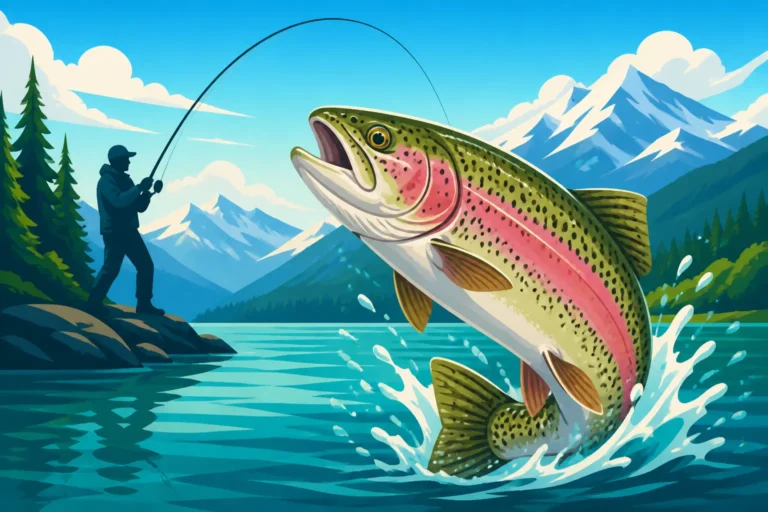
The Kispiox isn't just a place to catch fish; it's a place to experience the raw, untamed essence of steelhead fishing. Anglers are drawn here by the promise of genuinely trophy-sized steelhead, fish that can measure well over a meter and weigh into the high twenties or even thirty pounds. These aren't just big fish; they're incredibly strong, acrobatic, and notoriously difficult to bring to hand, offering a fight that few other species can match. The thrill of hooking into a fresh-run Kispiox steelhead, feeling its powerful surges and aerial displays, is an experience that imprints itself on an angler's memory forever. Beyond the fish, the sheer remoteness and breathtaking scenery contribute to its mythical status. Imagine casting your line surrounded by towering evergreens, under the watchful gaze of eagles, with bears occasionally making an appearance along the riverbanks. It's an immersive wilderness experience, far removed from the hustle and bustle of modern life, and for many, the challenge of the Kispiox is as much about connecting with nature as it is about catching fish.
Navigating Kispiox Steelhead Seasons and Runs
Understanding the timing of steelhead runs and how water conditions influence their behavior is paramount to success on the Kispiox. These aren't resident trout; they are anadromous fish, meaning they migrate from the ocean into freshwater to spawn, and their presence in the river is highly seasonal and dependent on environmental factors.
Prime Windows for Steelhead Encounters
The Kispiox River essentially offers two distinct steelhead seasons, each with its unique charm and challenges. The most popular and often most productive is the fall run, typically beginning in late August and peaking through September and October. This is when the river sees a strong influx of fresh, chrome-bright fish, many of them large and full of ocean vigor. The fish are aggressive, focused on migrating upstream, and often willing to chase a swung fly or a well-presented float. As the season progresses into late fall, the fish become more resident in the deeper pools, sometimes requiring slower, more deliberate presentations. The winter/spring run, occurring from roughly March through May, is often overlooked but can offer incredible fishing for hardier, often larger, steelhead. These fish have overwintered in the river or are fresh spring arrivals, and while their numbers might not be as high as the fall run, the quality of the fish can be exceptional. Fishing during this period often means contending with colder temperatures and potentially higher, murkier water as the spring thaw begins, but the rewards can be truly monumental. For a broader perspective on when to plan your trip, you might want to look into the Best Time of Year to Fish in BC and BC Fishing Season Dates and Closures.
Impact of Water Conditions on Fishing Success
Steelhead fishing on the Kispiox is inextricably linked to water conditions. These wild fish are incredibly sensitive to changes in flow, temperature, and clarity, and understanding these factors is crucial for deciding where to fish and what techniques to employ.
- High Water: After heavy rains or during spring runoff, the river can become high and off-color. While this might seem daunting, high water can actually draw fresh fish into the system and provide them with cover, making them less wary. In these conditions, focusing on slower seams, eddies, and the edges of the main current with larger, brighter flies or baits can be effective. Fish tend to hug the banks and seek softer water when the main current is raging.
- Low Water: Conversely, extended dry spells can lead to very low and clear water conditions. This makes fish incredibly spooky and challenging to approach. Anglers will need to use longer leaders, lighter tippets, and smaller, more natural presentations. Stealth becomes paramount, and fishing during low light conditions (dawn and dusk) can be particularly productive.
- Temperature: Water temperature plays a huge role in steelhead metabolism and activity levels. In colder water (early spring, late fall), fish tend to be lethargic and prefer slower presentations. As temperatures warm into their preferred range, fish become more active and aggressive.
- Clarity: Turbid water often calls for higher contrast flies or baits, perhaps with scent, to help fish locate them. In crystal-clear water, matching the hatch (even if it's just general insect life) and using subtle, natural patterns is often the key.
Before heading out, always check local river gauges and weather forecasts, or consult with a local guide. Conditions can change rapidly, and being prepared for various scenarios will significantly increase your chances of success.
Essential Techniques for Kispiox Steelhead
Successfully targeting Kispiox steelhead requires a blend of skill, patience, and the right approach. These fish are powerful and intelligent, often demanding meticulous presentation and an understanding of their river lies.
Fly Fishing: The Art of the Swing
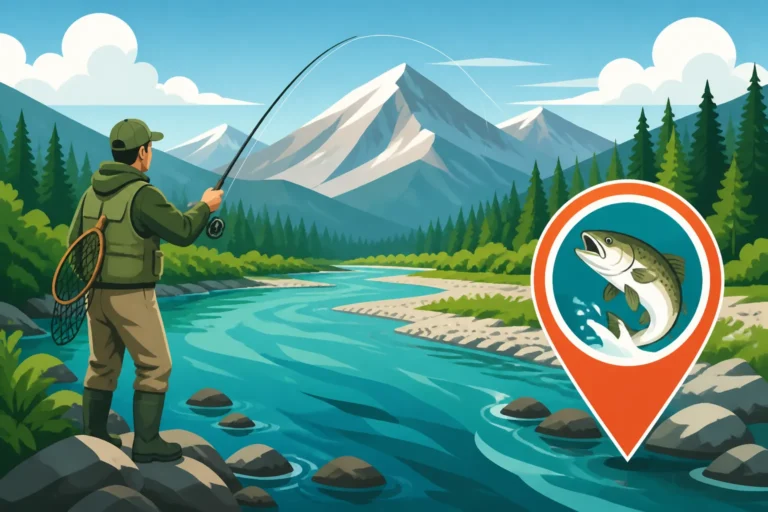
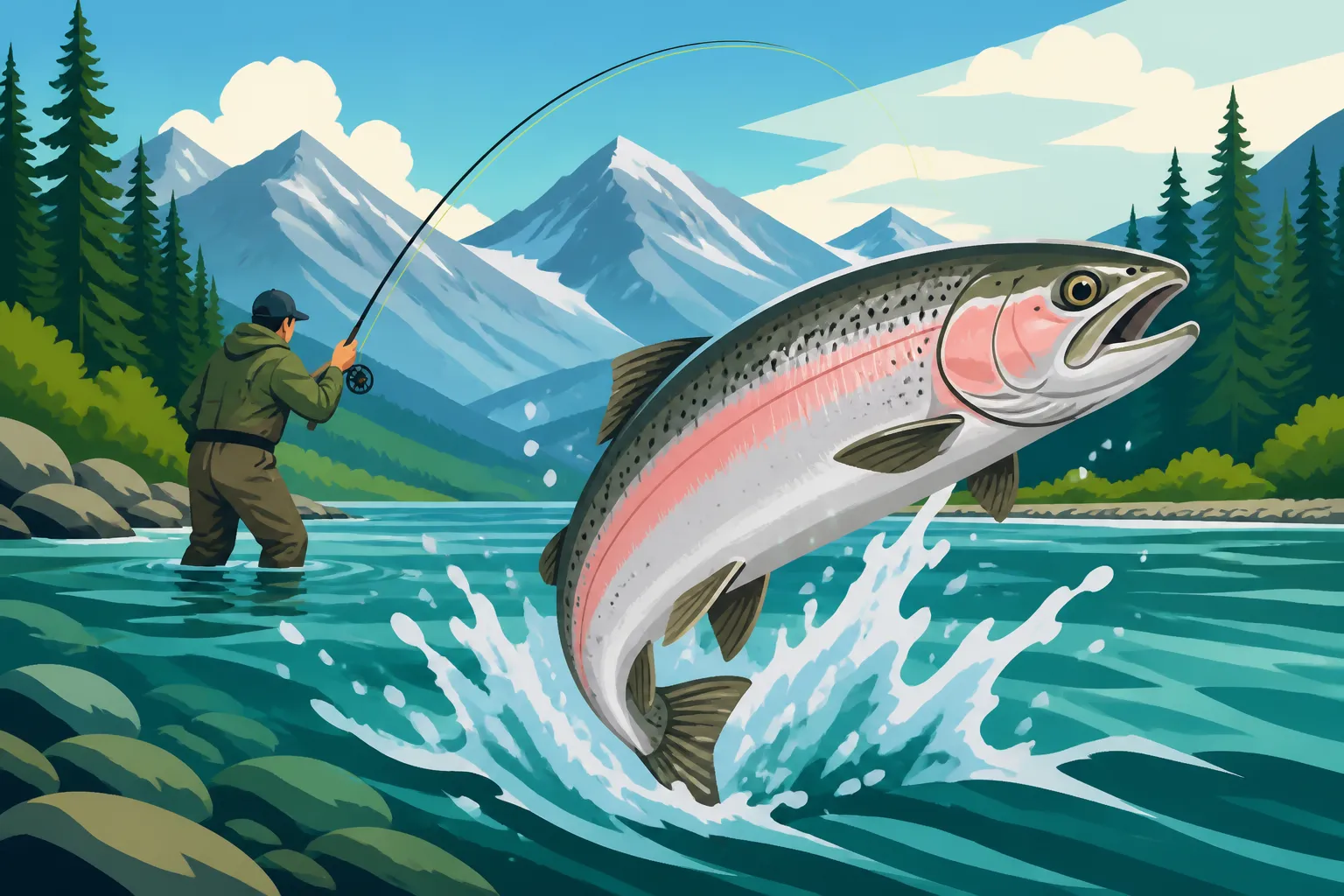
For many, fly fishing, particularly Spey casting, is the quintessential method for Kispiox steelhead. The rhythmic swing of a two-handed rod, sending a fly arcing across the river and allowing it to drift and swing through prime holding water, is an art form.
- Spey Casting: This technique is ideally suited for the Kispiox's broad runs and powerful currents, allowing anglers to cover vast stretches of water without constant backcasting. Long casts are often necessary to reach distant lies, and the ability to mend your line effectively is crucial for controlling the fly's swing speed and depth. Popular fly patterns include traditional Dee-style flies, Intruders, tube flies, and general attractor patterns in various colors and sizes, often with a touch of flash. The idea is for the fly to swing enticingly across the current, mimicking a fleeing baitfish or insect, triggering an aggressive strike.
- Single-Hand Techniques: While Spey casting dominates, single-hand fly rods are also effective in smaller runs or when wading conditions allow. Dead-drifting nymphs or egg patterns under an indicator can be deadly when fish are less aggressive or holding in specific pockets. This method offers a more precise presentation but covers less water than a swung fly. Regardless of the casting method, reading the water to identify potential holding lies – such as current seams, depressions, large rocks, or the tailouts of deep pools – is critical.
Gear Recommendations for Kispiox Steelhead
Having the right tackle can make all the difference when pursuing these formidable fish. You need gear that can handle both the fish and the challenging river environment.
- Rods: For Spey casting, a 13-foot to 15-foot rod in an 8 or 9 weight is standard. Shorter Spey rods (11-12 feet) or switch rods (10-11 feet) in the same weight class are versatile for tighter quarters or lighter presentations. For single-hand setups, a 9-foot, 8-weight rod is a good all-around choice.
- Reels: Choose a robust reel with a smooth, powerful drag system and ample backing capacity (at least 200 yards of 30lb braid). A large arbor design helps with quicker line retrieval.
- Lines: For Spey casting, choose a line system appropriate for your rod, such as Skagit or Scandi heads, paired with various sinking tips (T-11, T-14, T-17) to adjust depth. For single-hand fly fishing, a weight-forward floating line or an integrated sinking line (for subsurface presentations) is suitable.
- Leaders and Tippets: Strong, abrasion-resistant monofilament or fluorocarbon leaders are essential. Typically, 10-15 lb test tippet is used for fly fishing, especially with the powerful runs these fish make.
- Waders: Breathable chest waders are a must, paired with sturdy wading boots with felt soles or stud-equipped rubber soles for grip on slippery rocks.
- Other Essentials: A quality wading staff for stability, polarized sunglasses for spotting fish and structure, nippers, forceps, a net with a large, rubberized mesh, and a waterproof bag for essentials. For a more general overview of what to pack, check out What to Bring on a BC Fishing Charter.
Other Effective Methods
While fly fishing is popular, other techniques can be incredibly effective, especially depending on water conditions or personal preference.
- Float Fishing (Drift Fishing): This method involves suspending bait (often cured roe, shrimp, or even artificial worms and jigs) under a float and allowing it to drift naturally through prime holding water. Centerpin setups are particularly popular for float fishing on the Kispiox, allowing for incredibly long, drag-free drifts. The key is to perfectly match the speed of your float to the current, ensuring your bait tumbles along the bottom naturally where steelhead are often holding. This technique is particularly effective in higher or slightly off-color water when steelhead are less likely to chase a swung fly.
- Spin Fishing/Gear Fishing: For those preferring conventional gear, drift fishing with a lead weight, bait (such as roe bags, rubber worms, or small plugs), and a simple leader can be very productive. Casting and retrieving spoons or spinners can also entice aggressive fish, especially fresh ones. Remember, many parts of the Kispiox are fly-fishing-preferred, and specific regulations might apply, so always check the latest BC Fishing Regulations Explained.
Key Kispiox River Fishing Spots and Access
The Kispiox River is known for its rugged beauty and, consequently, its somewhat challenging access. This isn't a river with a paved road running alongside its entire length; navigating it often requires local knowledge or a sense of adventure.
Public Access Points and Challenges
Unlike some more developed river systems, public access to the Kispiox River is relatively limited and often requires navigating logging roads, trails, or even private land. The main public access point is usually near Kispiox Village, where the river meets the Skeena. From there, various logging roads and trails branch off, offering intermittent access points to different sections of the river. However, these roads can be rough, unmaintained, and sometimes impassable without a high-clearance 4×4 vehicle.
- Respecting Private Property: It's absolutely crucial to respect private property signage. Many stretches of the Kispiox flow through First Nations traditional territories or private lands. Always ensure you are on public access points or have explicit permission to cross private property. Trespassing can lead to fines and, more importantly, can damage relationships with local communities, potentially jeopardizing future access for all anglers.
- Crown Land Trails: Many access points are simply unmarked trails leading from logging roads down to the river. These can be steep, muddy, and require bushwhacking. Always be prepared for a hike, and be mindful of your surroundings. Some well-known sections might have informal parking areas, but facilities are minimal to non-existent.
- Generalizing Spots: While specific "secret spots" are closely guarded by locals, generally, steelhead will hold in deep pools, especially at the head or tail-outs, along seam lines where fast and slow water meet, behind large boulders, and in the slower water adjacent to heavy currents. Moving upstream from Kispiox Village, the river offers diverse habitat, and exploring its various bends and runs is part of the adventure. For an idea of where the Kispiox fits into the larger picture, explore Best Steelhead Rivers in BC and Skeena River Steelhead Fishing.
The Role of Guides and Lodges
Given the river's remote nature and challenging access, many anglers, especially first-timers, opt to hire a professional guide or stay at a dedicated fishing lodge.
- Why a Guide is Essential: A local Kispiox guide offers invaluable expertise. They know the river intimately, understand its ever-changing conditions, and can navigate the best access points, including those that might require permission across private land. They're also experts at reading the water, understanding steelhead behavior, and teaching effective techniques. For many, a guide isn't just a luxury but a vital component for a successful and safe trip. They often provide all the necessary gear, boat transportation (if applicable), and even lunch, taking away much of the logistical stress. If you're looking to book a guided trip, platforms like FishingBooker can connect you with experienced Kispiox guides who specialize in steelhead.
- Advantages of Lodge Stays: Kispiox-area lodges, such as the Kispiox Lodge or others around nearby Hazelton, offer a comprehensive experience. They provide accommodation, meals, and, most importantly, expertly guided fishing trips daily. These lodges often have exclusive access to prime stretches of the river or permits to fish in restricted areas, giving their guests a significant advantage. They also provide a comfortable base from which to explore the river, with amenities like drying rooms for waders and a welcoming atmosphere to share stories of the day's triumphs (and challenges!). Many anglers find their ideal Kispiox steelhead guide through online booking services like FishingBooker, which can streamline the process of finding reputable operations.
Conservation and Etiquette on the Kispiox
The Kispiox River is a precious resource, home to some of the last truly wild steelhead populations. Therefore, responsible angling practices and a deep respect for the environment and local communities are not just recommendations; they are obligations.
Practicing Responsible Catch and Release
Given the wild and vulnerable nature of Kispiox steelhead, catch and release is not just encouraged, it's often mandated and universally practiced. Ensuring the survival of released fish is paramount for the sustainability of this incredible fishery.
- Barbless Hooks Only: By regulation and practice, only single, barbless hooks are permitted for steelhead fishing on the Kispiox. These minimize damage to the fish's mouth and allow for quick, clean releases.
- Minimizing Fight Time: While the thrill of a long fight is undeniable, it's vital to bring fish to hand as quickly and efficiently as possible. Prolonged fights exhaust the fish, reducing its chances of survival after release. Use appropriately sized tackle that allows you to land fish without undue stress.
- Proper Handling: Keep the fish in the water as much as possible. If you must remove it for a quick photo, do so quickly, supporting its weight horizontally with both hands. Never lift a large steelhead by its tail or hold it vertically, as this can damage its internal organs. Avoid touching its gills or eyes.
- Revival: After unhooking, gently hold the fish upright in a calm current, facing upstream. Allow water to flow over its gills until it regains its strength and is able to swim away on its own. Watch for strong tail kicks as a sign of recovery.
- Understanding Specific Regulations: Always check the latest BC Steelhead Conservation Surcharge Stamp requirements and specific Kispiox River regulations, which can change in-season to protect vulnerable runs.
Respecting the River and Its Community
Angling on the Kispiox is about more than just the fish; it's about respecting the entire ecosystem and the people who call this region home.
- Leave No Trace: Pack out everything you pack in. This includes all trash, broken leader material, and any other waste. The goal is to leave the riverbank exactly as you found it, if not cleaner.
- Respecting Other Anglers: The Kispiox can be busy, especially during peak fall season. Practice proper river etiquette: maintain adequate distance from other anglers, don't "walk through" someone's fishing water, and communicate courteously. Patience and consideration go a long way.
- Local Customs and First Nations Territories: The Kispiox River flows through the traditional territory of the Kispiox First Nation. Understanding and respecting their connection to the land and water is fundamental. This includes respecting traditional fishing areas and cultural sites. Always inquire about local protocols and demonstrate cultural sensitivity. The BC Fishing Regulations Explained provides broader context for respecting local jurisdictions.
- Wildlife Awareness: This is bear country. Carry bear spray, know how to use it, and make noise when walking through dense brush to avoid surprising wildlife. Secure all food and waste.
Planning Your Kispiox Steelhead Adventure
A trip to the Kispiox River is a significant undertaking, requiring careful planning and preparation to ensure a smooth and successful experience. Its remote location means you can't just run to the corner store if you forget something.
Permits, Licenses, and Stamps
Before you even think about packing your waders, securing the correct permits and licenses is non-negotiable. Fishing without the proper documentation in British Columbia can lead to hefty fines and confiscation of gear.
- BC Freshwater Fishing License: Every angler, regardless of residency, needs a valid British Columbia freshwater fishing license. These can be purchased online through the provincial government's website or from authorized vendors throughout BC. You can find detailed information on how to obtain one in the British Columbia Fishing License Guide for 2026 and specifically on Where and How to Buy a BC Fishing License.
- Conservation Surcharge Stamps: To fish for anadromous salmon and steelhead, additional conservation stamps are required. For steelhead, you'll need the BC Steelhead Conservation Surcharge Stamp. These stamps contribute directly to conservation efforts for these important species. It's crucial to understand the distinction between freshwater and tidal licenses if you plan to fish both, as explained in BC Freshwater vs Tidal Waters License, Explained.
- Specific Kispiox Regulations: The Kispiox River, as part of the Skeena system, often has specific, localized regulations and possible in-season closures or restrictions, particularly concerning steelhead retention (which is almost always strictly catch-and-release) or bait restrictions. Always check the current year's BC Freshwater Fishing Synopsis and any in-season fishery notices from Fisheries and Oceans Canada (DFO) or the provincial government for the Skeena-Nass area. These can be found online and are updated frequently.
Accommodation and Logistics
The Kispiox River is remote, and this means services are limited. Planning your logistics well in advance is crucial.
- Getting There: The Kispiox Valley is accessible by road, typically via Highway 16, turning off towards Hazelton and then onto the Kispiox Valley Road. The nearest major airport is in Terrace (YXT) or Prince George (YXS), both requiring a significant drive to reach the Kispiox. Many anglers drive from Vancouver, which is a very long journey, often broken up with overnight stays.
- Accommodation: Options range from rustic campsites along the river (often informal and requiring self-sufficiency) to B&Bs in nearby communities like Hazelton, or dedicated fishing lodges directly on or near the Kispiox. Due to the popularity of the fall steelhead season, lodge accommodations and guide services book up sometimes a year or more in advance. It’s highly recommended to secure your bookings for guides and lodging as early as possible.
- Supplies: Stock up on all necessary supplies – groceries, fuel, fishing tackle, batteries, first-aid items – in larger towns like Smithers, Terrace, or even Hazelton. Services become very scarce closer to the Kispiox. Plan for self-sufficiency, especially if you intend to camp or fish remote areas without a guide.
- Communication: Cell service can be spotty or non-existent in many parts of the Kispiox Valley. Consider bringing a satellite phone or a personal locator beacon (PLB) for emergencies, especially if venturing into truly isolated areas.
| Kispiox Steelhead Run | Prime Months | Typical Water Conditions | Fish Characteristics | Key Techniques |
|---|---|---|---|---|
| Fall Run | Late August – October | Variable (Clear to High/Turbid) | Fresh, aggressive, ocean-bright, large | Spey swinging, gear float, drift fishing |
| Winter/Spring Run | March – May (can extend) | Cold, often higher/murkier | Overwintered/fresh, hardier, very large | Slower presentations, float fishing, deeper swings |
Disclaimer
Please note that fishing regulations, seasons, and licensing requirements in British Columbia can change frequently. While this guide provides comprehensive information, it is essential to always consult the official BC Freshwater Fishing Synopsis and any in-season fishery notices from Fisheries and Oceans Canada (DFO) or the provincial government before planning and undertaking your fishing trip. Ensure you have all necessary licenses, stamps, and are aware of any closures or restrictions for the Kispiox River and the broader Skeena-Nass area.