Nechako River best fishing access
Trying to figure out the best fishing access points on a big, winding river like the Nechako can be incredibly frustrating. It’s not like pulling up to a small lake with a clear public dock; these larger river systems often have a patchwork of private land, tricky forestry roads, and ambiguous entry points that can leave you scratching your head, driving around endlessly. This comprehensive guide is here to cut through that confusion, giving you the inside scoop on the best and most reliable ways to get on the Nechako River to cast a line.
Understanding the Nechako River Fishery
The Nechako River, stretching from the Kenney Dam near Cheslatta Lake to its confluence with the Fraser River in Prince George, is a truly iconic waterway in central British Columbia. It’s a diverse system that offers a variety of angling experiences, but to truly make the most of your trip, you need to understand what lives in its waters and when they’re most active.
Key Fish Species and Seasons
The Nechako is home to a fantastic array of fish, and what you’re targeting will heavily influence where and when you decide to cast your line.
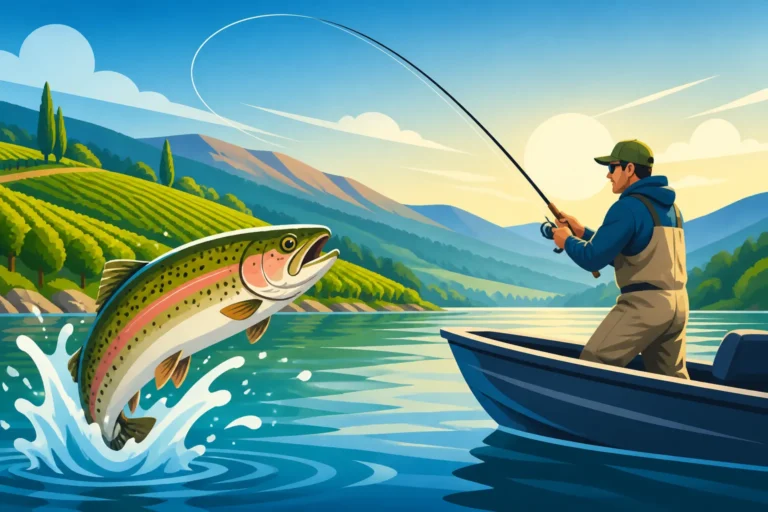
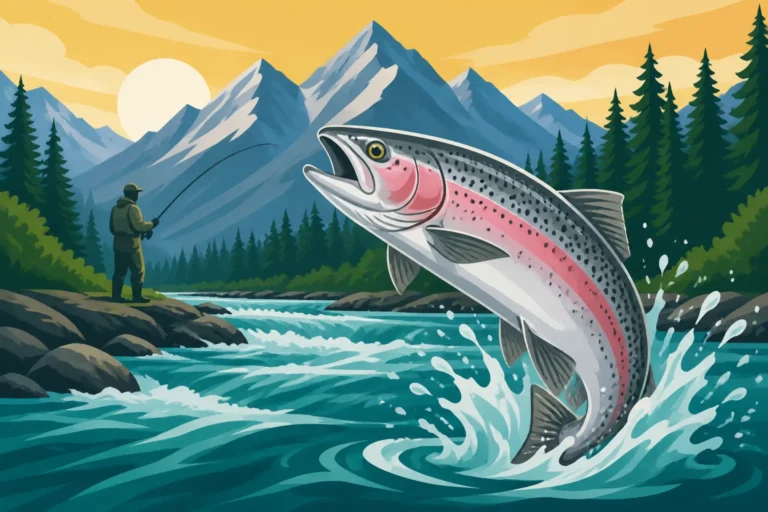
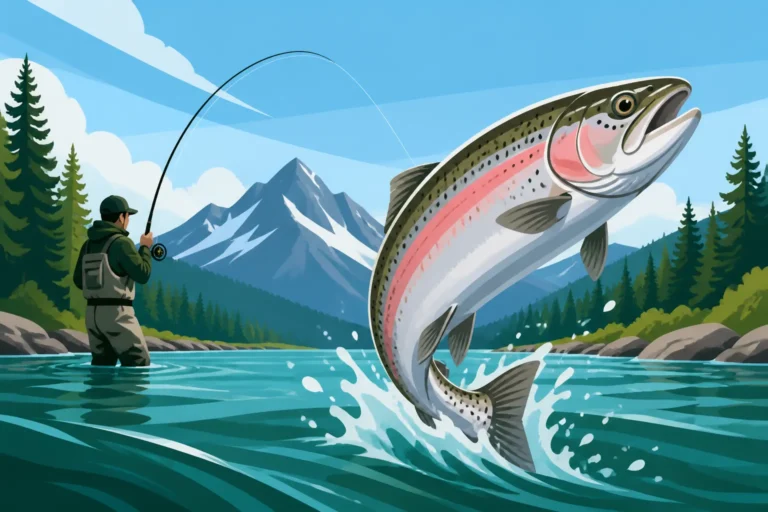
- Rainbow Trout: These are a staple in the Nechako, found throughout the system. They thrive in the river's varied currents and oxygenated waters. While you can find them year-round, spring and fall often offer the most consistent action as they become more active. Many anglers enjoy pursuing these beautiful fish with a variety of methods, from fly fishing to spinning gear. For specific tactics, you might find our guide on How to Catch Rainbow Trout in BC Lakes helpful, as many river techniques cross over.
- Bull Trout: These powerful, predatory char are a prize for many Nechako anglers. They tend to prefer deeper, cooler pockets and often follow salmon runs, feeding on eggs and fry. Targeting them can be an exciting challenge, particularly in the fall. It's crucial to be aware of the specific conservation regulations surrounding Bull Trout in BC's Interior Rivers, as they are a sensitive species and often catch-and-release only in certain areas.
- Kokanee: While more commonly associated with lakes, kokanee can be found in the Nechako, especially closer to their spawning grounds in the fall. These landlocked sockeye are smaller but put up a spirited fight.
- Pacific Salmon: This is where the Nechako truly shines for many anglers. Depending on the year and the specific runs, you can encounter:
- Chinook Salmon: Known for their massive size and incredible power, Chinook typically enter the river in late summer and early fall. Chinook Salmon Fishing in BC is a huge draw, and the Nechako contributes to some of these runs.
- Sockeye Salmon: During large return years, the Nechako is a critical migration route for Fraser River sockeye. While retention can be highly restricted or even closed to protect stocks, seeing these vibrant red fish migrate upstream is an unforgettable experience. Keep an eye on Sockeye Salmon Fishing in BC regulations.
- Coho Salmon: These acrobatic fighters usually arrive in the fall, offering thrilling light-tackle opportunities. Our guide on Coho Salmon Fishing in BC covers many tactics applicable to river systems like the Nechako.
- Pink and Chum Salmon: These species also pass through the Nechako in varying numbers, particularly in odd-numbered years for pinks, providing additional angling prospects, often catch-and-release.
It’s absolutely critical to always check the latest BC Fishery Notices and In-Season Closures, Explained before heading out, as salmon regulations can change rapidly based on stock assessments and conservation needs.
Unique Characteristics of the Nechako
The Nechako River isn't just any river; it has some defining characteristics that impact how and where you fish.
- The Kenney Dam's Influence: The river's flow and temperature are significantly influenced by the Kenney Dam at the outlet of Nechako Reservoir. This dam regulates water levels, which can affect fish migration patterns and habitat downstream. Anglers often find the stretch immediately below the dam behaves differently from sections further downstream. This regulation means that water levels can be more stable than purely free-flowing rivers, but can also change based on operational needs, so always be mindful.
- Vast and Varied Landscape: From the agricultural lands around Vanderhoof to the more urban stretches near Prince George, and the wilder sections in between, the Nechako flows through diverse landscapes. This means access points will vary greatly, from easily reachable roadside spots to more remote, rough-road destinations. Understanding the terrain helps you prepare for the right kind of fishing adventure.
- Deep Pools and Gravel Bars: Like many large rivers, the Nechako features a mix of deep, slow pools and quicker, shallower gravel bars and riffles. Each of these structures holds different species at different times. Trout and juvenile salmon often hold in riffles and current seams, while larger salmon and sturgeon (which are present further downstream towards the Fraser confluence) will utilize deeper runs and pools. Reading the water is an essential skill here, much like on other major B.C. rivers highlighted in our Best Fishing Rivers in British Columbia guide.
Public Access Points for Bank Anglers
For many, bank fishing is the most accessible way to enjoy the Nechako River. You don't need a boat, just your gear, a valid British Columbia Fishing License Guide for 2026, and the knowledge of where to go.
Popular Spots Near Vanderhoof and Prince George
These locations offer relatively easy access and are often well-known among local anglers.
- Vanderhoof Area:
- Nechako River Bridge (Highway 16): Just west of Vanderhoof, the Highway 16 bridge offers some bank access opportunities. There are often informal trails down to the river from either side of the highway. While not always the quietest spot due to traffic, it’s a convenient option for those passing through. Anglers here often target rainbow trout and, during migration, salmon. Parking can be found off to the side of the road, but always ensure you are not blocking traffic or private driveways.
- Vanderhoof Airport Road Access: South of Vanderhoof, along Airport Road (which parallels the river for a stretch), you can often find pulloffs and informal access points. These spots tend to be a bit quieter than directly under the highway bridge and offer decent bank fishing, particularly for trout. Always respect private property signs and close any gates you open. This area is great for a relaxed morning or evening session.
- Prince George Area:
- Lheidli T'enneh Memorial Park (Formerly Fort George Park): Situated right in Prince George, this park offers excellent, family-friendly access to the Nechako River, right at its confluence with the Fraser. While the main focus here is often the Fraser, the Nechako side provides opportunities, especially for salmon during their runs. The park has paved pathways, ample parking, and picnic areas, making it very accessible. You'll often see anglers casting spoons or drift fishing here, particularly for Chinook and Coho salmon.
- Riverside Park (Prince George): Another easily accessible spot within Prince George, Riverside Park is a popular choice. It offers good public access along the riverbanks, with paved trails and open spaces. Similar to Lheidli T'enneh Memorial Park, it’s primarily known for salmon fishing during migration periods, but resident trout can also be caught. This park is particularly active during the fall salmon runs.
- Cottonwood Island Park: Located just east of downtown Prince George, Cottonwood Island Park sits at the confluence of the Nechako and Fraser rivers, offering some of the best riverbank access in the city. With extensive walking trails, you can explore various stretches of riverbank. This spot is excellent for targeting migrating salmon and is a favourite among local fly anglers and gear fishers alike. It provides a peaceful escape right within the city limits.
Remote and Lesser-Known Shoreline Access
For those who crave solitude and a more rugged angling experience, the Nechako also has plenty of less-frequented spots. However, these often require a bit more effort, a good map, and sometimes a four-wheel-drive vehicle.
- Forestry Roads off Highway 16 (West of Prince George): As you head west from Prince George along Highway 16, numerous forestry roads branch off towards the river. These roads often lead to remote sections of the Nechako, offering opportunities for unpressured fishing. Names like the Shelley Road area or others south of the highway can provide access, but you’ll need a good B.C. road map (like a Backroad Mapbook) and a keen eye. These spots are fantastic for adventurous anglers looking to explore and find their own honey hole for trout or migrating salmon. Be prepared for rough roads and limited cell service.
- Stretches Near the Nechako White Sturgeon Conservation Centre: While the primary purpose of the centre is conservation, the surrounding areas often have lesser-known access points. These might involve small pull-offs or short hikes to the river. These spots are typically quieter and can offer excellent opportunities for resident rainbow and bull trout. Always be respectful of the conservation efforts in the area and adhere strictly to all BC Fishing Regulations Explained.
- Unmarked Trails and Private Land Boundaries: It’s a common frustration to see a promising stretch of river only to find "Private Property" signs. Always be vigilant about respecting private land. However, sometimes there are unmarked public access points or easements that local knowledge can reveal. Asking at local tackle shops in Vanderhoof or Prince George can be invaluable for finding these hidden gems. They often know of the quiet spots that aren't widely advertised. Just remember, these can require a bit of bushwhacking!
Boat Launching and Drifting Opportunities
If you want to cover more water and access mid-river holding spots, a boat is almost essential on a river the size of the Nechako. This opens up different techniques and allows you to reach areas inaccessible to bank anglers.
Designated Boat Launches
Having a reliable place to launch your boat is key, especially on a river system where currents can be strong.
- Prince George City Launches: In Prince George, there are a couple of well-known public boat launches that provide access to both the Nechako and Fraser rivers. The City of Prince George Boat Launch near the confluence is a popular spot, offering paved ramps and ample parking for trailers. From here, you can head upstream into the Nechako or downstream into the Fraser. This launch is typically busy during peak fishing seasons, especially for salmon. Another option is the launch at Heritage River Park, which also provides easy access and good facilities. These city launches are the most convenient for larger boats.
- Vanderhoof Area Launches: While fewer formal public launches exist directly in Vanderhoof compared to Prince George, there are often informal access points or smaller, less developed ramps. Local marinas or campgrounds sometimes offer boat launch facilities for a fee. For example, some resorts or private campgrounds along the river or nearby lakes might have basic gravel ramps. It's always best to inquire locally at the Vanderhoof Visitor Centre or a local tackle shop about the most current and reliable launch points.
- Smaller Community Ramps: Along the Nechako's length, in smaller communities or near rural subdivisions, you might stumble upon smaller, often gravel, boat ramps. These are usually less maintained and might only be suitable for smaller boats, jet boats, or drift boats. An invaluable resource for locating these can be a detailed map or by asking locals. Always inspect the ramp conditions before backing your trailer down.
Drift Fishing and Float Trip Considerations
Drift fishing and full float trips are fantastic ways to experience the Nechako, allowing you to cover vast stretches of water and present your lures or flies naturally to waiting fish.
- Logistics of a Float Trip: Planning a multi-day or even a full-day float trip requires careful consideration. You'll need a put-in point and a take-out point, which often means arranging for a shuttle or a second vehicle. The Nechako's size and current mean you can cover significant distance. Popular float sections might be identified by local guides or experienced anglers. Always assess the river conditions before embarking, especially regarding water levels and potential hazards like log jams. For those less experienced with river navigation, considering a guided trip can be a safer and more productive option. You can often find reputable guides through platforms like FishingBooker, who specialize in navigating specific stretches of the Nechako.
- Suitable Watercraft: For drifting, drift boats (often McKenzie-style) or rafts are ideal due to their maneuverability and stability in current. Jet boats are also popular for navigating shallower sections and moving quickly between spots. In certain calmer sections, even a kayak or canoe can be used for accessing specific fishing holes, especially if you're targeting trout in smaller stretches. Remember to always have all required safety equipment, including life jackets, onboard.
- Permits and Safety: Beyond your fishing license, you don't typically need special permits for floating the river itself, but it's crucial to understand river etiquette and safety. Always let someone know your float plan, estimated put-in and take-out times, and who is with you. Carry a well-stocked first-aid kit, emergency communication device (like a satellite messenger, as cell service can be spotty), and plenty of water and food. The river can be deceptive, and conditions can change quickly.
Navigating Regulations and Conservation on the Nechako
Fishing in British Columbia, especially on a major system like the Nechako, comes with a responsibility to understand and adhere to the regulations. These rules are in place to protect the fish stocks for future generations, and ignoring them can lead to significant penalties.
Species-Specific Regulations
The regulations on the Nechako are dynamic and can be quite specific, not just by species, but by area and time of year.
- Salmon Regulations are Key: This cannot be stressed enough. Salmon fishing on the Nechako, as part of the broader Fraser River system, is heavily managed. Daily bag limits, possession limits, and even whether you can retain certain species (like Sockeye or even Chinook in specific windows) can change at a moment's notice. You might find that even when a season is open, there are special restrictions on gear, such as single barbless hooks, or specific "non-retention" zones. Regularly consulting the official BC Fishing Regulations Explained synopsis and BC Fishery Notices and In-Season Closures, Explained is absolutely non-negotiable before every single trip. For instance, the rules for BC Freshwater Salmon Retention Rules are frequently updated and can be complex.
- Trout and Char Limits: For rainbow trout, bull trout, and other resident species, there are typically daily quotas and size limits. Bull trout, in particular, often have more stringent regulations or are designated as catch-and-release only. Knowing the difference between a bull trout and a Dolly Varden (a similar-looking species that can be found in some BC waters) is important for compliance. Always check the regulations for the specific management unit the Nechako River falls under.
- Conservation Surcharge Stamps: Depending on what you're targeting and in which waters, you might need additional stamps. For example, if you plan to retain salmon in freshwater, a freshwater salmon conservation stamp is required. Steelhead, if present in a system and targeted, also often require a specific conservation stamp. Ensure you understand BC Salmon Conservation Stamp Rules and other applicable stamps. These stamps contribute directly to the management and conservation of these valuable fish populations.
Conservation Efforts and Ethical Angling
Beyond the regulations, responsible angling practices are vital for maintaining the health of the Nechako's ecosystem.
- Catch and Release Best Practices: For many species, especially large trout, bull trout, and often salmon (due to regulations), catch and release is common. When practicing catch and release, handle fish minimally, keep them in the water as much as possible, use barbless hooks, and revive them gently before release. This significantly increases their survival rate. Our article on BC Fraser River Sturgeon Catch and Release Requirement provides excellent general guidelines that apply to handling any large, sensitive fish.
- Respect the Habitat: Be mindful of your footprint. Pack out everything you pack in, avoid wading through active spawning beds, and do not disturb riverbanks unnecessarily. The health of the river relies on a clean environment.
- Report Poaching: If you witness any illegal fishing activity, report it to the Report All Poachers and Polluters (RAPP) line. It's up to all of us to protect British Columbia's natural resources.
- Consider a Guided Trip: If you're new to the Nechako or want to learn the ropes of ethical angling in this specific environment, hiring a local guide can be invaluable. Guides, often found through services like FishingBooker, not only know the best fishing access points and techniques but are also intimately familiar with the most current regulations and best conservation practices. They can teach you how to properly handle fish, navigate the river safely, and ensure you're fishing legally and ethically.
Remember that getting your Where and How to Buy a BC Fishing License and understanding all its nuances is the first step to any responsible fishing trip in BC.
Nechako River Public Access and Features Summary
To help you plan your next trip, here’s a quick overview of some of the Nechako River's key access points and what they offer. This table focuses on public access where bank fishing or boat launching is feasible.
| Access Point Location | Type of Access | Primary Species Targeted | Amenities Present | Notes & Considerations |
|---|---|---|---|---|
| Vanderhoof Area | ||||
| Hwy 16 Bridge | Bank (informal) | Rainbow Trout, Salmon (seasonal) | Limited roadside parking | Convenient, but can be busy. Check current regulations for salmon. |
| Airport Road Pull-offs | Bank (informal) | Rainbow Trout, Bull Trout | Limited roadside parking | Quieter, often requires short walk. Respect private land. |
| Prince George Area | ||||
| Lheidli T'enneh Memorial Park | Bank (formal), Boat | Salmon (seasonal), Trout | Paved paths, parking, picnic areas | Family-friendly, busy during salmon runs. Near Fraser confluence. |
| Riverside Park | Bank (formal) | Salmon (seasonal), Trout | Paved paths, parking, washrooms | Popular for city anglers, good salmon viewing. |
| Cottonwood Island Park | Bank (formal) | Salmon (seasonal), Trout | Extensive trails, parking, picnic | Excellent for exploring riverbanks, near Fraser confluence. |
| City of PG Boat Launch | Boat Launch (formal) | Salmon, Trout, Sturgeon | Paved ramp, ample trailer parking | Main launch for larger boats, access to Nechako & Fraser. |
| Remote Areas (General) | ||||
| Forestry Road Access | Bank (informal), Boat (primitive) | Rainbow Trout, Bull Trout, Salmon | No amenities, rough parking | Requires 4×4, good maps, self-sufficiency. Solitude rewarded. |
Getting out on the Nechako River offers a truly enriching fishing experience, whether you’re casting from the bank near Prince George or venturing into a remote stretch with a drift boat. The river’s diverse fish populations and stunning scenery make every trip an adventure. By understanding the access points, respecting the regulations, and embracing ethical angling practices, you’ll not only increase your chances of a successful outing but also contribute to the long-term health of this incredible B.C. fishery. So grab your gear, check the regulations, and go explore the Nechako!
Disclaimer
Please note that fishing regulations in British Columbia can change frequently. Always consult the latest BC Freshwater Fishing Regulations Synopsis and relevant Fishery Notices before heading out on any fishing trip. The information provided in this guide is for general informational purposes only and should not be considered a substitute for official regulations. It is the angler's responsibility to know and follow all current rules.