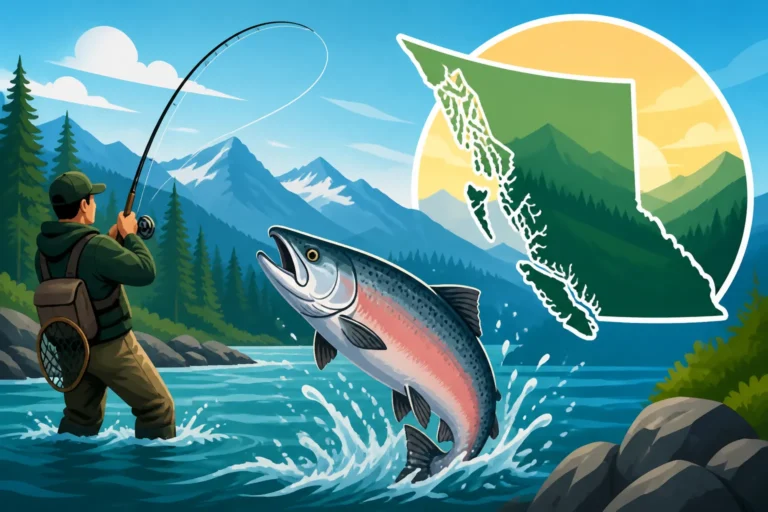
Best steelhead runs on the Kispiox River
Finding those elusive, hard-fighting steelhead in British Columbia can feel like searching for a needle in a haystack, especially when you're dreaming of a truly wild experience on a legendary river like the Kispiox. It's not just about showing up with a rod; it's about understanding the river's rhythms, knowing where these incredible fish hold, and respecting the delicate ecosystem they call home. This guide is designed to cut through the confusion and provide you with actionable insights into the best steelhead runs and fishing zones on the Kispiox River, helping you plan a memorable and successful trip.
The Kispiox River's Legendary Steelhead
The Kispiox River, flowing through the rugged, pristine wilderness of northwestern British Columbia, isn't just a river; it's a pilgrimage site for steelhead anglers worldwide. Its reputation precedes it, often whispered about in hushed tones among those who've felt the thrill of a Kispiox chrome bright steelhead on the end of their line. It’s a place where the scenery alone is enough to take your breath away, but the potential for truly enormous, wild steelhead is what draws anglers back year after year.
Why the Kispiox is a Steelheader's Dream
What makes the Kispiox so special? For starters, it’s one of the last bastions of truly wild, genetically pure steelhead. These fish are not hatchery-raised; they've battled their way from the Pacific Ocean, up the Skeena River, and then into the Kispiox, a journey that forges incredible strength and resilience. The river itself, with its classic steelhead structure of deep pools, gravel runs, and intricate seams, provides ideal holding water. It's a textbook steelhead river, offering diverse fishing opportunities for both fly anglers and those who prefer gear. The relatively untouched nature of the surrounding wilderness also means less pressure than some other, more accessible rivers, though its fame means you'll certainly share the water during peak times.
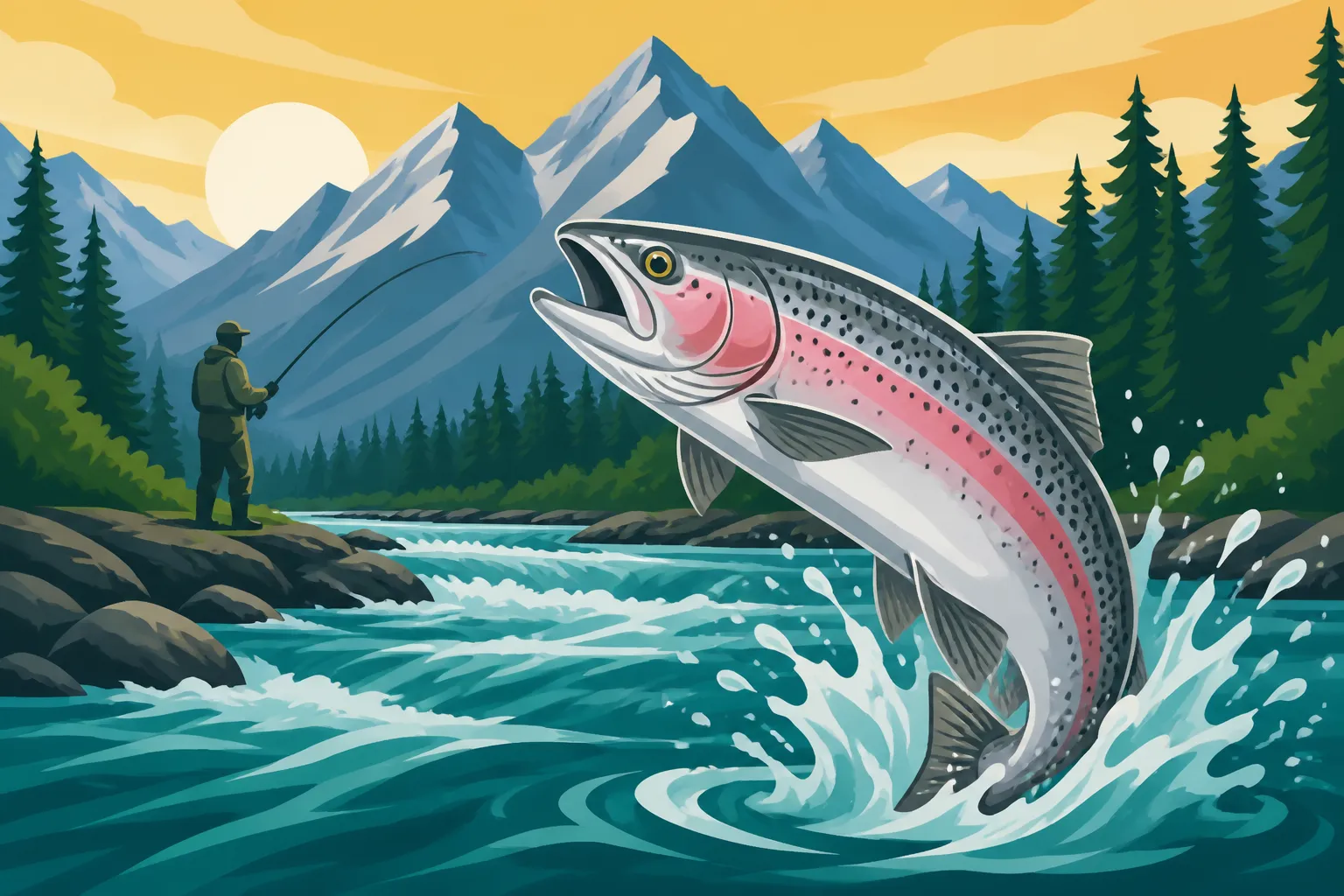
The fish themselves are legendary. Kispiox steelhead are known for their size, with fish over 20 pounds not uncommon, and truly massive specimens pushing into the high twenties or even thirty-pound range caught occasionally. These aren't just big fish; they're incredibly strong and acrobatic, testing every ounce of an angler's skill and tackle. The challenge, the beauty, and the sheer power of these fish are what solidify the Kispiox as a premier destination for serious steelhead enthusiasts.
Understanding Kispiox Steelhead Runs
Steelhead are anadromous rainbow trout, meaning they spend most of their lives in the ocean, growing large and powerful, before returning to freshwater to spawn. On the Kispiox, there are generally two distinct steelhead runs: the summer-run and the winter-run, though the lines can sometimes blur with overlap. The timing of these runs is crucial for planning your trip, as it dictates not only when the fish are present but also their behavior and where they might be holding in the river.
The summer-run steelhead typically begin entering the Kispiox from the Skeena River in late August, peaking in September and October. These fish are often quite aggressive, having just entered freshwater, and provide fantastic sport during the crisp autumn months. They tend to be spread throughout the system as they migrate upstream. As autumn deepens and temperatures drop, the fish become more concentrated in their holding pools. This is often considered the prime time for many anglers, with beautiful fall colors adding to the magic.
The winter-run steelhead make their appearance later, usually from late February through April. While often fewer in number than the fall run, these fish are incredibly robust and offer a unique challenge. Fishing for winter-run steelhead requires hardy individuals willing to brave colder temperatures, often dealing with snow and ice, but the rewards can be immense. These fish are typically seeking deeper, slower pools as they prepare for their spring spawn. Understanding the precise timing and behavior of these fish, often through local knowledge or BC Fishing Season Dates and Closures, can significantly improve your chances of success.
Prime Steelhead Fishing Zones on the Kispiox
The Kispiox River, from its confluence with the Skeena near Hazelton all the way up to its headwaters, offers a variety of water types and distinct fishing zones. Each section presents its own challenges and rewards, influenced by accessibility, water conditions, and the time of year. Knowing these zones can help you strategize your approach, whether you're seeking solitude or consistent action.
Upper Kispiox — Wilderness and Wild Fish
The upper reaches of the Kispiox River are where the true wilderness experience truly comes alive. These sections are considerably more remote and less accessible than the lower river, often requiring float plane access, jet boat trips, or extensive hiking to reach. This reduced pressure means the fish here are often less pressured and can be incredibly eager to take a well-presented fly or lure.
Fishing the upper Kispiox is not for the faint of heart, but the rewards are unparalleled. You'll find long, pristine runs, undisturbed pools, and a feeling of being truly immersed in nature. Anglers often target these areas for trophy steelhead, as the biggest fish often continue their journey far upriver. These sections are typically fished by dedicated fly anglers, often doing multi-day trips with guides who know the intricate channels and holding lies. If you're looking to escape the crowds and experience some of the most wild and untouched steelhead fishing in the world, the upper Kispiox is where you'll find it, but be prepared for a significant logistical undertaking.
Mid-River Hotspots — Accessibility and Action
The mid-section of the Kispiox River, roughly from the Kispiox Village area upstream for a considerable stretch, offers a fantastic balance of accessibility and excellent fishing. Many of the most famous pools and runs are found in this zone. Roads and trails provide better access, making it a popular choice for both day-trippers and those staying at local lodges. This area is particularly productive during the peak of the fall run when large numbers of steelhead are actively migrating and holding.
You'll encounter a classic steelhead river environment here, with a good mix of riffles, runs, and deep pools. Popular spots often have specific names, known by local guides and seasoned anglers. While these spots can see more pressure, the sheer number of fish moving through ensures consistent action. Techniques like drift fishing with roe or various lures, as well as spey casting with flies, are highly effective in these waters. Many anglers find that hiring a local guide or consulting with a booking service like FishingBooker for Best Kispiox River Guide Services can be invaluable for navigating these hotspots and understanding current conditions.
Lower Kispiox — Early Season Opportunities
The lower Kispiox, particularly the stretch closer to its confluence with the Skeena River, often offers the first opportunities for steelhead as they enter the system. While these fish are typically still migrating quickly upstream, certain pools and seams near the mouth can hold impressive numbers, especially during the early part of the summer-run (late August to early September).
Fishing the lower Kispiox requires a keen eye for travel lanes and staging areas where steelhead might rest before continuing their upstream journey. The water here can be larger and faster than upstream, demanding heavier tackle and different techniques. It's an excellent area for anglers who want to intercept fresh-from-the-ocean fish, still bright and full of fight. While not as iconic as some of the mid-river pools, the lower section can provide thrilling early-season action, often before the main rush of anglers arrives upstream. Keep in mind that BC Fishing Regulations Explained are vital to check, as specific areas or times may have unique rules or closures.
Navigating the Kispiox River: Access and Logistics
Getting to and around the Kispiox River, especially for the prime steelhead runs, requires careful planning. While some sections are more accessible, others demand significant effort and local knowledge. Understanding your options for access and whether to go it alone or with a guide can make or break your trip.
Public Access Points and Considerations
The Kispiox River does have several public access points, particularly in the lower and mid-sections. The village of Kispiox itself is a common starting point, with roads and trails leading to various parts of the river. Forestry roads branch off from the main highways, providing access to more remote stretches. However, these roads can often be rough, unmaintained, and impassable without a 4×4 vehicle, especially after rain or during certain times of the year. Always check road conditions locally before venturing out.
It's also crucial to remember that much of the land surrounding the Kispiox is traditional territory of the Gitxsan First Nation. Respecting private property, designated community lands, and traditional fishing sites is paramount. Always practice leave-no-trace principles, pack out everything you pack in, and be mindful of local customs and land use agreements. Access can change, so staying informed through local tackle shops or community resources is always a good idea. Knowing Where and How to Buy a BC Fishing License is also a must, as proper licensing is required even on public access points.
Guided Trips and Local Expertise
For many anglers, especially those visiting for the first time or seeking to maximize their chances at trophy steelhead, hiring a local guide is invaluable. Kispiox steelhead guides possess an intimate knowledge of the river, understanding the subtle nuances of water levels, fish movements, and productive holding water that only comes from years of experience. They can navigate the challenging access roads, operate jet boats safely, and put you on fish when you might otherwise struggle.
A guided trip typically includes all necessary gear, flies, and lures, as well as a hot lunch on the river. More importantly, guides ensure you're fishing legally and ethically, adhering to the strict BC Freshwater Salmon Retention Rules and conservation practices that are so critical for the Kispiox's wild steelhead population. When planning your trip, consider using platforms like FishingBooker to find reputable guides and lodges in the Kispiox Valley. They can help you sift through options, read reviews, and book with confidence, ensuring you connect with experienced professionals who prioritize a quality fishing experience and conservation. This expertise can be the difference between a frustrating trip and landing your dream steelhead.
Essential Techniques and Conservation for Kispiox Steelhead
Successfully hooking and landing a Kispiox steelhead is a badge of honor, but it requires more than just luck. It demands a thoughtful approach to techniques and an unwavering commitment to conservation, ensuring these magnificent fish continue to thrive for future generations.
Effective Fishing Techniques for Kispiox Steelhead
The Kispiox River lends itself beautifully to several proven steelhead fishing techniques, primarily fly fishing and various forms of gear fishing. For fly anglers, spey casting is king. The wide-open runs and often heavy currents of the Kispiox are perfectly suited for swinging large intruders, leeches, and other classic steelhead patterns. The rhythmic cast and controlled swing allow you to cover vast amounts of water effectively, presenting your fly to potential holding lies with grace. Many dedicated steelhead anglers come to the Kispiox solely for the spey experience. For those looking to refine their skills or discover new patterns, exploring Fly Patterns for BC Steelhead Rivers can provide excellent insights.
For those who prefer gear fishing, drift fishing is incredibly effective. This involves presenting bait (often roe, where legal) or lures (such as jigs, Colorado blades, or small spoons) naturally along the bottom of the river, mimicking dislodged food items. Using a float or simply feeling the bottom with a carefully weighted setup allows you to cover seams, riffles, and pools where steelhead hold. Spin anglers often find success with spoons like the Krokodile or Gibbs-Delta Koho, or various types of weighted jigs. Understanding How to Catch Steelhead in BC through these methods, and practicing proper presentation, is key to enticing these wary fish. Remember to check local regulations for specific gear restrictions, as some areas may be fly-fishing-only.
Practicing Responsible Steelhead Angling
The wild steelhead of the Kispiox River are a precious resource, and responsible angling practices are not just encouraged, but absolutely vital. The Kispiox is primarily a catch-and-release fishery for steelhead. This means that every fish you encounter should be treated with the utmost care to ensure its survival after release.
Here are some key conservation practices:
- Use single, barbless hooks: This minimizes harm to the fish, making hook removal quicker and less damaging.
- Minimize fight time: Use appropriate tackle to bring the fish in efficiently, reducing exhaustion.
- Keep fish in the water: Avoid removing steelhead from the water for photos. A quick snapshot with the fish still submerged or partially out of the water is far better for its health.
- Handle with care: Support the fish gently, especially around the belly, and avoid squeezing. Wet your hands before touching the fish to protect its slime coat.
- Revive properly: Hold the fish facing upstream in a gentle current until it regains its strength and can swim away on its own.
Beyond handling, understanding and adhering to BC Fishing Regulations Explained is non-negotiable. These regulations are in place to protect the fishery and ensure its sustainability. Always consult the latest BC Freshwater Fishing Regulations Synopsis or current fishery notices before your trip, as rules can change seasonally or in-season based on conservation concerns. By following these guidelines, you're not just fishing; you're actively participating in the preservation of one of BC's most iconic wild fish populations and the incredible Kispiox experience.
Disclaimer
Please note that fishing regulations, conditions, and access can change rapidly. Always consult the most current British Columbia Freshwater Fishing Synopsis, relevant fishery notices, and local authorities before planning and embarking on any fishing trip. This guide is for informational purposes only and does not supersede official regulations. Practice safe and responsible angling at all times.