Best trophy steelhead waters in BC
There's a special kind of angler who isn't just looking to catch a fish, but to connect with something truly magnificent—a true trophy steelhead, often called the "silver ghost." It's a quest fraught with challenges, from navigating remote wilderness to understanding complex river systems and the elusive nature of these incredible fish. This guide is dedicated to those who dream of landing a steelhead of a lifetime, delving deep into British Columbia's most legendary waters known for producing these magnificent, oversized specimens.
The Allure of the Silver Ghost: Why Trophy Steelhead Are So Special
For many, steelhead fishing in British Columbia isn't just a hobby; it's a profound passion, a pursuit of a truly wild and magnificent creature. These anadromous rainbow trout spend years in the ocean, growing large and strong before returning to their natal rivers to spawn. What makes a "trophy" steelhead is not just its sheer size, but the incredible fight it puts up, its pristine condition, and the wild, often remote, rivers it calls home. The journey to catch one is often as rewarding as the catch itself, taking anglers deep into some of the most stunning wilderness on the planet.
Understanding Steelhead Biology and Habitat for Giants
Steelhead are a fascinating species, and understanding their life cycle is key to finding the biggest ones. After hatching in freshwater, they spend a year or two in the river before migrating to the Pacific Ocean, where they feed voraciously and grow rapidly. The longer a steelhead stays in the ocean, the larger it generally becomes. Prime trophy steelhead waters in BC typically boast several crucial characteristics:
- Abundant Food Sources in the Ocean: Rivers with strong ocean feeding grounds nearby allow steelhead to pack on significant weight.
- Stable and Healthy River Systems: Clean, cold, oxygenated water with complex habitat (deep pools, swift runs, log jams) provides essential holding water for large fish.
- Genetic Predisposition: Some river systems simply produce larger strains of steelhead. This genetic factor, combined with optimal growth conditions, leads to truly massive fish.
- Limited Fishing Pressure and Strong Conservation: Rivers where fish are managed responsibly and catch-and-release is strictly practiced allow more fish to return multiple times, further increasing their size potential.
It’s a delicate balance of nature and conservation that allows these giants to thrive, often in places far removed from human population centers.
What Defines a "Trophy" Steelhead?
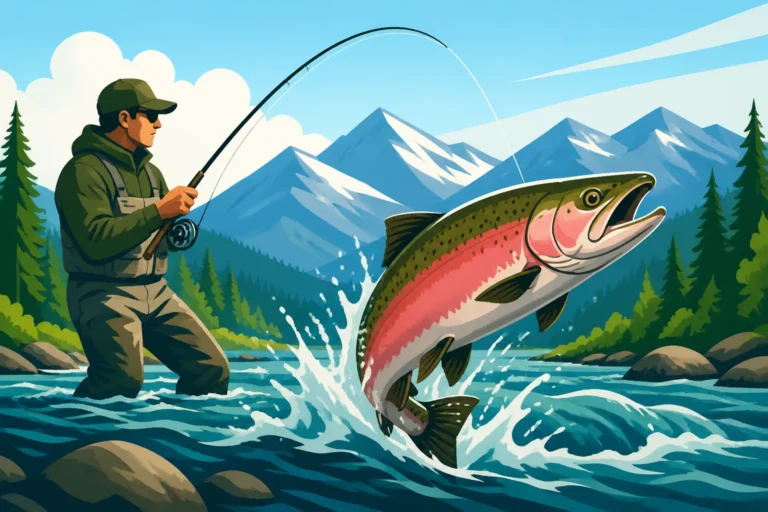
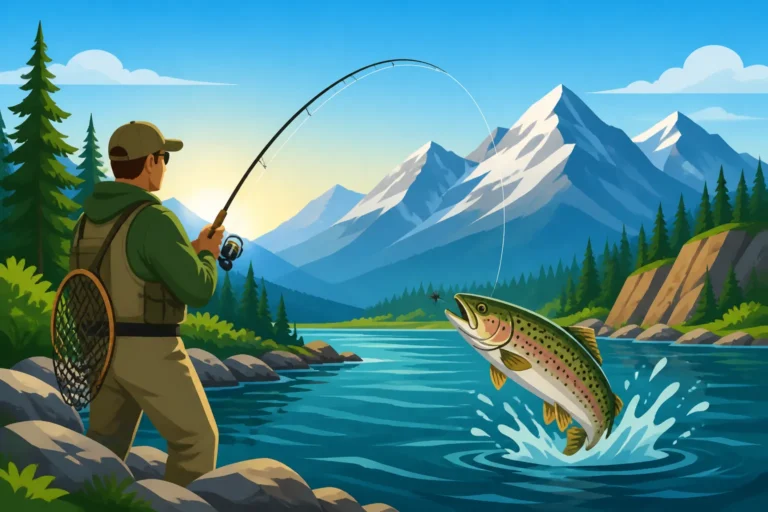
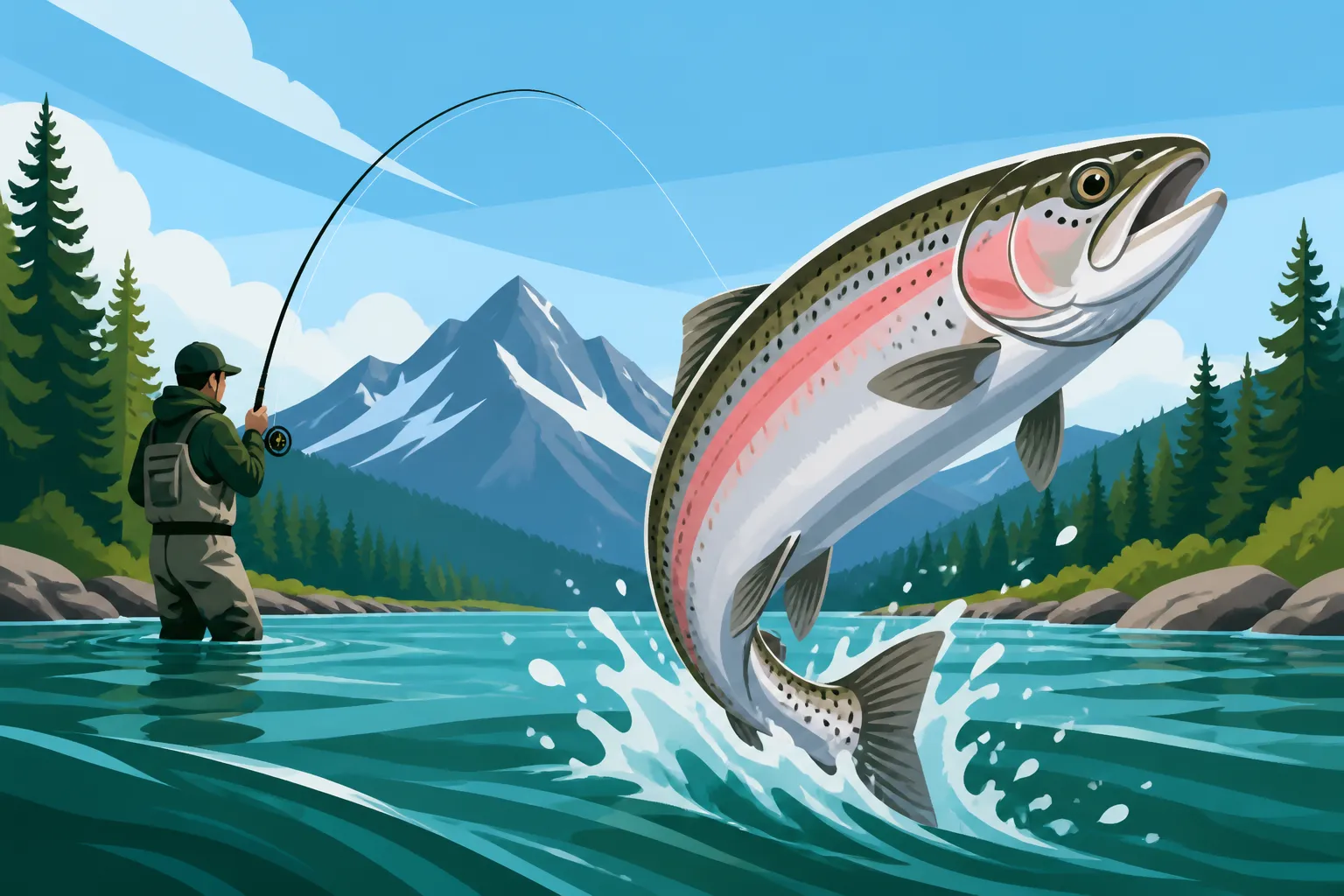
When we talk about a "trophy" steelhead in British Columbia, we're generally not talking about your average ten-pounder. While any steelhead is a prize, a true trophy often starts at the 15-pound mark, with many anglers aspiring to fish known for 20, 25, or even 30+ pound specimens. These are fish of incredible power and stamina, capable of stripping line with blistering runs and acrobatic leaps that will test even the most experienced angler's gear and resolve. The visual impact of a chrome-bright, ocean-fresh steelhead, often stretching over 35 inches in length, is unforgettable. The fight itself is an experience that can last minutes or even longer, a true tug-of-war with a wild predator.
British Columbia's Legendary Trophy Steelhead Rivers
British Columbia is globally renowned for its steelhead fishing, and a few river systems stand out as true bastions for trophy-sized fish. These are not easy rivers; they demand respect, skill, and often the guidance of local experts, but the reward can be the fish of a lifetime.
The Skeena River System: A World-Renowned Mecca
When the conversation turns to trophy steelhead, the Skeena River system immediately comes to mind. Located in northern BC, this vast watershed is often called the "Salmon Capital of the World," but it's equally famous for its legendary steelhead runs. The Skeena and its numerous tributaries offer unparalleled opportunities for giant, chrome-bright steelhead.
- The Mainstem Skeena and Its Lower Tributaries: The sheer volume of water in the mainstem Skeena provides endless holding water for fresh-from-the-ocean fish. Anglers often target its lower sections and major tributaries like the Kitimat and Zymoetz for some of the first, freshest, and biggest fish of the season. The power of these main river fish is legendary, and their pristine condition is simply breathtaking.
- The Bulkley River: This is perhaps the most famous tributary of the Skeena, especially for those seeking large steelhead. The Bulkley River Steelhead Fishing is a rite of passage for many anglers. Its clear, accessible waters and consistent runs of large, aggressive steelhead make it a prime destination from late summer through fall. Fish in the 15-25 pound range are common, with bigger brutes always a possibility.
- The Kispiox River: Even more mythical than the Bulkley, the Kispiox River Steelhead Fishing is famous for producing some of the largest steelhead on record. It's often fished by jet boat and offers a wilder, more remote experience. The fish here are incredibly powerful, and while numbers might not be as high as other systems, the potential for a truly monumental steelhead is immense.
- The Babine River: This remote and stunning river, another major Skeena tributary, is often accessed via fly-in lodges. It boasts incredible numbers of large, strong steelhead that have traveled great distances to reach its pristine waters. The Babine Lake Fishing Guide highlights the surrounding area's fishing potential, but the river itself is a distinct, world-class steelhead destination.
The Skeena system offers diverse fishing experiences, from large, sprawling rivers to intimate, wadeable stretches, all with the common thread of exceptional steelhead.
Northern Gems Beyond the Skeena
While the Skeena dominates the conversation, several other northern BC rivers are equally legendary for their trophy steelhead, though they often demand greater effort and logistical planning due to their remote nature.
- The Dean River: Tucked away in a pristine coastal valley, the Dean River Steelhead Fishing is legendary for its summer-run steelhead. These fish are known for their incredible athleticism, often leaping multiple times after being hooked. They are chrome-bright and incredibly powerful, often averaging in the high teens with many breaking the 20-pound mark. Access to the Dean is highly regulated and often requires flying in to remote lodges, making it an exclusive and sought-after experience.
- The Morice River: Flowing into the Bulkley, the Morice is another remote jewel, known for its pristine beauty and healthy runs of impressive steelhead. It’s often accessed via guided trips and provides a truly wild experience, targeting aggressive, powerful fish that have seen minimal pressure. The Best steelhead points on the Morice River are often closely guarded secrets among guides.
These rivers represent the pinnacle of wild steelhead fishing, offering not just a chance at a trophy fish, but an immersion in untouched wilderness.
Interior and Coastal Hotspots
While the Skeena region often steals the spotlight, other areas in BC can also produce impressive steelhead, especially for those seeking a different kind of challenge or a more accessible option.
- The Thompson River: Historically, the Thompson River Steelhead Fishing was a world-class destination for winter-run steelhead, known for their size and power. Sadly, populations have been severely impacted, and fishing is now strictly regulated, often catch-and-release only, or completely closed. However, if conditions ever improve, the genetics for trophy fish are still there. Anglers always hold out hope for this incredible river's recovery.
- Vancouver Island Rivers: Numerous smaller, wild rivers on Vancouver Island offer excellent opportunities for strong, aggressive winter-run steelhead. While not typically producing the consistent 20+ pounders of the Skeena, these coastal systems often hold fish in the 10-18 pound range that fight with incredible tenacity due to their proximity to the ocean. Rivers like the Stamp, Cowichan, and Gold often see strong returns, and they offer a more accessible fishing experience for many.
It’s crucial to always check current BC Fishery Notices and In-Season Closures, Explained before heading out, as regulations can change rapidly, particularly for sensitive species like steelhead.
Navigating the Challenges and Maximizing Your Chances
Chasing trophy steelhead in BC is not for the faint of heart. These fish are challenging to locate and even harder to hook and land. Success often hinges on meticulous planning, the right gear, and sometimes, the wisdom of local experts.
Timing Your Trophy Hunt
Steelhead runs vary significantly depending on the river system and region. Knowing when to hit the water is paramount for increasing your odds of encountering a trophy.
| River System | Region | Peak Trophy Season | Key Characteristics |
|---|---|---|---|
| Skeena (Mainstem) | Northern BC | Late Summer – Fall | Chrome-bright, ocean-fresh, incredibly powerful fish. |
| Bulkley River | Northern BC | September – October | Consistent runs of large, aggressive fish in wadeable water. |
| Kispiox River | Northern BC | Late September – October | Potential for truly massive, legendary steelhead. Jet boat access common. |
| Dean River | Central Coast BC | Mid-July – August | Famous for athletic, acrobatic summer-run steelhead. Fly-in access. |
| Morice River | Northern BC | September – October | Pristine wilderness, strong wild fish. Guided trips often required. |
| Vancouver Island Rivers | Coastal BC | November – April | Strong winter-run fish, more accessible. |
Generally, the fall months (September to November) are prime for much of the Skeena system, offering anglers a chance at both fresh fish and those that have been in the river for a while. For a detailed look at the broader season, check out BC Steelhead Season Dates.
Essential Gear and Techniques for Big Steelhead
Landing a true trophy steelhead requires purpose-built gear and refined techniques. These fish are not to be trifled with, and your equipment must be up to the task.
- Rods and Reels: A strong 10-11 foot, 7-9 weight spey or switch rod is standard for two-handed casting, allowing for long casts and superior line control. For single-handers, a powerful 9.5-10 foot, 8-9 weight rod is ideal. Pair these with a reliable reel featuring a smooth, powerful drag and plenty of backing capacity.
- Lines and Leaders: Skagit or Scandi heads are common for spey casting, depending on the conditions and flies. Use strong fluorocarbon leaders (12-20lb test) to withstand abrasive rocks and the brutal fight.
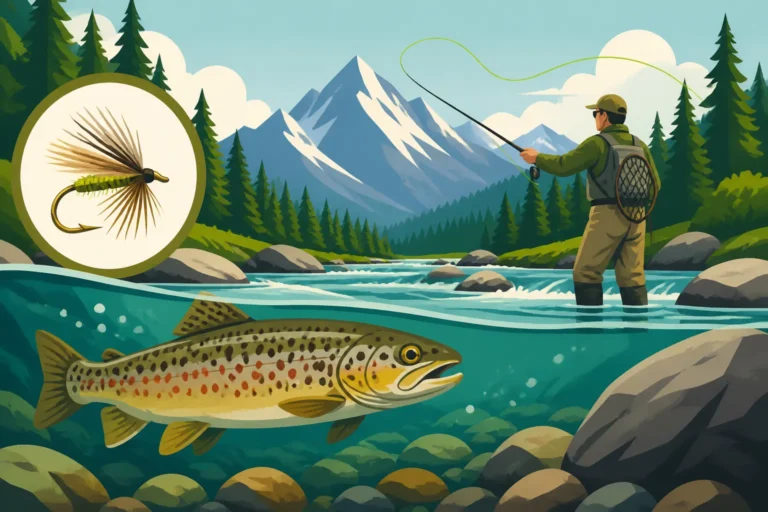
- Flies and Lures: For fly fishing, weighted intruders, leeches, tube flies, and classic patterns like the "Green Butt Skunk" are perennial favorites. For gear anglers, drift fishing with roe bags, jigs, or even large spoons and spinners can be effective, depending on local regulations and river conditions. Learning Fly Patterns for BC Steelhead Rivers is a great starting point for fly anglers.
- Techniques: How to Catch Steelhead in BC delves deeper into various methods, but swinging flies, drift fishing, and float fishing are common. The key is presenting your offering naturally in likely holding water, often in seams, tailouts of pools, and behind large structure. Patience and persistence are key.
The Role of Experienced Guides and Charters
For many of BC's premier trophy steelhead waters, especially those in remote regions or with complex navigation, hiring an experienced guide is not just recommended, it's almost essential. These guides possess invaluable local knowledge, from knowing exactly where fish are holding to understanding subtle changes in water conditions and the specific techniques required.
Platforms like FishingBooker can be an excellent resource for finding reputable guides across BC, including those specializing in steelhead. They provide a convenient way to compare services, read reviews, and book trips with seasoned professionals who can put you on the fish and ensure a safe, productive trip. A good guide can significantly increase your chances of finding that dream trophy steelhead, provide all the necessary gear, and teach you the nuances of fishing these challenging rivers. For specific assistance, exploring options through Best Steelhead Guides in BC can lead you to highly recommended professionals.
The Importance of Conservation and Respect
Chasing trophy steelhead in British Columbia comes with a significant responsibility: conservation. Many of these runs are wild and delicate, facing numerous threats. Practicing strict catch-and-release with care is absolutely vital. This means:
- Minimizing Fight Time: Use appropriate gear to land fish quickly.
- Keeping Fish in Water: Minimize air exposure for photography.
- Gentle Handling: Support the fish horizontally, avoid squeezing.
- Reviving Carefully: Ensure the fish is strong before release.
Every trophy steelhead released successfully has the potential to spawn again or become an even larger trophy for another angler in the future. Respecting the resource and adhering to all BC Fishing Regulations Explained is not just good practice; it's essential for the future of this incredible fishery. Understanding things like BC Steelhead Conservation Surcharge Stamp rules also contributes to vital research and management efforts.
Disclaimer
The information provided in this guide is for general informational purposes only and is subject to change. Fishing regulations, seasons, and access can vary significantly and are updated frequently. Always consult the official British Columbia Freshwater Fishing Regulations Synopsis, current DFO fishery notices, and local authorities before planning any fishing trip. Safety in the wilderness and on the water should always be your top priority.