Best Charters Out of Campbell River
Trying to pick the perfect fishing charter out of Campbell River can feel like navigating a dense fog, especially with so many fantastic options calling your name. It's a daunting task to sift through websites, reviews, and recommendations to find the trip that truly matches your dream fishing adventure. This guide aims to clear that fog, offering a detailed breakdown of the best Campbell River charters, what makes them special, and how to choose the ideal experience for your next British Columbia fishing trip.
Why Campbell River is a Prime Fishing Destination
Campbell River, often dubbed the "Salmon Capital of the World," isn't just a catchy nickname; it's a testament to the incredible angling opportunities found here. Situated on the east coast of Vancouver Island, this vibrant community is a gateway to some of the richest fishing grounds on the planet, drawing anglers from every corner of the globe. The sheer abundance and diversity of fish species, combined with stunning natural beauty, make it an unparalleled destination for both seasoned pros and first-time fishers.
The Salmon Capital of the World
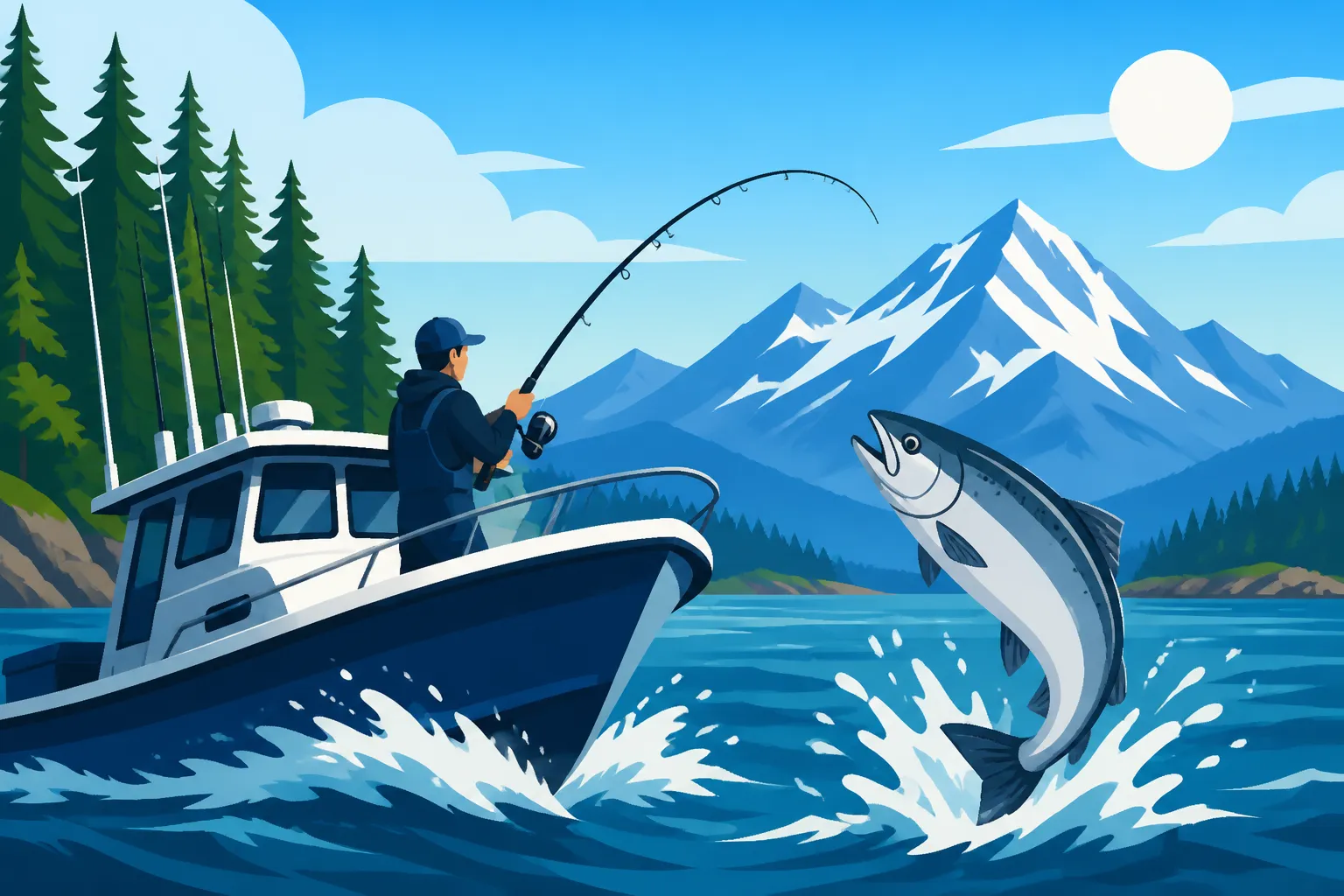
The reputation of Campbell River as the "Salmon Capital" is well-earned, primarily due to the prolific runs of Pacific salmon that surge through its waters. Every year, massive schools of Chinook (King), Coho (Silver), Pink, Chum, and Sockeye salmon migrate through the Discovery Passage and the myriad of channels and inlets surrounding the area. These migrations create a dynamic fishery that changes with the seasons, offering consistent action and the chance to land truly magnificent fish. The powerful Chinook, in particular, are a major draw, with many anglers dreaming of wrestling a "tyee" – a Chinook salmon weighing 30 pounds or more – from the depths. This constant influx of salmon provides a thrilling and often successful fishing experience, making it a bucket-list destination for many.
Abundant Marine Life and Diverse Fishery
Beyond the legendary salmon runs, Campbell River's waters teem with a diverse array of marine life, offering more than just a single-species pursuit. Anglers can target a variety of bottom fish, including substantial halibut, aggressive lingcod, and numerous rockfish species. The rocky reefs, kelp beds, and deep currents of the Georgia Strait and Johnstone Strait provide perfect habitats for these species, offering exciting jigging and bottom-fishing opportunities. It's not uncommon for a single charter trip to yield a mixed bag, allowing anglers to experience different fighting styles and flavors. This diversity ensures that even on days when salmon might be elusive, there are plenty of other thrilling catches to be made, enhancing the overall adventure.
Accessibility and Amenities
One of Campbell River's practical advantages is its excellent accessibility. Located about a three-hour drive north of Victoria and just over an hour from Nanaimo, it's easily reachable by car from other parts of Vancouver Island. For those flying in, the Campbell River Airport (YBL) offers direct connections, making travel convenient. The city itself boasts a wide range of amenities tailored to anglers, including marinas, tackle shops, seafood restaurants, and comfortable accommodations. You'll find everything you need to prepare for your trip, celebrate your catch, and relax after a long day on the water. This combination of world-class fishing, stunning scenery, and convenient infrastructure solidifies Campbell River's reputation as a top-tier fishing destination.
Types of Fishing Charters Available in Campbell River
When planning your Campbell River fishing adventure, you'll quickly realize that "charter" isn't a one-size-fits-all term. There's a wide variety of options designed to cater to different preferences, budgets, and group sizes. Understanding these distinctions is crucial to selecting the perfect trip for you and your companions, ensuring your experience aligns with your expectations.
Half-Day vs. Full-Day Trips
The choice between a half-day and a full-day trip is often one of the first decisions anglers face. A half-day charter typically runs for 4-5 hours, offering a concentrated burst of fishing action. These trips are fantastic for those on a tighter schedule, or for families with younger children who might not have the stamina for a full day on the water. They are also a great way to get a taste of the Campbell River fishery without committing to a longer outing. While a half-day trip can still be incredibly productive, it generally provides less time to move between different fishing grounds or to wait out a slower bite.
Full-day charters, usually lasting 8-10 hours, offer a much more immersive experience. With more time, captains can venture further out to more remote or productive fishing spots, allowing for a wider range of techniques and species to be targeted. This extended time on the water increases your chances of encountering multiple salmon runs, trying for both salmon and bottom fish, or simply enjoying the peaceful rhythm of the ocean. For serious anglers or those who want to maximize their chances of a trophy catch, a full-day trip is often the preferred choice. It allows for a more relaxed pace, more opportunities to learn from your guide, and ample time to soak in the incredible West Coast scenery.
Private vs. Shared Charters
Another significant decision is whether to book a private or a shared charter. A private charter means you and your group (family, friends, or colleagues) have the entire boat and captain to yourselves. This offers unparalleled flexibility: you can customize the departure time, focus on specific species, or even spend more time sightseeing if that's what your group desires. The captain's attention is entirely on your party, providing personalized instruction and catering to your group's specific needs and skill levels. While generally more expensive per person, especially for smaller groups, the privacy and customization can be well worth the investment for a truly bespoke experience.
Shared charters, also known as "open boat" or "head boat" trips, involve booking a spot on a boat with other individual anglers or small groups. These are a more budget-friendly option, as the cost of the charter is split among all passengers. Shared trips are excellent for solo anglers or couples who want to experience Campbell River fishing without the expense of a private boat. While you'll share the space and the captain's attention, it can also be a fantastic opportunity to meet fellow fishing enthusiasts and share stories. The downside is less flexibility in terms of target species or departure times, as the trip itinerary is set by the charter operator to accommodate the diverse group. Many popular online booking platforms, like FishingBooker, make it easy to see both private and shared options side-by-side.
Specialty Charters
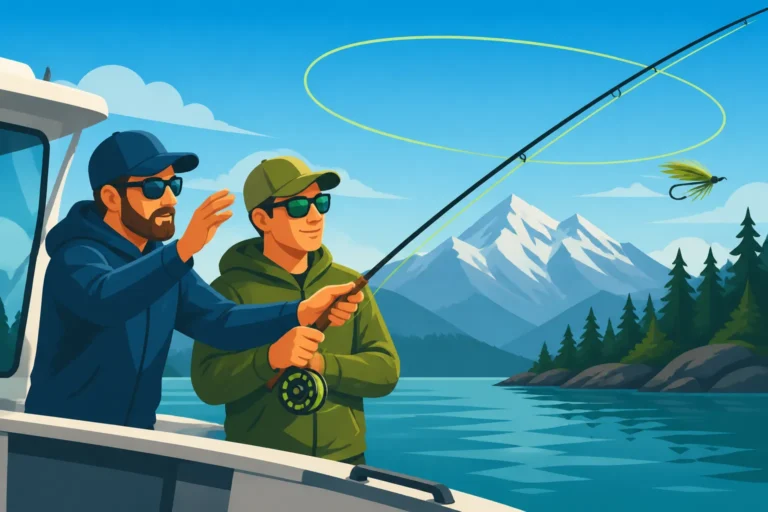
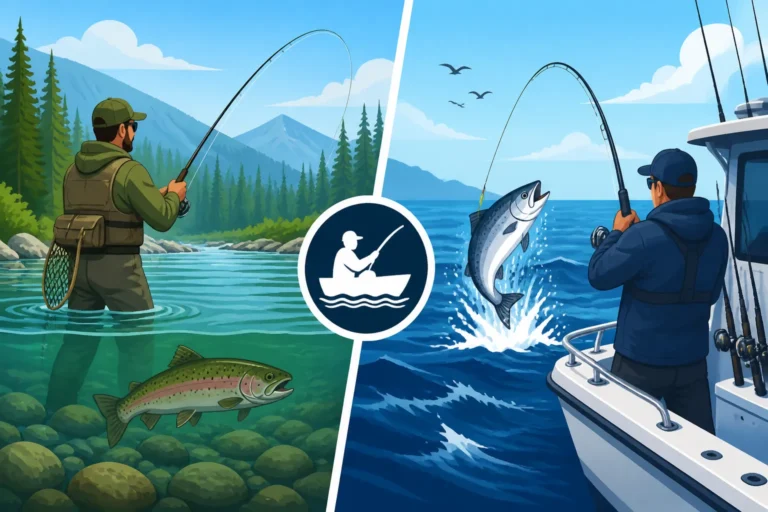
Beyond the standard salmon and bottom fishing trips, Campbell River also offers specialty charters for unique experiences. Some guides focus exclusively on fly fishing for salmon or steelhead in the rivers and estuaries, providing a more challenging and intimate angling experience. Others might offer multi-day fishing packages that include accommodation at a local lodge, allowing for a truly immersive and extended fishing vacation. There are also eco-tourism charters that combine fishing with wildlife viewing, whale watching, or even crabbing and prawning. These trips are perfect for those looking for a different kind of adventure or wishing to explore other facets of the stunning coastal environment. When you're searching, don't forget to ask about these niche offerings if your interests extend beyond just catching fish.
| Charter Type | Duration | Group Size | Customization | Cost per Person | Best For |
|---|---|---|---|---|---|
| Half-Day | 4-5 hours | Varies | Moderate | Lower | Beginners, families with kids, shorter itineraries |
| Full-Day | 8-10 hours | Varies | Moderate-High | Moderate | Serious anglers, maximizing catch potential, diverse fishing |
| Private | Flexible | Exclusive (1-6) | High | Higher | Customized trips, special occasions, personalized attention |
| Shared | Fixed | Mixed (2-10+) | Low | Lower | Solo anglers, budget-conscious, meeting other fishers |
| Specialty | Varies | Varies | High | Varies | Niche interests (fly fishing, eco-tours, multi-day) |
Key Factors to Consider When Choosing a Charter
Selecting the right fishing charter in Campbell River is paramount to a successful and enjoyable trip. With numerous operators vying for your business, knowing what to look for can help you make an informed decision and avoid any potential disappointments. It's not just about the biggest boat or the cheapest price; it's about matching the charter's offerings to your personal preferences and expectations.
Captain's Experience and Reputation
The captain is arguably the most critical element of any fishing charter. An experienced captain not only knows the local waters like the back of their hand but also understands fish behavior, seasonal patterns, and effective techniques. Look for captains with a strong track record, plenty of years guiding in Campbell River, and a genuine passion for fishing. Their knowledge can make the difference between a slow day and a banner day. A good captain is also an excellent communicator, patient with beginners, and committed to safety. Don't hesitate to inquire about their experience, their preferred fishing styles, and what they do to ensure a memorable trip. Often, their reputation precedes them, built on years of happy clients and successful outings.
Boat and Equipment Quality
A comfortable, safe, and well-maintained vessel is essential for a pleasant day on the water. Inquire about the size and type of boat used by the charter. Larger, more stable boats are generally more comfortable in choppy conditions, while smaller, faster boats might offer quicker access to specific spots. Check if the boat is equipped with modern electronics, such as sonar and GPS, which are crucial for finding fish and navigating safely. Equally important is the quality of the fishing gear provided. High-quality rods, reels, and tackle appropriate for the target species will significantly enhance your fishing experience and increase your chances of landing a big one. Ask about the brands they use and if they cater to different fishing styles, like light tackle or heavy gear. A well-equipped boat and premium gear reflect a professional operation that invests in its clients' success and comfort.
Inclusions and Exclusions
Before booking, always clarify what is included in the charter price and what you might need to bring or pay extra for. Most reputable charters will include the boat, captain, fuel, all fishing gear, and bait. However, key items like your British Columbia Fishing License Guide for 2026 and any required stamps, such as the BC Tidal Waters Salmon Conservation Stamp Cost, are typically not included and must be purchased separately by the angler. Some charters might offer fish cleaning and filleting services as part of the package, while others might charge a small fee. Snacks, drinks, and lunch are often "bring your own," though some premium charters may offer catering. Understanding these details upfront prevents any unwelcome surprises on the day of your trip. Don't be shy about asking for a full breakdown of costs and services.
Reviews and Testimonials
In today's digital age, online reviews and testimonials are invaluable resources for evaluating charter operators. Websites like FishingBooker, Google Reviews, and other travel platforms provide a wealth of feedback from previous clients. Look for patterns in reviews: do people consistently praise the captain's knowledge, the quality of the boat, or the overall experience? Pay attention to how the operators respond to both positive and negative feedback, as this can offer insight into their customer service philosophy. While a single negative review shouldn't be a deal-breaker, a consistent trend of dissatisfaction or complaints about safety, professionalism, or equipment should raise a red flag. Reading a variety of reviews can give you a balanced perspective and help you identify a charter that aligns with your priorities.
What to Expect on a Campbell River Fishing Charter
Stepping aboard a fishing charter in Campbell River is an exciting prospect, but knowing what the day entails can help you feel prepared and make the most of your adventure. From the moment you arrive at the dock until you depart with your catch, there's a general flow to the experience, peppered with anticipation and unforgettable moments.
Typical Day Aboard a Charter
Your day will usually begin early, often before sunrise, at a designated meeting point at one of Campbell River's marinas. Your captain will greet you, conduct a brief safety orientation, and perhaps run through the day's plan based on current conditions and recent fishing reports. Once you've cast off, you'll embark on a scenic journey through the Discovery Passage or into the open waters of the Georgia Strait. The travel time to fishing grounds can vary, sometimes taking 30 minutes, other times an hour or more, offering fantastic opportunities for wildlife viewing.
Once at the fishing spot, the captain will deploy the gear, often involving downriggers for salmon or heavy jigs for bottom fish. They'll instruct you on how to handle the rods and what to do when a fish bites. The rest of the time is a mix of patient waiting, exhilarating battles with fish, and enjoying the breathtaking coastal scenery. Your captain will constantly monitor the sonar, tides, and currents, adjusting techniques or moving to new spots if the bite slows down. Expect a collaborative atmosphere where the captain shares tips and helps you refine your technique. After a day of angling, you'll head back to the marina, often with a cooler full of fresh fish and stories to tell.
Gear, Bait, and Licensing
One of the great advantages of booking a charter is that all the necessary fishing gear and bait are typically provided. This means you don't need to worry about investing in expensive equipment or figuring out what lures are working best. High-quality rods, reels, lines, leaders, and an array of terminal tackle designed for the specific species you're targeting will be ready for you. For salmon, this often includes cut plug herring, anchovies, or various spoons and hootchies. For bottom fish, you might be using jigs, bait on spreader bars, or even live bait depending on the target.
However, as mentioned, your BC Fishing License Age Requirements and associated stamps are your responsibility. It is absolutely crucial that every angler on board, regardless of age (unless specifically exempt, like BC Youth Fishing License Exemption Under 16), has a valid tidal waters fishing license for British Columbia, along with any necessary salmon conservation stamps if you intend to fish for or retain salmon. You can usually purchase these online through the provincial government's website before your trip. Your charter captain will expect you to have these sorted out before you even step on the boat. Printing or Carrying a Digital Fishing License in BC is generally acceptable, so make sure it's accessible.
Catch Handling and Filleting
When you land a fish, your captain or deckhand will typically assist with bringing it aboard, especially if it's a larger species like a Chinook salmon or a big halibut. They'll ensure the fish is handled properly, whether for retention or catch-and-release, minimizing stress to the fish and ensuring your safety. For retained fish, they'll usually place it in a fish box with ice to keep it fresh throughout the day.
At the end of the trip, most charters offer fish cleaning and filleting services right at the dock. This is a huge convenience, saving you the messy work and ensuring your catch is ready for cooking or freezing. The captain or deckhand, skilled in processing fish, will expertly clean and fillet your catch, often bagging it for you. It's customary to tip for this service, especially if it's not explicitly included in the charter price. If you have specific preferences for how your fish is processed (e.g., steaks vs. fillets, skin on/off), communicate these clearly at the beginning of the process.
Top Species to Target and When to Go
Campbell River's reputation as a world-class fishing destination is largely due to the variety and abundance of its target species, particularly the Pacific salmon. Knowing which fish are running at different times of the year can help you plan your trip for the best possible experience, aligning your expectations with the natural cycles of the fishery.
Chinook Salmon (King Salmon)
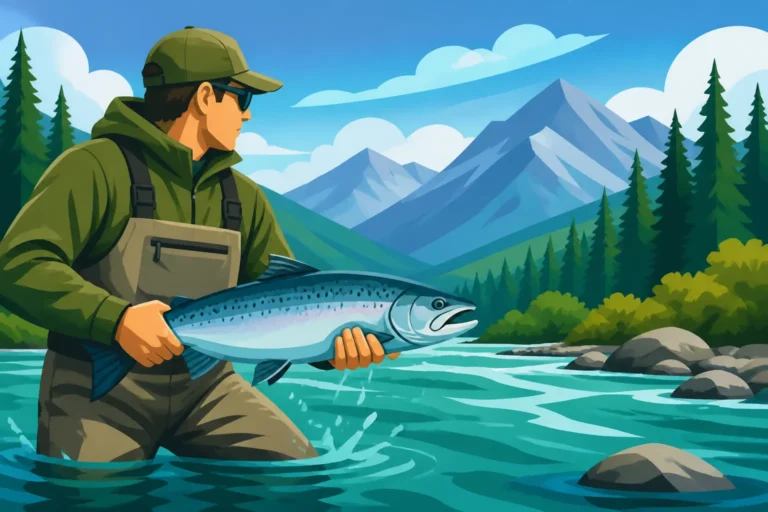
Chinook salmon, often called "Kings" or "Tyee" due to their impressive size and fighting prowess, are the undisputed monarchs of the Pacific. These chrome-bright beauties are a primary draw for anglers in Campbell River. While some resident Chinook can be found in the waters year-round, the prime season for the big migratory runs typically begins in late spring, around May, and continues through the summer and into early fall, peaking in July and August. During these months, massive schools of Chinook migrate through the Discovery Passage on their journey to natal rivers, offering incredible opportunities for trolling with cut plug herring, anchovies, or large spoons. Landing a "tyee" over 30 pounds is a badge of honor, and Campbell River is one of the best places in the world to achieve this feat. Many anglers specifically seek out Chinook Salmon Fishing in BC for this reason alone.
Coho Salmon (Silver Salmon)
Coho salmon, known for their acrobatic jumps and spirited fights, provide thrilling action, especially on lighter tackle. While not reaching the sheer size of Chinook, a Coho in the 8-15 pound range offers a fantastic battle. Coho runs typically pick up in July and continue strong through September and into October, often overlapping with the peak Chinook season. They are often found in shallower waters than Chinook and respond well to smaller spoons, hootchies, and flies, making them a favorite for both trollers and fly anglers. Their abundance and aggressive feeding behavior make them an excellent target, particularly for families or those looking for more consistent action. The sight of a chrome Coho leaping repeatedly after being hooked is truly unforgettable.
Halibut and Lingcod
Beyond salmon, the deep, nutrient-rich waters surrounding Campbell River are also home to impressive populations of halibut and lingcod. Halibut, often called "barn doors" for their flat, wide bodies, are powerful bottom dwellers that can grow to enormous sizes. While they can be targeted throughout the summer, the spring and early summer months (April to June) are often considered prime for halibut fishing, before they move into deeper, colder waters. They are typically caught by dropping heavy jigs or large baited hooks to the ocean floor. Halibut Fishing off Vancouver Island is a serious pursuit, requiring stout gear and plenty of stamina.
Lingcod are another exciting bottom fish, easily recognizable by their prehistoric appearance and voracious appetites. They are found among rocky reefs and underwater structures, often ambushing prey from crevices. Lingcod fishing is excellent from spring through late fall, and they readily strike large jigs, swimbaits, and baitfish. Both halibut and lingcod offer exceptional table fare and a different kind of fight compared to salmon, adding a fantastic dimension to your Campbell River fishing trip. Just be aware of BC Halibut Bag Limit Rules and lingcod size regulations, which your captain will be familiar with.
Other Bottom Fish and Shellfish
Campbell River's diverse marine ecosystem also supports a variety of other bottom fish, including several species of rockfish, cod, and greenling. These can provide consistent action and are often caught incidentally while targeting halibut or lingcod. Rockfish, in particular, are vibrant and plentiful, though many species are subject to strict conservation measures or are found in Rockfish Conservation Areas (RCAs) where retention is prohibited. Your charter captain will guide you on identifying these species and adhering to current regulations.
For those interested in a true "ocean harvest" experience, some specialty charters might also include opportunities for crabbing or prawning. Setting traps for Dungeness crabs or delicious spot prawns can be a rewarding addition to a fishing trip, providing a fresh seafood feast directly from the ocean. Always check if these activities are part of your charter and ensure all necessary licenses and regulations are followed for shellfish harvesting.
Booking Your Campbell River Fishing Adventure
Once you've decided on the type of charter and what species you'd like to target, the next step is securing your spot. There are a few primary ways to book your Campbell River fishing adventure, each with its own advantages. Planning ahead, especially during peak season, is always a good idea to ensure you get the charter and dates that best suit your needs.
Online Booking Platforms
In the modern age, online booking platforms have become incredibly popular for their convenience and ability to compare multiple operators in one place. Websites like FishingBooker specialize in connecting anglers with charter captains worldwide, including the vibrant Campbell River scene. These platforms allow you to browse various charters, view boat photos, read detailed descriptions of trips, check availability in real-time, and compare prices. Critically, they also host a wealth of customer reviews, which, as we discussed, are invaluable for making an informed decision. The user-friendly interface allows you to filter by trip duration, target species, group size, and even specific amenities. Many platforms also offer secure payment processing and often have customer support readily available to assist with bookings or inquiries. When looking for the best charters out of Campbell River, starting with a reputable platform can save you a lot of time and help you narrow down your choices efficiently.
Direct Booking with Operators
While online platforms offer convenience, some anglers prefer to book directly with a charter operator. This allows for more personalized communication, where you can discuss specific requests or unique trip ideas directly with the captain or their booking agent. Booking direct might also offer a bit more flexibility in terms of scheduling or customization, as you're cutting out the middleman. Many reputable Campbell River fishing charters have their own websites where you can find contact information, detailed trip offerings, and sometimes even an online booking portal. Before committing, don't hesitate to give them a call or send an email. This direct interaction can help you gauge their professionalism and enthusiasm, ensuring you feel comfortable with your choice. Some captains might even be able to provide local insights or special tips that you wouldn't find on a general booking site.
Seasonal Considerations and Booking Windows
Campbell River's fishing seasons are dynamic, largely dictated by the migration patterns of salmon and the weather. The peak season for Chinook and Coho salmon runs is typically from June through September, with July and August being the busiest months. If you're planning a trip during this prime window, especially for a full-day or private charter, it's highly recommended to book well in advance – often 3 to 6 months out is not unreasonable. Popular charters can fill up quickly, leaving fewer options as the date approaches.
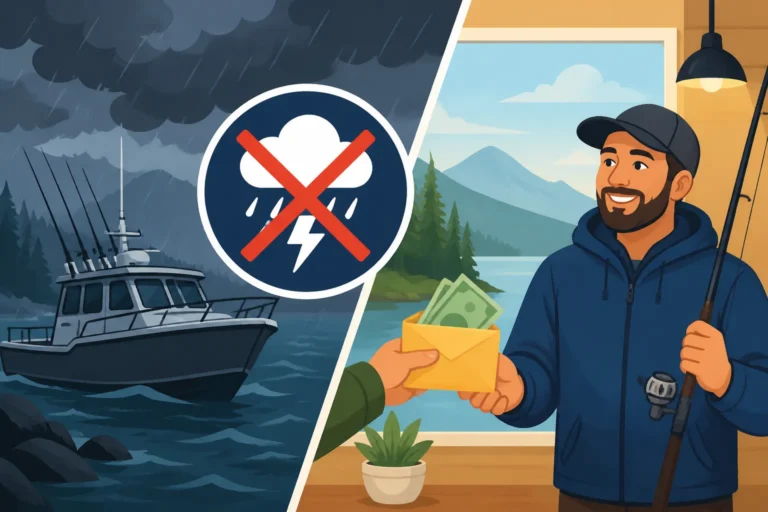
For shoulder seasons (April-May for early Chinook and halibut, or October for late Coho and Chum), you might find more availability and potentially slightly lower prices, but booking a few months ahead is still a good idea. Even outside the main salmon runs, Campbell River offers excellent winter steelhead fishing in nearby rivers or opportunities for resident salmon and bottom fish. For these off-peak periods, a month or two in advance is usually sufficient. Always check the long-range weather forecast closer to your trip date, and be aware of any BC Fishery Notices and In-Season Closures, Explained that might affect your target species, as these can change quickly. Communication with your chosen charter operator about current conditions is key.
Disclaimer
This article is for general informational purposes only and does not constitute professional advice. Laws, prices and regulations vary by location and change over time. Consult a qualified professional for guidance on your specific situation.