Best waters for trophy sturgeon in BC
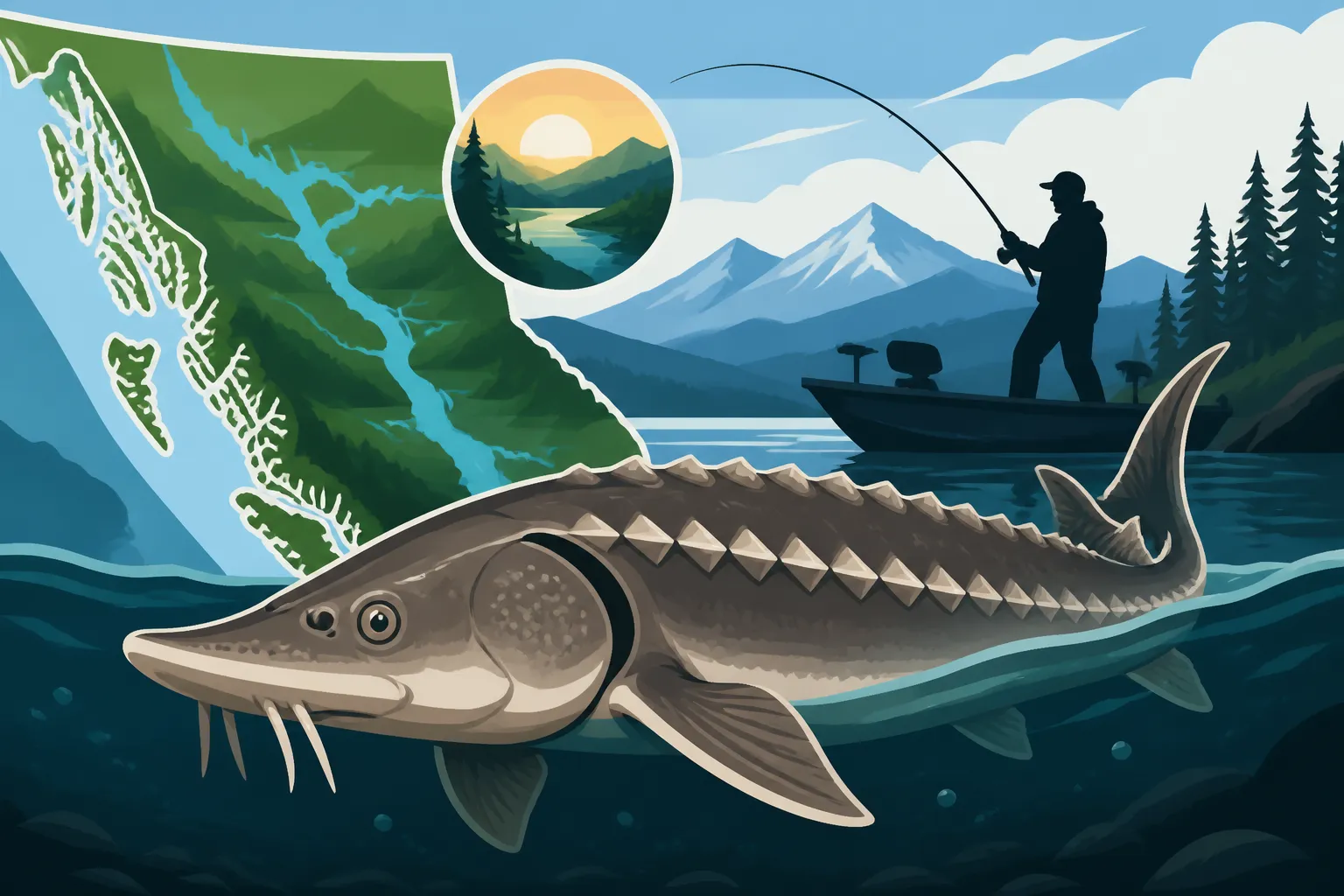
The dream of hooking into a truly monstrous White Sturgeon in British Columbia is one that fuels countless fishing trips, but let's be honest, knowing where these titans of the freshwater world actually reside in trophy-winning sizes can feel like a closely guarded secret. It's frustrating to put in the time and effort only to find smaller fish or, worse, empty waters. This guide is here to pull back the curtain, revealing the prime locations where you stand the best chance of encountering these incredible, colossal fish and providing the insights you need to make your trophy sturgeon dreams a reality.
The Undisputed King: The Fraser River's Prime Territory for Trophy Sturgeon
When anyone talks about trophy sturgeon fishing in British Columbia, or frankly, in North America, one name always comes up first: the Fraser River. It's not just a good spot; it is the spot. This isn't just hype; it's a testament to the sheer ecological richness and vastness of this incredible waterway that nurtures some of the largest freshwater fish on the planet. If you're serious about a true giant, your journey begins and likely culminates here.
Why the Lower Fraser River Reigns Supreme
The lower stretch of the Fraser River, particularly from Hope down to the tidal flats near Vancouver, is unequivocally the most prolific region for trophy-sized White Sturgeon. Why this particular stretch? It's a perfect storm of environmental factors. This section of the river is a superhighway for all five species of Pacific salmon, along with significant runs of eulachon (candlefish), which are an incredibly fatty and protein-rich food source. These annual migrations provide an almost unparalleled buffet for the sturgeon, allowing them to grow to truly colossal sizes. Imagine a grocery store that gets restocked with fresh, high-calorie food every few weeks for half the year – that's what the salmon and eulachon runs are for these sturgeon. The sheer volume of this food source is a primary driver for their massive growth potential.
Beyond the food, the physical characteristics of the lower Fraser are perfectly suited for these ancient fish. It's a deep, powerful river with a complex underwater topography. You'll find countless deep holes, scour channels, sudden drop-offs, and immense current breaks created by islands, gravel bars, and the confluence of major tributaries like the Vedder-Chilliwack, Harrison, and Pitt Rivers. These features provide ideal holding areas where sturgeon can conserve energy, ambush prey, and find refuge from the strong currents. The sheer scale of the river also means there's ample space for huge fish to roam and establish territories without excessive competition, contributing to their ability to reach awe-inspiring lengths and weights. Where the BC white sturgeon record was caught is a testament to this river's capacity.
Key Sections for Monster Sturgeon on the Lower Fraser
While the entire lower Fraser is productive, certain sections consistently produce more and larger trophy sturgeon. The stretch from Chilliwack through to Mission is particularly renowned. Around Chilliwack, the river offers a mix of deep runs and shallower, food-rich flats where sturgeon often feed heavily during salmon runs. Anglers here often target the main river channel and the mouths of tributaries when they are flowing. Moving downstream towards Mission, the river widens and deepens, creating massive pools and channels that serve as prime overwintering and holding grounds for truly giant sturgeon. The sheer volume of water and intricate bottom structure in these areas make them challenging but incredibly rewarding.
Further downstream, as the river approaches its tidal influence, around the communities of Fort Langley and closer to the estuary, you also find excellent opportunities. Here, the river's dynamic flow interacts with the incoming and outgoing tides, constantly reshaping the bottom and concentrating food sources. The slacker water areas near dykes, under bridges, and along deeper bends often hold incredible numbers of large fish. However, navigating these powerful tidal waters requires experience and a robust boat capable of handling strong currents and potential debris. Always consult BC Fraser River Sturgeon Catch and Release Requirement to ensure you're up-to-date on rules for these specific zones. Understanding the nuances of each section, from the faster currents upriver to the tidal influences downriver, is key to consistently finding these magnificent creatures.
Beyond the Lower Fraser: Other BC Waters Holding Potential Giants
While the Lower Fraser River is undeniably the most celebrated for trophy sturgeon, it's not the only place these ancient fish exist in British Columbia. However, venturing beyond its well-trodden banks often means embracing a different kind of fishing experience—one that might be more remote, more challenging, and often yields fewer, but potentially still impressive, giants.
The Middle and Upper Fraser's Untapped Potential
As you move upstream on the Fraser River, past the canyon and into the middle and upper reaches, the character of the river changes dramatically. It becomes more remote, less accessible by road, and often characterized by faster, more turbulent flows interspersed with deep, clear pools. This is a wilder, more pristine environment, and it does hold White Sturgeon. While the absolute giants are less common here compared to the lower river, these stretches still support healthy populations, and some truly immense fish are occasionally caught. The sturgeon in these areas often rely more heavily on resident fish populations, such as Rainbow Trout and various whitefish, in addition to the salmon and eulachon that manage to push further upstream.
Fishing in the middle and upper Fraser requires a different approach. You're likely dealing with less fishing pressure, but also fewer amenities and more challenging logistics. Multi-day float trips or accessing specific areas by jet boat are often necessary. The rewards, however, can be immense: the thrill of hooking a huge sturgeon in a remote, breathtaking wilderness setting, often with no other anglers in sight. These sturgeon have likely seen far fewer hooks and might be less pressured. For those seeking an adventure as much as a trophy, these stretches offer an unparalleled experience, though the consistency of finding a true record-breaker might be lower than downstream. Think of it as hunting for a needle in a much larger, more scenic haystack.
Lesser-Known Tributaries and Lakes (Cautionary Note)
It's true that sturgeon are found in some of the Fraser River's major tributaries, particularly the Harrison and Pitt Rivers, which are significant salmon and eulachon spawning systems. Sturgeon will follow these food sources upriver, and large fish can certainly be encountered in these waters, especially during and after major salmon runs. These rivers offer slightly different fishing dynamics, often narrower and with more distinct channels and pools than the sprawling mainstem Fraser. Access can sometimes be easier, with more launch points and shore fishing opportunities in certain areas.
However, beyond the main Fraser system and its immediate, large tributaries, the presence of truly trophy-sized White Sturgeon becomes exceedingly rare. There are other river systems in BC that historically or currently support sturgeon populations, such as the Columbia River and the Kootenay River system. While sturgeon are present in these waters, they are generally a distinct population from the Fraser River sturgeon and typically do not reach the same gargantuan sizes. Furthermore, many of these populations are critically endangered or protected, with extremely strict regulations, often requiring catch-and-release only, specialized permits, or being entirely closed to fishing. For example, the Kootenay Lake system has specific rules for its sturgeon, and BC Kootenay Lake fishing regulations are paramount to understand before even thinking about targeting them. The focus for trophy-sized fish truly remains on the Fraser, where populations are healthier and conservation efforts allow for sustainable sport fishing practices, strictly on a catch-and-release basis. Always ensure you are fully aware of and compliant with all local regulations before fishing in any tributary or alternative system, as species conservation is paramount.
Understanding Trophy Sturgeon Habits and Habitat in BC
To consistently target and connect with trophy White Sturgeon, it's not enough to just know where they are; you need to understand how they live. These are ancient, slow-growing fish with specific preferences when it comes to their environment and diet. Learning these habits is like cracking a code, giving you a significant edge in your pursuit of a true monster.
Preferred Depths and Structure for Large Sturgeon
Trophy sturgeon are fundamentally creatures of comfort and efficiency. They prefer to inhabit areas where food is abundant, and they can conserve energy. This typically means deep holes, scour channels, and significant current breaks. Think of the deepest sections of the river, especially where the current slows or eddies form. These deeper pockets often collect debris and, more importantly, dead or injured salmon, which form a significant part of a sturgeon's diet. Look for areas where the river bottom suddenly drops off, creating shelves or ledges, or where two currents converge. These confluence zones are notorious for concentrating baitfish and, consequently, large predators like sturgeon.
Submerged structure also plays a huge role. Large log jams, sunken trees, and massive rock formations provide excellent ambush points and shelter from strong currents. Using modern sonar equipment is almost essential for identifying these critical pieces of structure and the deep holding water they create. Anglers often spend considerable time idling around potential spots, studying their depth finders for significant changes in depth, prominent underwater features, and even the tell-tale "arches" that indicate large fish holding near the bottom. The biggest sturgeon are often solitary and prefer to hold in the deepest, most secluded parts of these structures, making them challenging but incredibly rewarding targets. How deep white sturgeon go in the Fraser illustrates their preference for deep water.
The Role of Food Availability in Trophy Growth
The direct link between food availability and the potential for a sturgeon to reach trophy size cannot be overstated. White Sturgeon are opportunistic bottom feeders, and while they will consume a variety of organisms, their diet is heavily skewed towards protein-rich fish, especially during periods of high abundance. The annual salmon runs (Chinook, Sockeye, Coho, Pink, and Chum) are absolute feasts for Fraser River sturgeon. When millions of salmon migrate upstream to spawn and eventually die, their carcasses sink to the riverbed, providing an immense and easily accessible food source. This abundance of calories allows sturgeon to pack on weight and grow to truly epic proportions.
Beyond salmon, the eulachon run in early spring is another critical food event. These small, oily fish are incredibly nutritious, and sturgeon gorge on them, building up fat reserves. A healthy ecosystem with consistent and robust salmon and eulachon returns directly translates to a river system capable of supporting numerous trophy sturgeon. Conversely, years with poor salmon returns can impact the growth rates and overall health of the sturgeon population. Understanding when these major food sources are present in specific sections of the river can significantly improve your chances of finding actively feeding, trophy-sized sturgeon. Monitoring fishery notices for salmon run forecasts and eulachon abundance can be a strategic move for serious sturgeon anglers.
Gear, Techniques, and Conservation for Trophy Sturgeon
Embarking on a quest for trophy sturgeon isn't something to take lightly. These fish are incredibly powerful, ancient creatures that demand respect, heavy-duty gear, and a commitment to responsible angling practices. Without the right setup and knowledge, you're not only risking losing the fish of a lifetime but potentially harming these magnificent animals.
Essential Gear for Targeting Giant Sturgeon
Let's be clear: fishing for trophy sturgeon is not like fishing for trout. You need serious horsepower in your tackle. Your rod should be a heavy-action boat rod, often 7 to 9 feet long, with a strong backbone capable of absorbing powerful runs and lifting immense weight. Matched with this, you'll need a large, conventional reel with a robust drag system, spooled with 80 to 120-pound test braided line. This heavy line is crucial not just for fighting the fish but also for withstanding the abrasive river bottom and heavy currents. Many anglers prefer braided lines for their strength and zero-stretch properties, which allow for better feel and hook sets in deep water.
Your terminal tackle must also be top-notch. You'll need heavy-duty swivels, strong snaps, and leaders made from 150 to 300-pound test monofilament or fluorocarbon to withstand the sturgeon's sandpaper-like mouth and powerful thrashing. Hooks should be large, extremely sharp, and strong circle hooks (typically 10/0 to 14/0) to ensure a solid hookset in the corner of the mouth, minimizing harm to the fish. When it comes to sinkers, you're looking at pyramid or flat, heavy weights, often 8 to 20 ounces, sometimes even more in extremely strong currents, just to hold your bait on the bottom. Finding this kind of robust gear can sometimes be a challenge locally, but online retailers like Amazon often have a great selection of specialized heavy-duty fishing tackle suitable for trophy sturgeon. A good quality, large landing net or a heavy-duty cradle designed for sturgeon is also indispensable for safely bringing the fish boatside and for measurement.
Best Practices for Catching and Releasing Trophy Sturgeon
The Fraser River White Sturgeon fishery is almost exclusively catch-and-release, and for good reason. These fish are slow-growing and long-lived, and their populations are carefully managed. Ensuring the survival of every released fish, especially the large breeders, is paramount for the health of the species. When you hook a trophy sturgeon, the fight can be long and arduous, sometimes lasting over an hour. It's crucial to play the fish hard but efficiently, bringing it to the boat as quickly as possible to reduce stress. Once boatside, avoid dragging the fish onto shallow banks or gravel bars unless absolutely necessary for measurement and photography, and even then, minimize its time out of the water. Ideally, the fish should remain in the water, supported by a cradle or net.
When handling the fish, always keep your hands wet. Support its body evenly, especially when lifting for a quick photo, ensuring its internal organs are not stressed. Never hold a sturgeon vertically by its tail or head. For measuring, a flexible tape measure works best, keeping the fish submerged as much as possible. After measuring and a quick photo, gently guide the sturgeon back into the current, supporting it until it regains strength and swims off on its own. It's also vital to cut your leader as close to the hook as possible if the fish has swallowed the bait deeply, rather than trying to remove the hook, which can cause internal damage. Adhering to these principles, and understanding Sturgeon catch and release survival tips, ensures that future generations of anglers can also experience the thrill of connecting with these incredible ancient fish.
Comparison of Fraser River Sections for Trophy Sturgeon
| Fraser River Section | Typical Sturgeon Size | Trophy Potential | Key Characteristics | Primary Food Source | Accessibility & Pressure |
|---|---|---|---|---|---|
| Lower Fraser (Hope to Mission) | Large to Jumbo | Excellent | Deep channels, large pools, numerous current breaks, tidal influence near estuary. | Abundant salmon (all species), eulachon, resident fish. | High accessibility, moderate to high fishing pressure. |
| Lower Fraser (Mission to Vancouver) | Jumbo to Record | Highest | Widest sections, deepest holes, extensive tidal flats, confluence with major salmon rivers (Harrison, Pitt). | Abundant salmon (all species), eulachon, resident fish. | High accessibility, highest fishing pressure. |
| Middle Fraser (Fraser Canyon) | Medium to Large | Moderate | Fast, turbulent currents with interspersed deep, clear pools. More remote, less accessible. | Salmon (Chinook, Sockeye), resident fish. | Limited accessibility (jet boat/float trip), low to moderate pressure. |
| Upper Fraser | Medium | Low to Moderate | Remote, wilder stretches, varied flow, specific isolated pools. | Resident fish, some salmon. | Very limited accessibility, very low pressure. |
Disclaimer
This article is for general informational purposes only and does not constitute professional advice. Laws, prices and regulations vary by location and change over time. Consult a qualified professional for guidance on your specific situation.