What a Gerrard rainbow trout is
If you've spent any time at all looking into freshwater fishing in British Columbia, you've probably heard hushed, almost reverent tones when the name "Gerrard rainbow trout" comes up. It's easy to get confused with all the different strains of rainbow trout we have here in BC, and even easier to wonder what all the fuss is about with this particular fish. This guide is here to demystify the Gerrard rainbow, explain what makes it so unique, and why it holds such a special place in the hearts of anglers who dream of giant trout.
What Exactly is a Gerrard Rainbow Trout?
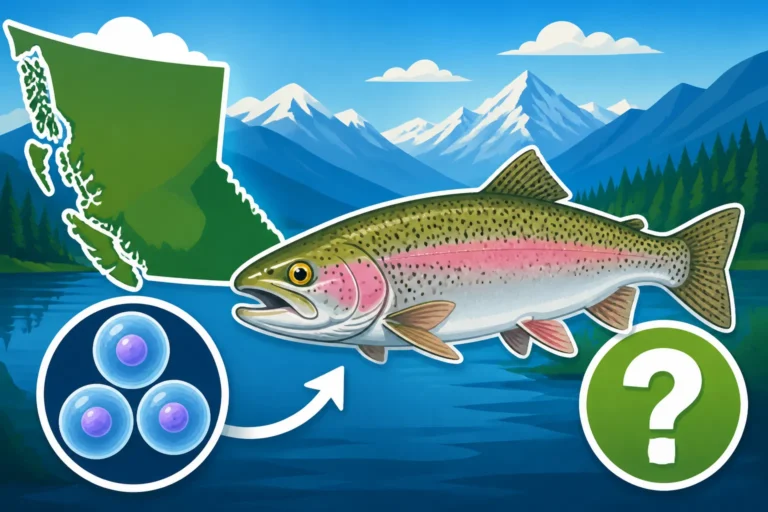
The Gerrard rainbow trout isn't just any rainbow trout; it's a specific, genetically distinct strain of wild rainbow trout found predominantly in Kootenay Lake in British Columbia. What sets them apart from their smaller, more common cousins is their incredible size, aggressive nature, and unique life history. These aren't your typical stocked pan-sized rainbows; these are apex predators that can grow to truly legendary proportions, often exceeding 20 pounds and occasionally pushing into the 30-pound range or even more. They are, without a doubt, one of the most sought-after freshwater game fish in North America.
The Genetic Marvel Behind the Size
The Gerrard rainbow trout are an anadromous freshwater strain, meaning they live their adult lives in a lake and then migrate into tributary rivers to spawn, similar to how salmon move from the ocean to rivers. Their remarkable size is attributed to a combination of genetic predisposition and an incredibly rich food source within Kootenay Lake. Over thousands of years, this particular strain has evolved to capitalize on the abundant kokanee salmon in the lake, making them efficient, fast-growing predators. This predatory lifestyle means they put on weight rapidly, transforming into powerful, hard-fighting fish that test the limits of even experienced anglers. You might hear people talk about BC Provincial Fish Records by Species, and the Gerrard rainbow often features prominently in those conversations due to its potential for immense size.
Distinctive Features and Appearance
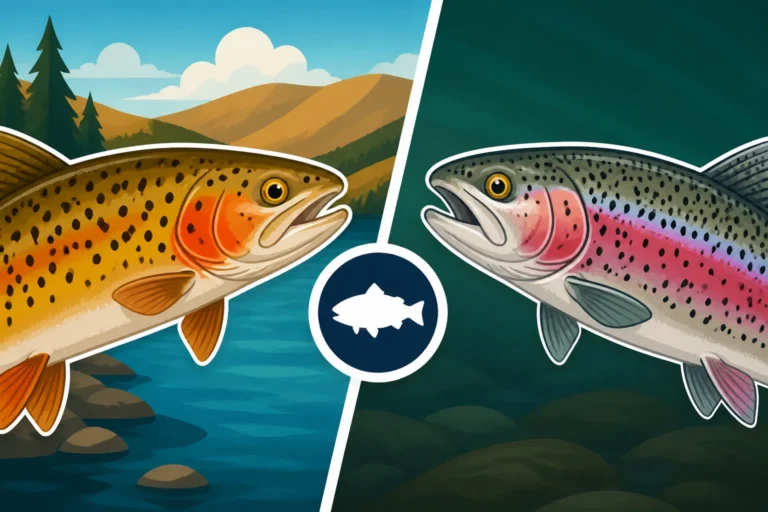
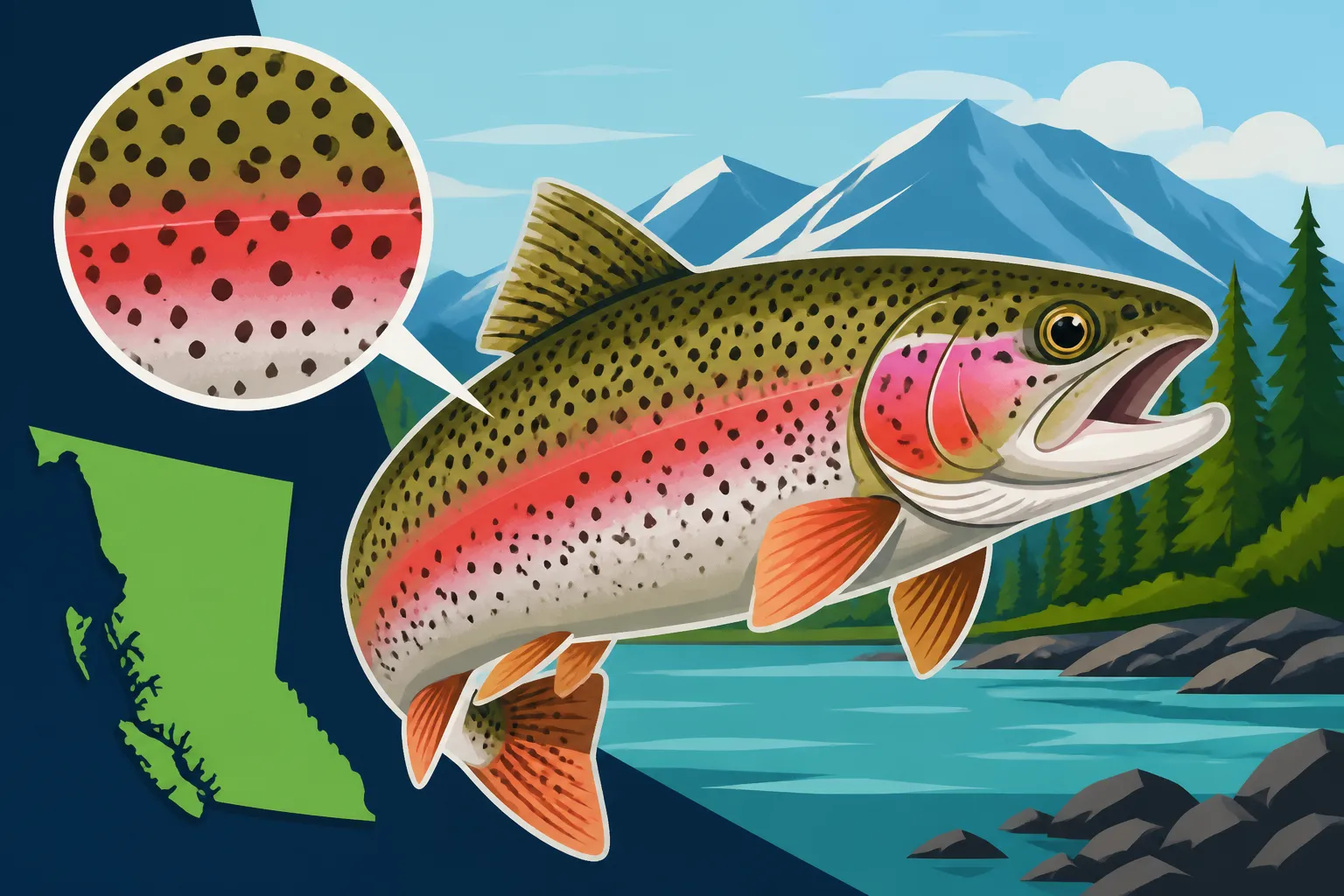
While they are still rainbow trout, Gerrards often have a slightly different appearance than typical rainbows. They tend to be more streamlined and torpedo-shaped, built for speed and power. Their coloration can vary, but generally, they exhibit the classic iridescent sheen with a pronounced pink or red stripe along their flanks, especially during spawning. Their spots are usually smaller and more numerous, concentrated along the back and caudal fin. A key characteristic is their powerful tail fin, which is a testament to their strength and fighting ability. When you hook into one of these, you'll know it immediately; they don't just nibble, they attack, and then they fight with every ounce of their considerable strength.
The Kootenay Lake Phenomenon: Why Gerrards Thrive There
Kootenay Lake isn't just a body of water; it's a unique ecosystem perfectly tailored to nurture these giant trout. Located in the Kootenay region of southeastern British Columbia, this massive, deep lake provides everything the Gerrard rainbow needs to achieve its world-class size. It's a prime example of how specific environmental conditions, combined with genetic factors, can create an unparalleled fishing opportunity. Many anglers travel from around the globe for the chance to hook one of these magnificent fish, making Kootenay Lake Fishing Guide an essential read for anyone planning a trip.
The Kokanee Connection
The single most critical factor in the Gerrard rainbow's phenomenal growth is the abundance of kokanee salmon in Kootenay Lake. Kokanee are landlocked sockeye salmon, and in Kootenay Lake, they historically thrived in huge numbers. For the Gerrard rainbows, these kokanee are like a never-ending buffet. They are a high-protein, high-fat food source that allows the rainbows to pack on weight at an astonishing rate. Imagine a fish growing fat and strong on a diet almost exclusively of other fish – that's the Gerrard rainbow's secret. Without this rich food source, they simply wouldn't reach the sizes they do. The cycles of kokanee populations directly influence the health and size of the Gerrard rainbows in any given year.
Ideal Habitat and Spawning Grounds
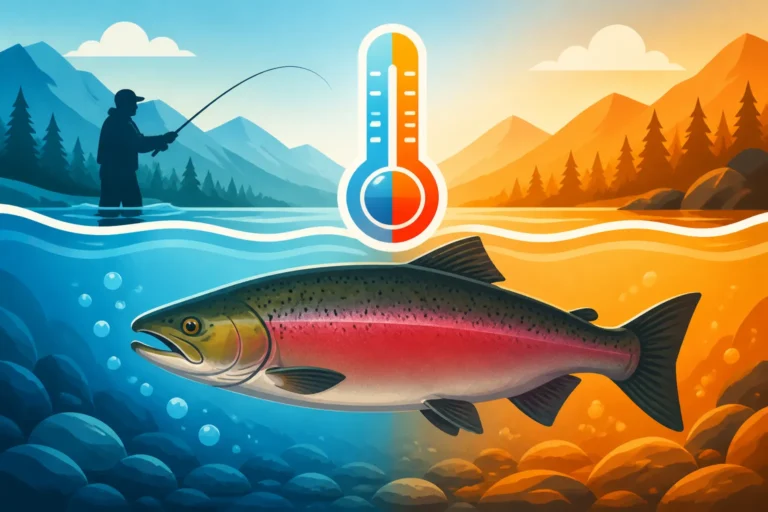
Beyond the food, Kootenay Lake offers diverse and pristine habitat. It's a large, deep, cold-water lake with excellent water quality, which is crucial for trout health. The lake's deep basins provide ample cool, oxygenated water during the summer months when larger fish need it most. Crucially, the lake is fed by several rivers, most notably the Lardeau River, which serves as the primary spawning ground for the Gerrard strain. These clean, gravel-bottomed rivers provide the perfect conditions for spawning, ensuring the continuation of this unique population. The journey up these rivers is an incredible display of nature, and understanding these movements is key to appreciating the full life cycle of these magnificent trout.
Fishing for the Legendary Gerrard: Techniques and Tips
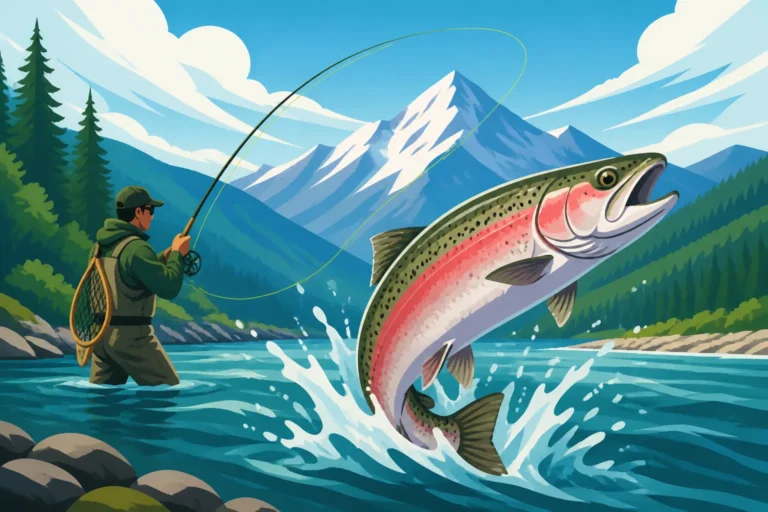
Targeting Gerrard rainbow trout is not for the faint of heart, nor is it typically a "numbers game." It's often about persistence, patience, and using specialized techniques designed for large, predatory fish. Anglers often spend days, sometimes weeks, on Kootenay Lake hoping for that one epic strike. But when it happens, it's an experience you'll never forget. This is definitely a different ball game than How to Catch Rainbow Trout in BC Lakes for your average smaller trout.
Trolling: The Most Common Method
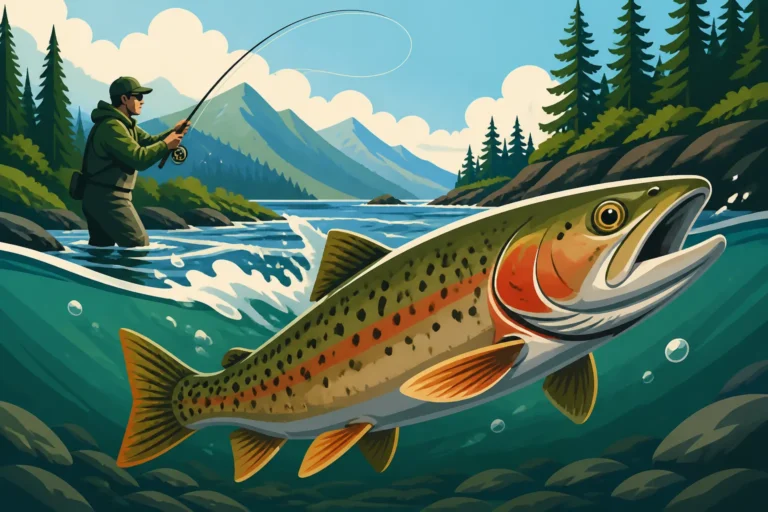
Given the vastness and depth of Kootenay Lake, trolling is overwhelmingly the most popular and effective method for targeting Gerrards. This involves slowly moving a boat while dragging lures or bait behind it, often at specific depths using downriggers. Because Gerrards feed on kokanee, lures that mimic these smaller salmon are incredibly effective. Large spoons, plugs, and even flies tied to resemble kokanee are standard fare. Anglers often experiment with different depths and speeds until they find what the fish are keying in on. For instance, Trolling Techniques for BC Lake Trout would apply very well here, especially techniques for deep-water presentations. When you're rigging up, remember that you'll need robust gear for these powerful fish. Many anglers invest in high-quality trolling rods, reels with excellent drag systems, and specialized line counters, which are all readily available through retailers like Amazon.
| Feature | Gerrard Rainbow Trout | Typical BC Lake Rainbow Trout |
|---|---|---|
| Typical Size | 10-30+ lbs (can exceed) | 1-5 lbs (stocked) / 2-10 lbs (wild) |
| Primary Diet | Kokanee salmon, other fish | Insects, minnows, leeches, plankton |
| Habitat | Deep, cold, large lakes (Kootenay Lake) | Variety of lakes, streams, rivers |
| Growth Rate | Extremely fast due to abundant food | Moderate |
| Fighting Style | Powerful, aggressive, long runs, often acrobatic | Strong, but generally less sustained than Gerrards |
| Fishing Method | Trolling with large lures/baits mimicking kokanee, downriggers | Fly fishing, spin casting, bait fishing, light trolling |
| Conservation Status | Stable, but highly valued and managed | Generally stable, widespread |
Essential Gear for Gerrard Hunting
To successfully land a trophy Gerrard, your gear needs to be up to the task. Light tackle won't cut it. You'll want medium-heavy to heavy action trolling rods, paired with level-wind reels capable of holding ample amounts of strong monofilament or braided line. A good quality drag system is paramount, as these fish make blistering runs. Downriggers are almost a necessity for presenting your lures at the precise depths where kokanee and, consequently, Gerrards are schooling. Depth finders and fish finders are also invaluable tools for locating bait balls and understanding the lake's structure. Make sure your tackle box is stocked with a variety of large spoons (like the well-known Apex or Gibbs-Delta spoons), plugs, and even large bucktail flies. Remember, when purchasing specialized gear, many anglers find a wide selection of suitable rods, reels, and terminal tackle on online platforms like Amazon, especially for those hard-to-find items.
Best Times to Fish
While Gerrards can be caught year-round, certain seasons offer better opportunities. Early spring, just after ice-off, can be fantastic as the trout are hungry and often closer to the surface. Fall, leading up to their spawning migration, is another prime window when they are aggressively feeding. Even winter ice fishing can be productive for those brave enough to venture onto the frozen Kootenay Lake, though it's a niche pursuit. However, always check the current BC Fishing Season Dates and Closures and BC Fishery Notices and In-Season Closures, Explained before heading out, as regulations can change.
Conservation and Future of Gerrard Rainbow Trout
The Gerrard rainbow trout is more than just a prized sport fish; it's a vital part of BC's natural heritage and a significant draw for the province's tourism and angling industries. Ensuring the long-term health and sustainability of this unique strain is paramount, and it requires careful management and responsible angling practices.
Management and Regulations
Fisheries management in British Columbia, particularly for iconic species like the Gerrard rainbow, involves a delicate balance of protecting the resource while allowing for recreational opportunities. Regulations often include specific bag limits, size restrictions, and sometimes even seasonal closures to protect spawning fish or sensitive populations. For instance, you'll find detailed rules in documents like BC Bag and Possession Limits by Species that are crucial to follow. These rules are designed to ensure that enough fish survive to spawn and that the ecosystem remains healthy. It's not just about catching the biggest fish, but about ensuring there will be big fish for generations to come.
The Importance of Catch and Release
Given the trophy potential and unique nature of Gerrard rainbows, many anglers practice selective harvest or strict catch and release, especially for the largest specimens. Releasing these massive fish back into the lake allows them to continue growing and to contribute to future spawning cycles. If you're fortunate enough to land a Gerrard, proper catch and release techniques are essential to maximize the fish's survival. This means minimizing handling time, keeping the fish in the water as much as possible, using barbless hooks, and ensuring a healthy release. These practices are cornerstones of ethical angling and crucial for the preservation of such a special fishery. You can easily find tools like de-hookers and measuring tapes designed for responsible catch and release on platforms such as Amazon, ensuring you're prepared.
The Gerrard rainbow trout is truly a marvel of the natural world, a testament to the rich biodiversity of British Columbia's freshwater ecosystems. Understanding their biology, habitat, and the efforts to conserve them not only enriches your angling experience but also fosters a deeper appreciation for these magnificent fish and the pristine waters they call home.
Disclaimer
This article is for general informational purposes only and does not constitute professional advice. Laws, prices and regulations vary by location and change over time. Consult a qualified professional for guidance on your specific situation.