Best waters for trophy chinook in BC
Ah, the legendary Chinook salmon! If you've spent any time dreaming about fishing in British Columbia, chances are the thought of tangling with a true trophy Chinook, often called a "Tyee" or "King," has crossed your mind. It's a quest that calls to many anglers, a pursuit of a fish so powerful it can strip line from your reel with terrifying speed and leave your arms aching. But knowing where to direct your efforts in this vast province, which boasts countless incredible fishing opportunities, can feel like trying to find a needle in a haystack. This guide is here to cut through the confusion and point you toward the most renowned waters for trophy Chinook in BC, helping you understand not just the locations, but the 'why' and 'how' behind landing one of these magnificent fish.
Understanding the Trophy Chinook Dream in BC
For many, catching a Chinook salmon is a bucket-list item, but landing a "trophy" Chinook elevates that experience into legend. These aren't just big fish; they're often the apex predators of their environment, wise and powerful, requiring skill, patience, and a bit of luck to bring to hand.
What Defines a "Trophy" Chinook?
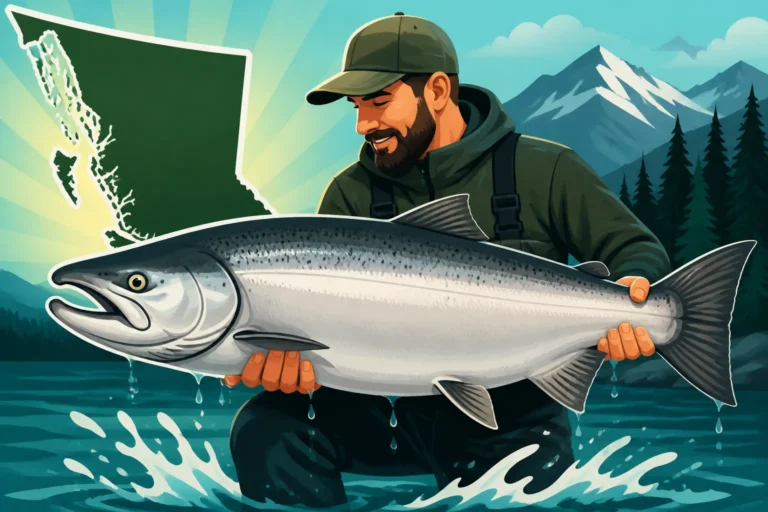
When we talk about a "trophy" Chinook in British Columbia, we're generally referring to a fish of significant size and weight that stands out from the average catch. While individual bragging rights might vary, there are some generally accepted benchmarks. In the saltwater, a Chinook weighing 30 pounds or more is often considered a trophy, while a "Tyee" specifically refers to a Chinook of 30 pounds or heavier caught using traditional methods, particularly popular around places like Campbell River. On the freshwater side, especially in rivers where fish might spend less time feeding before spawning, a trophy might still be in that 20-30+ pound range, often defined more by its length and girth.
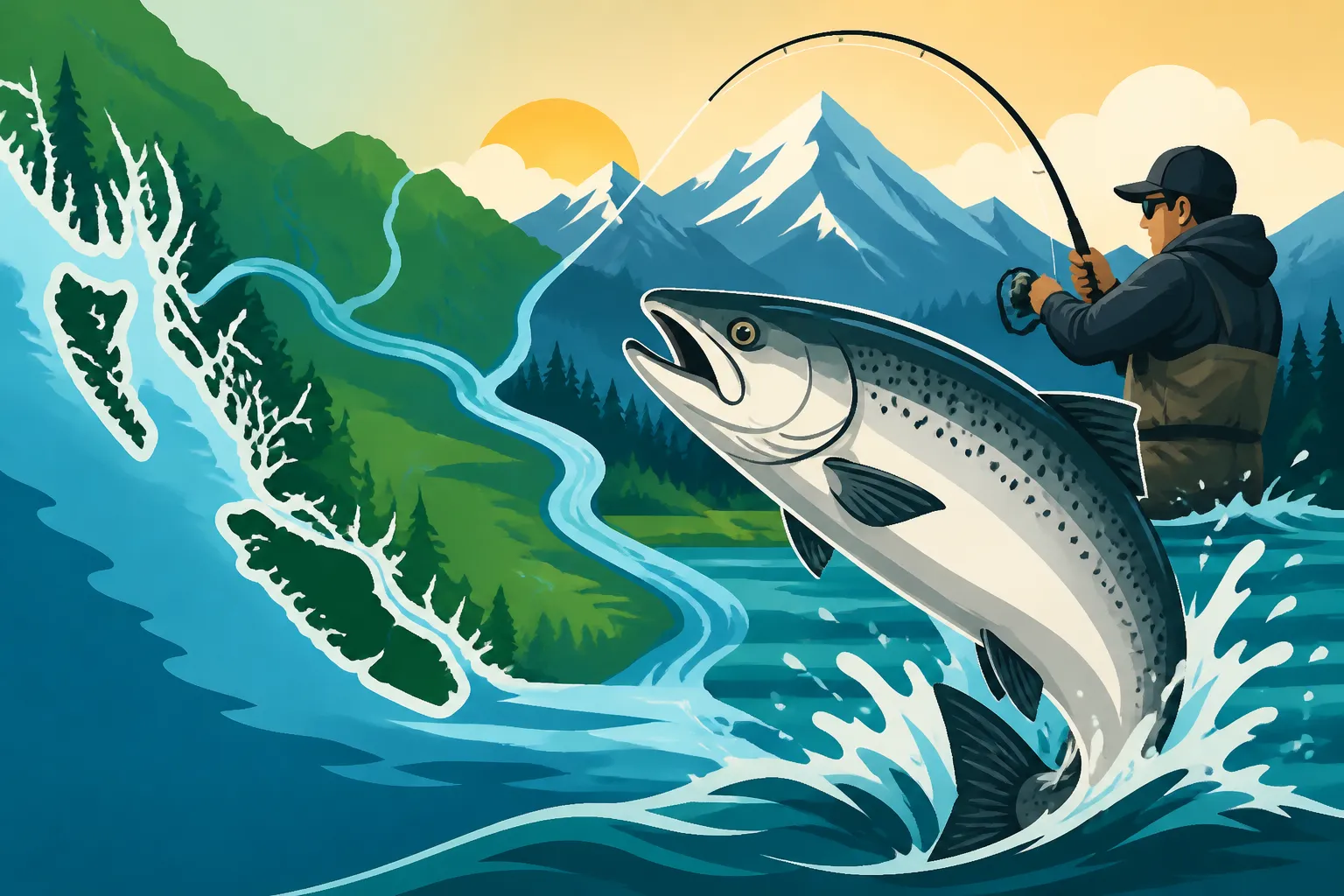
The thrill isn't just in the number on the scale; it's the sheer power. A 30-pound Chinook fights with an intensity that can truly test your gear and your resolve. They're often broad-shouldered, deep-bodied fish with immense tails, capable of long, sustained runs and powerful headshakes. When you hook one, there's no mistaking it – the rod immediately doubles over, and the reel screams as line peels off against a tight drag. It’s an unforgettable experience that sets these fish apart.
Why BC is a Premier Destination for Big Chinook
British Columbia's coastline and vast river systems create an almost perfect environment for Chinook salmon to thrive and grow to incredible sizes. Several factors contribute to this province's reputation as a trophy Chinook hotspot.
Firstly, BC's nutrient-rich ocean waters provide an abundant food source. Herring, needlefish, and various other baitfish school heavily along the coast, offering a consistent and ample diet that allows Chinook to pack on weight rapidly. These fish spend years in the ocean, sometimes as long as five to seven years, gorging themselves before returning to their natal rivers to spawn. The longer they stay in the ocean, and the richer their feeding grounds, the larger they can grow.
Secondly, the sheer scale and wildness of BC's salmon runs mean there's a healthy genetic diversity and strong populations. While some runs face conservation challenges, many systems still support robust numbers of Chinook, providing more opportunities for fish to reach their maximum potential. The long, intricate river systems like the Fraser River and Skeena River, combined with countless smaller coastal rivers, offer diverse spawning grounds. This natural cycle, from ocean feeding grounds to freshwater spawning journeys, is fundamental to the existence of these majestic fish.
Finally, BC's commitment to sportfishing management, including regulations on retention limits and fishing methods, plays a role in sustaining these populations. While rules can sometimes feel restrictive, they are designed to protect the very resource that draws anglers from around the globe. This careful balance helps ensure that those "trophy" genes continue to propagate, offering future generations the chance to pursue these magnificent creatures.
Key Regions for Giant Chinook in British Columbia
When it comes to pursuing trophy Chinook, certain areas in BC consistently stand out due to their geography, baitfish concentrations, and the sheer volume of returning salmon.
Coastal Hotspots: Vancouver Island and the Mainland Coast
The saltwater stretches off Vancouver Island and the adjacent mainland coast are arguably the most famous hunting grounds for trophy Chinook. These areas are rich with baitfish, providing ideal conditions for Chinook to grow large.
-
Campbell River and the Discovery Islands: Often called the "Salmon Capital of the World," Campbell River, located on the east coast of Vancouver Island, is legendary for its Tyee fishing. The deep, nutrient-rich waters of Discovery Passage and the surrounding Discovery Islands are a major migration corridor for salmon heading to various rivers, including the Fraser, further south. Chinook here often intercept massive schools of baitfish, making them robust and powerful. Fishing spots like Cape Mudge, Wilby Shoals, and the famous Tyee Pool are prime areas. The best time to hit these waters for big Chinook is typically from late June through September. Charters out of Campbell River specialize in targeting these giants. If you're looking for guidance, researching Best Salmon Charters in Campbell River is a great start.
-
West Coast of Vancouver Island (Tofino, Ucluelet, Nootka Sound): The rugged west coast of Vancouver Island offers some truly epic offshore Chinook fishing. Areas like Tofino, Ucluelet, and Nootka Sound are adjacent to the open Pacific, where migratory Chinook spend their feeding years. These waters are characterized by strong currents and deep-water bait concentrations, allowing Chinook to grow to immense sizes. Here, you'll often find yourself fishing a fair distance from shore, targeting kelp beds, offshore banks, and migratory routes. The season here can start earlier, with some big fish appearing in May and continuing through the summer. Weather can be a factor, but the rewards can be truly spectacular, with many Chinook pushing the 40 and 50-pound mark.
-
Prince Rupert and the North Coast: Heading further north, the waters around Prince Rupert and the Skeena River estuary are another powerhouse for trophy Chinook. This region sees immense runs of salmon, including some of the largest Chinook in the province, heading for the Skeena system and other northern rivers. The remote, wild nature of this area means less fishing pressure in some spots, and the nutrient flows from massive river systems create fantastic feeding grounds. Areas like Porcher Island, Dundas Island, and the numerous inlets offer fantastic opportunities. The season here is typically strong from July through September, and these fish are known for their incredible fight.
-
Georgia Strait (Southern Mainland Coast): While not as widely renowned for trophy fish as Campbell River or the west coast, the Georgia Strait, particularly around the Gulf Islands and parts of the Sunshine Coast, can still produce some impressive Chinook, especially in specific seasons. The "winter chinook" fishery here is particularly sought after, with strong, chrome-bright salmon in the 10-25 pound range, and occasionally larger, providing exciting fishing during the colder months. These fish are actively feeding and are often in pristine condition.
Mighty Rivers: The Fraser and Other Major Systems
While coastal waters are where Chinook bulk up, their final journey into freshwater rivers presents unique opportunities to intercept these giants, often at their peak weight before they begin to spawn.
-
Fraser River (Lower and Middle Sections): The mighty Fraser River is the largest salmon-producing river in the world, and it sees astounding numbers of Chinook returning each year. While many are destined for tributaries further upriver, the lower and middle sections of the Fraser offer incredible opportunities to intercept these fish as they begin their migration. Tidal portions near its mouth, like those around Steveston and throughout the greater Vancouver area, are popular for bar fishing and boat fishing. Further upriver, past Chilliwack and Mission, anglers target holding water and travel lanes. These fish are still chrome-bright and full of fight. You'll want to check Fraser River Fishing Guide for detailed information on seasonal opportunities, as specific regulations for Chinook can change. Large Chinook here are often caught by anglers anchoring and fishing roe or large spinners. Best sturgeon spots on the Lower Fraser River are often also good Chinook spots, as they share similar deep holes.
-
Skeena River and its Tributaries: The Skeena River system in northern BC is a legendary destination for large salmon and steelhead. It's truly wild, and the Chinook that return to its waters and its famous tributaries like the Bulkley River and Kispiox River are known for their size and power. These fish travel hundreds of kilometers from the ocean and are typically incredibly strong. Fly anglers and gear anglers alike target these rivers. Skeena River Steelhead Fishing is well-known, but the Chinook fishery here is equally impressive, with 30-pounders common and fish over 50 pounds landed annually. Due to its remote nature, many anglers opt for guided trips here.
-
Other Significant River Systems: Don't overlook other important river systems such as the Cowichan River on Vancouver Island, the Kitimat River, and even the Harrison River, a major tributary of the Fraser. These rivers often have strong Chinook returns, though the "trophy" size might be slightly smaller than the behemoths of the Skeena or Fraser, they still offer incredible sport. Always consult BC Fishing Season Dates and Closures and local regulations for these specific waters, as timing and retention rules can be very localized.
| Region/Waterbody | Best Months for Trophy Chinook | Primary Fishing Method | Key Characteristics |
|---|---|---|---|
| Campbell River | July – September | Trolling, Mooched Bait | "Tyee" hunting, strong currents, rich baitfish |
| West Van. Island | May – September | Offshore Trolling, Jigging | Open Pacific, large migratory Chinook, weather dependent |
| Prince Rupert Coast | July – September | Trolling, Mooched Bait | Remote, large fish, Skeena influence, abundant bait |
| Lower Fraser River | August – October | Bar Fishing, Boat Anchoring | Major migratory route, bait/spinners, strong currents |
| Skeena River System | July – September | Fly Fishing, Drift Fishing | Wild, powerful fish, remote experience, specific gear |
Factors Influencing Trophy Chinook Presence and Catchability
It's not enough to just know where the big Chinook are; understanding when and how to approach them dramatically increases your chances of success.
Optimal Seasons and Tides for Bigger Fish
Timing is absolutely crucial when pursuing trophy Chinook, especially in saltwater.
- Saltwater Seasons: For the truly giant Chinooks, the prime season on the BC coast generally runs from late spring through early fall. May and June can see the first wave of larger, actively feeding "springer" Chinook. July, August, and early September are often considered peak times, as vast numbers of salmon migrate through coastal corridors, building up energy for their freshwater journey. This is when you'll find the highest concentration of big, ocean-bright fish. Later in the fall, as fish gather closer to river mouths, they may still be large, but their condition can start to deteriorate as they transition to spawning.
- Tidal Influence: In saltwater, tides play a massive role. Chinook often feed more actively and travel along current lines during periods of strong tidal flow (the "push" of an incoming tide or the "pull" of an outgoing tide). The periods just before and after the peak of the tide (slack tide) can also be productive as fish orient themselves and settle into feeding lanes. Experienced guides will meticulously plan their day around the tidal charts, focusing their efforts during these prime windows. Knowing Best time of day to catch salmon on an incoming tide can give you an edge.
- Freshwater Seasons: In river systems, the timing revolves around specific Chinook runs. Generally, these runs occur from late summer through fall. August, September, and October are often prime months for intercepting large Chinook in rivers like the Fraser or Skeena. The exact timing can vary year to year based on water levels and temperatures, so checking BC Fishing Season Dates and Closures is vital. These fish are usually not actively feeding in freshwater, but they will strike out of aggression or instinct.
Tackle and Techniques for Monster Chinook
Successfully landing a trophy Chinook requires robust tackle and specific techniques tailored to their size and power.
- Rods and Reels: For saltwater trolling or mooching, a medium-heavy to heavy rod (typically 9-10.5 feet) paired with a high-quality levelwind or single-action reel spooled with 25-40 lb monofilament or braided line is standard. For river fishing, a heavy-action baitcasting or spinning rod (8.5-10 feet) is often preferred, capable of handling heavy weights and powerful fish. You'll find a wide selection of suitable rods and reels on platforms like Amazon, offering options for every budget and preference.
- Lures and Bait:
- Saltwater: Trolling with large spoons (like those from Gibbs-Delta or Coyote), hootchies, or plugs behind a flasher is highly effective. Fresh or brined herring, anchovies, or sardines fished on a "cut-plug" rig or under a flasher are also killer baits. Mooching, a technique involving drifting with bait in the current, is very popular in areas like Campbell River.
- Freshwater: In rivers, large spin-n-glos, Colorado blades, or even large jigging spoons can be effective. However, roe (salmon eggs), often fished in a drift rig or under a float, is a perennial favorite for enticing Chinook in freshwater. Fishing a large bait in deep holes and runs is key. Check out Amazon for a variety of these baits and tackle before your trip.
- Technique is everything: Whether you're trolling at precise depths, meticulously cutting bait, or perfectly presenting a drift rig in a river, the details matter. Learning How to fish a river for Chinook salmon or mastering Trolling Techniques for BC Lake Trout (applying similar principles to saltwater) will greatly increase your odds. Patience and persistence are also virtues when chasing these elusive giants.
Conservation and Sustainable Practices
The pursuit of trophy Chinook is thrilling, but it comes with a responsibility to protect these incredible fish for future generations. Adhering to conservation practices is not just good etiquette; it's often legally mandated.
- Know the Regulations: BC's fishing regulations are complex and change frequently, especially for salmon. Before every trip, and even during the trip if moving to a new area, consult the latest DFO (Department of Fisheries and Oceans Canada) Fishery Notices for tidal waters and the BC Freshwater Fishing Regulations Synopsis for freshwater. These documents outline bag limits, possession limits, size restrictions, gear restrictions, and open/closed times for specific species and areas. Failing to do so can result in significant penalties. You can find detailed breakdowns in resources like BC Fishing Regulations Explained and BC Bag and Possession Limits by Species.
- Catch and Release Best Practices: For those truly giant Chinook you might want to release, knowing how to do so with minimal harm is paramount.
- Minimize Fight Time: Use appropriate gear to land the fish quickly.
- Keep it Wet: Try to keep the fish in the water as much as possible, especially its gills. If you must lift it for a quick photo, support its body horizontally. A large, rubberized landing net (available on Amazon) can greatly aid in safely handling and releasing fish.
- Barbless Hooks: In many areas, barbless hooks are mandatory for salmon. They cause less damage and are easier to remove.
- Revive the Fish: If the fish seems stressed, hold it gently in the current until it can swim away under its own power.
- Respect Hatcheries and Spawning Grounds: Be mindful of sensitive areas, especially during spawning seasons. These are the future of the fishery. Practicing ethical angling ensures these populations can continue to thrive.
Planning Your Trophy Chinook Expedition
Successfully planning a trip for trophy Chinook in BC involves more than just picking a spot on a map. It's about preparation, research, and often, leveraging local expertise.
Choosing a Charter or Guide
For many anglers, especially those new to BC's waters or specifically targeting trophy Chinook, hiring a professional guide or charter is the best way to maximize their chances.
- Benefits of a Guide: Local guides possess an encyclopedic knowledge of their waters, including current conditions, fish movements, and productive spots. They have the right gear, the proper licenses, and an understanding of the intricate regulations. They can teach you techniques, rig your gear, and greatly increase your chances of finding and landing a trophy fish. If you're going to the Skeena, a guide is almost essential for navigating the complex river system and accessing prime spots. For coastal trips, a charter provides the vessel, safety equipment, and expertise.
- What to Look For: When choosing a guide or charter, look for experience, a strong safety record, and good references. Ask about their approach to conservation and their catch-and-release policies if that's important to you. Determine what's included in the cost (gear, bait, fish cleaning, etc.) and what you'll need to bring. Guides specializing in Guided Sturgeon Trips on the Fraser River often also have excellent knowledge of Chinook in that system, as they share similar holding waters. For saltwater, check out How to Choose a BC Fishing Charter.
Essential Gear and Preparations
Beyond your fishing tackle, there are other crucial items to ensure a comfortable and safe trip.
- Weather Appropriate Clothing: BC weather can be notoriously unpredictable. Layers are key. Bring waterproof outerwear (jacket and pants), warm hats, gloves, and sturdy, waterproof footwear. Even on a summer day, a cold wind or rain shower can make things uncomfortable. You can easily find high-quality, durable rain gear on Amazon that will stand up to the elements.
- Safety Gear: If you're on a charter, they'll provide marine safety equipment, but if you're venturing out in your own boat, ensure you have all required safety gear, including life jackets for everyone on board, a first-aid kit, communication devices, and flares. Life Jacket Requirements for BC Boaters are strict and for good reason.
- Personal Items: Sunscreen, sunglasses (polarized are a must for spotting fish and structure), snacks, water, and any personal medications are essential.
- Documentation: Always carry your valid BC fishing license, including any necessary conservation stamps (like the BC Salmon Conservation Stamp Rules). Make sure you understand BC Fishing License Age Requirements for everyone in your party.
Checking Regulations and Fishery Notices
This cannot be stressed enough: always check the current regulations immediately before you go fishing and be prepared for them to change. Fishery management in BC is dynamic, especially for salmon, due to conservation concerns, changing run sizes, and in-season updates.
- DFO Fishery Notices: For saltwater fishing, the DFO issues "Fishery Notices" that announce openings, closures, and regulation changes. These are critical. What was open yesterday might be closed today, or vice-versa.
- BC Freshwater Fishing Regulations Synopsis: For freshwater, the BC government publishes an annual synopsis that details regulations for various regions, lakes, and rivers. Specific rivers or even sections of rivers can have unique rules.
- Local Knowledge: A good guide or local tackle shop will also be invaluable sources of up-to-the-minute information. Don't rely on old information or what someone told you last year. The health of the fishery depends on everyone respecting these rules. Ignoring BC Fishery Notices and In-Season Closures, Explained can lead to disappointment or fines.
Chasing trophy Chinook in BC is an adventure like no other. It demands respect for the fish, the environment, and the regulations. With the right preparation, the right spots, and a healthy dose of patience, the dream of landing one of these magnificent giants can absolutely become a reality.
Disclaimer
This article is for general informational purposes only and does not constitute professional advice. Laws, prices and regulations vary by location and change over time. Consult a qualified professional for guidance on your specific situation.