Where triploid trout are stocked in BC
It can be incredibly frustrating to hear whispers about these amazing, fast-growing trout being stocked in British Columbia, only to feel completely in the dark about where to actually find them. You're ready to hit the water, but pinpointing those specific lakes can feel like searching for a needle in a haystack, especially when you're hoping to introduce a friend or family member to the joy of angling. This guide is here to shed light on exactly where triploid trout are typically stocked across BC, helping you plan your next successful fishing adventure with confidence.
Understanding Triploid Trout and Why They're Stocked in BC
Before we dive into the "where," let's quickly touch on the "what" and "why" of triploid trout. These aren't some exotic, genetically modified super-fish from a science fiction movie, but rather sterile rainbow trout. "Triploid" simply means they have three sets of chromosomes instead of the usual two. This sterility is a crucial factor in their appeal for stocking programs. Since they can't reproduce, their energy isn't diverted into spawning efforts, meaning they grow faster and often larger than their diploid counterparts. For anglers, this translates to more robust, harder-fighting fish and potentially trophy-sized catches.
The primary goal of stocking triploid trout is to enhance recreational fishing opportunities without impacting wild fish populations. By introducing sterile fish into a lake, fisheries managers can provide exciting angling experiences, relieve pressure on wild stocks, and often create put-and-take fisheries in areas that might not naturally support robust trout populations. It's a win-win for both conservation and recreation, allowing a sustainable way to keep our lakes lively with feisty fish. This deliberate approach ensures that the ecosystem remains balanced while offering anglers a consistent and rewarding challenge.
Another significant benefit is their resilience. Because they're focused purely on feeding and growing, triploids can often adapt well to various lake conditions, making them a reliable choice for maintaining fishable populations throughout the season. Their rapid growth means that a lake stocked with triploids can quickly offer substantial fishing opportunities, turning smaller ponds and lakes into popular destinations for families and serious anglers alike. Think of them as the perfect guests – they arrive, they thrive, they provide excellent sport, and they don't overstay their welcome in an ecological sense.
Key Regions and Waters for Triploid Trout Stocking in BC
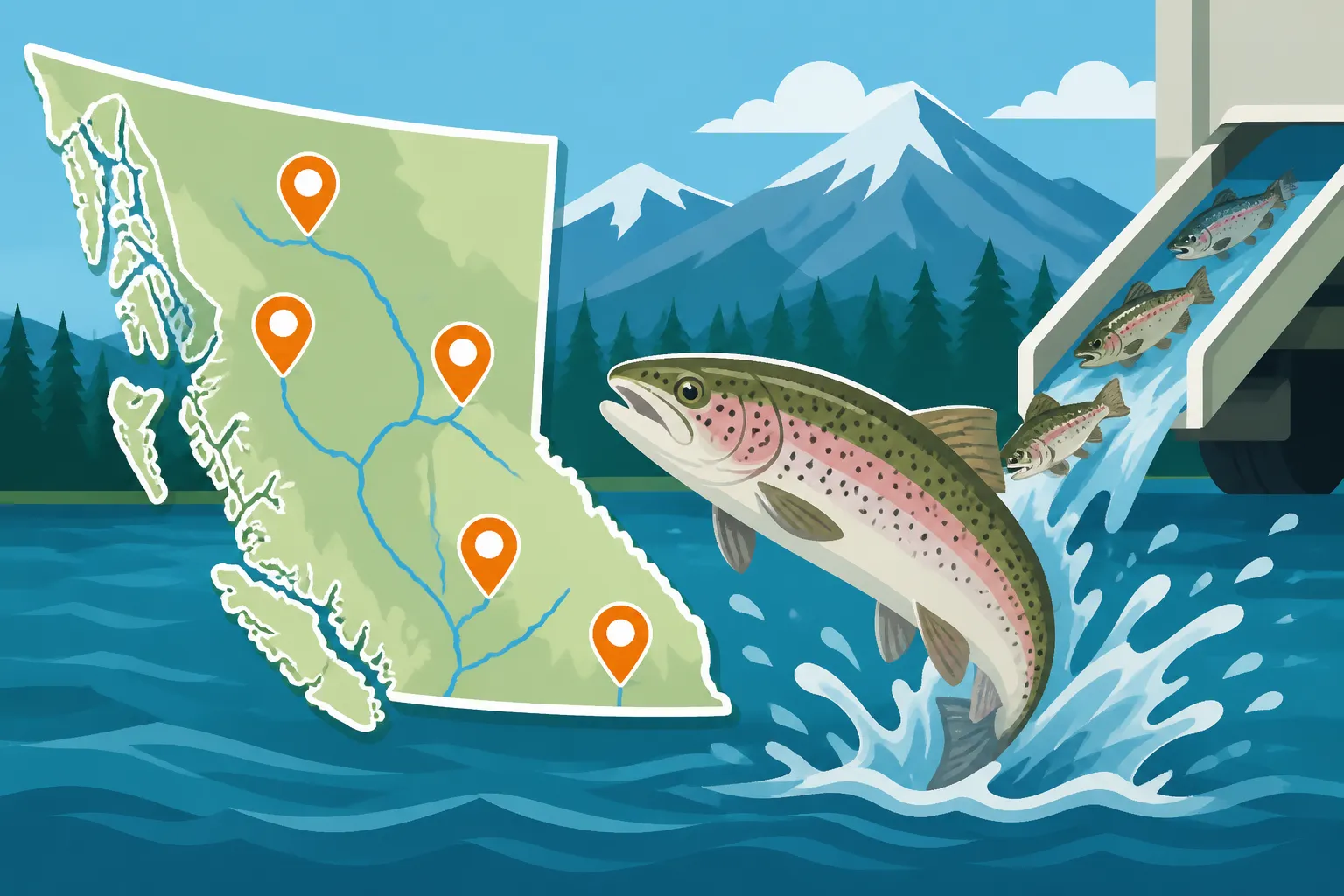
British Columbia is a vast province, and its triploid trout stocking efforts are spread strategically to maximize recreational benefits. While exact locations can vary year to year, there are consistent patterns and regions known for receiving these larger, sterile rainbows. The focus is generally on easily accessible lakes, particularly those with high public use and those managed primarily for recreational fishing, rather than sensitive ecological areas.
Lower Mainland and Fraser Valley Lakes
In the bustling Lower Mainland and Fraser Valley, where access to wild fishing can be limited, triploid trout stocking plays a vital role in providing local angling opportunities. These are often smaller, shallower lakes that are popular for day trips and family outings. Think about the lakes nestled closer to urban centres, where a quick drive after work or on a weekend can get you to the water's edge. These lakes are typically well-maintained and offer amenities like picnic areas, boat launches, and easy shore access, making them ideal for beginners and those looking for a convenient fishing experience.
Lakes in this region, such as those around Chilliwack, Mission, or the outskirts of Vancouver, are frequently on the stocking list. These waters might include places like Whonnock Lake, Cultus Lake (certain areas or specific stocking programs), or various smaller park lakes. The idea here is to create a vibrant fishery where people can easily connect with nature and enjoy a productive day of fishing without extensive travel. It's truly a blessing for city dwellers to have such quality angling so close by, and it's where many young anglers catch their first significant trout. For those keen on shore fishing, these spots are fantastic. You can often find great gear, like a collapsible fishing chair and a variety of lures, on Amazon to make your bank fishing experience even better.
The stocking ensures that even with heavy angling pressure, there are always plenty of fish to pursue. These waters are often the first to open with good numbers of eager trout, drawing crowds for "opening day" events and providing consistent action throughout the spring and fall. The BC Freshwater Fisheries Society, a key player in these stocking programs, often updates its lists to show which lakes have recently received these prized fish. Keeping an eye on their provincial reports is crucial for anyone targeting these convenient urban and semi-urban fisheries.
Okanagan, Kootenays, and Cariboo Interior Lakes
Moving into BC's interior, the landscape shifts to larger, often deeper lakes, but triploid stocking still plays a significant role, particularly in specific recreational lakes. In regions like the Okanagan, with its multitude of lakes and vibrant tourist industry, certain waters are managed specifically for recreational angling. While some larger lakes might host Gerrard rainbow trout or Kamloops trout, triploids often complement these populations or create distinct fisheries in other, more manageable bodies of water. These interior lakes often offer a different kind of fishing experience, from trolling in open water to exploring secluded bays.
The Kootenays, known for its stunning mountain scenery and diverse fisheries, also sees triploid stocking in many of its accessible lakes. These could be smaller lakes that dot the valleys or popular recreational lakes that see a lot of local and tourist activity. The Cariboo region, famous for its "fishing highway" (Highway 24) and countless trout-rich lakes, also benefits from triploid stocking, ensuring that the legacy of excellent trout fishing continues. Often, these are lakes that can be fished from small boats, kayaks, or even float tubes. It's worth noting that the Best Fishing Lakes in British Columbia can often be found in these regions, and many will have triploid trout as a key component of their fishery.
For these interior regions, the stocking of triploids often aims to provide a reliable target species for various fishing methods. Whether you're fly-fishing, spincasting, or trolling, these robust fish offer a consistent challenge. They're particularly popular in lakes where natural reproduction might be limited or where specific regulations are in place to manage wild populations. Checking the regional stocking reports from the BC Freshwater Fisheries Society will give you the most up-to-date information on which of these beautiful interior lakes are hosting triploid trout for the season. You might even find specialized gear for these lakes, like specific trolling spoons or fly patterns, on Amazon from local tackle shops.
Vancouver Island's Recreational Lakes
Vancouver Island, with its rugged coastline and lush forests, also offers excellent freshwater fishing opportunities, many of which are enhanced by triploid trout stocking. Similar to the Lower Mainland, the focus here is often on accessible lakes near communities, providing easy access for local anglers and visitors. These lakes provide a fantastic escape, whether you're looking for a quick morning fish or a leisurely afternoon on the water.
Lakes around Nanaimo, Victoria, or Courtenay are prime candidates for triploid stockings. These are typically smaller to medium-sized lakes, often surrounded by parks or easily accessed via well-maintained roads. Think of waters like Langford Lake, Elk/Beaver Lake, or various smaller lakes in the Cowichan Valley. The aim is to create high-quality, convenient fisheries that cater to a wide range of anglers, from those just starting out to seasoned veterans looking for consistent action. Many of these locations are also family-friendly, offering more than just fishing, such as swimming and picnicking.
The stocking efforts on Vancouver Island ensure that despite its popularity as a tourist destination, there are always ample opportunities for freshwater angling. These lakes are often part of provincial or regional park systems, meaning they are well-managed and provide excellent public access. It's always a good idea to consult the provincial stocking schedules, as well as local tackle shops on the Island, for the most current information. They can provide invaluable insight into recent stockings and the best techniques to use, whether you're fly-fishing for eager trout or using bait on Amazon for consistent bites.
Finding Specific Stocking Information and Planning Your Trip
Knowing where triploid trout are generally stocked is one thing, but getting the precise, up-to-the-minute details is what truly sets you up for success. Thankfully, British Columbia has excellent resources to help anglers plan their trips. Gone are the days of just hoping for the best; now you can fish with purpose and knowledge.
Leveraging the BC Freshwater Fisheries Society
The single most valuable resource for tracking triploid trout stocking in BC is the BC Freshwater Fisheries Society. They manage the provincial stocking program and maintain a comprehensive online database of all lakes stocked, including the species, number of fish, and date of stocking. This isn't just a general list; it's a dynamic, frequently updated tool that is essential for any serious trout angler in BC. You can typically search by region, lake name, or even species to narrow down your results.
Using their website, you can pull up detailed reports for specific lakes, which might show that a certain lake received several thousand triploid rainbow trout just last week, or that another lake is due for a large stocking next month. This information is gold for planning. For instance, if you're keen to experience the fast action right after a fresh release, checking these reports is non-negotiable. It allows you to target lakes that have recently been invigorated, increasing your chances of a successful day on the water. Remember, checking BC Fishing Season Dates and Closures in conjunction with stocking reports ensures you're fishing legally.
Beyond just stocking numbers, the Society's website often provides other useful tidbits, such as access points, boat launch information, and sometimes even specific regulations for a particular lake. It's a one-stop shop for much of your planning. Make it a habit to check this resource before any planned trip, especially if you're traveling to an unfamiliar area. It prevents wasted trips and maximizes your time on the water, transforming a speculative outing into a targeted angling adventure.
Local Knowledge and Community Resources
While official databases are fantastic, never underestimate the power of local knowledge. Your nearest tackle shop is an absolute treasure trove of current information. Shop owners and staff are often anglers themselves, intimately familiar with local waters, and can tell you about recent catches, effective baits, and the general mood of the fish. They might even have insights that aren't yet updated online, or tips on specific spots within a stocked lake that are fishing particularly well.
Online fishing forums and local angling groups on social media platforms are another excellent source. Many passionate anglers share their experiences, post photos of their catches, and discuss recent stocking events or hot spots. Joining these communities can provide real-time updates and an opportunity to ask questions from experienced locals. Just remember to be respectful and contribute to the community rather than just asking for handouts. These groups are often fantastic for learning about specific techniques too, like How to Catch Rainbow Trout in BC Lakes, which can be particularly useful for newly stocked triploids.
Finally, don't forget good old-fashioned observation. When you arrive at a lake, chat with other anglers you encounter. Most are friendly and happy to share a tip or two, especially if you're polite and show genuine interest. They might have just caught a nice triploid or seen some activity you missed. Combining these community resources with the official stocking reports provides a holistic approach to planning your triploid trout adventure in BC.
The Angling Experience: Benefits and Considerations of Fishing for Triploid Trout
Fishing for triploid trout offers a unique and often highly rewarding experience. Their characteristics make them distinct targets, and understanding these can significantly enhance your success and enjoyment on the water. It's not just about catching fish; it's about appreciating the unique attributes these specially managed fish bring to the angling scene.
Exceptional Growth and Fighting Prowess
One of the biggest draws of triploid trout is their potential for exceptional growth. Because their energy isn't spent on reproduction, they can put all of it into getting bigger and stronger. This means that a lake stocked with triploids can quickly produce substantial fish, often exceeding the size you might expect from a naturally reproducing or regularly stocked diploid population. Imagine hooking into a rainbow trout that pulls like a small salmon – that's the kind of excitement triploids can deliver.
Their larger size often translates into incredible fighting prowess. These are generally robust, muscular fish that put up a serious battle, making them a thrilling target for anglers of all skill levels. They often make powerful runs, aerial displays, and deep dives that will test your tackle and your angling skills. This makes them particularly popular for those seeking a tangible challenge and the satisfaction of landing a truly strong fish. For this reason, having a reliable rod and reel setup is key. Many anglers find high-quality, durable fishing gear on Amazon to be perfect for handling these hard-fighting trout.
The thrill of landing a large, feisty triploid is a memorable one, and it's why so many anglers specifically seek out these stocked lakes. For families, the chance to catch a noticeably larger trout can be incredibly exciting for kids, solidifying their love for fishing. Just remember to check BC Fishing Regulations Explained for any specific limits or rules, as larger fish often have different retention guidelines.
Accessibility and Consistent Action
Triploid trout are overwhelmingly stocked in lakes chosen for their accessibility and suitability for high recreational use. This means you'll often find them in places with good road access, plenty of parking, and facilities like boat launches or fishing piers. This makes them ideal for a wide range of anglers, from those with mobility challenges to families with young children who need easy access to the water.
Furthermore, the very nature of a managed stocking program means that these lakes offer consistent action. While fishing always has its ebb and flow, knowing that a lake has been recently stocked with thousands of eager, growing fish provides a level of confidence that is hard to beat. You're not just casting blindly; you're casting into a fishery designed to provide opportunities. This consistency is perfect for beginners who need to build confidence, or for seasoned anglers who want a guaranteed day of bending the rod. Many of these lakes are also excellent spots for Best Techniques for Bank Fishing a Stocked Lake.
This reliable action also makes them fantastic for introducing new people to the sport. There's nothing quite like watching a new angler, especially a child, hook into a vibrant triploid and experience the pure joy of the fight. It fosters a love for the outdoors and creates lasting memories. Ensure everyone has their BC fishing license age requirements sorted before heading out to these fantastic spots.
Special Considerations for Triploid Trout
While fishing for triploids is generally straightforward, there are a few things to keep in mind. Because they are often larger and more powerful, you might want to consider slightly heavier tackle than you would for smaller, wild trout. A medium-light spinning rod with 6-8 pound test line, or a 6/7 weight fly rod, often provides a good balance of sport and control.
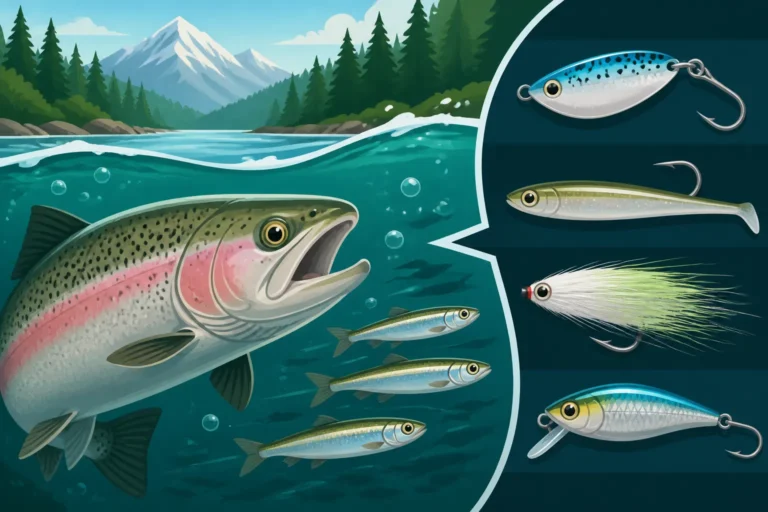
Their diet is often broad, as they are constantly feeding to fuel their growth. This means they can be receptive to a variety of baits, lures, and flies. Standard trout baits like worms, corn, or powerbait often work wonders, especially after a fresh stocking. For lures, small spinners, spoons, or soft plastic jigs are highly effective. Fly anglers will find success with nymphs, streamers, and even dry flies when hatches are occurring. Don't be afraid to experiment! Looking for the Best bait for opening day trout in BC can give you a head start.
Finally, while these fish are sterile, it's still good practice to handle them with care, especially if you plan to release them. Use a rubberized net, minimize air exposure, and release them gently. This ensures the health of the individual fish and contributes to a robust fishery for everyone to enjoy. Understanding the "triploid" aspect also helps manage expectations – these are primarily put-grow-and-take fisheries, designed for your enjoyment.
| Region | Typical Lake Characteristics | Example Waters (General) | Primary Benefits for Anglers |
|---|---|---|---|
| Lower Mainland/Fraser | Smaller, accessible, high-use, family-friendly | Whonnock Lake, Cultus Lake (specific areas) | Convenience, consistent action, great for beginners/families |
| Okanagan/Kootenays | Medium to large, diverse access, scenic, popular tourist spots | Christina Lake, Tie Lake, various Cariboo lakes | Strong fighters, varied fishing methods, larger fish potential |
| Vancouver Island | Accessible, park lakes, urban adjacent, community-focused | Langford Lake, Elk/Beaver Lake, various local ponds | Easy access, reliable catches, local escape |
This article is for general informational purposes only and does not constitute professional advice. Laws, prices and regulations vary by location and change over time. Consult a qualified professional for guidance on your specific situation.