Mercury advisory fish species in BC waters
It’s a common worry for many anglers, especially when you’ve had a fantastic day out on the water and your cooler is full of delicious fish. You start thinking about dinner, maybe even a big fish fry, and then that nagging question pops into your head: "Is this fish safe to eat? What about mercury?" It’s a completely valid concern, and navigating the world of fish consumption advisories can feel like trying to untangle a particularly stubborn fishing knot. You want to enjoy the incredible bounty that British Columbia's waters offer, but you also want to make informed, healthy choices for yourself and your family. This guide is here to shed some light on mercury advisories in BC, helping you understand which species might require a bit more caution and how to enjoy your catch responsibly.
Understanding Mercury in Fish and Why It Matters for Anglers
The topic of mercury in fish can sound a bit intimidating, conjuring up images of industrial pollution. While human activity certainly plays a role, it's a naturally occurring element, and understanding its journey from the environment to your plate is key to making good choices.
What is Methylmercury and How Does It Get Into Fish?
When we talk about mercury in fish, we're specifically referring to methylmercury, which is the organic form that is most easily absorbed by living organisms. Mercury can enter our aquatic ecosystems from various sources. Naturally, it's released into the air from volcanic activity and forest fires. However, human activities like burning fossil fuels (coal-fired power plants are a big one), mining operations, and certain industrial processes significantly increase the amount of mercury in the environment.
Once this mercury settles into lakes, rivers, and oceans, tiny microorganisms convert it into methylmercury. This is where the biological process really kicks in. Small aquatic organisms, like plankton and insect larvae, absorb this methylmercury. Then, these smaller organisms are eaten by larger ones, and so on up the food chain. This process is called bioaccumulation. But it gets even more interesting (or concerning, depending on your perspective) with biomagnification. Each step up the food chain, the concentration of methylmercury in the tissue of the predator increases. So, a large, predatory fish will have significantly higher levels of mercury in its system than the small fish it eats, which in turn had higher levels than the plankton it consumed. This is why anglers often hear warnings about bigger, older fish.
Why Certain Fish Species Accumulate More Mercury
It's not just a random draw; specific characteristics of fish species make them more prone to accumulating higher levels of methylmercury. Think of it like this: the longer a fish lives and the higher up the food chain it sits, the more time it has to accumulate mercury from its diet.
Generally, larger, older, and predatory fish tend to have the highest mercury levels. Why? Because they've been eating other fish for a longer period. A prime example is a massive White Sturgeon in the Fraser River, which has been alive for decades and has eaten countless smaller fish, accumulating mercury over its entire lifespan. Similarly, a big Lingcod that feasts on smaller rockfish and salmon will have more mercury than a short-lived herring. Conversely, species that are lower on the food chain, like herring or smelt, or those with shorter lifespans and smaller sizes, like Kokanee, generally have much lower mercury levels. Even within a species, a younger, smaller individual will typically contain less mercury than an older, larger one. This is a crucial distinction that often guides consumption advisories. You can learn more about how different fish species develop by looking into topics like Salmon Growth Rate to Trophy Size or Sturgeon Growth Rate to Trophy Size.
Identifying Mercury Advisory Fish Species in BC Waters
British Columbia is blessed with an incredible diversity of fish, both in freshwater lakes and rivers, and in its vast coastal waters. While many of these fish are perfectly safe to enjoy regularly, some species warrant closer attention when it comes to mercury.
Common BC Freshwater Species with Advisories
In BC's freshwater systems, the primary concern often revolves around larger, longer-lived predatory fish found in certain lakes and rivers. While official advisories will always provide the most up-to-date and specific guidance, some species are more commonly associated with mercury concerns.
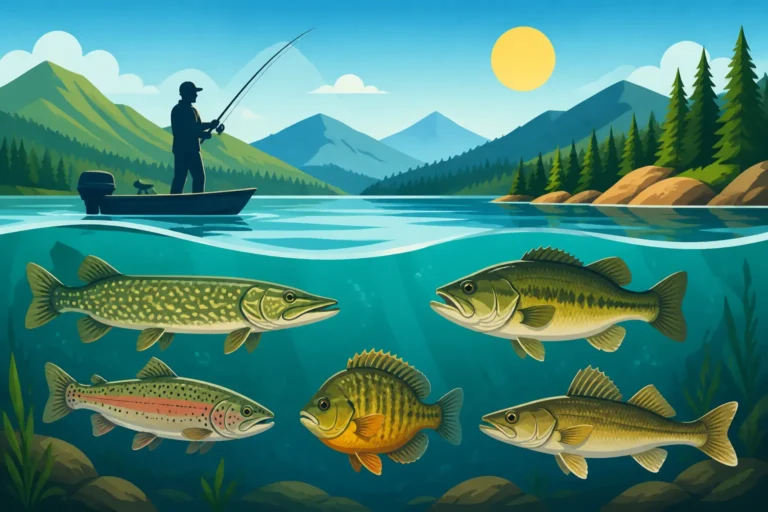
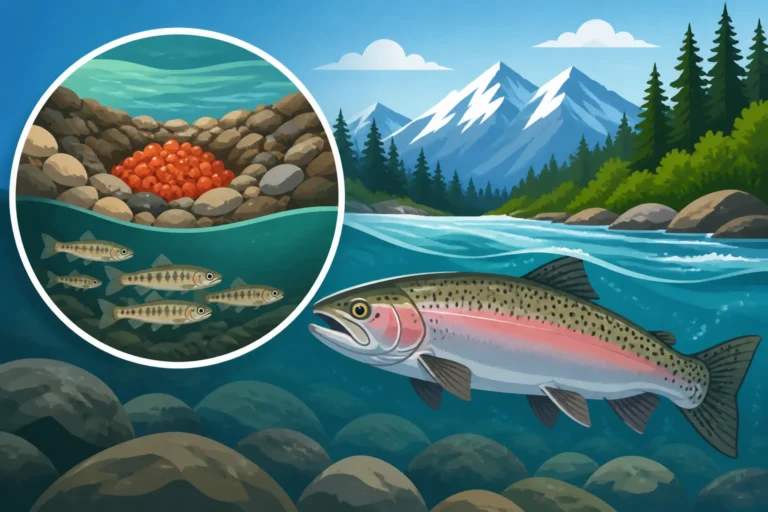
For instance, larger Northern Pike, found in some northern BC lakes, are known accumulators due to their predatory nature and potential for long lifespans. Similarly, very large, old Rainbow Trout, especially those in specific, isolated lakes with elevated background mercury levels, might have consumption advisories. This also applies to species like Gerrard Rainbow Trout from Kootenay Lake, famed for their size, where the larger specimens might carry higher concentrations.
It’s important to remember that these aren't blanket warnings for every fish of these species. An advisory might specify a certain lake, a particular size of fish, or recommend reduced consumption only for sensitive populations like pregnant women or young children. Understanding these nuances is crucial, and it's always a good idea to check specific regulations for the water body you're fishing. For general information on where to find these fish, you might consult a Rainbow Trout Fishing in BC guide.
Common BC Saltwater Species with Advisories
BC's expansive coastline offers an incredible array of marine species, but some of the larger, more sought-after fish can also accumulate mercury. Again, size and diet are the main culprits here.
Halibut, especially the larger, trophy-sized individuals that have lived for many years and consumed many smaller fish, are often mentioned in mercury advisories. The same can be true for Lingcod, another voracious bottom-dwelling predator. Rockfish species, particularly the longer-lived ones, might also feature in advisories, although generally to a lesser degree than halibut or lingcod. When considering your catch, it's worth knowing more about Lingcod Habits Around Structure or Halibut Habits off the BC Coast.
It’s also important to differentiate between different types of tuna. While smaller, younger Albacore Tuna are generally considered lower in mercury, larger, longer-lived tuna species (which are less commonly caught recreationally in BC waters but still relevant to canned tuna choices) can be high in mercury. For most recreational anglers targeting salmon, like Chinook Salmon, the mercury levels are usually not a significant concern, especially if you're eating a variety of fish and not consuming extremely large quantities of only the biggest, oldest specimens.
Here's a simplified look at how some common BC fish species generally rank in terms of mercury accumulation, keeping in mind that actual advisories depend on size, location, and specific health recommendations:
| Species Category | Example BC Fish Species | General Mercury Level | Typical Dietary Advice (General) |
|---|---|---|---|
| High Accumulators | Large Halibut, Large Lingcod, Northern Pike | Higher | Limited consumption, especially for sensitive groups |
| Moderate Accumulators | Larger Chinook Salmon, Bull Trout, Rockfish | Moderate | Enjoy in moderation, vary your fish choices |
| Low Accumulators | Kokanee, Pink Salmon, Chum Salmon, Herring | Lower | Generally safe for regular consumption |
This table is a general guide. Always consult official BC advisories for specific recommendations. For example, specific guidance is available on BC Halibut Bag Limit Rules which can indirectly relate to size and consumption.
Navigating Fish Consumption Advisories in British Columbia
So, you've caught your fish, and now you want to know how to interpret those advisories. It’s not about fear, but about empowering yourself with knowledge to make smart choices for your dinner table.
How to Find and Interpret BC-Specific Advisories
The most reliable place to find current, localized fish consumption advisories in British Columbia is through official provincial health and fisheries channels. Health authorities, often in conjunction with the Ministry of Environment and Climate Change Strategy or the Ministry of Forests, publish these advisories. They typically include details on specific water bodies, the species of fish, and often, particular size ranges that are of concern.
These advisories don't usually say "don't eat this fish ever." Instead, they provide consumption guidelines, often expressed as the number of meals per week or month recommended for different population groups. For instance, an advisory might suggest that the general adult population can safely consume a particular type of fish from a specific lake up to four times a month, while women who are pregnant, planning to become pregnant, or breastfeeding, and young children, might be advised to limit it to one meal a month or avoid it altogether. This distinction for sensitive groups is really important, as mercury can have more significant developmental impacts. Always remember to check BC Fishing Regulations Explained and related fishery notices for updates, as conditions and advisories can change.
Practical Tips for Reducing Mercury Exposure While Enjoying Your Catch
Once you're armed with information, applying it practically is pretty straightforward. Here are some actionable tips to help you enjoy your BC catch with peace of mind:
- Choose Smaller, Younger Fish: As we've discussed, smaller fish of the same species generally have lower mercury levels. If you're targeting a species known to accumulate mercury, consider keeping the younger, smaller legal-sized fish and releasing the older, larger ones (a practice often encouraged for conservation reasons anyway, especially for trophy species like sturgeon, as detailed in BC Fraser River Sturgeon Catch and Release Requirement).
- Diversify Your Diet: Don't put all your eggs (or fish) in one basket! If you frequently fish, try to vary the types of fish you consume. If you had halibut last week, maybe try some trout or kokanee next time. Kokanee Fishing in BC or What kokanee are and how they differ from sockeye are great resources if you want to explore different low-mercury options.
- Check Local Advisories: Before heading out, especially to a new lake or river, quickly check if there are any current fish consumption advisories for that specific location and target species. A quick search on the provincial health authority website is a wise habit.
- Mercury is in the Meat: It's a common misconception that trimming the fat or cooking fish a certain way will reduce mercury. Unfortunately, methylmercury is bound to the muscle tissue (the meat) of the fish, so cleaning methods or cooking techniques won't remove it.
- Equip Yourself: Having good tools can make the process of preparing your catch easier and more enjoyable. A quality fillet knife and proper storage containers, perhaps something you picked up from Amazon, can make all the difference. When you're cleaning your catch, you'll want to ensure you're doing it efficiently.
- Knowledge is Power: Read up on the fish species you target. Understanding their diet and lifespan can give you an intuitive sense of their potential mercury load. There are many excellent field guides and resources available, often found on platforms like Amazon, that can help you identify various species and learn more about their habitats and habits.
Making Informed Choices for a Healthy Lifestyle and Sustainable Fishing
Fishing in British Columbia is not just a pastime; for many, it's a way of life that connects us deeply with nature and provides a sustainable source of healthy food. It's about finding that balance between enjoying the rewards and being responsible stewards of our health and the environment.
Balancing the Benefits of Fish Consumption with Mercury Concerns
It's really important to remember that fish, especially those caught in the pristine waters of British Columbia, are incredibly nutritious. They are a fantastic source of lean protein, essential vitamins and minerals, and perhaps most famously, omega-3 fatty acids, which are vital for heart health, brain function, and overall well-being. The vast majority of fish caught in BC are perfectly safe and healthy to eat in moderation, especially if you follow the guidelines.
The goal of mercury advisories isn't to discourage you from eating fish, but to guide you towards making choices that maximize the health benefits while minimizing potential risks. By choosing smaller fish, diversifying your catch, and staying informed about local advisories, you can continue to enjoy your fresh catch guilt-free. Is Halibut Good to Eat? or Is Lingcod Good to Eat?? Absolutely, just be mindful of size and frequency for the larger ones. Knowing the different Fish Species Identification Guide for BC can help you make these choices.
The Role of Science and Ongoing Monitoring in BC Fisheries
Behind every fish consumption advisory is a tremendous amount of scientific research and ongoing monitoring. Scientists regularly sample fish from various lakes, rivers, and coastal areas across BC to measure mercury levels. This data is then used by public health officials to develop and update advisories, ensuring they are based on the latest scientific understanding and aimed at protecting public health.
This commitment to monitoring means that the information you receive is designed to keep you safe while allowing you to enjoy the rich fishing opportunities here. As anglers, we can support these efforts by practicing responsible fishing, adhering to regulations, and even participating in citizen science initiatives where possible. Being aware of the local ecosystem, like What white sturgeon eat in the Fraser River, gives you a better understanding of the food web and potential mercury pathways. If you're looking for more in-depth reads on local ecology or fishing techniques, you'll find a wealth of books and guides on Amazon that delve into the specifics of BC's unique fisheries.
Ultimately, BC's waters offer an abundance of delicious and healthy fish. By understanding mercury advisories and making informed choices, you can confidently enjoy your hard-earned catch and continue to embrace the incredible fishing lifestyle that British Columbia provides.
Disclaimer
This article is for general informational purposes only and does not constitute professional advice. Laws, prices and regulations vary by location and change over time. Consult a qualified professional for guidance on your specific situation.