Do White Sturgeon Get Bigger Than Any Other BC Fish?
When you think about the incredible aquatic life inhabiting British Columbia's vast waters, a sense of wonder often washes over you. From the powerful leap of a wild steelhead to the shimmering schools of salmon making their epic journey home, our province is truly an angler's paradise. But there's one fish that stirs a unique kind of awe, a creature of almost mythical proportions, leaving many to ponder: do white sturgeon truly stand alone as the giants of BC's waters, dwarfing all others? This guide dives deep into that very question, exploring the incredible size and biology of these ancient fish and comparing them to other impressive species you might encounter here.
The Legendary Size of British Columbia's White Sturgeon
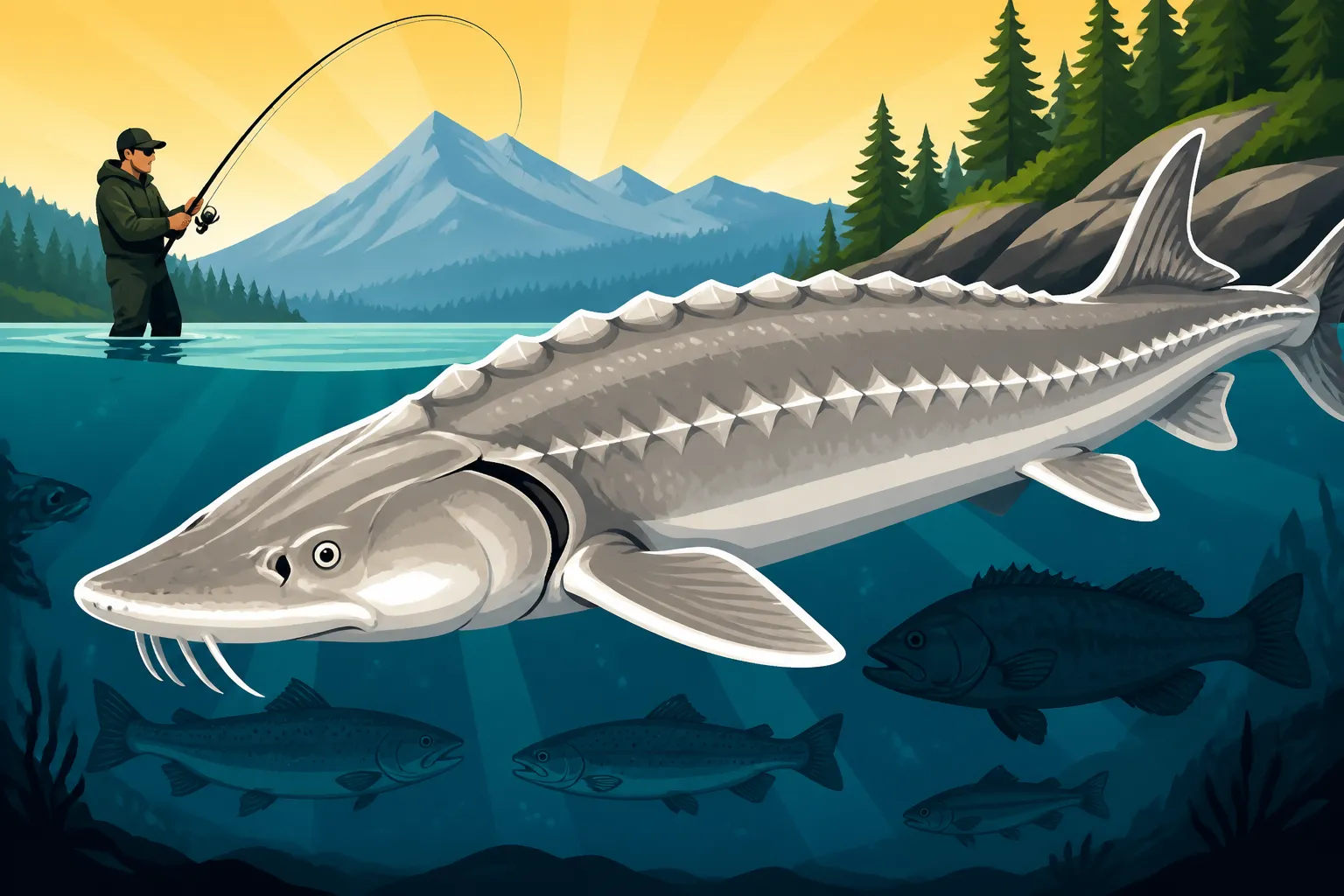
The white sturgeon, without a doubt, commands a presence unlike any other fish in British Columbia. Their sheer scale is something that often needs to be seen to be believed, turning even seasoned anglers into wide-eyed storytellers. When you hear tales of these prehistoric behemoths, it's not just hyperbole; it's a testament to a fish that genuinely pushes the boundaries of what most people imagine when they think of freshwater species. They are truly living dinosaurs, surviving for millions of years, and growing to sizes that make other fish seem almost insignificant by comparison.
Unpacking the "Biggest Fish" Claim
When we talk about the "biggest fish," it's important to clarify what we mean. Are we talking about sheer length, immense weight, or perhaps just the overall volume and bulk? For white sturgeon, the answer is often "all of the above." They possess an incredible combination of length, girth, and potential lifespan that allows them to reach truly colossal dimensions. Unlike many salmon species that have a fixed growth cycle ending in spawning and death, sturgeon continue to grow throughout their incredibly long lives. This continuous growth, coupled with their robust body shape, is what truly sets them apart as the undisputed freshwater giants of BC. If you're ever wondering if your current fishing rod, even that heavy-duty one you picked up from Amazon for salmon, is truly up to the task for a sturgeon, the answer is often a resounding "maybe, but you'll wish you had something stronger."
Their reputation isn't just a modern fishing tale; it's deeply rooted in the history and folklore of the region. Indigenous peoples have long revered the sturgeon, understanding its significance and impressive size. Early European settlers, too, were astounded by the massive fish encountered in rivers like the Fraser. This long history of observing and interacting with these colossal creatures has solidified their status as the largest fish in the province's aquatic ecosystems, a title they have held for countless generations. It's a legacy built on undeniable physical evidence and countless encounters with true monsters of the deep.
Record-Breaking Catches and Measurements
The stories and photos of truly massive white sturgeon often circulate among the angling community, showcasing fish that stretch longer than a tall person and weigh more than several adults combined. While specific numbers like exact weights and lengths for individual record fish are always dynamic and best checked with official provincial records, the consistent theme is that these fish reach truly staggering proportions. Imagine a fish that takes multiple people to lift for a quick photo before careful release. That's the reality of a trophy white sturgeon.
These incredible catches aren't just one-off anomalies; they represent the potential of the species in healthy ecosystems, particularly within the mighty Fraser River. Anglers frequently encounter sturgeon well over six feet in length, and fish exceeding ten feet are not unheard of, particularly in the lower and middle sections of the Fraser. Don't forget a sturdy measuring tape—the kind you can find on Amazon—to help estimate the size of your catch before release, as proper handling and measurement are crucial for these protected giants. While the focus is always on respectful catch and release for these magnificent creatures, the sheer effort required to bring one to the boat or shore, measure it, and ensure its safe return is an experience that stays with an angler forever. If you want to know more about BC record white sturgeon weight and length, there are resources available to satisfy that curiosity.
Comparing BC's Aquatic Giants
British Columbia is home to an incredible diversity of fish species, many of which are renowned for their size, strength, and fighting prowess. While the white sturgeon holds the crown for sheer bulk, it's worth appreciating the other impressive contenders that share our waters. Each species has its own unique characteristics that make it a formidable and exciting target for anglers.
Salmon Species – Powerful, But Not as Large
When most people think of iconic BC fishing, salmon immediately come to mind. We have five species of Pacific salmon – Chinook, Sockeye, Coho, Pink, and Chum – and each offers a thrilling challenge. Chinook salmon, often called "Kings," are particularly celebrated for their size and brute strength, especially the larger ocean-run fish. They are powerful fighters, known for long runs and head shakes that can test even the most experienced angler's gear. Chinook Salmon Fishing in BC is a pursuit loved by many.
However, even the largest Chinook, while undeniably impressive, typically do not rival the sheer length and weight of a mature white sturgeon. A trophy Chinook might weigh many tens of pounds and be several feet long, making it a spectacular catch. But a sturgeon that has lived for decades or even a century can easily outweigh several of these magnificent salmon combined and stretch more than double their length. While salmon are ecological powerhouses and incredibly important to the province's economy and culture, their life cycle dictates a shorter, albeit intense, growth period before they return to spawn.
Halibut and Lingcod – Saltwater Contenders
Moving to the expansive saltwater coast of British Columbia, we encounter other true heavyweights. Halibut are legendary bottom dwellers, known for their immense size, flat bodies, and incredible pulling power. Anglers specifically target them in deep coastal waters, and landing a "barn door" halibut is a monumental achievement. These fish can grow to be very large, often exceeding four or five feet in length and weighing over a hundred pounds, sometimes even more. For many, Halibut Fishing off Vancouver Island represents the pinnacle of offshore sportfishing.
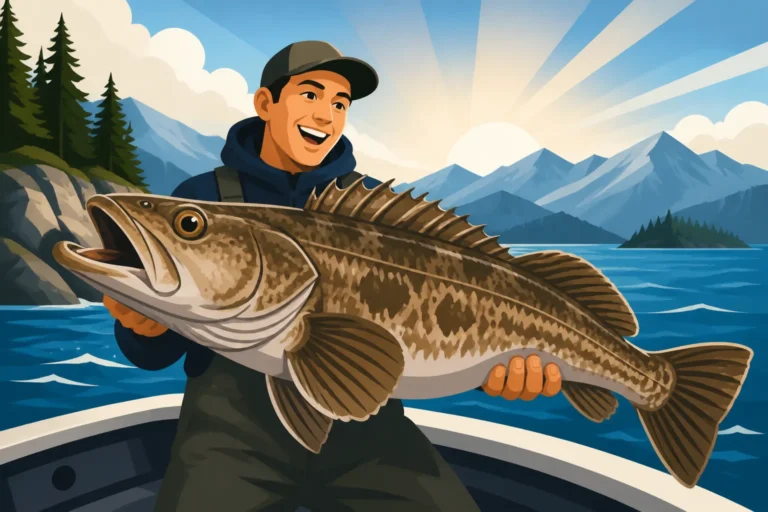
Then there are lingcod, another popular saltwater species with a voracious appetite and a distinctive appearance. While not as consistently massive as halibut, large lingcod can still be substantial, growing to impressive lengths and providing a robust fight. They're often found lurking around rocky structures and kelp beds, ambushing prey. Both halibut and lingcod are formidable predators and offer incredible fishing experiences, but even the largest individuals, while significant, generally don't reach the same upper limits of overall mass and length that white sturgeon can achieve. Their domain is the vast ocean, and while they rule their specific niches there, the sturgeon remains the freshwater heavyweight champion.
The Unique Biology of White Sturgeon
Understanding why white sturgeon grow to such incredible sizes goes beyond just comparing their measurements. It's rooted in their unique biology, evolutionary history, and the rich, supportive environments they inhabit. These aren't just big fish; they're marvels of adaptation and longevity.
Longevity and Growth Rate
One of the most significant factors contributing to the white sturgeon's immense size is their astounding longevity. These fish can live for well over a century, with some individuals estimated to be even older. Imagine a creature swimming in our rivers that was alive before your grandparents were born! This extended lifespan allows them a much longer period to grow compared to most other fish species. Unlike many fish that slow their growth considerably after reaching sexual maturity, sturgeon continue to put on size throughout their lives. This means that a ninety-year-old sturgeon is still, theoretically, growing larger than it was at eighty.
This continuous growth is a testament to their evolutionary success. It's also why catch and release is so crucial for white sturgeon; a fish that has grown for decades or even a century represents an invaluable genetic and ecological resource. Many anglers invest in specialized heavy-duty reels, often researched and purchased from Amazon, specifically for targeting these behemoths, knowing that they could be hooking into a fish that has graced the river for generations. Learning about Sturgeon Growth Rate to Trophy Size highlights just how long these giants take to reach their impressive dimensions.
Habitat and Food Sources
The specific habitats white sturgeon call home play an equally critical role in their ability to reach such epic proportions. The Fraser River, for instance, which is home to the largest population of white sturgeon, is an incredibly rich and productive ecosystem. It's a major artery for all five species of Pacific salmon, which provides an abundant food source for opportunistic sturgeon. As salmon migrate and spawn, dying naturally after their incredible journey, their carcasses provide a rich, caloric feast for scavenging sturgeon.
Beyond salmon, sturgeon are opportunistic predators and scavengers, feeding on a wide variety of smaller fish, crustaceans, and aquatic insects found in the river system. The sheer volume of food available in a river like the Fraser, combined with deep, slow-moving pools that offer ideal resting and feeding grounds, creates the perfect conditions for these fish to thrive and grow to their maximum potential. A good pair of polarized sunglasses, easily found on Amazon, will help you spot these giants in clearer waters, or at least help you appreciate the rich habitat they call home. Fraser River Fishing Guide can tell you more about this incredible fishery and its resident giants.
Here's a comparison of some of BC's largest fish:
| Species | Typical Maximum Length (feet) | Typical Maximum Weight (pounds) | Lifespan (years) | Primary Habitat | Distinctive Features |
|---|---|---|---|---|---|
| White Sturgeon | 10-20+ | 500-1500+ | 80-150+ | Freshwater Rivers | Cartilaginous skeleton, bony scutes, barbels, torpedo shape |
| Chinook Salmon | 3-5 | 30-70 | 3-7 | Ocean/Freshwater | Dark mouth, silver flanks, large spots on back and tail |
| Pacific Halibut | 4-8 | 100-500+ | 20-40 | Saltwater Offshore | Flat, diamond-shaped body, dark on top, white underneath |
| Lingcod | 3-5 | 30-80 | 15-20 | Saltwater Coastal | Large mouth with sharp teeth, mottled brown/green |
| Gerrard Rainbow Trout | 2-3 | 15-30+ | 5-10 | Freshwater Lakes | Bright silver, red stripe, large size for a trout |
Note: These figures represent typical maximums; individual fish can vary greatly, and exceptional catches may exceed these ranges.
In conclusion, while British Columbia is blessed with an array of spectacular and large fish species, the white sturgeon truly stands alone as the undisputed leviathan of our waters. Their incredible longevity, continuous growth, and the rich ecosystems they inhabit allow them to reach dimensions that far surpass any other fish in the province. Encountering one of these ancient giants is a humbling and unforgettable experience, a true connection to a prehistoric past that continues to thrive in our modern world. Understanding their biology and respecting their place in the ecosystem ensures that future generations will also have the opportunity to marvel at these magnificent creatures. If you're planning a trip, be sure to check the BC Fishing Regulations Explained before you head out.
Disclaimer
This article is for general informational purposes only and does not constitute professional advice. Laws, prices and regulations vary by location and change over time. Consult a qualified professional for guidance on your specific situation.