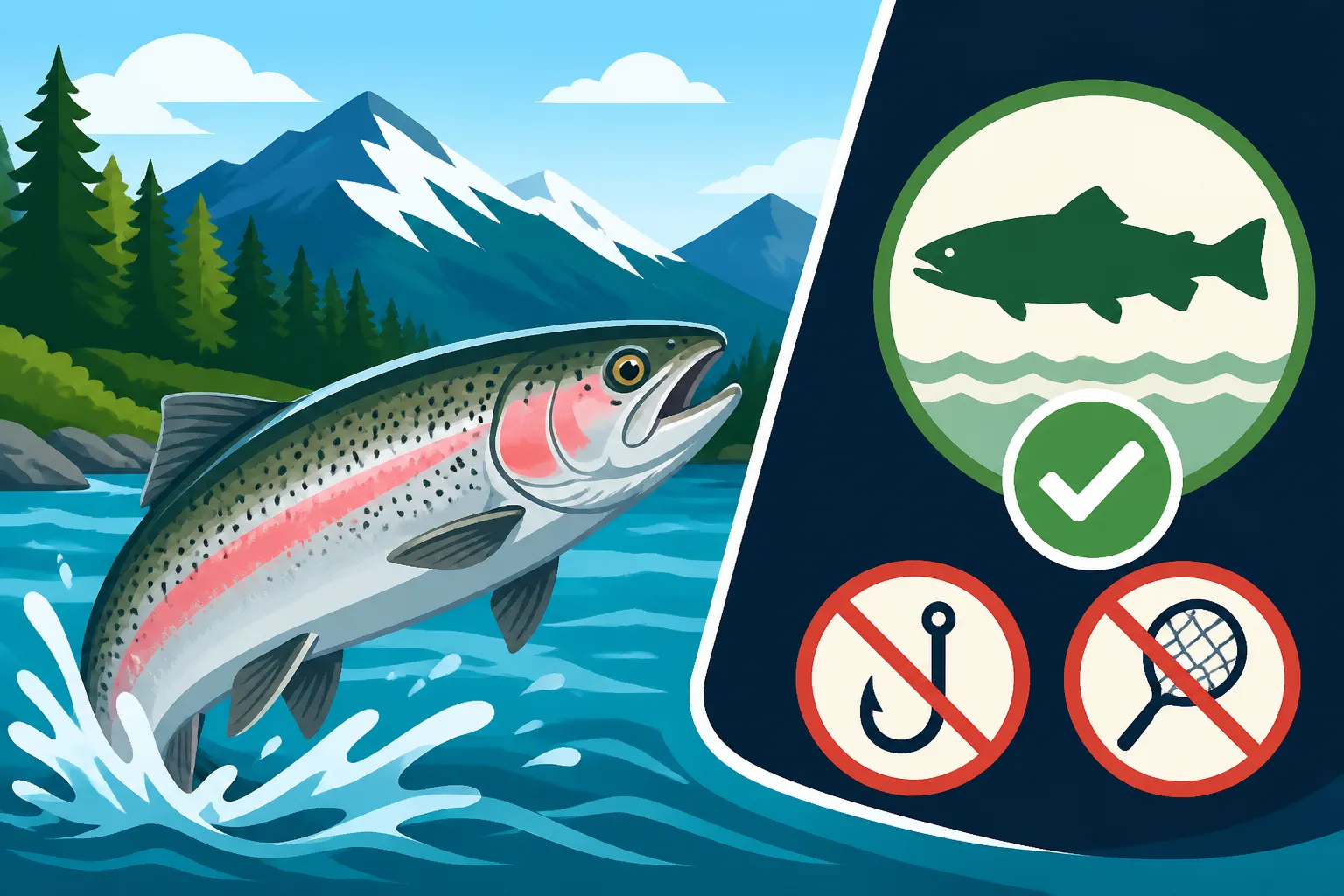
BC Thompson River steelhead regulations
Fishing for steelhead on British Columbia's legendary Thompson River is a dream for many, but it's also fraught with a unique set of challenges, primarily driven by the critically low populations of these magnificent fish. Anglers often feel frustrated and confused by the ever-changing, stringent regulations, making it difficult to plan a trip or even understand what's allowed. This guide is here to cut through that complexity, laying out the critical regulations and conservation measures specifically for Thompson River steelhead, helping you understand the rules so you can contribute to their survival.
The Dire Conservation Status of Thompson River Steelhead
Before diving into the specifics of regulations, it's crucial to understand why the rules for Thompson River steelhead are so restrictive. These aren't just any steelhead; they represent a genetically distinct population, often considered some of the most powerful and beautiful wild anadromous rainbow trout in the world. Their epic journey from the Pacific Ocean, up the Fraser River, and into the Thompson system is a testament to their resilience.
Unfortunately, this resilience has been severely tested over the past few decades. The populations of wild Thompson River steelhead have plummeted to critically low levels, placing them on provincial and federal endangered species lists. Factors like habitat degradation, climate change, and impacts from other fisheries have pushed these runs to the brink. This dire situation means that every single fish is precious, and conservation efforts are paramount. The regulations are not designed to hinder anglers but to provide the best possible chance for these unique fish to recover and thrive for future generations. It’s a tough pill to swallow for passionate anglers, but it’s a shared responsibility we all bear.
Navigating the Current Thompson River Steelhead Angling Rules
Given their precarious status, the regulations surrounding Thompson River steelhead are among the strictest in British Columbia. For the past several seasons, including 2022-2023 and 2023-2024, the Thompson River and many of its tributaries have seen extensive closures to all steelhead angling, or at best, very limited windows of catch-and-release fishing. It's a sobering reality, but one that reflects the critical need for protection.
Typically, when any fishing for steelhead is permitted (which is rare), it is strictly a "wild steelhead catch-and-release only" fishery. This means that if you are incredibly fortunate to hook one of these magnificent fish, it must be released immediately and unharmed. There is absolutely no retention allowed. The goal is zero impact on the dwindling spawning populations. Furthermore, the gear restrictions are incredibly specific and non-negotiable. Only single-point, barbless hooks are permitted. The use of bait is almost universally prohibited in these sensitive fisheries, as bait can lead to deeper hooking and significantly reduce the chances of a fish surviving release. This commitment to strict gear is a cornerstone of responsible angling in delicate ecosystems.
The most vital piece of advice for anyone considering fishing anywhere near the Thompson system for steelhead is this: always check the absolute latest regulations from official sources before you even think about heading out. The situation is highly dynamic, and regulations can change without much notice, sometimes even in-season, based on real-time fish returns. You'll need to stay on top of both provincial and federal guidelines, as both bodies play a role in managing these complex fisheries. Remember, ignorance of the law is not an excuse, and the penalties for fishing without a license in BC or violating these critical conservation rules can be severe.
Essential Ethical Angling Practices for Steelhead Conservation
Even when the Thompson River is closed to steelhead fishing, or during those rare catch-and-release windows, knowing and practicing ethical angling is non-negotiable. For many anglers, the chance encounter with a steelhead, even if accidental, demands the highest standards of care. The survival of released fish directly impacts the population's future, making proper handling techniques paramount.
- Minimize Fight Time: The longer a fish fights, the more exhausted and stressed it becomes, reducing its chances of survival. Use appropriate tackle, like a properly matched rod and reel (many anglers prefer a 10-12 weight rod for steelhead, especially on big rivers like the Thompson, to quickly subdue the fish without overly stressing it), to land the fish as quickly as possible. Having a good quality fly line or mainline, which you can easily find on Amazon, helps ensure you have the strength to bring in these powerful fish efficiently.
- Keep Them Wet: This is the golden rule. Steelhead are incredibly sensitive out of water. Their slime coat protects them from disease, and exposing them to air, especially in warm conditions, can damage their gills and internal organs. Try to keep the fish fully submerged while unhooking it. If you must lift it for a quick photo, do so briefly, supporting its belly with wet hands, and never by the jaw or gills.
- Barbless Hooks Only: As mentioned, this is a strict regulation in many sensitive BC fisheries, including the Thompson. Barbless hooks greatly reduce tissue damage and make unhooking much faster and easier. You can buy barbless hooks or simply crimp down the barbs on your existing hooks with a pair of pliers. This simple act can make a world of difference for the fish.
- Use the Right Tools: A knotless, rubberized landing net is your best friend. The soft mesh protects the fish's delicate fins and slime coat much better than traditional knotted nylon nets. Investing in a good quality rubber net, readily available on Amazon, is a must for any catch-and-release angler. Additionally, long-nosed forceps or a hook remover allow you to quickly and safely remove hooks, especially if they're deeply set, without putting your fingers too close to sharp teeth or gill plates.
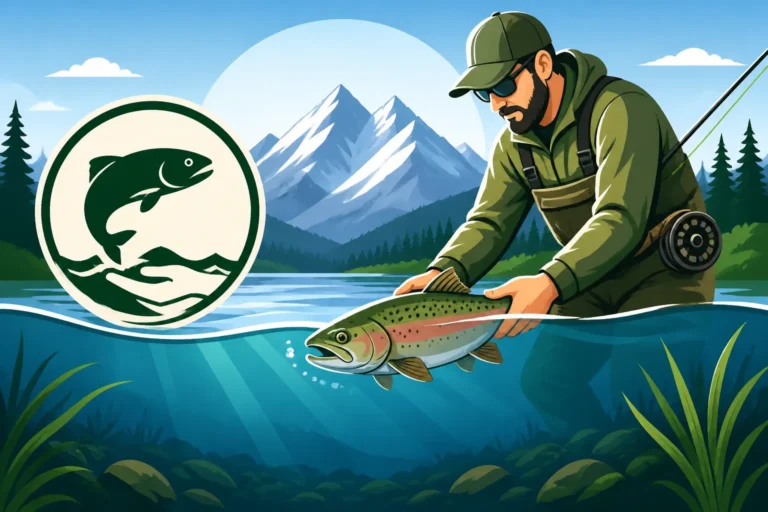
- Revival is Key: After unhooking, gently hold the fish in the current, facing upstream, allowing water to flow over its gills. Don't pump it back and forth; this doesn't help. Wait until the fish is strong enough to swim away under its own power. Sometimes this takes only a few seconds, other times several minutes, especially in cold water or after a long fight.
By following these practices, you not only comply with ethical standards but also play a direct role in the conservation of these irreplaceable fish. The Thompson River is a majestic system, and its steelhead are truly a treasure worth protecting.
Where to Find Official Thompson River Fishery Notices and Information
Staying informed is perhaps the single most critical responsibility for any angler interested in the Thompson River steelhead fishery. Regulations are not static; they are dynamic and subject to change based on real-time data, fish returns, and conservation needs. Relying on outdated information or word-of-mouth can easily lead to violations and inadvertently harm the very fish you aim to protect.
There are two primary governmental sources you must consult before any trip to the Thompson:
- Fisheries and Oceans Canada (DFO) Fishery Notices: Since steelhead, as anadromous fish, fall under federal jurisdiction, DFO is the lead agency for managing their harvest and conservation. Their Fishery Notices are the most crucial source for real-time updates on closures, openings (if any), and specific rules for salmon and steelhead. These notices are issued frequently and supersede information found in annual regulation synopses, especially for sensitive areas like the Thompson. It’s a good idea to bookmark the DFO recreational fishing notices page and check it regularly, even right before you head out. This is where you’ll find explicit details on any special regulation waters in BC, specific Fraser River Sockeye closure windows, or even BC Chinook salmon non-retention areas that might affect your journey to the Thompson.
- BC Freshwater Fishing Regulations Synopsis: While DFO handles steelhead-specific regulations, the Province of British Columbia, through the Ministry of Forests, Lands, Natural Resource Operations and Rural Development (FLNROD), publishes the annual BC Freshwater Fishing Regulations Synopsis. This document outlines general provincial freshwater fishing regulations, including licensing requirements, regional boundaries, and rules for other freshwater species. Although DFO notices take precedence for steelhead, the Synopsis provides essential context for all freshwater fishing in BC. You'll need a valid BC Freshwater Fishing License to fish in these waters, regardless of whether you're targeting steelhead or not, and the Synopsis will clarify how much a BC fishing license costs and where and how to buy a BC fishing license. Many anglers also buy a BC Steelhead Conservation Surcharge Stamp to support conservation efforts, a small but meaningful contribution.
Here's a quick reference table for understanding your sources:
| Information Type | Primary Source | Frequency of Updates | Key Details Covered |
|---|---|---|---|
| Steelhead-specific closures/openings | DFO Fishery Notices | Real-time, in-season | Immediate closures, specific gear rules for steelhead, retention limits (if any), area-specific rule changes. |
| General Freshwater Regulations | BC Freshwater Fishing Synopsis | Annually (updated periodically) | Licensing requirements, regional boundaries, rules for other species (e.g., trout), general gear restrictions, bag limits for non-steelhead species. |
| Conservation Surcharge Stamps | BC Freshwater Fishing Synopsis | Annually | Information on required stamps like the BC Steelhead Conservation Surcharge Stamp, which is essential for supporting vital conservation projects related to these fish. |
Always carry a physical copy or a digital version of your fishing license, and ensure you understand the specific BC fishing regulations explained for the area you are in. It can be a lot to keep track of, but the health of the Thompson River steelhead depends on every angler's diligence. Checking these resources diligently will not only keep you compliant but also deepen your understanding of the incredible efforts underway to protect these iconic fish.
Disclaimer
Please remember that fishing regulations, especially for critically endangered species like Thompson River steelhead, are subject to change without notice. While we strive to provide the most accurate and up-to-date information, it is always the angler's responsibility to verify current regulations with official government sources (Fisheries and Oceans Canada and BC Ministry of Forests, Lands, Natural Resource Operations and Rural Development) before heading out to fish. This guide is for informational purposes only and should not be considered a substitute for official regulatory documents.