Best steelhead runs on the Bulkley River
You've heard the whispers, seen the jaw-dropping photos, and perhaps even dreamt of it: tackling the legendary steelhead runs on British Columbia's Bulkley River. But let's be real, turning those dreams into a successful fishing trip can feel overwhelming. With so many variables – water levels, specific runs, timing, and sheer size of the river – it’s tough to know where to even begin your planning. This guide is here to cut through the confusion, offering a realistic, comprehensive look at the best steelhead runs on the Bulkley River, equipping you with the knowledge to make your next trip unforgettable.
Understanding the Allure of Bulkley River Steelhead
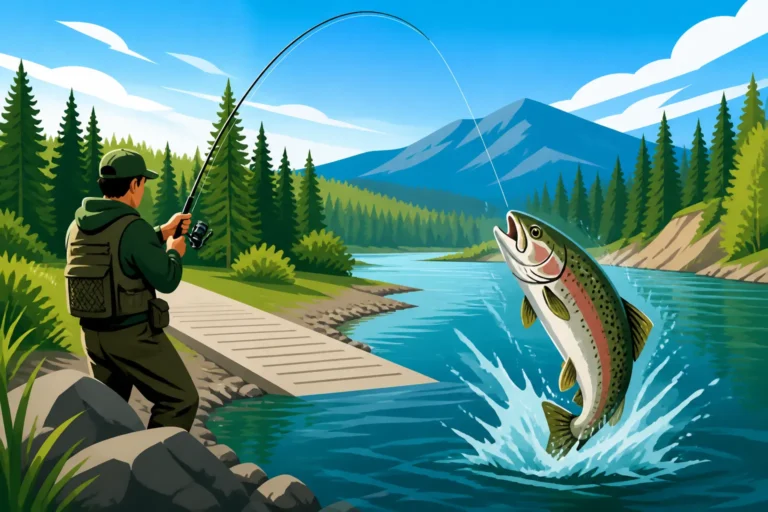
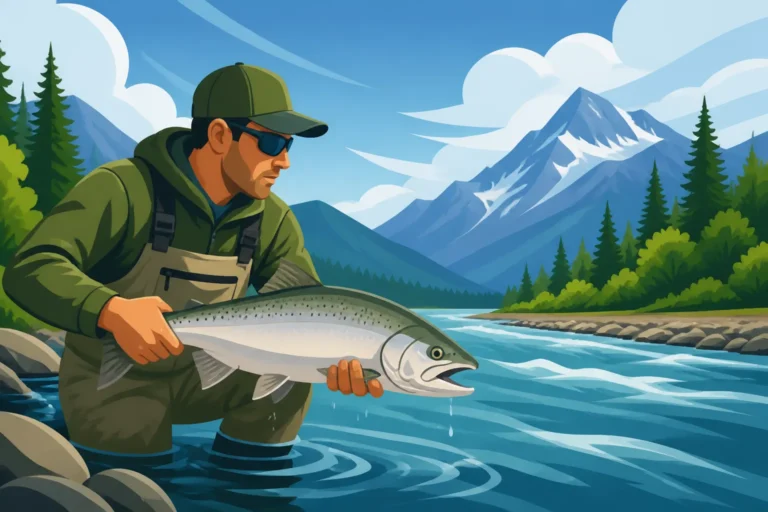
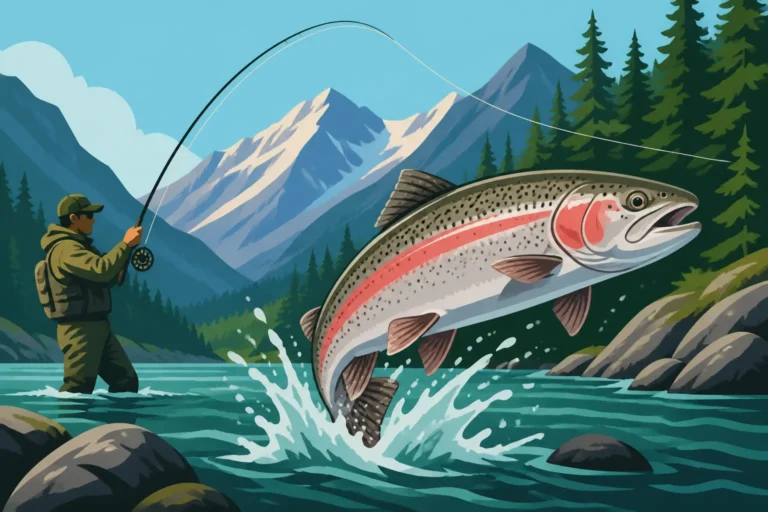
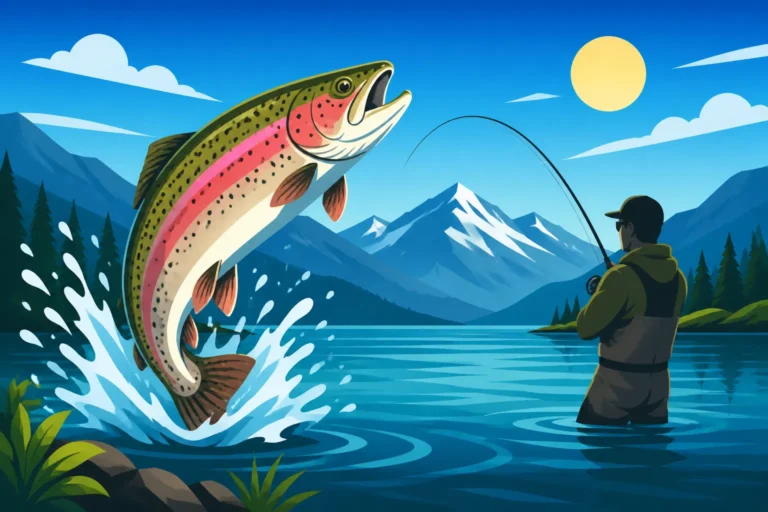
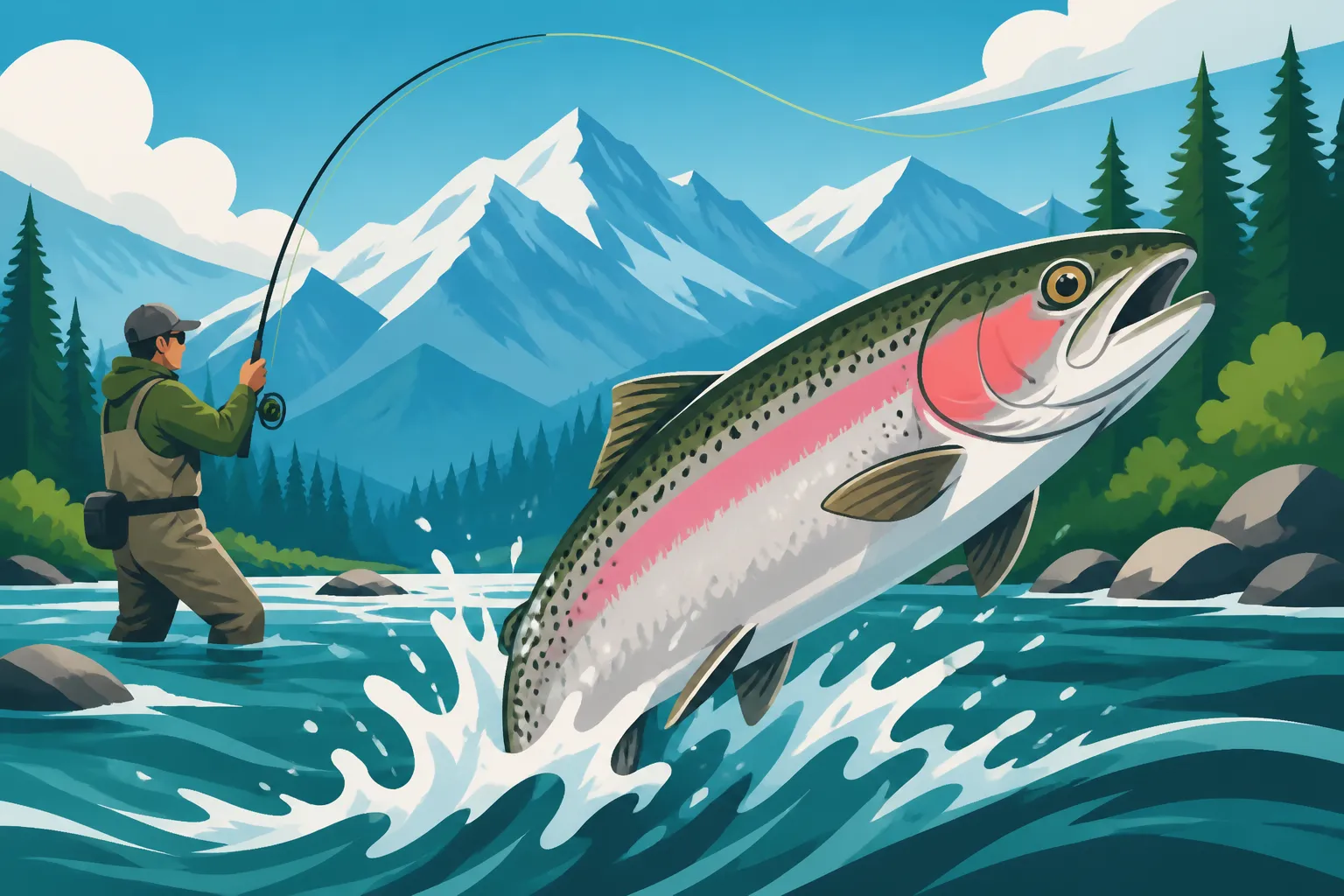
The Bulkley River, a significant tributary of the mighty Skeena, holds a hallowed place in the hearts of steelhead anglers worldwide. It’s not just a river; it's an institution, famous for its incredible runs of wild, powerful steelhead. These aren't just any fish; they're chrome-bright torpedoes, known for their aggressive takes and acrobatic fights that will test every fiber of your gear and your angling skill.
Why the Bulkley is a Steelhead Paradise
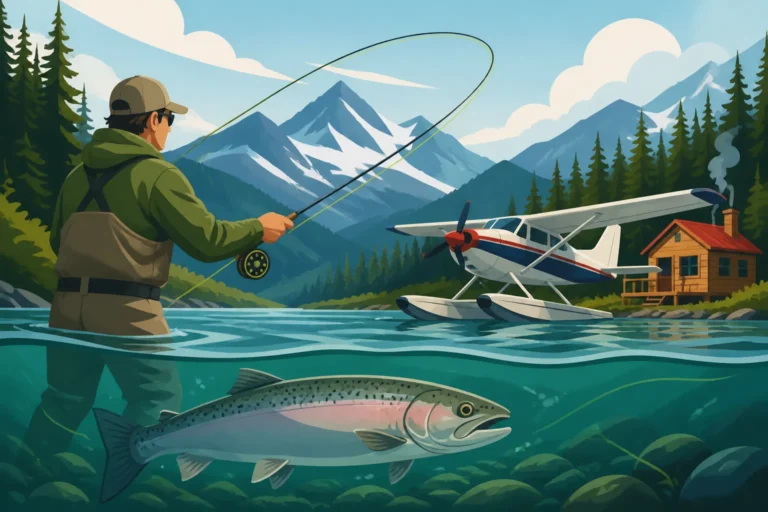
What makes the Bulkley so special? It boils down to a few key factors. First, its pristine environment is largely untouched by heavy industry, offering clear, cold water and healthy spawning grounds. The river winds through stunning wilderness, giving anglers a true sense of escape into nature. Secondly, the Bulkley boasts some of the strongest wild steelhead populations in BC, meaning you're targeting truly magnificent, naturally-reproducing fish. This wild heritage contributes to their incredible fighting prowess and stunning beauty.
For many, the Bulkley represents the pinnacle of steelhead fishing. While challenging, the reward of hooking into one of these chrome beauties in such an iconic setting is unparalleled. It's a river that demands respect, patience, and often, a bit of grit, but it consistently delivers memorable experiences for those willing to put in the effort. The average size of a BC steelhead on the Bulkley is impressive, often ranging from 8 to 15 pounds, with genuine trophy fish pushing well into the 20s.
Key Factors Influencing Steelhead Runs
Steelhead are migratory fish, and their movement into and up the Bulkley River is heavily influenced by a combination of natural factors. Understanding these can make or break your trip, helping you to pinpoint the best windows of opportunity. The most critical elements are water levels, water temperature, and overall weather patterns.
Lower water levels can concentrate fish in deeper pools and runs, making them easier to locate, but also potentially spookier. Conversely, high water can spread fish out and make wading or casting difficult, though it often encourages fresh pushes of fish to enter the system. Water temperature is crucial; steelhead prefer cooler, oxygen-rich water. Optimal temperatures typically range from 40-55°F (4-13°C). Extremely cold snaps can make fish lethargic, while unusually warm periods can put them down. Always check the current river conditions before heading out; resources like local tackle shops or guide services often have the most up-to-date information.
Weather also plays a significant role. Stable weather usually leads to more predictable fishing, while sudden storms or rapid temperature drops can alter fish behavior and river conditions quickly. Pay attention to precipitation forecasts, as heavy rain can blow out the river, turning clear water into muddy torrents. Conversely, a steady drizzle can be ideal, keeping fish active and encouraging them to move.
Navigating the Prime Steelhead Runs of the Bulkley
The Bulkley River stretches for miles, offering a diverse array of water types, from broad, sweeping runs to tight, boulder-strewn pockets. To effectively fish it, you need to understand its different sections and what each offers for steelhead.
Upper River: Beyond Telkwa and Morice Confluence
As you venture further upstream from the town of Telkwa, especially above the confluence with the Morice River, you enter a section that often sees less pressure and offers a more remote experience. This upper stretch is characterized by faster, often shallower water, with numerous riffles, boulder gardens, and well-defined seams. The river here can be narrower, providing excellent opportunities for skilled waders to cover prime holding water without a boat.
The fish in the upper river tend to be strong and fresh, having traveled a significant distance. They often hold in the faster currents at the heads and tails of pools, as well as behind larger rocks and in deep pockets. This section is particularly rewarding for anglers who enjoy prospecting with lighter gear and precise presentations. Access can sometimes be more challenging, often requiring some hiking or ATV use to reach prime spots, but the solitude and quality of the fishing can be well worth the effort.
Mid-River: Smithers to Quick
This section, generally stretching from the vicinity of Smithers downstream towards the community of Quick, is often considered the heart of the Bulkley’s steelhead fishery. It's renowned for its classic, long, sweeping runs, deep pools, and gravel bars, making it ideal for both drift fishing from a boat and strategic wading. Many of the river's most famous and productive runs are found here.
Areas around Smithers, like those below the bridge, offer relatively easier access and are popular spots. Further downstream, you'll encounter a succession of textbook steelhead water, perfect for swinging flies, float fishing, or drift fishing with conventional gear. These runs typically have a good mix of depth and current, providing ample holding water for migrating steelhead. Guides who offer services in this region, often found through platforms like FishingBooker, spend countless hours on these stretches, understanding every subtle nuance of where fish lie. Expect to share the river with other anglers here, especially during peak season, but the sheer number of fish and quality of the runs make it a perennial favorite.
Lower River: Quick to the Skeena Confluence
As the Bulkley River continues its journey downstream from Quick towards its powerful junction with the Skeena River, the character of the water begins to change again. This lower section generally becomes wider and deeper, with more significant current. Access often becomes more boat-dependent, as vast stretches of the river are best fished from a jet boat or drift boat.
The lower river can be incredibly productive, especially during the early and late parts of the steelhead migration. Fresh fish entering from the Skeena will often stack up in these lower pools and runs before making their way further upstream. This section can also be a hotspot during colder weather, as deeper water provides more thermal stability for fish. While wading opportunities are fewer and further between, skilled boat anglers can navigate to prime riffles, gravel bars, and deep troughs that hold significant numbers of powerful steelhead. This area provides some fantastic opportunities for those targeting winter steelhead, as fish tend to hold in more accessible, deeper water.
Timing Your Visit for Peak Bulkley Steelhead Action
Knowing where to fish is only half the battle; knowing when to go is equally critical for intercepting the Bulkley's famous steelhead runs. The river generally sees two main pushes of steelhead: a strong fall run and a dedicated winter run.
Fall Steelhead: The Main Event
Without a doubt, the fall is the quintessential time for targeting Bulkley River steelhead. From late August through November, the river comes alive as these magnificent fish return from the ocean, eager to begin their spawning migration. The peak of the fall run typically occurs from mid-September to late October, when fish numbers are at their highest, and river conditions are often ideal.
During this period, the water levels are usually moderate, and temperatures are cool and stable, perfect for active steelhead. You'll encounter a mix of fresh, aggressive fish and those that have been in the river for a while, providing a diverse angling experience. Fly fishing, particularly spey casting and indicator nymphing, is extremely popular and effective during the fall. For those interested in drift fishing for steelhead in BC rivers with conventional gear, opportunities abound with popular baits and presentations. This is also when you'll find the most guide services operating, offering everything from single-day excursions to multi-day lodge experiences. If you're planning a trip, booking well in advance, especially with reputable guides you might find on platforms like FishingBooker, is highly recommended for the fall season.
Winter Steelhead: The Dedicated Angler's Reward
For the truly dedicated and hardy angler, the Bulkley River offers a unique and incredibly rewarding winter steelhead fishery. From December through March, after the bulk of the fall crowds have dissipated and temperatures drop, a smaller, but often larger-sized, run of winter steelhead enters the system. These fish are renowned for their brute strength and stunning chrome appearance, having spent an extra year or more in the ocean.
Winter steelhead fishing on the Bulkley is not for the faint of heart. Temperatures can be well below freezing, ice can be a factor, and the fish can be more lethargic, requiring slower, more deliberate presentations. However, the rewards can be immense. The solitude on the river is often unparalleled, and hooking into a massive winter chrome is an experience few ever forget. Successful winter fishing often involves seeking out deeper, slower pools and runs, using heavy sink tips for fly fishing or carefully weighted float fishing setups. This is also a fantastic time for float fishing the Bulkley River, using jigs or roe bags. Access points need to be chosen carefully due to snow and ice, and local knowledge becomes even more critical.
Table: Bulkley River Steelhead Runs Overview
| River Section | Key Characteristics | Best Time to Fish | Typical Techniques | Notes |
|---|---|---|---|---|
| Upper River | Faster, shallower water; riffles, boulder gardens; remote | Early Fall (Late Aug – Mid Sep) | Nymphing, swinging small flies, light drift gear | Less pressure, physically demanding access |
| Mid-River | Classic runs, deep pools, gravel bars; accessible | Peak Fall (Mid Sep – Late Oct) | Spey casting, float fishing, drift fishing | High fish numbers, popular, guide services |
| Lower River | Wider, deeper, strong currents; boat-dependent | Early Fall & Winter (Late Aug – Mar) | Heavy sink tips, deeper float fishing, heavy drift gear | Larger fish potential, good for winter, less wading |
Essential Tips for Successfully Fishing Bulkley Steelhead
Fishing the Bulkley River for steelhead is an aspiration for many, and while it presents challenges, with the right approach, it can be incredibly successful. Beyond knowing the runs and timing, a few key elements can significantly enhance your experience.
The Importance of a Local Guide
I cannot stress this enough: for a first-time or even infrequent visitor to the Bulkley, hiring a local guide is an invaluable investment. The Bulkley River system, like many other premiere steelhead rivers in BC, is vast and complex. Water levels change constantly, and fish move in response to a myriad of factors. A reputable guide possesses an intimate, day-to-day understanding of the river. They know which runs are holding fish, what techniques are working best, and how to navigate the ever-changing conditions safely and effectively.
Furthermore, guides are well-versed in the intricate BC fishing regulations explained, including specific closures, gear restrictions, and catch limits for various species and sections of the river. They can provide the necessary gear, teach you effective Wading Techniques for BC Steelhead Rivers, and put you on fish when you might otherwise be left guessing. If you're wondering how to find an excellent guide, online platforms like FishingBooker specialize in connecting anglers with vetted local charters and guides, often providing reviews and detailed service offerings for areas like the Bulkley. They can offer insights into the best Bulkley River guide services to consider.
Gear and Techniques for Bulkley Steelhead
When it comes to gear, flexibility and durability are key. For fly anglers, a two-handed spey rod (12-14 ft, 7-9 wt) is the go-to for swinging flies across the Bulkley's broad runs. Complement this with a variety of sink tips to match different water depths and currents. For single-handers, a strong 8 or 9 wt rod is necessary, particularly for indicator nymphing or casting larger streamers. Remember, the Best steelhead flies for the Skeena River (and its tributaries like the Bulkley) often include classic patterns like intruders, leeches, and various general attractor nymphs.
Conventional anglers will find success with medium-heavy spinning or baitcasting setups, suitable for float fishing jigs, roe, or worms, and drift fishing various presentations. Think 10-12lb mainline with fluorocarbon leaders in the 8-10lb range. Strong hooks are a must; these fish pull hard! Techniques such as "drift fishing for steelhead in BC rivers" are exceptionally popular and effective here. Regardless of your preferred method, always prioritize robust, reliable gear. These fish will test your knots, your reels, and your resolve. For deeper dives into specific tactics, consider researching How to Catch Steelhead in BC or checking out guides specifically focused on Best Techniques for Winter Steelhead if that's when you plan your trip.
Disclaimer
Please remember that fishing regulations and conditions in British Columbia can change frequently. Always consult the official BC Freshwater Fishing Regulations Synopsis and any relevant fishery notices before heading out. Safety should be your top priority, especially when fishing in remote areas or during challenging weather.