Best technique for largemouth bass in Okanagan ponds
Many anglers, especially those new to the sport or visiting British Columbia, often feel overwhelmed by the sheer variety of fishing opportunities, and when it comes to smaller, more intimate waters like Okanagan ponds, the challenge of consistently catching largemouth bass can be particularly frustrating. You might find yourself casting endlessly without a bite, wondering if the fish are even there. This comprehensive guide is designed to cut through that frustration, offering proven techniques and insights specifically tailored to help you hook into some feisty largemouth in the picturesque ponds of the Okanagan Valley.
Understanding Okanagan Largemouth Bass Behavior in Ponds
Before you even make your first cast, it's incredibly helpful to understand the mindset of a largemouth bass. They are ambush predators, largely driven by instinct to feed and seek cover. In a pond environment, their world is a bit smaller and often more predictable than in vast lakes, but they still have distinct preferences.
Where Largemouth Hide in Ponds
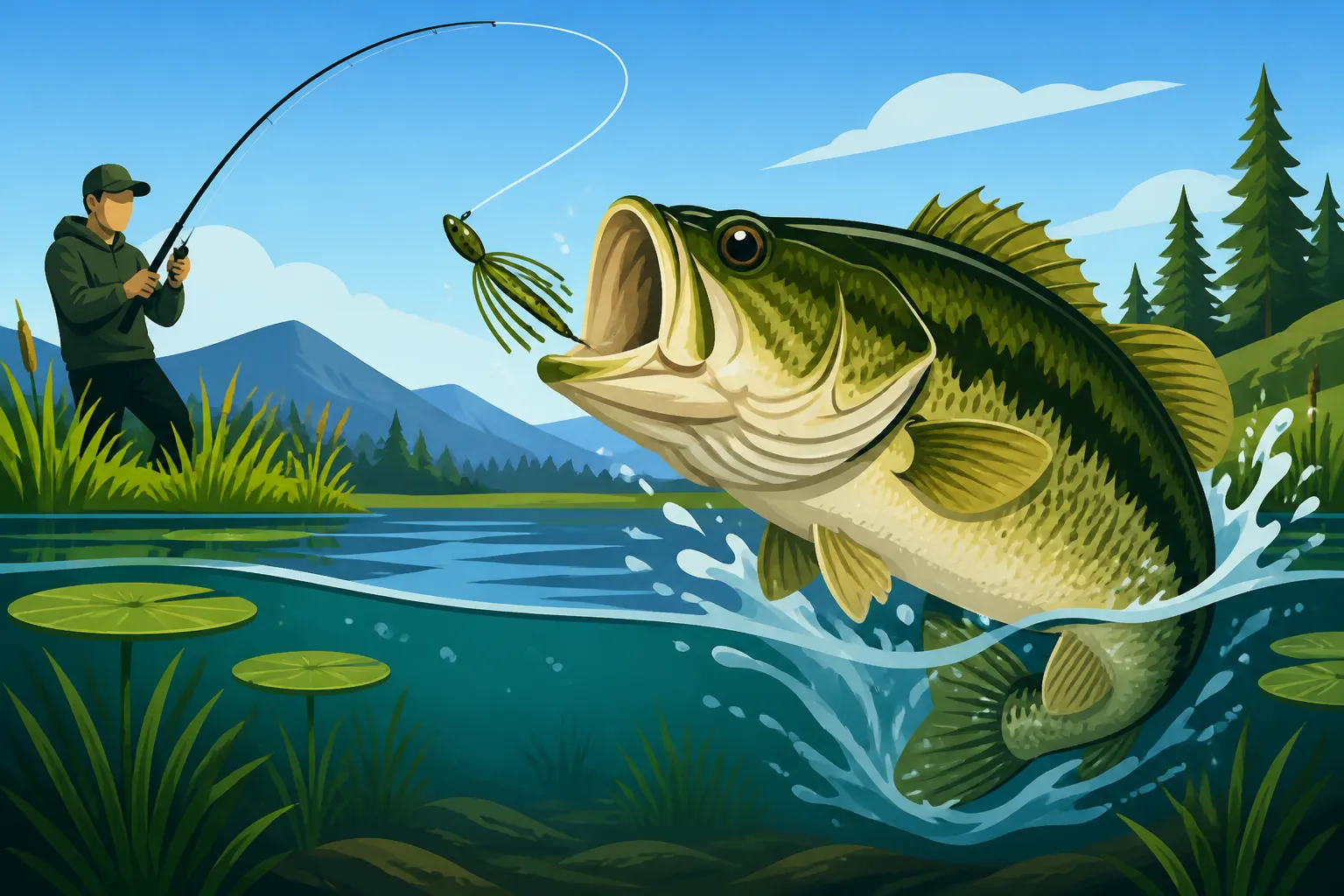
Largemouth bass are masters of camouflage and concealment, always looking for structure or cover that offers both protection and a prime ambush point for unsuspecting prey. In Okanagan ponds, this means you need to think like a bass. Look for anything that breaks up the uniformity of the water.
- Weed Beds and Lily Pads: These are classic bass havens. Thick mats of weeds, patches of lily pads, or even submerged grass beds provide shade, oxygen, and a hiding spot for both bass and their prey. Bass will often sit just under the edge of these mats, waiting for a meal to swim by or fall into the water. Pitching a weedless lure right into the densest cover can be incredibly effective, as bass feel secure here.
- Submerged Timber and Brush Piles: Old fallen trees, stumps, and brush piles are like apartment complexes for bass. They offer multiple levels of cover and ambush points. Often, the biggest bass will hold tight to the thickest part of the wood. These spots can be tricky to fish due to potential snags, but the reward can be substantial. Remember to use heavy line and a strong rod to pull them out.
- Docks, Piers, and Overhanging Vegetation: Man-made structures or natural overhangs create shade and structure, making them magnets for bass. A dock provides shade, and its pilings offer vertical structure. Overhanging trees drop insects and provide cover from aerial predators, making the water beneath them a comfortable spot for a bass to cruise. Learning Best technique for docks and laydowns is crucial for these spots.
- Drop-offs and Depth Changes: While ponds might seem uniformly shallow, subtle changes in depth, even just a foot or two, can concentrate bass. A bass will often position itself on the deeper side of a drop-off, looking up into the shallower water for food. These areas also provide an escape route to deeper, cooler water if conditions change.
Seasonal Behavior and Activity
Just like us, bass change their habits with the seasons. Understanding these shifts is key to knowing where to find them and what techniques will work best.
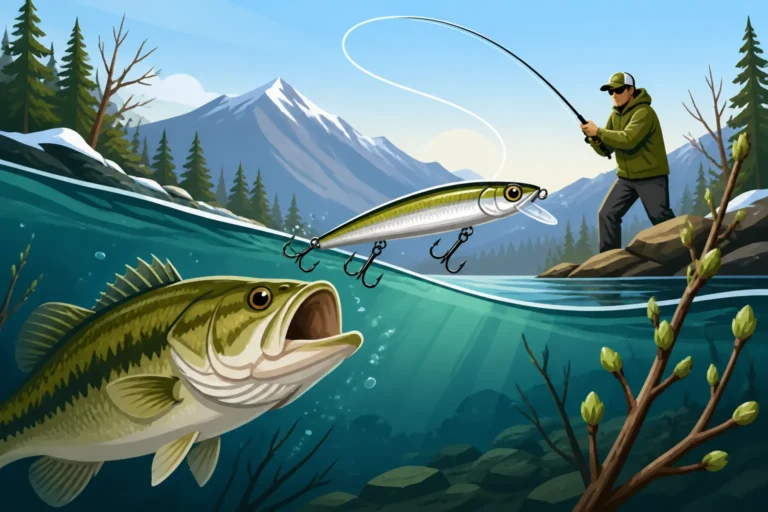
- Spring (Pre-Spawn and Spawn): As water temperatures rise in early spring, bass move from deeper wintering holes into shallower, warmer areas to feed aggressively, preparing for the spawn. This is often an excellent time for big bass as they are packing on weight. They'll be found around shallow cover. Once the water temperature hits the ideal range (typically mid-60s Fahrenheit), bass will start building nests in very shallow, protected areas. During the actual spawn, males guard the nests and are highly territorial, while females come and go. Lures that mimic intruders or provoke a strike work well here. If you're wondering How to fish a jerkbait for early spring bass, this is a fantastic time for it.
- Summer (Post-Spawn and Heat of Summer): After the spawn, bass are often lethargic as they recover. As summer progresses and water temperatures climb, they tend to move into deeper, cooler water or seek out the thickest, shadiest cover during the day. Early mornings, late evenings, and overcast days can offer prime shallow water opportunities, as bass will venture out to feed when the light is low. This is when topwater action can be absolutely explosive. They'll often stay close to the thermocline if one exists, or seek out dense overhead cover.
- Fall (Feeding Frenzy): As water temperatures begin to cool, bass enter a "feeding frenzy" phase, aggressively gorging themselves to build up fat reserves for winter. They become highly active, often chasing baitfish schools in shallower water. This is a fantastic time for covering water with moving baits like spinnerbaits and crankbaits. The fish are often more predictable, congregating in areas where baitfish are plentiful. Understanding Best technique for finding fall baitfish schools will definitely pay off here.
- Winter (Dormancy): In colder climates, as water temperatures drop significantly, bass become much less active. They'll typically retreat to the deepest, most stable water available in the pond, often congregating in slow-moving schools. They still feed, but much less frequently and with less aggression. Slow, subtle presentations with jigs or suspended baits are usually the ticket during this time.
Top Techniques for Okanagan Pond Bass
Now that we know where and when bass like to be, let's dive into the how. Pond fishing for largemouth often means getting up close and personal with the cover, so many techniques focus on precision and weedless presentations.
Soft Plastics
Soft plastics are incredibly versatile and can mimic everything from baitfish to crawfish to worms. They are often weedless, making them perfect for fishing heavy cover without constant snags.
- Wacky Rigs: This simple yet highly effective technique involves hooking a stick bait (like a Senko) through its middle. As it sinks, both ends wiggle enticingly, creating a subtle, natural presentation that bass find irresistible. It’s excellent for fishing around docks, lily pads, or open pockets in weed beds. The slow, horizontal fall often triggers strikes from even finicky bass. You can buy quality soft plastic worms for wacky rigging on Amazon if your local tackle shop doesn't have the specific brand or color you're looking for.
- Texas Rigs: A true staple for fishing heavy cover, the Texas rig involves threading a worm or creature bait onto a hook, then burying the hook point back into the plastic, making it weedless. A bullet weight is then slid onto the line before the hook, allowing it to penetrate weeds and brush. This is your go-to for pitching into dense reeds, submerged brush, or thick mats. You can work it slowly along the bottom, hopping it over structure, or slowly dragging it.
- Jerkbaits (Soft Plastic): While hard jerkbaits are popular, soft plastic jerkbaits, often weightless, can be devastating. They mimic an injured baitfish with a darting, erratic action when twitched, and then slowly glide or suspend on the pause. Fish them around open water, sparse cover, or along weed lines. They can be incredibly effective when bass are feeding on baitfish.
Topwater Action
Nothing beats the thrill of a surface strike! Topwater lures are designed to be fished on the surface, creating commotion that draws bass up from below. They are most effective in low light conditions (dawn, dusk), on overcast days, or when bass are actively feeding on baitfish near the surface. If you want to know the Best topwater lure for dawn bass fishing, this section is for you.
- Frogs: Soft plastic frogs, often hollow-bodied, are the ultimate weedless topwater bait. You can literally drag them across thick lily pads, weed mats, and dense slop where other lures would snag instantly. When they hit an open pocket, give them a twitch and pause. The key is to wait until you feel the fish before setting the hook, as bass often "slurp" frogs rather than aggressively striking.
- Poppers: These lures have a cupped face that creates a "pop" or "splash" when twitched, mimicking a struggling baitfish or a frog hitting the water. They are excellent for fishing around docks, rock edges, or open water pockets in lighter cover. A slow, rhythmic pop-pause retrieve is usually best.
- Walking Baits (e.g., Zara Spooks): These cigar-shaped lures are designed to be retrieved with a "walk-the-dog" action, zig-zagging across the surface. This creates a mesmerizing, side-to-side sashay that drives bass wild. They are great for covering open water, points, and flats.
- Buzzbaits: With a propeller blade that churns the surface, buzzbaits create a lot of noise and commotion. They are great for covering water quickly and drawing aggressive reaction strikes, especially in low light.
Crankbaits and Spinnerbaits
These "moving baits" are excellent for covering larger areas of water and provoking reaction strikes from active bass.
- Crankbaits: These lures dive to various depths depending on their lip size. Shallow-diving crankbaits are great for ripping through sparse weeds or bouncing off shallow cover. Medium and deep divers can probe drop-offs or deeper sections of a pond. The erratic deflections off structure often trigger strikes. Ensure you choose colors that mimic the local forage. You can find a vast selection of different diving depths and colours of crankbaits on Amazon.
- Spinnerbaits: Consisting of a lead head, a skirt, and one or more spinning blades, spinnerbaits create flash and vibration. They are relatively weedless, making them good for working through sparse cover, along weed lines, or across points. They excel in murky water due to their vibration and are fantastic in spring and fall when bass are aggressively feeding. Vary your retrieve speed to find what the fish prefer.
Jig Fishing
Jigs are incredibly versatile and can be fished in various ways, but they truly shine when targeting bass in heavy cover or on the bottom.
- Flipping and Pitching Jigs: This is a close-quarters technique for accurately presenting a jig (often dressed with a creature or craw trailer) into dense cover like brush piles, thick weeds, or under docks. The goal is to drop the jig silently into a small opening, allowing it to fall vertically through the cover. Most strikes occur on the initial fall or when you subtly hop it once or twice. This technique is often used for Best technique for fishing a plunge pool or other deep, tight structure.
- Swim Jigs: Unlike flipping jigs, swim jigs are designed to be retrieved through the water column, mimicking a baitfish swimming through cover. They often have a streamlined head and a vibrant skirt. They are incredibly effective for working through sparse weeds, alongside lily pads, or through submerged timber, providing a subtle, natural presentation.
Gear and Tackle for Pond Hopping
You don't need a boatload of expensive gear to catch bass in Okanagan ponds, but having the right tools for the job will significantly improve your success and enjoyment.
Rods, Reels, and Line
Matching your rod, reel, and line to your chosen technique is paramount.
- Rods:
- Medium-Heavy Casting Rod (6'6" – 7'6"): This is your workhorse for most bass techniques. It has the backbone to pull fish out of cover and handle heavier lures. It's ideal for Texas rigs, jigs, spinnerbaits, and even some heavier topwater.
- Medium-Light to Medium Spinning Rod (6' – 7'): Better for lighter presentations like wacky rigs, small crankbaits, or finesse techniques. Spinning gear is generally easier for beginners and for casting lighter baits.
- Consider a rod specifically designed for Best Techniques for Bass in Okanagan Lakes to ensure it can handle the larger fish often found there.
- Reels:
- Baitcasting Reel: Pair with your medium-heavy casting rod. A gear ratio around 7.1:1 or 6.4:1 is versatile, allowing for both fast retrieves and slower presentations.
- Spinning Reel: Pair with your spinning rod. A 2500-3000 size reel is suitable for bass fishing, offering a good balance of line capacity and retrieve power.
- Line:
- Braided Line (30-50 lb test): Excellent for heavy cover and topwater due to its strength, sensitivity, and lack of stretch. Use a fluorocarbon leader (10-20 lb) in clear water or when fish are line-shy.
- Fluorocarbon Line (10-20 lb test): Nearly invisible underwater, very sensitive, and sinks, making it ideal for soft plastics and crankbaits where you want good feel.
- Monofilament Line (10-17 lb test): More forgiving with stretch, making it good for topwater (it floats) and crankbaits. Also a good choice for beginners due to its ease of handling.
Essential Lures and Baits to Carry
When heading to an Okanagan pond, you don't need to bring your entire tackle box. A selection of versatile, proven lures will cover most situations.
- Soft Plastics:
- Stick Baits (e.g., Senko): Green pumpkin, black, or natural baitfish colors. Essential for wacky and Texas rigging.
- Creature Baits/Craws: Mimic crawfish or small critters. Great for Texas rigging or as jig trailers. Green pumpkin, black and blue are always good choices.
- Soft Plastic Frogs: Black, white, or natural green patterns. Absolutely necessary for fishing dense mats.
- Topwater Lures:
- Popper: Something in a frog pattern or a white/chartreuse.
- Walking Bait: Bone, chrome, or a shad pattern.
- Moving Baits:
- Spinnerbait: White, chartreuse, or a combination. Tandem willow-leaf/Colorado blades are versatile.
- Shallow/Medium Diving Crankbait: Crawfish patterns, shad patterns, or bright chartreuse.
- Jigs:
- Flipping Jig: Black and blue or green pumpkin, 3/8 to 1/2 oz.
- Swim Jig: White or shad patterns, 1/4 to 3/8 oz.
Having a small, portable tackle bag or box is key. You can find excellent options for organizing your lures, often with multiple compartments and trays, on Amazon. This allows you to quickly grab what you need without rummaging through a cluttered bag.
Advanced Tips for Consistent Catches
Catching bass consistently goes beyond just having the right lure; it's about observation, stealth, and adaptability.
Reading the Water
The ability to "read" the water is one of the most important skills an angler can develop. It's about looking for clues that tell you where bass might be hiding or feeding.
- Look for Visible Cover: This is obvious: lily pads, fallen trees, docks, overhanging branches. But don't just cast blindly. Look for edges of cover, small pockets, or where different types of cover meet. Bass love these transition zones.
- Observe Baitfish Activity: Seeing schools of minnows flickering on the surface, or a small splash, indicates baitfish are present, and bass are likely nearby. Birds diving can also signal baitfish.
- Watch for Surface Disturbance: A sudden boil, a swirl, or the tell-tale "pop" of a bass gulping something off the surface are clear signs of active fish. Cast quickly and accurately to these spots.
- Consider Sun and Shade: Bass are sensitive to light. On bright days, they'll seek shade under docks, thick vegetation, or in deeper water. On cloudy days, they might be more active in open, shallower areas.
Stealth and Approach
Bass, especially in smaller pond environments, can be surprisingly wary. A clumsy approach can spook them before you even cast.
- Move Quietly: Avoid heavy footsteps on the bank or sudden movements if you're in a kayak. Vibrations travel far in water.
- Cast from a Distance: Whenever possible, cast to your target from a distance to avoid being seen by the fish. This is particularly important in clear, shallow ponds.
- Approach Upwind/Upcurrent: If there's a breeze or subtle current, approach from the direction the wind/current is coming from. This helps to carry your scent (if any) and vibrations away from the fish.
- Dress Subtly: While not always critical, wearing muted colors can help you blend in, especially if you're bank fishing in open areas.
Adjusting to Conditions
No two days on the water are exactly alike. Being able to adapt your techniques to changing conditions is the mark of a truly effective angler.
- Weather Changes: A sudden cold front can make bass lethargic, pushing them deeper and requiring slower presentations. Warm, overcast conditions might bring them shallower and make them more aggressive. The Best time to fish before a cold front is often when fish are feeding actively, while after a front, things can get tough.
- Water Clarity: In clear water, bass rely heavily on sight, so natural colors and subtle presentations are often best. Fluorocarbon line is also a good choice. In murky water, vibration and bright colors (like chartreuse or black and blue) can be more effective, as bass rely more on their lateral line.
- Time of Day: As mentioned, mornings and evenings are prime for topwater and shallower presentations. Mid-day, especially in summer, usually means bass are deeper or tucked into dense shade, requiring jigs or Texas rigs.
- Experimentation: If what you're doing isn't working, change something! Try a different lure, a different retrieve speed, a different depth, or move to a different type of cover. Sometimes, a subtle change is all it takes to unlock the bite.
| Technique | Ideal Conditions | Recommended Lures/Baits | Key Advantage |
|---|---|---|---|
| Soft Plastics | All seasons, heavy cover, subtle bites | Senkos, creature baits, plastic worms | Weedless, natural presentation, versatile |
| Topwater | Low light, calm water, active fish | Hollow-body frogs, poppers, walking baits, buzzbaits | Exciting surface strikes, covers mats |
| Crankbaits | Covering water, active fish, varying depths | Shallow to deep divers (shad, craw patterns) | Provokes reaction strikes, finds depth |
| Spinnerbaits | Murky water, windy days, covering water | White/chartreuse with tandem blades | Flash and vibration, weedless in sparse cover |
| Jigs (Flipping/Pitching) | Heavy cover, targeting specific spots | Rubber skirted jigs with craw trailers | Precision in thick cover, vertical presentation |
Remember, fishing for largemouth bass in Okanagan ponds is as much about patience and persistence as it is about technique. Keep learning, keep experimenting, and most importantly, enjoy the peace and beauty of British Columbia's fantastic fishing opportunities. For more on the specific locales, you might want to read about Best pond fishing near Penticton or other local gems. You'll soon be reeling in those memorable catches!
Disclaimer
This article is for general informational purposes only and does not constitute professional advice. Laws, prices and regulations vary by location and change over time. Consult a qualified professional for guidance on your specific situation.