Best Freshwater vs Saltwater Charters in BC
Deciding where to cast your line in British Columbia can feel like staring at a massive, delectable buffet, unsure which amazing dish to try first. With endless rivers, pristine lakes, and a sprawling coastline, anglers often grapple with the fundamental question: should I book a freshwater or a saltwater fishing charter? This comprehensive guide will help you navigate the exhilarating options, laying out the distinct experiences each offers so you can pick the perfect adventure for your next BC fishing trip.
Understanding the Vast British Columbia Fishing Landscape
British Columbia is a true angler's paradise, a mosaic of diverse ecosystems each teeming with unique fish species and offering distinct fishing experiences. From the towering peaks and dense forests of the interior to the rugged, island-dotted Pacific coast, the sheer scale of fishing opportunities can be overwhelming for those planning their first trip, or even seasoned veterans looking for something new. It's not just about choosing a fish; it's about choosing an entire environment and adventure.
The Sheer Scale of BC's Waters
Imagine a province where you can fish for prehistoric white sturgeon in a massive river one day, and battle a chrome-bright Chinook salmon in the open ocean the next. That's British Columbia. Our province boasts over 20,000 lakes and countless rivers, many of them legendary for their freshwater fisheries. Then there's the Pacific Ocean, with its intricate network of fjords, inlets, and open waters stretching along more than 27,000 kilometers of coastline. This immense diversity means that the "best" type of fishing is incredibly subjective and often depends entirely on what kind of adventure speaks to your soul. Do you dream of calm, reflective waters and mountain backdrops, or the salty spray of the ocean and the thrill of a big offshore catch?
What Defines a Charter in BC?
When we talk about fishing charters in BC, we're generally referring to booking a trip with a professional guide or outfitter who provides the boat, gear, local expertise, and often helps with things like fish cleaning and safety. These aren't just boat rides; they're curated fishing expeditions. Charters handle all the complex logistics, from ensuring you're fishing in compliance with local regulations to knowing where the fish are biting on any given day. This can be a huge relief, especially for visitors unfamiliar with the vastness of our waters or the nuances of BC Fishing Regulations Explained. Whether it's a small drift boat on a river or a large, ocean-going vessel, the goal is always the same: to provide a safe, productive, and memorable fishing experience tailored to your desired targets and skill level.
Diving into Freshwater Charters in British Columbia
Freshwater fishing in British Columbia offers a different kind of magic, often characterized by breathtaking scenery, quieter surroundings, and a deep connection to the land. This experience can range from mighty river battles to tranquil lake fishing, each providing its own unique charm and challenge.
River Fishing Adventures
When most people think of BC river fishing charters, one species often comes to mind immediately: the colossal White Sturgeon of the Fraser River. These ancient giants provide an unforgettable catch-and-release experience, with some fish stretching over ten feet long and weighing hundreds of pounds. A sturgeon charter typically involves anchoring in a deep pool or a productive stretch of the Fraser River Fishing Guide and using heavy tackle with bait. It’s an incredibly intense fight, often requiring multiple anglers to take turns on the rod. The focus is entirely on the thrill of the battle and the careful release of these magnificent creatures.
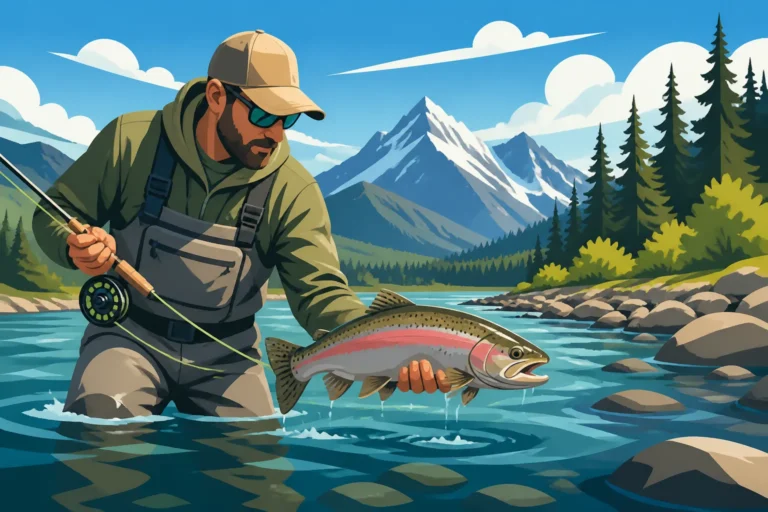
Beyond the Fraser, BC's interior and northern rivers are legendary for their anadromous species like steelhead. Rivers like the Skeena, Bulkley, and Thompson offer guided trips focused on fly fishing or drift fishing for these powerful, elusive trout. How to Catch Steelhead in BC requires a deep understanding of river dynamics, fish behaviour, and specialized techniques. Guides often use drift boats, floating clients down scenic stretches of river, pointing out prime holding water and offering expert instruction. These trips are often multi-day affairs, deep in the wilderness, offering an immersive experience far from the bustle of city life. Expect stunning natural beauty, the quiet sounds of the river, and the intense focus required to outsmart a wild steelhead.
Lake Fishing Excursions
British Columbia's lakes are just as diverse as its rivers, offering everything from small, pristine alpine tarns to massive bodies of water like Okanagan Lake or Kootenay Lake. Freshwater lake charters typically target species such as rainbow trout, Kokanee, lake trout (char), and even bass in warmer regions. A common frustration for many anglers is not knowing where to start on such large bodies of water. This is where a charter truly shines.
On larger lakes, charters might focus on trolling with downriggers to target deep-dwelling species like Gerrard Rainbow Trout in Kootenay Lake Fishing Guide or the famous Kamloops Rainbow Trout. Smaller, more accessible lakes, especially those managed by the Freshwater Fisheries Society of BC, are often stocked with rainbow trout, providing excellent opportunities for beginners or families. Charters here might involve still fishing from a boat, casting lures, or even fly fishing in certain areas. The atmosphere on a lake charter is generally more relaxed than a river or ocean trip, making it an ideal choice for families or those seeking a peaceful day on the water surrounded by picturesque scenery. Many guides are skilled at catering to various experience levels, ensuring everyone, from the seasoned fly angler to a child casting for the first time, has a great day.
Exploring Saltwater Charters in British Columbia
Stepping onto a saltwater fishing charter in BC is like entering a different world entirely. The vastness of the Pacific, the salty air, and the pursuit of powerful ocean-dwelling species create an exhilarating and often fast-paced experience.
Pacific Salmon Pursuit
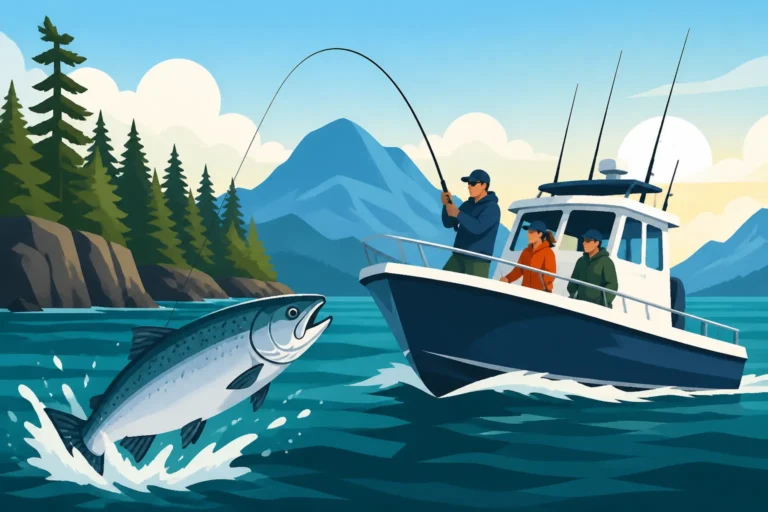
British Columbia is world-renowned for its Pacific salmon fisheries. Saltwater charters predominantly target five species of Pacific salmon: Chinook (King), Coho (Silver), Sockeye, Pink, and Chum. Each species has its peak season and unique fighting characteristics, but the Chinook and Coho are often the most sought-after due to their size and aggressive nature. You'll find these charters operating out of countless coastal communities, from the bustling harbors of Vancouver and Victoria to the remote outposts on Vancouver Island and Haida Gwaii. Best Salmon Fishing Spots in BC include areas like Campbell River's "Salmon Capital" status and the rich waters off Tofino and Ucluelet.
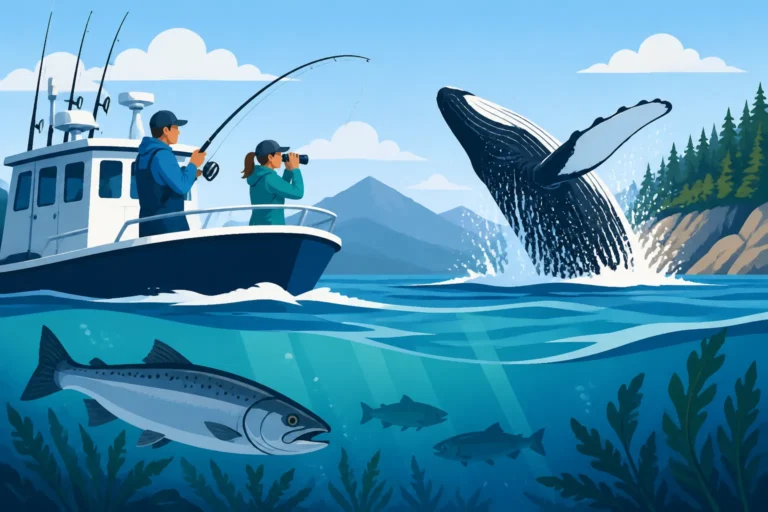
Charters typically involve trolling with downriggers, using a combination of bait (like herring or anchovies) and artificial lures (spoons, hootchies, flashers) to entice the salmon. Guides are experts at reading the water, understanding currents, and knowing the migratory patterns of these fish. The experience is often dynamic, with the boat moving across expansive waters, following the salmon runs. When a rod bends, the action is immediate and intense, with powerful runs and acrobatic leaps. Many charters offer half-day, full-day, or even multi-day packages, often including accommodations at a coastal lodge.
Deep Sea Halibut and Bottom Fishing
Beyond salmon, BC's coastal waters offer fantastic opportunities for deep-sea bottom fishing, with halibut being the undisputed king. Halibut are massive, flatfish that can weigh well over a hundred pounds and provide an incredibly strong, sustained fight. Targeting halibut usually involves drifting or anchoring over deep banks, ledges, or reefs, and dropping heavy jigs or bait (often large pieces of salmon or other fish) to the ocean floor. Best Halibut Fishing Spots in BC are often found off the west coast of Vancouver Island around places like Tofino and Ucluelet, or further north around Prince Rupert and Haida Gwaii.
In addition to halibut, these charters also target other delicious bottom dwellers like lingcod, various rockfish species, and sometimes even Dungeness crab or prawns with proper licensing. This type of fishing often requires stout rods and reels, and the action can be quite physical, especially when reeling up a large halibut from significant depths. It's a fantastic option for anglers looking for a big catch and some excellent table fare, and it offers a chance to experience the raw power and beauty of BC's open ocean. Just be prepared for potential rougher waters, as some of the best halibut grounds are exposed to the Pacific swell.
Key Differences: What Sets Them Apart?
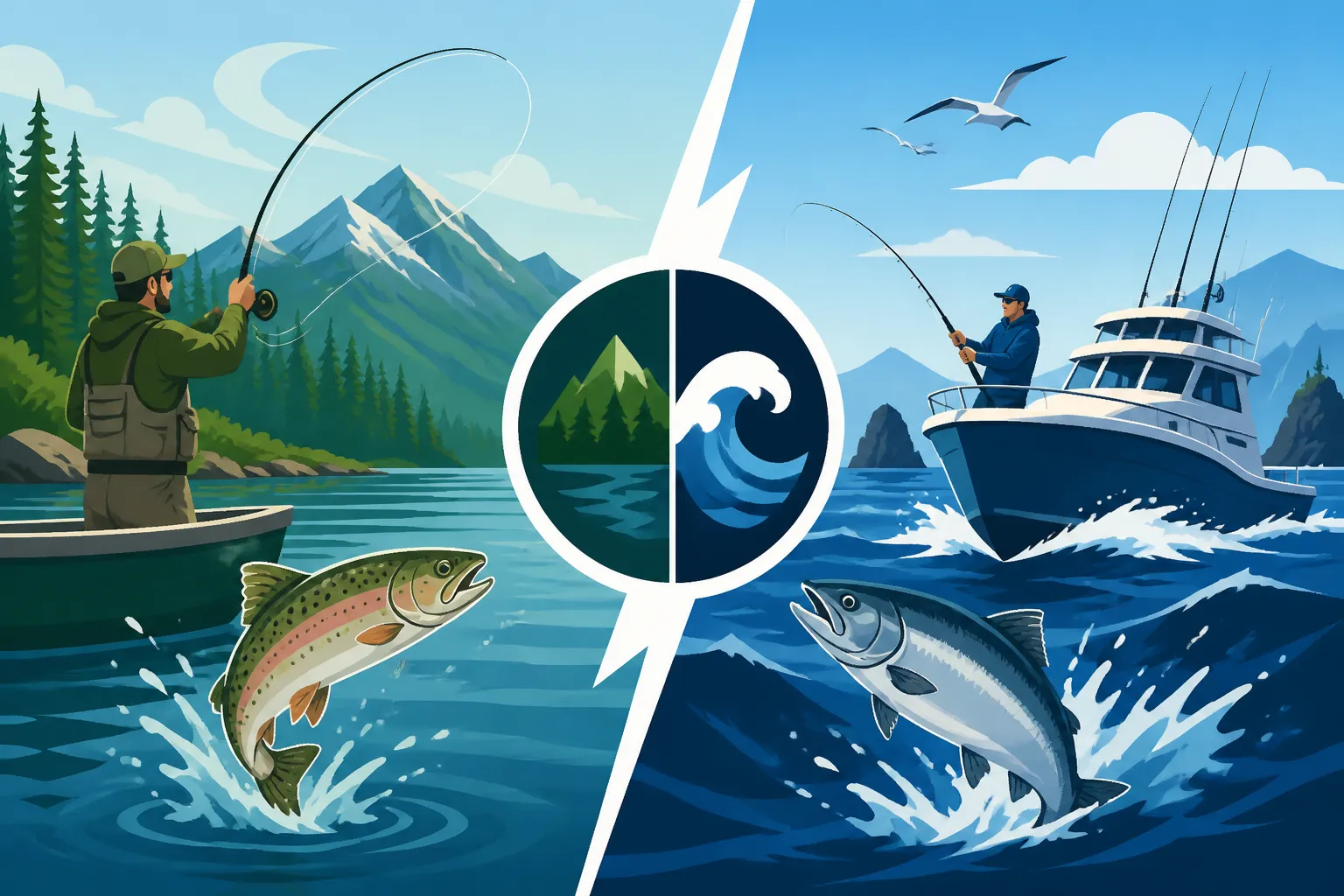
The choice between a freshwater and saltwater charter boils down to a fundamental difference in the overall experience. While both offer the thrill of fishing in stunning BC landscapes, the specifics of the trip, the target species, and the techniques employed are vastly different.
Target Species and Fishing Techniques
The most obvious difference lies in what you'll be fishing for and how you'll be trying to catch it.
- Freshwater Charters:
- Rivers: Often focus on large White Sturgeon (catch and release only) or various trout species and steelhead (often fly fishing or drift fishing). The techniques can be highly specialized, requiring precision and finesse, especially for fly fishing. For sturgeon, it’s a brute-force battle using heavy bait rigs. BC Fraser River Sturgeon Catch and Release Requirement is a prime example of the conservation focus in freshwater.
- Lakes: Predominantly target rainbow trout, Kokanee, and lake trout. Trolling is a common technique, sometimes with downriggers, or casting and still fishing in smaller lakes. The pace can be slower, more methodical.
- Saltwater Charters:
- Salmon: Focus on Pacific salmon species (Chinook, Coho, Sockeye, Pink, Chum). Trolling with downriggers is the dominant technique, covering vast areas of ocean.
- Halibut & Bottom Fish: Target Halibut, Lingcod, and Rockfish. This involves heavy gear, dropping bait or jigs to the ocean floor, often with long drifts or anchoring. This can be more physically demanding due to the depth and size of the fish.
| Feature | Freshwater Charters (Rivers) | Freshwater Charters (Lakes) | Saltwater Charters (Salmon) | Saltwater Charters (Bottom Fish) |
|---|---|---|---|---|
| Primary Species | White Sturgeon, Steelhead, Trout, Salmon (select rivers) | Rainbow Trout, Kokanee, Lake Trout, Bass | Chinook, Coho, Sockeye, Pink, Chum Salmon | Halibut, Lingcod, Rockfish, Crabs, Prawns |
| Typical Setting | Rivers, calm stretches, canyons, wilderness | Large and small lakes, often mountain-backed | Open ocean, inlets, sounds, archipelagoes | Deep banks, reefs, ocean floor structure |
| Main Techniques | Bait fishing (sturgeon), fly fishing, drift fishing (steelhead, trout) | Trolling (downriggers), casting, still fishing | Downrigger trolling with bait/lures | Jigging, bait fishing (heavy tackle), drifting, anchoring |
| Vessel Type | Jet boats, drift boats, smaller aluminum boats | Larger aluminum boats, pleasure crafts, pontoon boats | Covered cruisers, sport fishing yachts, center consoles | Heavy-duty ocean-going vessels |
| Typical Vibe | Immersive, focused, wilderness-oriented | Relaxed, scenic, family-friendly | Exhilarating, dynamic, often fast-paced, open water | Physical, patient, rewarding, deep water exploration |
| Catch & Keep | Sturgeon (release only), limited trout/salmon | Trout, Kokanee, Bass (check limits) | Salmon (check limits), often excellent table fare | Halibut, Lingcod, Rockfish (check limits), premium seafood |
| Environmental Exposure | Moderate (weather, bugs) | Moderate (weather, sun) | High (wind, waves, motion sickness potential) | High (wind, waves, motion sickness potential) |
Scenery and Environment
The backdrop to your fishing adventure will differ dramatically.
- Freshwater: Expect lush forests, towering mountain ranges, serene valleys, and crystal-clear waters. River trips often weave through wilderness areas, offering opportunities for wildlife viewing like eagles, bears, and deer. Lake trips can be equally stunning, with reflections of mountains on glassy surfaces. The feeling is often one of tranquility and immersion in nature. You might be floating down a tree-lined river or navigating the expansive interior lakes.
- Saltwater: Your view will be dominated by the vast ocean, dramatic coastlines, rugged islands, and potentially marine wildlife like whales, dolphins, and sea lions. The air is fresh and salty, and the feeling is one of immense openness. You'll likely be out in a larger vessel, feeling the rhythm of the ocean. The scenery on a Vancouver Island Fishing Guide trip, for instance, offers stunning coastal vistas.
Experience Level and Physical Demands
Consider your own comfort level and physical capabilities.
- Freshwater:
- Sturgeon: Physically demanding when fighting a giant fish, but generally less prone to motion sickness. Access can sometimes involve driving rougher roads to launch points.
- Steelhead/Trout Rivers: Can be physically demanding if wading, but drift boat trips are generally less strenuous. Requires patience and often a learning curve for specialized techniques like fly fishing.
- Lakes: Generally the most accessible and least physically demanding, making them great for beginners, children, or those with mobility concerns.
- Saltwater:
- Salmon: Can be active with frequent reeling, but mostly involves sitting and waiting for a bite. Potential for motion sickness in choppy waters.
- Halibut/Bottom Fishing: Very physically demanding, especially when reeling up heavy gear and large fish from deep water. High potential for motion sickness due to open ocean exposure. If you're prone to seasickness, this is an important consideration.
Cost Considerations: Breaking Down the Investment
The cost of a fishing charter in British Columbia can vary significantly based on numerous factors, including the type of fishing, duration, location, boat size, and the inclusions. While I can't provide exact numbers, I can help you understand the general shape of the costs and what influences them. For up-to-date pricing, it's always best to check directly with charter operators or booking platforms like FishingBooker.
Factors Influencing Charter Costs
Regardless of whether you choose freshwater or saltwater, several elements will impact the final price:
- Duration of Trip:
- Half-day (4-5 hours): Generally the most affordable option, great for a taste of fishing or for families with younger children.
- Full-day (8-10 hours): The most popular choice, offering ample time to reach prime fishing grounds and maximize opportunities.
- Multi-day/Packages: Often include accommodation, meals, and multiple days of fishing, typically geared towards more serious anglers or destination trips. These can be a significant investment but offer an immersive experience.
- Number of Anglers: Most charters price based on the boat, not per person, up to a certain capacity. Bringing a group can help split the cost, making it more economical per individual. Some charters, particularly in saltwater, might offer "open" or "shared" trips where you pay per person and join other anglers.
- Location: Remote destinations, particularly in Northern BC or Haida Gwaii, might have higher charter costs due to increased operational expenses for guides and lodges. More accessible areas like the Lower Mainland or Vancouver Island might have a wider range of price points.
- Inclusions:
- Basic: Boat, guide, fuel, and essential fishing gear (rods, reels, tackle).
- Mid-range: Basic plus snacks, non-alcoholic drinks, rain gear, and sometimes fish cleaning/packaging.
- Premium: All of the above, plus gourmet meals, luxury accommodation, specific high-end tackle, and specialized services like professional photography.
- Target Species: Highly sought-after species or specialized trips (like trophy steelhead or sturgeon) might command a premium due to the expertise, time, and specialized gear required. For example, a dedicated White Sturgeon Fishing on the Fraser River trip might have different pricing from a general trout outing.
General Cost Comparison (Relative)
While actual numbers fluctuate, here's a general sense of how the price structures might compare:
- Entry-Level Freshwater (e.g., smaller lake trout or river trout): Can be very accessible, especially for half-day trips on smaller bodies of water with basic gear.
- Mid-Range Freshwater (e.g., full-day sturgeon or drift boat steelhead): These specialized trips involve significant guide expertise and specialized equipment, placing them in a higher price bracket.
- Entry-Level Saltwater (e.g., half-day salmon near a major city): Often comparable to mid-range freshwater, but can vary greatly by location.
- Mid-Range to High-End Saltwater (e.g., full-day salmon/halibut offshore, remote locations): These trips, especially for multi-day excursions to prime fishing grounds or luxury lodges, represent the highest investment due to the larger vessels, increased fuel consumption, and extended logistics.
For those looking to understand the full scope, our BC Fishing Charter Cost Guide offers a deeper dive into what to expect across the province. When you're ready to compare options, platforms like FishingBooker allow you to filter by location, duration, and target species, giving you a clear picture of what's available within your budget.
Choosing the Right Charter for Your Adventure
Making the final decision about whether to go freshwater or saltwater, and then which specific charter, involves a bit of introspection. What kind of day do you truly envision? What are your priorities?
Your Fishing Goals and Desired Experience
- Trophy Hunting: If catching a truly enormous fish is your dream, the Fraser River's White Sturgeon or a trophy Chinook salmon from the ocean might be your calling. Or perhaps a giant Gerrard Rainbow Trout from Kootenay Lake.
- Action and Quantity: If you want consistent bites and the possibility of filling your cooler (within legal limits!), saltwater salmon or productive lake trout fisheries often deliver.
- Peace and Quiet: Freshwater lake or secluded river trips often offer a more serene environment, perfect for unwinding and escaping the crowds.
- Adrenaline and Adventure: Offshore saltwater fishing for halibut or salmon, especially in choppy conditions, offers a thrilling, high-energy experience.
- Learning and Skill Development: Many guides, both fresh and salt, are excellent instructors. If you want to hone your fly-casting for steelhead or learn advanced trolling techniques, discuss this with your guide beforehand.
Considering Group Dynamics
The composition of your fishing party can heavily influence the best choice.
- Families with Young Children: Lake charters are often a fantastic option due to calm waters, diverse species, and shorter travel times. Many guides cater specifically to kids, offering simpler techniques and ensuring a fun, engaging day. A half-day trip is often ideal.
- Beginner Anglers: Freshwater lake fishing or sheltered saltwater salmon fishing can be less intimidating than battling strong currents or deep-sea swells. A good guide will provide all the necessary instruction.
- Experienced Anglers: You might seek out specialized steelhead fly fishing guides or multi-day offshore halibut expeditions that offer more challenging and rewarding experiences.
- Mixed Groups: If some in your party are prone to seasickness, or prefer calmer waters, a freshwater option might be safer. Conversely, if everyone is keen on the ocean, go for it!
When to Go: Seasonality
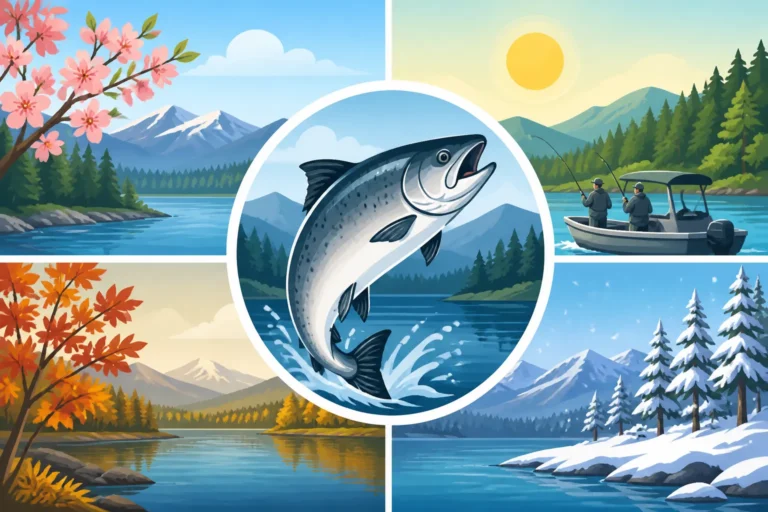
British Columbia's fishing seasons are complex and vary greatly by species and location. Understanding BC Fishing Season Dates and Closures is crucial.
- Spring (March-May): Good for early season trout in lakes, some steelhead runs, and resident salmon in saltwater.
- Summer (June-August): Peak season for most salmon species (especially Chinook and Sockeye), prime time for halibut, and excellent for lake fishing. Expect busier waters and potentially higher prices. Best Time of Year to Fish in BC for most species is typically summer.
- Fall (September-November): Excellent for Coho and later Chinook runs in both freshwater rivers and saltwater. Steelhead runs start to pick up in many rivers.
- Winter (December-February): Offers unique opportunities for winter steelhead in specific rivers and resident salmon in sheltered saltwater areas. Requires robust gear and a willingness to brave colder weather.
Many guides specialize in certain seasons or target species. When you're browsing options, platforms like FishingBooker often show guide availability by month, which can help narrow down your choices based on your travel dates.
Booking Your BC Fishing Adventure
Once you've decided on the general type of charter, the next step is to find and book your guide. This process can be straightforward if you know what to look for and where to search.
Researching and Comparing Charters
Don't just pick the first name you see. Take your time to do your homework.
- Online Reviews and Testimonials: Look for consistent positive feedback about the guide's expertise, safety practices, equipment, and overall customer service. Pay attention to reviews that mention the specific type of fishing you're interested in.
- Guide Experience and Specialization: Does the guide have a long history in the area? Do they specialize in freshwater sturgeon, or are they known for their halibut prowess? A specialist often provides a superior experience for that particular target.
- Boat and Equipment: While you don't need to be an expert, a well-maintained boat and quality fishing gear are indicators of a professional operation. Ask if they provide all necessary gear or if you need to bring anything.
- Safety Measures: A reputable charter will prioritize safety, carrying all required safety equipment, having proper licenses, and giving a safety briefing. For coastal waters, ensure they adhere to Life Jacket Requirements for BC Boaters and other marine safety standards.
- Communication: A good guide will be responsive to your inquiries, clearly explain what's included, and be transparent about pricing and policies.
The Role of Online Booking Platforms
In today's digital age, online booking platforms like FishingBooker have become invaluable resources for connecting anglers with charters. They offer a centralized place to:
- Browse a Wide Selection: You can easily compare multiple charters in different locations, filtering by freshwater or saltwater, target species, duration, and price range.
- Read Verified Reviews: Many platforms only allow reviews from actual customers who booked through their site, offering a reliable source of feedback.
- Transparent Pricing: See what's included in the price upfront, often with no hidden fees, and understand deposit and cancellation policies.
- Direct Communication: Most platforms facilitate direct messaging with the charter captain, allowing you to ask specific questions before booking. This is particularly useful for clarifying things like What to Expect on a BC Fishing Charter or specific accessibility needs.
What to Confirm Before You Book
Before you commit, ensure you've got all your ducks in a row.
- Fishing License: Understand the specific license requirements for your chosen trip. Do you need a BC Freshwater vs Tidal Waters License, Explained? Will you need a BC Salmon Conservation Stamp Rules? Your guide can often advise, but it's ultimately your responsibility to purchase the correct license before your trip.
- What to Bring: Confirm what the charter provides and what you need to bring (e.g., snacks, drinks, appropriate clothing layers, sunscreen, sunglasses, hat, seasickness medication if needed).
- Meeting Point and Time: Get clear instructions on where and when to meet, especially for early morning departures.
- Cancellation Policy: Understand the policy in case of bad weather or unforeseen circumstances.
- Fish Handling: Clarify what happens with your catch. Will the guide clean and bag it for you? Are there any limits you need to be aware of, such as BC Halibut Bag Limit Rules or BC Kokanee Retention Rules?
Preparing for Your BC Fishing Adventure
You've booked your trip, now the excitement really begins! A little preparation can go a long way in ensuring your day on the water is comfortable and successful.
Essential Gear and Attire
Even on the sunniest days, conditions can change rapidly in British Columbia. Being prepared for all weather eventualities is key.
- Layers, Layers, Layers: This cannot be stressed enough. Dress in moisture-wicking layers that you can easily add or remove. A base layer, a mid-layer (fleece or wool), and a waterproof outer shell (jacket and pants) are crucial. This is especially true for coastal trips where wind and spray can make it feel much colder.
- Waterproof Footwear: Deck boots or waterproof hiking boots are ideal for keeping your feet dry and providing good grip on a wet boat deck.
- Headwear: A warm beanie or hat for cooler days, and a wide-brimmed hat or cap for sun protection.
- Gloves: Consider waterproof or warm gloves, especially for early morning or cooler season trips.
- Sun Protection: Even on cloudy days, UV rays reflect off the water. Bring high SPF sunscreen, polarized sunglasses, and lip balm with SPF.
- Snacks and Drinks: While some charters provide these, it's always good to bring your favorites. Staying hydrated and fueled will keep your energy up.
- Motion Sickness Remedies: If you're prone to seasickness, take preventative measures before you board the boat. Ginger chews, acupressure wristbands, or over-the-counter medication can make a huge difference, especially for saltwater trips.
Understanding Regulations and Conservation
British Columbia takes its fisheries conservation seriously, and all anglers have a role to play.
- Possession Limits: Be aware of the daily and possession limits for the species you are targeting. These can vary significantly by region, species, and even time of year. For example, BC Bag and Possession Limits by Species are strictly enforced.
- Catch and Release Best Practices: For species like White Sturgeon or wild steelhead, catch and release is mandatory. Learn how to handle fish carefully to maximize their survival. Your guide will be an expert in this and will instruct you on proper techniques.
- Fishery Notices: Before any trip, especially for salmon, it's a good idea to check the latest BC Fishery Notices and In-Season Closures, Explained. These notices provide real-time updates on closures, openings, and regulation changes that can happen quickly. Your charter guide will undoubtedly be up-to-date, but it's good to be informed.
- Respecting Wildlife and Environment: Always practice Leave No Trace principles. Take out everything you bring in, and avoid disturbing wildlife. British Columbia's natural beauty is part of the experience, and we all share a responsibility to protect it.
By taking the time to understand the differences between freshwater and saltwater charters, clarifying your expectations, and preparing appropriately, you're setting yourself up for an unforgettable fishing adventure in British Columbia. Whether you choose the tranquil beauty of a mountain lake, the thrilling fight of a river giant, or the open-ocean quest for salmon and halibut, BC's waters promise memories that will last a lifetime.
Disclaimer
This article is for general informational purposes only and does not constitute professional advice. Laws, prices and regulations vary by location and change over time. Consult a qualified professional for guidance on your specific situation.