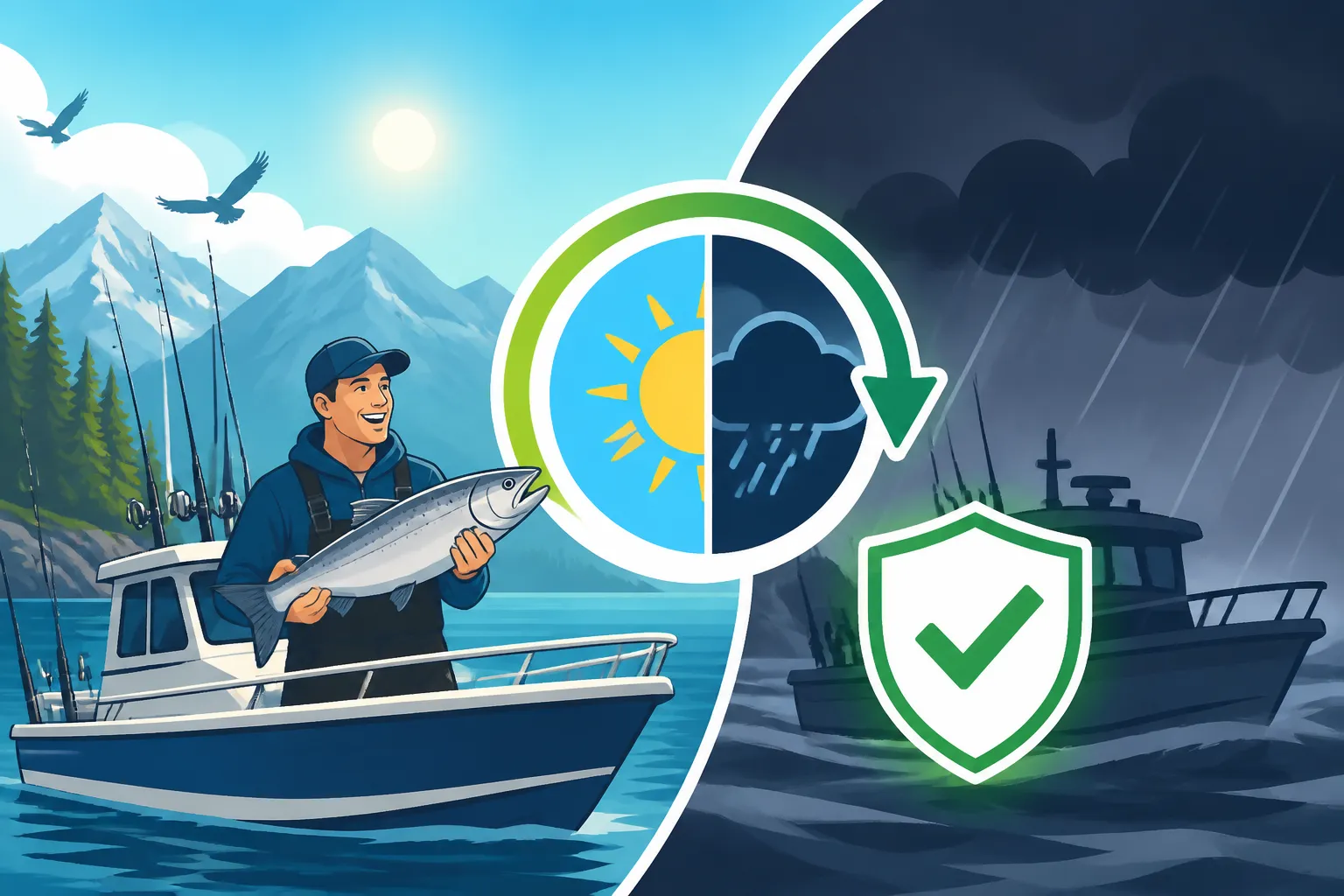
Best charters with flexible weather reschedule policies
There’s nothing quite as disappointing as planning an exciting fishing charter in beautiful British Columbia, only to have Mother Nature decide otherwise. Heavy rains, high winds, or unexpected fog can quickly turn a dream trip into a washout, leaving you frustrated and wondering about your deposit. This guide is all about finding BC fishing charters with flexible weather reschedule policies, so you can book with confidence, knowing your investment and your adventure are protected.
The Inevitable Reality of BC Weather and Fishing
British Columbia is a province of incredible natural beauty, offering some of the best fishing opportunities in the world, from the wild rivers of the Skeena system to the vast Pacific coastline. But with this natural grandeur comes unpredictable weather. It's a fundamental truth of fishing here: you can plan all you want, but the weather has the final say.
Why Weather is Such a Big Factor for Anglers
For those of us who live and breathe fishing, we understand that weather isn't just about comfort; it's about safety, the bite, and sometimes, even legal access. Imagine being out on the open ocean near Tofino when an unexpected squall rolls in. Those beautiful swells can quickly turn into dangerous waves, making navigation treacherous and fishing impossible. Similarly, on a river like the Fraser, a sudden downpour can blow out the water, making it muddy, high, and unsafe for drifting or wading. BC Boating Laws for Anglers exist for a reason, emphasizing safety in all conditions.
Beyond safety, extreme weather can drastically affect fish behavior. High winds can make it impossible to present a fly correctly for steelhead on the Bulkley, or they can churn up ocean currents, scattering baitfish and making salmon harder to find. Intense rain might raise river levels too quickly, pushing fish out of their usual holding lies. Your comfort is also paramount; nobody wants to spend hours shivering in a deluge when they pictured blue skies and calm waters. It's about maximizing your chances of a successful and enjoyable trip, which is heavily tied to favorable weather.
Common Weather-Related Trip Disruptions
When we talk about weather disrupting a fishing trip, it’s not always a full-blown hurricane. Often, it's more subtle but equally impactful. One common culprit is strong winds. While a light breeze can be refreshing, sustained winds over 15-20 knots can make fishing offshore unbearable, if not unsafe, causing significant chop and making it hard to maintain your position or feel a bite. For river fishing, high winds can ruin a perfect cast or make boat control challenging.
Another frequent issue is heavy rain or thick fog. While we're used to a bit of drizzle in BC, torrential downpours can make for a miserable experience, chilling you to the bone and obscuring visibility. Fog can be particularly dangerous on coastal waters, reducing visibility to mere feet and making navigation by radar a necessity. This isn't just an inconvenience; it can lead to safety concerns and prevent a charter from leaving the dock. What to wear on a BC fishing charter becomes even more critical in these situations. Sometimes, it's even about extreme temperatures, either too hot or too cold, which can affect not only human comfort but also fish activity.
Understanding Charter Reschedule Policies
When you're booking a fishing charter, it's easy to get caught up in the excitement of the destination and the target species. But before you hand over that deposit, understanding the charter's policy regarding weather is absolutely crucial. This is where your financial security and peace of mind truly lie.
Standard vs. Flexible Policies: What's the Difference?
Most fishing charters have a cancellation policy. A "standard" policy often states that deposits are non-refundable, especially if the client cancels. Regarding weather, a standard policy might only offer a reschedule or refund if the captain deems the conditions unsafe or cancels the trip outright. This means if it's just "unpleasant" — say, constant rain but no high winds — you might still be expected to go out, or forfeit your deposit if you decide against it. It places the onus heavily on the captain's judgment, which is fair for safety, but less so for your overall experience.
A "flexible" policy, on the other hand, goes a step further. It acknowledges that a trip isn't just about safety, but also about enjoyment and the realistic chance of catching fish. Charters with flexible policies might offer to reschedule or provide a credit if conditions are simply undesirable, even if not outright dangerous. This could include heavy, persistent rain, or choppy waters that would make the trip uncomfortable for clients prone to seasickness. These policies often reflect a charter operator's commitment to customer satisfaction over strict adherence to booking terms, recognizing that a happy customer will return.
Key Elements of a Flexible Policy
When you're looking for a flexible policy, there are a few key phrases and conditions you'll want to watch out for. Firstly, look for language that mentions "captain's discretion regarding weather and fishing conditions," but with an implied understanding of client comfort. The best policies will explicitly state that if the captain believes the weather will significantly detract from the experience (not just safety), they will offer a reschedule.
Another important element is the transferability of your deposit. A truly flexible charter will allow you to transfer your deposit to a future date or even offer a credit without penalty if a weather-related issue arises. Some might offer a full refund if rescheduling isn't possible and the captain initiates the cancellation due to weather. Pay attention to how close to the trip date these decisions can be made. Is it 24 hours? 48 hours? The more leeway, the better. Reputable platforms like FishingBooker often make these policies transparent in their listings, allowing you to compare options easily before committing. How to Choose a BC Fishing Charter often involves digging into these details.
Asking the Right Questions Before Booking
To truly understand a charter's flexibility, you need to be proactive and ask direct questions. Don't assume anything. When you contact a charter, whether by phone or email, explicitly ask about their weather policy. Go beyond "What if the weather is bad?" and get specific.
Here are some questions to consider:
- "At what wind speed do you typically consider rescheduling an offshore trip for comfort, not just safety?"
- "If it's pouring rain all day but not windy, do we still go out, or is rescheduling an option?"
- "What if thick fog is predicted, making navigation difficult? Would that trigger a reschedule?"
- "What's your policy if I'm prone to seasickness and the forecast shows choppy conditions, even if they aren't 'unsafe'?"
- "If we have to reschedule due to weather, how far out can we rebook, and is there a time limit to use the credit?"
- "Is the deposit fully transferable or refundable if the captain cancels for any weather reason, not just extreme danger?"
Getting these answers in writing, even if it's just an email confirmation, can provide invaluable peace of mind.
Finding Charters That Prioritize Your Experience (and Safety)
It's not just about what a policy states on paper; it's about the ethos of the charter operator. The best guides and captains are those who genuinely want you to have a memorable experience, not just get you out on the water to fulfill a booking.
Researching Charter Operators for Flexibility
The internet is your friend here. Start by thoroughly reviewing the "Terms and Conditions" or "Cancellation Policy" sections on a charter's website. Look for explicit mentions of weather and rescheduling. Often, the language itself will give you a clue: is it rigid and legalistic, or more customer-focused and understanding? Read online reviews on sites like FishingBooker, Google, or TripAdvisor. Pay close attention to comments about trips that were affected by weather. Did the charter handle it gracefully? Were clients offered fair alternatives? Negative reviews often highlight issues with inflexible policies, while positive ones might praise a captain for their understanding when conditions turned sour.
Don't be afraid to reach out directly. A quick phone call or email can reveal a lot about a captain's willingness to work with you. A charter that is quick to offer clear, accommodating answers to your weather questions usually understands the client's perspective. It shows they value their reputation and long-term customer relationships over a single booking.
The Value of Direct Communication
Let's be real: sometimes policies are written in a way that covers all bases for the business, but the actual practice can be more lenient. This is why direct, polite communication with the captain or their booking agent is so valuable. Before you book, have that conversation. Explain your concerns about weather impacting your trip experience. A good captain will appreciate your foresight and be transparent about their approach.
For example, if you're planning a multi-day trip for Steelhead Fishing in BC on a remote river and there's a flood watch, having an upfront discussion about alternatives or rescheduling is crucial. If you're targeting Halibut Fishing off Vancouver Island and the forecast is calling for 25-knot winds, asking about sheltered spots or a different day shows you're thinking proactively. Getting clarity means you won't be surprised later. Always try to get any special agreements or understandings about weather in writing, even if it's just a follow-up email confirming your conversation. This creates a clear record for both parties.
What a "Flexible" Charter Might Look Like in Practice
So, what does a flexible policy actually feel like when the weather decides to throw a wrench in your plans? It often starts with early communication. A truly client-focused captain will be watching the forecast closely and might call or text you a day or two before the trip if conditions look questionable. Instead of just cancelling, they might offer alternatives:
- A Shifted Schedule: "The wind looks rough early morning, but it's supposed to calm down by noon. How about we push our departure to 1 PM and fish into the evening?"
- A Different Location or Target: "The offshore halibut grounds are going to be too rough tomorrow. How about we try for some inshore salmon or lingcod in a more sheltered bay?" This shows they're still committed to getting you fishing, just safely and comfortably.
- A Full Reschedule: "It looks like heavy rain and high winds all day. We won't have a good time out there. Let's find another day that works better for you, and we'll carry your deposit over." This is the gold standard for flexibility.
- A Partial or Full Refund: In rare cases where repeated rescheduling isn't possible, or your travel plans won't allow it, a truly flexible charter, especially if they initiated the cancellation, might offer a partial or full refund.
These scenarios illustrate a charter operator who values your experience and safety above merely fulfilling a booking, even if it means lost income for them in the short term. What happens if weather cancels a BC charter can vary wildly, so knowing this upfront is key.
Navigating the Booking Process with Weather in Mind
Booking a fishing charter should be an exciting process, not one filled with anxiety about what might happen if the skies open up. By approaching the booking strategically, you can significantly reduce stress and ensure a better outcome, regardless of the weather.
Platforms and Tools to Help Your Search
Online booking platforms can be incredibly useful resources when you're searching for charters with flexible policies. Many of these platforms, like FishingBooker, aim to standardize information and provide clear policy statements for each listed charter. You can often filter or browse listings specifically looking for details on cancellation and rescheduling. These sites allow you to compare multiple operators side-by-side, making it easier to spot those with more accommodating terms.
Beyond booking sites, a quick check of local marine weather forecasts (e.g., Environment Canada marine forecasts) a few days before your intended booking date can give you an early heads-up. While forecasts can change, they provide a general idea of typical conditions for that time of year and location, helping you formulate your questions to the charter captain. Remember, though, that a general forecast isn't the final word; the captain's local knowledge is always paramount.
| Policy Feature | Standard Charter Policy | Flexible Charter Policy |
|---|---|---|
| Deposit | Often non-refundable, especially for client cancellation. | Usually transferable to a new date, sometimes refundable. |
| Captain's Call (Safety) | Trip cancelled/rescheduled only if unsafe conditions. | Trip cancelled/rescheduled if unsafe or significantly unpleasant. |
| Client's Call (Comfort) | Forfeit deposit if client cancels due to discomfort (e.g., heavy rain, chop). | Reschedule or credit offered if conditions are clearly undesirable (e.g., heavy rain, high chop). |
| Rebooking Options | May be limited, subject to availability, sometimes with fees. | More options, captain works with client for mutual availability. |
| Refund for Weather | Rare, usually only if captain cancels for extreme danger. | More common, especially if captain cancels or rescheduling is impossible. |
| Communication | Policy often strictly adheres to written terms. | Proactive captain communication, open to discussion. |
Preparing for the Unexpected: Your Own Contingency Plan
Even with a flexible charter, it’s wise to have your own contingency plan, especially if you’re traveling a significant distance. Consider adding a "buffer day" to your trip schedule. If your charter gets postponed on Monday due to weather, having Tuesday free means you can easily rebook without disrupting your entire vacation. This little bit of wiggle room can make all the difference.
Another option for significant trips is travel insurance. Some travel insurance policies can cover non-refundable deposits for activities like fishing charters if they are cancelled due to unforeseen circumstances, including severe weather. Read the fine print carefully to understand what is covered. While a BC fishing license refund policy typically isn't impacted by charter cancellations, ensuring your travel costs are protected can save a lot of heartache.
Tips for a Smooth Reschedule
If you find yourself needing to reschedule due to weather, a little courtesy and understanding go a long way. Remember that weather cancellations are frustrating for charter operators too; they lose income and have to juggle schedules.
- Be Proactive: If you see a questionable forecast, reach out to the charter as soon as you have concerns. Don't wait until the last minute.
- Be Flexible Yourself: Have a few alternative dates in mind if possible. The more flexible you are with your availability, the easier it will be for the charter to accommodate you.
- Be Polite and Understanding: Approach the situation with a positive attitude. A calm, polite conversation is always more productive than an aggressive demand.
- Confirm in Writing: Once a reschedule is agreed upon, ask for confirmation via email or text. This helps avoid any miscommunication down the road.
By choosing a charter that truly understands the nuances of fishing in BC and prioritizes your experience with a flexible weather policy, you’re setting yourself up for a far more enjoyable and stress-free adventure on the water.
Disclaimer
This article is for general informational purposes only and does not constitute professional advice. Laws, prices and regulations vary by location and change over time. Consult a qualified professional for guidance on your specific situation.