BC boat registration expiration date
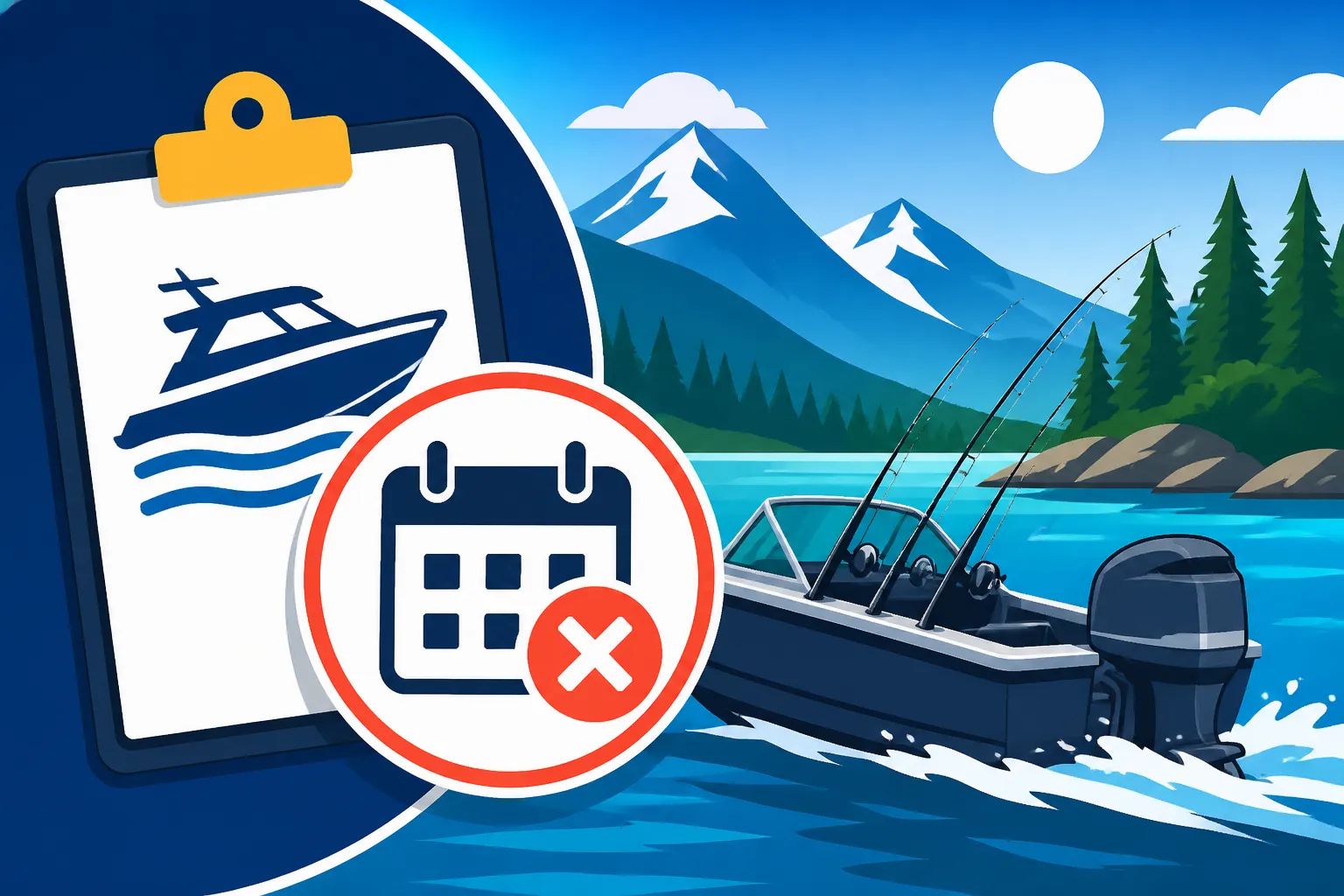
It's easy to lose track of all the paperwork required to enjoy British Columbia's incredible waters, and for many boat owners, the question of their boat's registration expiration date often causes a moment of panic. Navigating the rules can feel like trying to read a tide chart upside down in a squall, but understanding when your boat's official documents need to be renewed is absolutely crucial for staying legal and safe on the water. This guide will walk you through everything you need to know about keeping your BC boat documents up-to-date.
Understanding Boat Identification: License vs. Registration in British Columbia
Before we dive into expiration dates, it’s super important to clarify a common point of confusion for many boaters, especially newcomers: the difference between a Pleasure Craft License and a Pleasure Craft Registration. These terms often get used interchangeably, but they serve distinct purposes and have different validity periods. Misunderstanding which one applies to your vessel could lead to unexpected fines or complications.
The Pleasure Craft License: What Most Recreational Boaters Need
For the vast majority of recreational boaters in British Columbia, what you'll need is a Pleasure Craft License, issued by Transport Canada. This isn't strictly a "registration" in the formal sense, but rather a unique identification number that must be displayed on your vessel. Think of it like a license plate for your car – it helps authorities identify your boat. This license is required for all recreational vessels powered by a motor of 7.5 kW (10 horsepower) or more, unless the vessel is already registered with Transport Canada or a foreign country.
Getting one is free, which is a big plus, and it's a relatively straightforward process, often completed online. The primary purpose is for identification, especially in emergencies, search and rescue operations, or if your boat is ever involved in an incident or stolen. You’ll receive a unique number that needs to be painted or affixed to both sides of the bow, in contrasting colour and a specific size, making it easily visible. This process is detailed further in our guide on BC Boat Registration and Licensing Rules.
Pleasure Craft Registration: For Larger or Commercial Vessels
Now, if you own a larger vessel, plan to operate commercially, or intend to travel outside of Canada, you're likely looking at a Pleasure Craft Registration. This is a much more formal process than a license and involves proving ownership, undergoing a more rigorous application, and typically paying associated fees. Vessels that fall under this category often include those over 15 gross tons, boats used for commercial purposes (like charters or fishing guides), or those operating internationally.
Unlike the free license, obtaining a Pleasure Craft Registration requires a more extensive application that involves submitting proof of ownership, a vessel name, and official number. This registration confers a certificate of registry and a unique official number, which must also be prominently displayed. For those considering this option, understanding the nuances between this and a standard license is critical, especially when comparing it to concepts like a BC boat title vs registration difference. It's a different beast entirely, granting your vessel a distinct legal identity and nationality.
Why the Distinction Matters for Expiration Dates
The reason we spend so much time on this distinction is simple: the expiration dates for a Pleasure Craft License and a Pleasure Craft Registration are completely different. If you're a casual recreational boater with a small fishing boat or a personal watercraft, you're almost certainly dealing with a 10-year license. If you're running a charter out of Ucluelet or own a substantial yacht, you're looking at a 3-year registration. Knowing which applies to you is the first step in correctly identifying your boat document's expiration date. Many people mistakenly believe their small pleasure craft needs "registration" that expires annually, causing unnecessary stress.
Deciphering Your BC Boat Document Expiration Date
So, you've figured out whether you have a Pleasure Craft License or a full-blown Registration. Great! Now, let's talk about the specific expiry timelines and, more importantly, how you can actually find that crucial date on your documents. It's often printed right there, but sometimes it can be easy to overlook amongst all the official jargon.
The 10-Year Rule for Pleasure Craft Licenses
For recreational boaters, the good news is that your Pleasure Craft License is valid for a generous 10 years from the date of issue. That’s right, a whole decade! This long validity period means you don't have to worry about renewing it every single year, which is a huge relief when you're already juggling fishing licenses, PCOC cards, and general life. However, this extended period can also be a double-edged sword: it’s easy to forget about it entirely until you suddenly realize it’s been nearly a decade.
To find your specific expiration date, you need to look at your actual Pleasure Craft License document. Whether you have a physical printout or a digital copy, the expiry date will be clearly printed on it. It’s usually located near the top or bottom of the document, often labelled something like "Expiry Date" or "Valid Until." Make it a habit to check this document annually, perhaps when you're getting your British Columbia Fishing License Guide for 2026 in order to keep all your boating paperwork in check. Even though it's valid for a long time, knowing precisely when that 10-year window closes is vital to avoid any last-minute scrambles.
The 3-Year Cycle for Pleasure Craft Registration
If your vessel requires a Pleasure Craft Registration, then the rules are a bit different. These registrations are typically valid for a period of three years. This shorter cycle reflects the more formal nature of registration, often associated with commercial operations or larger, more complex vessels. It also ensures that the information held by Transport Canada is updated more frequently, which is important for vessels that might change ownership, specifications, or operational intent more often.
Just like with the license, your registration certificate will have the exact expiration date printed on it. It’s not something you need to guess or calculate; it’s there in black and white. Make sure to file this document safely, perhaps in a waterproof pouch that you can grab quickly if needed. Knowing this 3-year cycle means you need to be a bit more proactive with your renewals compared to the 10-year license, but it's still far less frequent than other permits.
How to Check Your Specific Expiration Date
The absolute best way to check your expiration date for either a Pleasure Craft License or Registration is to physically look at the document itself. This might sound obvious, but many people rely on memory or old notes, which can be inaccurate.
- Locate Your Document: Find your official Pleasure Craft License or Registration certificate. If you keep a digital copy, access that file.
- Scan for Key Phrases: Look for headings like "Expiry Date," "Valid Until," or "Date of Expiry."
- Note the Full Date: Make sure to note the day, month, and year. Don't just assume it's at the end of a particular month or year.
If you can't find your document, or if it's damaged and unreadable, don't panic. For a Pleasure Craft License, you can often contact Transport Canada directly with your boat's identifying information (like the HIN – Hull Identification Number) and they can help you retrieve details or guide you on how to apply for a replacement or reissue. For registered vessels, the process is similar but might involve more detailed verification. It’s always better to be proactive than to discover you’re operating with expired documents during a marine inspection or, worse, an emergency. Keeping a physical copy in a sturdy, waterproof document holder, like those you can find on Amazon, is always a good idea for quick reference while out on the water.
Renewing Your Boat Documents: Staying Legal on BC Waters
Once you know when your boat documents expire, the next crucial step is understanding how to renew them. Procrastination here can lead to headaches, fines, and even safety risks. Renewing your Pleasure Craft License or Registration isn't just bureaucratic red tape; it's about ensuring your vessel is properly identified, which is vital for search and rescue operations, particularly in the vast and sometimes challenging waters of British Columbia.
When and How to Renew Your Pleasure Craft License
For your Pleasure Craft License, you should aim to renew it within a reasonable window before its 10-year expiration date. Transport Canada usually sends out reminder notices, but these can sometimes get lost in the mail or filtered into spam folders, so don't rely solely on them. A good rule of thumb is to initiate the renewal process a few months before the expiry date, giving yourself plenty of buffer time.
The renewal process for a Pleasure Craft License is quite straightforward and can usually be done online through the Transport Canada website. You'll need:
- Your existing Pleasure Craft License number.
- Proof of identity.
- Vessel details, which you likely already have on file.
- Recent photos of your boat showing the vessel's name and official number clearly displayed.
The online portal will guide you through uploading any necessary documents and submitting your application. Remember, this license is free, so there are no fees associated with renewal. Once renewed, you'll receive an updated license certificate, and you'll want to ensure the new expiry date is clearly noted, perhaps adding it to a digital calendar or a physical logbook alongside other important dates like your BC Fishing Season Dates and Closures.
The Renewal Process for Pleasure Craft Registration
Renewing a Pleasure Craft Registration is a bit more involved, reflecting its formal status. Since these are typically valid for three years, you'll want to be even more diligent about marking that renewal date on your calendar. Transport Canada will also send out reminders for registrations, but again, take personal responsibility for tracking this date.
The renewal process for registration often requires:
- Submission of a renewal form.
- Payment of the renewal fee. The specific BC boat registration cost for renewals can vary, so check Transport Canada's current fee schedule.
- Confirmation that the vessel’s information is still accurate. Any changes in ownership or vessel specifications might require additional documentation.
This process can sometimes require submitting documents via mail or through a more dedicated online portal than the simple license renewal. For commercial operators, maintaining continuous registration is non-negotiable to avoid operational disruptions.
The Consequences of Letting Your Boat Documents Expire
Operating a vessel with an expired Pleasure Craft License or Registration is a breach of federal regulations, and it can lead to some significant penalties. Marine safety officers (from agencies like the RCMP, Canadian Coast Guard, or local police) regularly patrol BC waters, and they have the authority to pull you over for inspections.
Here’s what could happen:
- Fines: The most immediate consequence is a fine. These can range from a few hundred dollars for an expired license to much higher amounts for an expired registration, especially if the vessel is operating commercially. This is similar to the penalties for Fishing Without a License in BC: Penalties, emphasizing that legal compliance is taken seriously on the water.
- Delays and Inconvenience: If you're stopped and found with expired documents, you could be delayed significantly while officers verify your information. In some cases, you might even be ordered to return to shore.
- Emergency Response Issues: In the event of an emergency, having current, accurate identification on your vessel ensures that search and rescue teams can quickly identify your boat and access its critical information, potentially saving lives. An expired or non-existent license/registration can hinder these efforts.
- Insurance Problems: While not always a direct consequence, operating illegally could, in theory, impact your insurance coverage in the event of an incident, depending on the terms of your policy.
It's clear that letting your documents lapse simply isn't worth the risk. Keep all your documentation in order, much like ensuring you meet all Life Jacket Requirements for BC Boaters, as part of overall responsible boating.
Beyond Registration: Other Vital Documents and Safety Gear
While knowing your boat's registration or license expiration date is critical, it's part of a larger picture of responsible boating. There are other documents you absolutely must carry onboard, along with essential safety gear, to ensure you're always prepared for whatever BC's beautiful but unpredictable waters throw your way.
The Indispensable Pleasure Craft Operator Card (PCOC)
One of the most important pieces of paper you’ll carry on your boat isn't for the vessel itself, but for you, the operator: the Pleasure Craft Operator Card (PCOC). This card is essentially your driver's license for the water, proving that you have met the minimum standard for safe boating knowledge in Canada. Almost everyone operating a powered recreational vessel in Canada needs one.
The great news about the PCOC is that it never expires! Once you've earned it by passing the accredited course and exam, it's valid for life. This is a huge relief compared to other licenses that require regular renewals. However, even though the card itself doesn't expire, it's still your responsibility to ensure you understand and adhere to current boating regulations, which can change. Lost your PCOC? You can get a replacement from the course provider, as discussed in detail in Does a Pleasure Craft Operator Card Expire in BC?. Always carry it with you when operating your boat, along with proof of your boat's license or registration.
Essential Onboard Documents and Safety Checklist
Beyond your PCOC and your boat's license or registration, there are a few other documents and pieces of equipment you should always have onboard:
- Proof of Ownership: Keep a copy of your bill of sale or other proof of ownership. This is different from registration but vital if there's ever a question about who legally owns the vessel.
- Insurance Papers: If you have boat insurance, carry proof of coverage. While not federally mandated, insurance is a smart choice for any boater.
- Emergency Contact Information: Have a list of emergency contacts, both for yourself and for your vessel, easily accessible.
- Tide Charts and Marine Forecasts: Especially on coastal waters, up-to-date tide charts and knowledge of the marine weather forecast are critical for safe navigation. You should also regularly How to check BC fishery notices before a trip to be aware of any closures or special restrictions.
As for safety equipment, Transport Canada has strict requirements based on the size and type of your vessel. These typically include:
- Lifejackets or PFDs: Enough for every person onboard, and they must be readily accessible.
- Bailer or pump: To remove water.
- Sound-signalling device: Like a whistle or horn.
- Visual distress signals: Flares or a watertight flashlight.
- Navigation lights: If operating after sunset or in restricted visibility.
- Fire extinguisher: For boats with inboard engines, fixed fuel tanks, or enclosed sleeping accommodations.
Many of these items, like durable whistles, marine-grade flashlights, and waterproof cases for documents, can be easily purchased online. For instance, you can find a comprehensive selection of marine safety gear and document organizers on Amazon to make sure your BC required boat safety equipment checklist is fully met.
Proactive Planning: Never Miss a Renewal Again
The key to avoiding expired documents and potential fines is proactive planning. Here are a few tips to stay on top of your boat's paperwork:
- Create a "Boating Documents" Binder: Keep all your physical documents—licenses, registration, PCOC, insurance, fishing licenses, etc.—in one dedicated, waterproof binder. This not only keeps them organized but makes them easy to grab and present during an inspection.
- Digital Reminders: Set up reminders on your smartphone or computer calendar for renewal dates. Input both the Pleasure Craft License (10-year) and Registration (3-year) expiry dates, setting multiple alerts leading up to the actual date.
- Annual Document Check: Make it a habit to review all your boating documents once a year, perhaps at the start of the boating season or when you're renewing your BC Freshwater vs Tidal Waters License, Explained. This allows you to catch any upcoming expiries well in advance.
- Review Regulations: Periodically review Transport Canada's regulations for pleasure craft. Laws can change, and staying informed ensures you're always compliant, including understanding topics like BC boating under the influence penalties.
Being a responsible boater means more than just knowing how to navigate; it means being legally prepared and safety-conscious. By understanding the expiration dates for your BC boat documents and having everything else in order, you can focus on what truly matters: enjoying the stunning waterways British Columbia has to offer.
| Document Type | Issued By | Valid For | Required For | Renewal Cost | Notes |
|---|---|---|---|---|---|
| Pleasure Craft License | Transport Canada | 10 years | Most recreational vessels with 10hp+ motor (unless registered) | Free | Displays unique identification number. |
| Pleasure Craft Registration | Transport Canada | 3 years | Commercial vessels, vessels over 15 gross tons, foreign-going vessels | Fee Applies | Confers legal nationality and ownership. |
| Pleasure Craft Operator Card (PCOC) | Accredited Provider | Lifetime | All operators of powered recreational vessels | One-time Fee | Proof of competency. Doesn't expire. |
| BC Freshwater Fishing License | BC Gov. (online/vendors) | 1 year (or days) | Fishing in non-tidal waters for residents/non-residents | Fee Applies | Specific to fishing, not boat operation. |
| BC Tidal Waters Fishing License | DFO (online/vendors) | 1 year (or days) | Fishing in tidal waters (saltwater) for residents/non-residents | Fee Applies | Separate from freshwater license. |
Disclaimer
The information provided in this guide is for general informational purposes only and is not intended as legal advice. Boating regulations in British Columbia, particularly those concerning federal licenses and registrations, can change. Always consult the official Transport Canada website, the BC Ministry of Forests, Lands, Natural Resource Operations and Rural Development, or a qualified marine legal professional for the most current and accurate information pertaining to your specific vessel and situation.