BC boating under the influence penalties
It’s a beautiful day on the water in British Columbia, the sun is shining, and the lake or ocean is calling. Many of us naturally want to relax and enjoy a cold drink with friends or family. But when those drinks start to add up, the lines between responsible enjoyment and dangerous impairment can blur quickly, leading to severe legal consequences. This guide is here to walk you through the serious penalties associated with boating under the influence (BUI) in BC, offering a dose of realism about what you could face and how to avoid it.
Understanding Boating Under the Influence BUI in BC
Boating under the influence, often referred to as BUI, is not just a minor infraction; it’s a serious criminal offense in Canada, carrying consequences remarkably similar to those for impaired driving. Many people mistakenly believe that boating laws are more lenient than road laws, perhaps because the open water feels less regulated. This couldn't be further from the truth. The Criminal Code of Canada treats operating a vessel while impaired by alcohol or drugs with the same gravity as operating a motor vehicle. This means that if you wouldn't drive a car after a few drinks, you absolutely shouldn't operate a boat.
The Canadian courts and law enforcement agencies, including the RCMP and local police forces like the Vancouver Police Department Marine Unit, are increasingly vigilant about BUI offenses. They understand that an impaired boat operator puts not only themselves at risk but also their passengers and other water users. The consequences of a boating accident involving impairment can be catastrophic, leading to severe injuries, fatalities, and profound long-term impacts for everyone involved. It’s a stark reminder that the responsibility of a boat operator extends beyond just knowing how to navigate; it includes ensuring the safety and well-being of all on board and around them.
What Constitutes Impairment on the Water
When we talk about impairment, it’s not just about being "drunk." Impairment can come from alcohol, but also from drugs—both illicit and prescription—or a combination of substances. The legal definition hinges on whether your ability to operate a vessel is impaired to any degree by alcohol or drugs, or if your blood alcohol concentration (BAC) exceeds the legal limit. This can include anything from a slight delay in reaction time to significant difficulty maintaining a straight course. Marine patrols are trained to observe signs of impairment, which could be erratic driving, unusual docking attempts, or even just slurred speech during a routine safety check.
It's crucial to understand that impairment is not subjective to how you feel. Even if you believe you're perfectly capable, if your abilities are compromised, you are legally impaired. The marine environment itself can exacerbate the effects of alcohol or drugs. Factors like sun exposure, wind, waves, and the constant motion of the boat can intensify impairment, making you feel more affected than you would on land. This is why even a small amount of alcohol can have a greater impact on your judgment and coordination while boating. Think about the added complexity of navigating currents, avoiding other vessels, or responding to an emergency – tasks that require full attention and unimpaired faculties.
The Legal Blood Alcohol Limit for Boating
Just like with driving a car, there is a strict legal limit for blood alcohol concentration (BAC) when operating a vessel in British Columbia. That limit is 0.08% or 80 milligrams of alcohol in 100 millilitres of blood. Exceeding this limit, even if you don't feel impaired, is a criminal offense under the Criminal Code of Canada. If you’re tested and found to be at or above this threshold, you will face charges. It’s a zero-tolerance approach for anyone above the limit, regardless of perceived impairment.
However, there's a lesser-known but equally important provincial law to consider: BC also has a "warn range" for drivers and boaters. While not a criminal offense, a BAC between 0.05% and 0.08% can still lead to immediate roadside or waterside prohibitions, fines, and potentially impoundment of your vessel. For those under the Graduated Licensing Program (GLP) or operating commercial vessels, the rules are even stricter: a zero-tolerance policy means any detectable alcohol or drugs can lead to serious penalties. This applies to all types of vessels, from a massive yacht to a small rowboat, and even personal watercraft (PWCs). For more details on age requirements for operating boats, you might want to read about BC Boating Laws for Anglers.
Penalties for a First BUI Offence in British Columbia
So, you've made a mistake, perhaps unknowingly, and find yourself facing a first BUI charge in BC. The initial moments can be frightening and confusing, especially when dealing with law enforcement on the water. It’s not just a slap on the wrist; the repercussions are significant and far-reaching, designed to deter future incidents and ensure public safety. The Canadian legal system takes these offenses very seriously, and a first conviction will certainly leave a lasting mark.
Many people are caught off guard by the severity because they underestimate how strictly boating regulations are enforced. Marine patrols are well-equipped to perform stops, conduct field sobriety tests, and even administer breathalyzer tests, just like their counterparts on land. The idea that you can "get away with it" on the lake or ocean is a dangerous misconception that can lead to a world of trouble. Understanding these penalties beforehand is key to making responsible choices.
Immediate Consequences at the Water's Edge
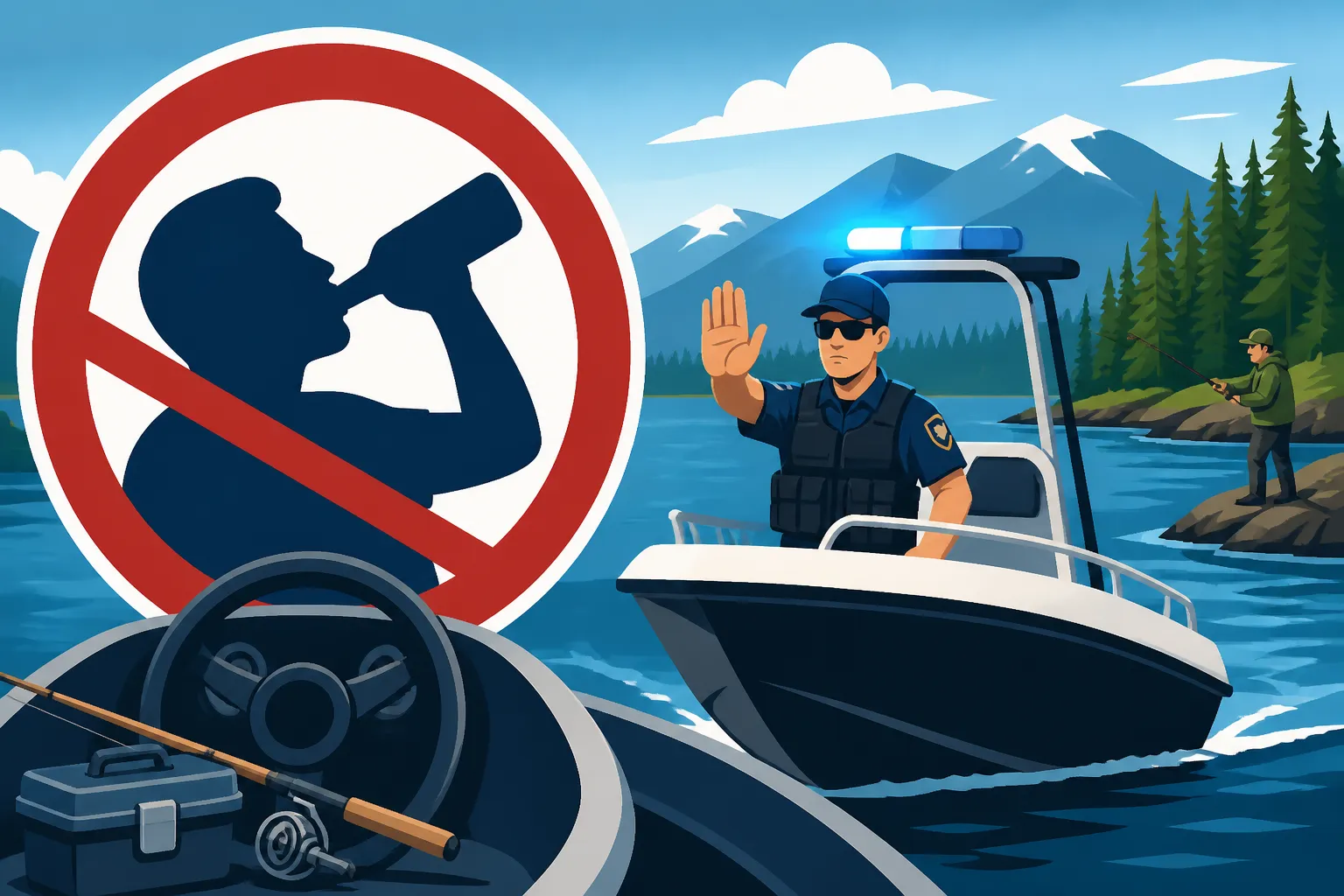
The moment law enforcement suspects BUI, they can take immediate action. This often begins with a marine patrol pulling your vessel over for observation, much like a traffic stop. They might observe signs of impairment in your operation or during conversation, leading to a demand for a breath sample or a Standardized Field Sobriety Test (SFST). If you fail these tests, or if your BAC is above the legal limit of 0.08%, you're looking at an immediate arrest. This isn't just a stern lecture; you will be taken into custody.
Beyond the arrest, several immediate consequences can impact your day and your vessel. Your boat will likely be impounded or towed, leaving you stranded and responsible for towing and storage fees. This can be a significant cost, especially for larger vessels or if you’re far from a marina. Furthermore, you will be prohibited from operating any vessel immediately. This means your fishing trip is over, your leisurely cruise is cut short, and you're now facing a complex legal battle. It's a sobering reality check that hits hard and fast, impacting your freedom, your finances, and your ability to enjoy the waters you love. Even if you're just a passenger and not the operator, understanding Life Jacket Requirements for BC Boaters is crucial for your safety.
Court-Imposed Fines and Jail Time
A first BUI conviction in British Columbia carries mandatory minimum penalties under the Criminal Code of Canada. For most first offenders with a BAC of 0.08% or higher, the minimum fine is $1,000. However, if your BAC is significantly higher, the fines escalate quickly: $1,500 for a BAC of 0.12% to 0.159%, and $2,000 for a BAC of 0.16% or higher. These are minimums, meaning a judge can impose even higher fines based on the specifics of your case, such as whether there was property damage, reckless operation, or other aggravating factors.
While a first BUI offence might not always result in jail time unless there were injuries or fatalities, it is absolutely a possibility, especially if other factors are present. The maximum penalty for impaired operation that doesn't cause bodily harm or death can be up to 10 years in prison for an indictable offence. If your impairment caused bodily harm, you could face up to 14 years, and if it resulted in death, the maximum sentence is life imprisonment. These are severe consequences that underscore the gravity of the offense. Beyond monetary penalties and potential incarceration, a criminal record for impaired operation will follow you for the rest of your life, impacting employment opportunities, travel, and more.
Impact on Driving Privileges
One of the most surprising consequences for many first-time BUI offenders in BC is the impact on their driver's license. Because BUI is a Criminal Code offense, a conviction will almost certainly lead to a provincial driver's license suspension. For a first offense, you are looking at a minimum one-year prohibition from operating any motor vehicle, including your car. This is not a separate charge; it’s an automatic consequence tied to the criminal conviction itself. Imagine trying to navigate daily life for a full year without the ability to drive, especially in areas of BC where public transit isn't readily available.
This suspension can severely affect your commute to work, your ability to run errands, and your overall independence. You’ll have to rely on friends, family, ride-sharing services, or public transportation, which can be both inconvenient and costly. Reinstating your driver's license after the prohibition period is also not as simple as showing up at ICBC. You'll likely need to complete a remedial driving program, pay significant reinstatement fees, and potentially have an ignition interlock device installed in your vehicle for a period, all at your own expense. This hidden penalty often hits harder than the fines for many people, fundamentally altering their daily routines for an extended period.
Escalating Penalties for Repeat BUI Offences
If a first BUI conviction didn't get the message across, the Canadian legal system ensures that repeat offenders face increasingly severe consequences. The intent behind these escalating penalties is clear: to remove dangerous operators from the waterways (and roadways) and to strongly deter any further impaired operation. The courts have little patience for individuals who demonstrate a pattern of disregard for public safety, and judges will impose much harsher sentences with each subsequent offense.
It’s not just about paying a higher fine; repeat offenses bring mandatory jail time, longer prohibitions, and more stringent requirements for reinstatement. The system becomes less forgiving, and the avenues for leniency shrink considerably. If you've already been through the process once, you know the difficulties involved. Facing it again means those difficulties will be compounded exponentially, making it imperative to understand the intensified stakes involved.
Second and Subsequent Convictions
A second BUI conviction within a certain timeframe (usually 10 years for Criminal Code purposes, though provincial driving prohibitions can vary) brings mandatory minimum jail time. For a second offense, the minimum sentence is 30 days imprisonment. That's a month of your life lost, not to mention the immense personal and professional fallout that comes with incarceration. Beyond the jail time, your driving prohibition will extend to a minimum of two years. This means two full years without the ability to operate a car, significantly impacting your freedom and livelihood.
For a third or subsequent BUI conviction, the penalties become even more severe. The mandatory minimum jail sentence jumps to 120 days – a staggering four months behind bars. The driving prohibition also increases to a minimum of three years, and can even be for life in extreme cases. These cumulative penalties underscore the court's zero-tolerance stance on habitual impaired operation. Additionally, you will be required to participate in substance abuse programs, and the cost of interlock devices, remedial programs, and fines will continue to accumulate. It’s a spiraling cycle of consequences that is incredibly difficult to escape once you're caught in it.
Aggravating Factors and Enhanced Penalties
Certain circumstances can significantly increase the severity of BUI penalties, even for a first offense. These are known as "aggravating factors" and they tell the court that your offense was particularly egregious or dangerous. For example, if you cause an accident resulting in property damage, bodily harm, or especially death, the penalties will skyrocket. Even without direct physical harm, demonstrating a reckless disregard for the safety of others – such as operating at dangerously high speeds in crowded waters or failing to have proper BC boat registration and licensing rules – can be seen as an aggravating factor.
Other factors that can lead to enhanced penalties include having a very high blood alcohol concentration (as mentioned with the escalating fines for 0.12% and 0.16%), transporting minors in the vessel, or attempting to flee from law enforcement. If you’re operating a commercial vessel or are a professional mariner, the consequences can be even more devastating, potentially leading to the loss of your livelihood and professional licenses. The presence of any aggravating factor turns an already serious situation into a potentially life-altering one, emphasizing that responsible and safe operation of any vessel is paramount.
Preventing a BUI and Staying Safe on BC Waters
Understanding the severe penalties for BUI should be a powerful motivator to prevent it from happening in the first place. The good news is that preventing a BUI is entirely within your control. It requires a bit of planning, a commitment to safety, and perhaps a shift in mindset about how we enjoy alcohol or other substances on the water. The beautiful lakes and coastal waters of British Columbia are meant to be enjoyed responsibly, ensuring everyone has a safe and memorable experience.
Remember, the goal isn't just to avoid a criminal record; it's to protect lives. Accidents happen quickly on the water, and impairment significantly increases the risk. By taking proactive steps, you contribute to a safer environment for yourself, your loved ones, and the broader boating community.
Planning Ahead for a Sober Skipper
The easiest and most effective way to prevent a BUI is to plan for a sober skipper before your trip even begins. Designate a non-drinking operator for your boat, just as you would a designated driver for your car. This person commits to staying completely sober throughout the outing, ensuring everyone gets back to shore safely. Make this decision before you leave the dock, and stick to it. If everyone in your group wants to enjoy alcoholic beverages, then maybe renting a boat with a professional, licensed captain is a better option, or simply enjoying your drinks on land after the boat is safely secured.
Another option is to limit your alcohol consumption entirely. Stock up on delicious non-alcoholic options, easily found on platforms like Amazon, to enjoy during your time on the water. If you're out with friends, consider carpooling to your launch site and having a designated driver for the road trip home as well, as your car will be waiting. For those planning a longer trip or fishing expedition, understanding BC Fishing Season Dates and Closures and checking BC Fishery Notices and In-Season Closures, Explained is always good practice.
Alternatives to Alcohol and Impairment on the Boat
There are countless ways to enjoy British Columbia's stunning waterways without the need for alcohol or other impairing substances. Focus on the incredible experiences available: fishing for salmon on the Fraser River, exploring the remote coves of Vancouver Island, or simply soaking up the sun and scenery. Instead of reaching for a beer, grab a refreshing sparkling water, a chilled juice, or a gourmet coffee. The focus should be on the adventure itself, the camaraderie with friends and family, and the sheer beauty of nature.
Equip your boat with plenty of non-alcoholic snacks and drinks. Consider engaging activities that don't involve alcohol, like photography, wildlife spotting, or teaching someone how to fish. If you’re really craving an alcoholic beverage, save it for when you’re safely back on shore, your boat is tied up, and you’re no longer responsible for its operation. This simple shift in timing can make all the difference, ensuring a fun day doesn't turn into a tragic one. Always ensure you have all your safety gear, maybe even picking up some extra life jackets from places like Amazon, to be fully prepared for any adventure.
Summary of BC BUI Penalties
To give you a clear overview of what you could be facing, here's a table summarizing the minimum penalties for BUI offenses in British Columbia under the Criminal Code of Canada (these are minimums and can be much higher depending on the circumstances, and provincial driving prohibitions are often automatic).
| Offence Category | Minimum Fine (BAC 0.08%+) | Mandatory Minimum Jail Time | Minimum Driving Prohibition | Other Consequences (Potential) |
|---|---|---|---|---|
| First Offence | $1,000 (0.08-0.119%) | None (unless aggravating factors/harm) | 1 Year | Criminal Record, Vessel Impoundment, Remedial Programs, Ignition Interlock |
| $1,500 (0.12-0.159%) | None (unless aggravating factors/harm) | 1 Year | ||
| $2,000 (0.16%+) | None (unless aggravating factors/harm) | 1 Year | ||
| Second Offence | N/A (fine varies) | 30 Days | 2 Years | Criminal Record, Vessel Impoundment, Remedial Programs, Ignition Interlock |
| Third Offence | N/A (fine varies) | 120 Days | 3 Years (potentially lifetime) | Criminal Record, Vessel Impoundment, Remedial Programs, Ignition Interlock |
It's vital to remember that these are just the starting points. Each case is unique, and a judge has the discretion to impose much harsher penalties based on the specific details and any aggravating factors involved.
Disclaimer
The information provided in this guide is for general informational purposes only and does not constitute legal advice. Boating under the influence laws are complex and subject to change. If you are facing a BUI charge, or have questions about specific regulations, it is highly recommended that you consult with a qualified legal professional in British Columbia.