BC fishing license for blind or disabled anglers
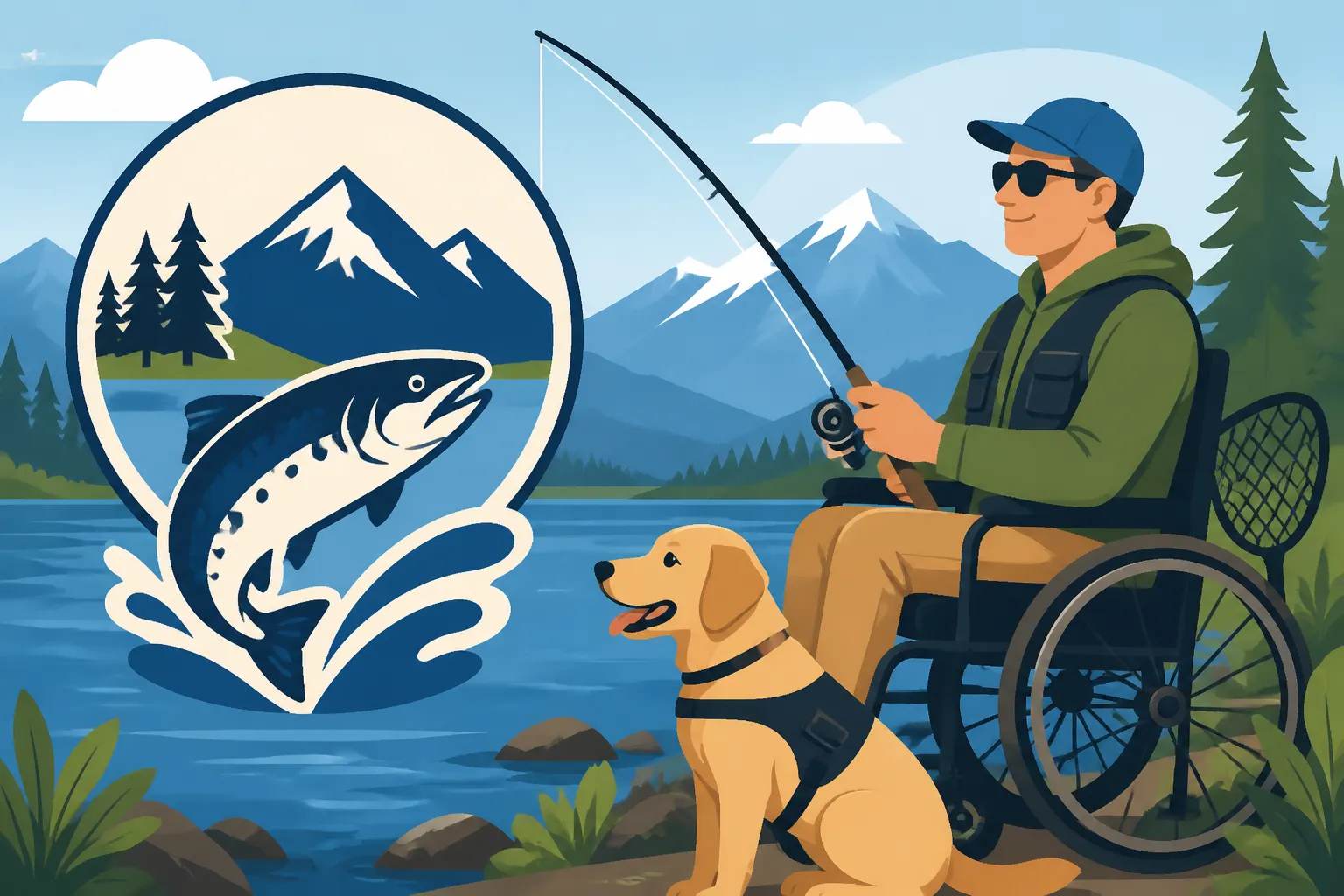
For anglers living with a disability or blindness, navigating the world of outdoor recreation can sometimes feel like an uphill battle, especially when it comes to understanding specific regulations. The good news is that British Columbia recognizes these challenges and has provisions in place to ensure fishing remains accessible and enjoyable for everyone. This guide will walk you through everything you need to know about obtaining a BC fishing license as a blind or disabled angler, from eligibility to practical tips.
Understanding BC Fishing License Requirements for All Anglers
Before we dive into the specific provisions for disabled anglers, it’s really helpful to get a handle on the general licensing requirements in British Columbia. No matter your ability, everyone participating in recreational fishing in BC needs a valid license. This isn't just bureaucratic red tape; it's a vital part of managing our precious fish stocks and ensuring sustainable angling for future generations.
The Baseline – Why Everyone Needs a License
Think of your fishing license as your personal contribution to conservation. The fees collected from license sales go directly back into fisheries management, habitat restoration, scientific research, and enforcement. Without these funds, the incredible fishing opportunities we enjoy across British Columbia – from the mighty Fraser River to the tranquil interior lakes – simply wouldn't be as healthy or abundant. It’s about ensuring that those vibrant salmon runs continue, that the steelhead have pristine rivers to spawn in, and that our trout lakes remain stocked and thriving. When you buy a license, you’re not just getting a piece of paper; you're becoming a steward of BC's natural aquatic heritage. For a comprehensive overview, you can always refer to the general British Columbia Fishing License Guide for 2026.
Different License Types in BC
British Columbia has two main categories of fishing licenses: freshwater and tidal (saltwater). Which one you need depends entirely on where you plan to cast your line. If you're chasing rainbow trout in an interior lake or targeting sturgeon in the Fraser, you'll need a freshwater license. If salmon, halibut, or lingcod off the coast of Vancouver Island are more your style, then a tidal waters license is what you're after. Sometimes, if you're exploring estuaries or river mouths, you might even need both! Beyond that, licenses are broken down by residency (BC resident, non-resident Canadian, or non-resident non-Canadian) and duration (annual, 8-day, 5-day, 3-day, or 1-day). Understanding these distinctions is the first step in ensuring you're properly licensed, and for more details, check out BC Freshwater vs Tidal Waters License, Explained. The cost also varies depending on these factors; you can find more information on How Much Does a BC Fishing License Cost.
Specific Provisions for Anglers with Disabilities in British Columbia
Now, let's talk about the specific support and considerations for anglers with disabilities in British Columbia. The province has made strides to ensure that fishing is as inclusive as possible, offering specific license options and flexibility to accommodate various needs. It's truly wonderful to see these efforts making a real difference in people's lives.
The BC Resident Disabled Angler License
If you're a resident of British Columbia and live with a permanent disability, you might be eligible for a special freshwater fishing license. This isn't just a minor discount; it’s a commitment to removing barriers for passionate anglers. To qualify for the BC resident disabled angler license, you generally need to provide proof of a permanent disability that significantly impairs your ability to participate in typical activities, often requiring a doctor's certificate or documentation from a recognized disability support organization. The specific criteria are outlined by the provincial government, and it's always best to check the official BC government website or the Freshwater Fishing Regulations Synopsis for the most current details. This license aims to make freshwater fishing more accessible and affordable for those facing long-term physical challenges. You can usually find the most up-to-date information regarding this specific license under the "Special Category Licenses" section of the regulations, often labeled as BC fishing license for disabled residents.
Companion Angler Program and Assistance
One of the most common questions from disabled anglers is about bringing a companion. Can your friend or family member help you out without needing their own license, or can they fish on yours? Generally, any individual actively participating in fishing, meaning they are holding a rod, casting, or reeling in fish, must possess their own valid fishing license, regardless of whether they are assisting a disabled angler. However, there are considerations for assistance. A companion may help a disabled angler with tasks such as baiting hooks, casting, or handling the net, as long as the disabled angler is the one primarily engaged in the act of fishing and holding the rod.
It’s about the spirit of the rule: one person, one license, one catch limit, but assistance is, of course, allowed and encouraged. If your companion also wants to fish and keep their own catch, they'll need their own license. The primary intent of the special disabled angler license is to support the individual with a disability to participate, not to extend fishing privileges to multiple people under one reduced-fee license. Always clarify with a local Ministry of Forests, Lands, Natural Resource Operations and Rural Development (FLNRORD) office or check the current BC Fishing Regulations Explained for precise definitions of "assisting" versus "fishing."
Adaptive Equipment and Accessibility Considerations
For many anglers with physical limitations, adaptive equipment can be a game-changer. These tools are designed to make fishing possible and enjoyable, regardless of mobility or dexterity challenges. We're talking about everything from specialized rod holders that attach to wheelchairs, one-handed casting aids, modified reels, or even voice-activated fishing devices. The regulations in BC are generally quite accommodating of such equipment, as they focus on the outcome (legal catch, method, etc.) rather than the specific means of achieving it, provided the equipment doesn't give an unfair advantage or contravene specific gear restrictions. For instance, if a particular water body specifies "single barbless hook" or "fly fishing only," these rules still apply, but how you cast your fly with adaptive equipment is usually fine.
Finding these specialized items might require a bit of searching. Large online retailers like Amazon offer a surprising array of adaptive fishing gear, from basic modifications to highly specialized setups. Local tackle shops might also be able to order items for you or connect you with local support groups for disabled anglers who can offer advice and share resources. It’s really about finding what works for you to maximize your time on the water comfortably and safely.
Obtaining and Managing Your Disabled Angler License
Getting your fishing license should be as straightforward as possible, and for disabled anglers, there are specific steps and considerations that can help simplify the process. Nobody wants to jump through hoops just to enjoy a peaceful day on the water.
Application Process and Required Documentation
Applying for a disabled angler license in British Columbia involves a few more steps than a standard license, primarily due to the need to verify disability status. Typically, you'll need a medical certificate or a letter from a licensed medical practitioner or a recognized agency (like the Ministry of Social Development and Poverty Reduction) confirming your permanent disability. This documentation proves your eligibility for the specialized license. It's crucial that this proof clearly states the nature of your permanent disability.
Once you have your documentation ready, you can usually apply through the BC government's online licensing system, which is part of the Compass BC system. If you prefer, many designated vendors, like tackle shops or sporting goods stores, can also process these applications in person. Make sure to keep copies of all your documentation, both for your records and in case you need to clarify anything during the application or renewal process. The key is being prepared with the correct paperwork before you start, to avoid any frustrating delays.
Where to Purchase and Renew Your License
For a BC fishing license, whether standard or for disabled anglers, the most convenient way to purchase and renew is often online through the official provincial government website via the Compass BC platform. This allows you to complete the process from the comfort of your home. You'll need to create an account, provide your personal details, and upload or present your disability documentation (if applying for the disabled angler license).
Alternatively, you can visit one of the many authorized vendors across the province. These include most sporting goods stores, select hardware stores, and even some general stores in smaller communities. They have staff who are trained to help with the application process, which can be really helpful if you have questions or prefer in-person assistance. Remember, once you purchase your license, you'll need to carry either a physical printed copy or a digital version on your mobile device while fishing. Find out more about this important detail by reading Printing or Carrying a Digital Fishing License in BC. To find a vendor near you, a quick search on the BC government fisheries website can usually point you in the right direction.
Common Challenges and Troubleshooting
Even with the best intentions, hiccups can happen. One common challenge disabled anglers face is ensuring their documentation is always current and meets the specific criteria. Sometimes, the initial certification might be vague, or a new requirement might be introduced, leading to delays. If you encounter issues, don't get discouraged! Contacting the Freshwater Fisheries Society of BC or the Ministry of Forests, Lands, Natural Resource Operations and Rural Development (FLNRORD) directly can often clarify things quickly. They usually have dedicated staff who can guide you through the process.
Another common point of confusion can be around renewal. Annual licenses expire on March 31st each year, so it's a good idea to set a reminder to renew well in advance of your first fishing trip of the new season. Keep your Compass BC login details handy, and ensure your contact information is up-to-date so you receive renewal notifications. If you ever lose your license, either paper or digital, you can usually reprint it from your Compass BC account or get a replacement from a vendor. Being proactive about these details can save a lot of headaches later on.
Important Regulations and Considerations for Disabled Anglers
Holding a license is just the first step. Being a responsible and successful angler also means understanding the rules that govern specific species and locations, and knowing where to find accessible spots.
Species-Specific Regulations and Conservation Stamps
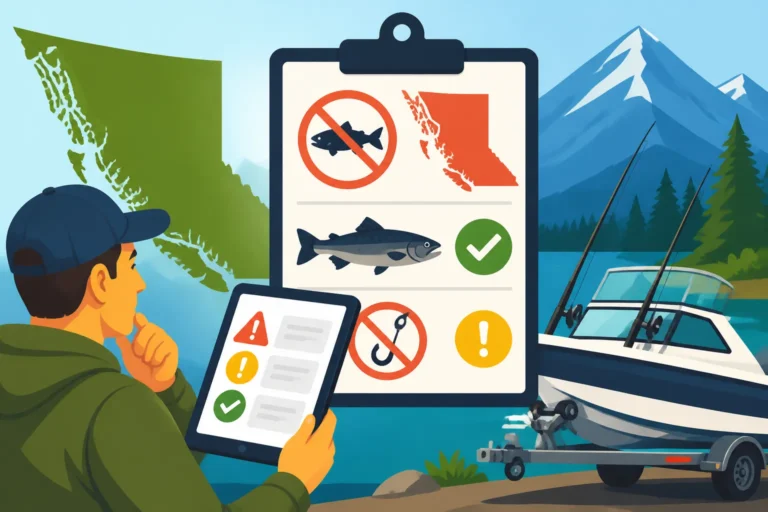
While your license may offer a reduced fee or specific eligibility based on your disability, it's crucial to remember that all other fishing regulations still apply. This includes bag and possession limits, size restrictions, gear restrictions, and open and closed seasons for specific species. For instance, if you're targeting salmon, you will still need to purchase the appropriate BC Salmon Conservation Stamp Rules, regardless of your license type. Similarly, if you're fishing for steelhead in one of BC's iconic rivers, you'll need to adhere to the BC Steelhead Season Dates and any special gear rules for that area.
These regulations are in place to protect vulnerable fish populations and ensure healthy ecosystems for everyone. Always consult the current Freshwater Fishing Regulations Synopsis or the Marine Tidal Waters Guide before each fishing trip, as rules can change seasonally or even in-season due to conservation concerns. There are also many Special Regulation Waters in BC that anglers need to be aware of. Staying informed is your best defense against inadvertently breaking a rule.
Accessibility at Fishing Locations
Finding accessible fishing locations can sometimes be the biggest hurdle for anglers with disabilities. Luckily, many communities and provincial parks in BC are making an effort to improve access. Look for locations with paved paths, accessible docks or fishing piers, and accessible washroom facilities. Some popular spots like the Fraser River near Chilliwack, certain sections of Okanagan Lake, or many stocked urban ponds often have improved access points.
Organizations like the Freshwater Fisheries Society of BC sometimes highlight accessible fishing spots on their website or in their publications. It's often a good idea to call ahead to a specific park or recreation site to confirm their current accessibility features. Word-of-mouth within the disabled angling community can also be a valuable resource, so don't hesitate to connect with local fishing clubs or online forums to gather recommendations. Websites like the BC Parks site will often list specific accessibility features for their locations.
Staying Informed with Fishery Notices
One of the most critical habits for any angler in British Columbia, especially given the dynamic nature of our fisheries, is to regularly check fishery notices. These notices provide up-to-the-minute updates on regulations, often announcing unexpected closures, openings, or changes to limits that can happen throughout the season. For example, a particular river section might close to protect a vulnerable salmon run, or an unexpected sockeye return might lead to a temporary opening. Missing these notices could inadvertently lead to you fishing illegally, even with a valid license.
You can typically find these notices on the Department of Fisheries and Oceans (DFO) website for tidal waters and the BC government website for freshwater regulations. Many dedicated BC fishing forums and social media groups also share these updates as they come out. Making it a routine to check BC Fishery Notices and In-Season Closures, Explained before heading out for your trip can save you a lot of disappointment and ensure you're always fishing within the current legal framework.
| License Type Category | Description | Key Requirements | Where to Purchase |
|---|---|---|---|
| BC Resident Disabled Freshwater Annual | For BC residents with a permanent disability, allowing freshwater angling for a full year. | Proof of BC residency; Medical certificate/documentation of permanent disability. | Online via Compass BC; Authorized vendors. |
| BC Resident Freshwater Annual | Standard annual license for BC residents. | Proof of BC residency. | Online via Compass BC; Authorized vendors. |
| BC Resident Tidal Annual | Standard annual license for BC residents in saltwater. | Proof of BC residency. | Online via DFO/NRCan; Authorized vendors. |
| Salmon Conservation Stamp | Mandatory for retaining any species of Pacific salmon (freshwater & tidal). | Valid base fishing license (freshwater or tidal). | Online with license purchase; Authorized vendors. |
Disclaimer
The information provided in this guide is intended for general informational purposes only and does not constitute legal advice. While we strive to provide accurate and up-to-date information, fishing regulations in British Columbia can change frequently. It is the angler's sole responsibility to consult the most current official BC Freshwater Fishing Regulations Synopsis and the Pacific Fishery Regulations (for tidal waters) and any in-season fishery notices before engaging in any fishing activity. Always verify specific requirements and conditions with the appropriate government authorities (e.g., DFO, FLNRORD).