BC Combination Hunting and Fishing License Options
It can feel like navigating a dense forest of regulations when you're an avid outdoors enthusiast in British Columbia, especially if you love both casting a line and pursuing game. Many seasoned anglers and hunters often wonder if there's a simple, all-in-one license to streamline their adventures, only to find the reality is a bit more complex. This guide will clarify the truth about BC combination hunting and fishing license options, helping you understand how to legally participate in both cherished activities.
Understanding the BC Licensing System for Outdoor Activities
British Columbia is a paradise for outdoor lovers, offering unparalleled opportunities for both fishing and hunting. However, the system for licensing these activities is designed to be comprehensive and, at times, can feel a little piecemeal, especially if you're coming from another jurisdiction with different rules.
The Separate Paths: Hunting vs. Fishing Licenses
One of the first things you'll notice in BC is that hunting and fishing are generally regulated and licensed through separate systems, even though they both fall under the umbrella of wildlife and resource management. This separation exists for several good reasons, primarily because the management objectives, conservation concerns, and specific regulations for fish populations differ significantly from those for terrestrial game species.
For fishing, you're primarily dealing with Fisheries and Oceans Canada (DFO) for tidal waters (marine) and the provincial government (via the Ministry of Forests, Lands, Natural Resource Operations and Rural Development) for freshwater. Each requires its own distinct base license, and then you layer on specific stamps or tags depending on what you plan to catch. For example, a freshwater angler needs a basic freshwater license, but if they want to retain salmon, they'll need an additional BC Salmon Conservation Stamp Rules. The thought of managing these different pieces can be a headache, especially when you're just trying to enjoy a peaceful day on the water or in the woods.
Hunting, on the other hand, is almost entirely managed by the province. You need a basic hunting license, often referred to as a "Resident Hunting License" or a "Non-Resident Hunting License," which acts as your foundational permit. On top of that, you'll need specific species licenses (often called tags or authorizations) for each type of animal you intend to hunt, such as deer, moose, bear, or elk. The rationale here is to allow for precise control over harvest rates for individual species, ensuring sustainable populations. So, when you're out there, you might find yourself carrying a handful of documents, each granting you permission for a specific pursuit, which can feel a bit cumbersome when you're hoping for one simple solution.
Who Benefits from Navigating Combination Pursuits?
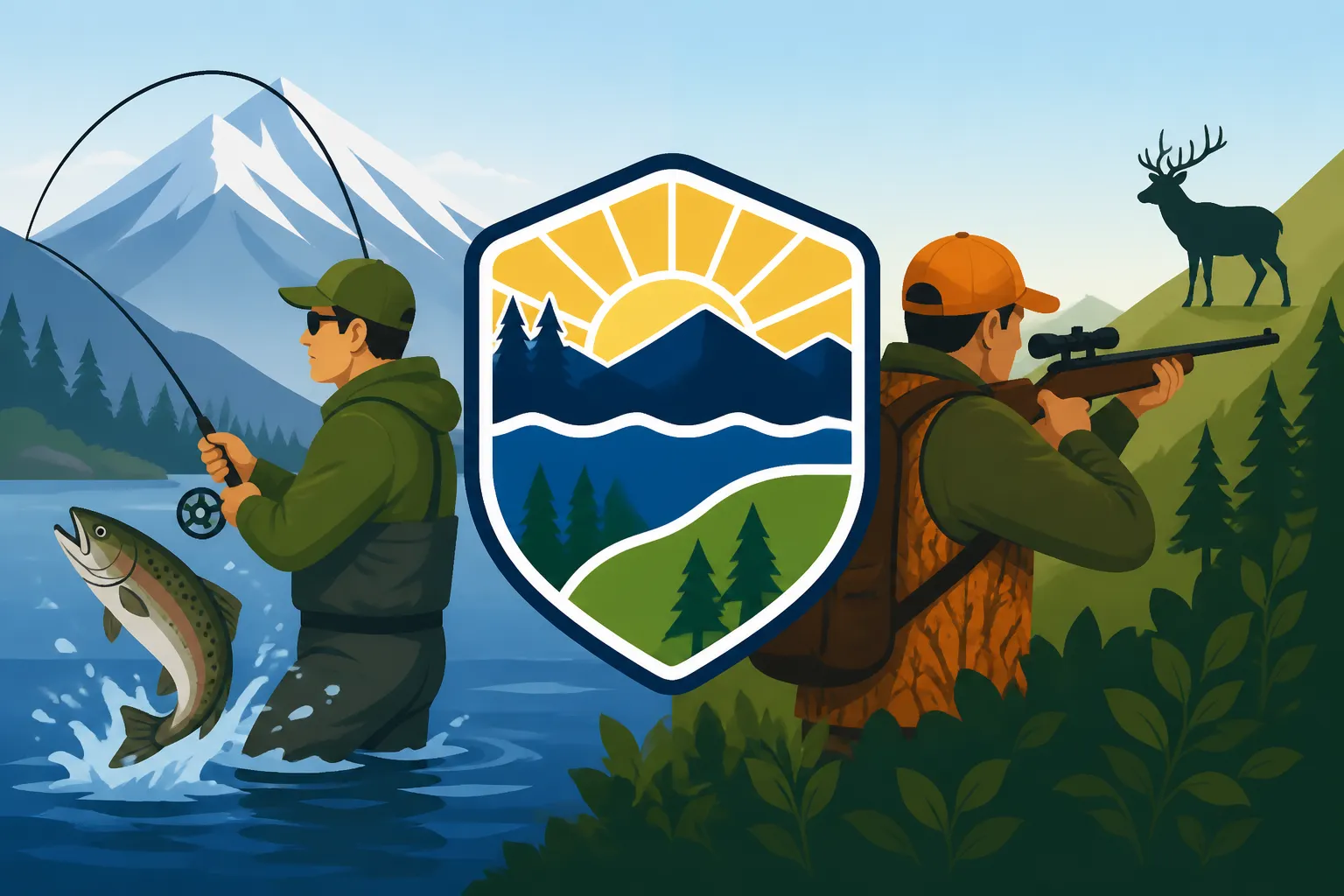
While a single "combo license" isn't generally available in the way some might imagine, understanding how to legally combine hunting and fishing pursuits is incredibly valuable for a specific group of outdoor enthusiasts. Primarily, this applies to individuals who genuinely engage in both activities throughout the year or even on the same multi-day trip. Imagine you're spending a week in the Cariboo region – you might want to hit a few lakes for rainbow trout in the morning and then head into the backcountry for deer hunting in the afternoon. For you, knowing precisely what licenses and tags are required for each activity and how to acquire them efficiently is paramount.
Guiding operations also frequently deal with clients who want a mixed bag of outdoor experiences. A client might book a trip that includes both a day of salmon fishing off the coast and a day of black bear hunting in the interior. In these scenarios, guides need to be absolutely certain that their clients are properly licensed for every single activity, reinforcing the need for a clear understanding of BC's modular system.
The benefits of knowing how to acquire all the necessary components, even if they're separate, include convenience (once you've got them all, you're set!), staying compliant with regulations (avoiding hefty fines for Fishing Without a License in BC: Penalties), and making the most of your time in BC's diverse wilderness. It's about being prepared to seize every opportunity the landscape offers, whether that's a surprise fishing hole or a tracking opportunity.
Exploring True Combination License Options in BC
The idea of a single, convenient "combo" license for hunting and fishing in British Columbia is a common query among outdoor enthusiasts. Let's delve into what truly constitutes a combination option in this province.
The "Angler and Hunter" License – Fact or Fiction?
Many people, especially those moving to BC from other provinces or states, often ask if there's a simple "Angler and Hunter" license that covers both activities with one purchase. The short answer, and one that might disappoint some, is that a singular, all-encompassing combination license that bundles all hunting and all fishing permissions into one document simply does not exist in British Columbia.
This isn't to say that the provincial government hasn't considered streamlining processes, but the current structure is built around a modular system. Each activity, whether it's freshwater fishing, tidal waters fishing, or hunting for a specific species like mule deer or black bear, typically requires its own foundational license or a specific tag that builds upon a general hunting license. This approach allows for very precise management and data collection for each distinct fishery and game population. While it might seem less convenient on the surface, it enables wildlife and fisheries managers to set specific limits, seasons, and conservation measures for individual species in particular areas, which is crucial for BC's incredibly diverse ecosystems. So, rather than looking for one magical card, it’s more about understanding the specific building blocks you’ll need to put together for your chosen adventures.
Actual Combination Scenarios: Stackable Licenses
So, if there's no single combo license, how do you legally pursue both hunting and fishing in BC? The "combination" in BC truly refers to acquiring a set of individual, stackable licenses and authorizations that, when held concurrently, grant you the legal right to participate in both hunting and fishing. It's less about a specially designed product and more about a strategic assembly of necessary permits.
For instance, if you're a BC resident planning to fish for rainbow trout in a local lake and also hunt for deer in the fall, you would first need to purchase your basic Resident Freshwater Fishing License. On top of that, you'd separately purchase your Resident Hunting License. Then, for the deer, you’d need to buy a specific deer species tag. You might also add a BC Rainbow Trout Conservation Surcharge Stamp if required for certain waters or retention limits. These are all separate purchases, but they are all linked to your individual profile within the BC government's online licensing system, the BC Wildfire Service's system (for hunting and some fishing), or the National Recreational Licensing System (for tidal fishing).
The beauty of this modular system, despite its initial complexity, is its flexibility. You only pay for the specific activities and species you intend to pursue. If one year you only fish, you just buy fishing licenses. If the next year you decide to try hunting for the first time, you can add those components without needing to buy a whole new "combo" package that includes things you don't need. The online portals, like the provincial system found at FrontCounter BC, are designed to help you navigate these choices, allowing you to add various licenses and tags to a single cart before checkout, making the actual purchase process quite streamlined once you know what you need. This digital approach means you can manage all your required documents from one central online account, a significant improvement over the days of needing to visit multiple physical vendors.
Specific Components for Combination Pursuits
When you're looking to combine hunting and fishing in British Columbia, it's essential to break down the specific components you'll need. Think of it less as one combined license and more as building a legal toolkit.
Freshwater Fishing Base License and Add-ons
For any freshwater angling in BC, your journey begins with the basic Freshwater Fishing License. This is your foundational permit that allows you to fish in BC's myriad rivers, lakes, and streams. The cost of this license varies depending on your residency status and age, with residents generally paying less than non-residents. For example, the BC resident freshwater fishing license cost 2026 is different from what an out-of-province visitor would pay.
Beyond this base license, you'll almost certainly need to consider various add-ons, particularly if you're targeting specific species. If you plan to retain any species of salmon from freshwater, you must purchase a Freshwater Salmon Conservation Stamp. This stamp is vital for funding salmon enhancement and conservation efforts and is a non-negotiable requirement for salmon retention. Similarly, if you're venturing into waters known for their magnificent steelhead, you'll need a BC Steelhead Conservation Surcharge Stamp. These stamps directly contribute to programs that help protect and restore these iconic fish populations. You might also find other specific conservation surcharge stamps depending on the species, like a BC Rainbow Trout Conservation Surcharge Stamp in certain regions to support local trout populations.
These freshwater fishing components are generally separate from hunting licenses. However, they are all managed through the provincial system, often through the same online portal where hunting licenses are purchased. This means while they are distinct permissions, they can often be acquired in a single transaction online, which does offer a form of transactional convenience for the multi-sport enthusiast.
Basic Hunting License and Species Tags
On the hunting side, the core requirement is your Basic Hunting License. This license establishes your eligibility to hunt in British Columbia and is contingent on meeting specific safety and educational requirements, especially if you're a first-time hunter or a non-resident. Without this base license, you cannot legally hunt any game species in the province.
Once you have your basic hunting license, you then enter the realm of species-specific tags. Unlike fishing where you might just need a general salmon stamp, for hunting, you need a distinct tag for almost every animal you intend to harvest. For example, if you plan to hunt deer, you'll purchase a deer tag. If you're hoping for a moose, you'll need a moose tag. These tags often specify the region, season, and even the sex or age of the animal you're permitted to harvest, providing extremely precise control over hunting pressure. This system is crucial for managing wildlife populations sustainably, ensuring that specific species aren't overhunted in any particular area.
All these hunting licenses and tags are tied to your unique hunter number and profile within the provincial system. When you're out in the field, conservation officers will check for both your basic hunting license and the appropriate species tags for whatever game you are pursuing. The purchasing process for these tags is also typically done online or through authorized vendors, allowing hunters to manage their annual licenses and tags from one central point.
Tidal Waters Fishing & Hunting Integration
The licensing for tidal (saltwater) fishing in British Columbia operates on a completely different system from freshwater fishing and hunting. Tidal waters, encompassing the vast coastline, inlets, and open ocean, fall under federal jurisdiction (Fisheries and Oceans Canada). Therefore, you'll need a separate Tidal Waters Sport Fishing License to fish in these areas. This license is crucial for accessing BC's world-renowned salmon, halibut, and bottomfish opportunities. For instance, if you're planning a trip to Tofino to target halibut, you'll definitely need this federal license, and if you're a non-resident, the BC non-resident tidal waters fishing license cost 2026 will be a key consideration.
Unlike freshwater fishing, which can share some administrative pathways with hunting through the provincial system, tidal waters licensing remains distinct. There's no direct hunting equivalent or integration between the federal tidal fishing license and provincial hunting permits. You won't find a "tidal waters hunting" component. However, many outdoor enthusiasts plan trips that involve both. You might spend a few days fishing for salmon in the Strait of Georgia and then head inland for a hunting trip. In such cases, you simply acquire your federal tidal fishing license separately from your provincial hunting and freshwater fishing licenses.
The key takeaway is that while these systems are separate, they can coexist within your overall outdoor adventure planning. It’s about being diligent in securing each required permit for the specific environment and activity. Having all your necessary licenses, whether they're for freshwater, tidal, or hunting, properly secured before you head out ensures a worry-free and compliant experience on your combination adventure.
Cost Considerations and Savings for Dual Enthusiasts
Undertaking both hunting and fishing in British Columbia is an incredible experience, but it’s important to be realistic about the financial commitments involved. While there isn't a magical discount for bundling everything, understanding the cost structure is key to budgeting your outdoor adventures.
Breaking Down the Costs: An Example Scenario
Let's walk through a hypothetical scenario for a BC resident who wants to enjoy a typical year of both hunting and fishing. This will help illustrate how the costs add up.
Our hypothetical resident, let's call her Sarah, plans to:
- Fish for rainbow trout and salmon in freshwater lakes and rivers.
- Hunt for a single mule deer in the fall.
- Take one trip to the coast for halibut and salmon.
Here’s a breakdown of her potential annual costs (note: these are illustrative costs, actual prices may vary year to year):
-
Freshwater Fishing:
- Resident Basic Freshwater Fishing License: ~$36
- Freshwater Salmon Conservation Stamp (for retention): ~$6.50
- Optional: BC Rainbow Trout Conservation Surcharge Stamp (if required for specific waters/limits): ~$6.00
- Total Freshwater Fishing Estimate: ~$48.50
-
Hunting:
- Resident Basic Hunting License: ~$32
- Deer Species Tag (for one mule deer): ~$26.50
- Total Hunting Estimate: ~$58.50
-
Tidal Waters Fishing:
- Resident Annual Tidal Waters Sport Fishing License: ~$36
- Salmon Conservation Stamp (mandatory for tidal salmon): ~$6.50
- Optional: Halibut Tag/Allocation (if specific tag required beyond basic retention rules): Included in license, but daily/annual limits apply.
- Total Tidal Waters Fishing Estimate: ~$42.50
Sarah's Grand Total Estimated Annual License Costs: ~$149.50
As you can see from this example, the costs are not insignificant, and they are accumulated through individual purchases, not a single discounted bundle. Each component is a separate fee, reflecting the specific management and conservation efforts associated with that particular fishery or game species. It's a significant investment, but one that directly supports the health of BC's incredible natural resources for future generations.
| License/Stamp Type | BC Resident Annual Cost (Approx. 2026) | Purpose |
|---|---|---|
| Freshwater Fishing License | $36 | Basic permit for freshwater angling |
| Freshwater Salmon Conservation Stamp | $6.50 | Required to retain salmon from freshwater |
| Steelhead Conservation Surcharge Stamp | $6.00 | Supports steelhead conservation efforts |
| Tidal Waters Sport Fishing License | $36 | Basic permit for saltwater angling |
| Tidal Waters Salmon Conservation Stamp | $6.50 | Required to retain salmon from tidal waters |
| Basic Hunting License | $32 | Foundational permit for hunting |
| Deer Species Tag (e.g., Mule Deer) | $26.50 | Specific authorization to harvest one deer |
| Moose Species Tag | $84 | Specific authorization to harvest one moose |
| Black Bear Species Tag | $42 | Specific authorization to harvest one black bear |
Note: All costs are approximate for 2026 and subject to change. Always verify current prices before purchase.
Are There Any Discounts for Multiple Licenses?
This is a frequently asked question, and the straightforward answer is that British Columbia does not currently offer a specific discount for simply purchasing both a hunting license and a fishing license concurrently. The system is designed such that each license and tag is priced individually, reflecting its unique administrative and conservation costs.
However, there are still ways to access reduced-cost or free options that can lighten the financial load for certain demographics, and these apply to individual licenses, regardless of whether you combine them with others.
For instance, youth anglers often benefit from significant reductions. Did you know that BC Youth Fishing License Exemption Under 16 means children under 16 don't need a freshwater fishing license? While they still need to adhere to bag limits and regulations, this is a fantastic cost-saving measure for families introducing kids to the sport. Similarly, our valued seniors can look forward to a break. BC Senior Fishing License Discount at 65 offers reduced rates for both freshwater and tidal fishing licenses once you reach that milestone age, which is a nice perk for those who have dedicated years to the outdoors.
Furthermore, BC recognizes the contributions of disabled residents. There are provisions, such as the BC fishing license for disabled residents, that may offer discounted or free licenses for eligible individuals, making outdoor recreation more accessible. While these aren't "combination discounts" in the sense of buying hunting and fishing, they are important cost-saving opportunities that apply to the individual components of your outdoor licensing portfolio.
It's always a good idea to check the official BC government websites (FrontCounter BC for hunting and freshwater fishing, and DFO for tidal fishing) for the most current information on eligibility and pricing for all licenses and stamps. Even without a direct "combo discount," taking advantage of these individual savings opportunities can make your multi-sport adventures more affordable.
The Purchase Process and Keeping Compliant
Getting your licenses in order for a combined hunting and fishing trip in BC doesn't have to be a confusing ordeal. The province has worked to centralize much of the process, making it relatively straightforward once you know where to look.
Where to Buy All Your Licenses
For the most part, especially for freshwater fishing and all hunting licenses, your best bet is the provincial online licensing system, often accessed through the FrontCounter BC website. This digital portal is a fantastic resource, allowing you to manage your hunter and angler profiles, purchase basic hunting licenses, species tags, and your freshwater fishing license and associated stamps all in one virtual shopping cart. It streamlines what used to be a multi-stop physical journey. If you're wondering How to Buy a BC Fishing License Online, this provincial portal is your primary answer. It’s convenient, accessible 24/7, and ensures all your provincial licenses are linked to your unique ID.
However, for your tidal (saltwater) fishing license, you'll need to go through the federal system managed by Fisheries and Oceans Canada (DFO). They have their own National Recreational Licensing System online portal. While this means two separate online transactions if you're pursuing both provincial and federal activities, both systems are user-friendly.
If you prefer a more traditional approach, or if you need assistance, many authorized vendors across the province still sell licenses. These can include sporting goods stores like Cabela's or Bass Pro Shops, local tackle shops, and some hardware stores in smaller communities. These vendors can often help with both provincial (hunting, freshwater fishing) and federal (tidal fishing) licenses, though it's always wise to call ahead to confirm they offer what you need.
Remember to ensure your personal information is accurate across all systems. Keeping your addresses and contact details up-to-date helps with any future renewals or replacement needs. And while you can't buy your actual licenses on a site like Amazon, you can certainly stock up on essential gear there, from waterproof license holders to multi-tool kits for your field dressing needs, making sure you're well-equipped for any situation.
Carrying Your Licenses and Proof of ID
Once you've made your purchases, the next critical step is ensuring you have proof of your licenses with you whenever you're out hunting or fishing. This isn't just a suggestion; it's a legal requirement. Failure to produce a valid license when requested by a conservation officer or fishery officer can lead to significant penalties, including fines and potential seizure of gear, so it's not something to take lightly. The thought of losing a fishing rod or having to pay a hefty fine because you forgot a piece of paper is enough to make anyone double-check their wallet!
The good news is that BC has embraced digital solutions. Many licenses can now be carried digitally on your smartphone, or you can print a physical copy yourself. The guide on Printing or Carrying a Digital Fishing License in BC provides excellent detail on how to ensure your digital copies are considered valid. Whether it's a laminated card in your wallet, a screenshot on your phone, or a digital file readily accessible, the key is that it must be presentable upon request.
Beyond the licenses themselves, you must also carry valid government-issued identification that proves your residency status (if you're a resident license holder) and confirms your identity. For instance, if you purchased a resident freshwater fishing license, you'll need a BC driver's license or another form of ID that verifies you meet the BC fishing license residency requirements. For non-residents, a passport or other national ID is typically required. This is especially important as license costs and regulations often differ significantly between residents and non-residents.
Always make a habit of checking your wallet or tackle box for your licenses, and ensuring your phone is charged if you rely on digital copies, before heading out for any hunting or fishing excursion. Being prepared means you can focus on the thrill of the catch or the hunt, rather than worrying about compliance.
Planning Your Combination Trip Strategically
Embarking on a combined hunting and fishing trip in British Columbia demands more than just having the right licenses; it requires careful planning to maximize your success and enjoyment while staying within the legal framework.
Understanding Overlapping Seasons and Regulations
One of the biggest challenges and most important considerations for a dual-sport enthusiast is navigating the complex web of seasons and regulations. Hunting seasons for various species, like deer, moose, or bear, are typically set for specific windows, often in the fall, and are zone-specific. Similarly, fishing seasons, especially for salmon and steelhead, can be highly dynamic, with specific opening and closing dates, as well as area-specific restrictions. A resource like BC Fishing Season Dates and Closures becomes your best friend here, as these dates can vary greatly by species and location.
The trick is finding synergistic timing. For example, some fall hunting seasons for deer might overlap with prime coho salmon fishing in certain rivers or coastal areas. This presents a fantastic opportunity for a true combination trip, but it requires meticulous research into the specific regulations for both activities in your chosen geographical area. What's legal for hunting in one management unit might coincide with a critical fishery closure in a nearby river. It’s not uncommon for anglers to consult BC Fishery Notices and In-Season Closures, Explained even daily, as DFO can enact sudden closures for conservation purposes, especially during sensitive salmon runs. You don't want to plan an entire trip around a specific fishing opportunity only to find out it's been closed at the last minute!
Additionally, consider the access implications. Some areas might have restrictions on firearm use during certain times, or require specific permits for vehicle access that could impact your hunting plans, even if you’re primarily fishing. Being aware of these potential conflicts and doing your homework well in advance will save you a lot of frustration and ensures a compliant and enjoyable experience.
Essential Gear for a Multi-Sport Adventure
When you're planning to seamlessly transition from casting flies to tracking game, your gear choices become even more critical. You're no longer just an angler or just a hunter; you're a multi-sport outdoor adventurer, and your equipment should reflect that versatility.
Think about clothing, for example. You’ll want layers that are adaptable to changing weather conditions, waterproof yet breathable, and perhaps in colours suitable for both activities – camouflaged for hunting, but maybe a brighter, visible layer for hiking or fishing safety. A good quality pair of waterproof boots is non-negotiable, whether you’re wading a river or traversing muddy forest trails.
Consider dual-purpose items:
- Optics: A good pair of binoculars is invaluable for spotting game from a distance and for identifying rising fish or distant bird activity.
- Navigation: A reliable GPS device or a smartphone with offline mapping capabilities is essential for both navigating unfamiliar terrain while hunting and marking fishing spots.
- First Aid: A comprehensive first-aid kit is crucial for any wilderness outing, and its importance is amplified when engaging in activities that carry different risks.
- Carrying Capacity: A comfortable backpack that can handle both fishing tackle and hunting essentials (like game bags or field dressing tools) is key.
While you won't buy your licenses there, Amazon is a fantastic place to source many of these essential, versatile items, from high-quality waterproof jackets and hiking boots to compact first-aid kits and durable dry bags to protect your electronics and licenses. Investing in quality gear that performs well for both hunting and fishing will enhance your comfort, safety, and overall success on your combined adventures, ensuring you're ready for whatever BC's wilderness throws your way.
Disclaimer
Please be aware that fishing and hunting regulations in British Columbia can change frequently. While this guide provides comprehensive information, it is your responsibility to consult the most current regulations directly from the official Fisheries and Oceans Canada (DFO) and BC provincial government websites before engaging in any fishing or hunting activity. This content is for informational purposes only and does not constitute legal advice.