BC steelhead season opening date
It's incredibly frustrating when you're trying to plan a steelhead trip in British Columbia, only to find conflicting information or realize that the "season" isn't a simple, fixed date like in other fisheries. The truth is, pinpointing the exact BC steelhead season opening date is rarely a straightforward task due to the province's vast geography and diverse river systems. This guide will help you understand the complexities and, most importantly, show you exactly where to find the official, up-to-the-minute information you need to avoid disappointment and ensure a legal, enjoyable trip.
Understanding British Columbia's Steelhead Seasons
British Columbia is world-renowned for its steelhead fishing, attracting anglers from all corners of the globe eager to experience the fight of these magnificent anadromous rainbow trout. However, unlike many other fisheries where a single date marks the beginning of a species' season, steelhead seasons in BC are a much more nuanced affair. They vary significantly by river, region, and even specific river sections, making it a critical aspect to research thoroughly before you even think about packing your waders.
The concept of a fixed "opening date" for steelhead, like you might find for general trout seasons in smaller lakes, simply doesn't apply to many of BC's major steelhead rivers. Instead, you'll often encounter rolling closures and openings, specific management objectives for different runs (fall, winter, spring), and an overlay of federal and provincial regulations that can shift based on conservation concerns. It's a complex system designed to protect these precious fish, but it certainly keeps anglers on their toes.
Successfully navigating these seasons means understanding that your planning needs to be dynamic. While there are general periods when different runs typically enter rivers, the precise legal fishing window for any given section of water is what truly matters. This often requires consulting multiple official sources, sometimes right up until the day of your trip, to ensure you're compliant and not fishing in a closed area. This diligence is not just about avoiding fines; it's about respecting the resource and contributing to the sustainability of BC's incredible steelhead populations. You can find comprehensive details about these annual cycles and specific river schedules by delving into topics like BC Steelhead Season Dates.
Why Steelhead Season Dates Aren't Universal
The reason you won't find a single, province-wide "steelhead opening day" is deeply rooted in the ecology of these fish and the sheer scale of British Columbia's diverse landscapes. Steelhead are migratory fish, and their return timing to their natal rivers is influenced by a myriad of factors, creating distinct runs throughout the year. What might be an excellent time to target a fall-run steelhead on a coastal river could be months away from the prime winter-run period on a Skeena tributary, or even a different species of fish altogether.
Firstly, geographic diversity plays a huge role. British Columbia spans a massive area, encompassing temperate rainforests along the coast, arid interior valleys, and vast northern wilderness. Each region has unique climate patterns, hydrological cycles, and distinct populations of steelhead that have adapted to their local conditions. A river like the Squamish near Vancouver will experience different water conditions and run timing compared to the mighty Skeena River system in the north, or the vulnerable Interior Fraser steelhead populations.
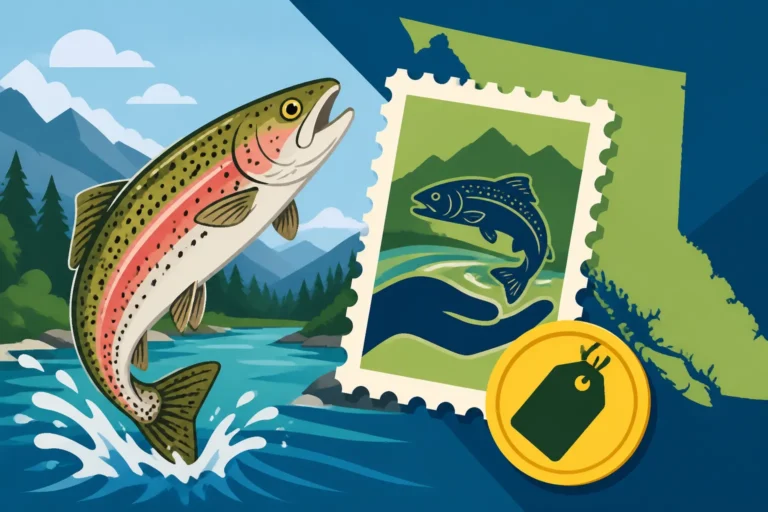
Secondly, conservation efforts are paramount. Steelhead populations, particularly wild ones, face numerous challenges, and fisheries managers often implement specific openings and closures to protect vulnerable stocks, especially during sensitive spawning periods. This means that a river might be open for catch-and-release fishing for a portion of the year, then close entirely to protect spawning fish, only to reopen later for another run. The rules can even dictate specific gear or bait restrictions depending on the sensitivity of the stock, tying into broader initiatives like the BC Steelhead Conservation Surcharge Stamp which helps fund these vital conservation programs.
Key Factors Determining Steelhead Season Openers
Understanding the science and policy behind season openers can help anglers anticipate and plan, even when precise dates fluctuate. These factors are constantly monitored by fisheries biologists and can lead to mid-season adjustments, which is why relying solely on last year's dates is a risky game.
Environmental factors are perhaps the most dynamic. Water temperature is critical; steelhead prefer cooler water, and a warm fall or a late spring can significantly delay or advance their entry into rivers. River flow is another huge determinant. High, turbid water from heavy rains or rapid snowmelt can make fishing impossible and can even trigger closures if fish are struggling to migrate or if angling pressure would be too disruptive. Conversely, very low, clear water can also make fish skittish and vulnerable, leading to "catch and release only" or even temporary closures to reduce stress on the fish. These conditions are typically monitored in real-time by provincial authorities and the Department of Fisheries and Oceans (DFO).
Biological factors are equally important. Each river system has its own distinct steelhead populations, often referred to as "stocks." These stocks have genetically determined run timings – some are true fall fish, entering rivers in September and October, while others are classic winter-run fish, arriving from December through April. Fisheries managers set seasons based on the health of these individual stocks. If a particular run is experiencing low returns, the season might be shortened, delayed, or subject to more stringent restrictions like catch-and-release only or even full closure, as has been the case with some of the more critically endangered populations. These decisions are data-driven, based on escapement counts and spawning assessments.
Finally, regulatory considerations tie everything together. In British Columbia, freshwater fishing regulations are primarily set by the provincial government (via the Ministry of Forests, Lands, Natural Resource Operations and Rural Development), while regulations for anadromous species like steelhead (which spend part of their life in the ocean) are often influenced by the federal Department of Fisheries and Oceans (DFO). There's also consultation with First Nations communities, who hold constitutionally protected fishing rights, which can influence management decisions. This multi-layered regulatory environment ensures a holistic approach to managing the fishery, but it also contributes to the complexity of season dates.
Navigating Official Resources for Opening Dates
Given the dynamic nature of steelhead seasons, relying on outdated information or hearsay is a recipe for frustration and potential legal trouble. The only way to truly know the BC steelhead season opening date for your chosen river is to consult the official sources directly. These resources are designed to provide the most current and accurate information available, reflecting the latest biological assessments and management decisions.
It's common for anglers to get their information from online forums, social media, or even local tackle shops. While these can be helpful for general tips or recent conditions, they should never be your sole source for legal season dates. The official government publications are the definitive word on what's open, what's closed, and what specific restrictions are in place. Making a habit of checking these sources before every trip, even to a familiar spot, is the mark of a responsible and successful angler in BC.
Knowing where to look is half the battle. The good news is that these resources are publicly available and, once you get the hang of them, relatively easy to navigate. They are regularly updated, especially for anadromous species like steelhead, which are subject to in-season changes based on real-time returns and environmental conditions. So, let's dive into the two most critical sources you need to bookmark. Understanding how to interpret them is key to a hassle-free fishing adventure. For a broader overview of all fishing rules, make sure to check Reading the BC Freshwater Fishing Regulations Synopsis.
The Freshwater Fishing Regulations Synopsis
The BC Freshwater Fishing Regulations Synopsis is your bible for provincial freshwater fishing rules. This annual publication, typically released in late spring or early summer, covers all the general regulations for the upcoming fishing season. It includes crucial details like bait restrictions, gear limitations, daily quotas, and, most importantly, season dates for various species and water bodies throughout the province.
When looking for steelhead season information, you'll need to pay close attention to the specific region and management unit where you plan to fish. The synopsis is organized geographically, breaking down the province into detailed sections. You'll find tables and maps that specify regulations for individual lakes and river sections. For steelhead, look specifically for references to "anadromous rainbow trout" or "steelhead" within the river-specific tables. These entries will typically outline the start and end dates for fishing, as well as any special conditions like "single barbless hook only" or "catch and release only."
It's absolutely critical to understand that while the synopsis provides the baseline, it's a fixed document at the time of publication. For highly managed species like steelhead, which are subject to real-time conservation adjustments, the synopsis might not always reflect the absolute latest changes. Always treat the synopsis as your starting point, but be prepared to cross-reference with more immediate updates. The synopsis also serves as a critical reference for general rules, like those detailed in BC Fishing Regulations Explained, so it's worth a thorough read beyond just the dates.
Fishery Notices and In-Season Updates
While the synopsis is essential, Fishery Notices are your most up-to-the-minute source for steelhead season changes, especially for anadromous stocks managed by the Department of Fisheries and Oceans (DFO). These notices are issued by DFO throughout the year to announce in-season management adjustments, such as closures, openings, or changes in retention limits, that supersede what's printed in the annual synopsis.
For steelhead, DFO Fishery Notices are particularly vital because they often address specific river systems or even specific run timings. For example, if steelhead returns to a particular river are lower than forecast, DFO might issue a notice implementing an immediate closure or moving to catch-and-release only. Conversely, if returns are unexpectedly strong, a notice might announce an extended season or relaxed restrictions. These notices are frequently published, sometimes with very little lead time, which underscores the importance of checking them right before you head out.
You can usually find DFO Fishery Notices on the official DFO website. Many dedicated BC fishing websites and forums also share these notices as they are released, but again, always refer back to the official DFO source to confirm. Make it a routine to check for new notices a day or two before any planned steelhead trip, especially if you're targeting a sensitive or heavily managed river. This proactive approach will save you from potential disappointment or, worse, inadvertently breaking the rules. You'll find a deeper dive into these urgent updates at BC Fishery Notices and In-Season Closures, Explained.
General Timing for Steelhead Seasons Across BC
While precise opening dates demand a check of official documents, understanding the general patterns of steelhead runs across British Columbia can help you plan your trips seasonally. Steelhead are often categorized by when they enter freshwater: fall-run, winter-run, and spring-run. Each type has typical periods when rivers open to fishing, though these are always approximations.
It's important to remember that these "seasons" aren't mutually exclusive. A river might have a small fall run followed by a more substantial winter run, with a brief closure period in between. Some larger systems, especially those with multiple tributaries, can offer steelhead fishing opportunities for much of the year, provided you know which section to target and which regulations apply. The beauty of BC is this incredible diversity, but it also means a one-size-fits-all approach to season timing simply won't work.
Think of it as a rolling feast, with different rivers serving up steelhead at different times. Coastal rivers, influenced by milder Pacific weather, often have earlier and longer windows for winter steelhead. Interior rivers, subject to colder winters and different hydrological regimes, might have shorter, more concentrated runs. Northern rivers, particularly the giants like the Skeena, can see runs starting in late summer and extending through spring in various tributaries. This seasonal understanding, combined with diligent regulation checks, is the path to consistent steelhead success.
Fall and Winter Steelhead Runs
Fall-run steelhead, sometimes called "early winter" or "summer-run" in some regions, typically begin to enter some BC rivers in September and October. These fish are often quite bright and aggressive, offering exciting fishing opportunities. Rivers on Vancouver Island and some of the smaller coastal systems in the Lower Mainland might see these earlier runs. Their seasons usually open sometime in the fall and might extend into the early winter, often with catch-and-release restrictions to protect these valuable early arrivers.
However, the most iconic and widespread steelhead fishing in BC occurs during the winter months. Winter steelhead are legendary, beginning their migration into rivers from late November through March, with peak fishing often occurring from January through March, depending on the river and weather conditions. These fish are powerful, fresh from the ocean, and provide some of the most challenging and rewarding fishing experiences. Major systems like the Skeena, Fraser, and many Vancouver Island rivers host significant winter steelhead runs. For these fisheries, opening dates typically align with the general calendar year or early winter, but again, always with an eye on specific river sections and any in-season DFO notices. Anglers specifically targeting these fish will find a wealth of information and specialized tactics in resources like Best Techniques for Winter Steelhead.
During these colder months, river levels and temperatures are paramount. A sudden cold snap can slow the fish down, while heavy rains can blow out a river, making it unfishable for days. Responsible anglers always monitor these conditions in conjunction with the official opening dates to ensure a safe and productive outing.
Spring Steelhead Seasons and Closures
Spring steelhead runs are often a continuation of the winter season, with fish still entering rivers in March, April, and sometimes even into May. These can be some of the largest and most vibrant fish of the year, having spent extra time in the ocean. Rivers that have strong winter runs will often have extended opportunities into the spring. However, this is also the period when conservation concerns become most critical, as many steelhead begin to spawn.
As water temperatures rise and daylight hours lengthen, steelhead start their spawning rituals. To protect these vulnerable fish, many rivers or specific sections within them implement mandatory conservation closures in late spring. These closures are absolutely vital for the future of the fishery, ensuring that enough fish can successfully reproduce. For example, areas like the Thompson River, home to the highly sensitive Interior Fraser steelhead, have very specific and often restrictive seasons, including mandatory BC Interior Fraser steelhead protection closures to protect these endangered fish. These closures are non-negotiable and strictly enforced.
The closing dates for steelhead seasons are just as important as the opening dates, especially in spring. Always consult the official synopsis and any DFO Fishery Notices for the specific river you intend to fish to understand the precise closing times. Fishing past a closure date, even inadvertently, carries significant penalties and undermines conservation efforts. The overall BC Steelhead Season Dates document can also help you track these crucial start and end times across various regions.
Preparing for Steelhead Season: Beyond the Dates
Knowing when the season opens and closes is just the first step. To truly succeed and enjoy your BC steelhead adventure, you need to be prepared in every other aspect too. This means having the right gear, understanding the specific characteristics of the river you're fishing, and committing to responsible angling practices that prioritize the well-being of these magnificent fish. A successful trip is not just about catching fish; it's about the entire experience and ensuring the sustainability of the fishery for generations to come.
Many anglers spend months, even years, dreaming of a BC steelhead trip. Don't let your excitement overshadow the practicalities. The conditions can be challenging – cold weather, rapidly changing water levels, and strong currents are all part of the game. Being adequately prepared can mean the difference between an epic day on the water and a miserable, unproductive one. This preparation extends beyond your fishing tackle to your personal comfort, safety, and your understanding of the local environment and its regulations. Even simple things like checking the weather forecast and river levels, or ensuring your waders are leak-free, can make a huge difference.
Essential Gear and River-Specific Knowledge
Steelhead fishing demands specific gear that can handle powerful fish in challenging river conditions. For most BC steelhead rivers, a sturdy 10-foot to 11-foot spey or switch rod in a 7 or 8 weight is common for fly anglers, allowing for effective casting in large rivers. For gear anglers, drift rods in the 10.5-foot to 13-foot range are popular for float fishing. Reels should have a strong, smooth drag and plenty of backing. You’ll also need quality waders and wading boots with good grip, especially given BC's typically swift and rocky river bottoms. Layers of warm clothing, rain gear, and a good hat and gloves are non-negotiable for comfort and safety in often chilly conditions. If you're looking to stock up on reliable gear, many anglers find great options on platforms like Amazon.
Beyond the tackle, river-specific knowledge is invaluable. Each river has its own personality. What are the common access points? Are there sensitive spawning areas you need to avoid? What are the typical water levels for productive fishing, and what levels make it dangerous or unfishable? How does the tide affect the lower reaches of the river? Local tackle shops are excellent resources for this kind of granular information, offering insights that no general guide can provide. They can tell you what flies or baits have been working, which stretches are productive, and important safety considerations. For a deeper dive into techniques and gear, exploring articles such as How to Catch Steelhead in BC will offer practical advice.
Conservation and Responsible Angling
Given the conservation status of many steelhead populations in British Columbia, ethical and responsible angling practices are paramount. Many steelhead fisheries, particularly for wild steelhead, are strictly catch-and-release only. It's crucial to confirm this for your specific river and follow all rules. For example, some waters are designated BC Catch and Release Only Waters to ensure the survival of vulnerable stocks.
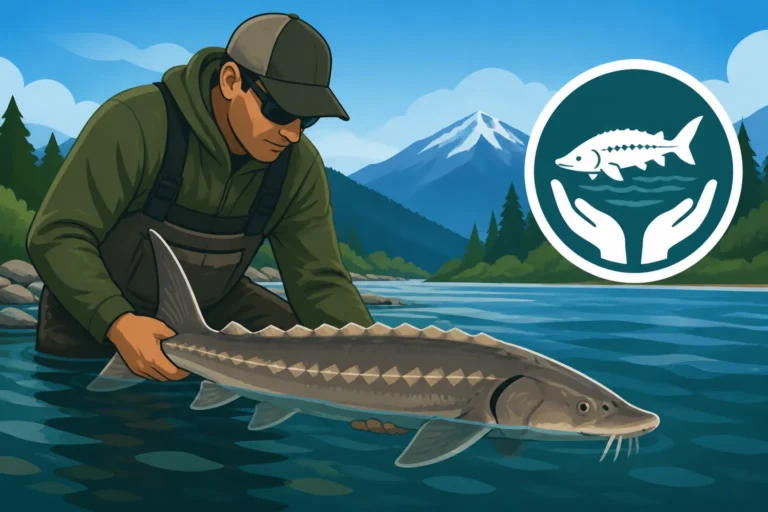
When fishing for steelhead, always use single, barbless hooks. This significantly reduces harm to the fish, making release easier and less stressful. If you hook a steelhead, try to land it as quickly as possible to minimize its fight time and stress. Keep the fish in the water as much as possible for photos, and use wet hands to handle it gently if you must touch it. Avoid dragging fish onto dry banks or rocks. Ensure the fish is fully revived before releasing it, holding it upright in the current until it swims away strongly. These practices are not just suggestions; they are vital to the survival of released fish and the health of the entire fishery. Detailed guidance on safe handling can be found in resources like Steelhead Catch and Release Survival Tips.
The future of BC's steelhead fishing depends on every angler's commitment to these conservation principles. By being prepared, informed, and responsible, you contribute to ensuring that these incredible fish continue to return to our rivers for generations to come.
Typical BC Steelhead Season Opening Date Ranges (General Guidance)
This table provides a general overview of when steelhead seasons typically open in various regions and for different types of runs in British Columbia. It is absolutely critical to understand that these are NOT official dates and are subject to significant variation based on specific river systems, conservation measures, and real-time conditions. ALWAYS consult the official BC Freshwater Fishing Regulations Synopsis and DFO Fishery Notices for current and precise information before planning your trip.
| Region/Run Type | Typical Opening Window | Key Considerations |
|---|---|---|
| Coastal Fall Steelhead | Mid-September – October | Often smaller runs, some rivers open earlier. May have immediate catch-and-release rules. Focus on Vancouver Island & Lower Mainland rivers. |
| Coastal Winter Steelhead | November – December | The most widespread fishery. Many rivers open around this time. Peak often January-March. Subject to early closures if returns are poor. |
| Skeena System Tributaries | Late October – November | Varies greatly by tributary (Bulkley, Kispiox, etc.). Some "fall" fish are present, leading into the main winter runs. Specific areas may have unique closures. |
| Fraser System Tributaries (Non-Interior) | December – January | Rivers like the Vedder/Chilliwack often open for winter runs. Subject to specific daily bag limits or C&R rules. Focus on lower river systems. |
| Interior Fraser Steelhead | Highly Restricted / Closed | (e.g., Thompson, Chilcotin) Often have extensive closures or very limited windows due to critically low populations. Always verify current status. Subject to strict protection measures; often catch-and-release only if open. |
| Spring Steelhead | March – April (extension) | Often a continuation of winter runs. Many rivers will close in mid-to-late April or May to protect spawning fish. Conservation closures are common during this period. |
Disclaimer
The information provided in this guide is for general informational purposes only and is subject to change. While we strive to offer accurate and helpful content, fishing regulations in British Columbia are complex and frequently updated by the provincial government and the Department of Fisheries and Oceans (DFO). It is the angler's sole responsibility to consult the most current official BC Freshwater Fishing Regulations Synopsis and DFO Fishery Notices prior to any fishing activity to ensure compliance with all applicable laws and regulations. Failure to do so may result in fines or penalties. Always prioritize safety and conservation.