Fishing Without a License in BC: Penalties
We've all been there: you're out on the water, the fish are biting, and you're feeling that pure, unadulterated joy of British Columbia fishing. Then, out of nowhere, a Fisheries Officer pulls up. The sudden knot in your stomach isn't just from the surprise; it's the dawning realization that you might have forgotten something crucial, like your fishing license. It's a common, often honest mistake, but the consequences of fishing without a license in BC can be far more severe and complex than many anglers realize. This guide is here to break down exactly what you face if you're caught without the proper authorization, helping you understand the penalties and, more importantly, how to avoid them entirely.
Why a Fishing License is Absolutely Non-Negotiable in BC
It might seem like just another piece of paper or a digital file on your phone, but your fishing license is the foundation of responsible angling in British Columbia. It's not just a hoop to jump through; it's a critical component of the province's fisheries management and conservation efforts. Without proper licensing, the entire system that supports our incredible fishing opportunities would crumble.
Funding Conservation and Management Efforts
Every single dollar spent on a fishing license in British Columbia contributes directly to the very resources we cherish. These funds aren't just tossed into a general provincial pot; they are specifically earmarked for conservation programs, habitat restoration, scientific research, and the enforcement efforts that protect our fish stocks. Think about all the work that goes into managing salmon runs, protecting fragile steelhead populations, or ensuring healthy trout lakes across the province. That's all supported by license sales. Without this revenue, many of the pristine rivers and lakes we enjoy, and the fish within them, would be at serious risk due to lack of monitoring and active protection. It's a direct investment in the future of our sport, ensuring that generations to come can experience the same incredible fishing we do today.
The Legal Framework and Authority
Possessing a valid fishing license is a fundamental legal requirement under both federal and provincial legislation that governs fisheries in British Columbia. Specifically, the federal Fisheries Act and BC’s Freshwater Fishing Regulations are the primary pieces of legislation. These acts grant the authority to fisheries officers to inspect licenses, check catches, and ensure compliance. When you purchase a license, you're essentially entering into an agreement to abide by these rules, which include not only having the license itself but also adhering to bag limits, season dates, and specific gear restrictions. Ignoring this basic requirement undermines the entire legal framework designed to manage and sustain one of Canada's most valuable natural resources. It’s a serious breach, not just a minor oversight.
The Immediate Consequences of Fishing Without a License
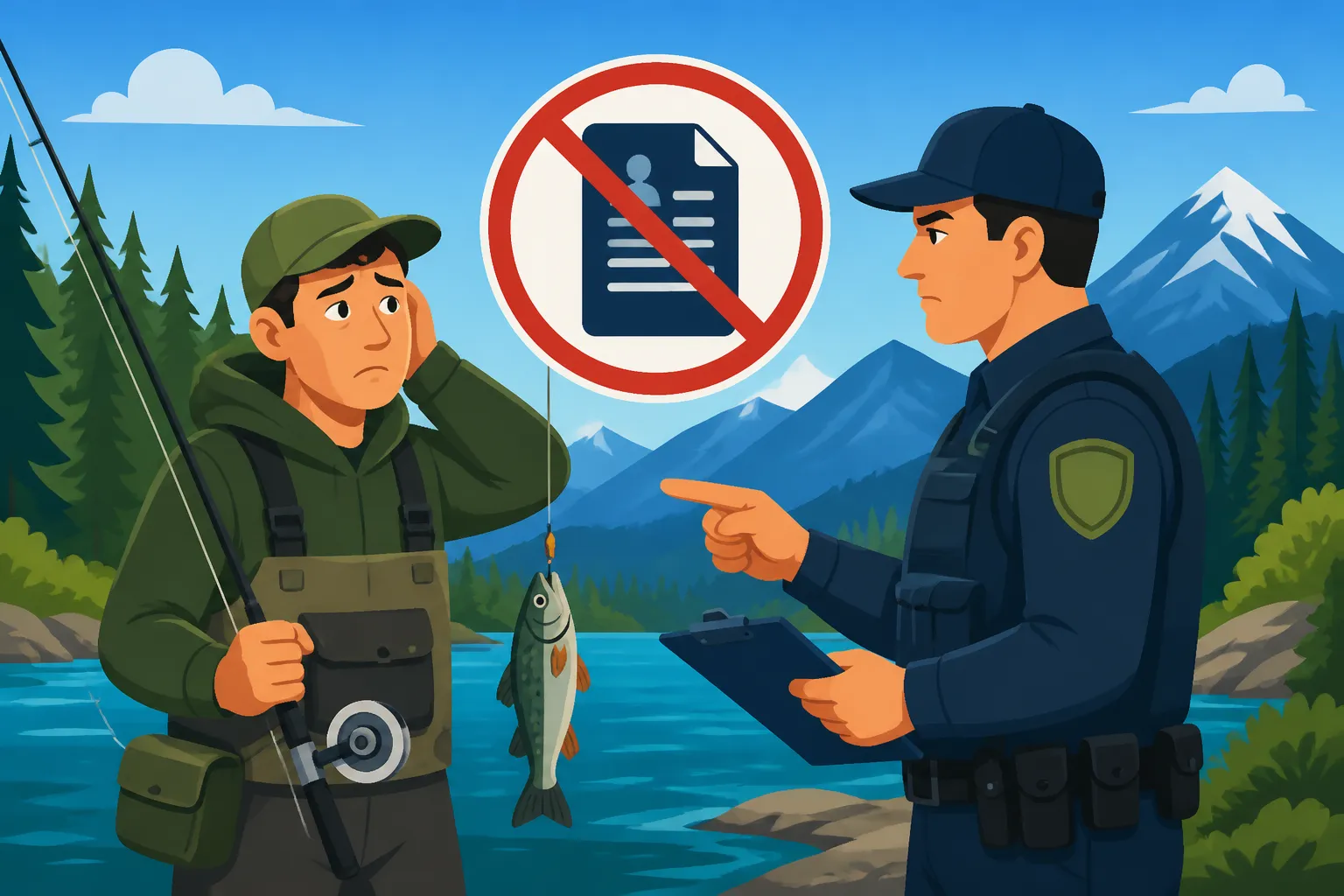
Getting stopped by a Fisheries Officer is an experience no one enjoys, but it's particularly stressful if you know you're not fully compliant. The immediate consequences of being caught without a valid fishing license in BC can range from a stern warning to significant disruption of your day, or even your entire trip. Officers have a fair bit of discretion, but don't count on leniency if you're found to be deliberately flouting the rules or if you're a repeat offender.
On-the-Spot Penalties and Interactions
If a Fisheries Officer discovers you're fishing without a valid license, the first thing they'll do is document the infraction. This often means providing your personal identification and details, which they will verify against official databases. While a verbal warning is possible for minor, first-time, or truly accidental oversights (like forgetting your physical license at home when you have a digital one), it's far more common to receive an immediate violation ticket. This ticket will specify the nature of the offense and the associated fine. The officer might also issue a compliance order, instructing you to stop fishing immediately. Imagine having to pack up your gear when the bite is hot on the Fraser River Fishing Guide – it's a real buzzkill. These on-the-spot interactions are designed to be immediate deterrents and to ensure that any unlawful activity ceases then and there.
Seizure of Fishing Gear and Vessels
This is where things can get truly painful for an angler. Depending on the severity of the offense and the officer's discretion, your fishing equipment can be immediately seized. This isn't just a minor inconvenience; it means your beloved rod, reel, tackle box, and even your boat or kayak could be taken as evidence or as a penalty. For instance, if you're out chasing "Best Sturgeon Spots on the Lower Fraser River" without a license and get caught, losing a high-end sturgeon rod and reel setup can be a devastating financial blow. The logic behind seizure is that the gear was used in the commission of an illegal act, and it serves as a strong deterrent against future violations. In some cases, especially if you're found to be engaged in commercial poaching or repeat offenses, the vessel you're operating, whether it's a small aluminum boat or a larger recreational craft, could also be impounded. Getting this gear back often involves court proceedings, additional fines, and significant legal hassle, assuming it's even returned at all.
Financial Penalties and Fines You Could Face
Let's talk brass tacks: what's this going to cost you? The financial penalties for fishing without a license in British Columbia are not trivial, and they are designed to sting. The exact amount can vary widely depending on several factors, including the specific regulations broken, the type of fish targeted, and whether it's a first offense or a recurring issue.
Standard Fines for Unlicensed Fishing
For a basic infraction of fishing without a valid freshwater or tidal water license, you're generally looking at a minimum fine that can be issued on the spot. These fines typically start in the range of $100 to $250 for a simple oversight. However, it's critical to understand that this is just the baseline. For example, if you're caught fishing for salmon in saltwater without the required "BC Tidal Waters Salmon Conservation Stamp Cost", that's another layer of offense on top of not having the base license, and the fines can escalate. These initial tickets are issued under provincial legislation, often with a clear payment deadline. Ignoring these tickets can lead to further penalties, including escalating fines and even warrants for arrest if not addressed. It’s far better to deal with it promptly, even if you intend to dispute it.
Escalated Fines for Serious Infractions
The simple act of "fishing without a license" can quickly become much more serious if other violations are discovered. For instance, if you're caught without a license and you're over the bag limit, fishing out of season, or using illegal gear, the fines will stack up rapidly. The maximum penalty under the federal Fisheries Act can be incredibly steep – up to $100,000 for a first offense and potentially up to $500,000 for subsequent offenses, along with imprisonment for up to two years. While these maximums are usually reserved for commercial poaching operations or severe environmental damage, they illustrate the gravity with which fisheries violations are viewed.
Consider a scenario: you're fishing a restricted area of the Fraser River during a "BC Fraser River Sockeye Closure Windows" without a license, and you've got several sockeye in your cooler. You've now committed multiple offenses: fishing without a license, fishing in a closed area, and possibly exceeding bag limits. Each of these carries its own potential fine, turning a minor oversight into a very expensive legal headache. Officers also consider the species targeted; offenses involving vulnerable or highly managed species like salmon or steelhead often carry higher fines.
Here’s a simplified look at potential fines for common infractions, keeping in mind these are subject to change and officer discretion:
| Infraction | Typical Minimum Fine (Approx. CAD) | Potential Maximum Fine (CAD) | Additional Consequences |
|---|---|---|---|
| Fishing without a valid BC License | $115 – $230 | Up to $100,000 | Gear seizure, court appearance, license suspension |
| Fishing in a closed area/season | $230 – $575 | Up to $100,000 | Gear seizure, court appearance, potential imprisonment |
| Exceeding bag limits | $230 – $575 per fish | Up to $100,000 | Gear/catch seizure, court appearance |
| Using illegal gear | $170 – $460 | Up to $100,000 | Gear seizure, court appearance |
| No Salmon Conservation Stamp (where required) | $115 – $230 | Varies | License suspension |
Note: These figures are approximate and for informational purposes only. Actual fines may vary based on specific circumstances, provincial/federal regulations, and judicial discretion.
Broader Legal and Practical Repercussions
Beyond the immediate fines and potential gear seizure, being caught fishing without a license in British Columbia can have a ripple effect that impacts your ability to fish in the future, your legal record, and even your reputation within the angling community. It's not just about paying a penalty; it's about the longer-term consequences that can genuinely spoil your love for the sport.
Court Appearances and Criminal Record Implications
While a basic ticket for fishing without a license might seem like a simple transaction, not all infractions end with a mailed payment. Depending on the severity of the offense, the officer might issue a summons for you to appear in court. This is particularly likely if you're facing multiple charges, are a repeat offender, or if the infraction is deemed particularly egregious (e.g., fishing a protected species in a closed area). A court appearance means taking time off work, potentially hiring legal counsel, and facing a judge.
If convicted, a fisheries violation can, in certain circumstances, become part of your criminal record, especially for more serious offenses under the federal Fisheries Act. This isn't something to take lightly. A criminal record can impact various aspects of your life, from employment opportunities to international travel, particularly to the United States. Even a minor conviction can make it difficult to cross the border, potentially spoiling future fishing trips or vacations. It's a sobering thought that a quick, illicit cast could lead to such far-reaching consequences.
Future Fishing Bans and License Suspension
One of the most direct and impactful consequences for an angler is the potential loss of their fishing privileges. Fisheries authorities have the power to suspend or revoke your fishing license, or even ban you from acquiring one for a specified period, typically one to five years, but potentially longer for serious or repeat offenses. Imagine being passionate about fishing, living in a place as incredible as British Columbia, and being legally barred from participating. That means no more casting a line on the "Best Fishing Rivers in British Columbia", no more chasing "Best Salmon Fishing Spots in BC", and no more tranquil days on "Best Fishing Lakes in British Columbia".
This ban isn't just a slap on the wrist; it's a fundamental restriction on your recreational activities. For some, fishing is more than a hobby; it's a way of life, a stress reliever, and a connection to nature. Losing that privilege can be a significant blow. Furthermore, if you're caught fishing during a period of suspension, the penalties escalate dramatically, including even higher fines, extended bans, and increased likelihood of imprisonment.
Loss of Equipment and Financial Burden Beyond Fines
As mentioned earlier, gear seizure is a very real possibility. What some anglers don't realize is that even if your gear is held as evidence, there's no guarantee it will be returned, especially if you're convicted. If you've invested in quality equipment – a few thousand dollars on a specialized salmon setup, or even tens of thousands on a boat – losing it can be financially devastating. The court may order forfeiture of the seized items, meaning they become property of the Crown.
Beyond the cost of replacing seized gear, you also face other financial burdens. Legal fees can quickly add up if you decide to dispute a charge or if your case goes to court. Time lost from work for court appearances and administrative tasks further contributes to the overall financial hit. For non-residents, the complication of dealing with legal issues across borders adds another layer of stress and expense, making a seemingly simple oversight into a logistical nightmare.
Common Misconceptions and How to Avoid Them
The regulations around fishing licenses in British Columbia can feel like a labyrinth, and it's easy for even experienced anglers to fall prey to common misconceptions. Understanding these nuances is crucial for staying on the right side of the law and ensuring your fishing adventures remain stress-free.
Age Exemptions and Requirements for Youth and Seniors
Many people assume that very young children or seniors are entirely exempt from license requirements, but the rules are specific. In British Columbia, children under the age of 16 generally do not need a freshwater fishing license, provided they are accompanied by a licensed adult. However, for tidal waters (saltwater), even youth under 16 must register for a free non-tidal juvenile fishing license. This is important for tracking effort and conservation. For adults over 65, while there isn't a blanket free license, seniors may be eligible for a "BC Senior Fishing License Discount at 65" for freshwater licenses. Always double-check the current rules for "BC Fishing License Age Requirements" to avoid any misunderstandings. It's a small detail that can make a big difference in ensuring everyone in your party is compliant.
Differentiating Freshwater vs. Tidal Waters Licenses
This is a huge one that often trips people up. British Columbia clearly distinguishes between freshwater and tidal (saltwater) fishing. You need a separate license for each! A freshwater license, issued by the Province of BC, covers all non-tidal rivers, lakes, and streams. A tidal waters license, issued by the federal government (Fisheries and Oceans Canada or DFO), is required for fishing in the ocean and tidal portions of rivers. Many popular fishing spots, especially near urban centers like Vancouver, might have both tidal and freshwater sections. For example, the lower reaches of the Fraser River are tidal, but further upstream, it becomes freshwater.
Complicating matters further, if you plan to retain salmon in any waters – freshwater or tidal – you generally need to purchase additional salmon conservation stamps. The "BC Freshwater vs Tidal Waters License, Explained" is a crucial read. Always confirm which body of water you're fishing and ensure you have the correct license and any necessary stamps. It's not uncommon for anglers to have a freshwater license but then decide to try their luck in a nearby estuary, unknowingly breaking the law.
Charter Trips and Guest Responsibilities
"I was on a charter, so I thought the guide handled everything!" This is a common but dangerous assumption. While reputable BC fishing charters and guides will undoubtedly ensure they themselves are properly licensed and permitted to operate, you, the individual angler, are almost always responsible for having your own valid fishing license. Whether you're on a "Best Salmon Charters in Campbell River" or a "Best Sturgeon Guides on the Fraser River", it's your personal obligation.
A guide can't transfer their license to you, nor can a single group license cover everyone. Always confirm this when booking your trip. Most charter operators will explicitly tell you to obtain your license beforehand or offer assistance in getting one. Some might even have kiosks or online access on-site, but the onus remains on you. Don't assume anything; clarify with your charter company if "Do You Need Your Own Fishing License for a BC Charter?" is something you're unsure about. You don't want a fantastic day of reeling in a trophy salmon to end with a hefty fine because of a simple oversight.
Ensuring You're Always Licensed and Legal
With all the potential pitfalls and penalties, it might feel overwhelming to navigate BC's fishing regulations. But it doesn't have to be! Staying licensed and legal is actually quite straightforward once you know the right steps and where to look for information. It’s all about being proactive and making it part of your pre-fishing routine.
Where and How to Purchase Your License
Gone are the days when you had to drive miles out of your way to a specific tackle shop to get a paper license. Today, acquiring your British Columbia fishing license is incredibly convenient. The most popular and easiest method is to purchase it online through the official provincial or federal websites.
For freshwater licenses, head to the BC government's angling licensing system. It's user-friendly, allowing you to select your license type (resident, non-resident Canadian, non-resident alien, annual, 8-day, etc.), add any necessary conservation stamps (like the "BC Steelhead Conservation Surcharge Stamp" or a "BC Rainbow Trout Conservation Surcharge Stamp"), and pay securely. Once purchased, you'll receive a digital copy immediately.
For tidal waters (saltwater), licenses are obtained through the National Recreational Fishing Licence System managed by Fisheries and Oceans Canada (DFO). Similar to freshwater, you select your duration, add salmon conservation stamps, and pay. You can find detailed instructions on "How to Buy a BC Fishing License Online" and many other helpful articles.
Many authorized vendors, such as local tackle shops, sporting goods stores (like some larger Cabela's or Canadian Tire locations), and some general stores in fishing communities, still sell licenses in person. This can be great if you have questions or need last-minute advice.
Carrying and Presenting Your License
Once you've got your license, the next crucial step is to carry it with you while fishing. This means either a physical printout of your license or a digital copy accessible on your smartphone. While a digital copy is convenient, make sure your phone is charged and protected. A waterproof phone case, easily found on platforms like Amazon, is a smart investment to keep your license safe and accessible, even in wet conditions. Remember, you must be able to present your license to a Fisheries Officer upon request. If your phone dies or you're in an area with no reception and can't access it, you could still be deemed non-compliant. A physical backup is never a bad idea.
It’s also important to understand that the license must be in your possession while you are fishing. Leaving it in the car back at the trailhead or at your camp isn't sufficient. It needs to be on your person, readily available for inspection.
Staying Updated with Regulations and Fishery Notices
British Columbia's fishing regulations are dynamic. Seasons change, bag limits are adjusted, and specific areas can have sudden closures, especially for sensitive species like salmon or steelhead. Relying on outdated information or hearsay is a recipe for disaster. The official source for all freshwater regulations is the annual BC Freshwater Fishing Regulations Synopsis, available online or at license vendors. For tidal waters, Fisheries and Oceans Canada (DFO) publishes the British Columbia Tidal Waters Sport Fishing Guide.
Beyond these annual guides, always check "BC Fishery Notices and In-Season Closures, Explained" before every fishing trip, even if you just checked last week. These notices provide real-time updates on closures, openings, and restrictions that can change without much warning due to conservation concerns or unexpected fish returns. You can subscribe to email alerts from DFO and the provincial government to receive these updates directly. Being diligent about checking these resources is the single best way to ensure you're not only licensed but also fully compliant with all the current rules, protecting both yourself and our precious fish stocks.
Disclaimer
The information provided in this guide is for general informational purposes only and does not constitute legal advice. Fishing regulations in British Columbia are complex and subject to change. It is always the angler's responsibility to consult the official provincial Freshwater Fishing Regulations Synopsis, federal Tidal Waters Sport Fishing Guide, and current Fishery Notices before engaging in any fishing activity. Non-compliance with fishing regulations can result in significant penalties.