BC Fishing License Refund and Replacement Policy
There's nothing quite like the knot in your stomach when you realize your BC fishing license is nowhere to be found, especially when you're already halfway to your favorite fishing spot. Or perhaps your plans changed unexpectedly, and you're left wondering if you can get your hard-earned money back. Dealing with government policies can feel like navigating a maze, but understanding the refund and replacement procedures for your British Columbia fishing license is crucial for peace of mind and staying on the right side of the law. This comprehensive guide will walk you through the ins and outs of getting a refund or replacing a lost or damaged license, ensuring you're prepared for whatever comes your way.
Understanding the BC Fishing License System
The British Columbia fishing license system is designed to be accessible, but like many regulatory frameworks, it comes with specific rules and policies. Knowing these rules upfront can save you a lot of grief down the line, whether you're trying to figure out if you're eligible for a refund or simply need a new copy of your permit.
The Digital Nature of Licenses Today
Gone are the days when a paper license from a general store was your only option. Today, the process for obtaining a BC fishing license is largely digital. You can purchase your license online through the official provincial government website, which instantly issues you a printable PDF. This digital shift has brought immense convenience, allowing anglers to purchase their licenses from anywhere, anytime, even from their phone at a remote campsite with limited service.
However, this digital convenience also means a slight shift in how refunds and replacements are handled. Since your purchase is recorded electronically, retrieving your license information or verifying a purchase for a refund is usually tied to your online profile. It's a double-edged sword: easier access to your records, but also a greater reliance on technology and understanding the online portal. This system applies to most licenses, whether you're a resident needing an annual freshwater license or a non-resident looking for a short-term tidal water permit. It's not like the old days where a physical receipt was the sole proof; now, your digital transaction ID is paramount.
Why Policies Matter: Protecting Your Investment
You've invested your money in a fishing license, and in some cases, additional conservation stamps, not just for the right to fish, but to contribute to the vital conservation efforts that keep BC's fisheries healthy. Understanding the refund and replacement policies isn't just about protecting your personal investment; it's about respecting the system that supports our incredible fishing opportunities. These policies are in place to ensure fair usage, prevent fraud, and maintain the integrity of the licensing program.
For instance, the cost of a BC resident freshwater fishing license cost 2026 contributes directly to fisheries management, habitat restoration, and stocking programs. If licenses were easily refundable without cause, it could undermine the funding stability for these crucial initiatives. Similarly, clear replacement policies help ensure that legitimate anglers who lose their document aren't unjustly penalized, while still preventing multiple uses of a single license. Knowing these policies empowers you to make informed decisions and avoids the frustration of unexpected fees or denied requests. It's essential to remember that buying a license is a commitment to participate responsibly in the province's fishing heritage.
Navigating Refunds for BC Fishing Licenses
The idea of getting a refund for a fishing license might seem straightforward if your plans change, but the reality is often a bit more nuanced. Generally speaking, BC fishing licenses are considered non-refundable, much like a concert ticket. However, there are specific, limited circumstances where a refund might be possible.
Eligibility for Refunds: What Qualifies?
Let's be real: most fishing licenses, once purchased, are final sale. The provincial government's stance is that the sale of a license immediately contributes to the management and conservation of fisheries, and it's difficult to reverse that allocation. So, if you bought a license and then decided the weather wasn't good enough, or you couldn't make the trip, or you just didn't catch anything – those are generally not valid reasons for a refund.
However, there are a few very specific scenarios where a refund might be considered:
- Duplicate Purchase: This is perhaps the most common legitimate reason. If, by some technical glitch or accidental double-click, you purchased the exact same license twice for the exact same period, you might be eligible for a refund on one of them. You'd need to contact the licensing authority immediately to rectify this.
- System Error: If there was a confirmed technical error on the government's licensing system side that resulted in an incorrect charge or an unissued license, you would have grounds for a refund. This is rare but does happen.
- Specific Program Changes (Extremely Rare): In exceptionally rare cases, if a significant change in fishing regulations or a program affecting a specific license type occurs after your purchase and renders the license unusable for its intended purpose (and this wasn't clearly communicated beforehand), there might be a pathway. This is highly unusual and would typically involve a public announcement from the Ministry.
It's crucial to understand that simply changing your mind or experiencing unforeseen personal circumstances typically won't qualify you for a refund. This applies to all types of licenses, from your BC non-resident 1-day freshwater fishing license cost to an annual pass.
The Refund Process: Step-by-Step
If you believe you fall into one of the rare categories for a refund, here's a general guide on how to proceed, keeping in mind that patience and clear documentation are your best friends:
- Gather Your Documentation: This is paramount. You'll need your license number(s), the transaction ID from your purchase, the date and time of purchase, and clear proof of the issue (e.g., screenshots showing two identical licenses, or an email confirming a system error).
- Contact the Issuing Authority: For most BC fishing licenses, your first point of contact should be either the Service BC Call Centre or the Ministry of Forests, Lands, Natural Resource Operations and Rural Development (FLNRORD). You can often find contact details on the official BC government fishing website. Be prepared to explain your situation clearly and concisely.
- Explain Your Case: When you contact them, provide all the details and documentation you've gathered. Be polite but firm about why you believe you are entitled to a refund based on the specific circumstances (e.g., "I have two identical transaction IDs for the same license purchased minutes apart due to a website error").
- Follow Up: Refund processes can take time. Make a note of who you spoke with, the date, and any reference numbers provided. If you don't hear back within a reasonable timeframe (they might give you an estimate), follow up politely.
While this process can be frustrating, especially if you're already dealing with a change in plans, remember that a clear, documented case significantly increases your chances.
Common Reasons Refunds Are Denied
To manage expectations, it's helpful to know why most refund requests are denied. This isn't to discourage you, but to provide a realistic perspective on the BC fishing license refund policy.
- Change of Personal Plans: This is the big one. If your vacation was cancelled, you got sick, or simply decided you didn't want to fish anymore, it's generally not a valid reason for a refund. The province assumes you made the purchase with the intent to use it.
- Weather Conditions: British Columbia's weather is famously unpredictable. A sudden storm, high winds, or unexpected rain that scuttles your fishing trip is considered part of the risk of outdoor recreation.
- Not Catching Fish: This might sound obvious, but some anglers genuinely feel that if they didn't catch anything, they should get their money back. Unfortunately, a license grants you the right to fish, not a guarantee of success.
- Purchasing the Wrong Type of License: While frustrating, accidentally buying a freshwater license when you needed a tidal license (or vice-versa, as detailed in BC Freshwater vs Tidal Waters License, Explained) or choosing the wrong residency type (like a Resident vs Non-Resident Fishing License Costs in BC) is typically considered angler error. It's critical to double-check your selection before finalizing the purchase.
- Failure to Understand Regulations: Thinking you could fish for salmon without a BC Tidal Waters Salmon Conservation Stamp Cost or being unaware of specific BC Fishing Season Dates and Closures doesn't typically qualify you for a refund if you can't use your license as intended. It's the angler's responsibility to understand and adhere to all relevant regulations.
The takeaway here is to be absolutely certain of your purchase before you finalize it. Read all the details, confirm the type of license, and check the dates.
What to Do If You Lose Your BC Fishing License
Losing your fishing license can instantly turn a fun day on the water into a stressful one. The thought of an enforcement officer checking your documents and finding nothing can send shivers down an angler's spine. But don't panic – replacing a lost or damaged BC fishing license is generally quite straightforward, especially with the modern digital system.
The Frustration of a Lost License
Picture this: you're out on the Fraser River, the salmon are biting, and you hear the distinct approach of a Fisheries Officer's boat. You reach for your wallet, only to find the spot where your fishing license should be is empty. The immediate panic is real. The fear of facing a hefty fine for Fishing Without a License in BC: Penalties can really ruin your day. This frustration is perfectly normal; you've done the right thing by purchasing the license, and now it's gone. Whether it slipped out of your pocket, got water-damaged, or was simply misplaced, the inconvenience is undeniable.
The good news is that unlike trying to get a refund, replacing your license is typically a much smoother process because the provincial system has your purchase record. They know you've already paid your dues.
Official Replacement Procedures
Because most BC fishing licenses are purchased and recorded digitally, getting a replacement is usually a breeze. Here's how it works:
- Access the Online Licensing System: The easiest and fastest way to replace your license is to log back into the online system where you originally purchased it. Your account will store a digital copy of every license you've bought.
- Re-print Your License: Once logged in, you should be able to view your current active licenses. Simply select the one you need and print another copy. It's that simple! You can usually print as many copies as you need. This is a game-changer compared to older systems where you might have to pay a fee or visit a physical office.
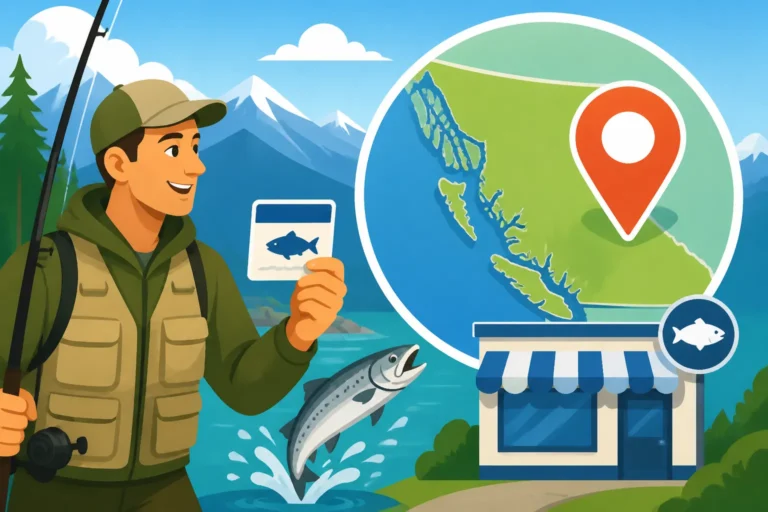
- Visit a Licensed Vendor or Service BC: If you don't have access to a printer, or prefer a physical interaction, you can visit any authorized vendor (like a sporting goods store, tackle shop, or general store that sells licenses) or a Service BC office. Provide them with your personal identification and the details of your original purchase (like your name, date of birth, and possibly your previous license number if you have it). They can usually look up your record and print a new copy for you, though some vendors might charge a small printing fee. Always confirm before you go.
This ease of replacement is one of the major benefits of the digital system, explicitly designed to address the common issue of a Replacing a lost BC fishing license.
Temporary Solutions and Proof of Purchase
What if you're literally on the water and realize your physical license is gone? While it's always best to have a printed copy, modern technology offers some temporary solutions:
- Digital Copy on Your Phone: If you saved a PDF of your license to your phone, or even took a clear photo of it, this can serve as temporary proof. Many enforcement officers understand the digital age and will accept a clear digital image. However, it's not a guarantee, and they still prefer a printed copy. Ensure your phone is charged!
- Email Confirmation: Your purchase confirmation email often includes your license number and details. This can also serve as proof in a pinch.
- Asking for Grace: In some rare instances, if you can provide sufficient identifying information and explain the situation clearly, an officer might grant you a grace period to produce a physical copy. However, this is entirely at their discretion and should not be relied upon. The official stance is that you must have your license in your possession.
To avoid this last-minute scramble, it's a great idea to save your license PDF to multiple places, including a cloud service, your email, and even a device like an Amazon Kindle or tablet, so you always have access to a digital backup.
Special Considerations for Different License Types
British Columbia offers a variety of fishing licenses, catering to residents, non-residents, and different types of waters. While the general refund and replacement policies largely apply across the board, there can be subtle differences and specific nuances depending on the license you hold.
Annual vs. Short-Term Licenses
The duration of your license can influence how specific situations are handled.
- Annual Licenses: These licenses, such as the standard BC Resident Annual Freshwater Fishing License, are valid for a full licensing year (typically April 1st to March 31st). While they offer year-round access, their refund policy remains stringent – generally non-refundable unless in extreme, documented circumstances like a duplicate purchase. However, the replacement process is very forgiving; if you lose your annual license in July, you can simply re-print it for the remainder of its validity period. The convenience of reprinting multiple times is a huge advantage for avid anglers.
- Short-Term Licenses: These include 1-day, 3-day, 5-day, or 8-day licenses, often popular with non-residents or those taking a quick trip. For example, a BC non-resident 1-day tidal fishing license cost offers great flexibility for tourists. Due to their limited duration and specific use windows, short-term licenses are almost universally non-refundable once purchased, regardless of whether you use them or not. The value is often consumed the moment the license period begins. Replacement, however, follows the same digital re-print procedure: if you lose your 3-day license on day one, you can still log in and print a new copy for the remaining two days. Just make sure you do it before the validity period expires.
Conservation Stamps and Surcharges
Many fishing licenses require additional stamps or surcharges, particularly if you plan to retain certain species. These aren't standalone licenses but rather add-ons to your base license.
- Salmon Conservation Stamps: Both freshwater and tidal salmon fishing often require a Salmon Conservation Stamp. For instance, understanding the BC Salmon Conservation Stamp Rules is vital if you intend to keep any salmon. These stamps are intrinsically linked to your base fishing license. If you've purchased a license and added a salmon stamp, and then decide not to fish for salmon, the stamp portion is generally not refundable separately. It's part of your overall purchase.
- Species Surcharges: Some specific species, like steelhead, may require additional surcharges or stamps (e.g., the BC Steelhead Conservation Surcharge Stamp Cost). These also follow the same non-refundable policy as conservation stamps once purchased. They are tied to your primary license.
- Replacement of Stamps: If you replace your entire fishing license because it was lost or damaged, any associated conservation stamps or surcharges that were printed on it will automatically be included on your re-printed copy. You don't need to purchase them again or go through a separate process. They're part of your valid permit. Remember to check BC Freshwater Salmon Retention Rules to ensure you have the correct stamps for the fish you plan to keep.
Tidal vs. Freshwater Licenses
British Columbia offers distinct licenses for freshwater and tidal (saltwater) fishing. While both fall under provincial regulations, there might be subtle administrative differences in how they are handled, though the core refund/replacement policies are usually consistent.
- Freshwater Licenses: These cover fishing in rivers, lakes, and streams across the province. They are managed by the Ministry of Forests, Lands, Natural Resource Operations and Rural Development.
- Tidal Waters Licenses: These cover fishing in the marine waters off BC's coast and are managed by Fisheries and Oceans Canada (DFO). While you purchase them through a similar online portal or authorized vendor, the ultimate authority for rules like BC Halibut Bag Limit Rules lies with the federal government.
The key takeaway is that whether you bought a freshwater or tidal license, the non-refundable nature for changes of mind largely remains. However, if you need to replace a lost license, the digital system for both types makes it incredibly easy to re-print your valid document. Always ensure you purchase the correct license type for your intended fishing location; for a clear breakdown, refer to BC Freshwater vs Tidal Waters License, Explained.
Proactive Steps to Protect Your License and Avoid Hassle
Prevention is always better than cure, especially when it comes to official documents like your fishing license. A few simple habits can save you immense stress, time, and potential fines down the line. Don't wait until you're staring at an empty wallet by the riverbank to think about these things.
Digital Backups and Physical Copies
In this digital age, having multiple forms of your license is your ultimate safeguard.
- Print Several Copies: When you purchase your license online, print at least two or three physical copies. Keep one laminated in your tackle box, another in your vehicle's glove compartment, and perhaps a spare at home. A simple lamination job can protect it from water damage and wear and tear. You can find excellent, affordable laminators and pouches on platforms like Amazon that are perfect for this.
- Save the PDF: Always download and save the PDF version of your license to several secure locations. This includes your computer's hard drive, a cloud storage service (like Google Drive or Dropbox), and email it to yourself. This way, if you lose your phone or your home computer crashes, you still have access.
- Take a Photo: Snap a clear photo of your license with your smartphone. Store this photo in a dedicated album or even email it to a trusted friend or family member who might be fishing with you. Having it on your phone means you can quickly access it if needed, even if you don't have internet access for the PDF. Many anglers also use a waterproof case for their phone, which you can easily find on Amazon, ensuring your digital proof is safe even if your device gets wet.
These redundant copies mean that if one physical copy is lost or damaged, or your phone battery dies, you're still covered.
Double-Checking Before You Head Out
This seems obvious, but in the excitement of heading out for a fishing trip, it's easy to overlook small details. Make it a ritual to double-check these things:
- License in Hand: Before you leave the driveway, physically confirm your current, valid fishing license is in your wallet or tackle box. Don't just assume it's there.
- Check Dates: Especially for short-term licenses, confirm the start and end dates. For annual licenses, be aware of the BC annual fishing license expiration date to avoid fishing with an expired permit. This is particularly important if you buy your license well in advance.
- Confirm Conservation Stamps: If you plan to retain specific species, ensure you have the correct conservation stamps. For instance, if you're targeting salmon on a freshwater trip, make sure you have the necessary freshwater salmon stamp. A quick glance at the Reading the BC Freshwater Fishing Regulations Synopsis can clear up any doubts.
- Review Fishery Notices: Before every trip, especially for popular areas or specific species, quickly check the BC Fishery Notices and In-Season Closures, Explained. Regulations can change suddenly due to conservation concerns, and fishing in a closed area, even with a valid license, can result in fines.
Taking these few moments can prevent a world of hurt and allow you to fully enjoy your time on the water without lingering worries.
Utilizing Online Resources and Customer Support
The BC government provides a wealth of information online, and knowing how to access it can be incredibly helpful.
- Official Websites: Familiarize yourself with the official BC fishing regulations website. This is your go-to for the most up-to-date information on licenses, regulations, and closures.
- Service BC: If you have questions about your license purchase, eligibility, or the replacement process, don't hesitate to contact Service BC. Their customer service representatives are usually well-versed in these policies and can provide direct guidance. It's much better to ask a question before a problem arises than to try and fix a mistake afterward.
- Local Tackle Shops: Often, your local tackle shop or fishing guide service can also offer valuable insights, especially for nuances specific to their area. While they can't issue refunds, they are often excellent resources for clarifying rules and procedures.
By staying informed and taking proactive measures, you can ensure your BC fishing experience is about the joy of the catch, not the stress of paperwork.
Summary of BC Fishing License Refund and Replacement Scenarios
Here's a quick overview to help you navigate the common situations regarding your BC fishing license. Keep in mind that specific situations can vary, and official policies should always be consulted.
| Scenario | Refund Eligibility | Replacement Procedure | Notes |
|---|---|---|---|
| Accidental Duplicate Purchase | Possible, if immediately reported and verifiable. | Not applicable (cancel one license). | Contact Service BC or the online portal support ASAP with transaction IDs. |
| Change of Mind / Trip Cancelled | Generally NO (non-refundable). | Not applicable. | Fishing licenses are typically final sale; plan purchases carefully. |
| Bad Weather / No Fish Caught | Generally NO (non-refundable). | Not applicable. | These are considered risks of outdoor activity; license grants the right to fish. |
| Lost Physical License | Not applicable (no refund, only replacement). | Log into your online account and re-print; or visit a licensed vendor/Service BC. | This is generally easy and free if done online. Keep digital backups. Refer to Replacing a lost BC fishing license. |
| Damaged Physical License | Not applicable (no refund, only replacement). | Log into your online account and re-print; or visit a licensed vendor/Service BC. | Similar to a lost license. Lamination helps prevent damage. |
| System Error During Purchase | Possible, if provable technical error by the system. | Contact Service BC for resolution and re-issuance. | Keep all transaction records and screenshots if possible. |
| Purchased Wrong License Type | Generally NO, unless immediate correction is possible (rare). | Not applicable (usually requires purchasing the correct license). | Double-check license type (e.g., freshwater vs. tidal, resident vs. non-resident) before finalizing purchase. Compare BC resident freshwater fishing license cost 2026 to others. |
| Lost Conservation Stamp | Not applicable (stamps are tied to the base license). | Will be included on a re-printed base license. | You cannot lose a stamp separately if it's printed on your license. |
Disclaimer
Please note that the information provided in this guide is for general informational purposes only and is based on publicly available regulations and common practices in British Columbia. Fishing regulations and policies can change, and it is always the angler's responsibility to consult the most current official regulations from the Government of British Columbia and Fisheries and Oceans Canada (DFO) before fishing. This guide does not constitute legal advice.