BC Skeena River salmon regulations
Oh, the Skeena River. Just saying the name conjures up images of wild, powerful salmon and towering, majestic landscapes. It's a true gem in British Columbia, a place of pilgrimage for anglers from all over the world. But let's be honest, fishing this incredible river, especially for its prized salmon, isn't as simple as just showing up with a rod. The regulations on the Skeena can feel like a labyrinth, changing frequently and varying by species, section, and even time of day. It's enough to make your head spin, and nobody wants to inadvertently break a rule and face a hefty fine or, worse, jeopardize the very runs we cherish. This comprehensive guide is here to untangle those complexities, helping you understand the vital BC Skeena River salmon regulations so you can focus on the thrill of the catch responsibly and legally.
Understanding the Unique Challenges of Skeena River Fishing Regulations
Fishing the Skeena River system is an experience unlike any other, but it comes with a responsibility to understand its incredibly dynamic and often complex regulatory framework. This isn't your local stocked pond; the Skeena is a major salmon highway, supporting some of the most iconic and genetically diverse salmon populations on the planet. Because of this, the management of its fisheries is rigorous, prioritizing conservation above all else. What might be legal on one river in BC could be strictly prohibited on the Skeena, and even within the Skeena system itself, rules can change dramatically from one tributary to the next, or even just a few kilometers upstream or downstream.
Why Skeena Regulations Are So Complex
The sheer scale and ecological significance of the Skeena River system are primary drivers for its intricate regulations. This isn't just one river; it's a vast watershed that includes famous tributaries like the Bulkley, Kispiox, and Babine rivers, each with its own unique salmon runs and sometimes distinct rules. The Skeena supports all five species of Pacific salmon – Chinook, Coho, Sockeye, Pink, and Chum – alongside a healthy population of Steelhead. Each of these species has different migration timing, spawning habits, and conservation statuses, necessitating tailored regulations. One year, a particular salmon run might be robust, allowing for some retention, while the very next year, due to environmental factors, ocean conditions, or low returns, that same run might be entirely catch-and-release, or even closed. This constant flux means that relying on last year's knowledge is a recipe for trouble. Staying current with the latest announcements is paramount, which is why understanding how to interpret documents like the BC Freshwater Fishing Regulations Synopsis is so crucial.
The Importance of Conservation and Sustainable Practices
At the heart of all BC Skeena River salmon regulations is conservation. These fish are not just a recreational resource; they are a cornerstone of the ecosystem, vital to Indigenous cultures, and a significant economic driver for local communities. Years of overfishing, habitat degradation, and climate change have put immense pressure on wild salmon stocks, making every effort to ensure their survival critical. When you're fishing the Skeena, you're not just an angler; you're a steward. Adhering to bag and possession limits by species, respecting specific gear restrictions, and practicing careful catch-and-release techniques when required are non-negotiable. It means being prepared for specific scenarios, like having a properly sized net for a quick release or using barbless hooks, which are often mandatory. Ignoring these rules doesn't just put you at risk of a penalty; it puts the future of these magnificent fish at risk.
Key Salmon Species and Their Specific Regulations on the Skeena
When you're out on the Skeena, the salmon you encounter won't all be treated the same way by the regulations. Each species has its own set of rules, and it’s critical to be able to identify them correctly to ensure you’re compliant. Misidentifying a salmon could lead to retaining a fish that's closed to retention or exceeding a limit for a specific species, both of which can lead to serious consequences.
Chinook Salmon Rules
Chinook salmon, often called "Kings" or "Springs," are the largest and one of the most sought-after salmon species in the Skeena system. Their runs typically start in late spring and continue through the summer. Due to their size and historical pressures, Chinook salmon regulations are often among the most restrictive. You'll frequently find rules regarding minimum and maximum lengths for retention, specific time-of-day restrictions for fishing, or even complete non-retention periods in certain zones. For example, some stretches of the river might be designated "catch and release only" for Chinook, especially for wild stocks or during sensitive migration periods.
It's not uncommon to see limits set to one or two adult Chinook per day, and sometimes a seasonal total limit. This might be further complicated by differentiating between hatchery-marked and wild Chinook. A hatchery-marked fish (often identified by an adipose fin clip) might be legal to retain, while a wild, unclipped fish must be immediately released. Always check the current BC Fishing Season Dates and Closures and BC Bag and Possession Limits by Species for the exact zone you plan to fish, as these can be updated frequently via Fishery Notices.
Sockeye, Coho, Pink, and Chum Salmon Rules
While Chinook often get the spotlight, the other salmon species are equally important and have their own distinct regulatory frameworks on the Skeena.
- Sockeye Salmon: Famous for their vibrant red spawning colours and exceptional eating quality, Sockeye runs can vary wildly year to year. When returns are strong, there might be opportunities for retention, but often these are carefully managed with short openings, low daily limits (e.g., 2-4 per day), and specific gear restrictions. The Sockeye Salmon Fishing in BC article provides more insight into their habits.
- Coho Salmon: These acrobatic fighters typically enter the Skeena later in the summer and into the fall. Coho regulations often focus on daily limits, which can be quite generous in good years (e.g., 2-4 per day), but conservation measures might still apply, especially regarding wild vs. hatchery fish if adipose fin clipping is in place.
- Pink Salmon: Known for their distinct humps on their backs (especially males) and their abundance in "even" years (e.g., 2024, 2026), Pink salmon often have the most liberal limits, sometimes allowing for 4 or more per day. They're a great option for newer anglers or families looking for consistent action.
- Chum Salmon: Often overlooked but incredibly powerful, Chum salmon are strong fighters. Their runs usually occur in late summer and fall. Regulations for Chum can vary; sometimes they are open with reasonable limits, other times they might be restricted, particularly if local stocks are of concern.
Remember, a British Columbia Fishing License Guide for 2026 is your first step, and then you need to combine that with the specific regulations for the Skeena system. Always double-check your target species against the current regulations and fishery notices.
Essential Gear and Method Restrictions for Skeena Salmon
It's not just what you catch, but how you catch it that's heavily regulated on the Skeena. The methods and gear you use are under strict scrutiny, primarily to minimize harm to non-target species or to ensure the fair pursuit of fish. This is where many anglers, particularly those new to the Skeena, can inadvertently run afoul of the rules.
Barbless Hooks and Single-Point Hooks
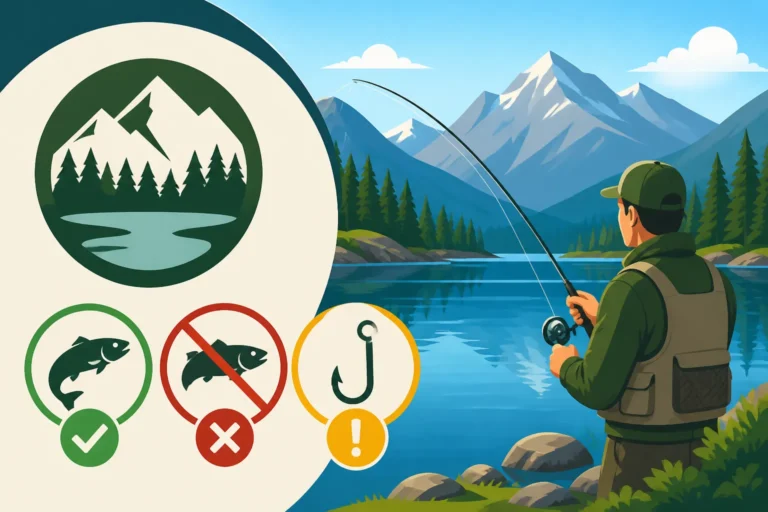
One of the most common and universally applied rules on the Skeena, especially for salmon and steelhead, is the requirement for barbless hooks. This isn't a suggestion; it's a mandatory regulation designed to reduce damage to fish, especially those that are to be released. A barbless hook allows for a quicker and cleaner release, significantly increasing the chances of the fish's survival. Before you even cast a line, check every single hook on your lures, flies, or bait rigs. If it has a barb, it needs to be pinched down completely with a pair of pliers. Don't assume store-bought tackle is always barbless; many popular brands are not. You can often find a good pair of fishing pliers, perfect for this task, on sites like Amazon.
Beyond barbless, many areas of the Skeena will also stipulate single-point hooks only. This means no treble hooks, even if they're barbless. This is another conservation measure, again aimed at reducing injury to fish. Always be sure to review the specific regulations for the section of river you intend to fish, as some areas might even have more stringent rules, such as a maximum hook gap size.
Bait vs. Artificial Lures and Flies
The use of bait on the Skeena River system is highly contentious and heavily regulated. In many, many sections, particularly those frequented by Steelhead, bait is completely prohibited. This often extends to all salmon species in those areas as well. When bait is allowed, it's typically for specific periods or species (like some salmon fisheries) and will be clearly outlined in the regulations.
When bait is prohibited, anglers must use artificial lures or flies. This means things like spoons, spinners, plugs, jigs, and all manner of fly patterns. Even with artificials, there can be subtleties. For instance, some areas might have restrictions on the size or type of weight that can be used with a lure to prevent snagging. For fly anglers, understanding specific fly patterns for BC Steelhead Rivers might be helpful, but also knowing what's not allowed (e.g., certain heavily weighted flies that could be considered snagging rigs). The key takeaway here is: never assume bait is allowed. Always check the regulations specific to your fishing location and target species.
Other Gear Restrictions: Weight, Nets, and Retrieval
Beyond hooks and bait, there are other gear considerations. For instance, some areas may have restrictions on the total weight that can be used on a line to prevent foul-hooking. This is particularly relevant in rivers with high concentrations of spawning fish. Similarly, the type of net you use matters, especially for catch-and-release. Knotless, rubberized landing nets are highly recommended and sometimes mandatory, as they are far gentler on a fish's delicate skin and slime coat, reducing injury when landing and releasing.
Retrieval methods can also come under scrutiny. While not always explicitly written, snagging or foul-hooking (intentionally or through improper technique) is illegal. This means actively trying to hook a fish anywhere other than the mouth. Conservation officers are very vigilant about this, especially in crowded areas or during peak runs. If you accidentally foul-hook a fish, you must release it immediately and unharmed.
How to Stay Updated on In-Season Changes and Fishery Notices
This is perhaps the single most important section for any angler planning a trip to the Skeena. The regulations here are not static; they are highly dynamic and can change on a dime due to fluctuating fish returns, environmental conditions, or conservation concerns. Relying on an annual printed synopsis is a good start, but it's never enough. You absolutely must stay current with in-season updates.
The Critical Role of Fishery Notices
Fishery Notices are the official announcements from Fisheries and Oceans Canada (DFO) and the BC government that detail changes to fishing regulations, often with immediate effect. These notices can:
- Open or close specific fisheries (e.g., a Sockeye opening for a few days).
- Change daily or possession limits for a species.
- Introduce new gear restrictions (e.g., non-retention for Chinook in a specific area).
- Alter boundaries of fishing zones.
These notices are paramount. They override what might be stated in the general synopsis. It's not enough to check them once a week; sometimes, notices are issued with only a day or two's warning. Before every single fishing trip to the Skeena, you need to check for the latest notices relevant to your specific location.
Where to find them:
- DFO Gulf Region Fishery Notices: This is your primary source for tidal and major freshwater regulations.
- BC Government's Freshwater Fishing Regulations page: While DFO handles salmon, the province manages freshwater species, and sometimes their notices provide crucial context for the Skeena system.
- Local tackle shops and guides: These are invaluable resources. They often have the most up-to-date information and local insights, sometimes even before official notices are widely distributed.
Always print out or save digital copies of the relevant notices, especially if you're heading to a remote area with no cell service. It's your responsibility to know and abide by these changes. Missing a key update is not a valid excuse to a conservation officer.
Practical Tips for Staying Informed
Beyond checking official notices, here are some practical tips to keep you on the right side of the law:
- Bookmark Key Websites: Have the DFO Fishery Notice page and the provincial regulations page bookmarked on your phone or computer. Make it a habit to check them regularly, especially leading up to and during your trip.
- Sign Up for Email Alerts: Many government fisheries departments offer email subscription services for Fishery Notices. This is an excellent way to get alerts sent directly to your inbox.
- Consult Local Expertise: Don't underestimate the knowledge of local tackle shops in towns like Terrace, Kitimat, or Smithers. They live and breathe the Skeena and are often the first to know about subtle changes or upcoming restrictions. Reputable guides on the Skeena, like those who offer Best Guided Steelhead Trips on the Skeena, are also an excellent source of current, hyper-local information.
- Read the Synopsis Thoroughly: While dynamic, the Reading the BC Freshwater Fishing Regulations Synopsis provides the foundational rules. Understand the general rules for the Skeena region (Region 6) before layering on specific fishery notices. Pay close attention to definitions, general prohibitions, and area-specific rules.
- Download Offline Information: If you're going off-grid, ensure you have downloaded all relevant regulations and fishery notices to your device. Cell service on the Skeena can be spotty at best.
By making these checks a routine part of your fishing preparation, you not only ensure you're fishing legally but also contribute to the vital conservation efforts that keep the Skeena River thriving for generations to come.
Disclaimer
The information provided in this guide is for general informational purposes only and is subject to change. While we strive to provide accurate and up-to-date content, fishing regulations in British Columbia, especially on complex systems like the Skeena River, can change rapidly and without prior notice. It is the individual angler's sole responsibility to consult the official and most current British Columbia Freshwater Fishing Regulations Synopsis, as well as all applicable DFO Fishery Notices, before engaging in any fishing activity. Failure to do so may result in fines or penalties. Always prioritize conservation and safe fishing practices.