BC Senior Fishing License Discount at 65
One of the most common questions we hear from long-time British Columbia residents, especially as they get closer to their golden years, is about the cost of fishing licenses. It can be frustrating to navigate changing regulations and wonder if your commitment to angling in BC will become an expensive hobby. This comprehensive guide will break down everything you need to know about the BC senior fishing license discount at 65, ensuring you understand the costs, eligibility, and how to get yours without a hitch.
Understanding the BC Senior Fishing License Landscape
For decades, fishing has been a cherished pastime in British Columbia, offering a deep connection to our stunning natural environment and its abundant waters. As you age, you might expect certain perks, and thankfully, BC has recognized the contributions of its senior residents to the angling community. However, it's not always as straightforward as "it's free when you turn 65." There are nuances to understand, especially when distinguishing between freshwater and tidal waters, and verifying your residency status.
The Good News for Anglers Over 65
Let's start with the best part: for British Columbia residents, turning 65 generally ushers in a significant discount on your basic freshwater fishing license. This isn't just a small reduction; it's often a complete waiver of the base license fee. Imagine all those years you've spent out on the lakes and rivers, casting lines, reeling in trout, and now, your annual base license could be complimentary. This helps alleviate some of the financial burden, allowing you to focus on the joy of the catch, the serenity of the water, and spending time with loved ones, rather than worrying about annual fees.
While the base license fee might be waived, it’s crucial to understand that specific conservation surcharges and stamps for certain species, like salmon or steelhead, usually still apply. We’ll delve into these details shortly, but the core message is that the initial step of getting your permit is considerably lighter on the wallet once you hit the 65-year mark as a BC resident. This gesture recognizes the value of experienced anglers and encourages them to continue enjoying the sport they love.
Distinguishing Between Freshwater and Tidal Waters
British Columbia is unique in that it offers both incredible freshwater and tidal (saltwater) fishing opportunities. This also means there are two distinct licensing systems, and the senior discount applies differently to each. It's a common point of confusion, and we've heard countless stories of anglers mistakenly buying the wrong license or assuming a freshwater discount translates directly to saltwater, and vice versa.
For freshwater fishing, which covers all the province's lakes, rivers, and streams, the basic annual resident license for seniors aged 65 and over is typically free. This is fantastic news for those who frequent the Fraser River, Okanagan Lake, or countless other inland gems. However, when it comes to tidal waters, which encompass the Pacific Ocean and all its inlets, sounds, and straits, the situation is a little different. While there isn't a free annual basic tidal license for seniors, residents aged 65 and older can purchase an annual tidal license at a significantly reduced rate. This still represents a substantial saving compared to what younger residents or non-residents would pay. It’s always important to clarify which type of water you plan to fish before purchasing, to ensure you comply with the specific requirements detailed in the guide, BC Freshwater vs Tidal Waters License, Explained.
Why Residency Matters for Senior Discounts
The senior fishing license discount in British Columbia is a benefit specifically designed for residents of the province. This means if you're visiting from Alberta, Ontario, or even another country, unfortunately, you won't qualify for the same reduced rates, regardless of your age. We know this can be a bit disappointing for some, especially those who've enjoyed fishing here for years but now reside elsewhere.
To qualify as a BC resident for fishing license purposes, you generally need to have lived in the province for the immediately preceding 12 consecutive months. This often means providing proof of residency, such as a BC driver's license, BC Services Card, or other provincial identification. Without this documentation, even if you’ve been a long-time visitor, you'll fall under the non-resident fee structure. The purpose of these resident-specific discounts is to give back to the taxpayers and long-term contributors to the province's economy and conservation efforts. If you're curious about the difference, you can learn more by checking out Resident vs Non-Resident Fishing License Costs in BC.
Eligibility and Requirements for the Senior Discount
Navigating the specifics of eligibility can sometimes feel like trying to untangle a stubborn fishing line, but rest assured, it’s quite straightforward once you know what to look for. The key factors revolve around your age and your status as a genuine British Columbia resident. Understanding these requirements before you head to a license vendor or try to purchase online will save you a lot of time and potential frustration.
Proving Your Age and Residency
When you go to acquire your senior fishing license, whether online or in person, you'll need to demonstrate two key things: that you are indeed 65 years of age or older, and that you are a bona fide resident of British Columbia. This isn't about bureaucracy for the sake of it; it's to ensure the discounts are applied fairly and to the intended recipients.
Typically, acceptable forms of identification include a valid BC Driver's License or a BC Services Card. These documents clearly display your date of birth, confirming your age, and implicitly your residency, especially if it’s tied to a provincial address. If you don't have a BC Driver's License, other forms of government-issued ID that show your full name, date of birth, and a BC address might be accepted, but it's always best to check with the Ministry of Water, Land and Resource Stewardship or a local vendor beforehand to avoid any hiccups. Having these documents readily available will make the process smooth and quick, getting you out on the water faster.
Specific Age Cut-Off for the Senior Discount
The magic number for the senior fishing license discount in British Columbia is 65. You must be 65 years old or older to qualify. This isn't a "close enough" situation; your birth date must confirm you have reached or surpassed this age. For example, if your 65th birthday is in June, you won't qualify for the discount on a license purchased in May, even if it's just a few weeks away. You'll need to wait until your birthday to take advantage of the reduced rate.
This age requirement is consistent across both freshwater and tidal basic licenses where senior discounts apply. There are no exceptions for being 60 or 62; it’s strictly 65 and up. This specific age cut-off helps simplify the system and ensures clarity for both anglers and license vendors. If you have questions about general age requirements for fishing in BC, you might find more details in BC Fishing License Age Requirements, and parents wondering about younger anglers can look at Do Kids Need a Fishing License in BC?.
Important Considerations for "New" Seniors
So, you’ve just celebrated your 65th birthday – congratulations! Not only have you reached a fantastic milestone, but you’re now eligible for those sweet fishing license discounts. However, there might be a few questions swirling around, especially if your current license isn't expiring for a few months, or if you bought an annual license before your birthday.
Unfortunately, fishing licenses are generally not prorated or refundable based on age changes mid-term. If you purchased an annual license at the regular adult rate just before your 65th birthday, that license will remain valid until its expiration date at the rate you paid. You would then qualify for the senior discount when you renew for the next licensing period. While it might seem a bit unfair if you just missed the cutoff, it’s standard practice across many licensing systems. On the flip side, if your birthday falls early in the licensing year, you get to enjoy the discount for almost the entire year, which is a nice bonus. Always aim to purchase your new license after your 65th birthday to fully capitalize on the savings.
The Actual Cost Breakdown for Seniors
Now for the part everyone wants to know: what will it actually cost you? While the phrase "senior discount" sounds great, understanding the exact financial commitment requires looking beyond just the basic license fee. British Columbia's fishing regulations include various stamps and surcharges, many of which are mandatory depending on what you plan to catch. It's crucial for seniors to understand which of these still apply to avoid any surprises or, worse, potential fines for non-compliance.
Freshwater Fishing License Costs for BC Seniors
For eligible BC residents aged 65 and over, the annual basic freshwater fishing license is indeed free. This is a fantastic benefit that allows many seniors to continue their passion for angling without an annual financial outlay for the core license. This free license gives you the right to fish in most of BC's freshwater bodies for general species like rainbow trout, bass, and kokanee, provided you adhere to all other regulations like bag limits and gear restrictions.
However, the "free" aspect primarily applies to the base license. If you plan on retaining certain species, you will almost certainly need to purchase additional stamps. For instance, if you're targeting salmon in freshwater, you'll need a Freshwater Salmon Conservation Stamp. Similarly, if you're heading out to fish for steelhead, a Steelhead Conservation Surcharge Stamp will be required. These stamps are not typically waived for seniors, as they contribute directly to critical conservation efforts for these specific species. So, while your base license is free, make sure to factor in these additional costs if your angling pursuits go beyond general trout fishing.
Tidal Waters Fishing License Costs for BC Seniors
When it comes to the vast expanse of BC's tidal waters, the licensing structure for seniors differs slightly from freshwater. While there isn't a completely free annual basic tidal license, BC residents aged 65 and over can purchase one at a significantly reduced rate. Currently, this annual basic tidal license for seniors is a very modest amount, making ocean fishing highly accessible. This allows you to fish for a variety of saltwater species, from cod to rockfish, within the general regulations.
Similar to freshwater, if your goal is to harvest salmon in tidal waters, you absolutely must purchase a Tidal Waters Salmon Conservation Stamp. This stamp is mandatory for all anglers who wish to keep salmon, regardless of age, and its cost is not discounted for seniors. This is a non-negotiable part of the conservation efforts aimed at protecting and enhancing BC's salmon stocks. Additionally, even if you are only catch-and-release fishing for salmon in tidal waters, the Salmon Conservation Stamp is still required. It’s a small price to pay for the privilege of pursuing one of BC's most iconic species. For specific rules regarding salmon in tidal waters, you can look into BC Salmon Conservation Stamp Rules.
Understanding Surcharge Stamps and Conservation Fees
This is where many anglers, regardless of age, can get a bit confused. Beyond the basic license, British Columbia has a system of surcharge stamps and conservation fees. These are not "extra" costs in the sense of being optional; they are often mandatory additions to your license if you intend to fish for or retain specific, often vulnerable, species. The crucial point for seniors is that, while your basic license might be free or heavily discounted, these surcharges generally are not. They apply across the board to all anglers.
Let's break down the common ones:
- Freshwater Salmon Conservation Stamp: If you plan to keep any species of salmon caught in freshwater, this stamp is essential. It directly funds projects that benefit freshwater salmon populations.
- Tidal Waters Salmon Conservation Stamp: As mentioned, this stamp is required for all anglers who wish to retain salmon caught in tidal waters, or even if fishing for salmon on a catch-and-release basis. The funds support DFO (Fisheries and Oceans Canada) salmon management initiatives.
- Steelhead Conservation Surcharge Stamp: If you're a passionate steelhead angler, even if you only practice catch-and-release, this stamp is usually required for fishing in designated steelhead waters. The revenue directly supports steelhead conservation programs. You can find more information about this at BC Steelhead Conservation Surcharge Stamp.
- Rainbow Trout Conservation Surcharge Stamp: In certain regions or for specific trophy rainbow trout fisheries, a dedicated rainbow trout stamp might be required. These funds often go towards localized stocking programs or habitat enhancement. Find out if this applies to your chosen waters by reviewing BC Rainbow Trout Conservation Surcharge Stamp.
It's vital to check the current BC Freshwater Fishing Regulations Synopsis or the Fisheries and Oceans Canada regulations for tidal waters each year, as rules and costs can change. These stamps are critical components of conservation efforts and are a small but necessary investment to ensure future generations can also enjoy the incredible fishing BC offers.
Here’s a quick summary table for BC Resident Seniors (65+):
| License Type | Basic License Cost (65+ Resident) | Mandatory Conservation Stamps/Fees (Additional Cost) |
|---|---|---|
| Annual Freshwater | FREE | – Freshwater Salmon Conservation Stamp (if retaining salmon) |
| – Steelhead Conservation Surcharge Stamp (if fishing in designated steelhead waters) | ||
| – Rainbow Trout Conservation Surcharge Stamp (in certain regions/fisheries) | ||
| Annual Tidal Waters | Reduced Rate | – Tidal Waters Salmon Conservation Stamp (if retaining or C&R fishing for salmon) |
| (Other species-specific fees or licenses may apply for commercial harvesting, etc., but not typical for recreational.) |
How and Where to Purchase Your Senior License
Once you've wrapped your head around the different types of licenses and any applicable stamps, the next step is actually getting your hands on one. For seniors, the process is quite streamlined, with options for both online convenience and in-person assistance. Knowing your options can make all the difference in having a stress-free start to your fishing season.
Online Purchase Process for Seniors
For those who are comfortable with technology, purchasing your BC senior fishing license online is often the quickest and most convenient method. The primary platform for freshwater licenses is through the BC government's WildSafeBC system, while tidal licenses are purchased through the federal Fisheries and Oceans Canada (DFO) National Recreational Licensing System. Both systems are designed to be relatively user-friendly, guiding you step-by-step through the process.
To purchase online, you’ll typically need:
- An email address: This is essential for receiving confirmation and a digital copy of your license.
- A valid BC ID: As discussed, for age and residency verification.
- A credit card: For any applicable stamp fees or the reduced tidal license cost.
The online portal will ask you to enter your personal details, including your date of birth. Upon recognizing you are 65 or older and a BC resident, it will automatically apply the appropriate discount or waiver for the basic license. You can then add any necessary conservation stamps. If you find navigating smaller screens a bit challenging, consider using a larger tablet or even a desktop computer. Sometimes, getting a tablet stand or a pair of reading glasses from Amazon can make the entire online experience much more comfortable. Don't feel shy about asking a tech-savvy family member or friend for help either; they’re often happy to assist! After successful purchase, you'll receive a digital copy that you can print or save to your phone, as outlined in Printing or Carrying a Digital Fishing License in BC.
In-Person Purchase Options
For many seniors, the thought of wrestling with online forms can be daunting, or perhaps you simply prefer the personal touch of human interaction. Thankfully, British Columbia still offers plenty of options for purchasing your fishing license in person. This can be a great way to ensure all your questions are answered and you get exactly the right license for your needs.
You can visit various authorized vendors across the province, including:
- Local tackle and sporting goods stores: These are often the best places, as staff are usually avid anglers themselves and can provide up-to-date information on local conditions, regulations, and even offer tips on where the fish are biting. Stores like the Fishin' Hole in Surrey or Island Outfitters in Victoria are well-versed in the licensing process.
- Service BC centres: These government service offices can process fishing licenses and provide assistance. They are a reliable option for those who want official guidance.
- Certain general stores or hardware stores: In smaller communities, you might find authorized license vendors in unexpected places.
When purchasing in person, remember to bring your valid BC identification to confirm your age and residency. The vendor will input your details, apply the senior discount, and print your license on the spot. This immediate gratification is a huge plus, and you can also grab any bait or tackle you might need for your upcoming trip. For a full list of where you can purchase your license, see Where and How to Buy a BC Fishing License.
Printing and Carrying Your License
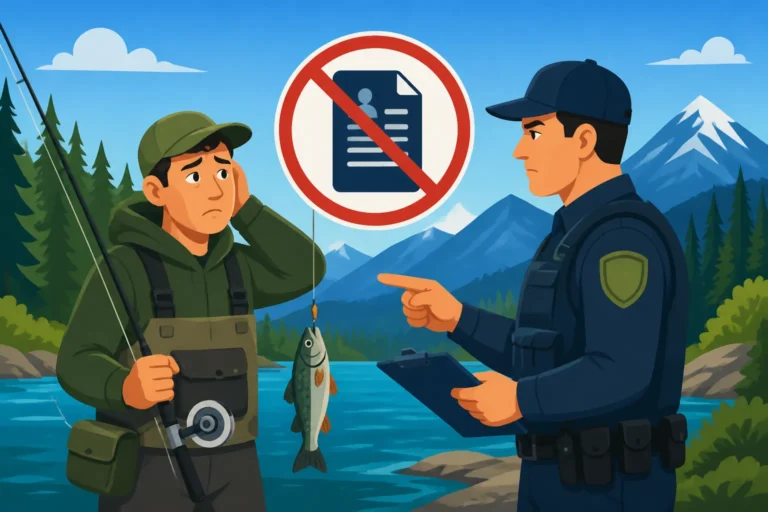
Once you've successfully acquired your senior fishing license, whether online or in person, there's one critical step remaining: ensuring you have a valid copy with you when you're out fishing. It's not just a suggestion; it's a legal requirement. Fisheries officers regularly conduct checks on the water and along riverbanks, and not being able to produce your license can result in fines.
If you purchased online, you'll likely receive a digital file (PDF) via email. You have a few choices:
- Print it out: A physical, paper copy is always a safe bet. Keep it in a waterproof bag or a designated slot in your tackle box.
- Save it to your phone/tablet: Many anglers now carry their licenses digitally. Ensure your device is charged and the file is easily accessible, even without cell service.
- A waterproof holder: You can find waterproof license holders or small dry bags on Amazon that are perfect for protecting your paper license or even your phone while on the water.
If you purchased in person, the vendor will provide you with a printed copy. Treat this like gold and keep it safe! Regardless of how you carry it, the key is that it must be immediately available for inspection. Don't risk a fine for something as simple as leaving your license in the truck. Being prepared means you can focus entirely on the joy of fishing.
Beyond the Basic License: Additional Considerations for Seniors
Getting your senior fishing license sorted is a big step, but a truly enjoyable and responsible angling experience in British Columbia involves more than just the basic permit. For seniors, there are often unique considerations, from accessibility needs to staying informed about ever-changing regulations, that can enhance or hinder a day on the water. Let’s explore these aspects to ensure your fishing adventures remain positive and hassle-free.
Accessibility and Special Needs Anglers
British Columbia is increasingly working towards making outdoor recreational activities, including fishing, accessible to everyone. For seniors, especially those with mobility challenges or other special needs, finding suitable fishing spots and understanding any additional provisions is incredibly important. Many popular fishing locations, particularly those managed by BC Parks or local municipalities, now feature accessible fishing piers, paved pathways, or specialized docks designed to accommodate wheelchairs and reduce physical strain.
Beyond physical access, it’s worth noting that BC sometimes offers additional considerations for anglers with disabilities, which can sometimes overlap with senior needs. While the senior discount is based purely on age and residency, if you also have a disability, there might be further exemptions or supportive programs. For instance, some regulations may allow for certain gear adaptations or offer assistance for those who require it. It's always a good idea to research specific sites for accessibility features before heading out. If you or someone you know qualifies, you can investigate BC fishing license for disabled residents for more details on those specific programs and how they might apply.
Staying Up-to-Date with Regulations
One of the biggest challenges for any angler in British Columbia, let alone seniors, is keeping up with the ever-changing fishing regulations. Between provincial freshwater rules and federal tidal water regulations, coupled with in-season closures, species-specific limits, and gear restrictions, it can feel like a full-time job. However, staying informed is paramount to legal and ethical fishing. Ignorance of the rules is never an excuse, and fines can be steep.
For freshwater fishing, the annual BC Freshwater Fishing Regulations Synopsis is your bible. It's available online and in print at most license vendors. For tidal waters, Fisheries and Oceans Canada (DFO) issues regular fishery notices. How can seniors best navigate this information?
- Hard Copy: Keep a printed copy of the synopsis in your tackle box. Mark important pages with tabs for quick reference.
- Online Resources: Both provincial and federal websites are updated regularly. Many local tackle shops also have websites or social media pages that share important updates.
- Local Knowledge: Chat with staff at your local tackle shop. They are often the first to hear about changes and can offer invaluable advice.
- Radio/Apps: Simple, rugged weather radios or even fishing apps (which can be downloaded via a smartphone or tablet found on Amazon) can provide real-time updates and weather alerts while you’re on the water.
Make it a habit to check for updates, especially before each trip. A quick look at BC Fishery Notices and In-Season Closures, Explained can save you from inadvertently breaking a rule. This diligence helps protect fish stocks and ensures a sustainable future for BC fishing.
Enjoying the Full BC Fishing Experience Responsibly
The senior discount on fishing licenses is a wonderful gesture, acknowledging a lifetime of contribution and dedication to British Columbia. It's an invitation to continue enjoying the province's breathtaking natural beauty and incredible fishing opportunities. But with that privilege comes the responsibility to be a steward of these resources. Ethical angling practices are not just about following the law; they're about preserving the very essence of why we love to fish.
This means being mindful of BC Bag and Possession Limits by Species, practicing responsible catch and release when appropriate, and always leaving your fishing spots cleaner than you found them. Consider sharing your vast experience with younger generations. Many seniors are incredible mentors, passing down not just fishing techniques but also the core values of conservation and respect for nature. Whether you're chasing trophy sturgeon on the Fraser, fly fishing for rainbows in the Cariboo, or trolling for salmon off Vancouver Island, your presence on the water contributes to the rich tapestry of BC's angling heritage. Embrace this special time, enjoy the tranquility, and continue to be an ambassador for responsible fishing.
Disclaimer
Please note that fishing regulations, license costs, and eligibility criteria are subject to change. While every effort has been made to provide accurate and up-to-date information in this guide, it is always the angler's responsibility to consult the most current official regulations from the British Columbia Ministry of Water, Land and Resource Stewardship (for freshwater) and Fisheries and Oceans Canada (for tidal waters) before heading out to fish. This guide is for informational purposes only and does not constitute legal advice.