BC out-of-province college student fishing license rules
It can be incredibly confusing trying to figure out the ins and outs of fishing regulations in British Columbia, especially when you’re an out-of-province college student trying to enjoy the incredible waters we have here. You’re already juggling classes, exams, and a new city, so the last thing you need is a headache over whether your fishing license is valid. This comprehensive guide is designed to cut through that confusion, clearly outlining the BC fishing license rules for out-of-province students so you can spend less time worrying and more time casting.
Understanding Residency for BC Fishing Licenses
One of the biggest hurdles out-of-province college students face when it comes to getting a BC fishing license is understanding what "resident" actually means in the eyes of the provincial government for angling purposes. It’s not always as straightforward as where your mailing address is for school. Many students assume that because they're living here for several months, paying rent, and studying, they automatically qualify as a BC resident. Unfortunately, that's often not the case for fishing licenses, and making this assumption can lead to serious fines or even confiscation of your gear.
The Official Definition of a BC Resident for Angling
For the purposes of a freshwater fishing license in British Columbia, the definition of a "resident" is quite specific and often differs from other provincial or federal definitions. Generally, a person is considered a resident if they are a Canadian citizen or a permanent resident of Canada and have lived in British Columbia for the immediately preceding six months. They must also make their home in BC and not claim residency in any other province, territory, or country. This "immediately preceding six months" rule is where many out-of-province students run into issues. If you’ve just moved here for the school year, you likely haven’t met this six-month threshold yet, meaning you'd be considered a non-resident for your initial months here. For tidal waters (saltwater), the definition is slightly different, often focusing more on being "ordinarily resident in Canada," but the provincial aspect for freshwater is quite strict. Understanding the nuances of BC Fishing License Age Requirements also plays into this, as age can affect license categories, but generally, the residency rules remain consistent for adults.
How Student Status Impacts Residency
Being enrolled as a full-time student at a university or college in British Columbia does not automatically grant you resident status for fishing license purposes. While you might be living here, paying tuition, and contributing to the local economy, the "six months of immediate prior residency" still applies. This means that if you moved to Vancouver, Victoria, or Kelowna, for example, in September for the start of the academic year, you would typically be considered a non-resident for fishing licenses until at least March of the following year. It’s a bit of a bummer, we know, because it feels like you're part of the community. However, this distinction is in place to manage resource use, especially for species with specific conservation concerns. If you're wondering about the difference between license types, check out our guide on Resident vs Non-Resident Fishing License Costs in BC.
For students who have been here for longer, perhaps throughout the summer after their first year, or who have established permanent residency in BC for other reasons (like working while studying), they might qualify as residents. The key is truly establishing your primary home here and meeting that continuous six-month presence. Always be prepared to provide proof of residency, such as a BC driver's license, BC Services Card, or utility bills, if you intend to purchase a resident license.
Specific License Requirements for Out-of-Province Students
So, if you’re an out-of-province college student, what kind of fishing license do you actually need? It’s not just a single permit; BC's system is a bit like putting together a puzzle, especially if you plan to target specific species or fish in different types of water. Ignoring these details can quickly turn a peaceful fishing trip into a stressful encounter with a fishery officer.
Freshwater vs. Tidal Waters Licenses
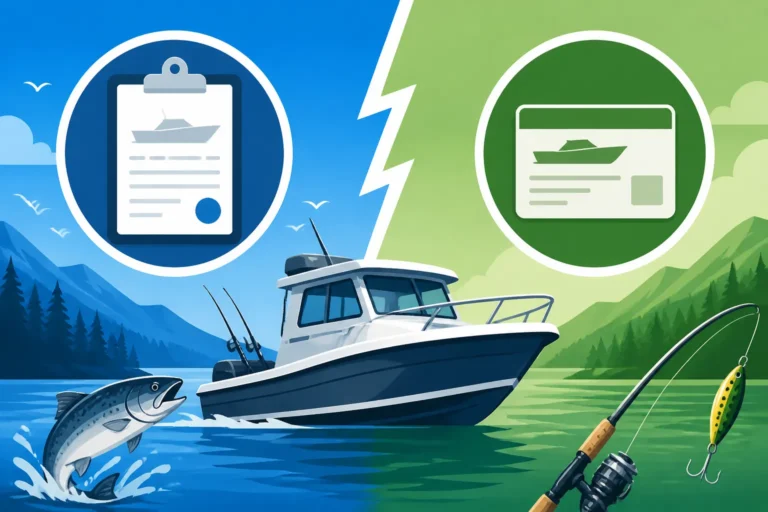
British Columbia offers two main types of base fishing licenses: one for freshwater and one for tidal waters (saltwater). As an out-of-province student, you'll need to decide which type of water you plan to fish.
- Freshwater Fishing License: If you're planning on casting a line in BC's numerous lakes, rivers, and streams – think fishing for trout in the Okanagan, trying for steelhead in the Fraser Valley, or exploring smaller Interior lakes – you'll need a Freshwater Fishing License. For out-of-province students, this will typically be a non-resident freshwater license, at least for your first six months. The BC Freshwater Fishing Regulations Synopsis is an absolute must-read for anyone fishing these waters, as it details specific rules for different regions and species.
- Tidal Waters Fishing License: If your angling dreams involve the Pacific Ocean – salmon fishing off Vancouver Island, halibut jigging near Tofino, or crabbing in Howe Sound – then a Tidal Waters Fishing License is what you'll require. Again, for most out-of-province students who haven't met the "ordinarily resident in Canada" criteria for tidal waters (which usually means you don't claim residency elsewhere), you'll fall into the non-resident category. It’s important to remember that these two licenses are separate; one doesn't cover the other. So, if you plan to fish both the Fraser River for salmon and the Strait of Georgia for halibut, you'll need both a freshwater and a tidal waters license. Our detailed article on BC Freshwater vs Tidal Waters License, Explained goes into more depth on this.
Short-term vs. Annual Options
Once you've figured out whether you're targeting freshwater or tidal, and you've accepted your non-resident status (for now!), you'll then choose between short-term and annual license options. This is where you can save a bit of money if you're only planning a few specific trips.
- Short-Term Licenses: For non-residents, these are fantastic if you're only going to fish for a limited period. You can typically purchase 1-day, 3-day, or 5-day licenses. This is perfect for a weekend trip to a lake near your campus or a quick charter trip with friends. The cost per day is higher than an annual license, but if you only fish a couple of times a year, it's more economical. For instance, an out-of-province student might opt for a BC non-resident 1-day freshwater fishing license cost if they're just trying it out.
- Annual Licenses: If you know you'll be fishing frequently throughout the academic year, an annual non-resident license might be a better value. These licenses are valid from April 1st to March 31st of the following year, regardless of when you purchase them. So, if you buy one in October, it's still only valid until March 31st. Keep that in mind when calculating the cost-effectiveness.
Conservation Stamps
This is another critical component that many anglers, especially newcomers, often overlook. In addition to your base fishing license, you'll need specific conservation stamps if you plan to retain certain species. These stamps fund critical conservation efforts to protect BC’s precious fish populations.
- Salmon Conservation Stamp: Absolutely mandatory if you plan to retain any species of Pacific salmon (Chinook, Coho, Sockeye, Pink, Chum) in either freshwater or tidal waters. Even if you're just targeting one salmon, you need this stamp. The cost is the same for residents and non-residents. Without it, any retained salmon is considered an illegal catch. You can learn more about BC Salmon Conservation Stamp Rules.
- Steelhead Conservation Surcharge Stamp: This is required for angling for steelhead in designated steelhead waters. Steelhead are a prized game fish, and these funds go directly to their protection and management. If you're heading to rivers known for steelhead, like the Thompson or Skeena, don't forget this.
- Other Surcharge Stamps: Depending on where you fish and what you target, there might be other specific stamps or tags required. For example, specific waters might have a BC Rainbow Trout Conservation Surcharge Stamp or even a BC Sturgeon Conservation Surcharge Stamp for catch-and-release efforts. Always check the specific regulations for the body of water you intend to fish.
How to Purchase a License as an Out-of-Province Student
Okay, now that you know what you need, let's talk about how to get it. The process is pretty streamlined these days, but it’s still good to know your options and what to expect.
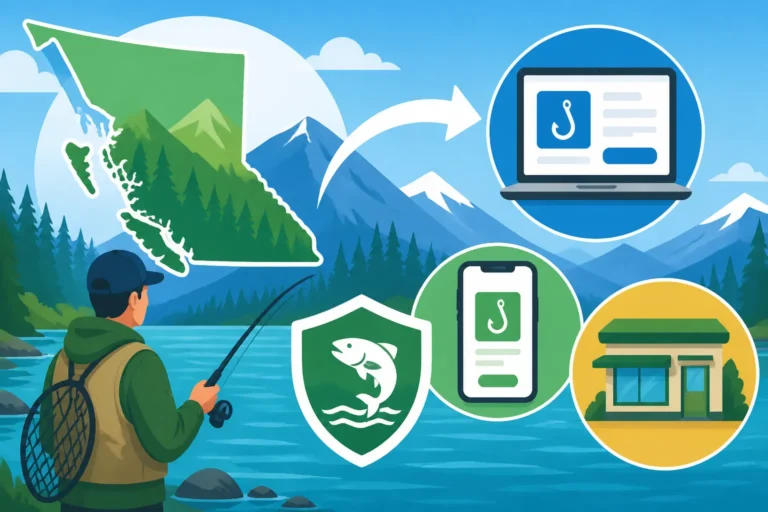
Online Purchase Process
This is by far the most convenient method for most people, including busy college students. The BC government's online system is generally user-friendly.
- Visit the Official Licensing Website: Head directly to the BC Angling, Hunting & Trapping Licensing (AHTL) system website. You can find links to it through the official BC government environment or fisheries pages.
- Create an Account: If you don't already have one, you'll need to create an account. This typically involves providing your personal details, including your full legal name, date of birth, and mailing address. You will be asked about your residency status. Be honest here; misrepresenting your residency can lead to significant penalties.
- Select Your Licenses and Stamps: Navigate through the options to select your base Freshwater or Tidal Waters license. Remember to choose the "non-resident" option and then pick your desired duration (annual, 1-day, etc.). Crucially, add any necessary conservation stamps, like the Salmon Conservation Stamp, if you plan to keep salmon.
- Payment: Pay using a credit card or other accepted online payment methods.
- Print or Save: Once purchased, you'll receive a digital copy of your license. You must carry either a physical printout or an electronic copy on your smartphone or tablet while fishing. Trust me, fishery officers will ask to see it, and having it readily available saves everyone a lot of hassle. You can read more about Printing or Carrying a Digital Fishing License in BC.
In-Person Vendors
Sometimes, you might prefer to buy your license in person, especially if you have questions or want to chat with a local expert. Many fishing tackle shops, outdoor retailers, and some general stores across BC act as authorized vendors.
- Find a Vendor: You can usually find a list of authorized vendors on the BC government’s fishing license website. Larger towns and cities will have several options. For example, if you're studying in Vancouver, you could visit a local sporting goods store like Pacific Angler or a Canadian Tire location.
- Required Documentation: When purchasing in person, you'll need to provide the same personal identification you would online. While you won't need to prove residency for a non-resident license, having a valid ID (like your driver's license or passport) is essential. If you somehow qualify for a resident license, be prepared to show documentation confirming your six-month residency in BC.
- Ask Questions: This is the big advantage of buying in person! If you're unsure about specific regulations for the lake you're heading to, or which stamp you need, the staff at these vendors are often knowledgeable anglers themselves and can provide invaluable local advice.
Navigating Common Pitfalls and Misconceptions
It’s easy to make a mistake when dealing with regulations, especially when you’re new to a province. Here are some common pitfalls out-of-province students encounter and how to avoid them.
Misunderstanding Residency Rules
This is by far the most common mistake. Many students assume their student housing or temporary address qualifies them as a BC resident. As we’ve covered, the official definition for fishing purposes is quite strict about continuous physical presence. The frustration of paying higher non-resident fees is real, but it's a necessary step to ensure you're fishing legally. Getting caught fishing with the wrong type of license can result in fines ranging from a few hundred dollars to thousands, and potentially the seizure of your fishing gear. It’s simply not worth the risk. Always default to purchasing a non-resident license unless you are absolutely certain you meet the six-month residency requirement and have proof.
Forgetting Conservation Stamps
Another frequent oversight is forgetting to purchase the required conservation stamps. You might have your base license, but if you hook into a beautiful BC salmon and don't have that Salmon Conservation Stamp, you're looking at a violation. It’s easy to add these stamps when you buy your base license online or in person. Think of them as necessary add-ons, like extra toppings on your favorite pizza. Always double-check your plans – if there's any chance you'll target salmon, even incidentally, get the stamp. For those passionate about specific species, understanding the nuances of BC Freshwater Salmon Retention Rules is paramount.
Consequences of Fishing Without Proper Licenses
The consequences of fishing without a valid license or the necessary stamps in British Columbia are not to be taken lightly. Fisheries officers, both federal and provincial, actively patrol popular fishing spots. They are well within their rights to stop you, request to see your license and catch, and verify your identity.
- Fines: You can face significant monetary penalties. A basic fine for fishing without a license can be in the hundreds of dollars, but if you're found to have retained fish without the proper stamps, or exceeded bag limits, those fines can quickly escalate into the thousands.
- Gear Seizure: Fisheries officers have the authority to seize your fishing equipment, including your rods, reels, tackle, and even your boat. Imagine losing that brand-new rod you just bought from Amazon or a local tackle shop. It’s a costly lesson to learn.
- Future Restrictions: Repeated offenses or serious violations can lead to suspension of your fishing privileges in BC, and potentially nationwide. This means no fishing for you for a set period, which is a real bummer if you've fallen in love with angling here.
Always carry your license (digital or physical) and be ready to present it. It's a small step that prevents a world of potential headaches.
BC Fishing License Options for Out-of-Province College Students
To simplify things, here's a table summarizing common license scenarios and the type of license an out-of-province student would typically need. Keep in mind that costs can fluctuate, so always check the official BC government website for the most current pricing.
| Scenario | License Type (Base) | Required Stamps (if applicable) | Typical Duration Options | Example Cost (Estimate) |
|---|---|---|---|---|
| Weekend Freshwater Trip | Non-Resident Freshwater | Salmon, Steelhead, etc. (if kept) | 1-Day, 3-Day, 5-Day | $20-50 (base + stamps) |
| Annual Freshwater Fishing | Non-Resident Freshwater Annual | Salmon, Steelhead, etc. (if kept) | Annual (Apr 1 – Mar 31) | $100-150 (base + stamps) |
| Weekend Tidal Waters Trip (Ocean) | Non-Resident Tidal Waters | Salmon Conservation Stamp (if kept) | 1-Day, 3-Day, 5-Day | $20-60 (base + stamps) |
| Annual Tidal Waters Fishing (Ocean) | Non-Resident Tidal Waters Annual | Salmon Conservation Stamp (if kept) | Annual (Apr 1 – Mar 31) | $100-160 (base + stamps) |
| Short Trip targeting Sturgeon | Non-Resident Freshwater | Sturgeon Surcharge Stamp | 1-Day, 3-Day | $30-70 (base + stamps) |
Note: These are estimated costs and can change. Always verify current pricing on the official BC government angling licensing website.
Remember to check BC Fishing Season Dates and Closures and BC Bag and Possession Limits by Species regularly, as these can change often based on conservation efforts and stock levels. Many fishing spots, especially sensitive ones, are subject to BC Fishery Notices and In-Season Closures, Explained which can be updated at a moment's notice. Before any trip, it’s always wise to check the most recent regulations for your specific body of water. Tools like the FishBC app or checking the official government websites are essential. While you're at it, consider browsing Amazon for some essential fishing gear like a tackle box, waders, or even a good pair of polarized sunglasses to enhance your experience. Even something as simple as a reliable pair of pliers or a fish gripper can make a huge difference, and you can find great deals on these items on Amazon to get you started without breaking your student budget. Just make sure whatever gear you buy, it aligns with local regulations, particularly concerning hook types or lead weights.
Staying Informed and Enjoying Your Fishing Adventures
Being an out-of-province college student in British Columbia presents an incredible opportunity to explore some of the most beautiful and productive fishing grounds in the world. From the robust salmon runs to the tranquil trout lakes, there's truly something for every angler. Don't let the paperwork deter you! By understanding the specific rules for non-resident students, purchasing the correct licenses and stamps, and staying informed about current regulations, you can enjoy these experiences worry-free.
Always treat our waters and fish with respect. Practice responsible angling, know your limits, and if you’re unsure about a rule, err on the side of caution or ask a local expert. Many local tackle shops and experienced anglers are happy to share their knowledge, and there's a strong community vibe around fishing here. Embrace the learning curve, be patient, and most importantly, have fun out there. Before you head out, perhaps grabbing a multi-tool or a new fishing hat from Amazon might be a good idea to ensure you're fully equipped for your next adventure. Happy fishing!
Disclaimer
The information provided in this guide is for general informational purposes only and is not legal advice. Fishing regulations in British Columbia can change frequently. It is the angler's sole responsibility to consult the most current official regulations, including the BC Freshwater Fishing Regulations Synopsis and the Pacific Region Tidal Waters Sport Fishing Guide, prior to engaging in any fishing activities. Always verify residency requirements and license details with the official BC government licensing authority.