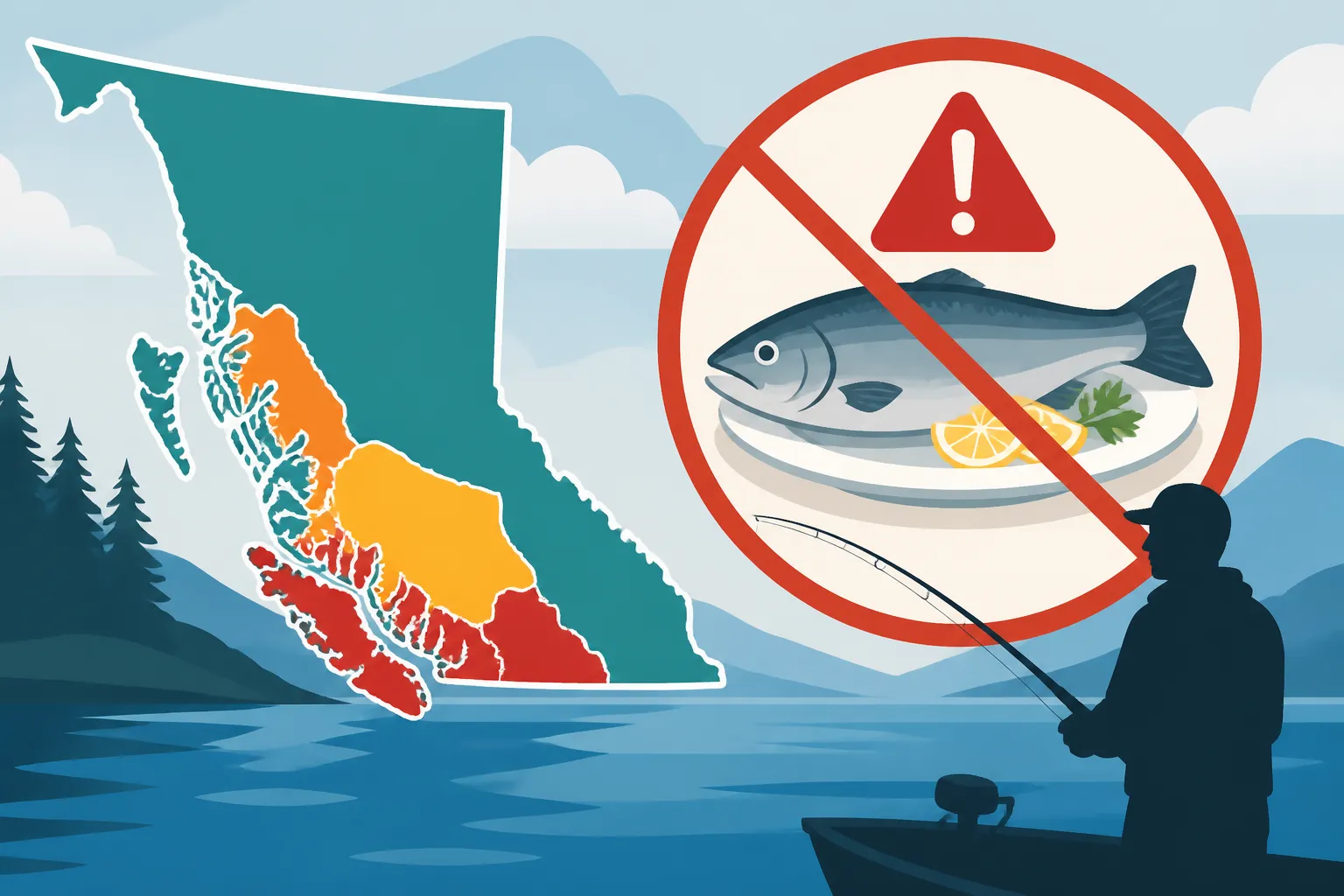
Which BC waters have fish consumption advisories
There's nothing quite like the thrill of landing a beautiful fish in British Columbia's stunning waters, but that joy can quickly turn to uncertainty when you start wondering if your prized catch is actually safe to eat. It's a valid concern many of us share: you've spent the day out on the lake or river, battled a strong fish, and now you're dreaming of fresh fillets for dinner, only to second-guess if there might be hidden health risks. This comprehensive guide is here to shed light on which BC waters often have fish consumption advisories, what these advisories mean for you and your family, and how you can stay informed to make responsible choices for your fishing adventures.
What are Fish Consumption Advisories and Why Do They Exist?
When you hear about fish consumption advisories, it's easy to feel a knot in your stomach. No one wants to think that the fish they love to catch and eat might be harmful. But these advisories aren't meant to scare you away from fishing; they're put in place by health authorities as a precautionary measure, based on scientific testing, to protect public health. They're guidelines, not outright bans, designed to help you make informed decisions about how much and what type of fish you can safely consume from specific bodies of water.
Defining Consumption Advisories
At their core, a consumption advisory is a recommendation regarding the amount of fish that can be safely eaten from a particular water body, or even a specific species of fish within that water body, over a given period. They usually specify limits based on factors like the type of fish, its size, and for whom the fish is intended – often with stricter guidelines for pregnant women, young children, and individuals with compromised immune systems. It's a delicate balance, acknowledging the incredible nutritional benefits of fish while also addressing potential risks. It’s not about if you can eat fish, but how much and from where.
Imagine you're fishing a popular spot near an older industrial area, maybe a river that's seen a lot of human activity over the decades. The fish caught here might accumulate more contaminants than fish from a pristine, remote alpine lake. This is precisely the kind of scenario where advisories become crucial. They help you gauge the risk, guiding you to consume less of certain fish if the levels of contaminants are elevated, or perhaps to opt for catch-and-release in those particular areas altogether.
The Science Behind the Warnings
So, how do these advisories come about? It's not a shot in the dark; it's rooted in extensive scientific study and monitoring. Government agencies and environmental scientists regularly sample fish from various lakes, rivers, and coastal areas across British Columbia. They're looking for common environmental contaminants that fish absorb from their surroundings. These contaminants can enter aquatic environments through natural processes, but also, unfortunately, through human activities like industrial discharge, agricultural runoff, and even atmospheric deposition from distant sources.
Once fish are sampled, they're tested in labs for concentrations of these substances. The data is then analyzed against health thresholds to determine safe consumption levels. This process is complex and takes time, but it ensures that the advice provided is as accurate and protective as possible. It's a constant effort, because water quality and contaminant levels can change over time, requiring advisories to be updated periodically. These scientific findings are then distilled into digestible advice for the public, often available through provincial health authorities or environmental agencies.
Understanding the Health Risks: Why These Advisories Matter
When we talk about contaminants in fish, it can sound quite abstract. But for anglers and their families, understanding what these substances are and how they can affect health is really important. It helps underscore why paying attention to consumption advisories isn't just bureaucratic red tape, but a genuine concern for well-being.
Mercury: The Big Concern
Without a doubt, mercury, particularly methylmercury, is one of the most common and persistent concerns in fish consumption advisories, especially for larger, older predatory fish. Mercury occurs naturally in the environment, but human activities such as burning fossil fuels have significantly increased its presence in the atmosphere, which eventually settles into our waterways. Once in the water, microorganisms convert elemental mercury into methylmercury, a highly toxic form that accumulates in the food chain.
Think of it like this: tiny aquatic organisms absorb methylmercury, small fish eat those organisms, medium fish eat the small fish, and so on, right up to the top predators like large trout, pike, or even some salmon species that spend a long time in freshwater. Each step up the food chain, the concentration of methylmercury increases – this is called biomagnification. This means that a really big, old lake trout or bull trout from a particular lake might have significantly higher mercury levels than a smaller, younger fish of the same species. When people consume too much fish with high methylmercury, it can affect the nervous system, kidneys, and brain development, especially in fetuses and young children. This is why you often see specific warnings for Mercury advisory fish species in BC waters and vulnerable populations.
Other Contaminants to Be Aware Of
While mercury tends to get the most attention, it’s not the only contaminant that concerns health authorities. Other substances can also accumulate in fish tissue, sometimes leading to advisories. These include:
- Polychlorinated Biphenyls (PCBs): These industrial chemicals were widely used in electrical equipment, coolants, and other products before being banned in the late 1970s. However, they are incredibly persistent in the environment and can still be found in sediments and the aquatic food chain, particularly in areas with a history of heavy industrial activity. PCBs can affect the immune system, reproductive function, and have been linked to cancer.
- Dioxins and Furans: These are byproducts of industrial processes like waste incineration, chemical manufacturing, and sometimes natural events like forest fires. Like PCBs, they are persistent and can accumulate in fatty tissues of fish. They are potent toxins that can disrupt hormones and affect development.
- Pesticides: While regulations have tightened, residues from older, persistent pesticides can still be present in some water bodies, particularly those with a history of intensive agriculture.
The good news is that monitoring efforts are ongoing, and advisories are regularly reviewed. Keeping up-to-date with current information is key to avoiding these potential risks. Always remember that the flesh of the fish is usually the concern, not necessarily the skin or scales, but proper cleaning and preparation can help, though it doesn't eliminate all contaminants.
Special Considerations for Vulnerable Populations
It’s not just about what contaminants are present, but also who is eating the fish. Health authorities consistently highlight that certain groups are more vulnerable to the effects of contaminants like mercury and PCBs. These groups include:
- Pregnant women and women who may become pregnant: Methylmercury can cross the placenta and affect the developing brain and nervous system of the fetus.
- Breastfeeding mothers: Contaminants can be passed to infants through breast milk.
- Young children: Their developing bodies are more susceptible to the toxic effects of these substances.
- Elderly individuals or those with compromised immune systems: They may have a reduced ability to process and eliminate toxins.
For these groups, consumption limits are often much stricter, or specific recommendations are made to avoid certain types or sizes of fish altogether from advisory-affected waters. This isn't to discourage them from enjoying fresh fish, but rather to ensure they reap the nutritional benefits without unnecessary risk. Always check the specifics of an advisory, as it will often break down recommendations by these vulnerable categories.
Navigating Specific Waters with Advisories in BC
British Columbia is vast, with countless lakes, rivers, and miles of coastline. While it's impossible to list every single water body, we can talk about general areas and types of fisheries that have historically, or may currently, carry consumption advisories. The key takeaway here is that local knowledge and official sources are your best friends.
Coastal Waters and Shellfish
BC's coast is famous for its incredible salmon, halibut, and shellfish. Generally speaking, the vast open ocean waters tend to have lower contaminant concerns for migratory fish like Pacific salmon due to their wide-ranging diets and shorter lifespans in specific feeding grounds. However, this isn't always the case, and localized issues can arise. Is Halibut Good to Eat? and Is Sockeye Salmon Good to Eat? are common questions, and generally, these are very safe and healthy choices.
Where you might encounter advisories in coastal areas are often related to:
- Near urban or industrial centres: Estuaries, harbours, and bays close to major cities like Vancouver, Victoria, or Prince Rupert, particularly those with a history of industrial activity, can sometimes have advisories for resident bottom fish like sole, rockfish, or even crab and prawn. These areas have accumulated pollutants over decades.
- Specific shellfish harvesting areas: Shellfish like oysters, clams, and mussels are filter feeders, meaning they can accumulate toxins from algal blooms (red tides) or bacterial contamination, leading to closures or advisories. These are usually communicated through DFO (Department of Fisheries and Oceans Canada) or local health authorities, often posted at access points. It's separate from general fish advisories but equally important for coastal foragers.
- Long-lived, bottom-dwelling species: Just like in freshwater, older, larger, bottom-dwelling marine fish, even in seemingly cleaner areas, could have higher levels of contaminants like mercury. Is Lingcod Good to Eat? is another common question, and while lingcod is delicious, their predatory nature means that older, larger specimens might accumulate more mercury, similar to freshwater predators.
Always check local fishery notices and health advisories before heading out, especially for shellfish or fishing in urbanized coastal zones.
Interior Lakes and Freshwater Species
The interior of British Columbia is dotted with thousands of lakes and rivers, offering incredible freshwater fishing opportunities, whether you're targeting How to Catch Rainbow Trout in BC Lakes or chasing after Gerrard rainbow trout in Kootenay Lake Fishing Guide. This is where many of the more prominent mercury advisories tend to crop up, primarily due to the unique characteristics of certain lakes and the feeding habits of certain fish.
- Large, deep, nutrient-poor lakes: These types of lakes, particularly those with older bedrock geology (like some in the Cariboo or Okanagan regions, for example), can naturally have higher background levels of mercury. This mercury then becomes more concentrated in the food chain.
- Predatory fish species: As mentioned earlier, species at the top of the food chain, such as large Rainbow Trout, Lake Trout, Bull Trout, and Northern Pike, are the most likely to accumulate mercury. If you're fishing Okanagan Valley Fishing Guide or other large interior lakes, it's particularly important to be mindful of advisories for these species, especially the trophy-sized ones that have lived for many years.
- Smaller, stocked lakes: Generally, smaller lakes that are regularly stocked with rainbow trout tend to have fewer concerns, as the fish are often younger and have spent less time accumulating contaminants. However, it's never a guarantee, so a quick check is always prudent.
The general advice for interior lakes often revolves around limiting consumption of larger, older predatory fish, and providing specific portion recommendations for vulnerable groups.
Rivers and Migratory Fish
British Columbia's rivers, like the Fraser River Fishing Guide and the mighty Skeena system, are arteries for migratory salmon and steelhead. These rivers also host resident species like White Sturgeon Fishing on the Fraser River and various trout.
- Migratory Salmon and Steelhead: For species like Chinook, Coho, Sockeye, Pink, and Chum salmon, and Steelhead Fishing in BC, which spend most of their lives in the ocean before returning to rivers to spawn, general consumption advisories are less common unless there are specific, localized issues near industrial discharge points or historical contamination sites. Their time in a particular freshwater river system is often relatively short, reducing the accumulation of local freshwater contaminants. However, their ocean diet and migration routes can still influence overall contaminant levels, so general advisories for certain ocean-caught species might still apply.
- Resident River Fish (e.g., Sturgeon, Bull Trout): For non-migratory, long-lived, and often predatory fish that spend their entire lives in river systems, such as White Sturgeon in the Fraser or larger Bull Trout in various rivers, advisories are more likely. Sturgeon, in particular, are bottom feeders and can live for well over a century, making them susceptible to accumulating contaminants from riverbed sediments over their long lives. This is why strict catch-and-release rules often apply to species like sturgeon, not just for conservation but also due to potential consumption concerns.
It's a nuanced picture, and the regulations for rivers, especially the larger ones, are often quite dynamic. Always check the latest BC Fishery Notices and In-Season Closures, Explained and local health authority information.
| Water Type / Fish Category | Common Contaminant Concern | General Risk Factor | Typical Advisory Recommendation |
|---|---|---|---|
| Interior Lakes | Mercury | High (especially for large, old predators) | Limit consumption of larger predatory fish; stricter limits for vulnerable groups. |
| Coastal Urban Bays/Estuaries | PCBs, Dioxins, Mercury | Moderate to High (for resident bottom fish, shellfish) | Specific limits or avoidance for certain species; shellfish closures possible. |
| Open Coastal Waters | Generally Lower | Low (for migratory salmon, halibut, if well offshore) | General guidelines, but large, long-lived species like Lingcod or Halibut may have specific advice. |
| Major River Systems | Mercury, PCBs (localized) | Moderate (especially for long-lived resident species) | Strict catch-and-release for species like Sturgeon; limited consumption for large resident trout/char. |
| Shellfish | Biotoxins (Red Tide), Bacteria | High (can be sudden and localized) | Check DFO closures before harvesting; specific harvesting days/zones. |
How to Stay Informed and Fish Responsibly
It can feel overwhelming, can't it? All this talk of contaminants and advisories might make you think twice about eating your catch. But with a bit of proactive research and responsible practices, you can enjoy the bounty of BC's waters with confidence.
Official Sources of Information
Your absolute best resource for current and accurate fish consumption advisories are the official government and health authority websites. Trying to rely on old articles or hearsay from the docks is a recipe for trouble. Here’s where you should look:
- BC Centre for Disease Control (BCCDC): This is your primary source for provincial-level health guidance, including detailed fish consumption advisories. They often have interactive maps or lists of specific lakes and rivers with detailed recommendations. Their site is usually easy to navigate and provides clear, concise advice for various populations.
- Health Canada: While BCCDC handles the provincial specifics, Health Canada provides broader national guidelines and scientific background on contaminants in fish. Sometimes, provincial advisories will reference federal standards.
- Fisheries and Oceans Canada (DFO): For coastal areas, particularly concerning shellfish harvesting closures due to red tide or other marine biotoxins, DFO is the authority. Their website often has alerts and maps showing areas that are open or closed for recreational shellfish harvesting. These are updated frequently, so check often if shellfish is your target.
- Local Health Authorities: Depending on where you are, regional health authorities might provide more localized information, especially for smaller lakes or less prominent fishing spots that might not be on the main BCCDC list. A quick search for the health authority specific to the region you plan to fish in can be very helpful.
Before any fishing trip, especially if you plan to keep your catch for dinner, make it a habit to check these resources. It’s a simple step that goes a long way in ensuring your meal is both delicious and safe.
Practical Tips for Anglers
Beyond checking official sources, there are some everyday practices that can help you fish responsibly and potentially reduce your exposure to contaminants:
- Know Your Waters and Your Fish: Research the specific water body you're fishing. Is it known for industrial history? Is it a large, deep lake where older fish thrive? Understand the species you're targeting. Are they top predators? Are they long-lived? For instance, if you're fishing a popular lake and targeting a BC record rainbow trout weight, that decades-old fish is more likely to have accumulated contaminants than a pan-sized trout.
- Vary Your Catch: Instead of solely targeting large, old predatory fish from one specific lake, try to diversify. Fish different waters, and target different species. For instance, smaller, younger fish generally have lower contaminant levels than larger, older ones. This is a good strategy to reduce overall exposure.
- Catch and Release: If you're fishing in a known advisory area, or simply caught a particularly large, old fish that you suspect might have higher contaminant levels, consider practicing catch and release. This is especially true for long-lived species like sturgeon, where BC Fraser River Sturgeon Catch and Release Requirement is not only a regulation but also a wise choice for health.
- Proper Fish Preparation: While you can't cook mercury out of fish, you can reduce some contaminants like PCBs and dioxins which tend to accumulate in fatty tissues. Trimming off the skin and visible fat before cooking, and baking or broiling the fish so fat can drip away, can help. This isn't a silver bullet, but it's a helpful step.
- Equip Yourself: Having the right gear can also indirectly help. A good cooler, perhaps one you found on Amazon, ensures your catch is properly chilled, preserving its quality. Tools for efficient and clean filleting can also make a difference in your preparation.
Choosing Safer Alternatives
Sometimes, after checking the advisories, you might decide that the risk for a particular water body or species is just not worth it. That's a perfectly valid and responsible decision! But it doesn't mean you have to give up on enjoying fresh fish.
- Focus on Different Species or Sizes: Perhaps the advisory is only for very large fish of a certain species. You can still target smaller, younger fish of that species, or switch to a different species that is less likely to accumulate contaminants. For example, if large bull trout in a specific lake have an advisory, maybe shift your focus to smaller kokanee or rainbow trout in that same water. BC Kokanee Retention Rules are often quite generous, and these smaller, plankton-feeding fish are generally very safe.
- Explore Different Waters: British Columbia has an incredible abundance of fishing opportunities. If one lake has a strong advisory, there are countless others to explore. Perhaps a remote alpine lake, a river known for its clean, cold water, or even a local stocked pond where fish are regularly introduced. The Best eating fish species from BC waters list often includes many species that are generally low in contaminants.
- Consider Commercial Fish: If you're really keen on a specific type of fish but the local wild catch has an advisory, you can always purchase commercially caught fish. Commercial fisheries are also subject to strict regulations and monitoring for contaminants, ensuring the product sold in stores is safe for consumption.
- Prioritize the Experience: Sometimes, the joy of fishing isn't just about the meal at the end of the day. It's about being out on the water, the challenge of the catch, and the beauty of nature. If an advisory makes you hesitant about eating your fish, shift your focus to the experience itself. Many anglers find immense satisfaction in Catch and Release Only Waters regardless of advisories. The memories of the fight and the pristine surroundings are often more valuable than a fillet.
By combining vigilance with flexibility, you can continue to enjoy the fantastic fishing British Columbia has to offer, keeping both your health and the health of the environment in mind.
Disclaimer
This article is for general informational purposes only and does not constitute professional advice. Laws, prices and regulations vary by location and change over time. Consult a qualified professional for guidance on your specific situation.